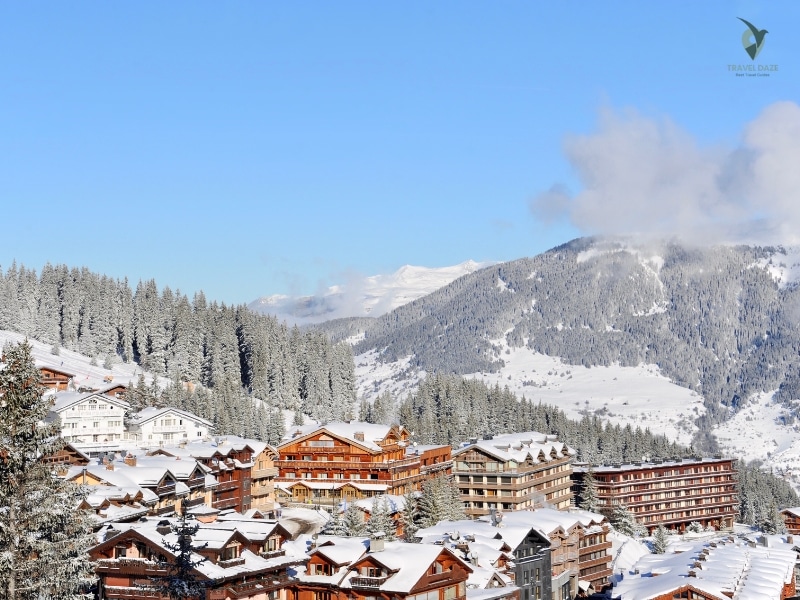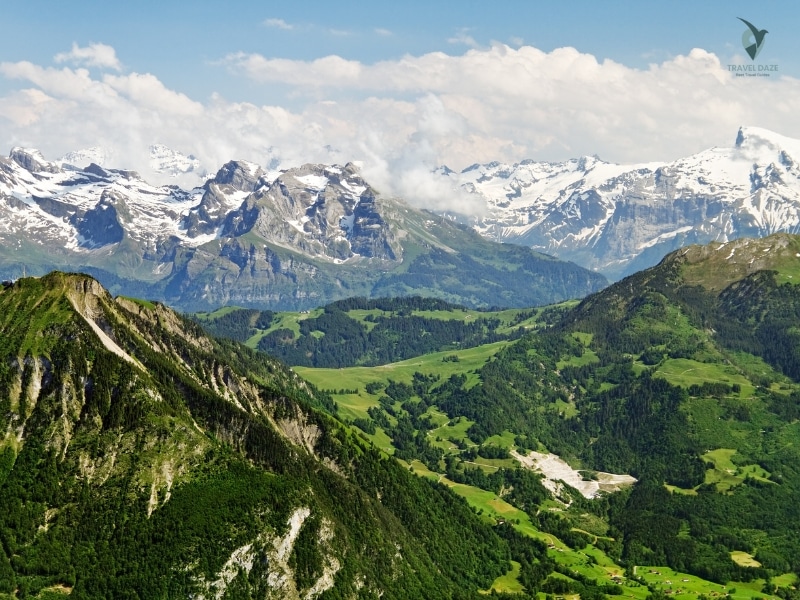
The Tour du Mont Blanc is the best all-around hike in the Alps for most people, the Höhenweg Zermatt-Saas is the pick if you want the Matterhorn without the crowds, and if you have only one day, walk the Cinque Torri circuit in the Dolomites and call it a life highlight. That is the short version of the best Alpine hiking, Dolomites, Zermatt, and Grindelwald included. Start with one range and one season, then pick the trail to match. The most popular hiking in the Alps clusters in a handful of places: the Dolomites for easy, well-marked loops, Zermatt for the Matterhorn views, Grindelwald for the Eiger, and the Tour of Monte Rosa for a long multi-day loop. Book huts four to six months out or you will be sleeping in a train station.
Last updated: 2026-07-27
Which Alps trail should you hike first?
Start with the Tour du Mont Blanc if you have a week or more. It loops around the Mont Blanc massif through France, Italy, and Switzerland, and it is the right default for most first-timers. The paths are well marked, the huts are frequent, and you are never far from a village if a plan falls apart. You get glaciers, high passes, and three countries of food without needing a rope or crampons.
Here is the honest trade-off. It books out early and it gets crowded in August. Because so many people walk it, the huts sell out months ahead, so treat booking as step one, not an afterthought. If you want the same scale of scenery with fewer people, the Höhenweg Zermatt-Saas, often called the Europaweg, gives you dramatic high-alpine views of the Matterhorn without TMB-level foot traffic.
The Alps stretch across eight countries, so the Alps is not one trip. Most people hike July to August, when the high paths are clear of snow and the huts are open. Pick your range first, then your season, then the trail. Do it the other way round and you end up at a snowed-in pass in June wondering where everyone is.
What are the best day hikes in the Alps?
The Cinque Torri circuit in the Dolomites is the one to do if you have a single day. The five rock towers rise straight out of the meadow, the loop is short, and you walk through open-air First World War trenches on the way round. It packs more into a few hours than most full-day hikes manage, and a chairlift shortens the climb if your knees are done.
For an easy, well-signed day, the Piz La Ila loop in Alta Badia is my pick. Alta Badia sits in South Tyrol, in the Italian Dolomites, and the paths are marked and maintained better than almost anywhere I have read about in North America. That matters more than it sounds. Good signposting is the difference between a relaxed day and a stressed one. You pass rifugios, the mountain huts that serve food, and some have playgrounds, so this works with kids.
Zermatt and Grindelwald both offer viewpoint day hikes that do not need a train. Kleine Scheidegg near Grindelwald gives you the wide view of the Eiger, the Mönch, and the Jungfrau without the hardest climbing. Around Zermatt, trails run out of the village in every direction toward the Matterhorn. In all of these, come in late June for wildflowers and thinner crowds, or accept that August huts fill up.
Where day hikes rank, shortest to most demanding:
- Piz La Ila loop, Alta Badia – gentle, well-signed, family-friendly
- Cinque Torri circuit, Dolomites – short but spectacular, best single day in the Alps
- Kleine Scheidegg viewpoint walks, Grindelwald – big Eiger scenery, moderate effort
What are the best multi-day treks in the Alps?
The Tour du Mont Blanc wins for most trip lengths, but the right long-distance route depends on your experience. Here is how the classic three compare.
| Trek | Distance | Days | Best for | The catch |
|---|---|---|---|---|
| Tour du Mont Blanc | Long loop, roughly a week to ten days | Most first-timers | Books out early; crowded in August | |
| Tour of Monte Rosa | 174 km (108 mile) circular trek | A long loop with something to prove | One glacier crossing needs a guide and gear | |
| Haute Route (Chamonix to Zermatt) | Multi-week high route | Experienced hikers wanting a serious challenge | Glacier sections and real navigation |
The Tour du Mont Blanc is the best all-around choice and where I would send nearly everyone new to multi-day walking. The Haute Route, from Chamonix to Zermatt, is the advanced pick: real glacier travel, real navigation, and no room for guessing. Save it until you have hut-to-hut miles behind you.
The Tour of Monte Rosa runs a 174 km circular loop through the Italian and Swiss Alps, sleeping in traditional mountain huts. This is the answer to multi-day hikes in the Alps, and it is not a soft one. One section crosses a glacier. That means a guide, a rope, and crampons, not a hopeful solo attempt. For a first multi-day trip, this is not where I would start. Build up in the Dolomites first, then come back for this.
Easing into multi-day walking? The Alta Via 1 in the Dolomites is the friendliest long trek: well-marked, hut every few hours, no glacier travel.
Is hut-to-hut hiking worth it?
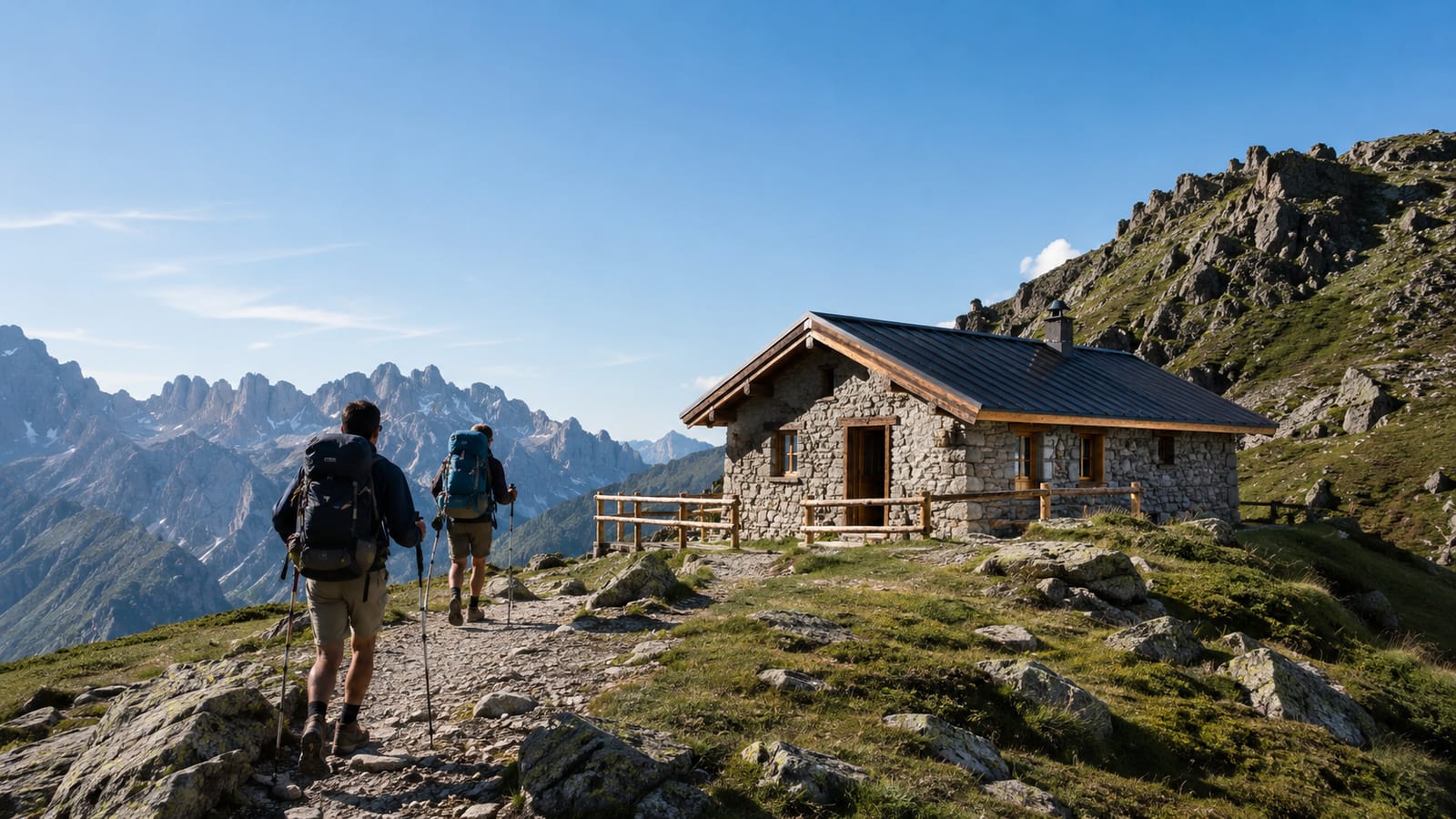
Yes, and it is what makes the Alps different from hiking almost anywhere else. Instead of carrying a tent, you walk between rifugios, mountain huts that feed you dinner and give you a bunk. You carry a day pack, eat speck and strudel at altitude, and wake up already halfway up the mountain. For a multi-day trip, it is worth it every time.
The mistake people make is booking too late. Popular huts sell out months ahead in July and August, so reserve four to six months out for the busy ones. Bring a sleeping liner, since most huts require one, and carry cash because some do not take cards. Confirm whether dinner is included when you book, not when you arrive tired.
Standout huts worth planning around: the refuges along the Alta Via 1 for beginners, and the classic staffed huts on the Tour du Mont Blanc that turn a long day into a warm meal. Book directly through each hut's own site or the regional alpine club, not a third-party reseller that adds a fee for nothing.
Which Alps region should you pick?
Match the country to the trip you want. Each of the four main hiking regions has a clear personality, and picking the wrong one for your budget or fitness is the easiest way to sour a trip.
- Italian Alps (Dolomites): the best value and the easiest navigation. Marked loops, frequent huts, good food, lower prices than Switzerland. Best for first-timers and families.
- Swiss Alps (Zermatt, Grindelwald): the most dramatic peaks and the highest costs. The Matterhorn and the Eiger are here, and so are the expensive railways. Best if the iconic view is the whole point.
- French Alps (Chamonix): the launchpad for the Tour du Mont Blanc and the Haute Route. Big-mountain scenery and serious routes. Best for committed multi-day hikers.
- Austrian Alps (Tyrol): quieter, greener, and cheaper. Long ridge walks and fewer crowds. Best if you want space and do not need a postcard peak.
If your budget is tight, Switzerland will hurt. The railways and mountain meals add up before lodging. In that case, base your trip in the Italian Dolomites, where the same quality of trail costs less. Deciding between the big two? My comparison of the Swiss and French Alps lays out the trade-offs.
What are the best trails for solo hikers?
The Eagle Walk in Austria, known as the Adlerweg, is my top pick for hiking alone. It runs long through Tyrol, it is well marked, and it stays quieter than the famous Swiss and French routes without leaving you truly isolated. You get company at the huts each night and empty trail during the day, which is the balance most solo walkers actually want.
Well-signposted walks matter more when nobody is checking your navigation. For that reason the Dolomites are the calmest solo choice, with short loops and huts every hour or two. Zermatt and Grindelwald work too, as long as you stick to the marked circuits and skip the exposed scrambles unless you know your limits.
If you are confident with exposure and want real remoteness, the Sentiero Roma in the Italian Alps delivers it, but it is an advanced route with serious drop-offs. That is a step up from the Adlerweg, not a starting point. Whatever you pick, tell someone your route each morning and carry a paper map as backup. For a quieter base to return to, my notes on lesser-known alpine villages point somewhere calmer.
When is the best time to hike in the Alps?
July and August are the safe window, when the high passes are clear of snow and the huts are open. That is also when the crowds peak and the huts sell out, so it is a trade. If you want fewer people, aim for late June or early September and accept a little more weather risk.
Timing shifts by region. In the Dolomites, late June brings wildflowers and thinner crowds before the August rush. High Swiss routes like the Haute Route need full summer, because snow lingers on the passes into early July. Austrian ridge walks open a touch earlier and stay pleasant into September.
Afternoon storms are common all summer, so start early and be down before the weather turns. For a fuller season-by-season breakdown, see my guide on when to visit the Alps.
How hard are Alps trails really?
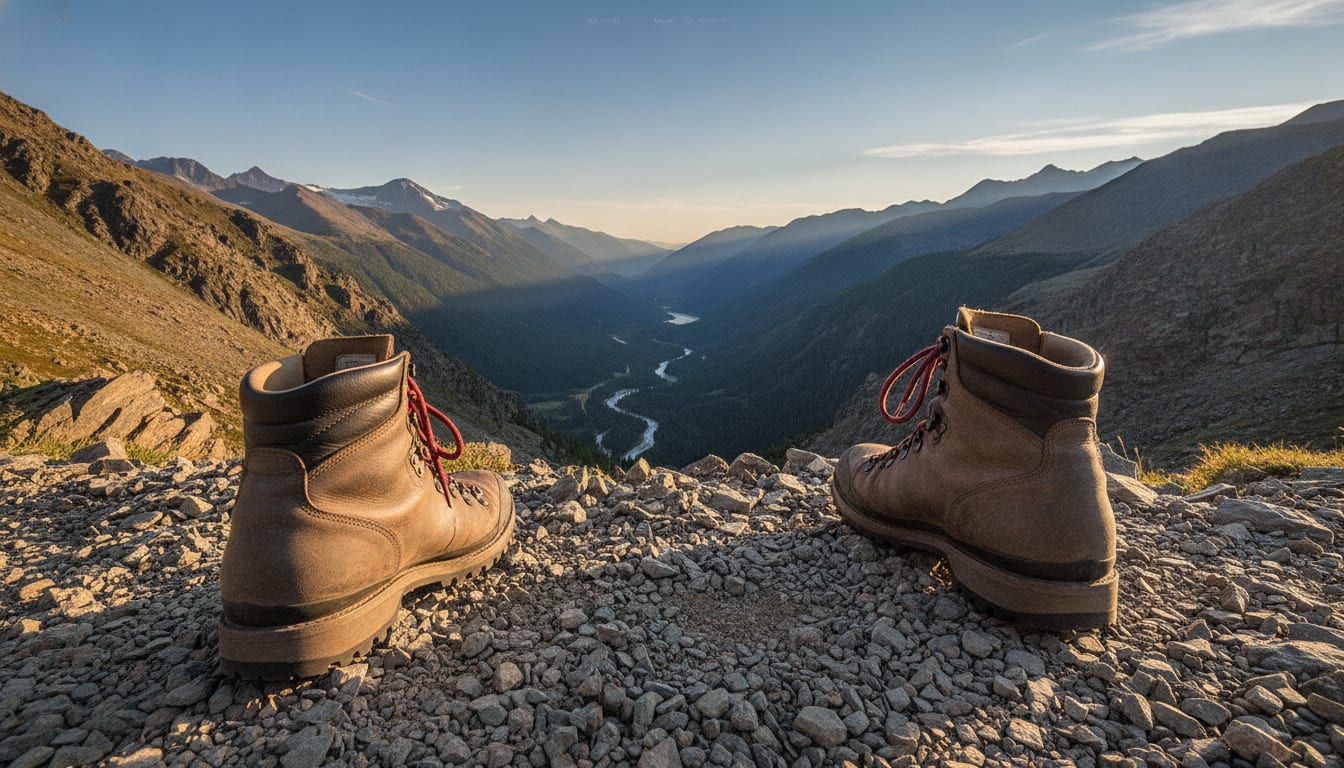
Most popular Alps trails are easier than they look in photos, but the hardest ones will punish an overconfident beginner. Here is the honest ladder so you can self-select.
- Beginner: day loops in Alta Badia and the Dolomites. Well-marked, gentle climbs, huts close together.
- Intermediate: the Alta Via 1 and the Tour du Mont Blanc. Multi-day, long days, but no technical terrain.
- Advanced: the Tour of Monte Rosa. Real distance plus one glacier crossing that needs a guide and gear.
- Expert: the Haute Route and the Sentiero Roma. Glacier travel, exposure, and navigation with no margin.
The gap between intermediate and advanced is where people get hurt. A glacier is not a snowfield you can bluff across. If a route description says guide, rope, and crampons, believe it and hire the guide.
Can you combine luxury stays with Alps hiking?
Yes, and it is a growing way to do the Alps without a rope or a bunk room. The pattern is simple: hike the trail by day, sleep in a boutique hotel by night, and let a service move your bags between towns. Zermatt, Grindelwald, and the smart end of the Dolomites all support this.
The catch is that it ties you to valley towns with road or rail access, so you skip the high huts that make hut-to-hut special. You trade the best altitude scenery for a real bed and a proper dinner. Alta Badia does this well, with a large connected ski-and-hike area and hotels used to walkers. For where to sleep between the valleys, my notes on places to stay in the Alps go deeper than I can here.
Book the hotels first and the bag transfer second, because the good rooms in July and August go before the trail slots do.
What is the Via Alpina, and is it worth attempting?
The Via Alpina is a network of long-distance trails crossing all eight Alpine countries, and for almost everyone it is a section hike, not an end-to-end quest. Walking the whole thing takes months. Realistically, you pick one stretch that suits your fitness and your holiday.
Is it worth attempting? Yes, one segment at a time. The waymarking is consistent across borders and the route strings together classic scenery you would otherwise plan separately. For a first taste, hike a well-served section in Switzerland or Austria where huts and transport are easy.
Only consider a long continuous stretch if you have serious trail fitness, weeks free, and no need to be anywhere. For the rest of us, a week on one national section is the sensible version.
FAQ
Do I need a guide to hike in the Alps?
Not for marked day trails in the Dolomites, Zermatt, or Grindelwald. The signposting is good enough to walk them alone. Hire a guide only for glacier crossings or high routes with real exposure, such as the icy section of the Tour of Monte Rosa or parts of the Haute Route.
Can I hike in the Alps without a car?
Yes, and it is often easier than driving. Swiss and Italian trains reach most trailhead towns, and local buses or gondolas cover the last stretch. Zermatt is car-free entirely, so you arrive by train regardless. Plan around timetables and you rarely need to rent.
How far ahead should I book huts?
Four to six months for the busiest refuges on the Tour du Mont Blanc and other popular routes in high summer. Less-famous huts and shoulder-season dates open up closer in. Book through the hut's own site or the regional alpine club rather than a reseller.
What should I pack for a summer day hike?
Layers, because mountain temperatures drop sharply once the sun goes behind a ridge. Add a waterproof shell, sturdy boots, poles for steep descents, water, and sun protection. Start early so you are down before the common afternoon storms roll in.
Which trail should a nervous first-timer choose?
A day loop in Alta Badia, then the Alta Via 1 if you want to try multi-day walking. Both are well marked, both keep huts close together, and neither asks you to cross ice. Save Monte Rosa and the Haute Route for after you have those miles in your legs.
Two quick notes for the editor. First, the SEO title and meta description, since the diagnosis flagged a 0.0% click-through rate:
Suggested title: Popular Hiking Trails in the Alps: The Honest Ranked Guide
Suggested meta description: Which Alps trails are worth it and which to skip, ranked. Tour du Mont Blanc, the Dolomites, Zermatt, Grindelwald, plus solo picks and hut booking tips.
Second, I dropped the Gornergrat Railway distance and the Alta Badia skiable-area figure from the fact sheet because neither earned a place once the article shifted to a trail-first ranking; forcing them in would have meant welding a number onto a section that did not need it.