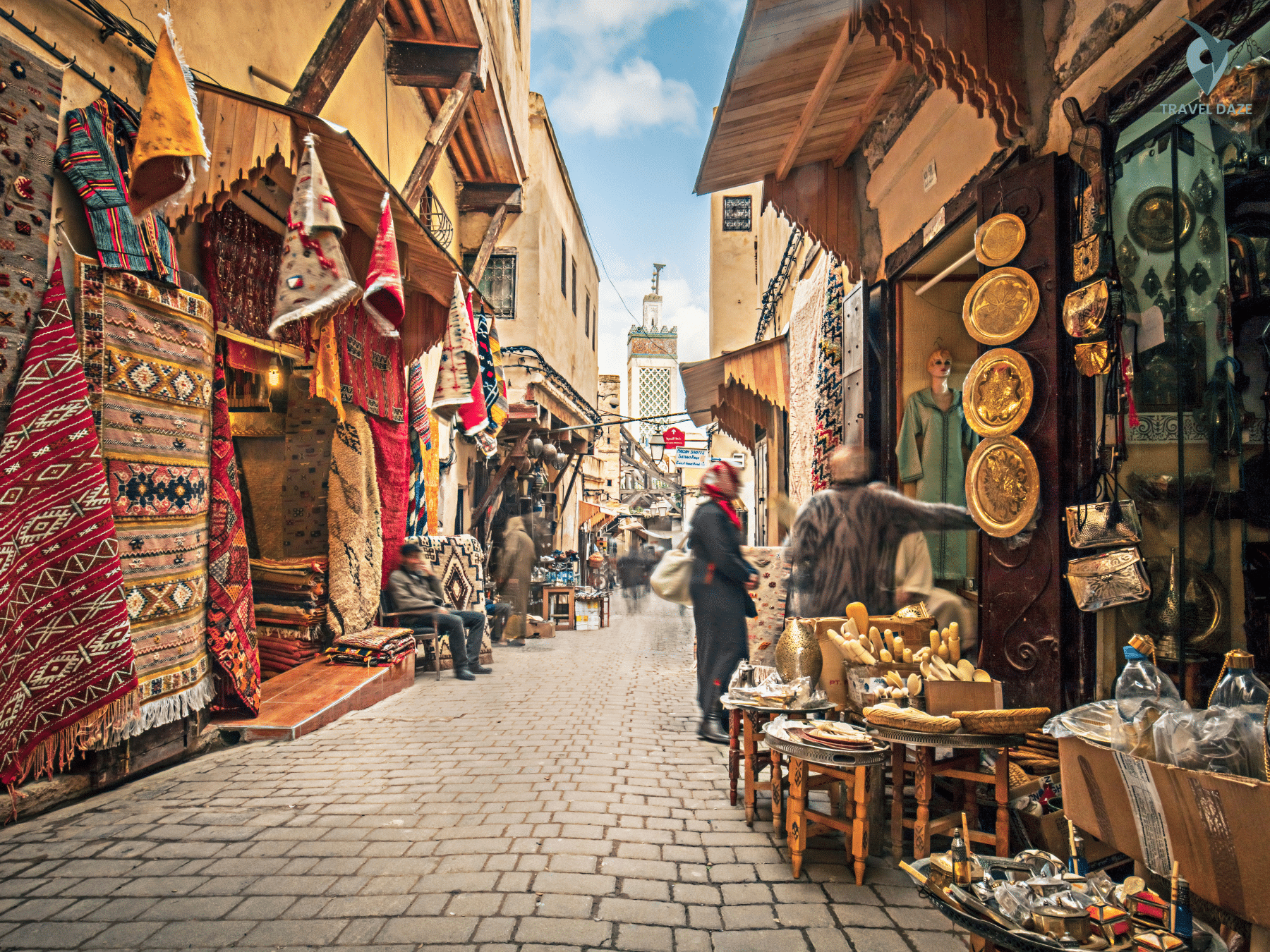
I built this guide to the best photo spots in Fez after years wandering the lanes of Fes el Bali and chasing light at dawn and dusk.
I travel these alleys for the textures, the calls to prayer, and the spice-scented air that seems to color every surface. The medina is maze-like, so I share simple navigation tips and respectful moves that keep you steady and smiling.
Expect tight alleys, rooftop sweeps, and tilework that sings at golden hour. I note exact time windows, lens picks, and where a riad rooftop gives the clearest skyline view.
Think of this as part field-tested map, part friendly nudge—practical cues so your photos feel alive, locals stay comfortable, and you finish the day with a few frames you’ll love. Pause at Cafe Clock for a quick break without losing the light.
Key Takeaways
- Fes el Bali is vast and car-free—plan routes and timing.
- Rooftops deliver the best skyline view at sunrise.
- Bring a fast lens for low light and crowded alleys.
- Respect local etiquette; shoot ethically & quickly when needed.
- Listen to the soundscape—it guides good framing decisions.
Start with the light: when Fez looks its most magical
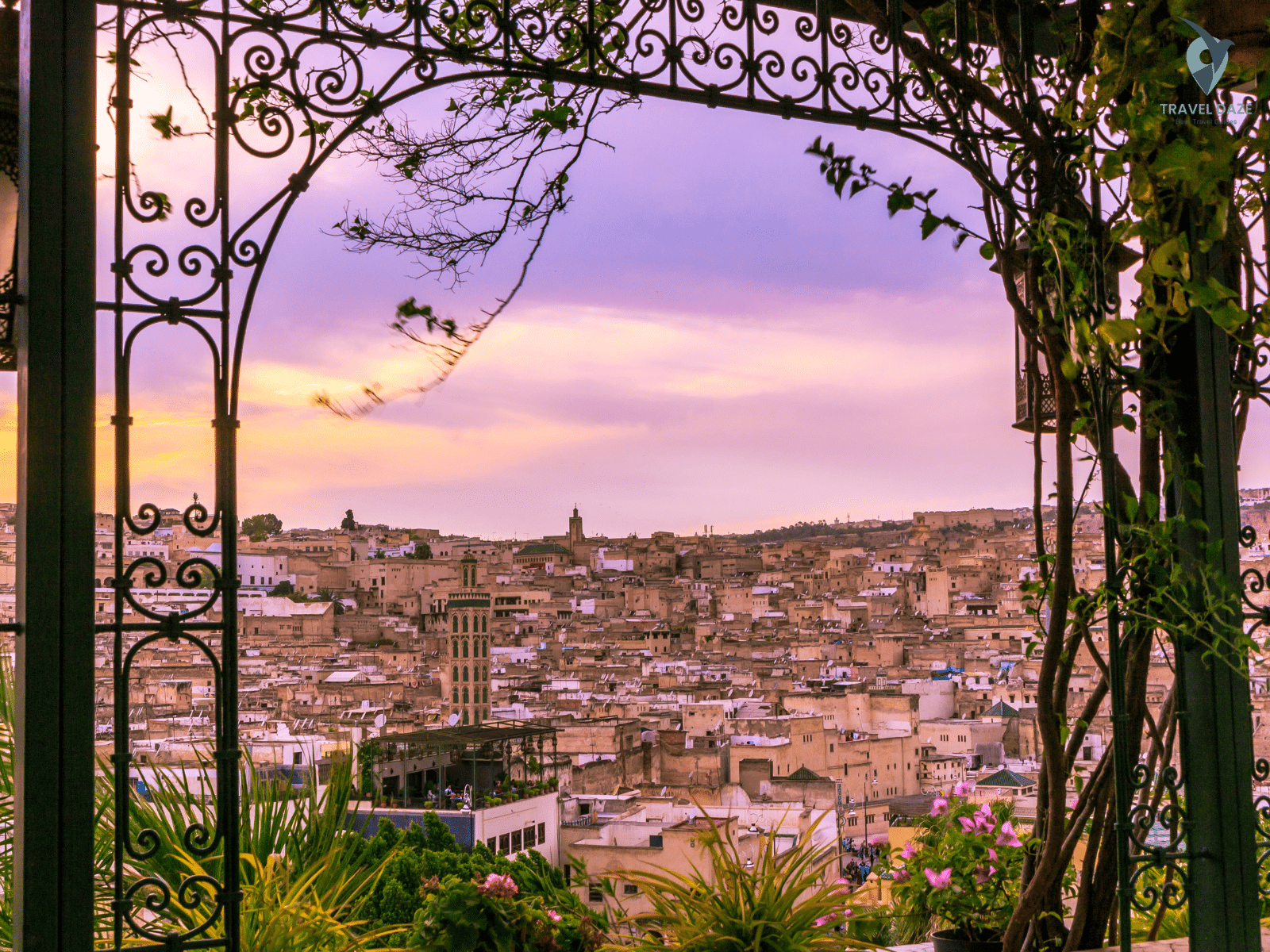
Light is the real guidebook—learn its rhythms and the lanes reward you. I watch the day move like a slow tide through alleys. That timing shapes what you can capture and how people feel while you work.
Golden hour vs. blue hour in a tight medina
Golden hour wraps the fes medina in honeyed tones. Shadows soften and textures pop—ideal for intimate street shots and warm portraits. I often step two feet to one side to catch a shaft of sun on tiles or woven fabrics.
Blue hour cools the scene. Lamps add warmth and contrast. Bring a tripod and aim for slower subjects—candles, doorways, and skyline silhouettes reward the patience.
Midday strategies when the sun is unforgiving
High sun is harsh but manageable. I move to open shade or use a white wall to bounce light. Meter for highlights and shoot RAW so I can recover detail later.
- Scout the same corner at different times to find the best view.
- Backlight fabrics and dust for soft flare—time your subject into the beam.
- Pack a compact reflector—small gear, big travel tips payoff.
Getting lost on purpose in Fes el Bali
I start each day with a loose route and a fixed meeting point, then let the maze lead me.
Fes el Bali is UNESCO-listed and vast—about 540 acres of car-free alleys. A reliable GPS helps, but I keep an offline map too. Time disappears fast when the light is right.
Finding frames every corner and alley
A guided tour on day one pays off. It teaches safe lines through the fes medina and shares stories I’d miss alone.
- I say salam before I raise my lens—small talk opens doors and relaxes locals.
- Peek into workshops, then step back for cleaner frames—let artisans lead the moment.
- Follow smells from tanneries, cedar, and spice; they often point to memorable places.
- Keep a charged battery and an offline map; I always set a meeting point if I wander too long.
When I need a calm pause, I head to Cafe Clock for tea and a rooftop reset. I watch for hanging lanterns, patterned doors, and kids darting through split light. When unsure, I follow sound—hammers, market calls, or the call to prayer usually lead to lively, honest scenes.
Chouara Tannery: color, craft, and that unforgettable scent
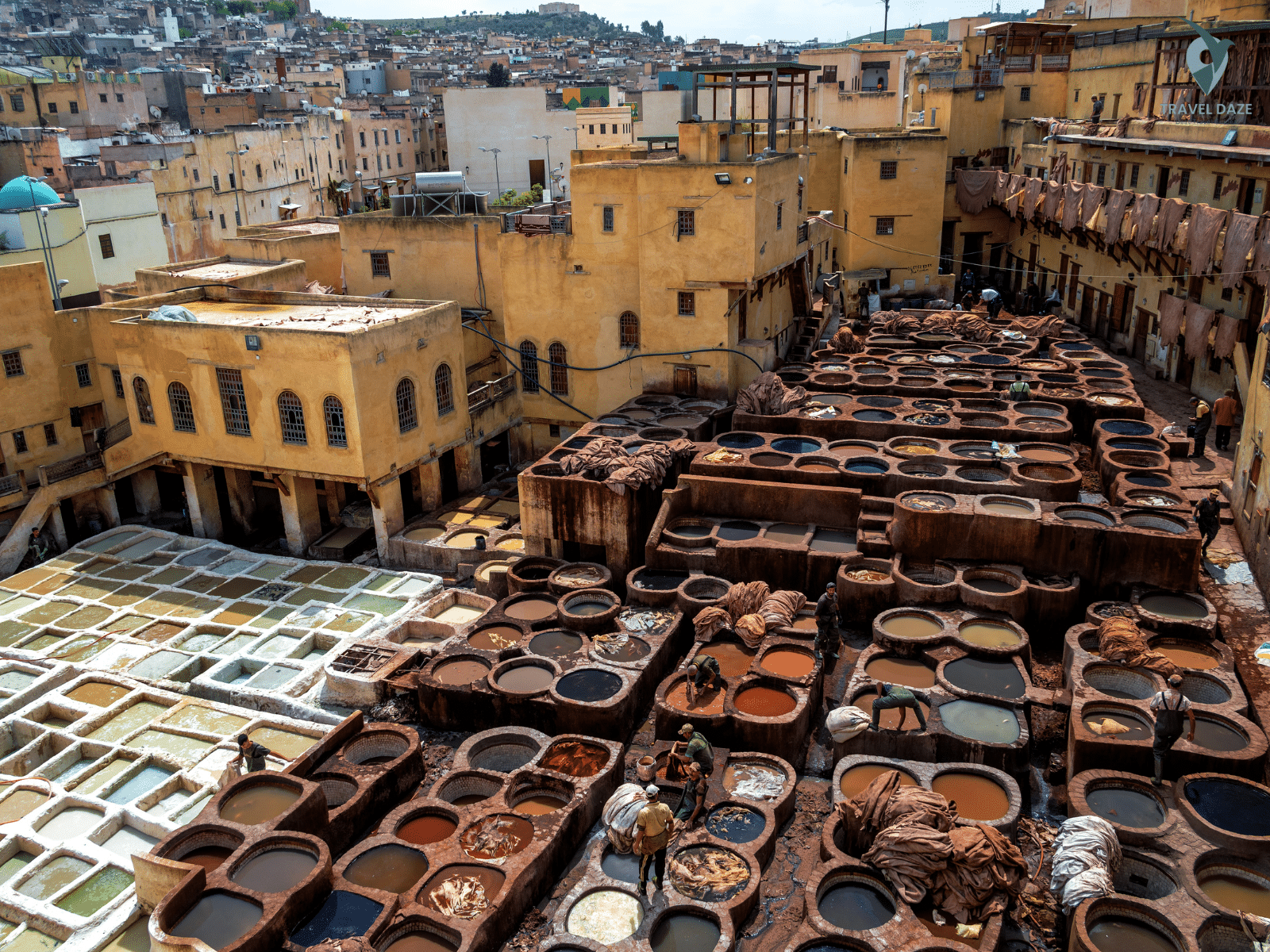
Step onto a rooftop and the tannery below unfolds like a living palette. The Chouara tannery dates to the 11th century and still uses traditional dyeing methods. Terraces give the clearest view, but the smells arrive fast—mint leaves are often offered to help.
Best terrace viewpoints and respectful access
I enter via a leather shop staircase for the best rooftop vantage. Ask before you shoot and buy a small item if you linger—respect opens better angles.
Mint leaves, strong smells, and timing for softer tones
The smells hit hard; accept mint and breathe through your mouth while you compose. Arrive near sunset for softer tones on the leather dyes. Midday light flattens color nuance.
What to wear and lens choices for dynamic scenes
- Wear closed shoes and breathable clothes—splashes happen and it runs hot.
- A mid-zoom frames workers without crowding; a wide lens captures vat geometry.
- Bracket tricky scenes and straighten verticals so products and pits look clean.
- Keep bags tight and watch terrace edges; this sits inside the fes medina so plan your exit before dark.
Practical tip: If you love process stories, ask about natural dyes—few leather tanneries show work like this. Move gently, pay for access when offered, and let the place tell its story.
Blue Gate (Bab Boujloud): iconic tilework at the pulse of the city
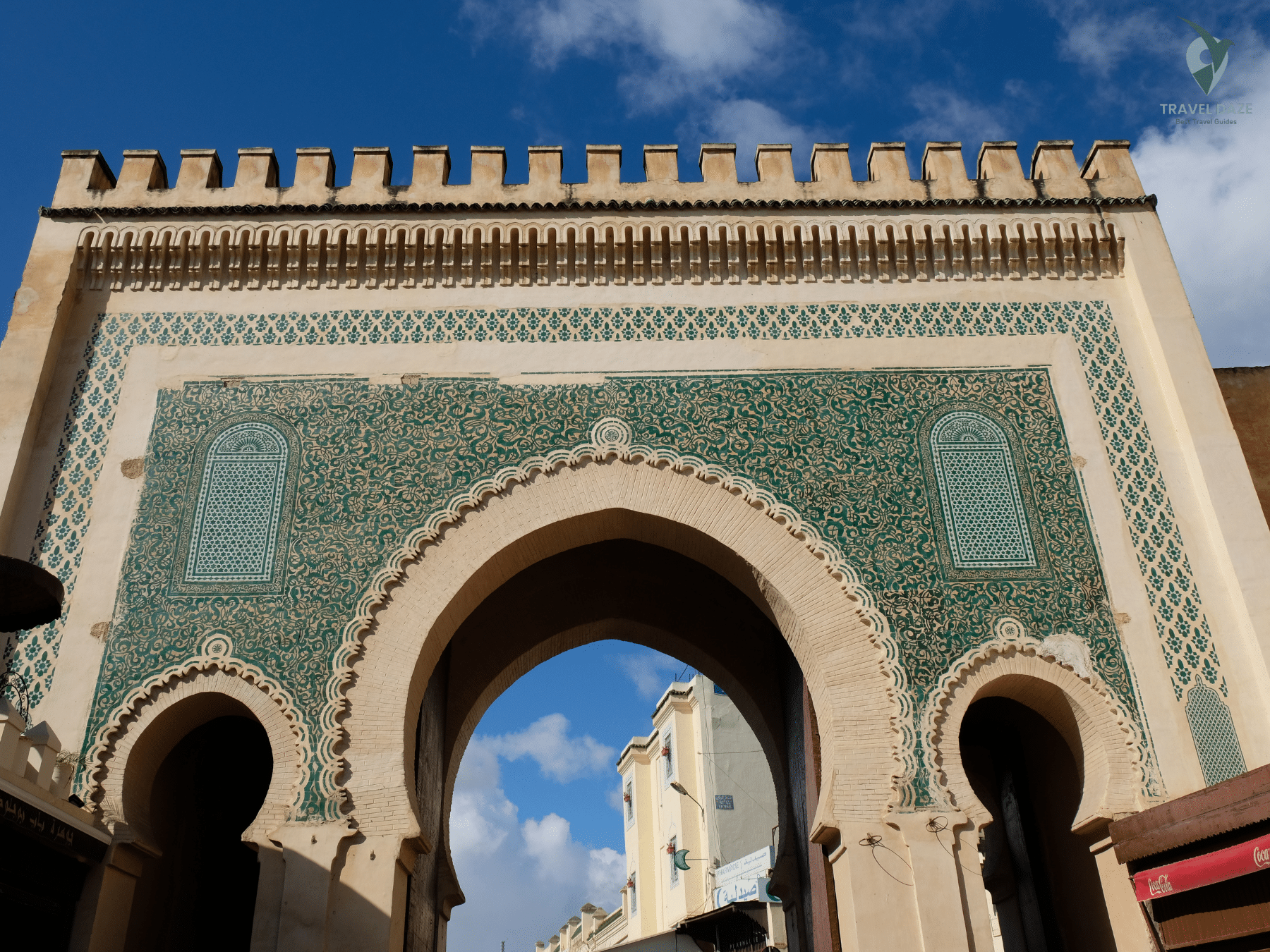
Bab Boujloud greets you with a flash of cobalt tiles and a stream of daily life. I shoot the blue side first, then step through for the green-faced gate on the inner arch.
Frame the minaret down Rue Talaa Kebira and wait a beat for a clean picture without a car. Morning gives space. Late day brings energy—choose your vibe, not just the light.
- Lens play: a short tele isolates patterns; a wide lens captures the sweep and flowing traffic.
- Angles: try low shots for leading lines—tiles, cobbles, and the arch pull the eye centerward.
- Rhythm: grab quick street food, then return when a crowd shifts for cleaner sightlines.
- Local flow: turn around often; the view back toward the fes medina changes every few steps.
Cafe Clock is a few turns away if you want a terrace reset between bursts. These places shine with motion—let people anchor scale and color in your frame.
Bou Inania and Al Attarine: mosaics, minarets, and symmetry
I arrive when doors open and the courtyards lie quiet and true. The silence helps me see how light moves across tiles and carved cedar.
Entry practicals: Al Attarine opens roughly 8 am–6 pm and asks a 20 MAD cash fee. Bou Inania keeps daytime hours. Ask the guardian about quieter windows — a small chat often gives a minute or two of calm for framing.
For the architecture, use a wide lens to embrace the courtyard symmetry. Step back and square your frame so verticals stay straight. Then swap to a short tele to isolate lace-like stucco, zellige, and cedar carving without crowd clutter.
- I arrive at opening for bou inania madrasa when the fountain mirrors the minaret.
- Climb Al Attarine’s second floor for a clean top-down view and less foreground bustle.
- Watch how light grazes tiles—midday shade often gives even exposure for good photos.
Move slowly, breathe, and take one composed frame before shifting. These sites sit within the fes medina—pause for a nearby snack and then look back through the doorway for a final, simple view.
Rooftop views: Cafe Clock and your riad at sunrise
Sunrise from a riad turns ordinary roofs into a layered skyline I can chase all morning. I head up before breakfast to catch pastel skies and the first long shafts of light across tiled roofs.
Cafe Clock’s rooftop gives a straightforward view toward Bou Inania’s minaret. I order a simple dish, then shoot—staff stay relaxed when you balance restaurant time and camera work. The camel burger is a local curiosity if you want a quick bite.
Framing Bou Inania’s minaret from a terrace
Use the railing as a stabilizer. Align nearby terraces to create depth across the fes medina. Scout the exact angle the day before at the same hour for steady results.
Choosing a riad for the view, not just the vibe
I pick a riad for its rooftop first—vantage beats decor when I chase sunrise light daily. At dawn silhouettes of dishes and chimneys add texture. A compact tripod and a 35–70mm lens keep lines clean while compressing minarets against roofs.
- I head to Cafe Clock’s rooftop right after breakfast for a crisp view toward Bou Inania’s minaret.
- Order, then shoot—restaurant staff stays relaxed when you balance food and photography politely.
- Keep tripods compact; share space and leave room for other guests on the rooftop.
- Pack a light layer; wind can kick up and steal your shot right before sunset.
Borj Nord: sweeping views over the Fes medina
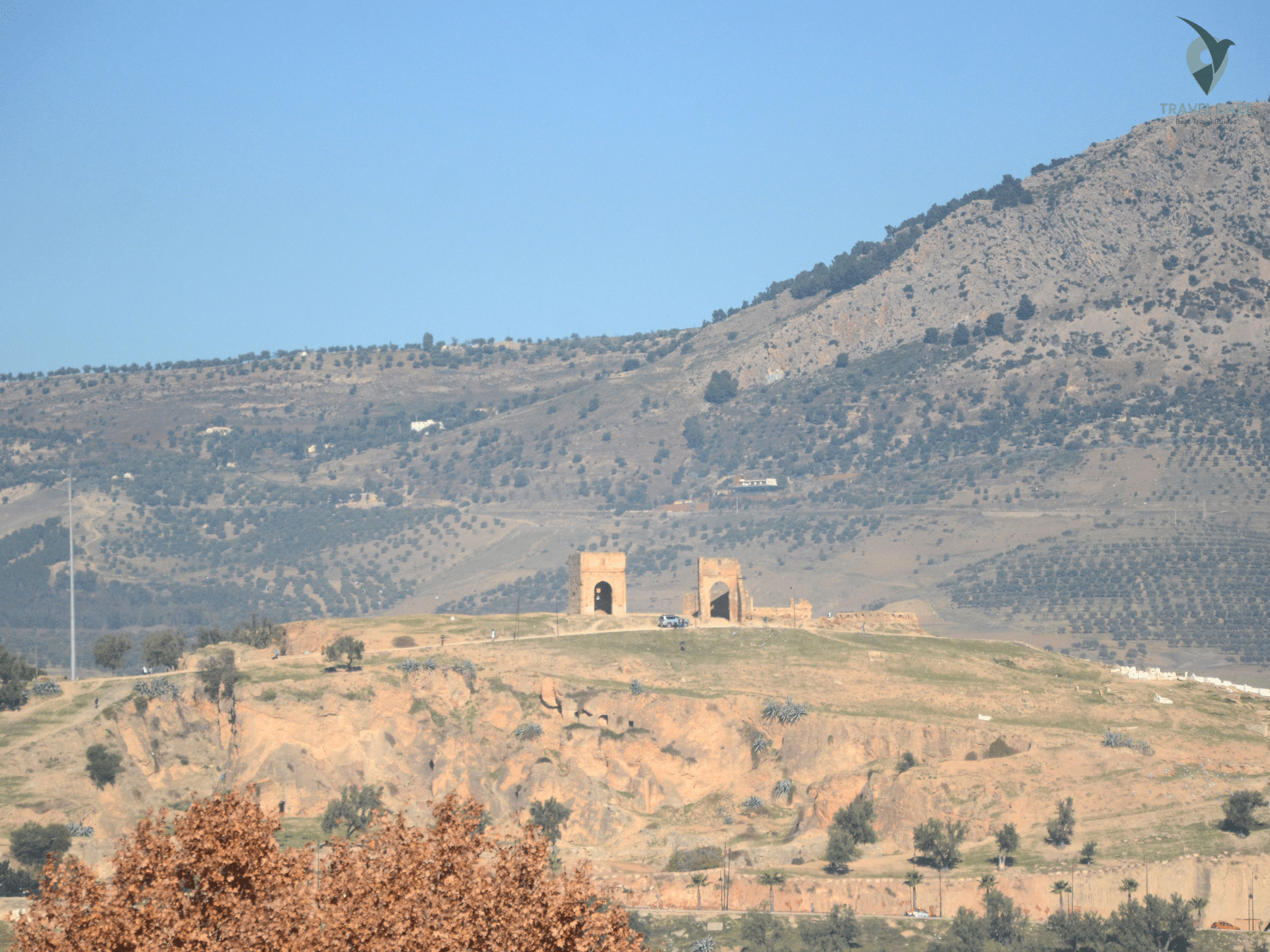
Climb to Borj Nord and watch the city shift color as the day cools. The 16th-century fortress sits on a hill and gives a wide view across rooftops and minarets.
Golden glow vs. cool blue hour from the same spot
I arrive 40 minutes before sunset to see the light change. Golden hour warms clay tones. Blue hour sharpens silhouettes and needs longer exposure.
Walking up safely and crossing like a local
A shortcut trims the walk but a busy road blocks the final stretch. Wait for a lull, walk decisively, and avoid pausing mid-road.
- I start at Borj Nord 40 minutes before sunset to watch the city shift under changing light.
- Bring a compact tripod; blue hour exposures creep long as day fades.
- Frame with a foreground wall to anchor scale and lead the eye into the fes medina.
- Secure your strap—wind gets cheeky and can steal a stray shot.
- Photos pop when you wait for the call to prayer—sound adds rhythm to the scene.
Plan return visits at different time windows. I highly recommend a clear morning to compare color and haze. Descend before it is fully dark; the path is straightforward but dim.
For anyone who loves travel with a slow eye, this hilltop gives context to the whole city fes. Pick a few favorite spots and come back—each pass reveals more of the quilt-like layout below.
Fes Royal Palace: golden gates and traditional Moroccan design
The palace gate catches the sun and holds your eye with brass and tile. The exterior is the story here—ornate panels, zellige bands, and a calm street view.
What you can photograph—and what you absolutely can’t
The interior is off-limits. Guards stand watch and must not be photographed. Respect rules and aim your camera at doors, tiles, and metalwork only.
- I shoot the fes royal palace from a distance first to read how light plays on the golden gates.
- Place a person near the gate for scale, then step back for the full royal palace sweep.
- Patterns reward symmetry—square your stance and correct tilt to honor the design.
- Early day brings fewer people; late light softens reflections on brass panels.
- No fee or posted hours for the exterior—arrive when the time and shade align.
Keep bags closed and stay low profile; this is still an official site. Use a short tele for traditional moroccan motifs and frame trees at the edges for color contrast.
For variety, loop back at day’s end—tones shift on brass and give a different mood to the same view. Be polite, brief, and steady—good manners open better angles than force ever will.
Artisans at work: Place Seffarine, souks, and a ceramics workshop
At Place Seffarine the hammering greets you like an old friend and I slow my steps to listen. The rhythm tells me where to stand, what shutter speed to try, and when to ask for permission.
Asking permission and reading the room
I greet locals, make eye contact, then lift my camera only after a nod. If someone says no, I smile, thank them, and move on—respect keeps doors open elsewhere.
Metalwork rhythms, spice pyramids, and woven textures
Use a slow shutter to trace metalwork motion, then stop down for crisp edge detail. Spice pyramids look best from slightly above—step back so you don’t block products or the seller.
Nejjarine Museum rooftop and courtyard viewpoints
The Nejjarine Museum is open 10 am–5 pm and asks a 20 MAD fee. The courtyard and rooftop give intimate angles; it’s dim inside, so open your aperture or steady against a column.
- Tip: Pair this stop with a quick nearby restaurant break to reset and review shots.
- Mentioning leather tanneries or the chouara tannery often leads vendors to other hidden workshops.
- Travel light, keep bags front-facing in souks, and photograph traditional moroccan crafts with care across the fes medina.
Jnan Sbil gardens: a quiet pause of green
When the medina buzzes too loud, I walk to Jnan Sbil for space, shade, and calm reflections. The garden spans about 8 hectares and hosts roughly 3,000 plant species—an easy place to slow your pace.
Practical hours: it opens 8:30 am–5:30 pm, closed Mondays, and entry is free. Check the hours before you head over so you do not arrive on a closed day.
I come late day for gentle sun through palms and pools that soften the scene. Paths curve into layered greens—step wide, then zoom in for leaf texture or fountain detail.
- The best view sits by the water—let ripples carry tile and sky color into a calm frame.
- Bring a small lens and a light layer; the shade cools the air as the day cools.
- Slow down here—simple things make the frame sing and give your eyes a rest.
photo spots in fez beyond the walls: the Volubilis detour
I sometimes escape the maze to stand among Roman columns and breathe a slower sky. Volubilis is a UNESCO ruin with arches and mosaics that read like plain, honest architecture. It feels like a palate cleanser after the medina’s color and noise.
Timing ruins for texture and crowd-free frames
Aim for first light. Stone texture pops and crowds are thin while the air is cool. Late afternoon works too—warm tones and long shadows add depth.
Logistics from Fes and how to make the light work
Day tours from city fes are easy and save stress. I book a guided tour or driver to keep my energy for shooting. From Chefchaouen it’s roughly three hours, then about 90 minutes to Fes—plan travel time carefully.
- I take a short tele for arches; a wide lens layers columns against fields.
- Midday gets punishing—shade is scarce, so carry water, snacks, and sun protection.
- If heat wins, shoot details: mosaics, broken capitals, and weeds through stone.
- I note time for the ride back so I can still catch sunset on a favorite riad rooftop.
- There’s a simple cafe on-site—grab light food or pack a lunch so you don’t rush.
The site’s architecture rewards patience. Wait for people to clear for a clean frame, or let them add scale and life. These hours away refresh my eye and feed the next day wandering fes bali lanes with better focus.
Conclusion
,Set one clear view as your goal and arrange the rest of your time around it. Pick a dawn riad for sky color, then move through the medina by light and quiet hours.
I start at the blue gate, drift toward bou inania and the bou inania madrasa, then pause at cafe clock for a reset. Borj Nord and the fes royal palace show how golden gates and blue hour change a scene.
Respect tanneries and leather makers. Ask, buy small, and shoot with care. If you have a day or three, plan by view and time so your photos feel varied.
I highly recommend slow travel. Travel well, shoot kindly, and let these places give you new eyes for fes bali.
FAQ
When is the best time to capture the medina’s light?
Aim for golden hour—shortly after sunrise or before sunset. The narrow alleys soften and warm up, giving mosaic tiles and sandstone a gentle glow. Blue hour can also work well for moody shots of minarets and gates when artificial lights come alive. Midday is harsh—look for shaded courtyards or rooftop cafés like Cafe Clock to avoid blown highlights.
How do I explore Fes el Bali without getting overwhelmed?
Embrace getting lost—walk slowly, turn down side alleys, and pause at riads or small workshops. Carry a map app but let curiosity lead. I recommend visiting early to enjoy quieter streets and meet local artisans in places like Place Seffarine or the Nejjarine area when they’re more relaxed.
What should I know before visiting Chouara Tannery?
Go early for softer light and fewer crowds. Many terraces charge a small fee but offer respectful views—bring mint leaves to mask strong odors and wear closed shoes. Use a mid-range zoom to capture workers and dye pits without being intrusive, and always ask permission before photographing people close up.
When is the Blue Gate (Bab Boujloud) most photogenic?
Sunrise and late afternoon work best—tiles warm in the low sun and crowds are thinner. For dramatic symmetry include the street leading up to the gate, and try a low angle to highlight the tilework and arch against the sky. Avoid peak tourist hours to keep compositions clean.
Are Bou Inania and Al Attarine open all day? Any fees?
They have set visiting hours and often charge a small entrance fee. Visit early or late in the morning to find quiet windows for photographing mosaics and minarets. Use a wide-angle lens for courtyards and a zoom to isolate intricate tile and woodwork details.
Which rooftops offer the best views—Cafe Clock or riad terraces?
Both shine at sunrise and sunset. Cafe Clock is popular and accessible; riad terraces can be quieter and offer unique perspectives over alleys and minarets. When booking a riad, ask specifically about views of Bou Inania’s minaret or the medina skyline.
How can I get the most from Borj Nord without the crowds?
Go before sunset to capture the golden glow, then stay into blue hour if you want cool tones. The walk up is steep—wear sturdy shoes and follow local footpaths. Bring layers for changing temperatures and a small tripod if you plan nighttime shots.
What are the photography rules at Fes Royal Palace?
You can photograph the exterior and the golden gates from the public side, but you must not enter restricted areas or try to climb walls. Be respectful of security and signage—avoid taking pictures of guards or sensitive spots. Observing rules keeps things smooth and safe.
How do I approach artisans in the souks respectfully?
Smile, ask politely, and offer a small tip if they pose. Many craftsmen at Place Seffarine and ceramic or metal workshops are happy to show their process—just avoid interrupting their work. Observe first; if they welcome questions, you can get closer or ask to photograph tools and finished pieces.
Is Jnan Sbil worth a visit for a quiet break?
Yes—it’s a calm green pause amid the medina hustle. Mornings are best for soft light and fewer walkers. It’s a great place to rest, frame botanical details, and plan the next part of your walk through the old city.
Can I combine a Volubilis day trip with my time in the medina?
Definitely. Volubilis is best shot in early morning or late afternoon for texture and deep shadows on the ruins. It’s an easy detour from Fes by car or organized trip—plan logistics ahead and allow extra time so you’re not racing the light.
Any lens and packing tips for a city like Fes?
Bring a versatile zoom (24–105mm or similar) and a wide-angle for tight courtyards. A fast prime helps in low light. Pack comfortable shoes, a lightweight tripod for blue hour, and a small bag to keep gear secure. Keep lenses ready—great frames appear around every corner.
What food or drink stops do you recommend while wandering the medina?
Try local bites at small cafés and street vendors—tagines, fresh mint tea, and sweets. Cafe Clock is great for a relaxed stop and rooftop views. Eating where locals do keeps experiences authentic and gives you energy to explore more alleys and craft workshops.
Related: Best Photo Spots in Casablanca