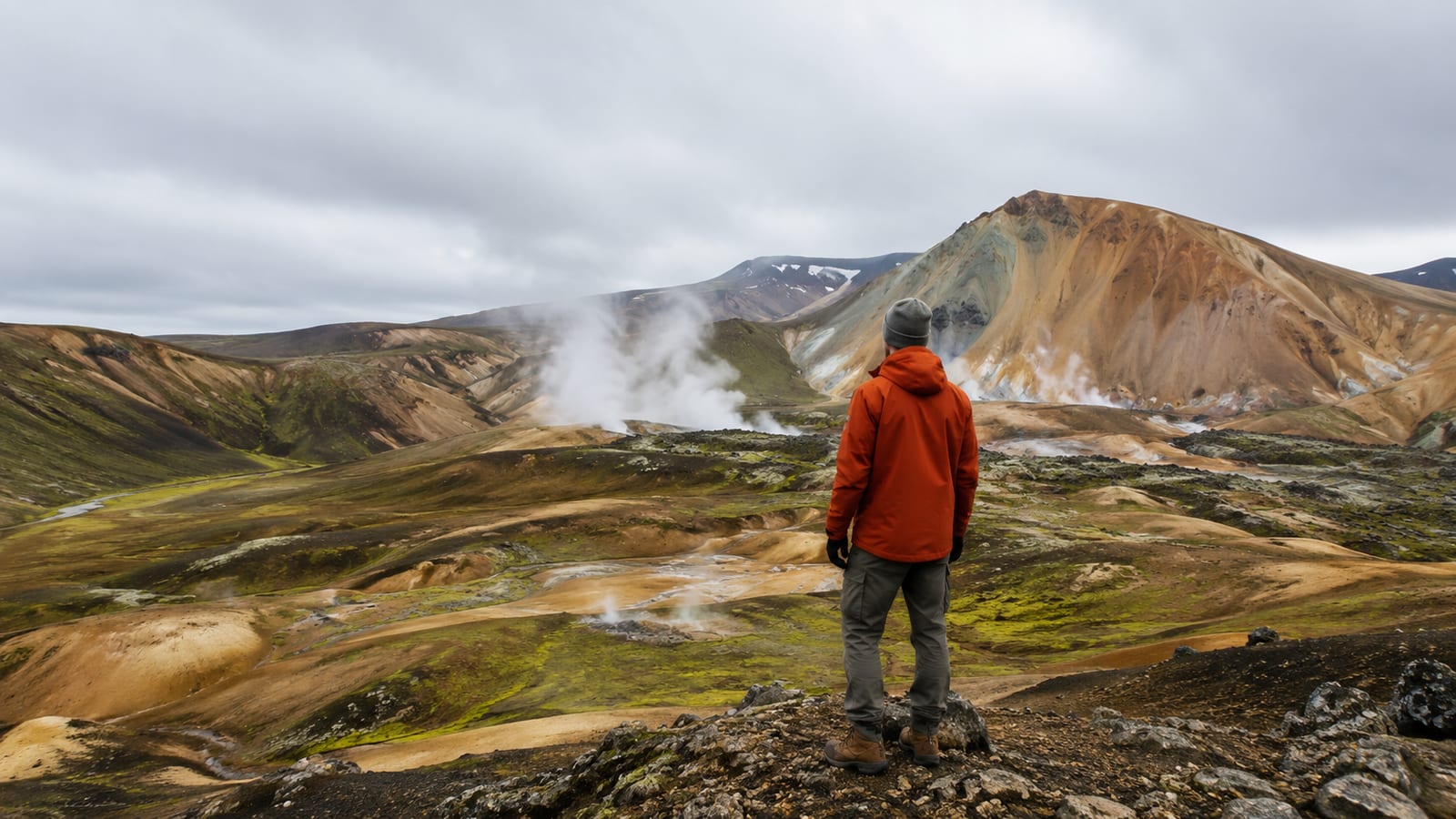

Imagine waking up to a stunning new vista, but instead of wonder, you feel a hollow exhaustion. The constant movement that once sparked joy now feels like a relentless grind. This subtle shift is the onset of travel burnout, a quiet reality many adventurers face.
Consider Kassie, who explored the world full-time for nearly ten years. She’s now taking a one-year reset in the United States. Her story isn’t about surrender; it’s a courageous choice for renewal.
The nomadic life offers profound freedom and cultural connection. Yet, the pressure to see every landmark and be constantly “on” can stealthily drain your inspiration. You might feel more weary than awestruck.
This experience is far more common than you think. Even the most seasoned explorers encounter this deep fatigue. The good news? Acknowledging it is your first, powerful step toward rekindling the spark. This guide will help you spot the signals and navigate back to a joyful journey.
Key Takeaways
- Full-time travel is an incredible yet demanding lifestyle.
- Constant movement and social pressure can lead to mental and physical fatigue.
- Burnout is a common but rarely discussed challenge for globetrotters.
- Even veteran nomads, like Kassie, benefit from intentional reset periods.
- Recognizing early signs helps prevent deeper exhaustion.
- Addressing burnout proactively preserves your passion for adventure.
- Understanding this phenomenon empowers you to travel more sustainably.
Understanding the Essence of Travel Burnout
The moment when movement feels burdensome rather than liberating reveals an important distinction in travel wellness. Grasping this difference transforms how you approach your journey and its challenges.
Defining Travel Burnout vs. Travel Fatigue
Travel fatigue acts as your body’s protective signal. It’s that short-term exhaustion from jet lag or logistical stress telling you to pause before mistakes happen.
Burnout, however, represents a profound shift. It seeps into your mental health, creating a persistent drain that simple rest cannot fix. Learning to understand travel fatigue helps you recognize when something deeper is emerging.
Emotional and Mental Detachment on the Road
You might notice a growing indifference to sights that once sparked awe. The adventure feels distant, as if you’re watching someone else’s journey unfold.
Constant planning and transit become heavy weights. This isn’t about disliking exploration—it’s the continuous chaos wearing down your spirit. Spotting these early symptoms helps you preserve your passion before exhaustion takes root.
Spotting “travel burnout signs” on Your Journey
A subtle shift in your reactions often reveals the first whispers of journey weariness. Listen closely when minor inconveniences spark unusual irritation. That lost train ticket or language barrier might feel like a monumental crisis instead of a small adventure.
The vibrant streets you once longed to explore can start to feel like a chore. Wandering through a beautiful city may drain your energy instead of filling you with awe. This loss of excitement is a clear signal to pause.
You might notice a growing emotional numbness towards stunning sights. Feeling disconnected from your surroundings is a major red flag. Constant fatigue that lingers after a break points to deeper exhaustion.
When your adventure becomes more about logistics than joyful discovery, you’ve hit a wall. Proactively managing all aspects of your journey, including learning how to avoid budget burnout, helps preserve your passion. Recognizing these symptoms early empowers you to course-correct.
Recognizing Physical and Mental Red Flags
Physical aches and mental fog are your system’s plea for a pause. These red flags are more than just tiredness. They are distinct symptoms that your adventurous lifestyle needs adjustment.
Persistent Exhaustion and Brain Fog
Mental fatigue clouds your clarity. Simple choices, like booking a bus, become overwhelming puzzles. Your thoughts feel muddy, and words may stumble even in your native tongue.
This brain fog is a core signal. Your body echoes the strain with throbbing feet from endless cobblestone streets. This deep exhaustion doesn’t fade with a single night’s sleep.

Loss of Motivation and Emotional Numbness
Emotional resilience wears thin. A minor setback, like a missed connection, can trigger tears. The joy of discovery feels distant, replaced by a heavy indifference.
Decision fatigue makes every menu a burden. When your mind feels like mush, it’s a direct call to prioritize your mental health. Nourishing yourself is key, including learning strategies for eating well while traveling long-term.
Addressing these warnings early helps prevent full burnout. It allows you to preserve the wonder that fuels your journey.
The Pitfalls of Overplanning and Constant Movement
An itinerary packed with every minute accounted for can transform an adventure into a high-stakes race against the clock. One delayed flight or train doesn’t just cause inconvenience. It unravels your entire carefully crafted schedule, creating unnecessary stress.
The desire to squeeze in numerous destinations leaves little room for the deep rest your body craves. You are constantly packing and unpacking. Forgetting that true discovery requires downtime is a common misstep.
When every moment is scheduled, spontaneity has no space to breathe. Yet, the most magical experiences often arise from unplanned encounters. Constant transit prevents you from settling into a rhythm that supports long-term well-being.
This relentless pace is a direct path to fatigue and eventual burnout. Allow buffer time during your day. Building these buffers protects your energy and preserves your passion for the travel experience.
Slowing Down: Balancing Exploration with Recovery
After years of motion, the greatest luxury becomes the permission to pause. The antidote to deep weariness isn’t stopping your journey, but changing its rhythm. It’s about weaving recovery into the fabric of your adventure.
Embracing the Slow Travel Mindset
Commit to staying in one place for a month or more. This allows you to know a neighborhood’s rhythm and a culture’s heart. You trade the stress of transit for the depth of genuine connection.
Constant packing and unpacking wears down your spirit over time. By planting roots, even temporarily, you conserve vital energy. This practice is a powerful shield against creeping fatigue.
Creating Mini Routines for Rest and Reconnection
Establishing small, personal routines builds an anchor in the flux. A morning coffee ritual or evening journaling session creates a comforting structure. These acts of repetition make any space feel familiar.
For someone like Kassie, without a stable home for twelve years, this skill is vital. These routines provide the grounding needed to feel recharged. They ensure you rest between adventures, preventing total burnout.
This balanced approach lets you explore with renewed wonder. It turns your journey into a sustainable source of joy, not exhaustion.
Nurturing Your Body’s Needs on the Go
Sustaining your adventure requires more than a passport. It demands a conscious commitment to your own wellness. Your physical vessel is the engine for every discovery.
Neglecting its fundamental needs is a direct path to depletion. Intentional care is the non-negotiable foundation for lasting joy on the road.

Prioritizing Sleep, Food, and Exercise
Sleep is your ultimate performance enhancer. Protect your natural rhythm by avoiding punishing, early morning flights. Deep, restorative rest rebuilds your mental reserves.
Your diet is your fuel. Studies show 76% of business travelers eat poorly, sapping their energy. Choosing wholesome food prevents that sluggish, “Travel 20” feeling.
Movement truly creates energy. A quick exercise session with resistance bands in your room makes a massive difference. Staying hydrated is also crucial, as dehydration mimics fatigue.
This intentional focus on health protects you from deeper burnout. It ensures your body can fully support your spirit of exploration.
Business Travel Burnout: Challenges and Hidden Costs
Business trips, designed for connection and growth, can paradoxically become a source of deep personal depletion. The constant pressure to perform while navigating unfamiliar places exacts a hidden toll.
This unique form of exhaustion blends professional demands with the disorientation of life on the move. Recognizing its specific symptoms is the first step toward sustainable success.
Setting Boundaries in an “Always-On” Lifestyle
The expectation to be constantly available blurs all lines. Your hotel room becomes a second office, and personal time vanishes.
This “always-on” mentality is a major source of stress. A Simpila survey revealed a troubling silence: 80% of people who experienced mental health struggles on the road did not tell their employer.
Creating clear limits is a courageous act of self-preservation. It protects your energy from the drain of perpetual connectivity. Proactively managing overstimulation is a key part of this defense.
Overwhelming Daily Demands and Diminishing Returns
The daily grind for road warriors is intense. A Kingston Study found 45% of frequent travelers report higher stress levels on trips.
This strain has tangible costs. Poor sleep quality affects 73% of business travelers, crippling performance. Gallup notes that burned-out employees take 63% more sick days.
When fatigue wins, work suffers deeply. A professional hitting full burnout can cost a company up to 200% of their salary in lost productivity.
This cycle of diminishing returns highlights why addressing work-related travel fatigue is not a luxury. It’s a critical investment in long-term performance and well-being.
Reclaiming Joy: Strategies to Overcome Burnout
When the world feels heavy, the most powerful step is to grant yourself radical permission to rest. This is your journey back to inspiration. The strategies here are your map to a lighter, more sustainable adventure.
Immediate Recovery Steps to Recharge
The moment you recognize deep weariness, halt the push. This fatigue won’t fix itself with more movement. Give yourself a couple of days to simply be.
Sit in a café and watch life unfold. Take a long walk without a destination. This time is not wasted; it’s essential repair. If needed, grant yourself permission to go back home for weeks or months.
Rebuilding your energy reserves is a courageous investment. You might feel like you’re pausing the dream, but you’re preserving it.
Adjusting Your Itinerary to Reconnect with Your Passion
Look inward. Ask what experiences truly matter to you now. This reflection helps realign your entire style of exploration.
Sometimes, the bravest choice is to step away entirely. The world will still be there when you are ready. Choosing your well-being over a relentless itinerary is a sign of profound strength.
It transforms your journey into a source of lasting joy, not exhaustion. This is the foundation of a lifestyle that honors both your spirit and your time.
Conclusion
The true mark of a seasoned explorer isn’t endless motion, but the wisdom to know when to pause and recharge. This deep fatigue is a common experience on the road.
Recognizing its early symptoms allows you to reset before your joy fades. Remember, long-term exploration is a marathon. Prioritizing your health and listening to your body‘s needs are non-negotiable.
Whether you’re a digital nomad or on business trips, creating mini-routines and setting clear boundaries keeps you grounded. Never feel guilty about taking a full break. Returning to a familiar place for a couple of weeks can restore your energy profoundly.
Savor the experiences that truly matter to you. Find that sweet spot where adventure remains exciting and meaningful. By staying proactive and flexible, you navigate challenges with grace. Your passion for discovery will stay alive, journey after journey.
FAQ
How can I tell if I’m just tired from a long journey or actually experiencing burnout?
While fatigue is a normal physical response to movement and time zone changes, burnout digs deeper. It’s marked by a persistent lack of enthusiasm, a sense of emotional numbness towards new places, and feeling like every day is a draining obligation rather than an adventure. If rest doesn’t refresh your spirit, it’s a signal to listen to your body and mind more closely.
What are some immediate steps I can take to recharge while still on my trip?
First, grant yourself permission to pause. Book a comfortable place to stay for a few nights and cancel non-essential plans. Prioritize sleep and seek out nourishing food. Simple acts like a quiet morning with coffee, a gentle walk without a map, or writing in a journal can create essential downtime to help you reconnect with your purpose.
Is it possible to avoid this exhaustion without sacrificing my adventurous itinerary?
Absolutely. The key is balance. Intentionally schedule slower days between major excursions. Build mini-routines, like a morning stretch or an evening tea ritual, to anchor your days. Remember, true exploration isn’t about ticking off every site; it’s about the depth of your experience. Slowing down often leads to more meaningful and awe-inspiring discoveries.
How does constant movement contribute to feeling drained?
When you’re always in transit, your nervous system stays in a heightened state. You’re constantly processing new logistics, environments, and social interactions without giving your brain a chance to consolidate memories and rest. This “always-on” mode depletes your mental energy reserves, leading to that foggy, overwhelmed feeling where nothing seems exciting anymore.
Can the way I travel for work lead to different challenges?
Yes, business travel often combines professional pressure with life on the road. The “always-on” expectation to be working, coupled with back-to-back meetings and lonely evenings in generic hotels, creates a unique strain. It blurs the lines between personal time and professional demands, making it crucial to set firm boundaries and carve out small moments for your own well-being.
When should I consider going back home to recover?
Consider heading back when the thought of continuing your current path fills you with dread, not just tiredness. If you’ve tried slowing down and practicing self-care but still feel profound disconnection, irritability, or physical symptoms that won’t ease, your own space might be the best medicine. There’s courage in honoring your health; the road will always be there for your return.