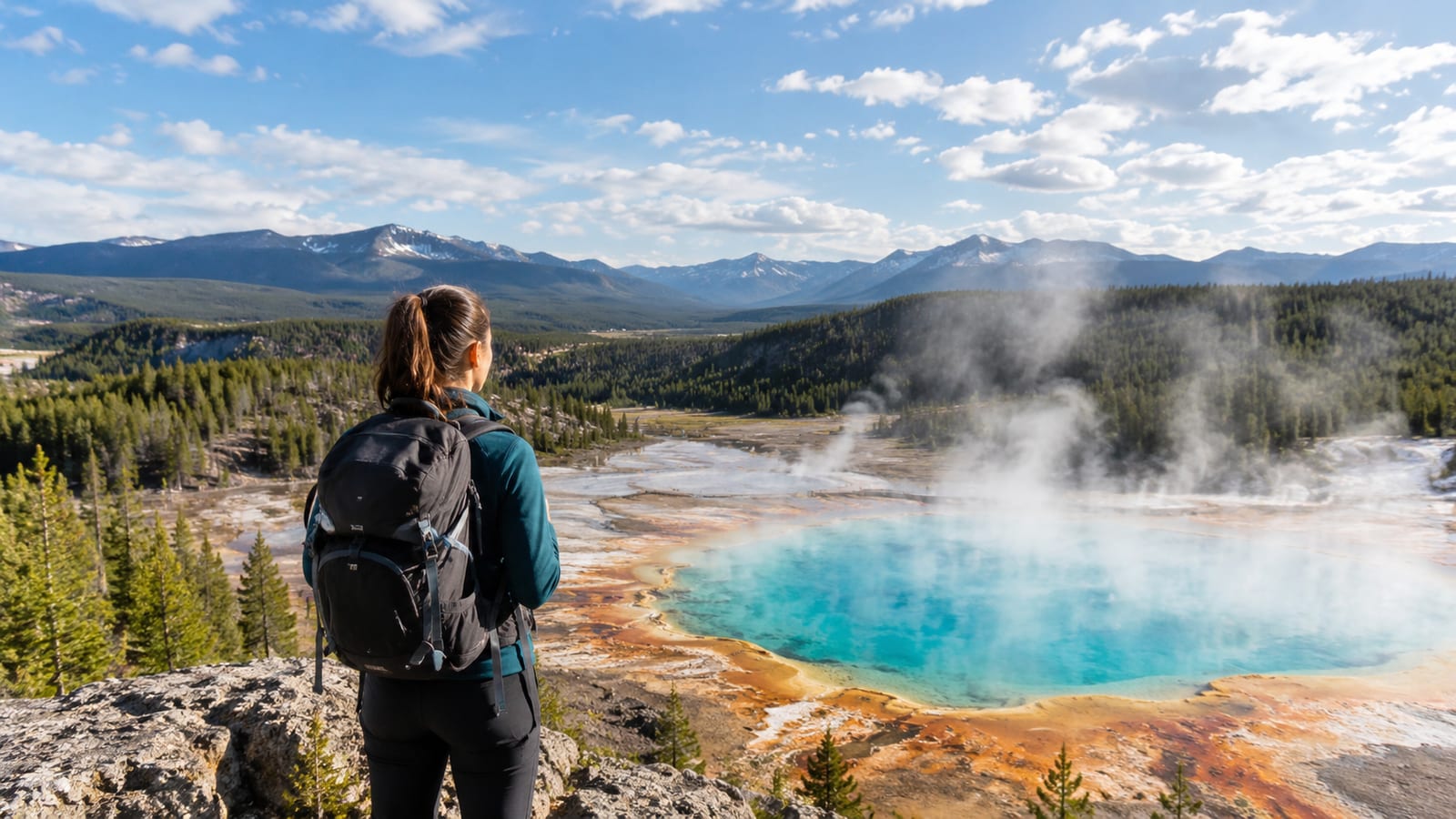

Comprehensive travel insurance with working holiday cover is the right choice for New Zealand. Choose a specialist working holiday policy or a comprehensive travel policy that clearly covers paid work, illness, injury, hospital treatment, medical evacuation, disrupted travel, and your full stay. Basic holiday cover can leave you paying for treatment or an emergency flight home.
Last updated: 2026-09-25
Cheap cover is a false saving if it excludes the job that pays your rent. Your plans will change once you arrive. You might start in a hostel, take orchard work, move into a flat, cross to another island, and extend your stay. I’d cut an expensive activity before I’d cut medical and evacuation cover.
Why working holiday insurance matters in New Zealand
A normal holiday policy assumes a short trip, fixed dates, and no paid work. A New Zealand working holiday rarely stays that tidy.
You may work in hospitality, on a farm, in construction, or at a seasonal job. You may also carry a laptop, work clothes, outdoor gear, and a phone across several towns. That combination is where cheap policies start to show their gaps.
A policy can cover you while sightseeing but exclude paid work. Another may cover a short holiday but end before your visa does. Some policies also restrict cover after you leave New Zealand for another country.
Here’s what I’d settle before looking at the price:
- The jobs and activities you’re allowed to do
- Illness and accidental injury
- Hospital care and ambulance transport
- Medical evacuation and repatriation
- Cancellation and interruption
- One-way travel into New Zealand
- Travel outside New Zealand during your stay
- Personal belongings used for work and travel
- Extensions if your return date changes
The cheap option often saves money by removing the part you’re most likely to need. Proper working holiday cover costs more, and I’d still pay it over a cheaper policy with a hole in the medical or work section.
For more planning help, see my guide to answering New Zealand working holiday questions.
Check your visa and insurance requirements first
Your insurance requirement depends on the Working Holiday Visa scheme you apply under. Start with your passport country and the exact instructions for your New Zealand Working Holiday Visa.
Immigration New Zealand says Working Holiday Visa applicants may be required to provide evidence that they hold health insurance before or on arrival in New Zealand.
Keep proof of cover with your visa documents. Save the policy schedule, certificate, and full wording in cloud storage. Keep an offline copy too. Rural areas can have weak service, and a screenshot is more useful than a password you can’t remember.
Your visa and insurance should line up on these points:
- The full period you intend to stay
- The work your visa permits
- Any plans to travel outside New Zealand
- Whether you enter on a one-way ticket
- Whether the policy can be extended from New Zealand
- What happens if your visa dates change
- Whether cover continues during a visa extension
Visa compliance answers one question. You still need to read the treatment limits, work exclusions, and emergency arrangements.
Choose cover for the work you’ll actually do
Read the work section before the baggage section. A policy called “working holiday insurance” may still exclude the job you plan to take.
Look for a plain list of permitted work activities. If the wording says office work only, it may not cover orchard work, warehouse work, hospitality, cleaning, or construction. Manual work exclusions are where many cheap policies fall apart.
Working overseas travel insurance can also use narrow job categories. “Work abroad” sounds broad, but the policy may separate desk work from physical work, machinery use, heights, tools, or contact with the public.
Write down the work you expect to do and compare it with the policy wording. Include jobs you may take later, not only the job you have arranged now.
I’d ask the insurer for written confirmation if the policy uses vague terms such as:
- Manual work
- Physical work
- Seasonal work
- Farm work
- Machinery
- Heights
- Outdoor work
- Skilled work
- Work equipment
Keep that answer with your policy documents. A phone call you can’t prove later won’t help much during a claim.
Adventure activities need the same care. Hiking, skiing, snowboarding, diving, climbing, and mountain biking may have their own exclusions or add-ons. Check the activity wording before you book the trip or take the job.
A policy that covers a walk around Auckland may treat backcountry hiking in Fiordland very differently. Read the activity section before you leave town, before an accident forces the issue.
Medical cover comes first

If I could keep only one part of a policy, it would be this one. You need protection for illness as well as accidental injury, and New Zealand’s accident scheme only handles the second.
New Zealand’s Accident Compensation Corporation (ACC) provides comprehensive, no-fault personal injury cover for visitors to New Zealand. However, ACC only supports accidental injury. It doesn’t cover ordinary illness, including cancer and heart disease.
That split is where people get caught. A broken leg from a fall on a trail may be covered by ACC. A chest infection that flattens you halfway through a picking season won’t, and without private medical cover the clinic and hospital bills land on you.
Visitors to New Zealand are generally not eligible for publicly funded health and disability services unless they meet New Zealand’s eligibility rules. People who aren’t eligible may still qualify for some services in special situations. That still leaves private travel insurance essential for ordinary illness and many treatment costs.
I’d walk away from any policy that stays vague on these:
- Emergency doctors and hospital stays
- Ambulance transport
- Surgery
- Diagnostic tests
- Specialist treatment
- Prescribed medicine
- Follow-up care after an emergency
- Dental treatment after an accident
- Mental health treatment, if included
- Transport to a better-equipped hospital
Outpatient care means treatment without an overnight hospital stay. A clinic visit, scan, or follow-up appointment may sit under a different benefit from hospital care.
Travel insurance usually excludes planned treatment, routine checkups, and care you travelled to New Zealand to receive. Read the medical exclusions instead of assuming every appointment counts as an emergency.
Bring regular medication in its original packaging. If you may need a refill, check the policy and local rules before you leave. A doctor’s letter can also make border and pharmacy conversations easier.
Medical evacuation and repatriation need clear wording
Medical evacuation pays for transport when the care you need isn’t available nearby. Repatriation means arranging your return home under the policy terms.
This matters in New Zealand because a job or hiking trip can take you far from a large hospital. A serious problem on a rural road, farm, trail, or island may involve several transfers before you reach suitable care.
I wouldn’t trade any of these for a lower premium:
- Transfer to a suitable hospital
- Emergency air transport
- Transport between islands
- A medical escort
- Return to your home country
- A companion travelling during a serious emergency
- Coordination with doctors and hospitals
- Transport of remains
Also check who makes the evacuation decision. Some policies require approval from the insurer’s assistance team before you arrange costly transport. Others may expect you to seek emergency care first, then contact them as soon as possible.
Don’t book an expensive flight home and assume you’ll be reimbursed. Call the emergency assistance number as soon as you’re able, and let the insurer arrange the practical details.
New Zealand emergency services use 111 for Police, Fire, and Ambulance. Save that number separately from your insurer’s emergency contact details. One gets urgent help moving; the other handles the insurance side.
Declare pre-existing medical conditions
Insurers look at more than diagnosed illnesses when deciding whether to cover a pre-existing condition. Symptoms, medication, tests, surgery, and treatment can all matter.
Declare every condition during the application. Don’t leave out a condition because it feels controlled or minor. A claim can still relate to an old problem, and the insurer may examine your medical history.
The insurer may accept the condition, add a premium, cover some related problems, exclude it, ask for more medical information, or refuse cover for that condition.
Ask for the decision in writing. Keep the medical declaration, screening answers, and acceptance with the policy schedule.
Check planned treatment too. Travel insurance generally isn’t designed to cover care you already knew you needed before departure. If your condition may change during a long stay, ask how reviews, medication changes, and follow-up care work before you buy.
I know the urge to skip a screening question that makes you pause. Answer it anyway. An undeclared condition is one of the easiest ways to lose a claim you thought was safe.
Protect flights, bookings, and lost deposits
A working holiday has more moving parts than a normal holiday. You may book a flight into Auckland, a hostel, a domestic connection, a campervan, or a course before you know where you’ll work.
I’d want these in writing before paying any big deposit:
- Cancellation before departure
- Curtailment, which means cutting the trip short
- Travel delay
- Missed connections
- Abandoned bookings
- Lost deposits
- Emergency travel home
- Extra accommodation after an insured delay
Read the list of covered reasons. A policy may cover cancellation after an unexpected illness but exclude a change of mind, a visa problem caused by your own paperwork, or an employer cancelling a job.
Flexible plans are useful, but flexibility doesn’t automatically create a claim. If you simply decide to stay in Wellington instead of travelling to Queenstown, the unused booking may not be covered.
Save booking confirmations and cancellation terms. If a supplier offers a refund, claim that first where required. Then keep evidence of the amount you couldn’t recover.
The same logic applies to a return flight. If your date is uncertain, check whether the policy allows one-way travel and later changes. Don’t buy a policy that quietly assumes you already have a fixed return booking.
Insure the belongings that would hurt to lose
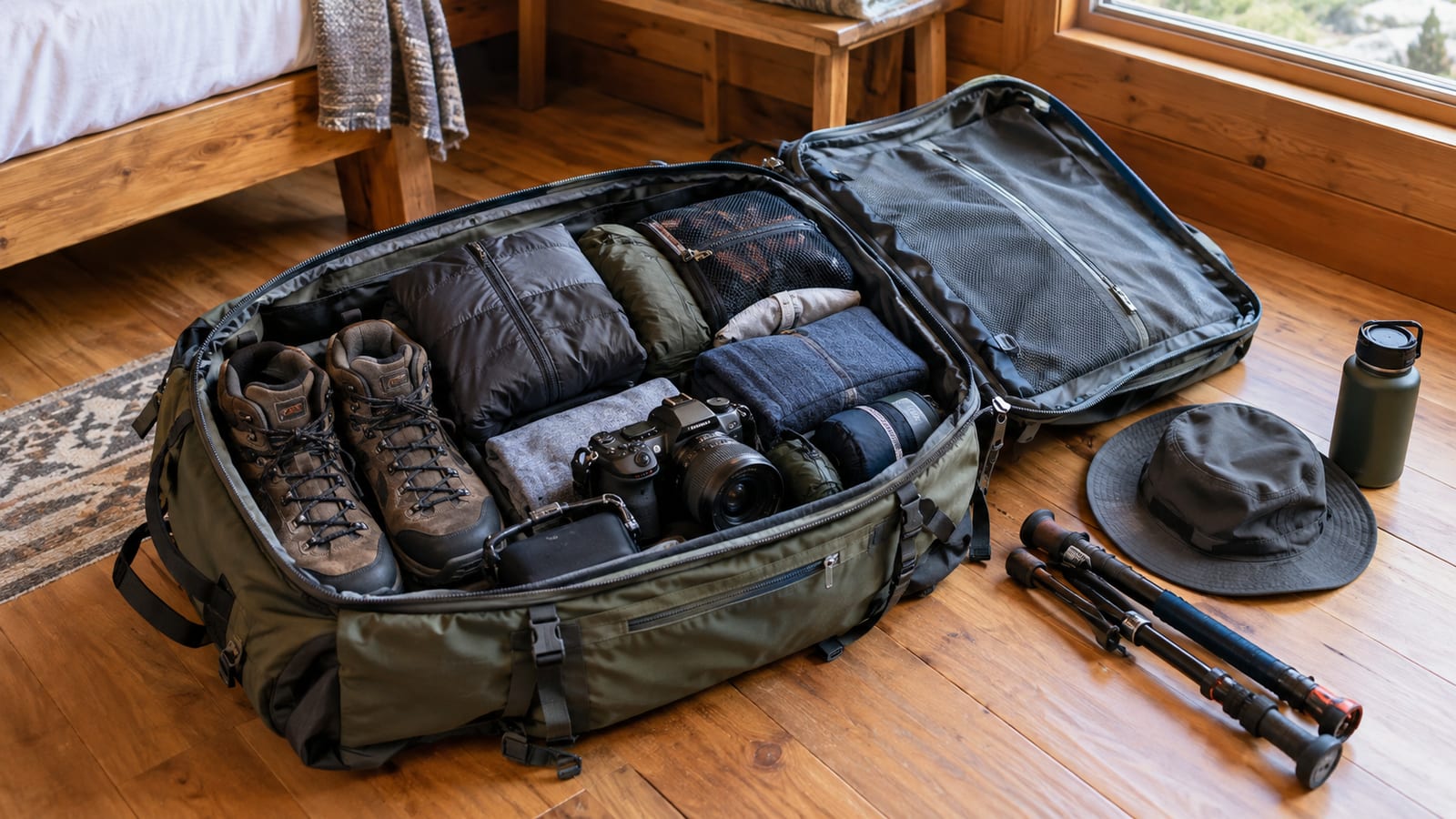
Belongings cover can help with theft, loss, or damage to phones, cameras, laptops, and outdoor gear. It can also be the least useful part of a policy if the limits are low.
Start with the items you’d struggle to replace. A laptop used for work may matter more than a spare jacket. A phone may have a single-item limit below its real cost. Outdoor equipment may be excluded during certain activities.
| Check | What to look for |
|---|---|
| Total belongings limit | Whether the full allowance covers what you carry |
| Single-item limit | Whether your laptop, camera, or phone fits the cap |
| Theft conditions | Whether you must use a locker or take other precautions |
| Unattended items | Whether cover changes in a vehicle, hostel, or campsite |
| Work equipment | Whether items used for paid work are included |
| Activity exclusions | Whether gear is covered while skiing, diving, or climbing |
| Excess | What you pay yourself for each claim |
Keep receipts, photographs, serial numbers, and proof of ownership where you can. Store them online before you leave.
I don’t insure every cheap item. I do check the cover for the one laptop, camera, or phone that would damage the trip if it disappeared. You can also compare this with the practical advice in my New Zealand working holiday packing list.
A hostel locker helps, but it doesn’t fix a policy exclusion. Read the unattended-item wording before leaving your phone in a shared room.
Set dates around the whole trip
Set the start date for the day your cover needs to begin, usually when you leave home or start the insured journey. Check the policy wording because some policies treat departure, arrival, and first travel booking differently.
The end date should cover your full planned stay in New Zealand. Don’t match it only to your first job or hostel booking. Those dates often change.
Check what happens if you:
- Extend your visa
- Stay longer than planned
- Leave New Zealand and return
- Visit another country
- Change your return flight
- Move from work into long-term travel
Some insurers allow extensions from New Zealand. Others require you to extend before the original policy ends, and some won’t extend after a claim or medical event.
A lapse can leave you uninsured for new problems. It may also make a later policy treat an existing symptom as pre-existing. Put the expiry date in your calendar and contact the insurer well before it arrives.
For wider trip costs, my guide to budgeting for an expensive New Zealand trip can help you see which bookings deserve protection.
Compare exclusions, excesses, and claim limits
The headline price tells you little. Two policies can look similar until you read the exclusions and caps.
An excess is the part of a covered claim you pay yourself. A low premium can come with a high excess, which makes smaller claims pointless. Compare the likely cost of claiming, not only the amount charged at purchase.
I run every policy I’m considering through this table. If one goes quiet on a row, it drops off my list:
| Check | What to look for |
|---|---|
| Work | The exact jobs and physical activities allowed |
| Medical care | Illness, injury, hospital treatment, prescriptions, and specialists |
| Evacuation | Suitable hospital transfers, air transport, and repatriation |
| Pre-existing conditions | Screening and written acceptance |
| Activities | Hiking, skiing, diving, climbing, and other planned activities |
| Disruption | Cancellation, delays, missed connections, and curtailment |
| Belongings | Single-item limits and work equipment rules |
| Excess | What you pay for each claim |
| Policy limits | Benefit caps that could run out |
| Travel dates | Full stay, extensions, and one-way travel |
| Claims | Approval rules and emergency contact methods |
I read the full wording, not just the summary table, and search it for “work,” “manual,” “exclusion,” “pre-existing,” “evacuation,” “unattended,” and “extension.”
If the insurer requires pre-approval, save that instruction with the emergency number. When you’re in a clinic, you shouldn’t have to search through a long document to find the next step.
What should working holiday insurance cover?
Your working holiday travel insurance should cover the risks your actual trip creates. The useful test is simple: match the policy against your visa, your work, your health, and the places you plan to go.
At a minimum, look for:
- Full medical and comprehensive hospitalisation cover
- Illness and accidental injury
- Emergency treatment and hospital stays
- Ambulance and specialist care
- Prescribed medicine
- Medical evacuation
- Repatriation to your home country
- Work permitted under your visa
- Manual or outdoor work you may accept
- Activities you plan to do
- Cancellation and lost deposits
- Travel delay and missed connections
- Emergency interruption of the trip
- Belongings you carry for work and travel
- One-way travel, if needed
- Travel outside New Zealand
- Extensions from New Zealand
- Clear claims and emergency instructions
If your visa, work, health, or dates change mid-trip, I’d message the insurer that week rather than assume the old cover still stretches to fit.
If you’re planning to ski near Queenstown, work in a vineyard, or spend time on a remote island, say so before buying. Vague answers create awkward claims later.
Buy the policy and keep the evidence

Follow these steps before you leave:
- Check your Working Holiday Visa conditions and insurance requirements.
- Write down the work and activities you expect to do.
- Declare every relevant medical condition and medication.
- Compare medical, evacuation, work, disruption, and belongings cover.
- Ask for written answers to unclear work or medical exclusions.
- Set dates for your whole planned stay.
- Buy the policy before departure if the terms require it.
- Save the schedule, wording, receipt, and emergency instructions.
- Put an expiry reminder in your calendar.
- Recheck the policy before starting a new job or extending your stay.
I keep one copy of the documents on my phone, one in cloud storage, and one offline. I also send the key details to someone at home. That takes a few minutes and saves a bad day from becoming an administrative mess.
The first action is simple: open your visa conditions and write down the work, dates, and activities your insurance must cover. Then compare policies against that list.
FAQ
Can I buy working holiday insurance after arriving in New Zealand?
Not if your visa scheme requires insurance. Unless you are on the Ireland, Japan, Malaysia or United Kingdom scheme, Immigration New Zealand requires medical and comprehensive hospitalisation insurance for your whole stay, and you may be asked for evidence before or on arrival, so buy it before you fly. If you later need to replace or extend cover from inside New Zealand, the terms may be narrower: some policies only begin from your home country, while others impose a waiting period or exclude problems that started before purchase.
Check the start-location rules before you travel. If you’ve already arrived, get written confirmation that the policy can begin from New Zealand and ask what existing symptoms are excluded.
Does insurance cover volunteer work?
Not automatically. Some policies treat unpaid physical work in the same way as paid manual work. Others exclude it completely.
Tell the insurer what you’ll do, where you’ll do it, and whether you receive wages, food, accommodation, or another benefit. Keep the answer in writing.
Can I make a claim if my employer cancels my job?
Usually, losing expected work isn’t enough by itself. Travel insurance generally covers listed events, such as illness, injury, or certain travel disruptions.
Check the cancellation and interruption sections before relying on a job offer. Keep the offer, messages, and any prepaid bookings if the situation changes.
Does insurance cover counselling or other mental health care?
That depends on the policy. Some cover emergency mental health treatment, while others exclude ongoing care or treatment connected to a known condition.
Read the medical wording and declare relevant history during screening. Ask the insurer what help is available if you need support during a long stay.