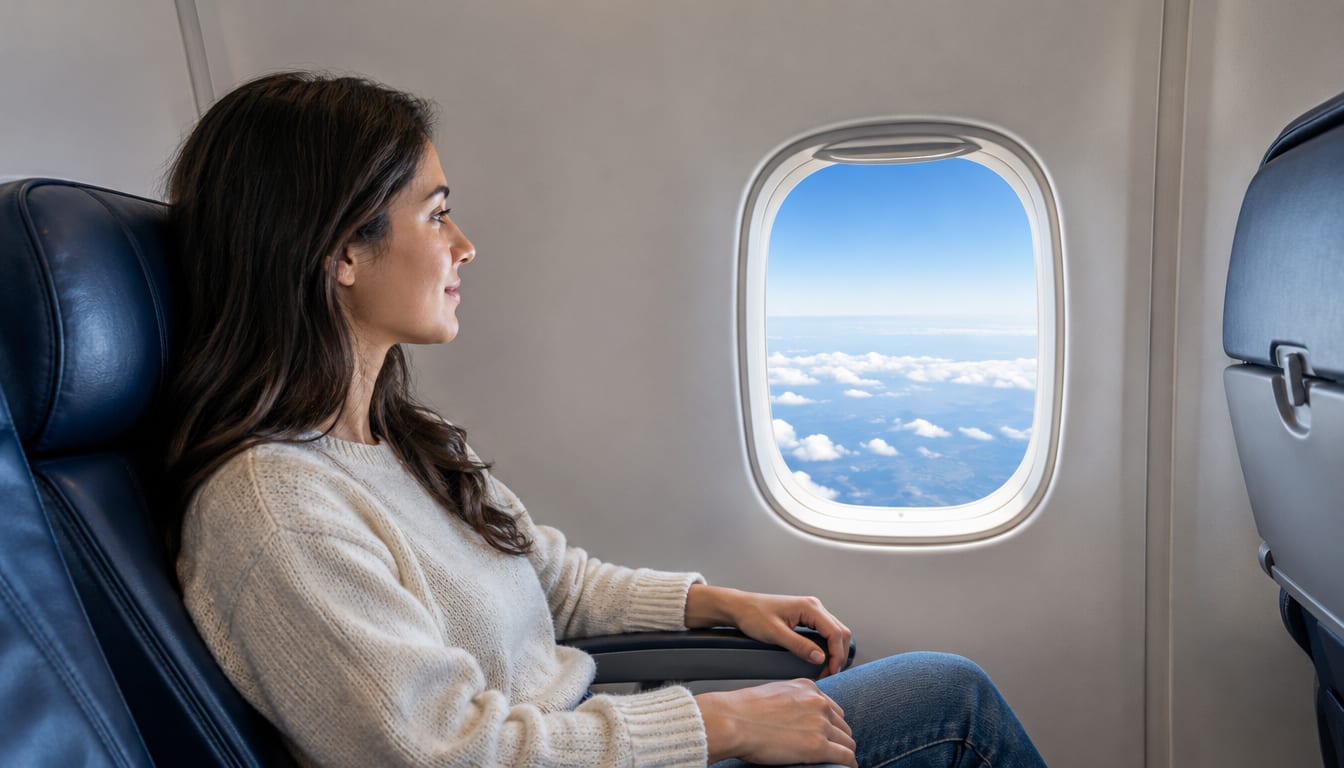

Set travel expectations around four things you can control: your budget, energy, priorities, and backup plans. Everything else may wobble. Setting realistic expectations before traveling means leaving room for wrong turns, rain, crowds, and ordinary afternoons instead of demanding the polished trip you saw online.
Last updated: 2026-08-11
How do you start setting realistic expectations before traveling?
Start with the parts of the trip most likely to cause trouble. Check likely costs, transit, weather, crowds, and how much walking the day requires. Then leave some room for the place to surprise you.
This doesn’t mean expecting a bad trip. Look forward to dinner in Rome, but don’t expect every plate to change your life. Book the beach holiday, but accept that the sky may stay gray for an afternoon.
International tourist arrivals worldwide totaled 1.4 billion in 2024. That was an increase of 11% over 2023, or 140 million more overnight visitors. So if you’re visiting a famous square or viewpoint, expecting privacy is fantasy.
These expectations matter on any trip. However, they matter more when you’ve spent heavily, planned for months, or tied the trip to a birthday or fresh start. The harder you need a place to be perfect, the easier it is to resent the real version.
Check what you can verify. Stay loose about how each day should feel.
Perfect-trip expectations cause disappointment
A perfect trip is a marketing product. Real travel includes airport queues, closed kitchens, noisy rooms, sore feet, and the occasional meal you wish you hadn’t ordered.
Social media makes this worse because it cuts out the waiting. You see a quiet frame of the Trevi Fountain, while the crowd stands just outside it. You see the Santorini sunset, while the packed bus ride back disappears.
Treat those pictures as normal conditions and a good view starts to feel spoiled by other people. A pleasant café feels wrong because your table isn’t beside the window. That’s a poor way to spend an afternoon you paid to have.
Packed itineraries cause the same trouble. If every hour has a job, a delayed train knocks over the whole day.
I’d rather miss a minor sight than spend lunch checking the time. A trip shouldn’t feel like a shift you’re falling behind on. If that pressure already sounds familiar, read this guide to enjoying travel without constant pressure.
Useful standards and harmful assumptions
Keep standards that protect your money, health, and basic comfort. Drop the fantasy that a booking can control traffic, weather, noise, or other people.
| Keep this useful standard | Drop this harmful assumption |
|---|---|
| The room should be clean and match the listing | The room will be silent and look larger than the photos |
| Transport information should be available | Every connection will run exactly on time |
| You should understand the total booking cost | The cheapest advertised fare is the final cost |
| A paid service should deliver what was promised | Friendly staff can fix every disruption |
| You should have a basic safety plan | Nothing uncomfortable will happen |
| You can choose priorities that fit your budget | The destination will be cheap because someone online said so |
| You can ask for rest and personal space | A partner will want the same pace every day |
A hotel can match its description and still face a busy street. A famous museum can justify the admission and still feel crowded. Check what was promised before calling either one a failure.
Use the same clear thinking with safety. Manage your documents, money, transport home, and communication. You don’t need to treat every unfamiliar street as dangerous, but a holiday isn’t a reason to drop common sense.
Comfort has a real cost too. A quiet central room, direct train, or private transfer usually costs more than the awkward option. Decide where comfort matters before the booking screen decides for you.
Are you planning around a fantasy or your actual values?
Pick the main reason for the trip before you choose hotels and tours. Otherwise, you’ll build an itinerary from whatever photographs well, then wonder why none of it suits you.
Your priority might be:
- Rest and unhurried mornings
- New food and long meals
- Time outdoors
- Art, history, or architecture
- Meeting people
- Physical challenge
- Time alone
- Time with someone you rarely see
Now test each booking against that priority. If you want rest, a room beside the nightlife district is a poor bargain. If food matters most, an isolated resort with limited dining will wear thin.
The usual wrong turn is trying to want everything. You book early hikes, late dinners, museums, markets, and a hotel with a pool. Then you’re too tired to enjoy any of them.
Here is what I do. Before I book, I finish this sentence: “I want to come home feeling…” The answer cuts through a surprising amount of clutter.
Setting realistic expectations before traveling gets easier once the trip has a purpose. If every possible experience has equal weight, you’ll keep adding plans until the days no longer fit.
Travel and vacation make different demands
Travel asks you to engage with a place. Vacation gives you room to slow down. They can overlap, but trouble starts when you expect one booking to deliver both at full strength.
A travel-heavy trip may involve unfamiliar transport, early starts, long days on foot, and regular decisions. That effort can be worth it because discovery is the point. However, it may leave you needing a rest afterward.
A vacation needs empty time. You might stay near the pool, return to the same café, or spend an afternoon reading in your room. Nothing has been wasted.
A busy city break won’t give you resort-level rest just because you booked a nice room. Meanwhile, an all-inclusive hotel can feel confining if you expected a new neighborhood every morning.
If you need both, split the pace. Give active days a clear focus, then let slower days stay slow. Skip the dawn tour you added only because there was space on the booking page.
What kind of travel experience are you choosing?
Every trip asks for a trade. You give up some comfort for access, spend more for ease, or use more time to save money. Be honest about how much inconvenience you can tolerate because optimism won’t make an overnight bus comfortable.
| Travel style | What you’re choosing | What may wear you down | Best fit |
|---|---|---|---|
| Comfort-first | Private space, easier transport, slower days, fewer decisions | Higher costs and less flexibility | Rest, short breaks, limited energy, nervous first trips |
| Balance-first | Some comfort, some effort, planned highlights with open time | You’ll still need to compromise | Most city trips, solo travel, mixed-interest companions |
| Challenge-first | Basic lodging, complex routes, early starts, physical effort | Fatigue, delays, and fewer easy exits | Remote places, outdoor goals, experienced travelers |
Balance-first works for most people. You get enough structure to avoid wasting whole mornings and enough freedom to change course when it rains.
Challenge-first travel gets oversold. A difficult route may take you somewhere special, but inconvenience isn’t a badge of honor. If the rough transfer leaves you too tired to care where you arrived, skip it.
Comfort-first travel gets dismissed too easily. Paying for a direct journey or a room where you can sleep isn’t shallow. Trust yourself about the trade-off, then budget for it honestly.
Reality checks before booking
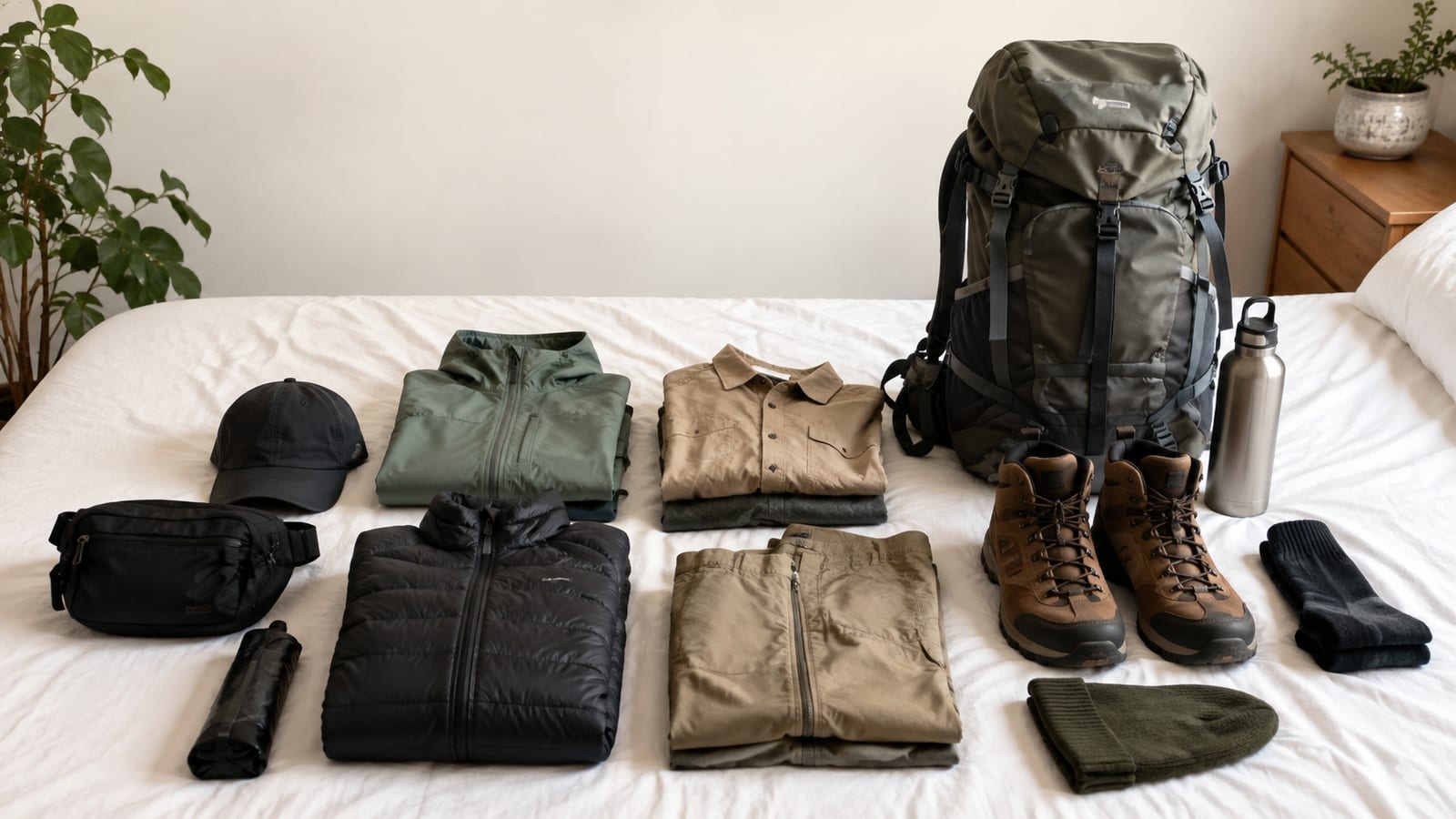
Read past the main photograph. Check the map, recent guest comments, transport details, cancellation terms, and what the cheapest room includes. That rooftop photo tells you nothing about the basement room you selected.
Run through these checks before paying. The booking page won’t remind you about the final walk or the room above the bar.
- Transit: Check the full door-to-door journey, including station changes and the final walk.
- Total cost: Add baggage, local transport, taxes, food, entry fees, and card charges.
- Walking: Look at hills, rough streets, heat, and the distance from your room to useful transport.
- Lodging: Decide what matters more: price, quiet, space, privacy, or location.
- Season: Check likely weather, daylight, closures, and crowd patterns.
- Documents: Confirm passport, visa, insurance, and entry rules through official pages.
- Companions: Compare budgets, sleep habits, food needs, pace, and tolerance for last-minute changes.
For non-European Union nationals traveling to the Schengen area, a passport must be valid for at least 3 months after the date you intend to leave the EU. It must also have been issued within the last 10 years. Check the official entry conditions before booking because rules can change.
Companion compatibility causes more trouble than people admit. One person calls a long lunch relaxing, while the other sees wasted daylight. Discuss money, mornings, room sharing, and alone time before either of you pays.
Also, read lodging reviews for repeated practical complaints. A single angry review proves little. Several recent comments about street noise or poor heating deserve your attention.
An itinerary that survives real life

Build each day around a clear anchor, then leave space around it. The anchor might be a museum booking, a neighborhood walk, a train, or dinner somewhere you care about. Everything else can bend.
Here is a structure that works without turning the day into a spreadsheet:
- Put the time-sensitive plan in the part of the day when your energy is strongest.
- Keep nearby options together so you aren’t crossing the city repeatedly.
- Know where you might eat before hunger makes the decision.
- Leave room for transport delays and slow service.
- Keep a rainy-day option and an easy evening plan.
- Mark the plans you’d be genuinely sad to miss.
- Treat the rest as optional.
Don’t schedule your arrival day as though the journey won’t tire you. Even a smooth flight can leave you foggy and impatient. Grab a coffee, learn the street around your room, and save the complicated plan for later.
Meanwhile, resist filling every blank space. Open time is where you notice the bakery queue, the quiet church, or the park full of families after work. You can find more practical ways to travel without constant planning.
A flexible itinerary still needs shape. Know your bookings, opening times, transport home, and top priorities. Just don’t assign a task to every hour.
When the trip goes wrong

Deal with the immediate problem before judging the whole trip. A missed train is a transport issue. It doesn’t need to become proof that you planned badly or chose the wrong country.
Use this order:
- Check that everyone is safe before worrying about the schedule.
- Work out the next practical deadline.
- Contact the airline, hotel, insurer, or booking provider if needed.
- Protect your sleep, medication, food, and phone battery.
- Drop the least important plan.
- Choose the easiest useful alternative.
Bad weather usually needs a swap. Move the museum, covered market, long lunch, or bookshop forward. Keep the outdoor plan for later if conditions improve.
Illness is different. Stop trying to rescue the schedule and deal with your health. Rest, contact your insurer if needed, and ask your lodging for help finding appropriate care.
Travel conflict needs a pause too. If you and your companion are snapping over small things, hunger and fatigue are often sitting in the room. Eat, separate for a while, and discuss the real problem after you’ve both slowed down.
Some plans can’t be saved. A closed attraction stays closed, and a cancelled event won’t reopen because you crossed an ocean. Choose the next workable option instead of losing the afternoon to an argument you can’t win.
Staying present instead of grading every moment
Stop asking whether the place matches the photograph. Look at what is happening in front of you. That small shift makes the real place easier to see.
Notice useful details. Which café gets morning light? Where do office workers eat lunch? Which quiet street gives you a break from the main square?
Photos are fine, but don’t make the day work for them. Waiting for strangers to leave the frame means asking a living place to behave like a studio. Take the picture, then put the phone away.
Comparison can also follow you from home. Someone else has a nicer hotel, better weather, or more time. Their trip only shrinks yours if you keep putting them side by side.
If your mind keeps scoring the day, try these steps for staying present while traveling. Then choose one ordinary detail to remember. Often it’s the bread at breakfast or the sound outside the window, rather than the sight you booked months earlier.
How can you tell whether a trip was worth it?
Judge the trip against its purpose. If you wanted rest, ask whether you returned less tired. If you wanted challenge, ask whether you handled something that once felt difficult.
A worthwhile trip may have:
- Reflected the priority you chose
- Given you useful rest or needed distance
- Taught you something about a place
- Changed how you handle uncertainty
- Strengthened a relationship
- Shown you what you don’t want next time
- Left you with a few clear memories
You don’t need to love every destination. Some places are expensive, crowded, inconvenient, or simply wrong for you. Admitting that doesn’t make you ungrateful.
However, don’t let one bad meal or wet afternoon rewrite the whole week. Memory tends to promote the worst disruption because it carried the most emotion. Look at the full trip before handing down the verdict.
Setting realistic expectations before traveling also changes how you remember the result. The trip doesn’t need to prove that every choice was correct. It needs to have served the reason you went.
FAQ
How can I set realistic expectations when traveling with children?
Plan around sleep, food, toilets, and recovery time before adding major sights. Children usually care less about your landmark list than adults do. Keep exits easy and let a playground or snack stop count as part of the day.
Also, explain the likely hard parts without making the trip sound grim. Tell them there will be waiting and unfamiliar food. Then give them a small choice they can control.
What if I feel anxious before every trip?
Reduce the unknowns that could affect your first day. Confirm the journey from the airport, your lodging address, mobile phone access, insurance details, and how you’ll get help.
Then stop researching minor risks. Endless reading makes rare problems feel common. Keep the arrival simple and give yourself time to learn the ground under your feet.
Should I book refundable travel even if it costs more?
Pay more for flexibility when illness, work, family duties, or seasonal weather could change the plan. It can also make sense for an expensive booking that would hurt to lose.
However, don’t buy flexibility on the label alone. Read the terms carefully because deadlines, fees, or credit may still apply.
How should I prepare for a language barrier?
Learn basic greetings, polite words, food terms, and how to ask for help. Save your lodging address offline and download the local language in a translation app before you leave.
Expect a few awkward exchanges and stay patient. Pointing and writing solve plenty. You don’t need fluent speech to be a respectful guest.