

The passport is the part everyone remembers, but it isn't the whole job. To travel internationally, you need a valid passport, any visa or travel authorization your destination requires, and supporting papers that show you meet its entry rules. The trouble usually starts with the rest, like a passport that expires too soon for one country or a layover that needs its own permit.
So check your destination's official immigration site before you book. The airline will check those rules at the counter anyway, and the check-in desk before dawn is a bad time to find out.
What documents do you need to travel internationally?
Most trips need a passport and the right entry permission. Add a few papers that prove you're a normal visitor who will leave on time. Everything else depends on your passport, your destination, and the countries you pass through on the way.
Here's the full picture in one place. Pay most attention to the last column, because knowing where to check is half the job.
| Document | Who needs it | Where to check |
|---|---|---|
| Passport | Nearly every international traveler | Your own passport office |
| Visa or travel authorization | Depends on your nationality and destination | Destination embassy or immigration site |
| Return or onward ticket | Many destinations, often enforced by airlines | Destination rules and your airline |
| Accommodation and trip details | Anyone a border officer questions | Your own bookings |
| Proof of funds | Some countries, and most visa applications | Destination immigration site |
| Health documents | Specific routes and countries | Health authorities and destination rules |
| Child consent or custody papers | Minors not traveling with both parents | Destination rules and your government |
| Transit visa | Some layovers, for some passports | The transit country's rules |
If you only remember one thing, make it this. Your passport and visa get you on the plane. The supporting papers get you through the conversation at the border.
Start with a valid passport
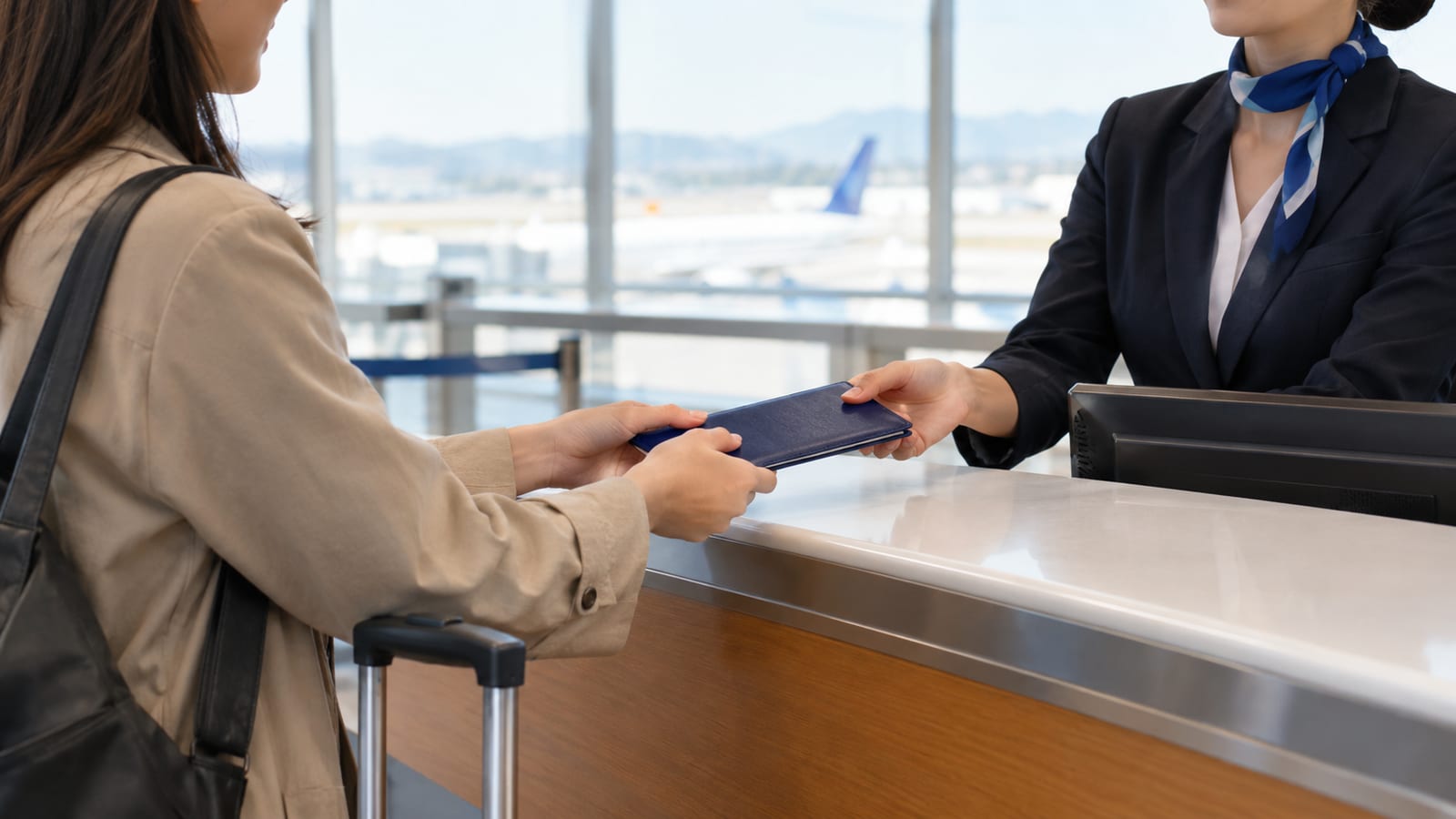
A passport is required for all international travel.
Validity is where people get caught. Many countries want your passport to stay valid for some time after you leave. That window belongs to each country, and the details vary. Some count from your arrival date, some from your departure date, and some only need it valid for your stay.
Check two more details while the passport is in your hand:
- Blank pages. Some countries need empty visa pages for stamps or a sticker visa. A nearly full passport can be refused, so count the clean pages before you count on it.
- Condition. Water damage, a torn page, or a loose cover can get you turned away. Airlines and border officers both have the right to reject a damaged passport, and a coffee stain on the photo page is enough to start that conversation.
U.S. passports for travelers 16 and over are good for 10 years. Passports for children under 16 last only 5 years, so kids' passports run out sooner than parents expect.
Timing matters too. U.S. routine processing takes 4 to 6 weeks, and mailing can add up to 2 more weeks. Expedited service costs $60 on top of the normal fee. If you hold another country's passport, check your own passport office for its times.
Open your passport and check the expiry date before you look at a single flight.
Do you need a visa or travel authorization?
Whether you need a visa depends on the passport you hold, not where you live. The same trip can be visa-free for one traveler and require a visa from the person next to them. Entry permission comes in a few main types.
Visitor visa. You apply ahead through an embassy, a consulate, or an official online portal. The application may need an interview, photos, and supporting papers.
Electronic travel authorization. Visa-free visitors to some countries still need a short online approval before flying. The U.S. calls this ESTA (Electronic System for Travel Authorization). Canada uses an eTA, and the UK has its own ETA. These are quick, but they're linked to your passport number.
E-visa. This is a full visa you apply for and receive online. You usually print it or show it on your phone at arrival.
Visa on arrival. You pay and get the visa at the border. Bring cash in the currency they ask for, since card machines at small arrival desks can fail.
Two gotchas catch a lot of people. First, if you renew your passport, an electronic authorization tied to the old number usually won't carry over. You'll need to apply again.
Second, lookalike websites charge extra to file the same form for you. Only use the government's own site, which you can reach from the destination's embassy page.
Longer stays work differently. For example, our guide to New Zealand working holiday questions shows how a work visa is its own separate process.
Bring proof of onward or return travel
Many countries want proof that you'll leave, and the airline is often the one who checks. If a passenger gets refused entry, the airline usually has to fly them back out. As a result, check-in agents can be stricter than the border itself.
One-way tickets get flagged most. This is common on flights into parts of Southeast Asia and Latin America, where open-ended backpacker trips are normal. A shrug and a promise to "figure it out" won't satisfy a check-in agent.
If your plans are open, book something cheap and real out of the country. A refundable flight works, and so does a low-cost bus ticket across the next border. Some services rent you a temporary ticket for this, but it can fall apart if anyone looks closely. I'd rather spend a little on a real bus ticket I might actually use.
Keep the confirmation saved offline on your phone. Airport wifi has a way of dying right when the agent asks.
Carry your accommodation and trip details
The arrival card or border officer will often ask where you're staying. "With a friend" or "a hostel downtown" makes you look unprepared. Have these ready:
- Hotel or hostel booking for at least your first nights, with the full street address, since that's the line the arrival card asks you to fill.
- Host details if you're staying with someone: their full name, street address, and phone number.
- A rough itinerary showing where you'll go and when you'll leave. A few lines in your notes app is plenty.
- An invitation letter where your visa type asks for one, such as some family or business visits.
Solo travelers moving city to city can still keep this simple. Book accommodation for the start of the trip, then write a loose plan for the rest. Nobody at the border expects every night locked in, but they do expect an answer.
Have evidence you can support yourself
Some countries ask visitors to show they can pay for their stay. A few publish a set daily amount, and most visa applications ask for bank statements. At friendly borders this rarely comes up. Still, when it does, you need paper, and saying you have money isn't proof.
Useful proof includes a recent bank statement, a credit card, and some cash in local currency or a major one. If someone else is paying, such as a parent or a host, bring a signed sponsorship letter and their recent bank statement.
The small detail people forget is that banking apps need data. Screenshot your balance or download a statement before you fly. That way you can show it at a border desk with no signal.
Know the health and vaccination documents for your route
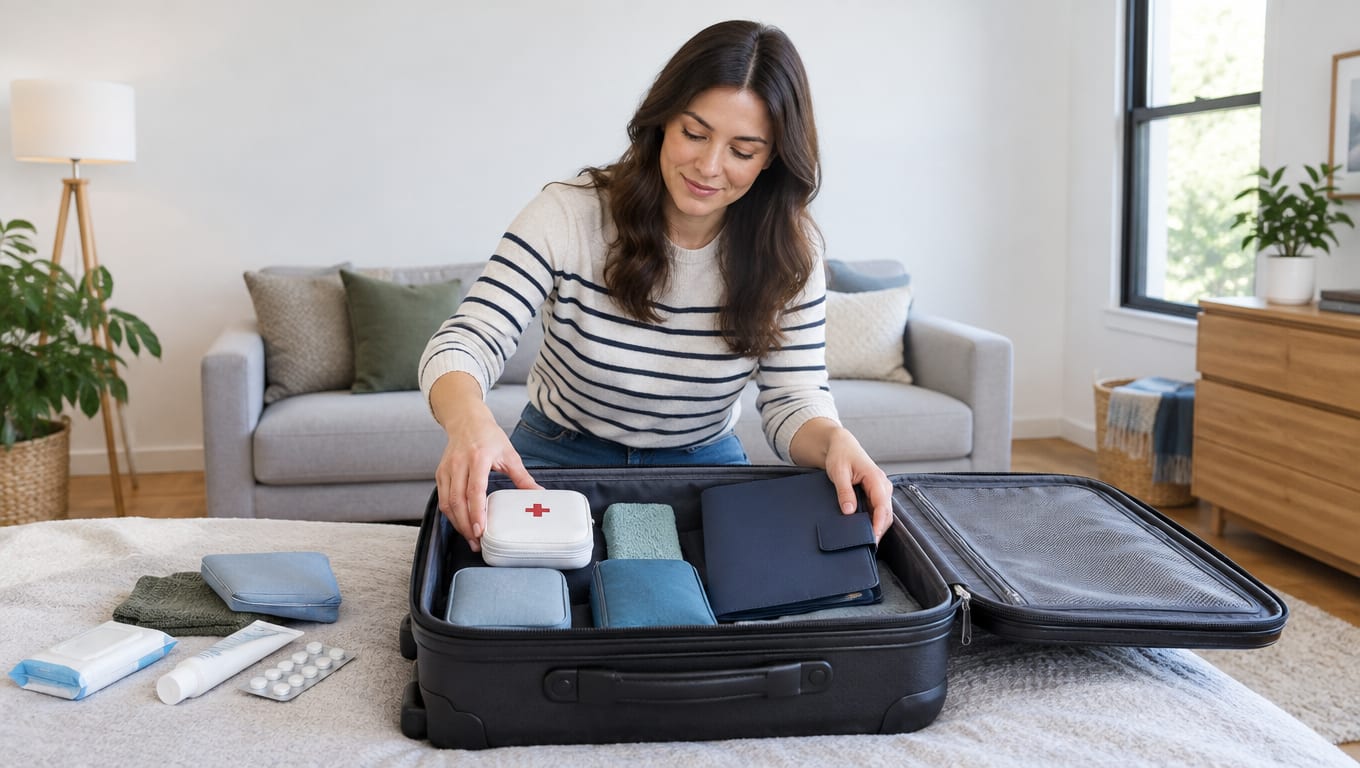
Health papers depend on your exact route, so check them for every country you touch. The best-known example is yellow fever. Some countries in Africa and South America ask for proof of vaccination. The usual proof is the yellow card, officially the International Certificate of Vaccination or Prophylaxis.
Whether you need it can depend on where you're arriving from. That includes a country you only passed through. The CDC's Travelers' Health destination pages list vaccine requirements and advice by country.
Other health paperwork to check:
- Health declarations or entry forms that some countries ask you to fill in before arrival. Do them the night before, sitting down, instead of thumbing through them in the arrivals queue.
- Travel insurance proof, which some visa applications require, including Schengen visas, the shared visa for much of Europe.
- Prescriptions, kept in original packaging with a copy of the prescription. Some medicines that are legal at home are restricted abroad. Japan, for example, limits some ADHD medications.
If you manage allergies or carry medication daily, our guide to building a safer allergy travel plan covers the medical paperwork in more detail.
Bring identification for children and family travel
Every traveler needs their own passport, babies included. Children's passports expire sooner than adults', so check each family member's expiry date one by one. One expired passport can ground the whole group.
When a child travels without both parents, bring a consent letter. That covers a trip with one parent, grandparents, or a school group. The letter should name the child, the adult with them, the dates, and contact details for the absent parent. Some countries want it notarized, which means signed in front of an official.
Single parents may need more. If you have sole custody, carry the custody order. If the other parent has died, carry the death certificate.
Name mismatches cause quiet trouble. If a child's surname differs from yours, bring their birth certificate showing you're the parent. Also, every airline ticket must match the name on that person's passport exactly, including a new married name.
Your layover country gets a vote too
A layover can need its own visa even when your final destination doesn't. Some countries require transit visas for certain passports, even if you never leave the airport. Check the transit country's rules the same way you check your destination's.
The U.S. is the big surprise here. It has no international transit area, so every connecting passenger goes through immigration. That means you need an ESTA or a visa just to change planes there.
Separate tickets add another trap. If you booked two airlines yourself, you'll often have to collect your bags and check in again. That means formally entering the country. So you need full entry documents for a stop you thought was just a connection.
Keep copies and backups of every important document
Copies won't replace a passport at the border, but they make a lost one far easier to sort out. Keep a paper copy of your passport photo page in your daypack and another in your main bag, away from the original.
Then go digital. Save photos of your passport, visas, insurance policy, and bookings in a secure cloud folder. Keep offline copies on your phone too, since you can't count on data abroad.
Write down a short list of emergency contacts. Include your embassy in each country, your insurance hotline, and one person at home. U.S. citizens can also enroll in the State Department's Smart Traveler Enrollment Program (STEP). That way the embassy can reach them in an emergency.
If the worst happens anyway, our guide on what to do if your passport is lost abroad walks through the replacement steps. Those backups will speed up every one of them.
Which documents stay on you during the trip?
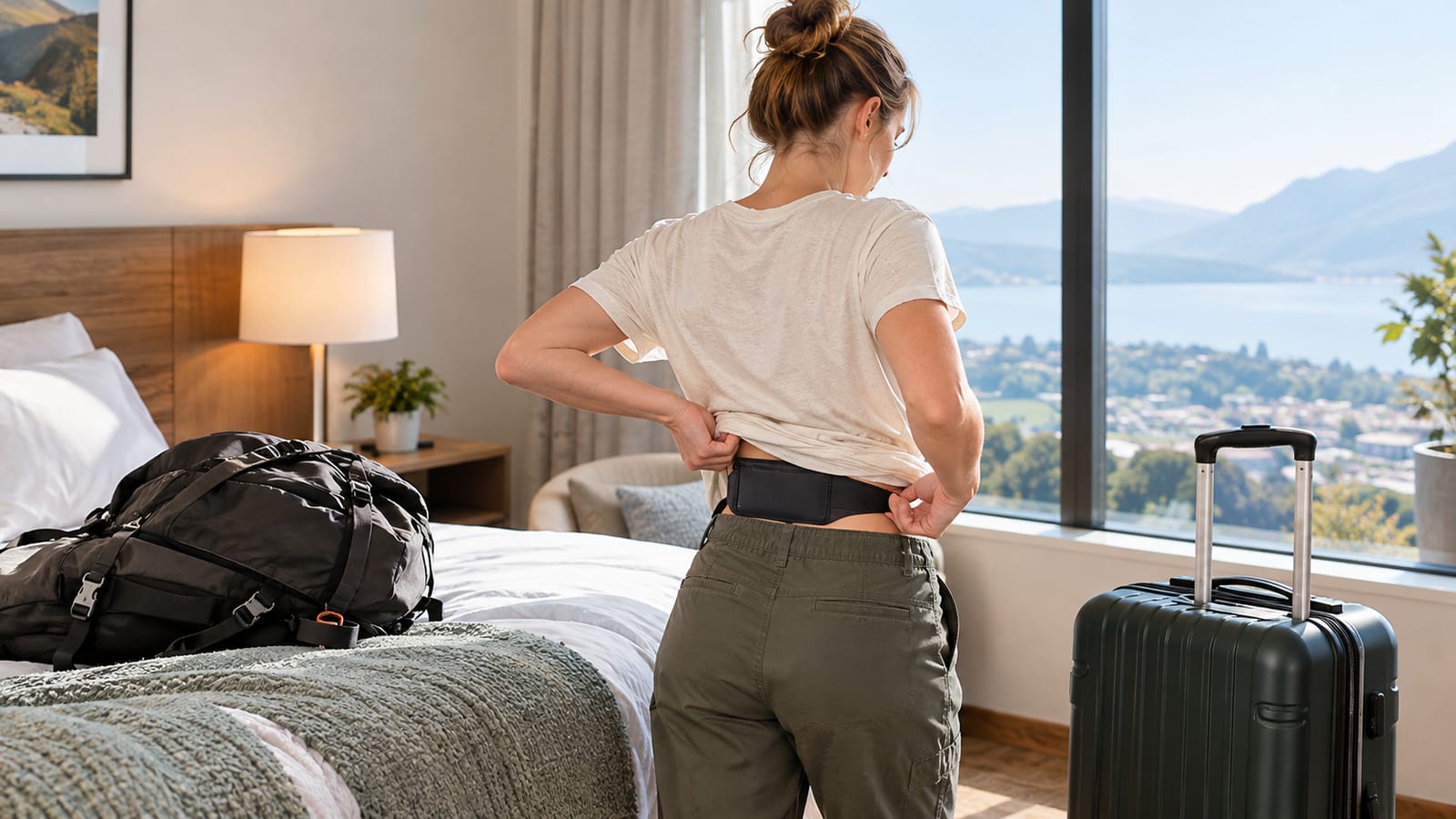
Split your papers into two groups. The first group matters at check-in and the border: passport, visa or authorization, onward ticket, accommodation details, and any health certificate. Keep these together in one pouch you can reach without unpacking.
The second group stays handy once you've landed:
- Passport. Check whether your destination requires foreign visitors to carry the original passport. Where it doesn't, lock it in the room safe or your locker and carry a copy.
- Insurance details. Keep the policy number and emergency line in your phone and on a slip of paper in your wallet. If the phone goes missing, that slip is how you call for help.
- Prescriptions. Carry them with your medicine, in case a pharmacy or police officer asks.
- Driving documents. Bring your home license, plus an International Driving Permit where the country requires one. Rental desks can refuse you without it, and they won't hold the car while you sort it out.
Use official sources before you leave
Forums and social posts are a fine place to hear what happened to someone else. However, they're a poor place to confirm rules, which change without much notice. Run through this list before you fly, then check it again close to departure:
- Read your destination's embassy or immigration site for passport validity, visa type, and entry proof.
- Do the same for every transit country on your route.
- Check your government's travel advisory. U.S. travelers can start at the State Department's international travel page.
- Read your airline's travel requirements page, since its agents decide who boards.
- Confirm vaccine and medicine rules for each country.
- Print the key papers and save offline copies on your phone.
Once that's done, trust yourself. You'll have more paperwork ready than most people in the line.
Your first step today: open your passport, check the expiry date, and compare it with your return date.
FAQ
Can I use an ID card or a passport card instead of a passport?
Sometimes, on specific routes. EU citizens can cross many European borders with a national ID card. U.S. citizens can use a passport card by land or sea to Canada, Mexico, and parts of the Caribbean, but not on international flights.
The card is worth it as a second document if you drive across a border often. For anything involving a plane, assume you need the full passport book.
I have two citizenships. Which passport do I use?
Leave and enter each of your countries on that country's passport, since many require it. For a third country, use whichever passport gets the easier entry.
Book your flight in the name on that passport and show the same one at check-in, so the airline's records match what the border sees. Carry both.
What if my ticket name has a typo?
Call the airline as soon as you spot it. Most will fix a small spelling error, sometimes for a fee. If you booked through a travel website, call them first, since the airline often can't change a ticket someone else issued.
A completely different name is harder and may mean a new ticket. Check the spelling against your passport the minute the confirmation lands in your inbox.
What happens if the airline refuses to board me?
You won't fly that day, and your fare may not be refunded, since the paperwork was your responsibility. Arguing at the counter rarely changes the answer. A calm question about exactly which document failed usually gets you a clear fix, so sort it out and rebook.
If it's an onward ticket problem, buying a cheap refundable exit fare at the airport may solve it.