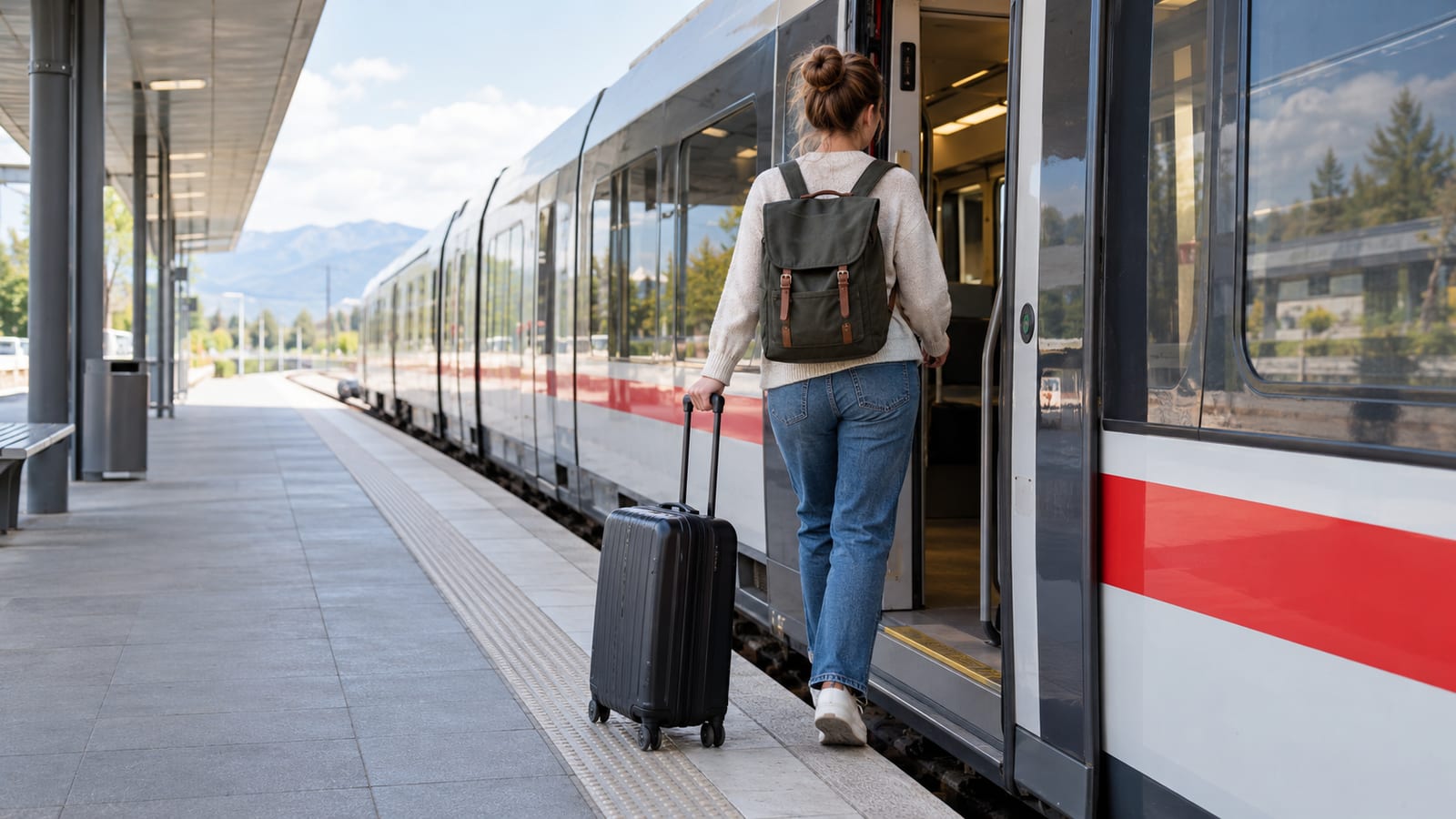
I learned one hard lesson early: a few simple travel safety tips for overnight trains change the whole trip. I still remember stepping onto a quiet platform at dusk — the air smelled like diesel and coffee, and the carriage lights felt like a small, cozy island.
I plan routes that avoid 2 a.m. swaps and check Seat61 photos so I know the berth before I climb in. The big win is simple — one night off the clock gives you a full day at your destination, and you’ll get rested instead of wrecked.
I treat the compartment door like my front door: lock it, keep passport & phone in a small bag by my pillow, and carry wipes and sanitizer. Most rides are calm — a soft rocking, a polite check now and then — and good habits make comfort and peace of mind the rule, not the exception.
Key Takeaways
- One night on the rails can save money and add a full day of sightseeing.
- Skip itineraries with awkward 2 a.m. connections to protect your rest.
- Preview berths online so you know what to expect before boarding.
- Keep essentials in reach and lock your compartment like home.
- Bring basic hygiene gear and a calm mindset; most journeys are routine.
Why I still choose night trains for time, money, and sanity
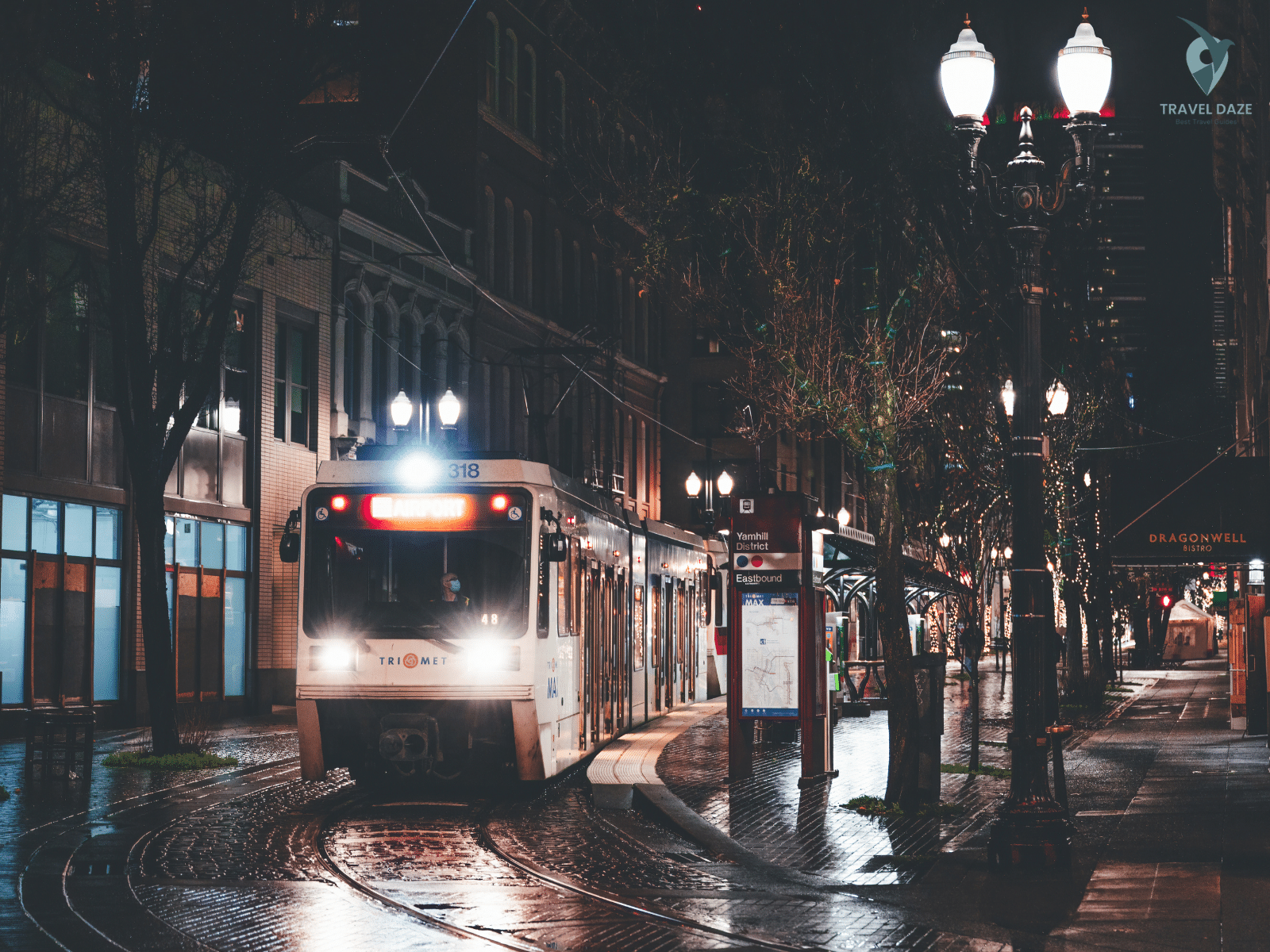
I pick the night option because it gives me a full day to explore. I trade a single night on rails for sunrise at a new destination. That swap saves cash and makes the day feel longer.
The platform is dim. Corridors go quiet. The soft clack underfoot lulls me into sleep better than any airport lounge. I like cracking the curtain and catching first light at the window.
Practical perks:
- I roll bed and transport into one ticket—budgeting gets simpler.
- When timing fits, I’m out exploring by mid-morning, not stuck in transit.
- On busy corridors I reserve early—services like Nightjet fill fast.
- My best experiences come when I arrive rested and curious.
Rick Steves sums it up: you gain sightseeing time and skip a hotel bill. I plan routes that respect the night so the rest stays intact. That quiet corridor at midnight feels like permission to slow down.
Research first, relax later: setting yourself up for a safe ride
Good nights begin with solid homework: routes, berths, and recent reports. I check Seat61 first to see real photos of berths, ladders, and storage. That site often shows sleeper types and carriage pictures that match what I’ll board.
I also scan recent posts and forum notes. These flag changes in rolling stock, added attendants, or removed dining cars. If timetables force a 2 a.m. swap, I reroute—those breaks wreck sleep.
Practical checks I make before booking:
- I confirm if compartments lock and whether an attendant is listed.
- I note border routines between countries—expect exit and entry checks on some routes.
- I verify bedding, dining availability, and if guards board or you step onto a platform.
- I keep passport & ticket in a small bag by my pillow, not buried in luggage.
A few clear answers now save scrambling later when you’re tired. Do this work once, and the night ride becomes a restful part of the journey.
Smart booking moves that keep you safer while you sleep
A well-picked ticket often decides whether I wake refreshed or ragged. I focus on a few booking moves that lock in calm nights and sensible outcomes.
Reserve early and avoid those 2 a.m. connection “nightmares”
Book sooner on popular corridors. Services like Nightjet sell fast. I reserve days ahead to pick the berth and coach I trust.
I skip any itinerary that forces a 2:00 a.m. platform swap. That break kills sleep and defeats the point of a night ride.
Pick trains with attendants and locking compartments when possible
An attendant gives order—and someone to ask if things go sideways. I prefer a compartment with a solid door and a working lock.
- I check berth counts—four bunks beat six for quiet.
- I take the top bunk when I want privacy and overhead stowage.
- Solo? I look for women-only or single-gender options when available.
- I confirm coach number, berth, and coach type on the ticket before I leave.
Plan arrival times so city transit runs when you get there. Small booking choices now pay off in real sleep and better time the next day.
Choosing your space: couchette, private sleeper, or seat
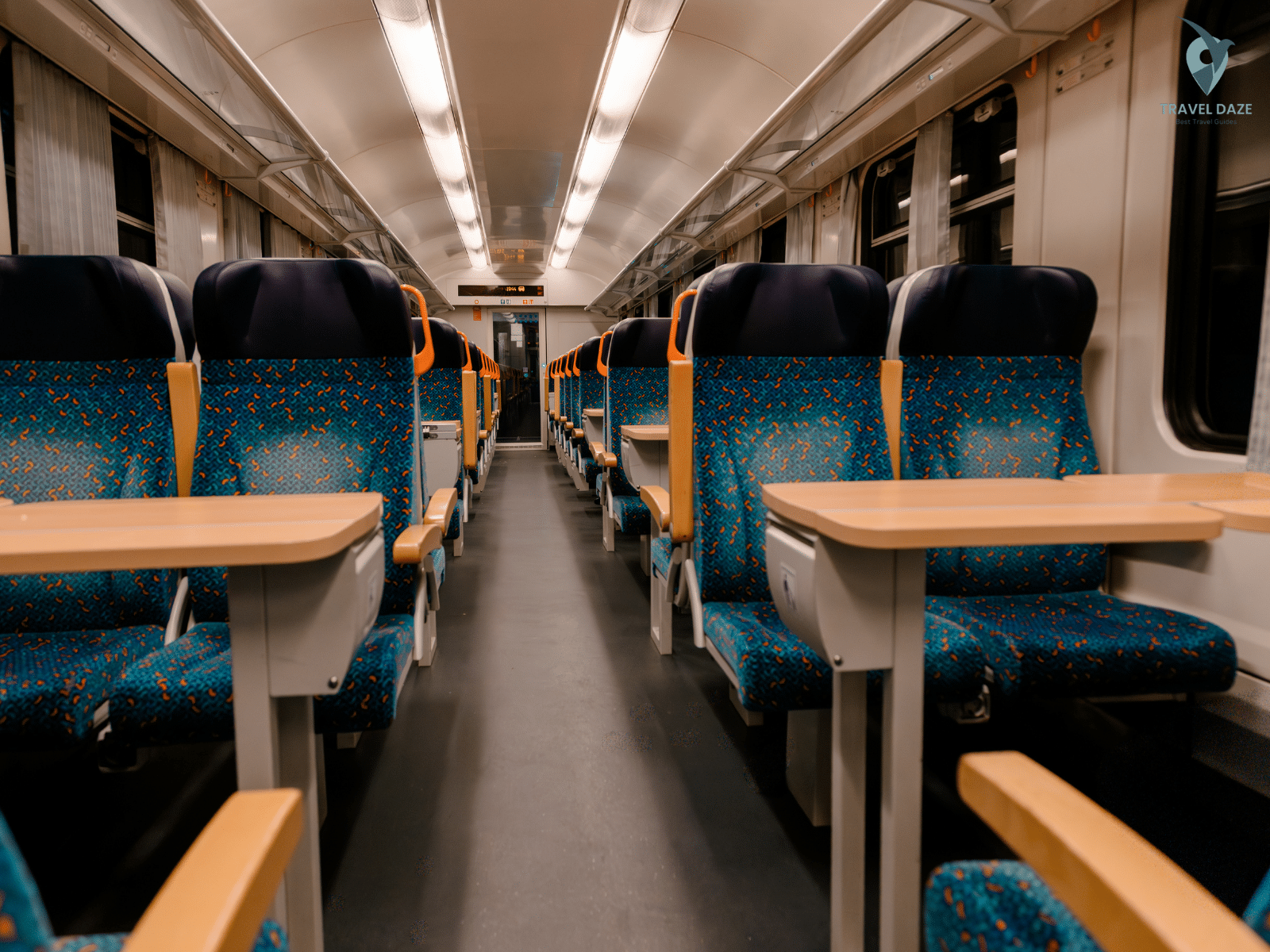
Where I lay my head decides whether I wake curious or crushed the next day. Pick a space that matches how you like to sleep—not just what fits the budget.
Couchettes: affordable bunks with bedding and a door you can lock
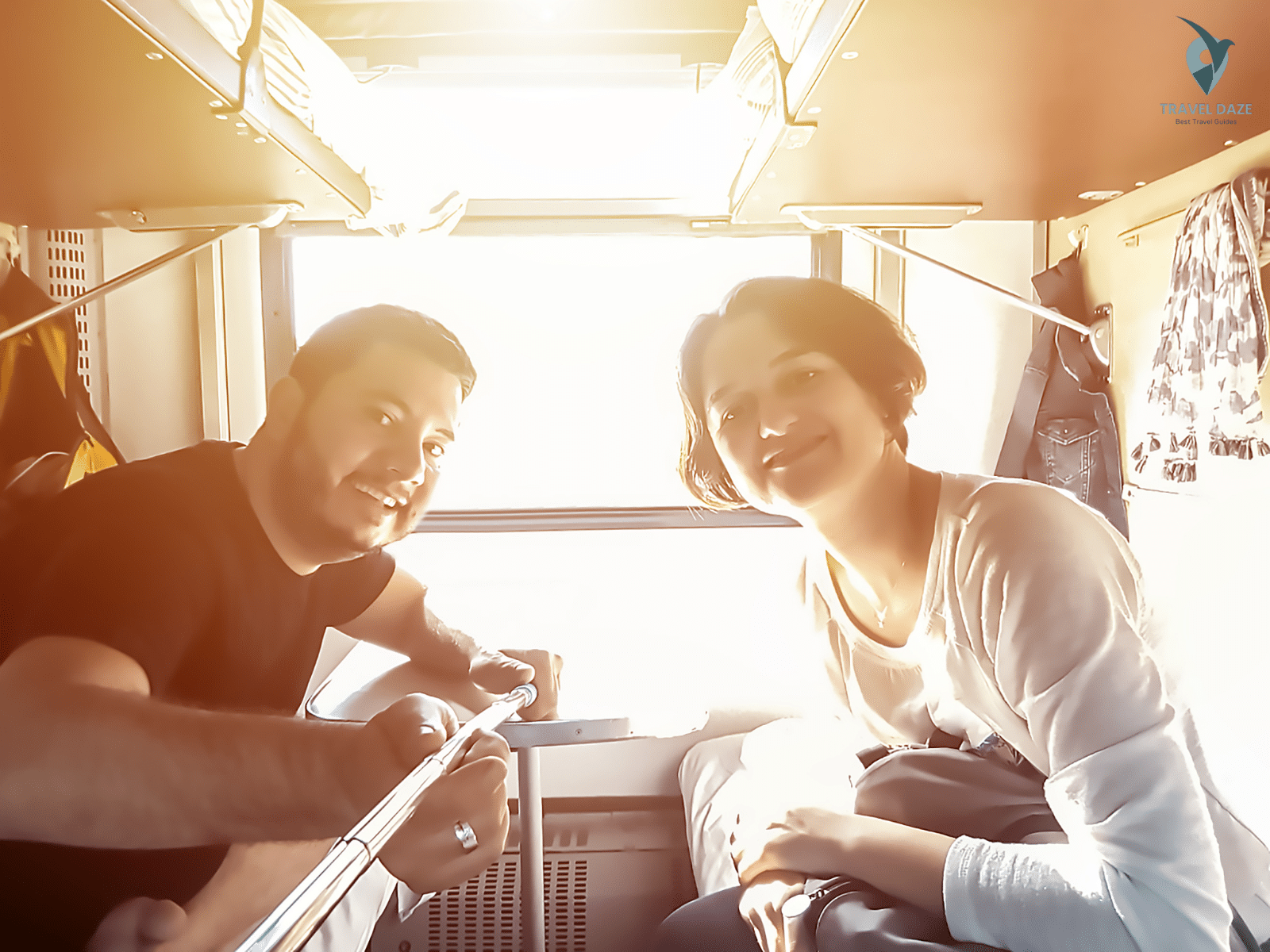
Couchettes give crisp sheets, a pillow, and a blanket in a shared compartment that locks. Some routes offer four-berth layouts instead of six — fewer footsteps and less noise. A narrow ladder and the hum of the rails make it oddly cozy.
Private sleepers: pricier, quieter, and worth it on long legs
Private sleepers buy silence. They cost more but repay you with real rest on long stretches. If silence is gold, this is the one I choose.
Seats all night: why “free” often costs you tomorrow
Sitting upright might save cash, but Rick Steves is right—an upright seat can ruin the next day. A proper bed with a firm pillow changes how you feel at dawn.
- I book a couchette when I want value, bedding, and a locking door.
- Four-berth compartments feel calmer than six—less traffic and fewer bags.
- I pick a top bunk for privacy, bottom if I need easy exits.
- Confirm if the carriage has an attendant watching the corridor.
- Check bathroom proximity so you’re not trekking across at night.
Pack light, pack smart: the cabin bag that actually works
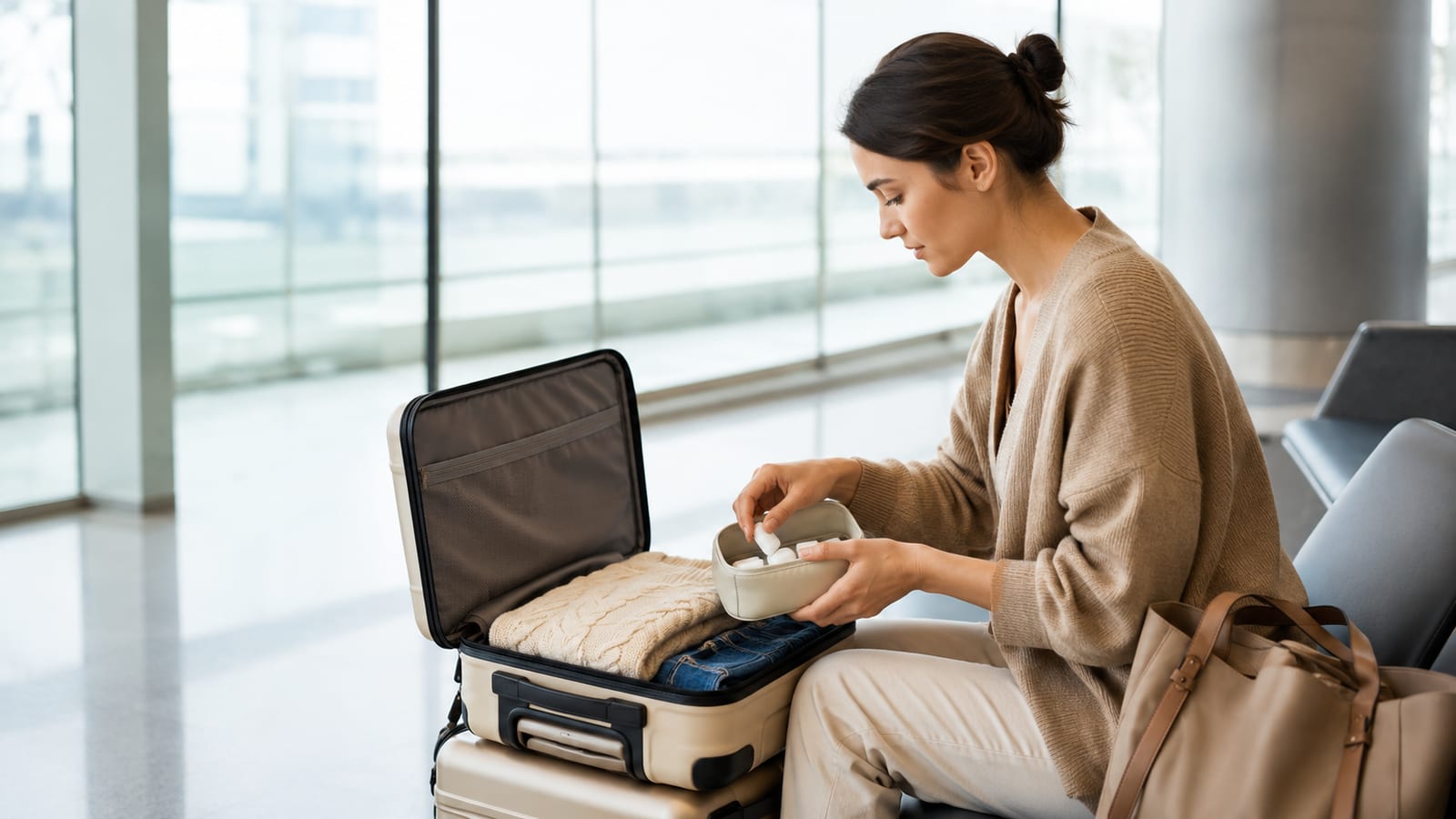
I keep the essentials in a tidy pouch — simple, reachable, calm. That small bag sits by my pillow so I don’t fumble in the dark. It holds the items I use between stations and at first light.
Essentials that earn their space
- Earplugs & eye mask: Block noise and light fast.
- Layers & slip-ons: A sweatshirt and easy shoes beat frozen feet and messy laces.
- Change of clothes & fresh socks: Roll soft clothes to save room and feel human at dawn.
- Toiletries: Toothbrush, mini face wash, chapstick — small things that matter.
Snacks and water beat a closed dining car
I pack snacks and a big water bottle. Dining service can vanish at night, so I’ve got snacks that won’t spoil. I also stash wipes and sanitizer to clean small surfaces.
- Pre-download shows — Wi‑Fi often ghosts when it’s late.
- Keep meds and chargers at the top so you don’t dig in the dark.
- Less stuff means less stress when the lights click off.
Protect your stuff like a pro without feeling paranoid
I use a few small habits that make a big difference. They keep me calm and in control without adding fuss.
Keep valuables on you; anchor bags with a cable, lock, or carabiner
I keep valuables on me—phone, passport, and cards stay within reach. If I must leave them, I tuck them into a zipped inner pocket or a money belt.
I clip a cable or a carabiner from my bag to a fixed rail or seat frame. It’s quick, visible, and discourages casual theft.
Top bunk, top rack: store luggage high and loop a strap through
On a top bunk I use the upper rack and thread a strap through the handle of my case or bag. That extra step makes it harder to grab and go.
For lower berths I secure the bag to the ladder or bed frame. I turn zippers inward and clip pulls together on bulky cases.
- I stash big luggage high—climbing deters opportunistic theft.
- I sleep with my daybag tucked under my arm when I expect to doze hard.
- In my compartment, the door stays shut and locked between checks.
- I keep only small cash visible; the rest is tucked away.
Good habits feel light—they add control, not fear. A few visible anchors and a locked door mean I wake relaxed and ready.
Sleep well on rails: tiny upgrades that change your night
There’s a small ritual I follow that turns a narrow berth into a proper bed. I make the bedding early, tuck sheets tight, and let the carriage feel like a room. That small act helps my mind accept rest.
I keep the lights low and silence screens before I try to sleep. I breathe with the rhythm and let the motion do half the work. Gentle noises become a lullaby when I give myself permission to rest.
Make the bed early, settle in, and let the sway do the rest
- Wipe the bunk rails quickly so the space smells and feels like mine.
- Keep a bottle close—on a short train ride, water at hand saves midnight fumbling.
- Pop earplugs and an eye mask on to help you fall asleep faster.
- Tuck small things into a side pocket so nothing rolls away in the dark.
- If you’re on a top bunk, check the ladder and your footing before lights out.
I set one alarm twenty minutes before arrival and then relax. One night passes fast—every calm minute matters.
Train etiquette that keeps the whole carriage calm
A calm carriage starts with small, friendly habits that everyone can follow. I keep my voice low after lights out and mute notifications so others can sleep.
I close the compartment door gently and pack quietly—no midnight shuffling or loud slams. When I plug in, I tidy cords and share outlets without fuss.
- Be mindful of space: Give people room to climb, stow, and stretch. A simple pause helps someone wiggle past.
- Keep noise low: I use headphones and avoid speakers. Short clips still stay private.
- Leave it tidy: I wipe crumbs and clear my shelf before I go—small cleanup goes a long way.
- Be neighborly: A friendly hello on boarding sets a kind tone—most people warm to that.
- Follow shared norms: Quiet hours matter on night trains; courtesy beats a hundred reminder posts.
I treat the carriage like a shared hostel room—polite, calm, and welcoming. Those choices keep nights restful and trips kinder for everyone.
Bathrooms and cleanliness: expectations vs reality
Midnight trips down a dim corridor taught me to carry a few humble helpers. Some routes have spotless facilities; others lack soap, toilet paper, or steady water. I set expectations low and my prep high so surprises stay small and manageable.
Bring hand sanitizer, wet wipes, and your own TP — just in case. Keep these items in a small bag by your pillow so they’re within reach during the night.
- I make sure sanitizer, wipes, and a tiny TP roll are in my bag — they solve most mid-route gaps.
- In some countries, water or locks can be unreliable; a flashlight and slip-ons help on a dark corridor run.
- I use wipes on latches and fold-down tables before I eat, and I keep my toothbrush in a case, not on a shared sink.
- I carry a small trash bag for used wipes and wrappers, and a quick rinse at arrival resets the day.
- It’s never perfect, but these small steps make the night easy and more pleasant.
Border checks and documents without the 3 a.m. scramble
A calm, clear routine makes passport checks feel like a brief pause, not a scramble. On a night train I settle in, then set one small routine so I sleep through most of the trip and wake only when needed.
Quick placement tips
Keep documents reachable and orderly
I keep my passport in a zipped pocket at shoulder height so I don’t fumble in the dark. I tuck ticket and ID together in the same pouch — that way I only pull one item when an official comes by.
Expect checks, then reset
Outside Schengen, guards often do two checks — exit and entry. Officials may board, and sometimes passengers step onto a platform with documents. The knocks are loud; you won’t miss them at check time.
- I keep valuables on my body and sit up to answer simply.
- Keep the door closed; open it only for uniformed crew or guards.
- If you must step out, carry everything critical with you and reset the lock after officials leave.
- Avoid spreading papers on the bed where they can slide away.
- This small routine saves time and helps you get back to sleep fast — you’ll get the rest you planned.
Tech and downtime: power, downloads, and staying reachable
I keep one small rule: charge fully before I step aboard. Many night services lack working outlets, so a full battery and a reliable power bank are nonnegotiable.
Before I leave home I top up phones, tablets, and earbuds. I stash short cables in a bright pouch so nothing dangles near ladders. Then I pack a power bank that will recharge devices at least once.
I set my phone to airplane mode to stretch battery life and download offline maps, tickets, and hotel confirmations. Wi‑Fi can be patchy, so I queue a podcast and a playlist I can pause fast.
- Charge first: top up every device and bring a full power bank.
- Prepare offline: download maps, tickets, and shows before you board.
- Quick access: keep cables short and chargers in a bright pouch.
- Safety net: add an emergency contact to your lock screen.
- Small habit: back up photos at hotel Wi‑Fi, not on the train ride.
If you wake before dawn, snap a window photo — dawn views are often the best bit of the night. Tech should help the trip, not own the night, so I keep devices useful and simple. I’ve got a few posts saved to read if I want a quiet scroll before sleep.
travel safety tips for overnight trains: my field-tested list
I treat the first ten minutes on board like setting up a tiny, private room. Quick moves now pay off all night.
Dress to blend in and sleep
I wear neutral layers I can nap in—no flashy logos, easy to wash. Slip-on shoes make late checks and quick exits simple.
Choose compartments over open carriages when possible
Lockable compartments beat open sections. I verify berth numbers, check the compartment door, and confirm an attendant is listed.
Keep documents and valuables smartly placed
I keep passport and ticket in the same zipped pocket and split backups across a second bag. I keep valuables on me and use a cable lock on zippers so casual hands move on.
Store luggage high and avoid carrying other people’s stuff
I stow bags on upper racks or clip them to a rail—make theft annoying, not easy. I don’t ferry packages for strangers; kindness can be firm and quick.
Practical checks that make nights calm
- I bring snacks & water when dining cars shut early.
- I pick top bunks for privacy; bottom bunks if I expect late exits.
- I keep shoes at the bunk edge, toes-out, ready for checks.
- I plan with Seat61 and double-check platform changes before boarding.
- I accept that rolling stock varies—older coaches happen; adapt and breathe.
Most people are normal and kind. I stay alert, not afraid—simple habits repeated become your easy way to ride and rest.
Conclusion
A single night on rails can reorder your whole day and your mood the next morning. It saves hotel costs and adds daylight at your destination, if you plan the small things first.
Book early on busy services and pick a carriage that fits your sleep style. Keep your ticket & passport close, stow luggage high, and avoid middle platform swaps that break rest.
Expect odd rattles, older stock, and brief checks — accept those quirks as part of the experience. With a short routine and steady habits, train travel becomes easy and calm.
One night aboard can change a trip into a clear, bright start. Protect sleep, plan the basics, and you’ll arrive rested and ready to explore.
FAQ
What should I know before booking an overnight train?
I always check routes, carriage types, and bed layouts before I buy. Look for trains with attendants, locking compartments, and realistic connection times—those late-night transfers are where stress starts.
Why choose a night train over a daytime trip or a flight?
One night on rails often buys you a full day at your destination, saves a hotel night, and can be gentler on your wallet and nerves—especially when you value flexibility and scenery.
How do I pick between couchette, private sleeper, or a seat?
I pick based on trip length and comfort needs—couchettes are budget-friendly with lockable doors, private sleepers give quiet and privacy on long runs, and seats are fine short-term but can cost you rest.
What essentials should go in my cabin bag?
Pack earplugs, an eye mask, layering clothes, slip-on shoes, a small towel, and a reliable power bank. Keep snacks and water handy—dining cars can be closed or pricey.
How do I protect valuables without feeling paranoid?
Keep passports, cash, and electronics on you in a slim neck or waist pouch. Anchor larger bags with a cable lock or loop a strap through the rack. I also tuck small valuables inside clothes in my checked bag as a backup.
Any tips for sleeping well on a moving train?
Make your bed early, settle in with layers, and use earplugs and an eye mask. I choose a lower bunk if I can—easier to access and less wobble—and keep a light on for quick checks.
How do border checks work on night trains?
Expect passport checks when leaving and again when entering—sometimes on board. Keep documents accessible in a travel wallet and respond calmly when crew or guards come through.
What etiquette helps keep the carriage calm at night?
Have quiet conversations, dim devices, respect shared spaces, and clean up after yourself. I keep noise to a minimum after lights-out and use headphones for media.
What should I carry for onboard bathrooms and hygiene?
Carry hand sanitizer, wet wipes, and a small roll of toilet paper. Train bathrooms vary—I bring basics to cover any gap in supplies or cleanliness.
How can I stay connected and powered during the ride?
Charge devices before boarding and bring a high-capacity power bank. I download maps, books, and entertainment ahead of time in case Wi‑Fi is patchy or unavailable.
How should I dress for an overnight journey?
Dress in layers and blend in—neutral, comfortable clothes and slip-on shoes work best. I avoid flashy jewelry or gear that draws attention.
Any final practical rules I should follow on night trains?
Don’t accept packages or carry items for strangers. Keep your door locked if possible, check that windows and vents are secure, and trust your instincts—most people are friendly, but staying alert keeps you safe.