
Tbilisi pulses with raw, magnetic energy that draws travelers into its vibrant cultural tapestry. Picture streets where ancient traditions dance with modern creativity. This city whispers stories of resilience, passion, and unexpected beauty around every corner.
The Georgian capital isn’t just a destination; it’s an immersive experience. It transforms travelers from observers to storytellers.
Nestled between dramatic mountains and crossroads of civilizations, Tbilisi offers a unique cultural journey. The city breathes with a distinctive rhythm. It blends centuries-old traditions with cutting-edge artistic expressions that challenge and delight every visitor.
Key Takeaways
- Tbilisi offers an unparalleled cultural experience bridging ancient traditions and modern creativity
- The city’s rich history is visible through its diverse architectural landscapes
- Cultural experiences range from historic sulfur baths to contemporary art spaces
- Georgian hospitality creates an immersive and welcoming environment for travelers
- Authentic experiences connect visitors directly with local traditions and lifestyles
- The city provides a unique blend of Eastern European and Caucasian cultural influences
Wandering Through Old Town’s Cobblestone Streets and Ancient Architecture
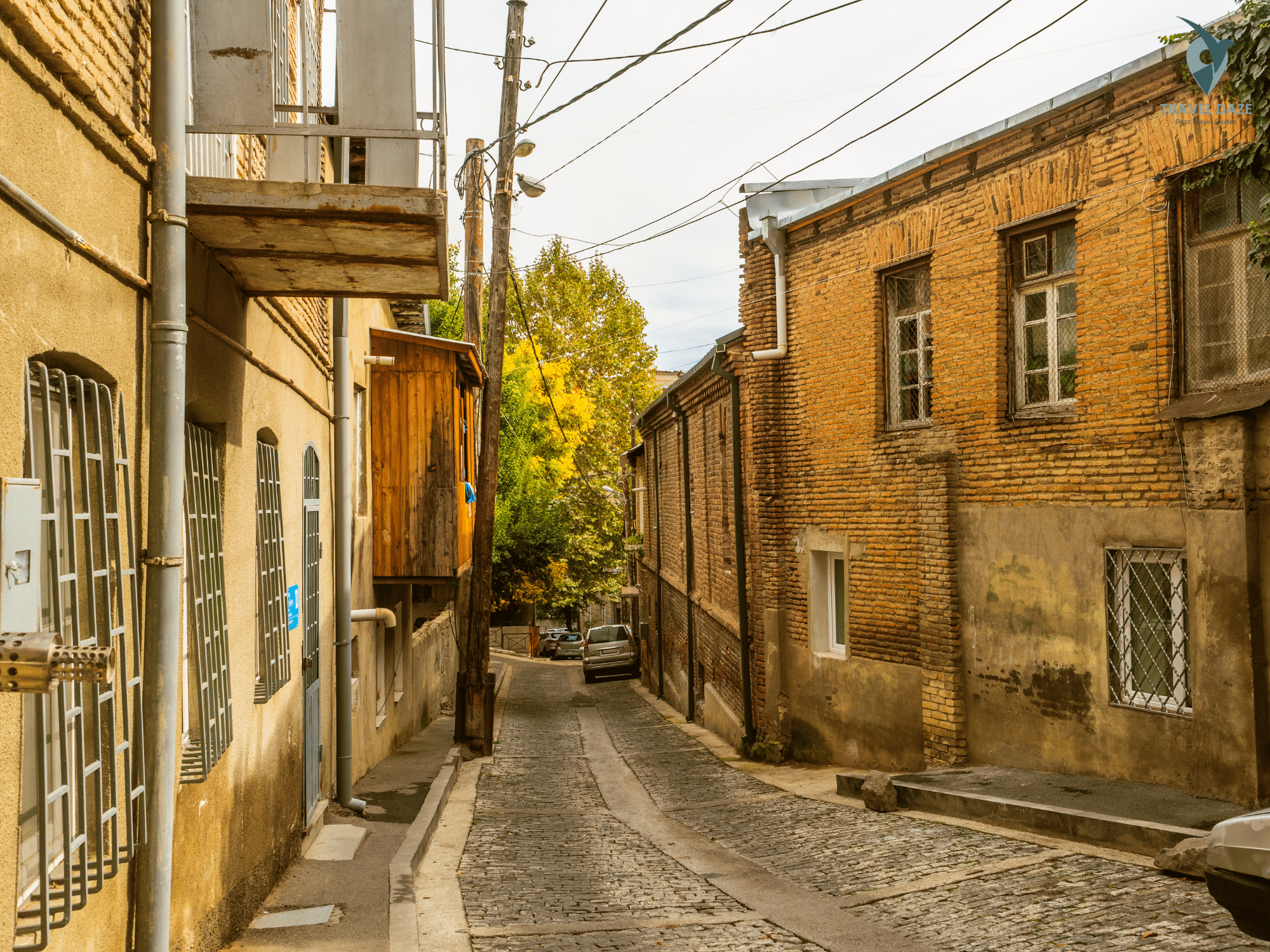
Tbilisi’s Old Town is a living museum of architectural wonder. Ancient fortress walls and winding cobblestone streets define this historic district. This area tells stories of centuries past through its remarkable structures.
My exploration always begins at Narikala Fortress. It offers the perfect vantage point to understand the city’s remarkable landscape.
Narikala Fortress: A Panoramic Gateway
I always start my Old Town explorations from above. The cable car from Rike Park shoots you up to Narikala Fortress in less than a minute. It reveals breathtaking city views that stretch across the entire landscape.
The fortress walls date back to the 4th century. They have been rebuilt numerous times throughout history. Just before sunset, golden light bathes the Mtkvari River below.
The cityscape transforms into something magical during this time.
- 4th-century historic fortress
- Stunning panoramic city views
- Cable car access from Rike Park
- Best viewed during sunset
Abanotubani: The Historic Sulfur Bathhouse District
The word “Tbilisi” means “warm place.” Nowhere is this more evident than in Abanotubani. This small valley below Narikala showcases distinctive brick domes rising from natural hot springs.
Persian-Ottoman architecture dominates the area. Ornate tilework and arched doorways create a mesmerizing atmosphere throughout the district.
Hidden Courtyards and Architectural Treasures
The real magic of Tbilisi’s Old Town lies behind closed doors. Exploring neighborhoods like Sololaki and Kala reveals “Italian courtyards” with intricate details. Spiral staircases and grapevines climbing walls create stunning visual scenes.
Neighbors sharing morning coffee create a vibrant urban tapestry. Streets like Ivane Machabeli and Geronti Kikodze offer glimpses into this heritage. The rich architectural history comes alive in these hidden spaces.
- Intricate architectural details
- Shared community spaces
- Historic urban design
- Rich cultural landscape
Savoring Traditional Georgian Cuisine and Wine Heritage
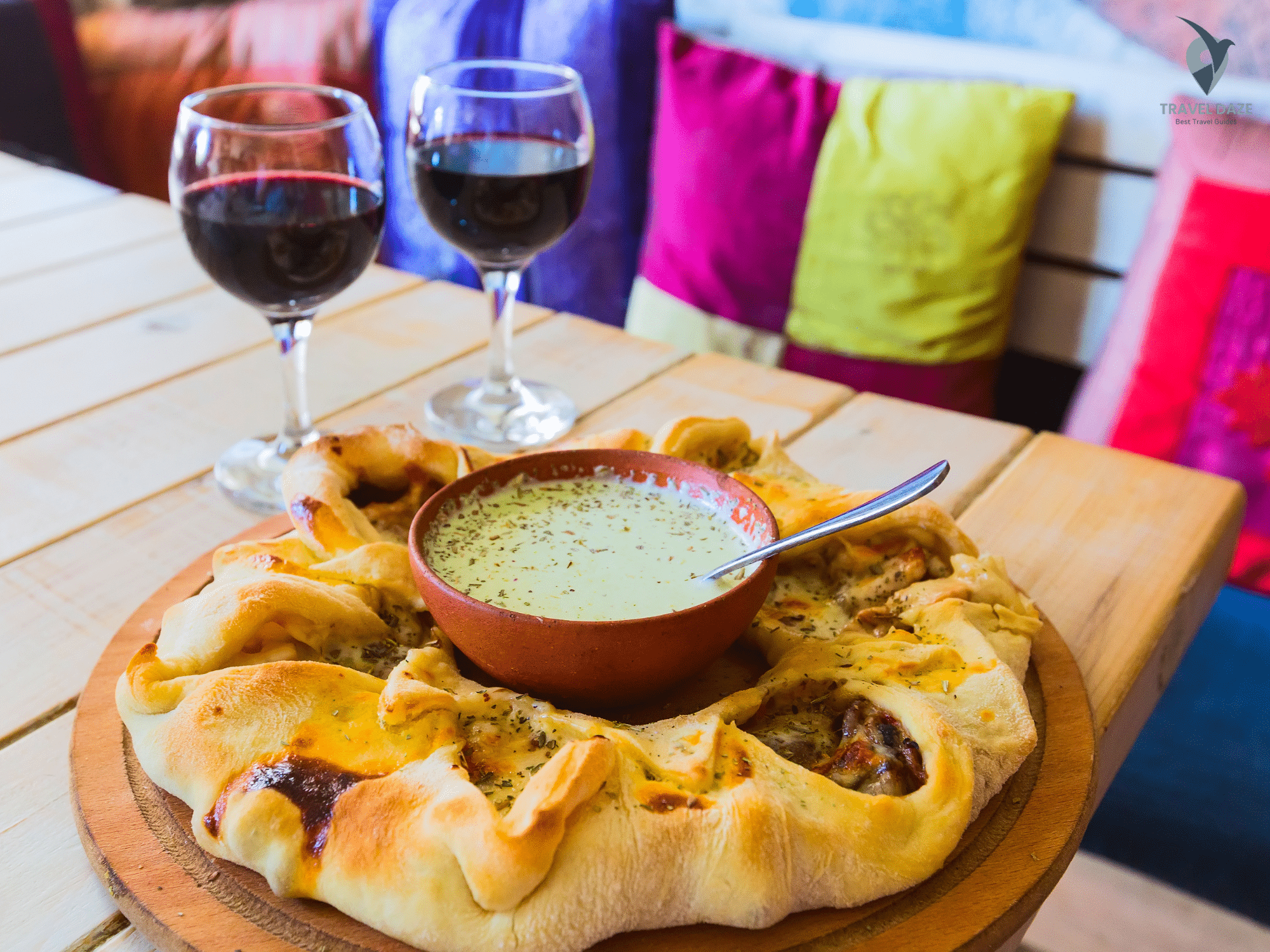
Georgian cuisine stands as a delightful culinary adventure waiting to be explored. I discovered an incredible world of flavors that blend ancient traditions with remarkable taste experiences. The country’s food culture celebrates hospitality, community, and rich gastronomic traditions.
Key dishes you absolutely must try include:
- Khachapuri – a cheese-filled bread that’s pure comfort on a plate
- Khinkali – delicate meat dumplings with intricate folding techniques
- Mtsvadi – succulent grilled meat skewers packed with smoky flavors
Wine enthusiasts will find Georgia a true paradise. The country boasts one of the world’s oldest wine-making traditions. Archaeological evidence shows wine production dating back 8,000 years.
I was amazed by the unique Qvevri wine-making method. Wine ferments in large clay vessels buried underground.
Georgian dining isn’t just about food – it’s a cultural experience. The traditional supra (feast) represents more than a meal. It’s a ritualistic gathering where a tamada (toastmaster) guides conversations and celebrates life.
Each meal becomes a storytelling event. It connects people through shared culinary experiences.
- Discover ancient wine-making techniques
- Experience communal dining traditions
- Taste unique regional specialties
From bustling Tbilisi markets to rural vineyards, every bite tells a story. Each sip reveals Georgia’s rich culinary heritage. Get ready for a flavorful journey that will transform your understanding of food and hospitality.
Discovering Ancient Churches and Spiritual Landmarks
Tbilisi’s spiritual landscape features ancient churches that share Georgia’s religious heritage. These architectural gems reveal the country’s deep-rooted Christian traditions. Travelers find profound connections to history within these sacred spaces.
Sameba Cathedral’s Golden Dome
I first saw Sameba Cathedral while crossing the Mtkvari River at dusk. That golden dome glowed brilliantly against the darkening sky. It’s one of the largest Orthodox churches in the world.
The cathedral was completed in 2004, making it relatively new by Georgian standards. Its spiritual atmosphere invites quiet contemplation. Inside, intricate frescoes cover the walls with biblical scenes.
The artwork depicts Georgian saints throughout the interior. Visitors experience something truly transformative here:
- Dress modestly (shoulders & knees covered)
- Women should bring a head scarf
- Visit during late afternoon for fewer crowds
Sioni Cathedral and Metekhi Church
Sioni Cathedral sits in the heart of Old Town. This sacred space dates back to the 6th century. Its atmosphere connects visitors to Georgia’s spiritual roots.
Metekhi Church perches dramatically on a cliff overlooking the Mtkvari River. The location offers breathtaking city views. Both sites are living spiritual spaces, not just tourist destinations.
History, faith, and architecture intersect at these churches. Each stone tells a story of resilience and cultural identity. Deep spiritual connections await those who visit.
Immersing in Cultural Experiences in Tbilisi Through Local Markets and Arts
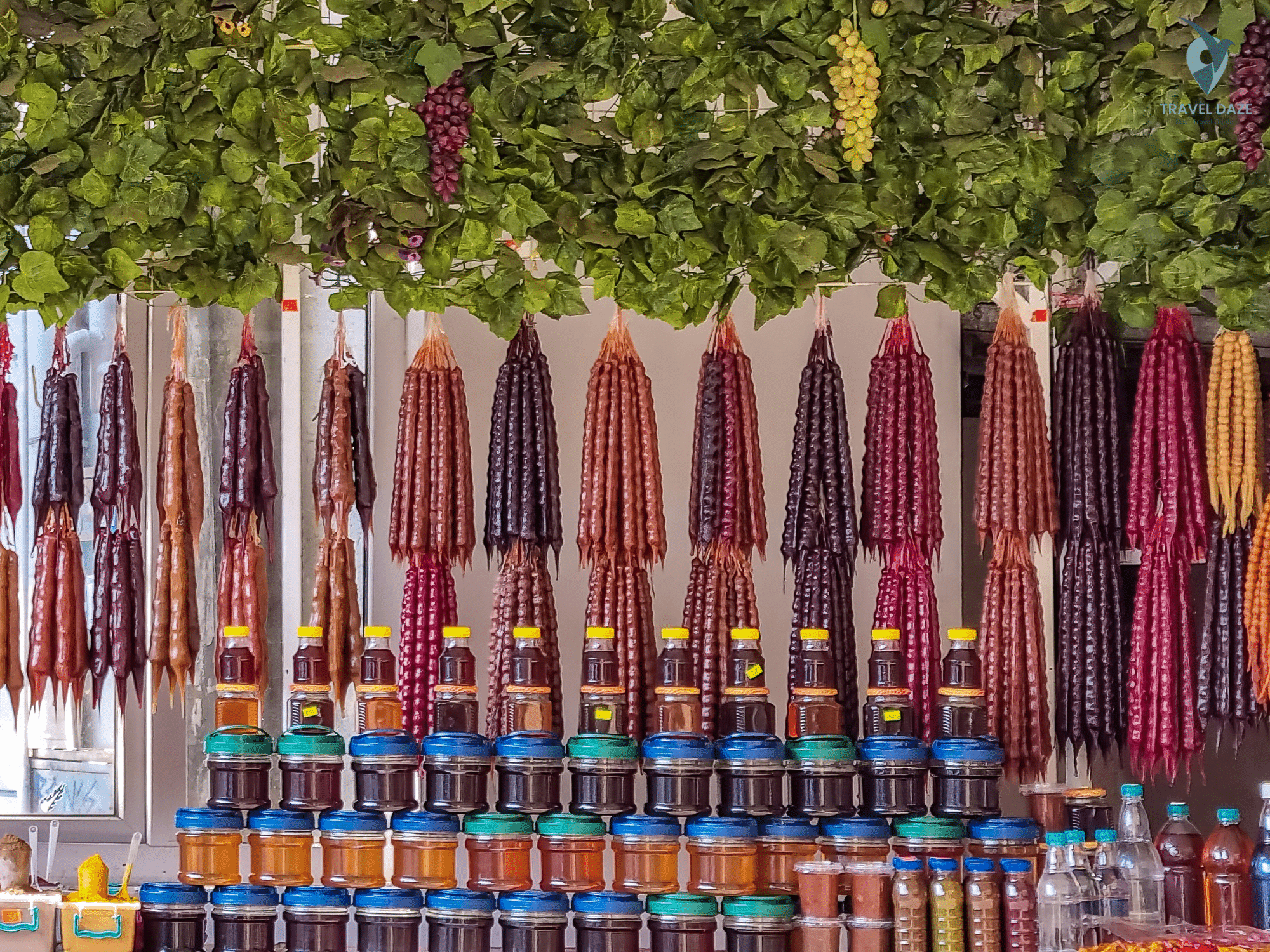
Exploring Tbilisi’s vibrant cultural landscape through bustling markets and rich artistic scenes is truly exciting. The city pulses with creativity everywhere you look. Travelers get an authentic glimpse into Georgian traditions and contemporary expressions.
The Dry Bridge Market stands as a treasure trove of cultural discoveries. This open-air marketplace tells stories through vintage artifacts and Soviet-era memorabilia. Handcrafted items fill every corner with history.
Walking through its stalls reveals incredible memories waiting to be uncovered:
- Vintage Georgian jewelry and traditional textiles
- Antique cameras and Soviet-era collectibles
- Handmade ceramics and local artisan crafts
Art enthusiasts will find Tbilisi’s galleries absolutely captivating. The city’s contemporary art scene showcases Georgian creativity through diverse mediums. Spaces like Fabrika and Kunst Gallery highlight emerging artists.
These venues transform abandoned industrial spaces into vibrant cultural hubs. Young Georgian artists display their work in these unique settings. The atmosphere buzzes with creative energy and fresh ideas.
Local craft workshops provide immersive experiences for travelers seeking deeper cultural connections. Joining textile workshops or pottery classes connects you with skilled artisans. These masters share generations of artistic knowledge passed down through families.
These experiences offer more than souvenirs. They provide windows into Georgian artistic traditions. You’ll leave with new skills and cultural understanding.
- Street art tours in Marjanishvili neighborhood
- Traditional textile workshops
- Contemporary art gallery exhibitions
Tbilisi’s markets and art scenes represent living cultural narratives. They invite travelers to explore, learn, and connect with creative spirit. The city’s rich artistic heritage comes alive through these authentic experiences.
Experiencing the Ritual of Sulfur Bath Culture
Tbilisi’s sulfur baths are more than just a cleaning ritual. They’re a cultural experience deeply rooted in the city’s history. These natural hot springs have been central to Georgian life for over 1,500 years.
I’ve explored both the public and private bath experiences in Tbilisi. Each offers a distinct atmosphere that captures the essence of this ancient bathing culture. The choice between communal and private spaces depends on your comfort level.
Exploring Public and Private Bath Options
Public sulfur baths provide an authentic, no-frills experience. They connect you directly with local culture.
- Gender-separated communal pools
- Steaming sulfur-rich water
- Shared spaces with locals and travelers
- Basic facilities at affordable prices
Private bath rooms offer a more luxurious and intimate experience. Top options include:
- Chreli Abano (most photogenic bathhouse)
- Gulo’s Thermal Spa (upscale facilities)
- Personal temperature control
- Rooms for couples or small groups
The Traditional Kisa Scrub Experience
The highlight of any bath visit is the traditional kisa scrub. This transformative treatment goes far beyond typical exfoliation. An experienced attendant uses a rough goat hair mitt to remove dead skin.
This vigorous treatment costs extra but is absolutely worth every moment. Your skin will feel completely renewed afterward.
Pro tip: Book ahead, especially on weekends. These baths are popular with both tourists and locals.
Exploring Tbilisi’s Brutalist Architecture and Modern Creative Spaces
Tbilisi’s architectural landscape tells a fascinating story of Soviet-era design blended with contemporary creativity. The city’s brutalist structures stand as powerful reminders of its complex historical journey. These buildings offer travelers a unique visual experience beyond traditional tourist attractions.
My exploration revealed several standout locations that capture the essence of Tbilisi’s urban transformation:
- Bina #39 – A revolutionary creative hub showcasing industrial design
- Fabrika Hostel – A repurposed Soviet-era sewing factory turned vibrant social space
- Stamba Hotel – An impressive converted chocolate factory highlighting industrial heritage
Brutalist architecture in Tbilisi represents more than just concrete structures. These buildings embody the city’s resilience and artistic spirit. The sharp geometric lines tell stories of technological innovation during the Soviet period.
Creative spaces have breathed new life into these historic buildings. Artists, designers, and entrepreneurs have transformed abandoned industrial sites into dynamic cultural centers. My favorite spots combine architectural preservation with modern functionality.
- Art galleries nestled in concrete shells
- Startup incubators within historic buildings
- Cafes and restaurants that celebrate architectural heritage
Walking through these spaces feels like traveling through time. Each brutalist structure reveals a different chapter of Tbilisi’s remarkable urban narrative.
Taking Georgian Wine Tasting Tours and Cooking Classes
Georgia’s culinary landscape offers more than typical sightseeing. Wine and cooking experiences let you explore the country’s vibrant cultural traditions. Ancient winemaking techniques and hands-on cooking workshops create intimate connections with Georgian heritage.
Discovering Qvevri Wine-Making Traditions
Georgian wine culture showcases an 8,000-year-old tradition unique among global wine regions. The traditional qvevri method makes wine tasting a profound cultural experience. These clay vessels buried underground create wines with extraordinary complexity:
- Amber wines with distinctive tannic profiles
- Endemic grape varieties like Saperavi and Rkatsiteli
- Natural fermentation techniques
Wine tours in Kakheti region offer journeys through centuries-old winemaking practices. You’ll explore family wineries and taste wines directly from qvevri vessels. You’ll understand the intricate process behind Georgia’s world-renowned wines.
Immersive Culinary Workshops
Cooking classes in Tbilisi let you learn authentic Georgian cuisine. These workshops are cultural exchanges where experienced home cooks share generational recipes. Local experts teach traditional techniques passed down through families.
- Learn to make traditional dishes like khachapuri and khinkali
- Work alongside local grandmothers who teach traditional cooking methods
- Understand the nuanced flavors of Georgian cuisine
These experiences transform you from passive observer to active participant in Georgia’s culinary landscape. Master Georgian cooking while discovering the stories behind each dish. These workshops promise unforgettable memories and new skills.
Conclusion
Tbilisi reveals itself as an endlessly fascinating destination that goes beyond typical tourist experiences. This warm and generous city invites travelers to dive into living traditions. The cultural encounters here aren’t manufactured—they’re authentic connections waiting to be discovered.
My travels have shown me that Tbilisi is fiercely proud of its heritage. The city offers experiences that transform visitors from passive observers to active participants. From sharing a supra feast with locals to exploring hidden wine bars, every moment becomes a story.
The city doesn’t just show you its culture—it welcomes you into its heart. Take your time in Tbilisi and walk beyond the mapped routes. Accept unexpected invitations and ask questions that reveal deeper narratives.
The magic happens when you surrender to the city’s rhythm. Allow its secrets to unfold naturally. Each cobblestone street, sulfur bath, and ancient church becomes a chapter in your personal Georgian adventure.
You’ll carry Tbilisi within you long after you leave. The lingering taste of khachapuri, the echoes of polyphonic songs, and the warmth of unexpected connections stay with you. This isn’t just a destination; it’s an experience that reshapes how you understand travel and human connection.
FAQ
What are the best cultural experiences to try in Tbilisi?
Tbilisi offers incredible cultural experiences like attending traditional Georgian folk dance performances. Explore the historic Old Town and visit sulfur baths in Abanotubani. Take a wine tasting tour and join a local cooking class to learn authentic Georgian cuisine.
How safe is Tbilisi for solo travelers?
Tbilisi is generally very safe for travelers. The city has a friendly atmosphere, welcoming locals, and low crime rates. Stay aware of your surroundings and protect personal belongings as standard travel precautions.
What is the best time of year to visit Tbilisi?
Spring (April-May) and autumn (September-October) are the most ideal times to visit. These seasons offer mild temperatures, fewer tourists, and beautiful landscapes. Perfect conditions await for exploring the city’s outdoor attractions and cultural sites.
Do I need to speak Georgian to travel in Tbilisi?
Knowing some basic Georgian phrases is helpful, but many younger locals speak English. Restaurant staff, tour guides, and hotel employees are typically multilingual. Communication is relatively easy for international travelers.
What traditional foods should I try in Tbilisi?
Must-try Georgian dishes include khachapuri (cheese bread) and khinkali (dumplings). Sample mtsvadi (grilled meat) and badrijani nigvzit (eggplant with walnut sauce). Don’t miss churchkhela, a traditional candle-shaped candy offering unique Georgian culinary traditions.
How expensive is Tbilisi for tourists?
Tbilisi is remarkably affordable compared to many European destinations. Accommodation, food, and transportation are relatively inexpensive. Budget travelers can comfortably spend around -50 per day, while mid-range travelers might spend -100 daily.
Are credit cards widely accepted in Tbilisi?
Major restaurants, hotels, and shops in Tbilisi accept credit cards. Carry some cash (Georgian Lari) for smaller establishments, markets, and local street vendors.
What should I know about Georgian wine culture?
Georgia has an 8,000-year-old wine-making tradition using unique qvevri clay vessel fermentation. Wine is deeply cultural, with numerous wine bars and tasting tours available. Local wineries offer immersive experiences in Tbilisi and surrounding regions.
Is public transportation good in Tbilisi?
Tbilisi has an efficient and affordable public transportation system. It includes metro, buses, and marshrutkas (minibuses). The metro is particularly clean, modern, and easy to navigate with very inexpensive tickets.
What cultural etiquette should I be aware of in Georgia?
Georgians are known for their hospitality. Accept food and drink when offered and be respectful in religious sites. Dress modestly in churches and understand that toasting is an important social ritual during meals.