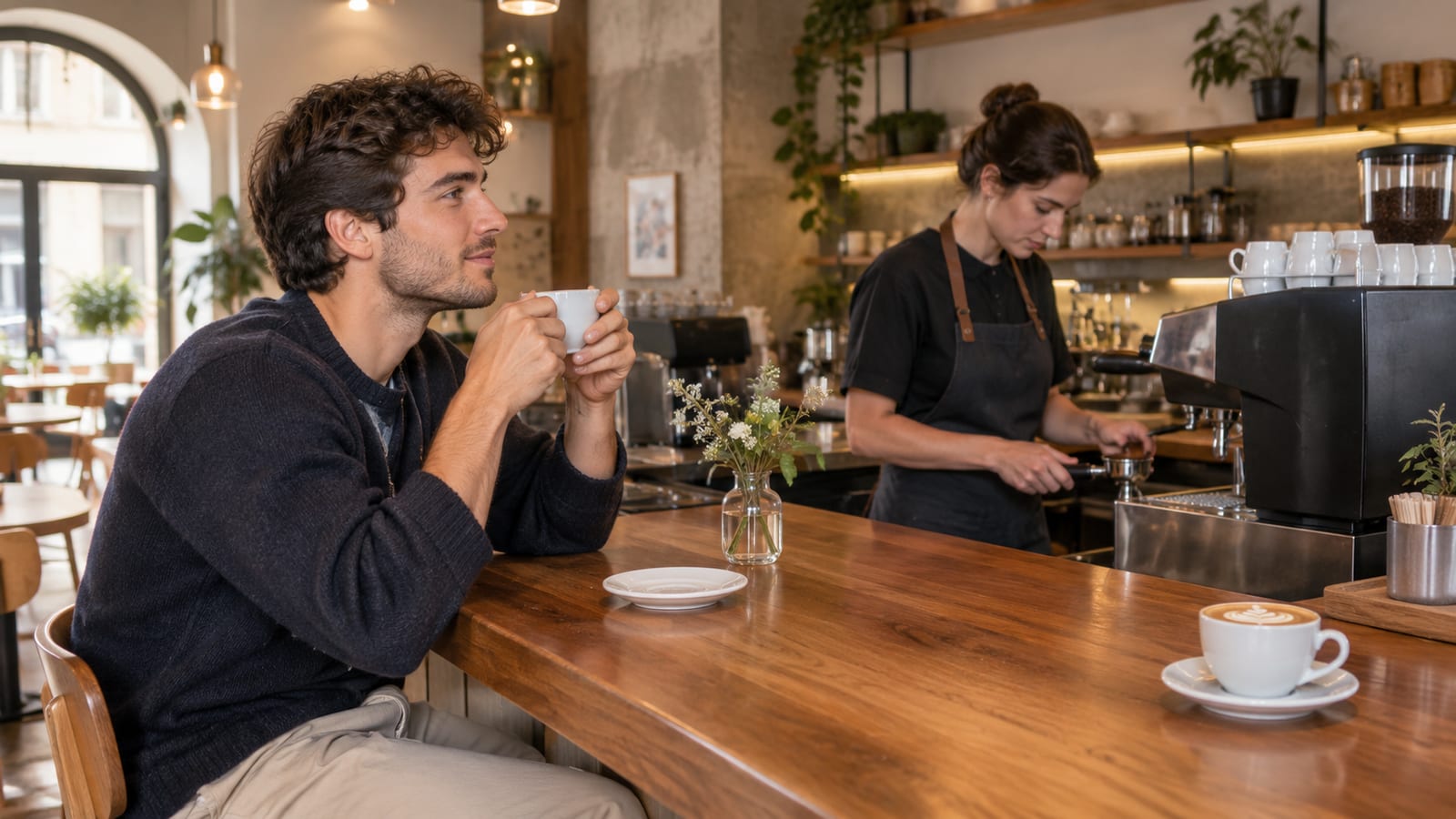
Belgrade rewards skipping the central tourist cafes. For cafes in Belgrade, I’d start in Dorćol, where D59B, a specialty coffee roaster, is at Kralja Petra 70. Begin there, then use the neighborhood streets to find your next stop, and keep Doza Coffee Shop or Kafeterija for a quick cup when convenience matters more than the brewing.
Last updated: 2026-10-12
Belgrade cafe neighborhoods that actually matter
I’d plan a cafe day around one neighborhood instead of crossing the whole city. Belgrade is easy to explore on foot in sections, but the cafes are spread far enough apart that chasing every recommendation turns coffee into an errand.
Dorćol is the strongest starting point. Upper Dorćol has old streets, courtyards, specialty roasters, and enough nearby choices when your first table is taken. A section of Upper Dorćol became a protected spatial cultural-historical unit in 1989 under the name Area surrounding Dositej’s Lyceum. Two more blocks joined the protected surroundings in 1999.
Here is what to do with that. Kralja Petra, the street D59B is on, is one of the four streets that frame those two blocks, along with Zmaja od Noćaja, Cara Uroša and Gospodar Jovanova. Finish your coffee, walk a couple of them, then pick your second stop. I’d start here if coffee quality matters most.
Vračar works better when you want a calmer local rhythm. The streets climb, and the cafes sit away from the main tourist route. It’s a good neighborhood for a slow morning rather than a rapid cafe crawl.
Savamala works best as part of a longer walk. The broad streets and riverfront give you somewhere to go after your coffee, so you don’t need to build the morning around one room.
Skip the tourist-strip cafes on Knez Mihailova and head for Dorćol instead. That’s where I’d look first for cafes in Belgrade worth your morning, away from the pedestrian shopping street.
For another city with a strong cafe culture and easy neighborhood walks, compare this with the best cafes in Sarajevo.
What search results get wrong about Belgrade cafes
Search results tend to push the most visible cafes toward you. That usually means central locations, polished interiors, and prices shaped by foot traffic. Visibility is useful when you need coffee quickly, but it tells you little about the room or the cup.
A cafe near Knez Mihailova can be convenient after sightseeing. I wouldn’t build a morning around it. Walk away from the pedestrian street and look for a short menu, local customers, and people staying longer than one drink.
Belgrade’s cafe culture rewards lingering. People often sit in cafes for at least an hour and slowly drink their beverages. A cafe that looks quiet at first may be a good sign, especially before the day gets busier.
Jungle Box still appears in older recommendations, but the Brazilian concept store is permanently closed. It was known for Brazilian food, a vegan option, Wi-Fi, plugs, and a friendly work setup. Don’t add it to your route.
The same problem affects older lists that treat every cafe as interchangeable. They skip the useful details: when the room fills, where you can focus, and what happens after the first coffee. I’d rather send you to a short list of dependable places than a long list of rooms that look good on a map.
The best cafes in Belgrade for coffee

These are the stops I’d keep in the plan. Each one earns its place for a different reason.
| Cafe | Best for | My verdict |
|---|---|---|
| Doza Coffee Shop | A quick, simple espresso | Pick it when convenience matters more than brewing detail |
| Kafeterija | A convenient stop when one is nearby | Fine for a fast cup, not worth a detour |
| D59B | Careful brewing and specialty coffee | The stop to plan the walk around |
Doza Coffee Shop
Doza Coffee Shop is at Jug Bogdanova bb, and its own coffee-to-go guide lists an espresso at 150 RSD. I’d use it for a quick, simple cup.
Kafeterija
Kafeterija is the coffee you grab between stops, on a morning when you don’t want to compare brewing methods.
I wouldn’t cross Belgrade just to reach it. Dorćol’s independent coffee bars give you more reason to plan a walk around the cup.
Pick the neighborhood first. If a Kafeterija is on your street, stop.
D59B
D59B is the one cafe here I’d cross the city for. It opened as Pržionica, the first version of D59B, in 2012. The concrete walls and white tiled espresso bar keep the attention on the coffee.
Morning cafes worth the early trip
Go early. A table is easier to get before the day gets busier, and you can give the coffee the slow hour it deserves.
Start in Dorćol if you want specialty coffee. D59B is the first stop I’d plan around.
Choose Vračar when you want a slower neighborhood morning. Walk until you find a room with a comfortable chair, a clear table, and enough space to settle in. The streets give you somewhere to wander afterward.
Choose Savamala when you want coffee as part of a river walk. Look for a free table and a room quiet enough to talk in, have the coffee, and continue on foot.
Serbian coffee culture also gives you another option. Traditional Turkish coffee comes in a small pot, with finely ground beans and sediment left in the cup. Drink it slowly and let the grounds settle. Don’t stir them back into the drink.
For daily cafe-hopping, I prefer espresso, flat whites, and pour-over coffee. Turkish coffee is the one to sit over once. The specialty bars are where I’d go back every morning.
Atmosphere and interiors that improve the visit
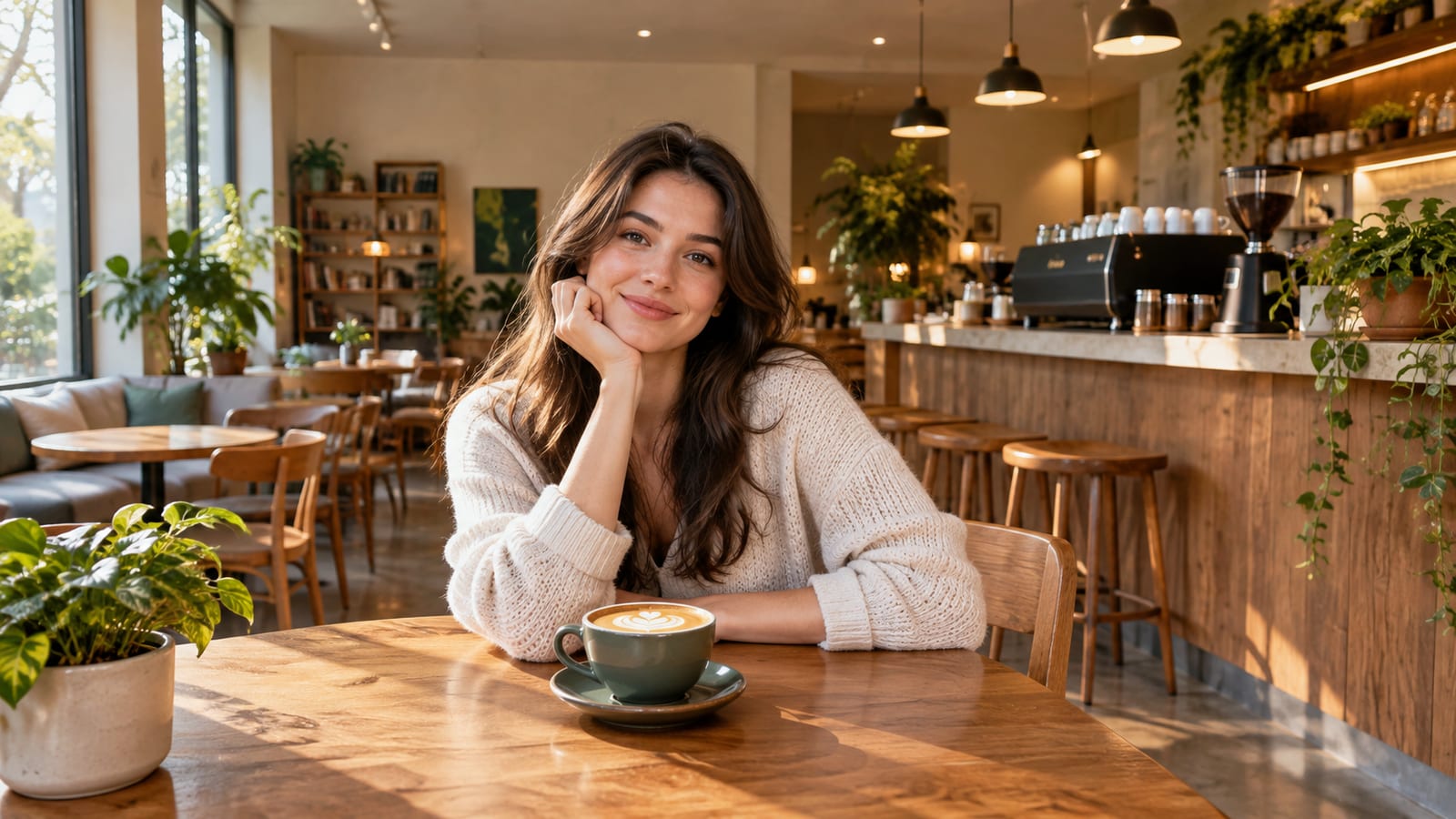
Belgrade’s best interiors don’t all serve the same purpose. Concrete, old furniture, and exposed equipment can make a cafe memorable, but a good-looking room still needs a comfortable table.
D59B gets the balance mostly right. The concrete walls and white tiled espresso bar make the coffee feel serious without turning the room into a showroom.
Cetinjska is my pick when I want a livelier setting. Start with coffee and stay if the place suits you after dark.
Don’t confuse atmosphere with comfort. A concrete room with loud music and nowhere to place your bag may look good for a few minutes. I check the chair, the table, and the noise before I call a cafe worth staying in.
Which cafe to pick when
Kafeterija won’t give you D59B’s sense of occasion.
Coffee Dream is the practical choice when you want an easy cup without a neighborhood search. It won’t be the most memorable room in Belgrade, but it does the job.
Doza Coffee Shop is another straightforward stop for a simple espresso. I’d choose it when convenience matters more than brewing detail. For a coffee-focused morning, D59B gives you more reason to make the walk.
Turkish coffee or espresso?
Order Turkish coffee once for the ritual, then make espresso your daily drink.
The traditional pot tells you where Serbian coffee culture came from. The grounds, the slow settling, and the long conversation belong to the experience. You don’t need to rush it or treat it like a badly filtered espresso.
For specialty coffee, choose a cafe that can explain its beans and brewing method. D59B, a specialty roaster, is where I’d start.
My rule is simple. Get Turkish coffee at a traditional cafe where it’s part of the house style. Get everything else at a specialty bar.
When cafes turn into nightlife
Cetinjska is where a cafe day can continue into the evening, so you don’t need to rebuild your plan after dark.
Start with coffee and see how the mood changes. If the room gets too loud, take the quietest exit and keep walking. There’s no reason to stay because your afternoon plan happened to end there.
A cafe day that works on foot
Give the day one neighborhood. Start early at D59B, then walk through Upper Dorćol and stop for a different brew.
Break for lunch before the afternoon heat settles in. If you still want coffee, continue toward Vračar and choose a room that gives you space to slow down.
For a different route, begin in Savamala, walk beside the river, and continue toward Cetinjska. That gives you coffee, movement, and an evening option without crossing the whole city.
A rainy day still works. Trade the long walk for a covered market or a cafe with enough room to sit. Belgrade’s coffee culture was made for slowing down when the weather turns.
If you like planning cities around small, walkable stops, the best coffee in Lisbon follows the same useful idea.
FAQ
Is Belgrade good for specialty coffee?
Yes. Belgrade has a serious specialty scene, and Dorćol is where I’d start. D59B has been part of it since it opened as Pržionica in 2012.
Can you work from cafes in Belgrade?
You can, but check the room before opening your laptop. Look for a proper table, visible outlets, and other people working. If the cafe feels too active for focused work, finish your drink and move rather than taking over a small table.
What should you order besides Turkish coffee?
Try a flat white, pour-over, or carefully made espresso at a specialty cafe. Turkish coffee explains the older local tradition, while these drinks show how Belgrade’s newer roasters work with beans and brewing methods.
Are cafes in Belgrade suitable for solo travelers?
Yes. Serbian cafe culture already supports long solo visits. Choose a counter, a small table, order one drink, and take your time. Nobody expects you to leave after drinking quickly.
What should you do if your first cafe is full?
Don’t wait outside for a bad seat. Turn down the next quiet street in Dorćol and make the walk part of the morning.