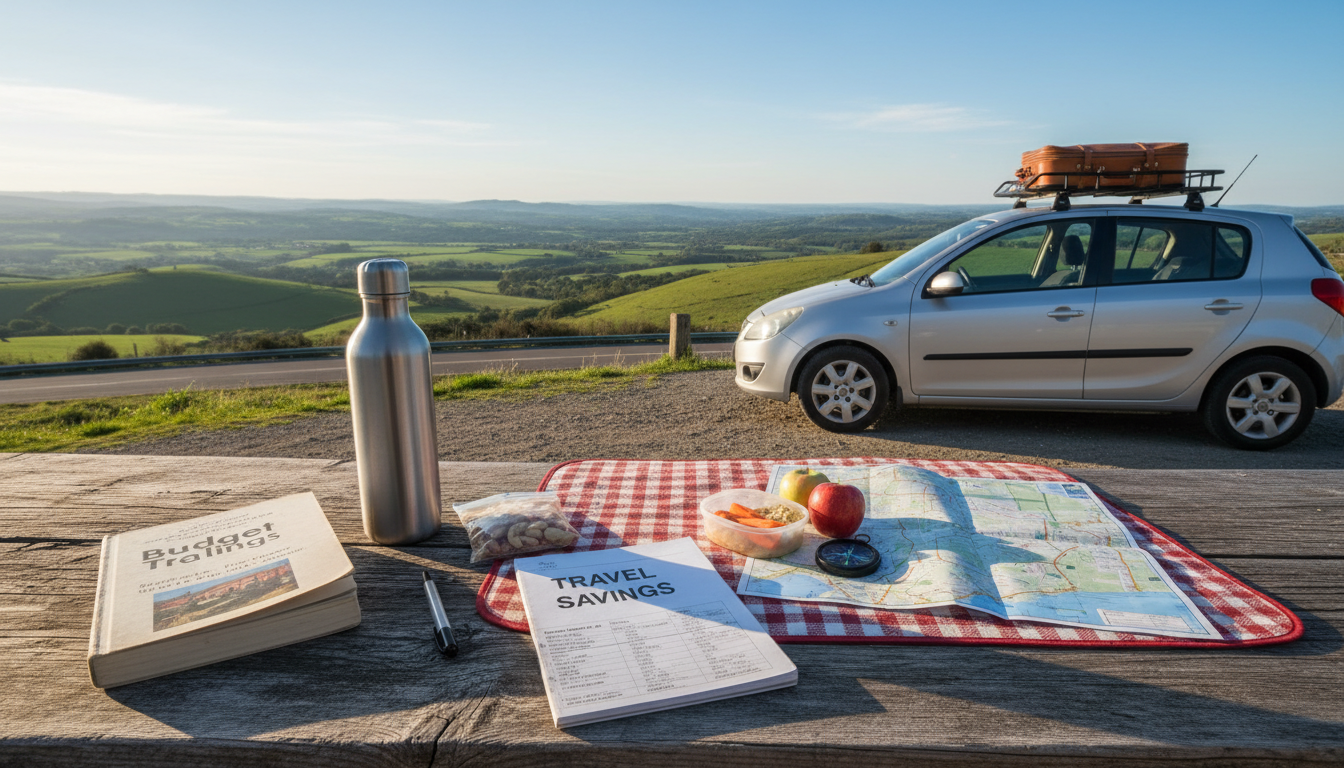
The open road promises endless adventure, but that constant movement can quietly drain your spirit. When every decision about where to sleep or what to see is weighed against limited funds, the weight accumulates. This unique pressure transforms what should be liberating into a source of deep exhaustion.
This collapse isn’t a personal failure. It’s a natural consequence of sustained exploration, where the thrill of new cultures meets the reality of physical limits. The cycle of cramming sights into each day and walking countless steps simply isn’t sustainable for most people.
Finding equilibrium becomes the essential skill for the modern explorer. It honors both the thirst for discovery and the fundamental need for stillness. Mastering this balance transforms a potentially depleting journey into an enriching, long-term lifestyle.
This guide, rooted in lived experience, offers strategies to stretch your resources across continents. The goal is to preserve your mental clarity and physical vitality, ensuring every new experience adds to your life rather than subtracting from it.
Key Takeaways
- Constant exploration paired with financial constraints can lead to mental and physical exhaustion.
- Burnout is a common, natural result of a non-stop journey, not a sign of personal weakness.
- The daily tension between adventure and your wallet creates unique and accumulating pressure.
- Sustainable travel requires a conscious balance between new discoveries and necessary rest.
- Recognizing and respecting your personal limits is crucial for long-term enjoyment.
- Practical strategies can help you manage resources while preserving your energy and joy.
- Transforming your approach can turn a draining trip into an enriching lifestyle.
Recognizing the Signs of Travel Burnout
You wake up in a new city, but the view from your window stirs nothing inside you. This emotional flatness is a quiet signal. The journey has started to cost more than it gives.
Feeling physically and mentally drained
Your body sends clear messages. A deep fatigue lingers even after a full night’s rest. Your legs feel like lead with every new staircase.
Mentally, a fog settles in. Museums become a blur of facts you can’t retain. Deciding where to eat feels like a major source of stress.
Missing the excitement of new places
The wonder you once felt completely vanishes. You stand before an ancient temple and feel absolutely nothing. Your mood turns sour over small things, like a missed bus.
This is the core of travel burnout. Each day starts to mirror the last, draining your spirit. Recognizing these signs early is your first step back to joy.
Understanding What Causes Travel Burnout
Understanding the mechanics of depletion is the first step toward sustainable journeying. This exhaustion stems from a fundamental clash. Ambitious plans meet the simple limits of human energy.
Overloading your itinerary and constant movement
Constant movement creates a perpetual state of low-grade stress. The traveler never fully unpacks or lets their guard down. This pace prioritizes quantity over quality on the road.
Schedules cram multiple cities into short windows. The cumulative toll of perpetual transition is immense. Your nervous system stays in alert mode without reprieve.
Lack of proper rest and self-care
Sleep deprivation compounds over weeks and months. Overnight buses replace proper beds and hostel noise disrupts rest. Circadian rhythms never fully recalibrate.
The absence of a routine eliminates anchoring rhythms. Regular meals, exercise, and familiar spaces vanish. Mental escape remains incomplete if work worries follow you.
Recognizing these causes empowers you to make different choices. You can design a lifestyle that honors both discovery and recovery.
Essential Tips for avoiding budget burnout travel
Long-term exploration thrives not on extreme frugality, but on the wisdom of knowing when to save and when to spend. This balance transforms a potential grind into a deeply enriching way of life.
Maintaining Balance Between Spending and Savings
The most valuable tip is creating a small comfort fund. This isn’t for emergencies, but for spiritual ones. It’s for the day you simply cannot face another bunk bed and need a proper hotel room.
Your daily approach to money matters greatly. Cook simple, nutrient-packed meals in the hostel kitchen most days. Then, splurge on a memorable local meal without guilt.
This rhythm creates strategic liberation. It acknowledges that constant deprivation drains your energy more than it saves your cash. Wise spending on crisp greens or a quiet room can recharge your spirit for the road ahead.
These essential strategies ensure your finances support your journey, not constrain it. You’ll stretch your resources across time while nourishing your sense of wonder.
Building in Downtime Without Sacrificing Adventure
Adventure gains its color from contrast. The thrill of discovery is heightened by periods of deep rest.
Scheduling relaxed days and half-day trips
Plan mornings for short trips to a nearby waterfall or market. Reserve your afternoons for absolutely nothing.
This rhythm creates space for your mind to absorb new experiences. A lot of magic happens when you simply watch the day unfold.
Find a quiet place on a local beach or in a shaded park. Spend time reading a book or just listening to the waves.
Finding local spots for unwinding
Seek out the café where neighbors gossip over strong coffee. Discover the park where morning tai chi sessions paint silent stories.
These moments fuel your energy for future adventures. Your most vivid travel memories often form in these quiet days.
Embrace the art of doing nothing in a new city. It’s the secret to sustaining long-term travel joy.
Staying Healthy On the Road
Sustaining health while moving through new landscapes requires intentional, simple habits that fuel discovery. Your body’s resilience directly shapes your experience. It deserves the same thoughtful attention as your itinerary.
Eating nutritious meals amid budget constraints
Nutritious meals don’t require a large budget. Local markets offer vibrant, affordable produce. A simple stir-fry prepared in a hostel kitchen nourishes deeply.
Prioritize whole ingredients from roadside stands. A ripe mango or crusty bread from a neighborhood bakery provides real sustenance. These choices support your energy far better than processed options.

Establishing a simple exercise routine
Movement maintains vitality without special equipment. A morning run along a new city’s riverfront invigorates the spirit. Bodyweight exercises in a hostel courtyard build essential strength.
Balance is key. Listen to your body and avoid pushing it too hard. This mindful approach protects your long-term travel joy.
These ways of caring for yourself form a sustainable foundation. They ensure you have the energy to fully embrace each new place.
Connecting with Locals and Fellow Travelers
The true texture of a place reveals itself not through monuments, but through the people who call it home. Engaging with them offers a profound reset for a weary mind.
Engaging in cultural exchanges and community events
Seek out local gatherings or use platforms that facilitate real meetings. An invitation to a family dinner or a neighborhood festival opens a world guidebooks miss.
These authentic experiences provide incredible relief. You share stories and laughter, forgetting the minor stresses of the road.
Learning from shared travel experiences
Fellow wanderers share wisdom in countless ways. They might help you navigate a tricky visa issue or find the best street food.
This camaraderie injects pure joy back into the journey. It reminds you why you embarked in the first place, making the entire travel experience richer.
Recharging Your Mind and Body
A traveler’s greatest asset isn’t a passport, but a well-tended mind and body capable of absorbing wonder. This maintenance requires deliberate, portable rituals that create space for processing the journey’s intensity.
Practicing mindful self-care routines
Start with morning pages in a journal. Writing down gratitudes redirects your perspective during tough stretches on the road.
Pair this with a simple exercise routine. A daily hike offers endorphins, quiet time, and a chance to reconnect with your body.
Consistent sleep and a few minutes of meditation help a lot. This way, you build stability for spontaneous adventure.
Embracing spontaneity for a mental reset
Sometimes, the best self-care is releasing control. Say yes to a local’s invitation for coffee or follow a curious path.
Let plans dissolve when something more interesting emerges. This mental reset fuels your energy for the day ahead.
True recharging often means pausing movement entirely. Settle in one place for a week to establish restorative rhythms.
Taking Longer Breaks and Splurge Days
Sometimes, the wisest travel investment isn’t another ticket, but the permission to stop moving entirely. These intentional pauses weave resilience into journeys spanning months.
Planning extended stays for genuine relaxation
Rent an apartment for weeks in a quiet place. Unpack your bag completely and establish a slow, local rhythm.
Choose shoulder-season towns where crowds have vanished. Settle into a neighborhood far from the tourist track.
Platforms like Trusted Housesitters offer free lodging in exchange for pet care. This creates a wonderful obligation to stay put, a perfect antidote to overstimulation.
These places often lack major sights. That’s the entire point—freedom from the must-see list.
Indulging in a comforting splurge day
Listen to what your body truly needs. It might be a day at thermal baths, soaking weary muscles in mineral-rich warmth.
One couple splurged on a wildlife reserve with guided game drives. They didn’t walk anywhere for days.
This strategic use of money acts as preventative care. The cost is often less than a flight home after total exhaustion.
These pauses create the sustainability that turns trips of months into a fulfilling lifestyle on the road.
Embracing Flexible Itineraries and Spontaneity
True exploration begins at the moment you decide to let the day decide its own path. This mindset shifts the travel experience from a checklist to a living story.
Letting plans evolve naturally
On a short vacation, every detail is planned. Long-term travel makes that impossible—and that’s a gift.
Rigid schedules create their own stress. They turn amazing adventures into a race against the clock.
Instead, approach your trip with directional intention. Know the region, but stay open on routes and timelines.
This way, you create space for magic. You might stumble upon a local festival or find a hidden beach.
Some of the best things happen when you deviate. A conversation can lead to an unforgettable detour.
Give yourself permission to change course. If a place doesn’t resonate, move on. If you love it, stay longer.
Traveling slower allows for deeper connection over time. You learn neighborhood rhythms and market vendor names.
This approach values meaningful experience over passport stamps. It’s the secret to sustaining joy for days on the road.
Embrace the side of travel that values curiosity over control. Your most vivid memories will come from these unplanned things.
Conclusion
Looking back, the journey’s greatest lesson wasn’t about a place, but about the person traveling. Full-time travel is a lifestyle, not a vacation or a single trip.
Success shifts from passport stamps to deep, quiet experiences. Staying longer in fewer places builds a sense of home anywhere.
This approach prevents burnout over years. The world becomes a marathon, not a sprint.
You learn your own rhythm. The tools here are for experimenting, not rigid rules. Grant yourself permission to rest and go slow.
The most vivid memories form in those still moments. Long-term travel becomes a journey into yourself.
These lessons shape your post-travel life, your work, and your relationships with greater wisdom.
FAQ
What are the early signs that I might be experiencing travel burnout?
Early signs often include a persistent feeling of exhaustion that sleep doesn’t fix, a growing sense of indifference toward new sights, and irritability over minor inconveniences. You might find yourself longing for the simple comforts of home instead of feeling inspired by your surroundings. Listening to your body and mind is the first step toward course correction.
How can I balance my finances to prevent feeling drained on a long trip?
The key is strategic allocation. Prioritize spending on a few meaningful experiences that align with your passions, like a special meal or a guided historical tour. Offset these costs by utilizing free activities, such as public museum days or scenic hikes. This approach creates a rhythm of saving and splurging that sustains both your wallet and your sense of wonder.
Is it possible to have authentic adventures while still scheduling downtime?
A> Absolutely. In fact, building in rest is essential for sustainable exploration. Consider planning half-day excursions, leaving afternoons free for leisurely coffees or journaling in a park. Some of the most profound discoveries happen in these unstructured moments, allowing you to absorb a place’s true mood and connect with local life at a slower, more meaningful pace.
What are some effective ways to stay healthy without a big budget?
A> Focus on foundational habits. Visit local markets for fresh, affordable produce to create simple, nutritious meals. Incorporate movement into your day by walking everywhere possible or following a short bodyweight routine in your accommodation. Staying hydrated and prioritizing sleep are free, powerful tools that keep your energy high for the journey ahead.
How can connecting with others help combat travel fatigue?
A> Meaningful connections provide a powerful antidote to road weariness. Sharing stories with fellow explorers or engaging with locals at a community event can reignite your enthusiasm. These exchanges offer fresh perspectives, practical tips for hidden gems, and a comforting sense of shared experience that reminds you why you embarked on this path.
Why is spontaneity important for a fulfilling travel lifestyle?
A> A rigid plan can sometimes feel like work. Allowing room for spontaneity—accepting a last-minute invitation or changing destinations based on a local’s recommendation—reintroduces a sense of play and discovery. This flexibility can lead to unexpected adventures and helps prevent the itinerary from becoming a source of stress, keeping the spirit of exploration alive.