Cheap travel in the US is real, but it depends less on the airfare deal and more on picking places where the best stuff is already free. Think a city where the museums cost nothing, the park charges no gate fee, and a day of doing very little still fills up. New Orleans, Asheville, San Antonio, and the Great Smoky Mountains all clear that bar. Below is where your money actually goes, and where the "budget" label falls apart.
Last updated: 2026-07-13
Which US cities give you the most for the least?
Start with cities where walking around is the main event, not the thing you do between paid attractions. That is what keeps a day cheap. Here is how a few well-known budget picks compare on average daily cost for one traveler keeping an eye on spending.
| Place | Budget day | Why it works |
|---|---|---|
| Asheville, North Carolina | about $159 | Mountain town, free downtown wandering, cheap breweries |
| San Antonio, Texas | about $161 | The River Walk and the Alamo cost nothing to see |
| New Orleans, Louisiana | about $190 | Live music spills into the street for free |
| Sedona, Arizona | food around $35 | Red-rock trails are the whole point, and they are free |
Asheville is the easy call here. You can spend a morning walking downtown, hit a couple of galleries, and pay for nothing but coffee and lunch. San Antonio runs close behind, and the River Walk stays free no matter how touristy it gets.
New Orleans is worth it, but be honest about that daily figure. The music is free; the second round of drinks and the third plate of beignets are not. Sedona is the odd one out. Budget food runs about $35 a day, which sounds great, but the town itself is pricey once you leave the trailhead. Go for the hiking, not the shopping.
Are the national parks still the cheapest big trip in America?
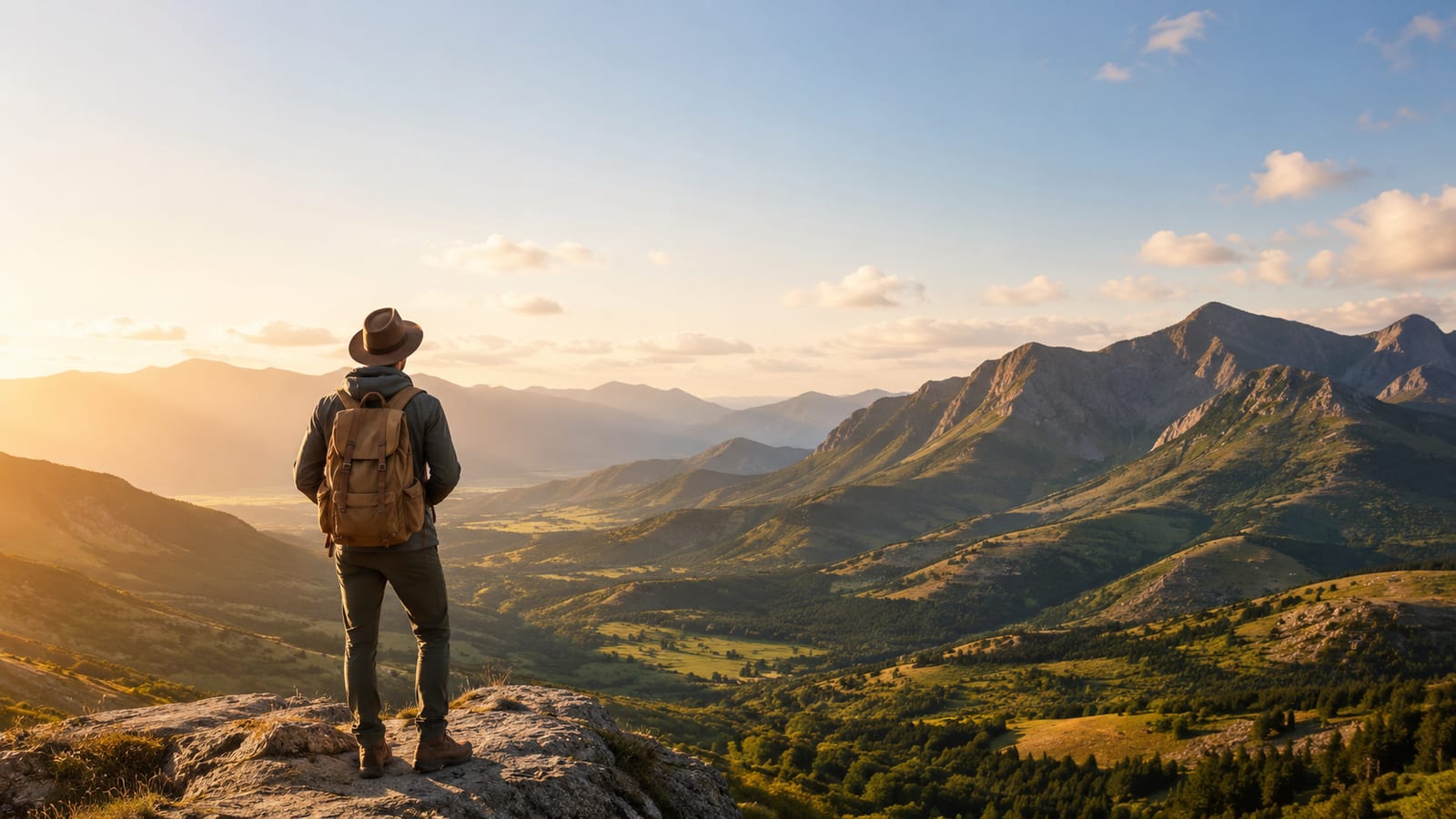
Yes, and it is not close. A carload of people can spend a week inside a park for the price of one city dinner. Most of the marquee parks charge $35 and let you stay a while.
Grand Canyon National Park in Arizona charges $35 per vehicle for seven days. Sequoia National Park in central California is $35 per vehicle too. Glacier National Park in Montana and Grand Teton National Park in Wyoming both run $35 to get in. And the Great Smoky Mountains, straddling Tennessee and North Carolina, charges no entrance fee at all. That last one is the busiest park in the country for a reason.
Here is what I do if I am hitting more than two parks. Skip the per-park fees and buy the $80 America the Beautiful pass, which is what makes a place like Moab in eastern Utah so cheap to base out of. It pays for itself fast when Arches and Canyonlands sit next door to each other. You can check the current pass and fee details on the National Park Service fees page.
The catch is crowds and heat. Summer at the Grand Canyon means a full parking lot by nine and shade that runs out fast. Go in late spring or early fall if you can. You get the same $35 and half the people.
How do you visit an expensive city without going broke?
Lean on the free museums, and plan your day around them instead of around restaurants. Washington, DC is the best example in the country. The Smithsonian museums cost nothing to enter, every day, and there are enough of them to fill a long weekend without paying a single admission. Details and hours are on the Smithsonian visitor site.
Philadelphia works the same way. You can see Independence Hall and walk the old city for free, then eat cheap. Denver gives you the mountains as a backdrop and a walkable downtown that does not demand a ticket for every block.
The trick in any pricey city is to eat where the workday crowd eats and treat the paid attraction as one event, not five. A packed museum wing at noon costs the same as an empty one at opening. Show up early, and you buy yourself a quieter morning for free.
For a route that strings several of these together, this East Coast road trip guide covers the corridor from DC up through Philadelphia.
Where does a "cheap" trip quietly get expensive?

The gate fee is never the problem. The problem is everything around it. A national park costs $35, but the nearest town charges resort prices for a mediocre burger because it can. Budget for the surroundings, not just the entrance.
Three things break a budget faster than lodging:
- Parking and daily fees. City garages and beach lots add up quietly. Gulf Shores in Alabama has 28 miles of paved trails you can bike for free, but you will still pay to park near the sand.
- Peak-season timing. The same room in New Orleans doubles during festival weeks. Same city, very different bill.
- The "while I'm here" tax. The paid tour, the rooftop bar, the souvenir. None of it is the trip. All of it is the overrun.
Meanwhile, the genuinely cheap wins are the ones nobody markets. A long walk with no destination. A free museum hour. A picnic instead of a sit-down lunch. Those do more for a day than most paid add-ons.
Which budget-friendly cities get overlooked?
Knoxville and Atlanta both punch above their price. Knoxville, in Tennessee, sits close enough to the Great Smoky Mountains to use as a cheap base, and its downtown is small and walkable. Atlanta, in Georgia, has a deep bench of free parks and a food scene that does not require a splurge.
Neither city sells itself hard, which is exactly why they stay affordable. You are not paying the fame premium that pushes up a weekend in a headline destination. If you want more of these, here is a roundup of quieter US spots worth a detour.
Who should skip the budget-trip framing?
If you are chasing a specific bucket of experiences that all cost money, the "cheap destination" label will only frustrate you. A city is cheap because its best parts are free. Sedona proves it. The trails cost nothing and the town costs plenty.
So be clear about what you actually want. If it is scenery and walking, almost anywhere on this list works on little money. If it is nightlife, fine dining, and a room with a view, no zip code makes that cheap. Pick the trip that matches the wallet, and the rest sorts itself out. For a city built around that tension, see how far you can stretch a Vegas weekend on a tight budget.
FAQ
What is the single cheapest way to travel the US?
Base yourself near a national park and cook your own food. A week inside a park runs $35 for the whole vehicle, and the scenery does not charge by the hour. Groceries plus a tent beats a city hotel every time.
When is the cheapest time of year to go?
Aim for the shoulder weeks, roughly late spring and early fall. Summer spikes prices and crowds in nearly every park and beach town. You get milder weather and lower rates in September than you do in July.
Is it cheaper to fly or drive between these places?
Driving usually wins once there are two or more of you, especially for park trips where a car is required anyway. Solo, a cheap flight into a walkable city like DC can beat gas and days on the road. Do the math per trip, not by habit.
How much should I budget per day as a solo traveler?
Use the city figures as a ceiling, not a target. Asheville around $159 and San Antonio around $161 assume you are eating out and paying for a room. Camp, cook, and lean on free museums, and you can land well under those numbers.
Are free museums actually good, or just free?
The Smithsonian museums in Washington, DC are among the best in the country and cost nothing. Free does not mean lesser here. It means the trip's best day can also be its cheapest.