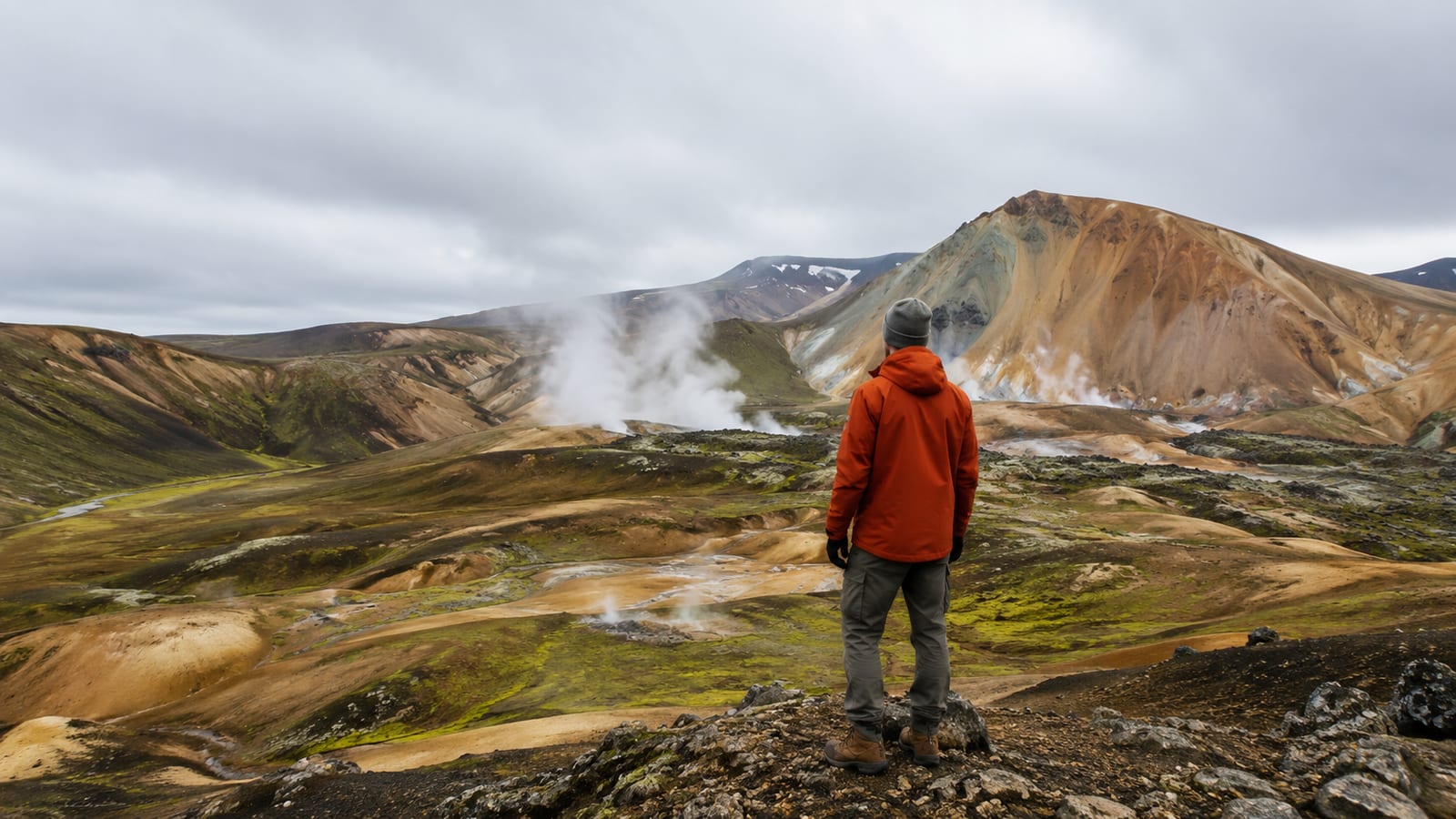
Go in June if you want the widest possible Iceland: every road open, the midnight sun keeping you out past midnight, and none of the weather roulette that defines the shoulder months. But if the northern lights are the whole reason you are booking, aim for February or March and accept the cold and the closed roads that come with them. That is the honest core of any answer to the best time to visit Iceland. Every other month is a calculated trade, not a sweet spot, and this guide sorts out which trade is worth making.
When is the best time to visit Iceland, ranked?
Summer wins outright, and it is not close. June through August is the all-rounder: highland roads open, the country at its most reachable, and daylight that never really quits. You pay for it in crowds and in prices, but you get the fewest nasty surprises. That matters more than most first-timers expect.
Here is how I rank the rest, and why.
- June to August. The undisputed peak. Open F-roads, midnight sun, everything running. Worth the crowds.
- February to March. Best odds for the aurora with daylight windows you can still function in. Pack for serious cold.
- May and September. Fewer people, lower prices, and a real gamble on weather.
- October and November. Underrated for autumn colour and dark skies, but the calm window shuts fast once storms arrive.
- December to January. Cheapest flights and true solitude. Short days and genuine road hazards are the catch.
No single month does everything. If your list includes both the Highlands and the northern lights, no month covers both. Pick the one thing you cannot travel without, then build around it.
What the midnight sun really does to your trip
The midnight sun runs strongest from June 1 to July 15, and it changes how you plan far more than the photos suggest. At the summer solstice, Reykjavík gets around 21 hours of daylight. The sun dips, the sky glows, and it never goes properly dark.
That sounds romantic until your body clock revolts. I would pack a real sleep mask and blackout backup, because hostel curtains here are decorative at best. Book a room that faces away from the low northern sun if you can.
The upside is real, though. You can hike a waterfall trail at 10pm in soft gold light with nobody else around. Photographers get a golden hour that lasts for hours instead of minutes. There is no rush to beat sunset, because there barely is one.
Waterfalls reward this timing especially. Peak flow comes in spring after the snow melts, then again in early autumn, September and October. A June trip catches strong meltwater and endless light to shoot it in. If chasing falls is your thing, my rundown of Iceland's best waterfalls pairs well with a long-daylight visit.
Can you actually count on the northern lights?
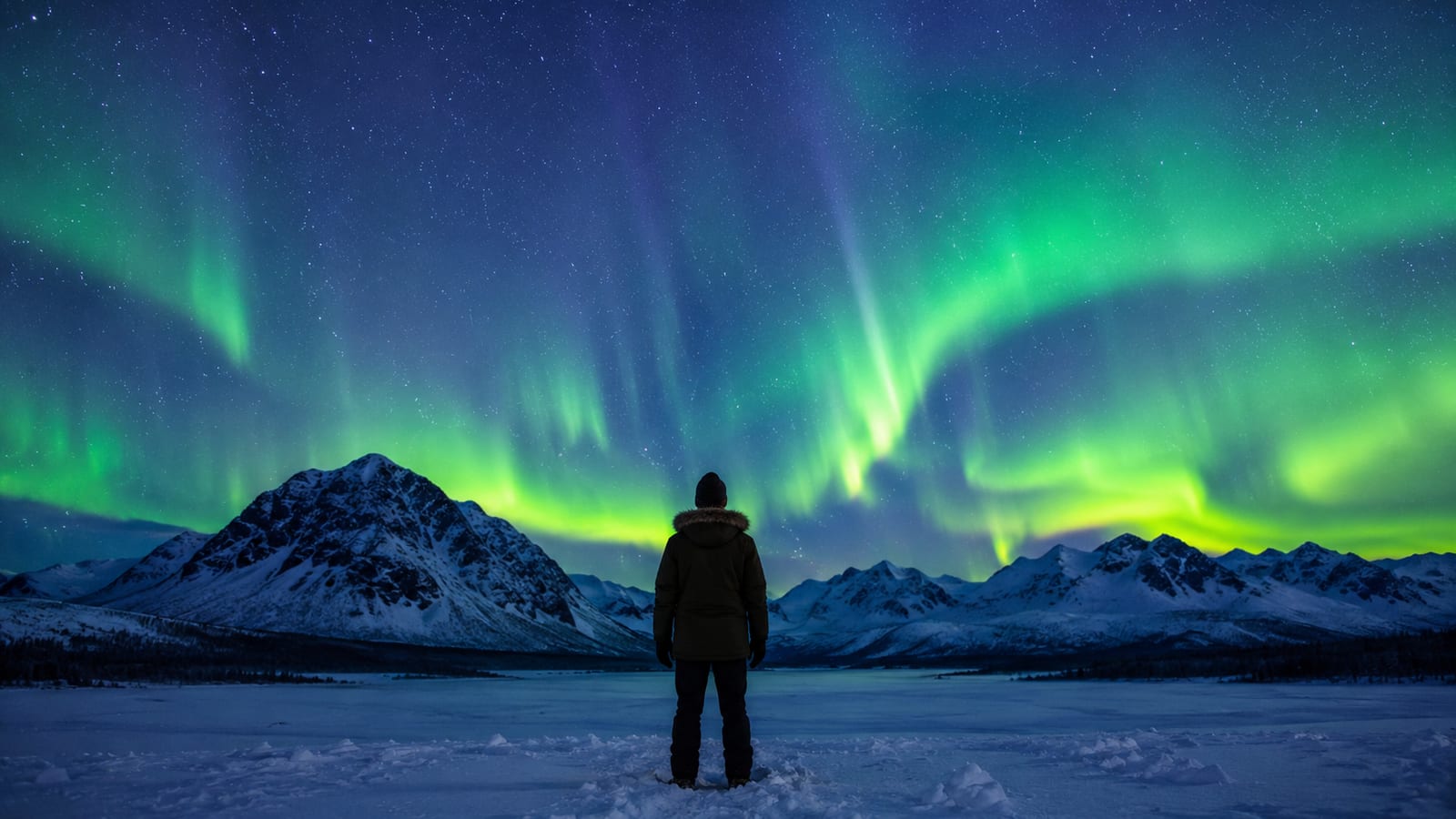
No, and anyone promising otherwise is selling you a tour. The lights need darkness and a clear sky at the same time, and Iceland rarely hands you both on command. The dark-sky window runs from mid-August to late April. Outside that, the sky is too bright.
February and March give you the best working balance: long dark nights, but daylight hours that still let you drive and sightsee. Deep winter has more darkness and worse weather, which is a poor trade. Cloud ruins more aurora nights than anything else.
Here is what I do. I check the Icelandic Met Office aurora forecast each evening. Then I stay somewhere I can drive half an hour to escape cloud. Three or four nights in the country beats one, because a single clear night is never guaranteed. A clear display is luck, so never treat it as something you booked.
If a trip built entirely around the aurora feels too risky, it probably is. Plan a good winter trip you would enjoy anyway, then let the lights be the bonus.
How road closures limit where you can go
Road closures decide your itinerary more than the calendar does. The Highland F-roads, the gravel mountain tracks that reach Landmannalaugar and Þórsmörk, open only once the ground dries out, roughly July and August. Bank on them for summer and nothing else.
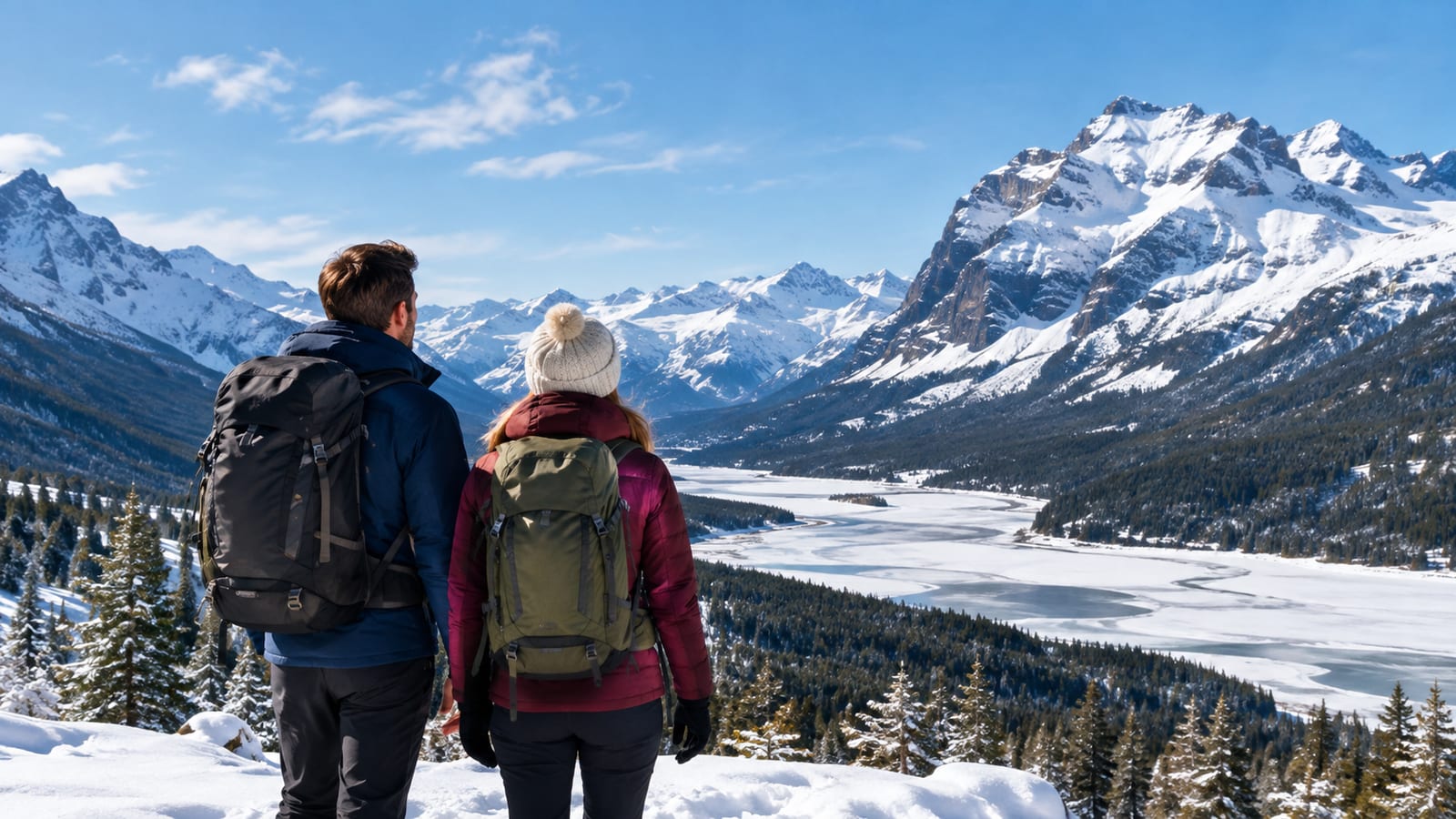
By mid-October to mid-February, winter has the interior locked down. The Ring Road around the coast usually stays open, but it can close for hours in a storm, and the Westfjords passes get dicey. April and October are the coin-flip months, when a route can be fine one week and shut the next.
Before you book any inland drive, check the live map at the Icelandic Road Administration rather than trusting a blog itinerary. Conditions here are hyperlocal and change hourly.
The common trap is planning a Highland loop for October because the flights are cheap. Those roads are already closing. You end up rerouting to the coast and wondering why you came in shoulder season at all. Match your route to the months the roads are actually open.
Season by season: weather, daylight, crowds, and cost
Summer is mild, not warm. Average temperatures across June through August sit around 57°F (13°C), and July and early August might climb into the 60s and break 70 on a good day. Iceland is wet year-round too, with Reykjavik averaging about 850 mm (34 in) of rain a year, so pack a proper shell in any season.
Where you go shifts the numbers as much as when you go. The Westfjords run colder than the west and north; Ísafjörður's summer high never touches what Reykjavík treats as a warm day.
| Place | Summer high | Summer low |
|---|---|---|
| Reykjavík (West) | 56°F | – |
| Akureyri (North) | 56°F | 46°F |
| Húsafell (West) | 58°F | 49°F |
| Ísafjörður (Westfjords) | 49°F | 41°F |
Crowds and prices track daylight. Peak season, June through August, brings the biggest crowds and the highest costs. Winter, from December into January, flips both: cheapest flights, quietest sights, and the shortest days. September's evenings darken quickly, which is exactly why aurora hunters like it.
Christmastime and New Year's Eve in Reykjavík are their own thing, with fireworks over the city and a festive mood, though daylight is thin. A winter visit also pairs neatly with a long geothermal soak. If you are weighing where to warm up, my comparison of the Blue Lagoon and Sky Lagoon covers the two most popular options.
May and September: savvy middle ground or false economy?
May and September are the shoulder months most listicles oversell, and the honest answer is they suit some travellers and burn others. You get thinner crowds and lower prices than summer, which is real money saved. What you give up is certainty.
May can still have snow on the passes and F-roads that have not opened yet. September brings shortening evenings and the first autumn storms. It also catches waterfalls near peak flow and gives you early dark for the aurora. Both months hand you a genuine weather gamble.
The travellers who win in the shoulder are flexible ones. If you can shift a day when the forecast turns, and you are not set on the Highlands, the savings are worth it. If your trip has a fixed route and fixed dates, summer's reliability is the smarter buy. This is the same logic I apply to Ireland's late-spring sweet spot: shoulder season rewards people who can bend.
Booking mistakes that lock people into the wrong month
The classic error is chasing the northern lights in August. The dark-sky season does not really start until mid-August, and even then the nights are short. Book a July trip for the aurora and you will spend it staring at a bright sky.
Two more traps I would steer a friend away from:
- Planning Highland drives for October. Those F-roads are shutting for the season by then. Reroute to the coast or move your dates earlier.
- Booking deep winter for a packed sightseeing schedule. Short daylight and road closures cut how much you fit into each day, so a packed schedule quietly shrinks.
The fix is boring and it works. Pick your one non-negotiable, whether that is open interior roads or dark skies, then let it set the month. Everything else you can flex around.
FAQ
Is one week enough to see Iceland?
One week suits the south coast and the Golden Circle comfortably, with a night or two in Reykjavík. A full Ring Road loop in seven days means long driving days and little time to stop. I would rather do half the country well than the whole thing in a blur.
What is the cheapest time to fly to Iceland?
Deep winter, from December into January, tends to have the lowest fares, outside the Christmas and New Year spike in Reykjavík. You trade the savings for short days and real road hazards, so the cheap flight is only a bargain if the limited itinerary still fits what you came for.
When can I hike the Highlands?
Roughly July and August, once the F-roads dry out and open. Trails to spots like Landmannalaugar depend entirely on those roads, so always confirm the route is open before you set out rather than assuming a summer date guarantees access.
Is September good for the northern lights?
It can be, because the evenings darken early and the dark-sky season is underway. Clear skies are still the deciding factor, so give yourself several nights and somewhere you can drive out from under the clouds. Count any display as pure luck, and enjoy the dark drives regardless.
Does it rain a lot in Iceland?
Yes, and in every season. Reykjavik alone averages about 850 mm (34 in) a year, spread thin across the calendar. A waterproof shell and layers matter more than the month you pick, so pack for wet whenever you go.