San Francisco rewards the curious and punishes the itinerary-stuffers. If you're deciding what to do in San Francisco with limited days, skip the checklist and pick two or three neighborhoods a day: walk the Mission for murals and burritos, ride a cable car once for the novelty, cross into the Presidio for the bridge view, and eat where the line is full of locals. Let the hills, the fog, and the food carry the rest.
What should you prioritize on a first visit?
Start with the Golden Gate Bridge, then Alcatraz, then one great neighborhood on foot. Those three give you the city's scale, its history, and its texture in that order. Everything else is optional and depends on your legs and your appetite.
See the bridge from the ground, not from a car window. Walk out onto it from the Presidio side, or view it from Battery Spencer across the water in Marin. The fog turns it into a moving thing, and that's the version worth remembering.
Alcatraz is the one paid attraction I tell people to book. The day ferry runs about $47.95 per adult, and the audio tour narrated by former inmates and guards is genuinely good. One catch: the ferry sells out days ahead, so reserve before you fly, not the morning of.
After those two, give a full afternoon to a single neighborhood. Not four. One, walked slowly, teaches you more than a bus tour of nine.
The neighborhoods worth your legs
The Mission is where I'd send a first-timer with one free afternoon. Flat, sunny more often than the rest of the city, and stacked with murals, taquerias, and bookshops. Walk Valencia and Mission Streets, cut down the alleys for the painted walls, and eat.
North Beach is the old Italian quarter and still holds its ground. Grab a coffee, sit with an espresso, and watch the neighborhood move. City Lights bookstore anchors it, and the cafes nearby have been serving the same regulars for decades.
Alamo Square is a short stop, not a destination. The row of Victorian houses known as the Painted Ladies sits at 710 to 720 Steiner Street, with the downtown skyline behind them. Ten minutes and a photo, then move on.
Hayes Valley, the Castro, and the Haight each reward a slow wander. Hayes Valley for design shops and wine bars, the Castro for its history and street life, the Haight for record stores and faded 1960s ghosts. Pick one that matches your mood rather than trying to bag all three.
The biggest mistakes first-timers make
Fisherman's Wharf swallows most first-time visitors, and it shouldn't. It pulls in around 14 million visitors a year, and the payoff is overpriced clam chowder and a crowd. See the sea lions at Pier 39, then leave.
Skip the paid attractions that photograph better than they visit. The crooked block of Lombard Street means sitting in a slow car queue for a view you can get by walking up and looking down for free. The same goes for chasing every viewpoint on a map.
Underdressing is the other classic error. Summer here is cold and foggy, especially in the afternoon near the water. Pack a warm layer and a windproof jacket even in July, because the fog doesn't care about the calendar.
Do not try to do the whole city in a day. The hills and the transit gaps will eat your time, and you'll finish having seen everything and felt nothing.
How do you get around without losing your mind?
Walk first, take Muni second, and use rideshare only when the hills or the hour make it worth it. San Francisco is small enough that most of what you want sits within a few connected neighborhoods. Your feet are the best tool you own here.
Muni runs the buses, the metro, and the historic streetcars, and it's cheaper and more useful than the cable cars for actually getting places. Buy a Clipper card or use the app, tap on, and treat the cable cars as a ride you take once for fun, not transport. The San Francisco Municipal Transportation Agency publishes routes and fares if you want to plan ahead.
Rideshare is fine for late nights, steep climbs, or getting to the airport. It's not fine for short hops you could walk, because traffic and one-way streets make it slower than it looks.
If you rent a car, know it's a burden, not a help. Parking is a fight, and the Golden Gate Bridge toll runs about $10.50 for a standard car with a license plate account. Save the car for a day trip and leave it parked otherwise.
Where locals actually eat and drink

Head to the Mission for the food that defines this city. The burrito is a full meal for a few dollars, and every local has a taqueria they'll defend to the last argument. Order it wet, eat it with both hands, and don't ask which one is best unless you want a long answer.
Chinatown and North Beach hold the other two anchors. Chinatown for dim sum and roast duck in rooms with no English menu and no need for one. North Beach for a real Italian coffee at a corner bar, standing up, no laptop in sight.
For coffee, look past the chains near the tourist piers. The neighborhood roasters in the Mission and Hayes Valley pour better cups and let you sit. I look for a busy counter with a window seat, the kind of place a solo traveler can nurse one coffee without anyone hovering.
The rule that never fails: a table full of locals beats a laminated menu with photos every time.
The outdoor stops that earn the walk
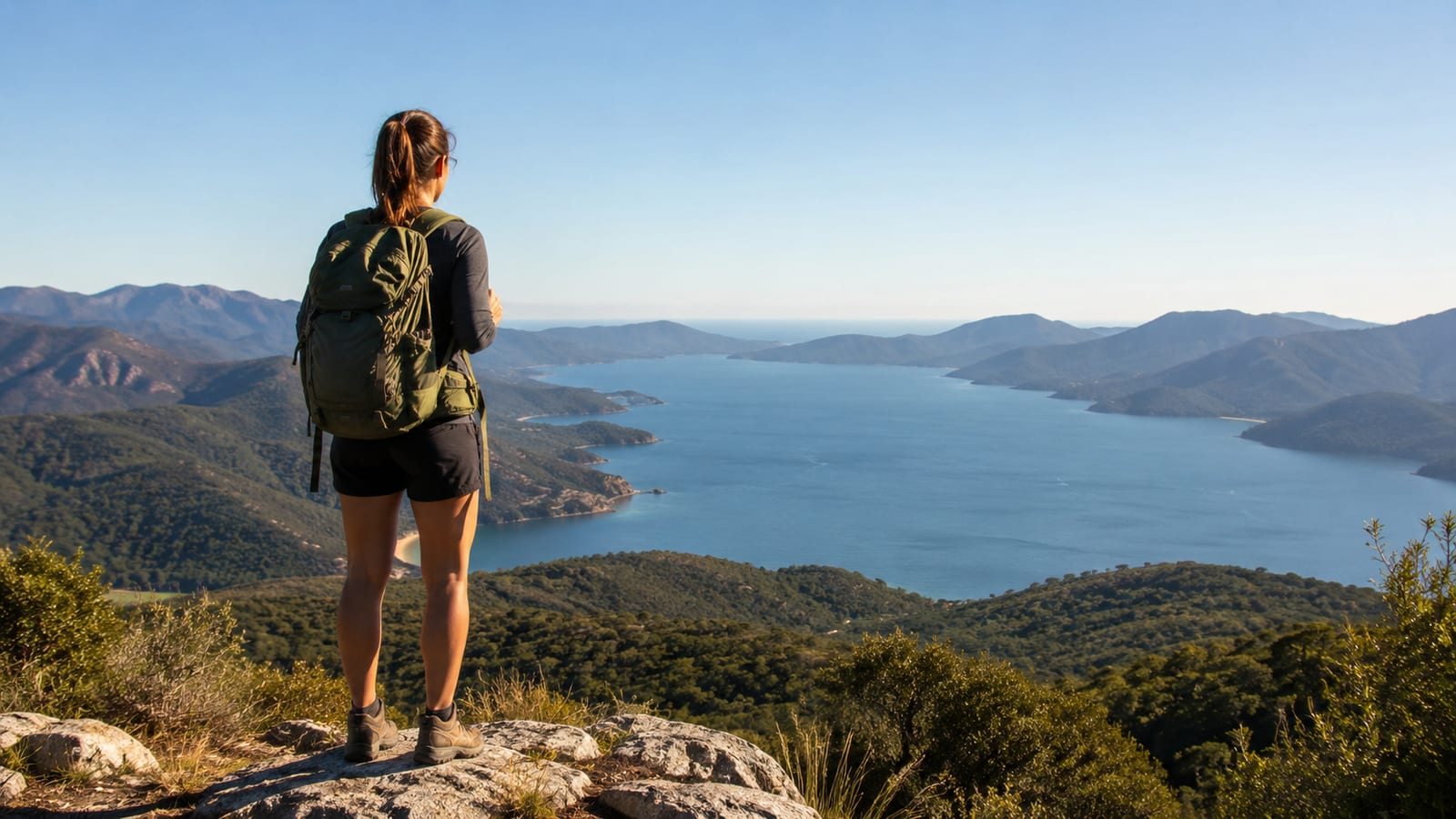
The Presidio and Lands End give you the best payoff for the least fuss. The Presidio is a former army post turned park, with trails, quiet groves, and the closest ground-level look at the bridge. Lands End, on the northwest edge, is a coastal trail with ruins, cypress, and the open Pacific.
Golden Gate Park is bigger than you think and worth a slow half-day. Rent nothing, just walk the gardens, the windmills, and the meadows. The de Young museum and the Academy of Sciences sit inside if the weather turns.
For a view with no ticket and no crowd, climb Bernal Heights or Corona Heights at the end of the day. Both give you the whole city and bay in one sweep, and both stay quiet while everyone queues at the famous overlooks. Bring a layer, because the wind up there means it.
Cultural and historic sites that hold up
Alcatraz aside, the city's best history is free and on the street. The Mission murals, especially in Balmy Alley and Clarion Alley, tell you more about San Francisco than most museums. Walk them slowly and read the walls.
The Chinatown story runs deep and hard. Duck into Ross Alley and the older side streets, where the fortune cookie factory and the herb shops still work the way they have for generations. It rewards patience, not a fast loop.
For built landmarks, the Ferry Building and the Palace of Fine Arts both earn a stop. The Ferry Building for its market hall and the bay behind it, the Palace for its odd, grand rotunda and the pond full of birds. Neither costs anything to walk through.
Some sights photograph better than they visit, and I'd rather you know that going in. Choose the ones with a story you can stand inside.
Planning each day so you're not backtracking
Group your days by geography, not by wish list. The city breaks into clusters, and hopping between them wastes the time you came to spend wandering. Pick a cluster, work it, then stop.
Here's a clean three-day shape that avoids the worst commutes:
- Waterfront and north. Ferry Building, then Alcatraz, then North Beach for dinner. Book the ferry first.
- Central and west. Golden Gate Park in the morning, the Haight or the Castro after, ending at a Lands End sunset.
- The Mission and the hills. Murals and burritos by day, Bernal Heights for the evening view.
Keep the bridge flexible and slot it into whichever day the fog lifts. Save one afternoon with nothing booked, because the best hours here tend to be the ones you didn't plan.
What to do in San Francisco when the fog wins
Treat fog as a different day, not a lost one. When the coast socks in, pivot inland and indoors: the Ferry Building market hall, the de Young or the Academy of Sciences in Golden Gate Park, or a long lunch in the Mission where the sun usually holds. Momentum matters more than the original plan.
Chinatown and North Beach are made for gray afternoons. Duck between tea shops, bookstores, and cafes, and let the weather push you into rooms you'd have walked past on a clear day.
Keep a short indoor list for every day of your trip, written before you arrive. That way a foggy morning becomes a decision that takes thirty seconds instead of a wasted hour standing on a windy corner. If you travel alone, this habit is worth building everywhere, and these solo travel tips worth stealing cover the rest of it.
Day trips worth the logistics
Muir Woods is the one I'd leave the city for first. It puts you under old-growth redwoods within about an hour by car, though you must reserve parking or the shuttle ahead or you won't get in. Go early, before the tour buses.
The rest depend on how much of the day you'll trade. Sausalito is a short, easy ferry across the bay and back, good for a half-day. Napa and Sonoma wine country need a full day and a designated driver, and they're better once you've already given the city its due.
For a bigger loop, the coast road south toward Half Moon Bay and beyond is the real reward. If a full coastal drive tempts you, the region connects into some of the best West Coast road trips for adventure. Just don't schedule a day trip on your first day, when you still haven't felt the ground under your feet.
FAQ
How many days do you need in San Francisco?
Three full days covers the core without a sprint. Two works if you skip the day trips and stick to neighborhoods you can walk between. Give it four if you want a redwood day or wine country without cutting the city short.
Is San Francisco walkable for a first-timer?
Yes, in clusters. Individual neighborhoods are flat and easy, but the hills and distances between districts are real. Walk within an area, take Muni between them, and save rideshare for the steepest climbs.
When is the best time to visit?
September and October give you the warmest, clearest weather of the year, when the summer fog finally backs off. Spring is fine and less crowded. Skip the assumption that summer means sunshine, because July afternoons near the water run cold and gray.
Do you need to rent a car in the city?
No, and it's usually a liability. Parking is expensive and scarce, and transit plus walking covers everything downtown. Rent only for a day trip to Muir Woods or wine country, and return it after.
Is Fisherman's Wharf worth visiting at all?
Briefly. See the sea lions at Pier 39 and walk the waterfront for the view, then head elsewhere for food. The restaurants there run on foot traffic, not regulars, and it shows in the plate.
Related on this blog
Related: How to Use the San Diego Zoo’s Guided Bus Tour