Skip the Kitsap brochures: a local’s two-day plan starts with one decision – choose a small loop and leave the rest alone. Spend the first day around Bremerton and Port Orchard, then use the second for Poulsbo and Point No Point Lighthouse. You’ll need a car for this version, and you’ll miss Bainbridge Island, deep hikes, and a long kayak outing. That trade is the point. You get waterfront towns, old shops, Nordic history, and a windy beach without turning the peninsula into a checklist.
Last updated: 2026-08-27
What does “skip the Kitsap brochures: a local’s two-day plan” look like?
It looks slower than most itineraries. You’ll take the ferry from Seattle, walk one waterfront town, stop where the food looks good, and leave time for weather to change its mind.
Kitsap County sits about 14 miles from Seattle, but the water shapes the trip. The ferry ride gives you a clean break from the city. Driving around the southern end of Puget Sound can get you there, but it turns the first part of the trip into road time.
My plan is simple:
| Day | Base | Main stops | Best for |
|---|---|---|---|
| One | Bremerton and Port Orchard | Waterfront, naval history, antique shops, brewery | A low-effort first day |
| Two | Poulsbo and Hansville | Nordic downtown, coffee, Point No Point Lighthouse | Small-town wandering and shoreline |
Check the Washington State Ferries schedule before you leave. The ferry controls your morning, so build the day around the sailing you can actually catch.
Day one: Bremerton, Port Orchard, and a slower start
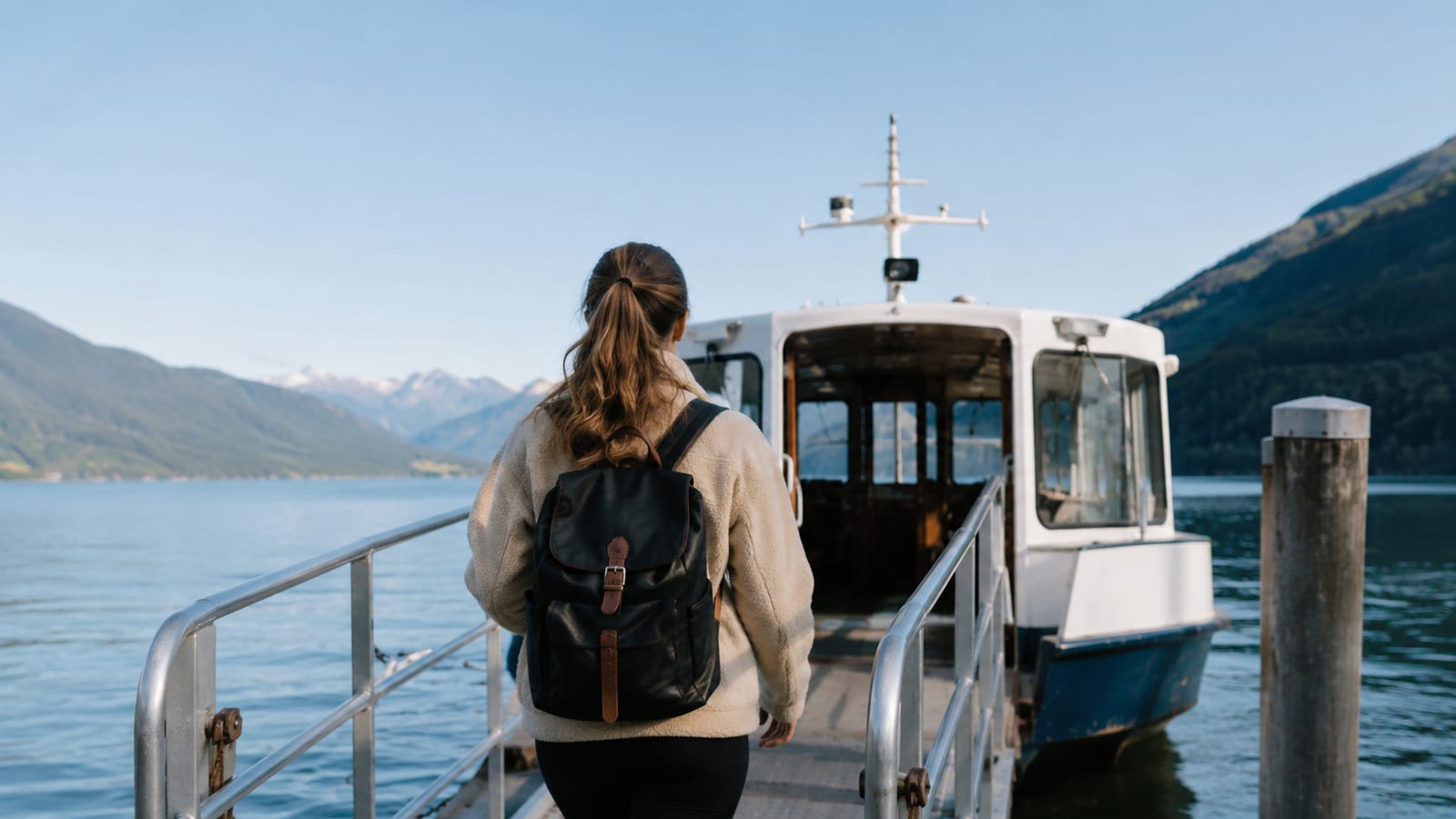
Take the ferry to Bremerton and walk the waterfront before getting in the car. The city has a working harbor feel, and its naval history gives the place more weight than a row of pretty shops. If you want more context, spend time at the local naval museum rather than rushing straight to lunch.
Bremerton is also the practical base for the first day. You can get coffee, look at the water, and decide how much energy you have left. That matters because Kitsap rewards a flexible plan. It doesn’t reward trying to force three towns into one afternoon.
Stop at Silver City Brewery
Silver City Brewery was founded in 1996 in Bremerton. Its brewery is at 206 Katy Penman Ave. I’d make this your beer stop if you want something with more character than a standard lager.
Still, don’t build the whole day around one brewery. The point is to have a place to settle for a drink after walking, not to turn a quiet peninsula into a tasting-room crawl. Check the brewery’s own site before going, since service and hours can change.
Give Port Orchard an honest hour
Port Orchard is the better stop if you like old objects, small shops, and the pleasure of looking through things without a plan. Several antique shops sit around town, including Olde Central Antique Mall, which has served Port Orchard since 1984. Josephine’s Mercantile and other shops add to the same old-town feel.
I’d give Port Orchard an hour or two. If you enjoy glassware, postcards, furniture, and the odd thing you can’t identify, you may stay longer. If antique shops lose you after one shelf, leave after a walk along the waterfront. There’s no prize for pretending to be interested.
The town works because you can browse without needing a major attraction. Stop for a coffee, walk a few blocks, and see what catches your eye. That’s enough for this part of the day.
The first-day trade-off
Bremerton and Port Orchard give you an easy day, but they don’t deliver a packed evening. Dinner choices thin out outside the main towns, and nightlife isn’t the reason to come here.
So eat before you’re desperate. I’d rather have an early meal near where I’m staying than drive around hoping a small town has one more open kitchen. Pack a rain shell, too. The waterfront can feel pleasant in the sun and raw when the wind shifts.
For a wider Pacific Northwest trip, my Western Washington guide covers larger regional stops. Kitsap works better when you resist adding all of them to the same weekend.
Day two: Poulsbo and Point No Point
Start in Poulsbo and let the town have your morning. Its Nordic heritage reaches back to settlement in the late 1800s, and that history still shapes the downtown streets, bakeries, and waterfront.
The town is easy to explore on foot. Walk the main streets first, then take the quieter side streets when the center gets busy. Look at the older buildings and the small details around the shops. Poulsbo feels best when you stop treating it as a photo stop.
I’d grab coffee and something baked, then wander without booking an activity. The waterfront is pleasant, but the town’s real strength is how close everything sits together. You can make a morning of it without driving between every sight.
Point No Point deserves half a day
Point No Point Lighthouse Park sits at 9009 Point No Point Rd NE, Hansville, Washington 98340. It’s at the northern end of the Kitsap Peninsula, so reaching it takes commitment. That’s why it belongs on day two, when you can give the drive room.
The park is worth it for the beach, open water, and sense of distance. You won’t find a dense string of shops waiting after the lighthouse. Bring layers and something to drink, then walk the shoreline at your own pace.
Check the Point No Point Lighthouse Park page before you go for current park information. If the weather is rough, you can still enjoy the shore, but don’t force a long beach walk in cold rain. Turn the stop into a short look, then head back toward town.
What you give up by driving north
The north end is beautiful in a plain, exposed way. It’s also far from your other stops. You lose time on the road, and there aren’t endless backup plans if the weather turns.
That makes Point No Point a poor quick detour. Make it the main event for the second half of the day. If you’d rather spend more time eating, shopping, or walking a compact downtown, stay in Poulsbo and skip the lighthouse.
Parks, beaches, and the easy outdoor options
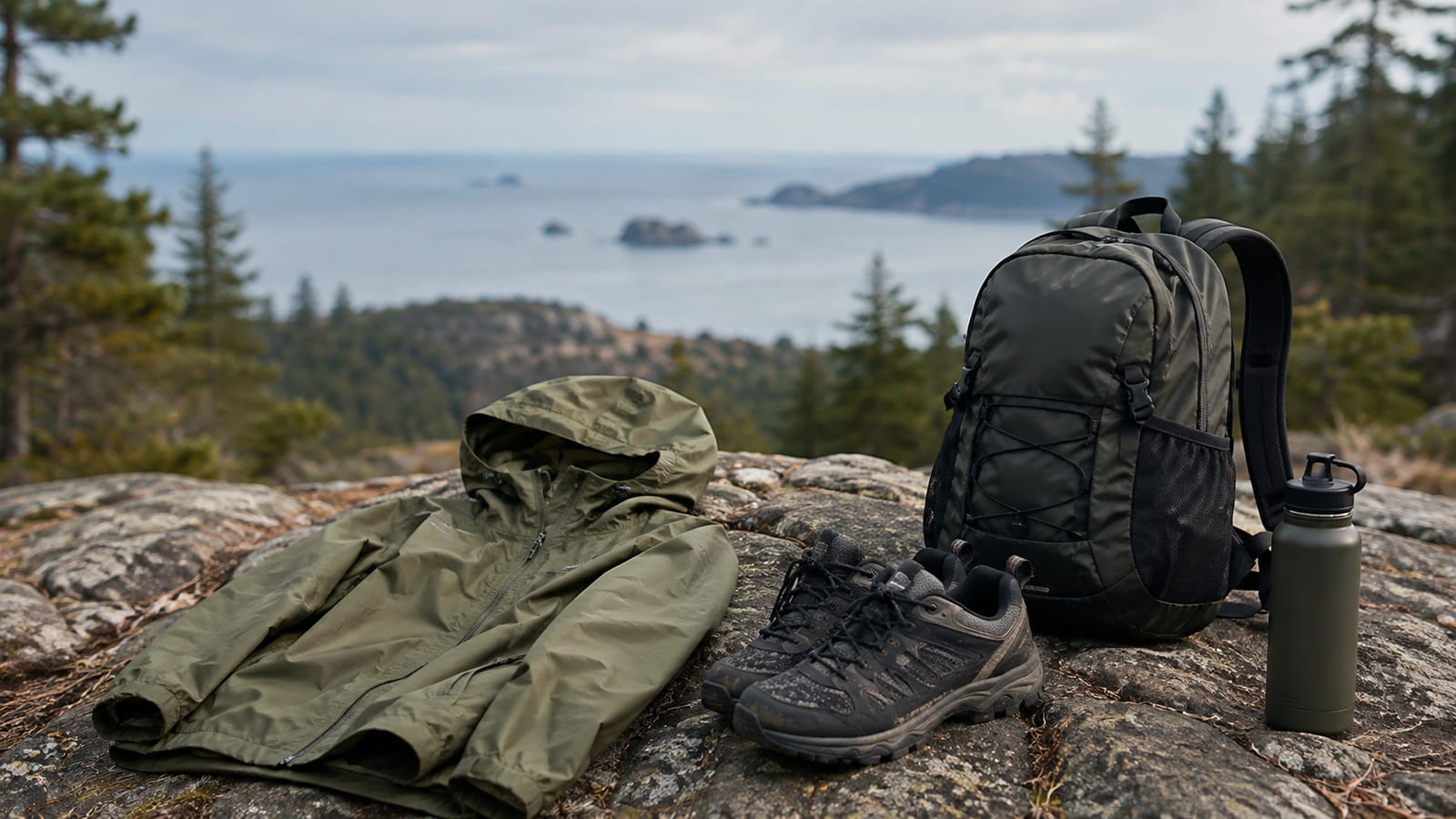
Kitsap has enough forest and shoreline to fill a weekend, but you don’t need a serious hike to get the outdoor part of the trip. A short beach walk or a picnic beside the water fits this itinerary better than chasing the longest trail.
Illahee State Park near Bremerton covers 75 acres of forest and saltwater shoreline. It’s a good choice for a short walk, a picnic, or a break when everyone’s legs are tired. The park gives you outdoor scenery without demanding a full day.
For kayaking, check conditions before you launch. The peninsula’s inlets can look calm from shore while the water behaves differently once you’re out. If you’re new to kayaking, use a guided outing or choose a sheltered area with current local advice. There’s no need to prove anything to the tide.
You can also add a forest trail near your chosen base. Keep it short if you’re following this plan. A long hike will push the towns and meals into a rushed schedule.
What to eat and drink
Seafood is the sensible food choice around the peninsula. Look for clams, oysters, and other local options when they appear. I’d choose a straightforward waterfront meal over a polished menu making grand claims about local ingredients.
Farm-to-table wording doesn’t tell you much by itself. Ask what’s fresh or read the menu closely. A simple plate with good ingredients beats a menu built around a slogan.
Poulsbo is the easiest place to make food part of the morning. Bakeries and coffee fit the walking town better than a formal meal squeezed between stops. In Bremerton, save room for the brewery if that’s your priority.
Bring a small snack for the drive to Hansville. Point No Point sits at the end of the plan, and hunger makes every detour feel worse.
What most guides leave out
The peninsula is spread out. The waterfront towns are walkable once you arrive, but they’re not close enough to connect on foot. A car makes this two-day plan far easier.
You can visit by bus, but you’ll need more patience and less ambition. Public transport may work for one town at a time. It’s a poor match for Bremerton, Port Orchard, Poulsbo, and Hansville in one weekend.
The ferry adds another limit. A missed sailing can change the shape of the day, especially on weekends or in busy summer weather. Arrive with time to spare, and keep one indoor option ready.
Rain works well here if you stop fighting it. Use a wet morning for antique shops, a museum, coffee, or a long meal. Save the exposed beach for a clearer stretch. When a rainy day in Kitsap ruins your plan, the plan was probably too tight.
Who should take this trip
This plan suits you if you like small towns, local history, shoreline walks, coffee, and unhurried meals. It works for solo travelers, couples, and families who would rather make one good stop than collect six rushed ones.
It also works well for a first trip from Seattle. The ferry makes the journey feel separate, but the towns are familiar enough to handle without much planning. Book your first night, check the ferry schedule, and leave the rest flexible.
You should skip it if you need nightlife, major art institutions, or a full calendar of famous sights. Kitsap closes down earlier than a city, and some stretches feel quiet because they are quiet. That’s either the appeal or the deal breaker.
My practical packing list
Bring:
- A rain shell and warm layer
- Shoes that can handle wet pavement and sand
- A small snack and water bottle
- A car charger
- A simple day bag
- A notebook or phone list of indoor stops
- Patience for the ferry schedule
You don’t need technical hiking gear for this plan. You do need clothes that work when the forecast changes halfway through lunch.
Is this better than a Bainbridge Island day trip?
It depends on what you want from the weekend. Bainbridge Island is easier for a compact day from Seattle, especially if you want galleries, food, and a short ferry escape without much driving.
Kitsap gives you more variety and more space between stops. You’ll see working waterfronts, older towns, a northern beach, and a brewery, but you’ll spend more time in the car. Choose Bainbridge for ease. Choose Kitsap for a slower road trip with rougher edges.
A simple way to plan it today
First, choose your ferry sailing and decide where you’ll sleep. Then mark only three main stops: Bremerton, Poulsbo, and either Port Orchard or Point No Point.
If you’re staying two nights, use the first day for Bremerton and Port Orchard. Use the second for Poulsbo and Hansville. If you’re staying one night, drop Port Orchard before you drop Poulsbo. The Nordic town gives you more to do on foot.
For a longer drive afterward, this Seattle to Denver road trip plan shows how to keep a big route from becoming a daily race. The same rule works here: leave space between the places you care about.
FAQ
Can you visit Kitsap Peninsula without taking a car?
Yes, but keep your trip to one walkable town. Bremerton or Poulsbo works better without a car than a plan that includes Hansville and several parks. You’ll spend less time waiting for connections and more time actually seeing the place.
Is Point No Point Lighthouse open to visitors?
Access can change with park conditions, building schedules, and weather. Check the official park information before driving north. Even when the lighthouse itself isn’t available, the beach and shoreline can still make the trip worthwhile.
Where should you stay for this two-day plan?
Stay near the part of the peninsula you care about most. Bremerton makes day one easier, while Poulsbo gives you a stronger base for the second morning. Staying near one town saves you from starting each day with a long drive.
Is Kitsap Peninsula a good winter destination?
Yes, if you’re comfortable with rain, wind, and shorter outdoor stops. Winter makes the indoor parts more useful, including antique shops, museums, coffee shops, and long meals. Keep the schedule loose so a wet beach doesn’t wreck the whole day.
Should you add Bainbridge Island to these two days?
I wouldn’t. Bainbridge deserves its own slower day, and adding it here would turn the ferry schedule and driving into the main activity. Save it for another visit and let this trip stay focused.