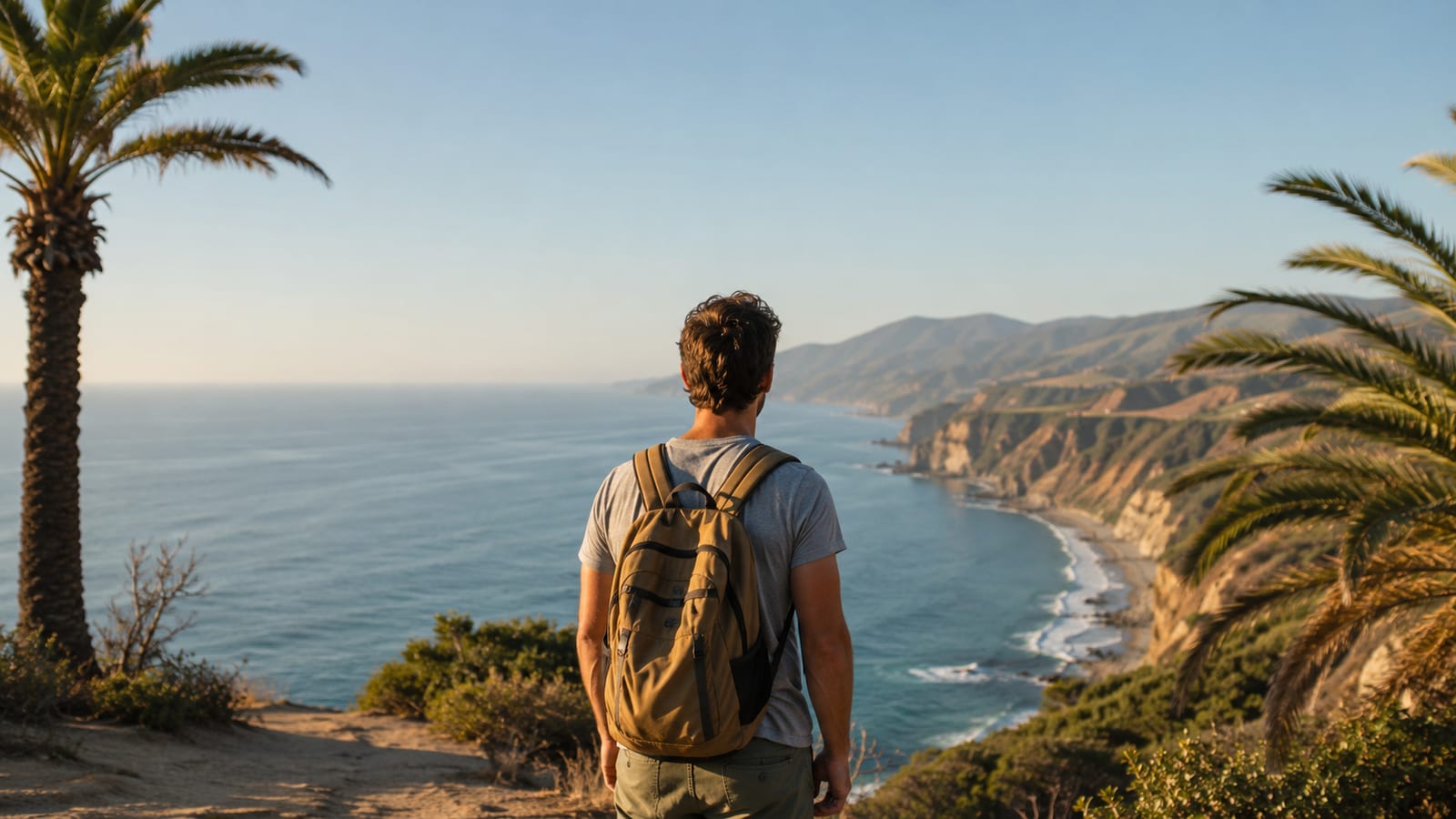
Los Angeles makes more sense when you stop trying to see all of it. Start with Griffith Observatory, the Getty Center, Santa Monica, and a drive along the coast. You get the skyline, art, beach, and ocean road without losing the day to traffic. Arrive at Griffith before sunset and watch the city lights come on below you.
The best first stops in Los Angeles
For a first trip, keep the list short. Los Angeles punishes anyone who treats it like a compact city. Crossing town for one famous photo can eat the useful part of your afternoon.
These four places cover the city without turning the trip into a traffic study:
- Griffith Observatory for the best all-around city view.
- The Getty Center for art, architecture, gardens, and a wide Westside view.
- Santa Monica Pier and Beach for the easiest classic beach day.
- Pacific Coast Highway through Malibu for the best coastal drive.
The 12-inch refractor at Griffith Observatory sits at 1172 feet above sea level. From there, you can see the skyline, the hills, and the Hollywood Sign without chasing separate viewpoints. Many scenes from La La Land were filmed there, so the view may feel familiar before you place it.
The official Griffith Observatory site lists current hours, programs, and access details. Check it before leaving because parking and road conditions can change.
Hollywood Boulevard belongs on the list, but only briefly. See the Walk of Fame and TCL Chinese Theatre, long known as Grauman's Chinese Theatre, then leave. The street is noisy, crowded, and less glamorous than its name suggests.
Free and affordable attractions
The Getty Center is the strongest free cultural attraction in Los Angeles. The Getty charges no admission fee, though parking still has a real cost. You get serious art, bright modern buildings, gardens, and views that would justify the trip even without the galleries.
Griffith Observatory and Griffith Park are also good budget choices. You can walk, picnic, hike, and watch the skyline change without buying a ticket. However, parking near the observatory can cost money and fill quickly.
The Broad is a strong free museum in Downtown Los Angeles. Reserve ahead if timed entry is being used. Walk-up entry can work, but building a day around that hope is poor planning.
Public beaches are free to enter. Parking is where the cheap day stops being cheap, especially near Santa Monica and Malibu. Bring water and a snack, then decide before you arrive whether convenience or a lower parking cost matters more.
For a cheap day, use this order. The Getty gives you the most for the cost, while the beaches need more parking care than their free entry suggests.
| Place | Main reason to go | The catch |
|---|---|---|
| Getty Center | Art, architecture, gardens, views | Parking costs money |
| Griffith Observatory | Skyline and Hollywood Sign views | Parking gets difficult near sunset |
| The Broad | Contemporary art | Timed entry may be needed |
| Griffith Park | Hikes, picnic space, city views | Trail access and heat need planning |
| Public beaches | Sand, swimming, sunset | Nearby parking can be expensive |
If you are planning a wider winter trip, this guide to the best places to visit in February in the US can help you compare Los Angeles with colder city breaks.
Art, architecture, and gardens
Choose by experience, not by fame. The Getty Center gives you the best overall mix. The Broad is sharper and louder. Huntington Gardens is calmer and takes more of the day.
| Place | Best for | Area | What may let you down |
|---|---|---|---|
| Getty Center | European art, modern architecture, gardens, views | Brentwood | The hilltop campus takes time to reach |
| Getty Villa | Ancient Mediterranean art and Roman-inspired design | Coastal Westside | Advance reservations are required |
| LACMA | Broad art collections | Museum Row | Construction and gallery access can affect the visit |
| The Broad | Contemporary art | Downtown | Popular rooms can feel crowded |
| Walt Disney Concert Hall | Modern architecture | Downtown | An exterior visit is brief without a performance or tour |
| Huntington Library, Art Museum, and Botanical Gardens | Landscaped gardens and a slow cultural day | San Marino | It sits away from the usual visitor route |
The Los Angeles County Museum of Art, known as LACMA, works best as part of a Westside museum day. Check which galleries and entrances are open before you go. Construction can turn a simple arrival into a walk around temporary fencing.
Walt Disney Concert Hall is the city’s most memorable modern landmark. Even if you stay outside, walk around the curved metal exterior rather than taking one photo from the curb. Pair it with The Broad because both sit Downtown.
The Huntington is the splurge I would choose when you need the city to quiet down. Its gardens and collections reward a slow afternoon. However, don’t add it to a coastal day. The drive makes that plan look better on paper than it feels in the car.
Should you visit the Getty Center or the Getty Villa?
Choose the Getty Center for a first Los Angeles trip. Choose the Getty Villa if ancient art, formal gardens, and Roman-inspired architecture are the main point of your visit.
The Getty Center feels open and modern. Its galleries, pale stone buildings, central garden, and hillside views make it easy to spend a long stretch there. The official address is 1200 Getty Center Dr, Los Angeles, CA 90049, USA, which matters because a vague map search can send you toward the wrong entrance road.
The Getty Villa is more focused. Its collection centers on the ancient Mediterranean, and the buildings are part of the experience. Squeezing it between Santa Monica and dinner leaves no room for the reservation or the drive.
If you love broad art collections and big views, pick the Center. If you want a quieter, more contained visit, reserve the Villa through the official Getty visit pages. Seeing both works on a longer trip, but forcing both into one day means too much time in transit.
Beaches and piers worth your time
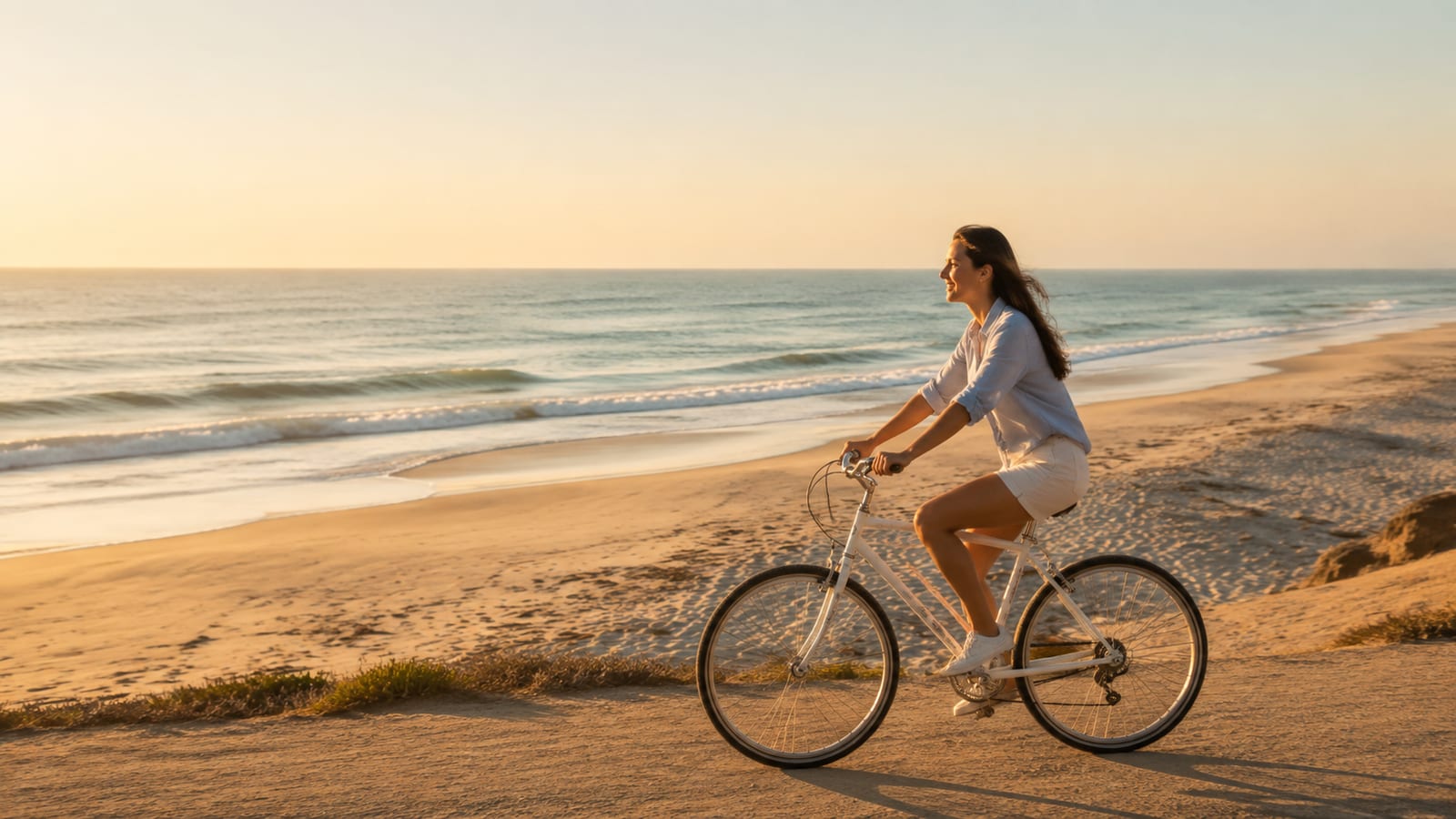
Santa Monica is the easiest first beach stop. Venice is better for people-watching. Malibu is where you go when you want more coast and less boardwalk.
Santa Monica Pier sits at 200 Santa Monica Pier. It gives you broad sand, sunset views, food nearby, and an obvious place to begin. Yes, it is touristy. However, it works because you can arrive, walk the pier, sit on the beach, and continue into town without moving the car again.
Venice Beach is rougher around the edges. Choose it for the Boardwalk, street performers, murals, skate culture, and Muscle Beach. The Sidewalk Cafe is one recognizable stop along the way, but the street itself is the main show.
Don’t expect Venice to feel quiet or polished. If the Boardwalk wears you out, walk toward the Venice Canals or continue to Abbot Kinney Blvd. Both offer a calmer change of pace, though Abbot Kinney is more shopping street than secret local corner.
Malibu works best for scenery and a slower beach day. Malibu Pier makes an easy anchor, while beaches farther along the coast feel less tied to city sightseeing. Still, parking access varies, and some roadside spots fill early.
Pacific Coast Highway through Malibu
Drive Pacific Coast Highway, usually called the PCH, through Malibu early in the day. Treat it as a half-day outing. Give the road room instead of tacking it onto an already full afternoon.
Start near Santa Monica and follow the water north. Malibu Pier makes a useful first stop. From there, continue toward Point Dume, Zuma Beach, or El Matador, depending on parking and how much walking you want.
The road is the attraction, but the driver still needs to watch the road. Pull into signed lots or legal turnouts before looking at the water. A shoulder that appears wide enough may narrow without warning.
Traffic is the main downside. The same road that feels open in the morning can crawl later, especially around beach entrances. So pick a turnaround point before you leave and resist adding another stop because it looks close on the map.
When the weather turns gray, the drive can still be worth it. The coast looks moodier, parking may be easier, and you can grab a coffee in Malibu rather than forcing a beach afternoon.
Beach biking from Santa Monica to Venice
The Santa Monica-to-Venice beach path is the easiest ride for most visitors. It is flat, scenic, and separated from much of the road traffic. You can stop at the pier, Venice Beach, the canals, or the Boardwalk without turning the ride into a workout.
Bike rental shops operate around Santa Monica and Venice. However, don’t arrive at the busiest part of the day assuming the right bike will be waiting. Reserve ahead, confirm the return time, and ask whether a lock is included.
Start in Santa Monica if you want the simplest route. Ride south toward Venice, stop when something catches your eye, then turn back while you still have energy. If you want a longer outing, continue toward Marina Del Rey North Jetty.
The path gets busy with walkers, skaters, children, and riders who stop without warning. Slow down near the pier and Boardwalk. Keep your pace easy and leave room for the person drifting across the path.
Bring a light layer because the wind near the water can feel cooler than the inland streets. Your first action is simple: choose a Santa Monica or Venice rental shop before the rest of the day fills up.
Sightseeing stops for guests
Build each sightseeing day around one part of the city. Your guests will remember the view and the meal, not how many districts you crossed.
Hollywood and Griffith Park
See the Walk of Fame and TCL Chinese Theatre in the morning. Keep the stop short, then head toward Griffith Park.
Spend the afternoon walking, resting, or visiting the observatory. Stay for sunset if conditions are clear. This pairing works because the sights sit in the same broad part of the city.
Downtown Los Angeles
Start with The Broad, then walk around Walt Disney Concert Hall. Add a meal nearby rather than driving elsewhere for a famous restaurant.
Downtown varies block by block. Check the walking route before setting out, especially after dark. If one street feels empty or uncomfortable, take the busier parallel street or order a ride.
The Westside
Use the Getty Center as the main event. Add Santa Monica later if traffic is moving and you still have the afternoon.
LACMA can anchor a different Westside day, especially if art matters more than the beach. Don’t combine every museum simply because the map shows them on the same side of town.
The coast
Start in Santa Monica, continue on foot or by bike to Venice, then return for sunset. On another day, drive the PCH through Malibu.
This is the cleanest route for visitors who want recognizable Los Angeles without spending all day moving between attractions.
Which Los Angeles attractions require reservations?
Reserve the Getty Villa before building anything else around it. Advance reservations are required, so a spontaneous arrival can end at the gate.
The Broad commonly uses timed entry for its free collection. Popular special exhibitions may have separate tickets or booking rules. Check the museum calendar before choosing your Downtown day.
The Getty Center may also use timed arrival systems depending on current operations. Meanwhile, the Huntington, LACMA, and special museum exhibits can sell out during busy periods. Book anything tied to a fixed date before filling the rest of your itinerary.
Book in this order. The Villa comes first because showing up without a reservation can waste the whole coastal detour.
- Reserve the Getty Villa.
- Check timed entry for The Broad.
- Book any paid exhibition or garden visit.
- Confirm current hours for every museum.
- Save screenshots of the tickets.
Don’t trust an old confirmation email for current parking instructions. Museum entrances change, construction moves, and Los Angeles signage rarely gives you much time to think.
Parking at Los Angeles attractions
Parking is part of the itinerary in Los Angeles. If you ignore it, you lose time circling and arrive annoyed before the visit begins.
At the Getty Center, follow the official arrival directions to the designated parking area. Don’t search for nearby street parking around the hill. The Getty has no admission fee, but parking is a separate cost.
For Griffith Observatory, arrive well before sunset or park lower in Griffith Park and use available transit or walk if conditions suit you. The closest spaces fill first. Meanwhile, roadside restrictions are enforced, so read every sign.
At Santa Monica and Venice, choose a public lot before entering the busiest streets. A cheaper space several blocks away may be a good deal, but only if you are comfortable walking back after dark. Near Malibu beaches, use marked areas and never block a driveway or beach access point.
Downtown museum parking can be simpler than beach parking, but it still adds up. Group The Broad and Walt Disney Concert Hall on foot once the car is parked.
Here is what I do when planning a driving day: save the official parking entrance along with the attraction name. That small detail prevents the final wrong turn.
A realistic Los Angeles itinerary
One day is enough for one side of Los Angeles done well. Trying to fit Griffith, Downtown, Malibu, and Venice into it mostly gives you freeway lanes.
For a single day, choose one of these groupings:
- Classic first day: Santa Monica, Venice, and sunset back at the beach.
- Views and Hollywood: Hollywood Boulevard, Griffith Park, and Griffith Observatory.
- Art and architecture: The Broad, Walt Disney Concert Hall, and a Downtown meal.
- Westside culture: Getty Center, its gardens, and a relaxed dinner nearby.
- Coastal drive: Santa Monica, Malibu Pier, and selected PCH overlooks.
With more time, give each area its own day. Put the Getty Center and Santa Monica together only if you are happy to cut one short. Keep the Huntington separate from Malibu because those places pull you in opposite directions.
A sensible longer trip gives you a coast day, a Griffith and Hollywood day, a museum day, and one open block. Use that open time for the place you liked enough to revisit. Los Angeles gets better when you stop treating every empty hour as space for another attraction.
If this is your first large California city trip, the same slow-start approach works in the first days of a San Francisco visit. Pick one neighborhood, learn the ground, then expand.
FAQ
Is Los Angeles a good destination for a solo trip?
Yes, especially if you plan by neighborhood and avoid long cross-city transfers late at night. Museums, cafés, beach paths, and observatory visits all work well alone, and nobody looks twice at a solo visitor.
Book accommodation near the area you expect to use most. A room near your plans gives you time to wander on foot instead of ordering a ride every time you want coffee.
Where should a first-time visitor stay in Los Angeles?
Stay near your main priority. Santa Monica suits beach time, while Hollywood or Los Feliz gives you easier access to Griffith Park. Downtown works for museums and architecture, but the exact block matters more than the neighborhood name.
No single area puts every attraction within easy reach. A cheap room far from your plans often creates a larger transport bill and leaves you watching Los Angeles through a car window.
Can you visit Los Angeles without renting a car?
You can, but you need a tighter itinerary. Choose attractions linked by public transport, walking, or short rides. Santa Monica and Venice pair well, as do The Broad and Walt Disney Concert Hall.
A car earns its keep for Malibu, the Getty Villa, and days with spread-out stops. Skip the rental if it will spend most of the trip sitting in a paid garage.
What should you do in Los Angeles when it rains?
Move the museum day forward. The Getty Center, The Broad, LACMA, and the Huntington’s indoor collections give you solid alternatives, though the gardens lose much of their appeal in steady rain.
Downtown also works well because The Broad and Walt Disney Concert Hall sit close together. Wear shoes that grip wet pavement, since polished entrances and station floors can get slippery.
Are Los Angeles attractions open every day?
No. Museums often close on a regular weekday, and operating hours can shift for events, construction, or seasonal schedules. Assuming the doors will be open is an easy way to waste a cross-city drive.
Check each official calendar the evening before your visit. Then take a screenshot, because weak mobile service in a parking structure is a poor place to discover the doors are closed.