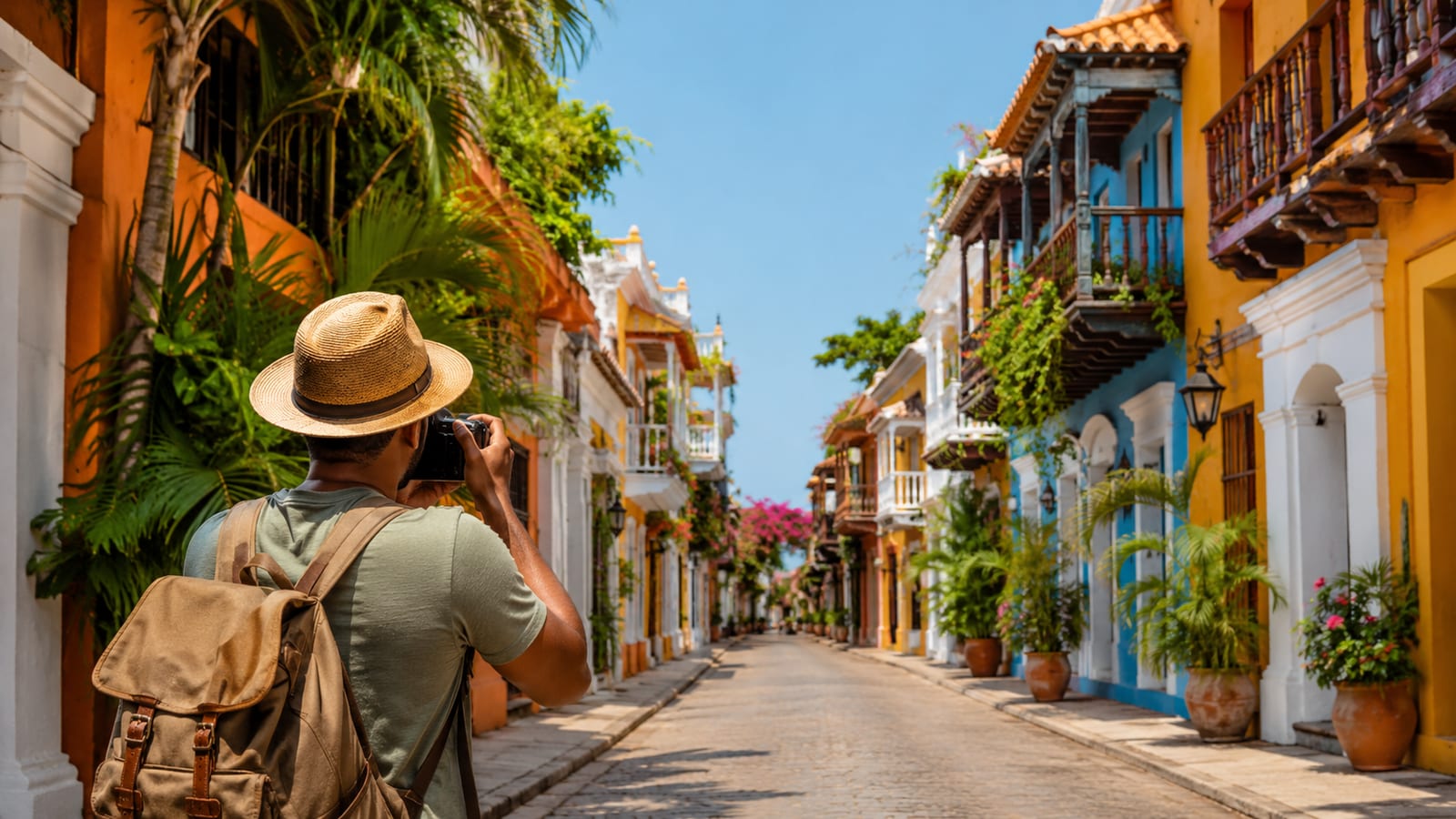
The best photo spot in San Juan is El Morro, especially in late afternoon, when warm light reaches the fort and Atlantic. Start inside during its 9:00 am to 5:00 pm visitor hours, then photograph Old San Juan’s blue cobblestones and pastel streets early. Add Puerta de la Bandera for a sharper modern image and Piñones for palms and rough coast. Calle Fortaleza’s umbrella display is fun, but don’t plan your whole photo day around it.
Last updated: 2026-08-11
If you have time for only one place, choose El Morro. Photograph the fort interior before closing, then stay outside for warm light across the lawn and Atlantic.
The overall pick
El Morro is the strongest single pick because it gives you scale, sea, stone, and open sky. However, the best photo spots in San Juan tell different parts of the city’s story. A fort wall alone won’t do that.
| Rank | Photo spot | Best for | Best light | My call |
|---|---|---|---|---|
| 1 | Castillo San Felipe del Morro | Atlantic views, fort walls, wide hero shots | Late afternoon | The clear first choice |
| 2 | Old San Juan streets | Portraits, blue cobblestones, doors, balconies | Early morning | The most reliable area |
| 3 | Paseo de la Princesa and Raíces Fountain | Waterfront scenes and natural portraits | Late afternoon to blue hour | Easy and worth it |
| 4 | Castillo San Cristóbal | Tunnels, ramps, arches, rough stone | Morning or cloudy weather | Better than El Morro for detail |
| 5 | Puerta de la Bandera | Street art and modern Puerto Rican identity | Soft morning light | Worth the detour |
| 6 | Santa María Magdalena de Pazzis Cemetery overlook | White graves, cliffs, ocean | Morning or late afternoon | Photograph from above |
| 7 | Piñones | Palms, beaches, boardwalks, food stalls | Late afternoon | Best for a wider Puerto Rico story |
| 8 | Calle Fortaleza | Changing overhead displays and street life | Early morning | Grab the frame, then move on |
For the classic image, choose El Morro. For a day without fort admission, walk Old San Juan, Paseo de la Princesa, and Puerta de la Bandera instead.
Which San Juan spot gives you the classic postcard shot?
Castillo San Felipe del Morro gives you the image people recognize before they read the caption. The broad lawn pulls your eye toward the pale fort, while the Atlantic fills the background without clutter.
The fort welcomes visitors every day from 9:00 am to 5:00 pm. Go inside during visitor hours for ramps, sentry boxes, and framed ocean views. Then photograph the exterior lawn later, when the stone loses its hard midday glare.
Don’t arrive at sunset expecting access to every interior angle. The building may already be closed by the time the best exterior light arrives. Here is what I do: shoot inside first, take a food and water break, then return to the lawn.
Old San Juan carries the color
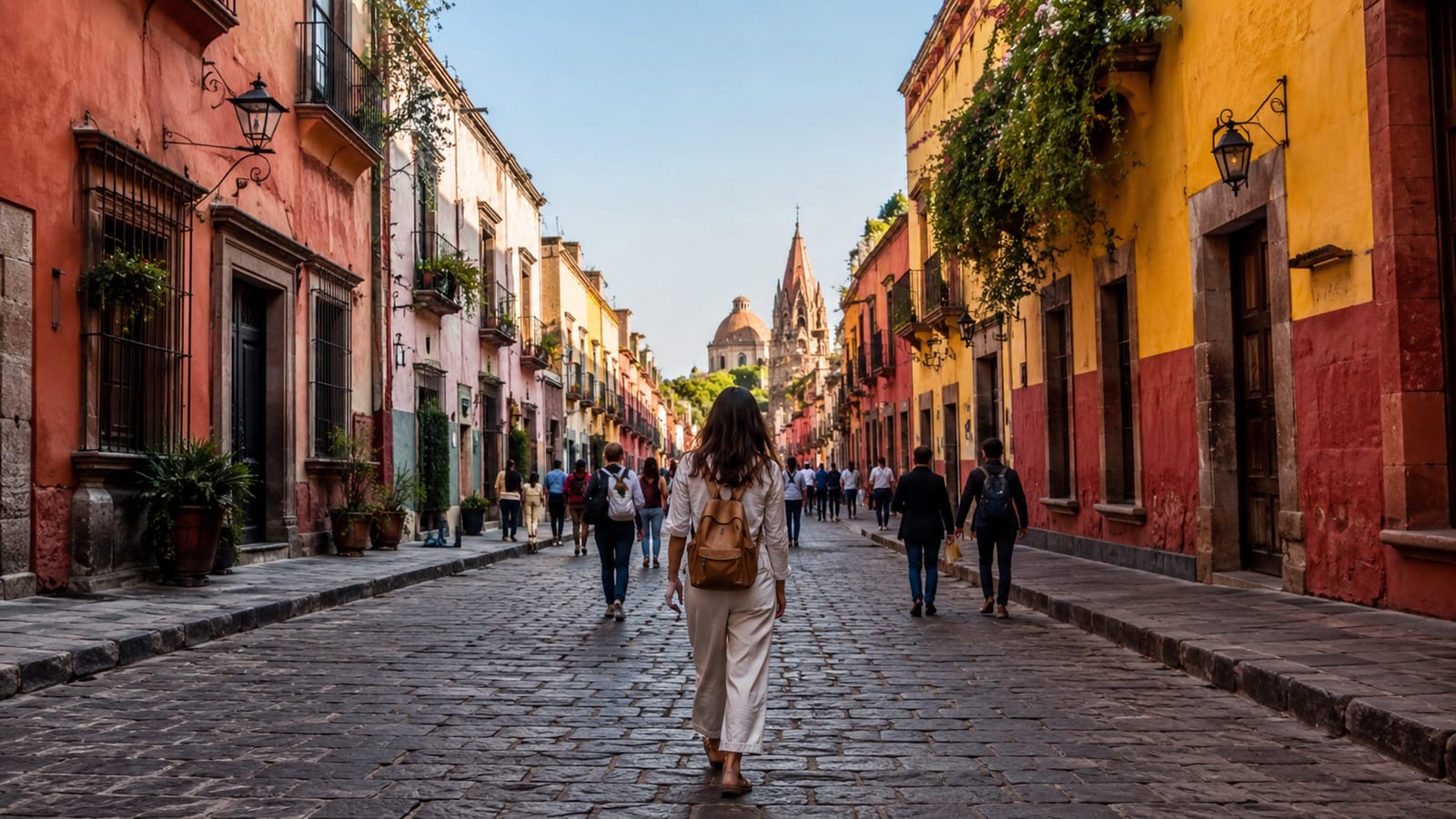
The streets around the fort give you the other half of the postcard. Pastel facades, iron balconies, blue-gray paving stones, and steep lines toward the water all work well in one frame.
Start near the upper streets and wander downhill. A low angle makes the cobblestones useful instead of turning them into empty foreground. However, watch for delivery vehicles and parked cars before settling on a composition.
Paseo de la Princesa is the easy waterfront choice
Paseo de la Princesa gives you palms, the old city wall, harbor light, and enough open space for a person to move naturally. Continue toward Raíces Fountain for water spray and broad sky.
This is the best easy stop if your group has had enough of steep streets. It also works at blue hour, when the waterfront light softens and the wall begins to glow.
El Paseo del Morro is the longer option beside the city walls. The trail runs 1.5 miles round trip, so carry water and leave enough daylight to walk back without rushing.
The cemetery view needs restraint
Santa María Magdalena de Pazzis Cemetery sits between the fortifications and the sea. From the El Morro side, its white graves form a striking pattern below the Atlantic horizon.
Shoot from the overlook rather than roaming among graves for staged portraits. This is an active burial place, not a set. Keep voices low and leave tripods out of anyone’s path.
Colorful streets and portraits
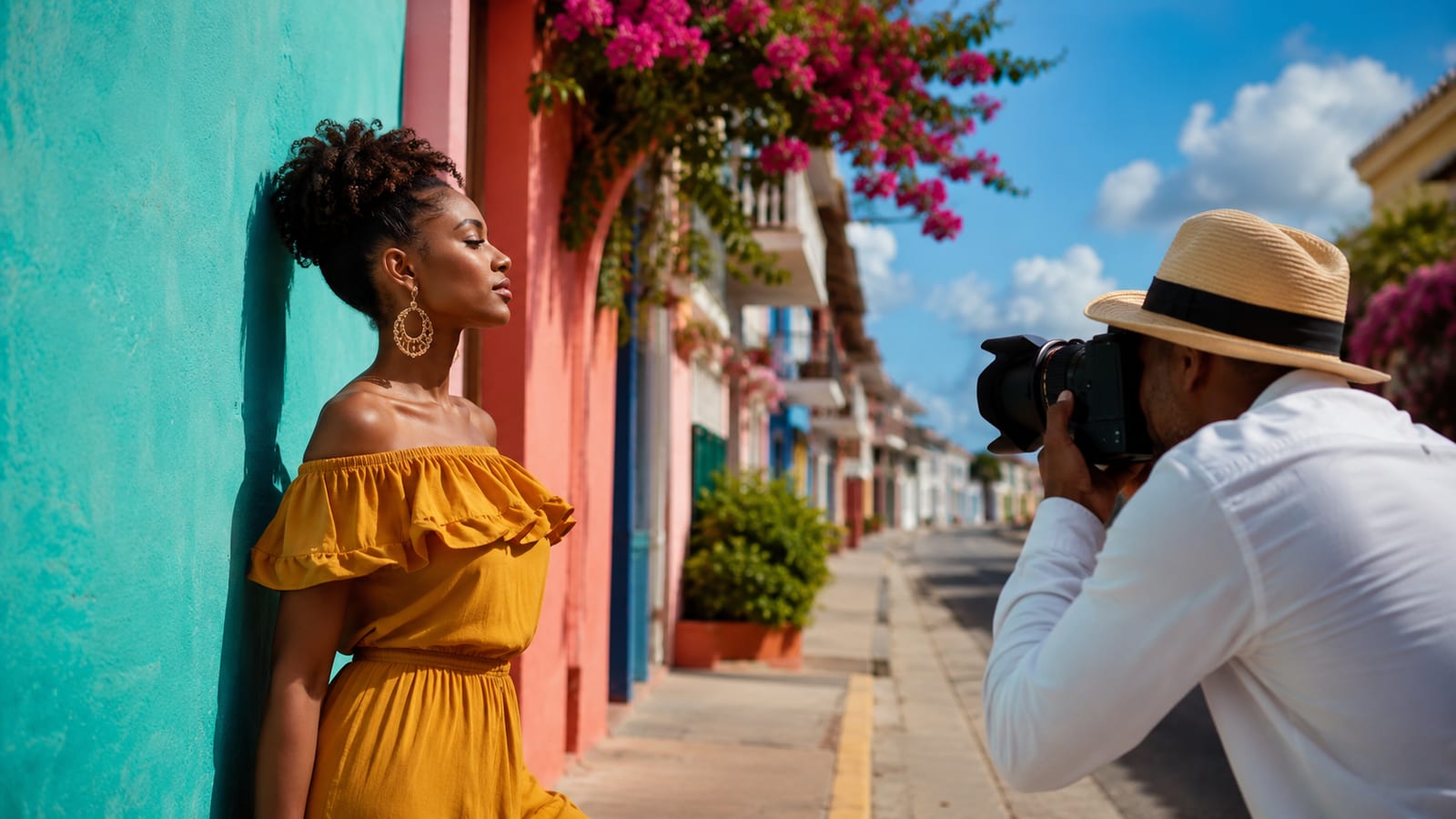
Old San Juan is the most dependable place for color because the streets give you more than painted walls. You also get balconies, worn doors, shop signs, stone corners, and people going about their morning.
Calle de la Cruz is a useful starting line, but don’t treat one named street as the prize. Turn onto the quieter side blocks, especially when the main route fills with tour groups. The cleaner frame is often one corner away.
The blue cobblestones work best when they lead somewhere. Crouch enough to include them, then aim toward a balcony, church front, or bright facade. If the street ends in parked cars and bins, turn around.
For portraits, I prefer open shade beside a doorway. Midday sun can leave one side of a face bright and the other nearly black. A shaded wall gives you steadier skin tones without making your subject squint.
Doors and balconies need context
A painted door can make a good close frame, but a whole card of doors gets dull quickly. Step back and include the balcony above, the street sign, or the slope of the block.
Also, remember that many of these buildings are homes. Don’t lean on doors, block entrances, or move chairs and plants to clean up a shot. If someone needs to pass, lower the camera and give them the street.
San Juan’s old fortifications and La Fortaleza were placed on the UNESCO World Heritage List in 1983. That label matters because the city still carries the physical shape of its colonial and military history. However, a heritage listing doesn’t turn the neighborhood into an empty museum.
The umbrella street falls short
Calle Fortaleza, often called Paseo de las Sombrillas, is worth a quick frame. It isn’t worth arranging your whole morning around.
The overhead display changes, so you may see umbrellas, flags, another installation, or limited access. Photos online often make the street look broader and emptier than it feels on a busy day. In practice, the narrow space can fill quickly.
Go early if it matters to you. Take one wide frame toward La Fortaleza, then turn around and photograph the surrounding facades and street life. That route gives you more than a ceiling of decorations.
I would pair Calle Fortaleza with Paseo de la Princesa and Raíces Fountain. They sit naturally in the same walking sequence, and the waterfront saves the morning if the installation is blocked or underwhelming.
Beyond Old San Juan
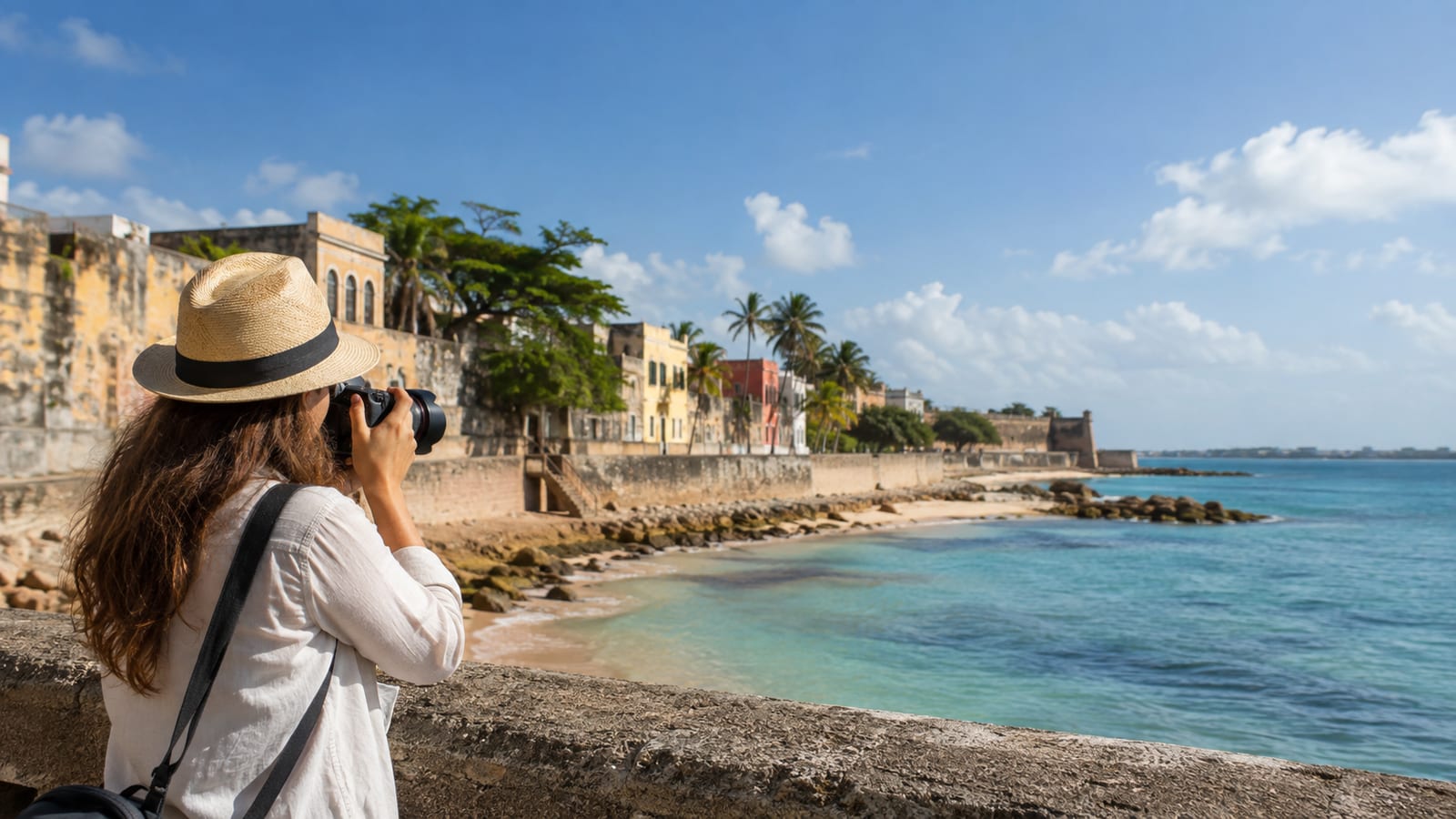
Puerta de la Bandera is the strongest stop when you want more than a colonial postcard. The black-and-white Puerto Rican flag on Calle San José carries political weight, so frame it with care rather than using it as a cheerful costume wall.
Stand back far enough to include the building and street. That shows the flag as part of San Juan, not just a graphic background. It’s worth the detour because it changes the tone of the whole photo set.
Santurce gives you bigger street art
Santurce works better than Old San Juan for large murals and contemporary street scenes. However, murals change, get painted over, and collect parked cars in front of them. A screenshot from an old guide is not a map.
Start with a small cluster of streets rather than trying to cover the entire district. Look for open pavement, clean side light, and room to step back safely. Meanwhile, keep doorways and business entrances clear.
Ask before placing a person against artwork outside an active shop or home. The wall may look public, but the space in front of it still belongs to someone’s day.
Piñones gives the day a different finish
Piñones is the pick for palms, wooden boardwalks, beach texture, roadside food, and a less polished coast. Old San Juan gives you neat lines and restored facades. Piñones gives you sand, salt, weathered wood, and movement.
Go late in the day when the light sits lower over the coast. However, don’t expect the tidy backgrounds you get around the forts. The useful detail here is the mix of beach, road, kiosks, and everyday life.
Piñones also needs transport planning because it isn’t part of an Old San Juan walking loop. If you have another free day, compare it with these day trips from San Juan before committing the afternoon.
For a quieter outdoor alternative closer to the city, these nature walks around San Juan give you more shade and fewer colonial backdrops.
When is the best time to photograph San Juan?
Early morning belongs to the streets. Late afternoon belongs to the forts and coast. Blue hour belongs to the waterfront.
Start Old San Juan before cafés, shops, and tour groups fully claim the pavements. The soft light makes pastel walls easier to expose, while empty intersections give you time to adjust without blocking anyone.
Move indoors or into shaded lanes as the sun climbs. Castillo San Cristóbal is useful then because its tunnels and arches break up the harsh light. The fort is open every day from 9:00 am to 5:00 pm, though you should check for closures before leaving.
Castillo San Cristóbal covers 27 acres and rises 150 ft high. That scale sounds impressive, but the better reason to visit is its variety. Ramps, tunnels, grass, rough walls, and ocean views sit close enough to photograph in one session.
Save El Morro’s exterior for late afternoon. Then move toward Paseo de la Princesa for blue hour rather than trying to photograph dark fort interiors after closing.
Rain can improve the streets
Rain darkens the cobblestones and brings out their blue cast. It also clears some streets, though the stones become slick.
Keep the camera covered and wait under an arcade or café awning. Once the shower passes, use reflections before the pavement dries. No rush. San Juan often looks better during the quiet stretch after rain than under a blank midday sky.
A one-day San Juan photo route
Start in the upper streets of Old San Juan while they are quiet. Work downhill through Calle de la Cruz and the side blocks, then stop at Puerta de la Bandera before Calle San José becomes busy.
Continue toward Calle Fortaleza. Take the overhead display if access is open, but don’t wait around for a perfect empty frame. Walk on to Paseo de la Princesa and Raíces Fountain.
By midday, grab a coffee or lunch and get out of the direct sun. This is the wrong part of the day to keep marching between bright walls. Use the break to clean the lens, check batteries, and decide which fort matters more.
Choose Castillo San Cristóbal if you want tunnels, arches, and fortress detail. Choose El Morro if you want the main Atlantic hero shot. Trying to inspect both forts closely can make the afternoon feel like work.
For the strongest finish, reach El Morro before the 5:00 pm closing time. Photograph the interior, then step outside for the lawn and ocean light. If you still have energy, return to the waterfront for blue hour.
This route avoids most backtracking:
- Old San Juan’s upper streets
- Puerta de la Bandera
- Calle Fortaleza
- Paseo de la Princesa and Raíces Fountain
- Lunch and shade
- One fort interior
- El Morro lawn or the waterfront in late light
Wear shoes that hold well on wet stone. The pretty cobbles stop being charming when your soles slide downhill.
Rules for forts and historic streets
Check live access details before you go. Posted admission information can change, and old travel pages don’t make useful ticket booths. The National Park Service page for San Juan National Historic Site is the place to confirm hours, fees, closures, and visitor conditions.
San Juan National Historic Site has listed a standard adult entrance fee of $5, while separate published listings for Castillo San Cristóbal have shown $10 for visitors 16 and older. Another Castillo San Cristóbal listing described $10 adult admission covering El Morro for two days. Those conflicting details are exactly why I wouldn’t plan around an old price.
A small handheld camera usually causes no fuss. However, a tripod can block a tunnel, stairway, or narrow pavement faster than you think. Ask a ranger before opening one inside a fort, and pack it away when foot traffic builds.
Commercial shoots may need approval, especially if you bring a crew, lights, props, or reserved space. Contact the site before the day rather than trying to explain the setup at the gate.
Drone rules are stricter than ordinary camera rules. National park land has separate restrictions, and federal airspace rules still apply outside park boundaries. Check the official Federal Aviation Administration guidance for drone pilots and the park’s current rules before launching.
At churches, cemeteries, homes, and memorials, keep the frame honest. Don’t pose on graves, photograph worshippers without asking, or block a resident’s doorway while arranging clothes and bags.
Better photos without getting in anyone’s way
Pick a corner, make the frame, and move. Old San Juan’s pavements are narrow, and a small photo session can stop a whole block when bags and tripods spread out.
For portraits, ask your subject to walk through the frame rather than stand in the middle of a doorway. Movement looks more natural, and you can clear the street quickly when a resident or delivery worker arrives.
Use the street’s lines before adding gear. Cobblestones can lead toward a fort. A balcony can frame a face. A shaded arch can hold detail in both the subject and the bright street behind them.
Also, ask before photographing vendors or performers at close range. If someone says no, thank them and lower the camera. A long lens isn’t permission to ignore the answer.
Keep your camera bag closed and against your body when you stop. You don’t need to treat San Juan like a threat. You just need to avoid leaving a phone, wallet, or lens loose on a bench while looking through the viewfinder.
I would skip casual photography inside La Perla unless you have a clear reason and local permission. People live there, and pointing a camera into homes from a distance isn’t respectful. The city gives you plenty of better places to work without making someone else uncomfortable.
What to pack for a San Juan photo day?
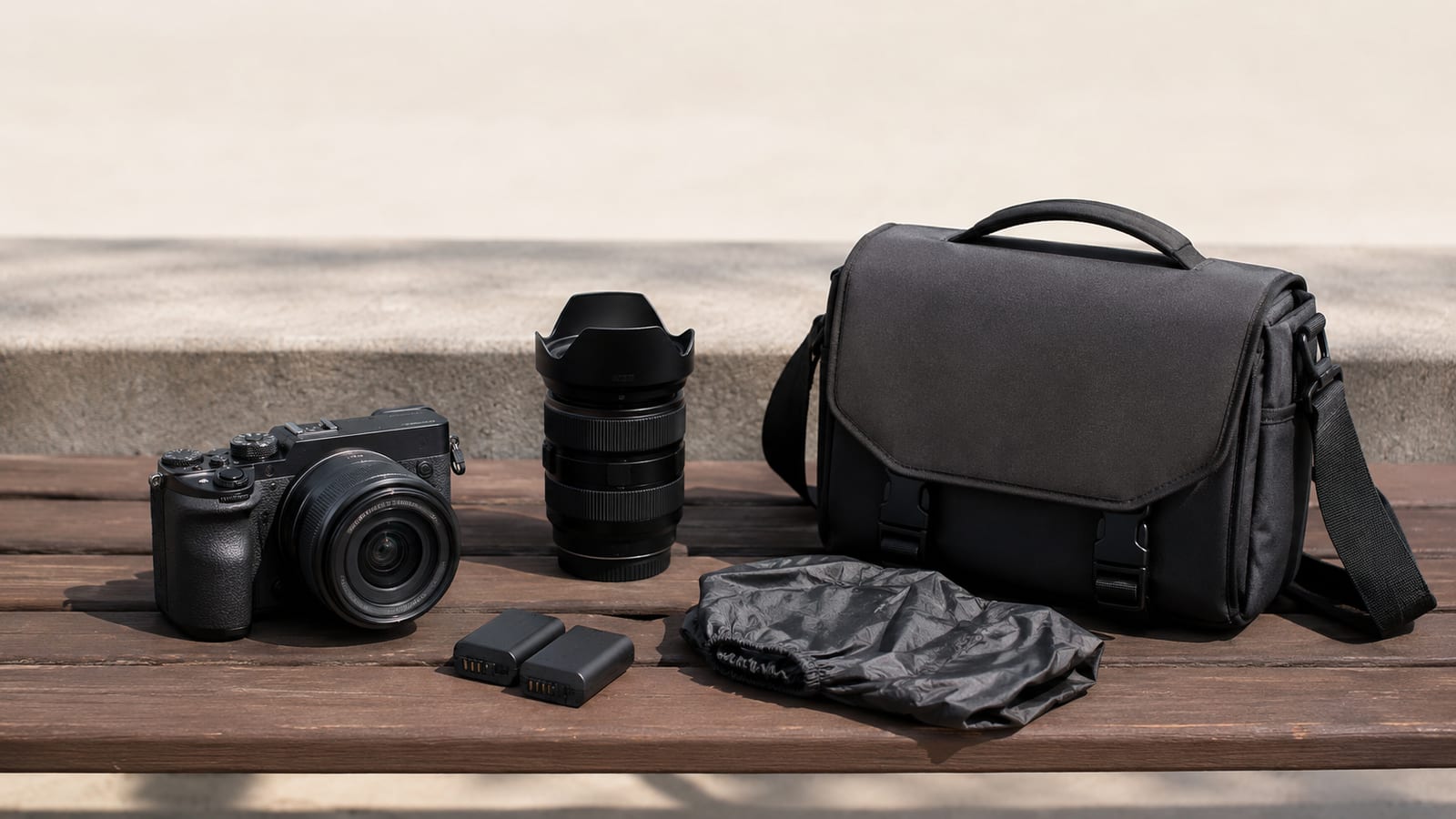
Carry less than you think. Heat, hills, and cobblestones make every spare lens feel heavier by late afternoon.
Here is what I pack:
- A phone or compact camera
- One wide lens for streets and forts
- A short telephoto lens if you use portraits
- A spare battery
- A lens cloth for mist and rain
- A simple rain cover
- Water
- Sunscreen and a hat
- Shoes with firm grip
- A small cloth for wiping wet benches or railings
A full tripod is useful for planned blue-hour work, but it’s awkward on crowded streets. A small support or steady railing will handle many evening frames with less trouble.
Keep the camera in your bag when moving between stops during rain. Humidity and sudden showers are easier to manage when you aren’t carrying an exposed body all day.
FAQ
Is a phone enough for photographing San Juan?
Yes, unless you’re planning large prints or serious night work. A phone handles the bright colors and broad fort views well, and it keeps you quick on crowded streets. Clean the lens before you start, then check the shadows before you press the shutter.
Are hotel rooftops good photo locations?
They can give you a higher view, but the best ones aren’t public by default. Ask at the front desk before heading up, and treat a purchase as part of the access rather than an afterthought. If the answer is no, skip the awkward negotiation and use the waterfront.
What should I wear for portraits in Old San Juan?
Plain colors keep the facades from competing with your subject. Wear shoes you can trust on slopes and uneven stone, then carry a light layer for church visits. A complicated outfit won’t help if you spend the session watching your feet.
Can I photograph festivals and street performances?
Yes, but stay at the edge and let the public scene remain public. For a close portrait, get a quick nod first, especially if the performer is working for tips. Keep your feet out of the performance space so the picture doesn’t become part of the problem.
How should I back up photos during the day?
Set the backup before leaving your room, not after the card is full. Use cloud storage on a trusted connection or copy files to a second device during lunch. Store that copy apart from your camera, so one lost bag doesn’t take both versions.