Mid-June through July is the best time to visit Alaska for most first trips. Roads, trails, cruises, and wildlife tours are broadly available, and long daylight leaves room for weather changes. Pick July for the widest access, and give a first trip 10 to 12 days. Choose September if lower prices matter more than warmth and a full tour schedule.
When is the best time to visit Alaska?
Go from mid-June through July if you want Alaska with the fewest compromises. Summer brings long days, active wildlife, open visitor services, and the broadest choice of cruises and guided trips.
July is the single best month for an Alaska cruise, and it's my pick for a first land trip too. You get reliable access, strong salmon runs, busy wildlife, and enough daylight to move an outdoor plan when rain settles over the coast. The downside is simple: July also brings peak demand, fuller ships, and higher accommodation costs.
June is close behind. It suits hiking, wildflowers, and travelers who care about daylight more than salmon activity. Meanwhile, the first part of the month can feel calmer than July, though some high trails may still hold snow.
September is the value pick. Prices soften, crowds thin, leaves turn, and dark nights return. However, some tours stop running, transportation becomes less frequent, and cold rain can turn into early snow inland.
My quick picks by month
- July: Take it for wildlife, cruises, broad access, and a first visit.
- June: Choose it for long daylight, hiking, wildflowers, and lighter crowds.
- September: Pick it for lower prices, fall color, and a chance of northern lights.
- Late May to early June: Consider it only if partial access will not spoil the trip.
A first trip of 10 to 12 days fits a route through Denali National Park, Seward, and Homer. The extra days give weather and driving time somewhere to go instead of forcing you to cut the main reason you came.
For most people, the best time to visit Alaska comes down to how much uncertainty they can tolerate. July costs more, but it removes several avoidable problems from a complicated trip.
How do Alaska’s seasons compare?
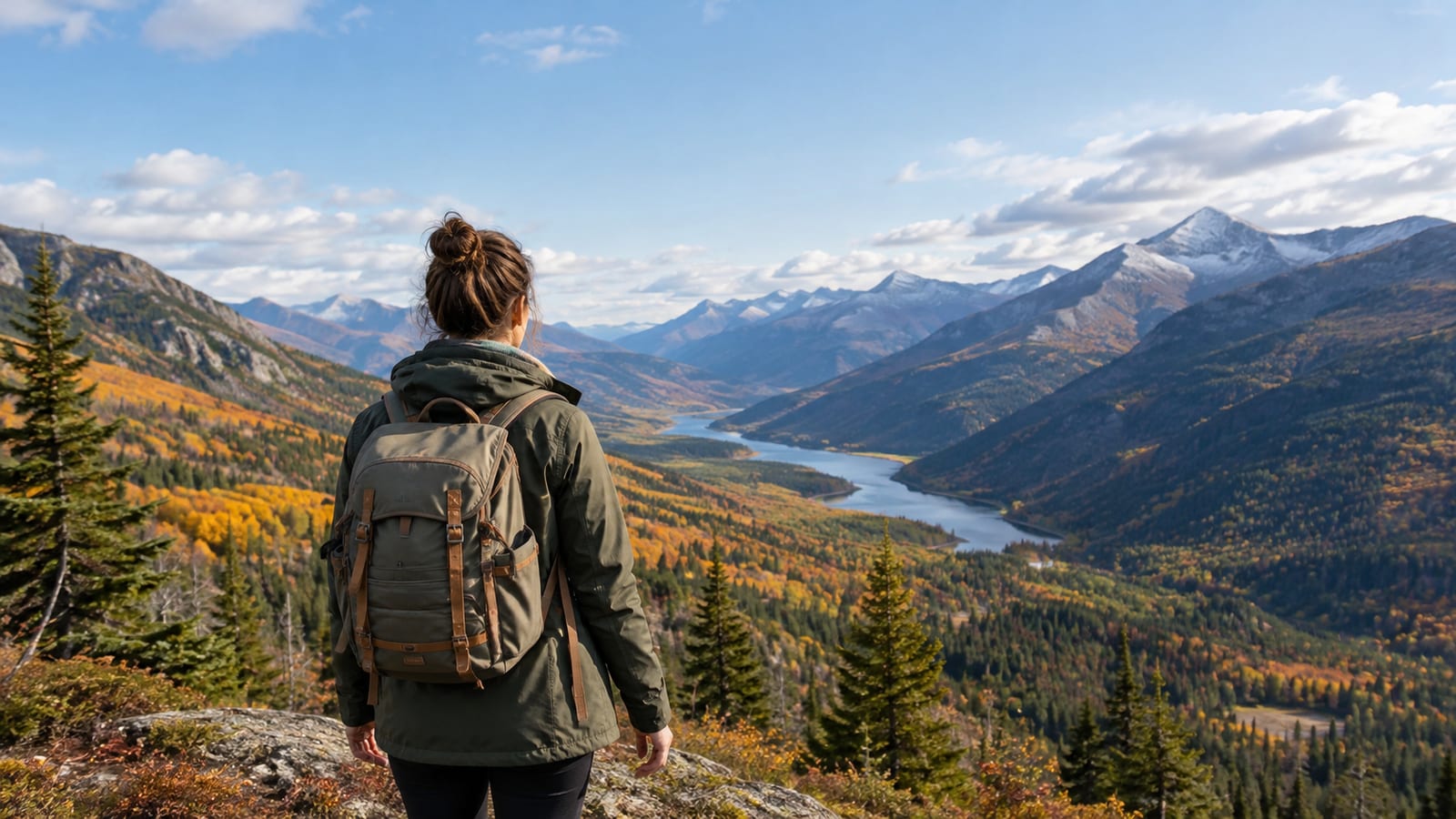
Alaska does not ease neatly from one season into another. Spring can mean bare pavement in Anchorage and snow on a trail farther north. Summer can still bring cold rain on a boat deck.
| Season | Conditions | Best reasons to go | The catch | My verdict |
|---|---|---|---|---|
| Spring | Melting snow, mud, cool days, lingering winter conditions | Lower prices, quiet towns, spring scenery | Trails and seasonal tours may not be ready | Worth it from late May if your plans are flexible |
| Summer | Long daylight, milder temperatures, rain along the coast | Wildlife, hiking, cruises, fishing, broad access | Peak prices, insects, busy transport | The safest choice for a first trip |
| Fall | Cooler days, fall color, darker nights | Better value, fewer visitors, possible aurora viewing | Services close quickly and weather turns less predictable | September is worth it with a backup plan |
| Winter | Cold, snow, and long darkness | Northern lights, winter sports, indoor cultural events | Limited road trips and fewer visitor services | Go for winter itself, not as a cheaper summer substitute |
Summer wins because Alaska travel depends heavily on access. A closed trail, reduced ferry, or cancelled boat trip matters more here than it does on a city break.
Winter is a separate kind of trip. If your main goal is the northern lights or snow, it makes sense. If you want Denali buses, glacier cruises, hiking, and coastal wildlife in one itinerary, wait for summer.
The best Alaska travel months at a glance
The useful travel year runs wider than July, but every month collects payment somewhere. I would not book based on price alone. A cheap room does not help much if the boat or park service you came for has stopped running.
What does each month offer?
| Month | Weather and daylight | Wildlife and access | Crowds and cost | Verdict |
|---|---|---|---|---|
| January | Deep winter, short days, severe cold possible | Winter activities and aurora travel | Quiet, but services are limited | Skip for a first general sightseeing trip |
| February | Cold and snowy, with gradually returning light | Winter scenery and cultural events | Low visitor demand outside event periods | Good for a focused winter trip |
| March | Still winter, but with more usable daylight | Snow activities and aurora opportunities | Quiet compared with summer | One of the better winter choices |
| April | Breakup season begins in many areas | Wildlife starts becoming more active | Low demand, but messy ground conditions | Usually an awkward sightseeing month |
| May | Rapidly increasing daylight, cool weather | Roads and tours begin reopening | Better prices and thinner crowds | Late May is worth considering |
| June | Very long days, wildflowers, mixed rain and sun | Strong hiking access and active wildlife | Busier as the month continues | Best for daylight and walking |
| July | Mildest general conditions, though rain still happens | Widest tour choice, salmon activity, cruises, hiking | Peak demand and higher prices | Top cruise month and my first-trip pick |
| August | Shortening days and wetter spells | Salmon, bears, whales, and broad access | Busy early, softer later | Strong for wildlife, weaker for dry weather |
| September | Cool, darker, and increasingly unsettled | Fall color and possible northern lights | Lower prices and fewer visitors | Best value |
| October | Early winter conditions can arrive | Limited seasonal tours | Quiet, with many closures | Skip unless you have a specific plan |
| November | Cold and dark | Aurora and winter scenery | Few general sightseeing options | Better for winter travelers |
| December | Deep winter and little daylight | Snow activities and northern lights | Holiday travel can affect availability | Atmospheric, but restrictive |
July is the cleanest answer. June and September become better choices only when their particular strengths match your trip.
Alaska weather and daylight by month
May starts the transition into the main travel season. Snow can linger on higher ground, while thawing trails turn wet and soft. By late May, major visitor areas begin to feel usable, but you still need to check each park, road, and boat service.
June brings the year’s longest daylight. That extra light changes how you travel. You can take a slow morning, wait out rain, and still have time for a walk after dinner.
July usually gives you the easiest combination of temperature and access. Still, summer in Alaska does not mean dry weather or warm evenings. Coastal wind can make a mild day feel cold, especially on glacier and whale-watching boats.
August remains a strong wildlife month, but rain becomes a bigger part of the calculation. Days also shorten enough that you notice evening returning. For some travelers, that feels more natural after June’s near-endless light.
September moves quickly toward fall. Cool rain, early snow inland, and sudden service closures are all possible. However, darker skies create a real chance of seeing the northern lights if clouds stay away.
Alaska is too large for one forecast to mean much. Check conditions for each stop, then check again before a long drive or boat trip.
The best months for wildlife viewing
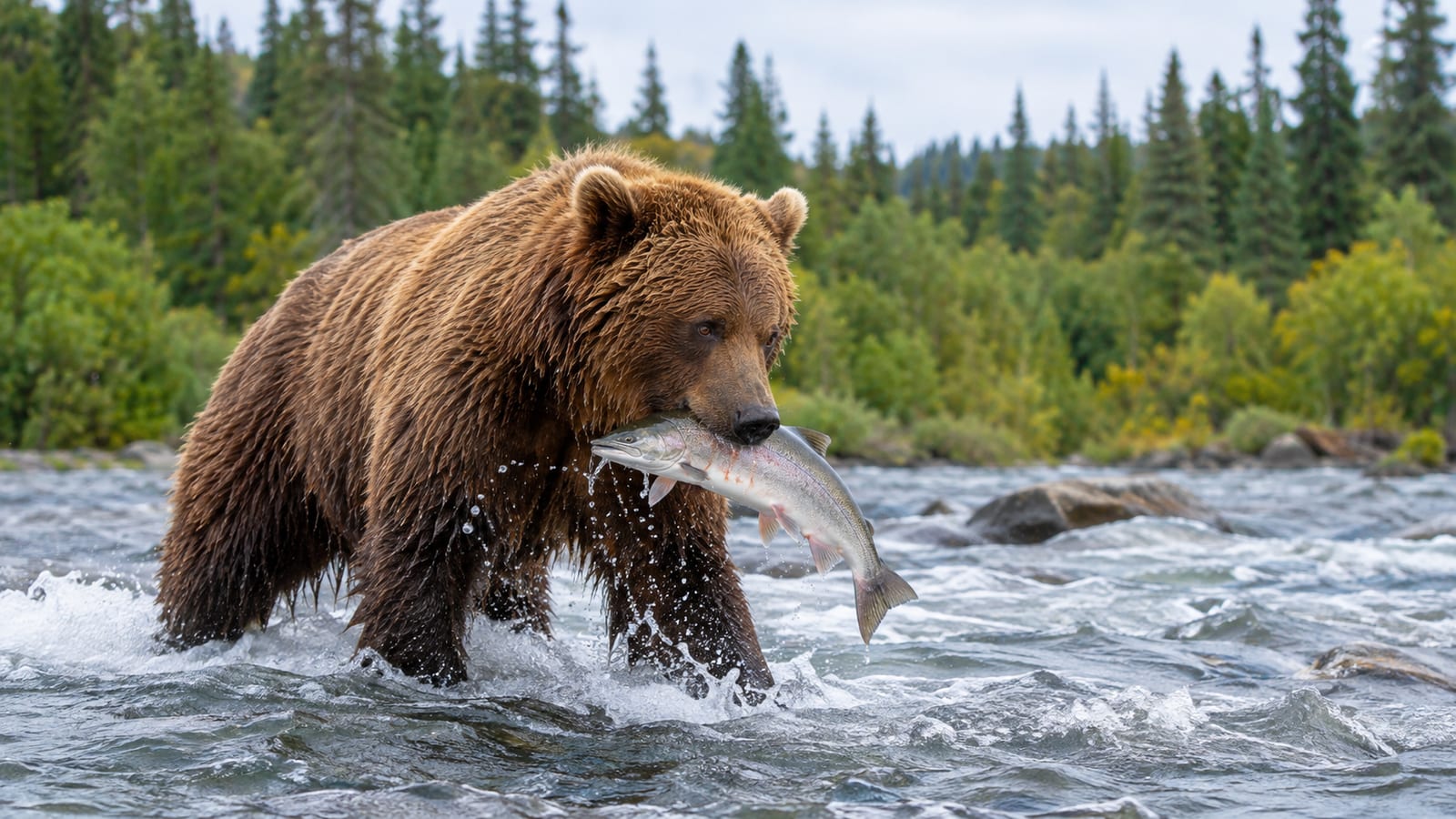
June through August gives you the broadest mix of wildlife. Moose, caribou, eagles, marine mammals, and bears are active, while tour access is at its strongest.
July is my wildlife pick because several patterns overlap. Salmon begin drawing bears toward rivers, whales feed in coastal waters, and long daylight gives wildlife tours more usable hours.
However, no month guarantees a sighting. Wild animals do not keep tour schedules, and fog can hide a whale just as easily as a mountain. Book wildlife trips early in your stay so you have room to reschedule after bad weather.
The route matters too. A trip combining Denali National Park & Preserve, Seward, and Homer gives you a better spread of land and marine wildlife than staying in one city. It also leaves room for hiking and a glacier cruise without turning every morning into a checkout line.
Bear viewing follows salmon, not the calendar alone
The strongest bear-viewing period usually follows salmon returning to rivers during midsummer and early fall. July and August are the safest months to build a bear-focused trip around, though the exact timing changes by river, salmon species, and season.
Spring bear viewing can also be worthwhile in coastal areas. Bears emerge hungry and feed on early vegetation and food exposed along shorelines. However, that is a different scene from watching bears gather near a salmon stream.
Do not book a bear trip just because a page says “peak season.” Ask which salmon run supports the viewing area and whether recent conditions have shifted the timing. That one question tells you more than a glossy wildlife photo.
Keep food rules boring and exact in bear country. Follow local storage instructions, give animals space, and never move closer for a photograph. The Alaska Department of Fish and Game wildlife guidance is the right place to check current advice.
Whale watching peaks in summer
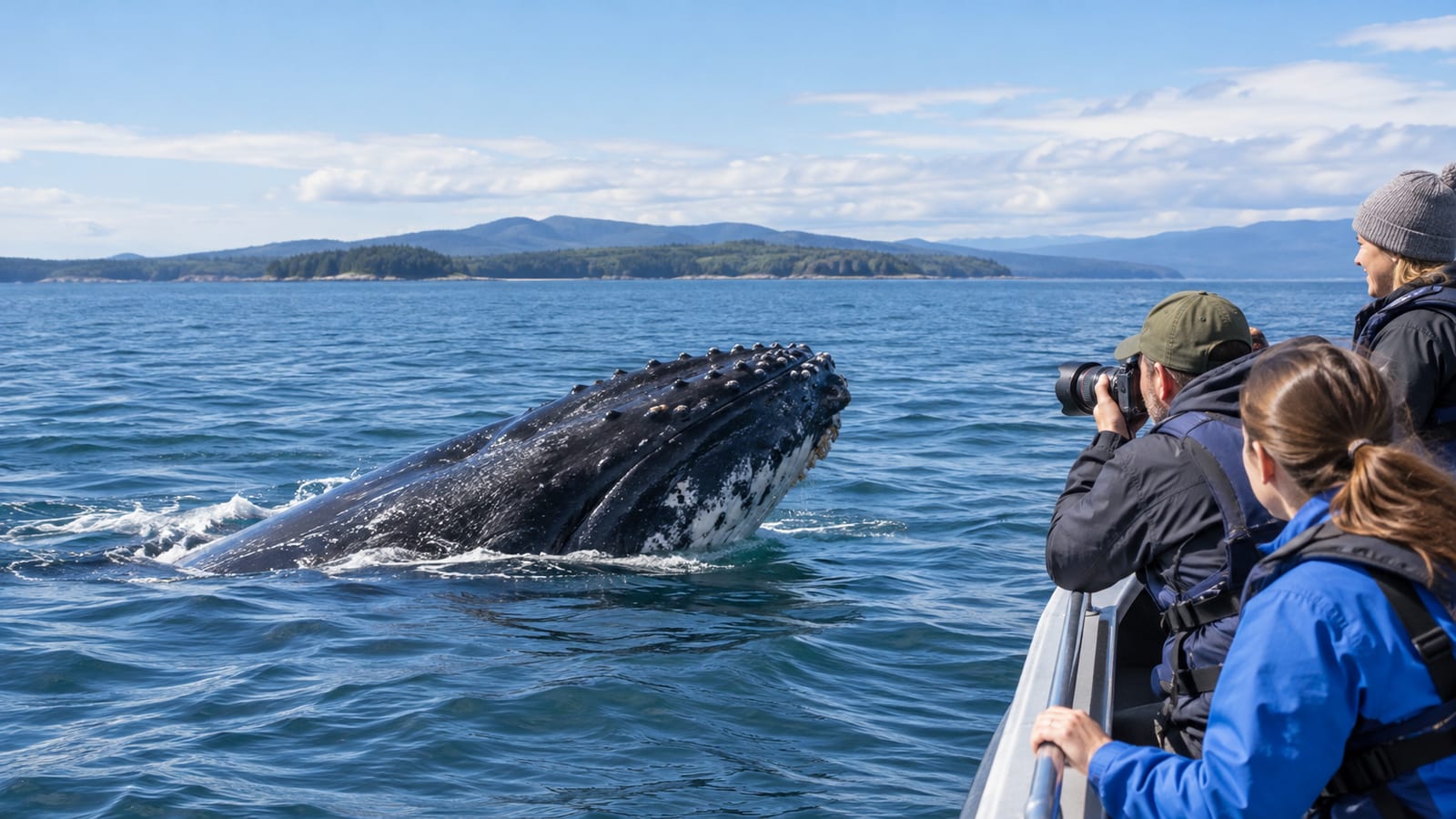
Late spring through summer is the strongest general window for whale watching. Humpbacks return to feed, and coastal boat tours run their fullest schedules.
Southeast Alaska fits naturally into a cruise itinerary. Juneau is a common base for glacier and marine trips, while long summer days leave room for an excursion without swallowing the whole port visit.
Southcentral Alaska suits travelers building a road trip. Seward is the practical base for Kenai Fjords National Park, where boat trips combine whales, seabirds, glaciers, and other marine wildlife.
June and July are the safest choices for a first whale trip. August remains worthwhile, though rough water and rain can affect comfort. If seasickness is an issue, take the earliest suitable departure and bring the medication you already know works for you.
The Alaska cruise season favors summer
Alaska cruises generally run from late spring into early fall. July gives you the best balance of route access, long daylight, wildlife activity, and shore excursion choice.
June is better if you want bright evenings and slightly less peak-season pressure. Meanwhile, late May can cost less, but cool weather and lingering snow may limit some inland add-ons.
August is strong for wildlife and salmon activity. However, wetter weather can hide mountain views and make outdoor decks less inviting. A rain jacket earns its space in your bag.
September cruises appeal on price and thinner crowds. They also carry the greatest weather risk within the main cruise season. Some shore businesses and tours begin closing, so check every important excursion before paying for the sailing.
July remains the safest all-around choice. It will not be quiet or cheap, but most of Alaska’s visitor system is working at full reach.
Shoulder season brings lower prices and thinner crowds
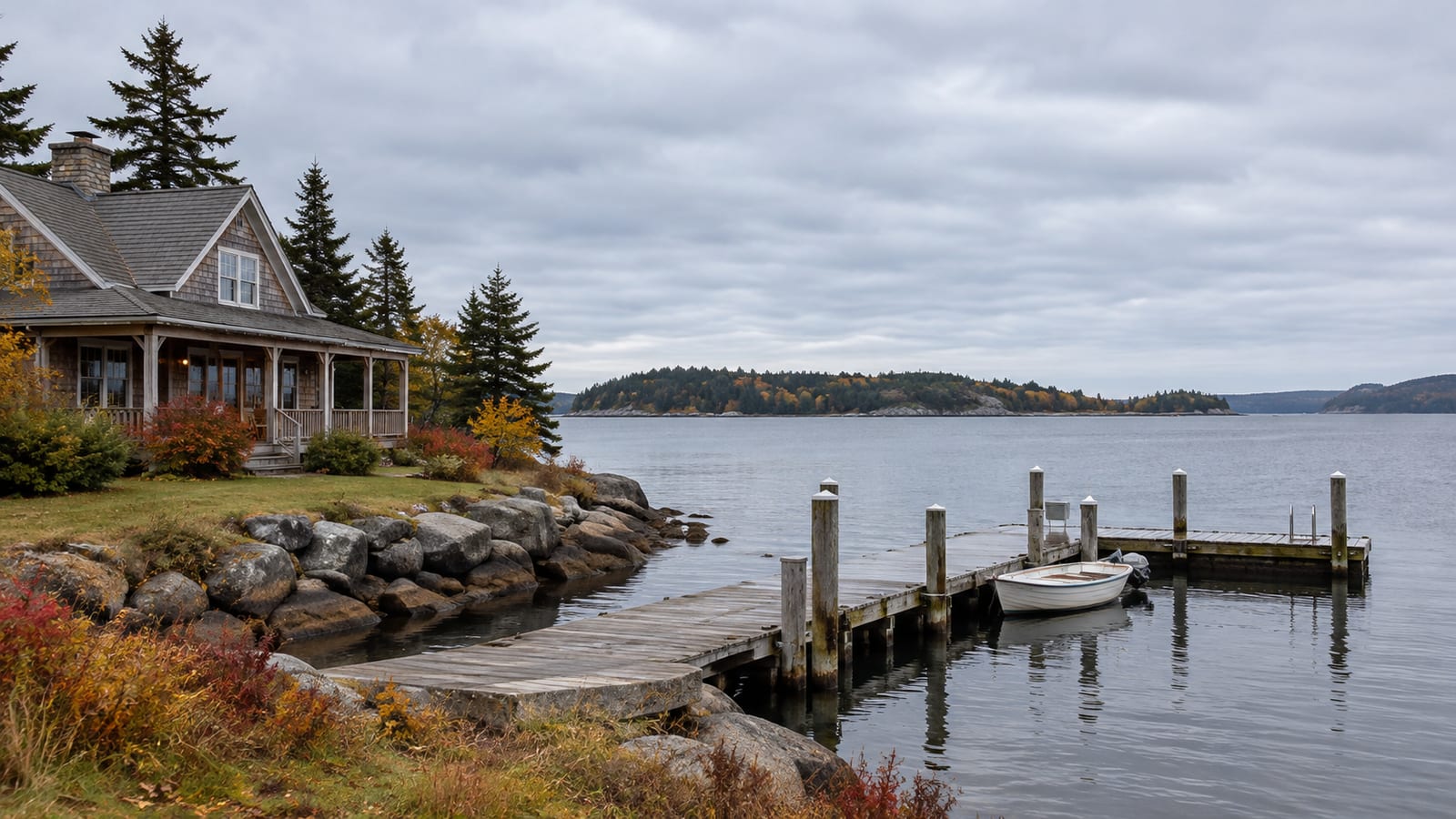
Late May to early June is the better shoulder-season gamble. Daylight is already generous, spring scenery still looks fresh, and visitor demand has not reached its summer peak.
The weakness is incomplete access. Some trails remain wet or snow-covered, seasonal tours may be ramping up, and northern routes can open later than city services. Build the trip around places that are operating, then treat any early-opening trail as a bonus.
September offers more established access at the start of the month. It also brings fall color, lower prices, and darker skies. As the month goes on, transport and tour options shrink.
For hiking, I would wait until mid- or late June; for value, I would choose September. If weather is the main concern, July is still worth the extra cost.
The same daylight-versus-winter trade-off appears in planning a trip to Iceland, though Alaska adds a harder access problem. Here, a seasonal closure can remove an entire leg of the route.
Which month fits your Alaska trip?
Choose July if you are building one broad first trip. It gives you the widest menu, from park buses and day hikes to wildlife boats and cruise departures.
Choose June if walking matters most. Trails become more usable as the month moves on, wildflowers appear, and the long light takes pressure off the day. For another look at planning mountain travel around seasonal access, see this guide to the best time to visit the Alps.
Choose July or August for a wildlife-heavy trip. Salmon runs improve bear-viewing chances, while coastal waters remain active with whales and seabirds.
Choose late spring or September if budget comes first. You may save on rooms and cruises, but leave room for cancellations and reduced schedules. The savings are real only if the trip you want is still operating.
Choose winter for the northern lights. Dark skies help, but clouds can still ruin the night. Give yourself several nights rather than building the entire trip around one forecast.
For fishing, match the month to the fishery and exact river. “Summer fishing” is too broad to plan around. Run timing changes, so confirm local conditions before booking transport or lodging.
What should you pack for Alaska’s changeable weather?
Pack layers that work together. A heavy coat alone is clumsy when the morning is cold, the afternoon warms up, and the boat deck turns windy again.
Bring:
- A waterproof jacket with a hood
- A warm mid-layer
- Quick-drying trousers
- Broken-in waterproof shoes
- A warm hat and light gloves
- Sunglasses and sun protection
- Insect repellent
- A small dry bag for electronics
- A refillable water bottle
- Any motion-sickness medicine you already trust
Cotton becomes uncomfortable once it gets wet. Synthetic fabric or wool dries faster and works better across changing temperatures.
Keep one warm layer and your rain shell in your day bag. Do not bury them in checked luggage or at the bottom of a suitcase on a tour bus.
Before leaving home, wear the full combination outside in rain. That simple test catches the jacket that leaks at the zip and the shoes that were waterproof only in the shop.
FAQ
How many days do you need in Alaska?
Give a first trip 10 to 12 days if you want Denali, Seward, Kenai Fjords, and Homer. With fewer days, stay closer to one base: Anchorage, Seward, and a Kenai Fjords boat trip make a sensible shorter trip, with Denali saved for a return visit. Rush the full route, and it starts to feel like a tour of car parks and check-in desks.
Do I need a car in Alaska?
For a broad independent trip, a car is worth it. You can manage parts of Anchorage, cruise ports, and some guided routes without one, but accommodation and tour departures are often spread out.
The Denali park entrance sits 240 miles north of Anchorage and 120 miles south of Fairbanks on the Parks Highway. Treat that as a proper travel day, because squeezing it in as a quick side trip makes for a poor plan.
Can I drive through Denali National Park?
Only on the sections open to private vehicles. Access is restricted on much of Denali Park Road, and summer buses handle deeper travel into the park.
The road extends 92 miles, though closures can change how far buses operate. Check the park’s official conditions before building your day around a particular stop.
Will I definitely see Denali in summer?
No. Denali is the highest peak in North America, but cloud often hides it for long stretches. Give yourself more than one viewing opportunity, and do not plan the day as though a clear mountain comes with the booking.
Will my phone work everywhere?
Assume service will drop between towns, inside parks, and along remote roads. Download maps, save booking details offline, and carry the day’s route on paper. Do that first; specialist gear can wait.