
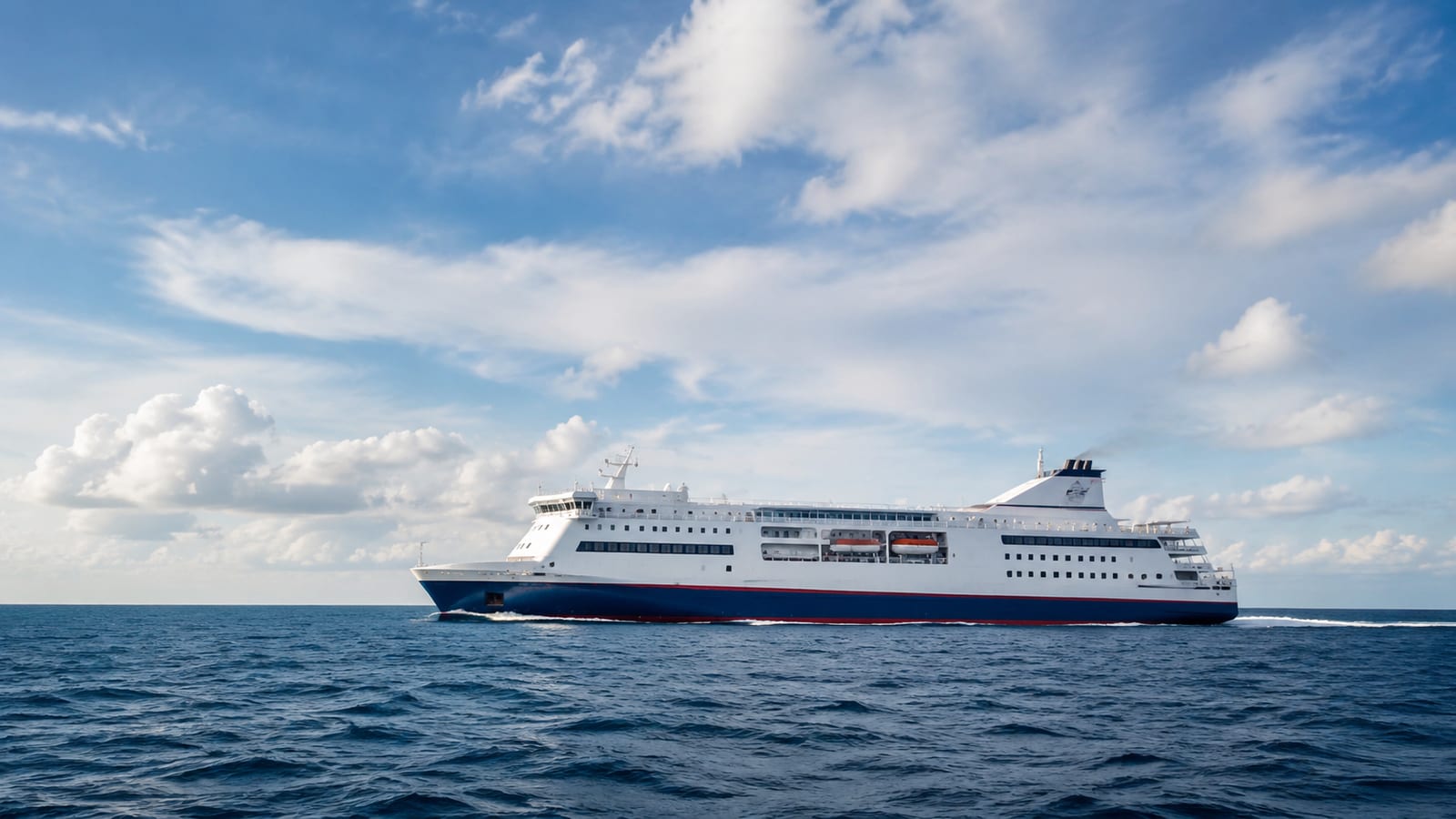
The Interislander takes around three and a half hours from Wellington to Picton, or the same in reverse, for the ferry crossing itself. Add check-in, vehicle loading, getting off, and possible weather delays. If you’re driving onward from Picton or Wellington, plan for a wider travel day than the ticket time suggests.
Last updated: 2026-08-26
That is the practical answer to how long the Interislander takes. It’s the ferry across Cook Strait, run by KiwiRail, linking Wellington at the bottom of the North Island with Picton at the top of the South. This Wellington to Picton guide covers the timing, the fares, and the small mistakes that make people miss the boat.
How long does the Interislander ferry take?
The Interislander sailing takes around three and a half hours between Wellington and Picton. That’s the time from leaving one terminal to reaching the other. It doesn’t include your trip to the terminal, check-in, vehicle loading, or the wait to drive off at the other end.
The middle part of the crossing is open water, where the swell lives. It can be flat grey chop and wind rather than the postcard. Then the ferry reaches the Marlborough Sounds and slows into quiet cruising past green hills and still water.
Check-in closes before departure, and vehicles take time to load in order. So plan for half a day around the sailing, including the time before and after the crossing. If you’re driving after Picton, leave room for delays and daylight changes.
The sailing time is 3.5 hours. That’s the complete answer for the crossing itself.
Wellington to Picton is the main sailing
The southbound sailing from Wellington to Picton takes about three and a half hours. Wellington is at the southern end of the North Island, while Picton sits in the Marlborough Sounds at the top of the South Island.
The best scenery comes toward the end of the trip. Once the ferry enters the Sounds, the water feels calmer and the hills close in around the route. On a clear afternoon, sit outside for that stretch. The open-water middle is less interesting and can be rough.
You still need to count the time before and after sailing. Drivers must arrive early for vehicle check-in and loading. Foot passengers have fewer moving parts, but they still need to reach the terminal before boarding closes.
If you’re heading toward Blenheim, Kaikoura, or the West Coast, Picton is only the start of that journey. Book your onward transport before you sail. Picton is small, and a quiet afternoon doesn’t offer many last-minute choices.
Picton to Wellington follows the same schedule
The northbound sailing from Picton to Wellington also takes around three and a half hours. The route is the same, but the trip can feel different depending on the wind and sea conditions.
Leaving Picton takes you through the Marlborough Sounds first. That is the scenic part, with green hills, narrow water, and small bays tucked away from the open sea. After that, the ferry heads across Cook Strait toward Wellington Harbour.
I’d choose the sailing time based on what happens after you land. If you have a long drive from Wellington, don’t book the last possible sailing just to save waiting around. A delay can turn a sensible connection into a late arrival with nowhere open near your destination.
The Interislander has connected New Zealand across Cook Strait for over 60 years. It remains the practical link between the two islands for people, cars, freight, and rail.
The crossing covers a long stretch of open water
The Interislander Cook Strait crossing covers around 96 kilometers, or 52 nautical miles. The route is also commonly described as 50 nautical miles, or 93 kilometers, because the exact figure depends on how the sailing route is measured.
That distance describes the ferry route, separate from your full trip between city centers. You still have the road or rail journey to Wellington’s terminal, the crossing itself, and the onward journey from Picton.
The Wellington terminal is at Kaiwharawhara, between the central city and State Highway 1, five minutes from the heart of the city. Picton’s terminal sits close to the town, but your final destination may be much farther south.
This is why the phrase “three-and-a-half-hour ferry” can give you the wrong picture. The boat takes that long. Your travel day takes longer.
Speed matters less than the timetable
The Interislander’s timetable depends on more than top speed. It includes the route through the Sounds, open-water conditions, port movements, loading, and unloading.
The fast ferry service The Lynx reached 37-knot speeds. That gives you useful context, but it doesn’t turn the regular crossing into a short trip. A ferry can travel quickly in open water and still need several hours for the full route.
Weather also changes the practical speed. The captain may slow the vessel in rough conditions or adjust the route for safety. A calm sailing can feel smooth and steady, while a windy one can make the same distance feel much longer.
Don’t choose your onward connection based on the ferry’s fastest possible speed. Use the scheduled sailing time and keep a buffer.
What should you know about the New Zealand ferry crossing?
The Interislander is a road and rail ferry service across Cook Strait between Wellington and Picton. Two roll-on roll-off vessels operate the route, carrying vehicles and passengers between the islands.
A roll-on roll-off ferry lets cars, campervans, trucks, and other vehicles drive onto the ship. You park below deck, then go upstairs for the crossing. Foot passengers board separately and spend the trip in the passenger areas.
The route is part of New Zealand’s main north-south travel link. If you’re driving from Auckland toward the South Island, or moving the other way from Christchurch toward Wellington, this is the section that joins the road trip together.
The views make the trip memorable, but they aren’t guaranteed. The Sounds can disappear into rain, cloud, or low light. You may see dolphins. You may see nothing but chop. Treat wildlife as a bonus, separate from the timetable.
The official KiwiRail Interislander information is the place to check sailing details before you leave. Schedules and operating plans can change.
Vehicle and foot passenger options

Book a vehicle space when you book your sailing. Your ticket needs to match the vehicle you’re bringing, including a car, campervan, or other road vehicle.
At the terminal, follow the signs for vehicle check-in. Staff direct you into lanes, then vehicles load in an order that keeps the ship moving. Once parked, take what you need with you because you may not be able to return to the vehicle during the crossing.
A standard campervan fare sits around NZ$220, while a normal-season adult foot passenger fare runs about NZD $75. Peak travel dates and holidays cost more, so check the fare for your own sailing instead of treating these figures as a promise.
| Ticket type | Rough cost | Suits |
|---|---|---|
| Adult foot passenger | Around NZD $75 | Bus and rail trips |
| Car or campervan | Around NZ$220 | Road trips and longer island routes |
Bring the car if the South Island is a driving trip through Kaikoura, the wine country, the West Coast, or Queenstown. Walk on if you’re using buses, trains, and your own feet. The car gives you freedom after Picton, but it also adds cost, check-in time, and another thing to manage.
If you’re still deciding, read my guide to travelling New Zealand without a car. Plenty of people find the bus-and-ferry combination calmer than moving a rental vehicle between islands.
Check-in and terminal timing
Arrive at the Wellington terminal at least an hour before departure, and earlier if you’re bringing a vehicle. Vehicle loading takes longer than walking onto the ship, and the check-in window is there for a reason.
The Picton vehicle check-in closes 60 minutes before departure. Treat the Wellington side with the same respect, even if traffic looks light when you check the map.
The three things that go wrong are always the same. People turn up at departure time instead of check-in time. They underestimate the drive to the terminal. Then they book the last sailing, hit a delay, and reach Picton with nothing open for dinner.
Book your sailing well ahead, especially for a vehicle in summer. Check the forecast the day before. Leave early enough that a slow patch of Wellington traffic doesn’t decide your whole day.
Getting to the Wellington terminal
The Wellington terminal is close to the central city, but it isn’t at Wellington Station. The terminal shuttle connects Wellington Station with the ferry terminal, so it’s the useful option for foot passengers arriving by train or bus.
Allow time to get off your train, collect your bags, find the shuttle, and check in. Don’t step onto the platform at Wellington Station expecting to walk straight onto the ferry. The transfer is short, but bags and traffic slow things down.
Drivers should follow the terminal signs and allow extra time around State Highway 1. If you’re coming from central Wellington, the terminal is only five minutes from the heart of the city in normal conditions, but normal conditions are not guaranteed during busy travel periods.
Check the KiwiRail travel information for the current shuttle arrangements before you leave. Timings can change around sailing schedules and terminal operations.
Nelson connections need their own buffer
There is no direct Nelson-to-Wellington ferry. The ferry part of the journey runs between Picton and Wellington, so Nelson travellers first need to reach Picton by bus, car, or another onward connection.
The bus and ferry journey sections each take 2.5–3 hours, including a three-hour layover in Picton. The Interislander sailing itself takes 3.5 hours. Your full Nelson-to-Wellington day therefore depends on the connection between Nelson and Picton, plus the sailing you choose.
There is no direct Wellington-to-Nelson ferry either. You sail from Wellington to Picton, then travel onward to Nelson by road.
The Interislander sailing time is 3.5 hours. The Picton-to-Nelson leg adds another part to the day, so leave a proper gap between the ferry arrival and your bus or ride south.
The ferry is the useful link if you’re carrying a car, pet, or extra luggage. Interislander and the other Wellington-Picton ferry service allow vehicles, pets, and additional luggage, but the rules and available spaces depend on your booking.
For a car-free trip, book the Picton-to-Nelson connection before boarding in Wellington. You’ll have better choices and less stress when you step off the ship.
If you’re travelling without a car, the slow routes and hostels in New Zealand can help you build the rest of the journey without rushing every connection.
How do weather and Cook Strait conditions affect the crossing?
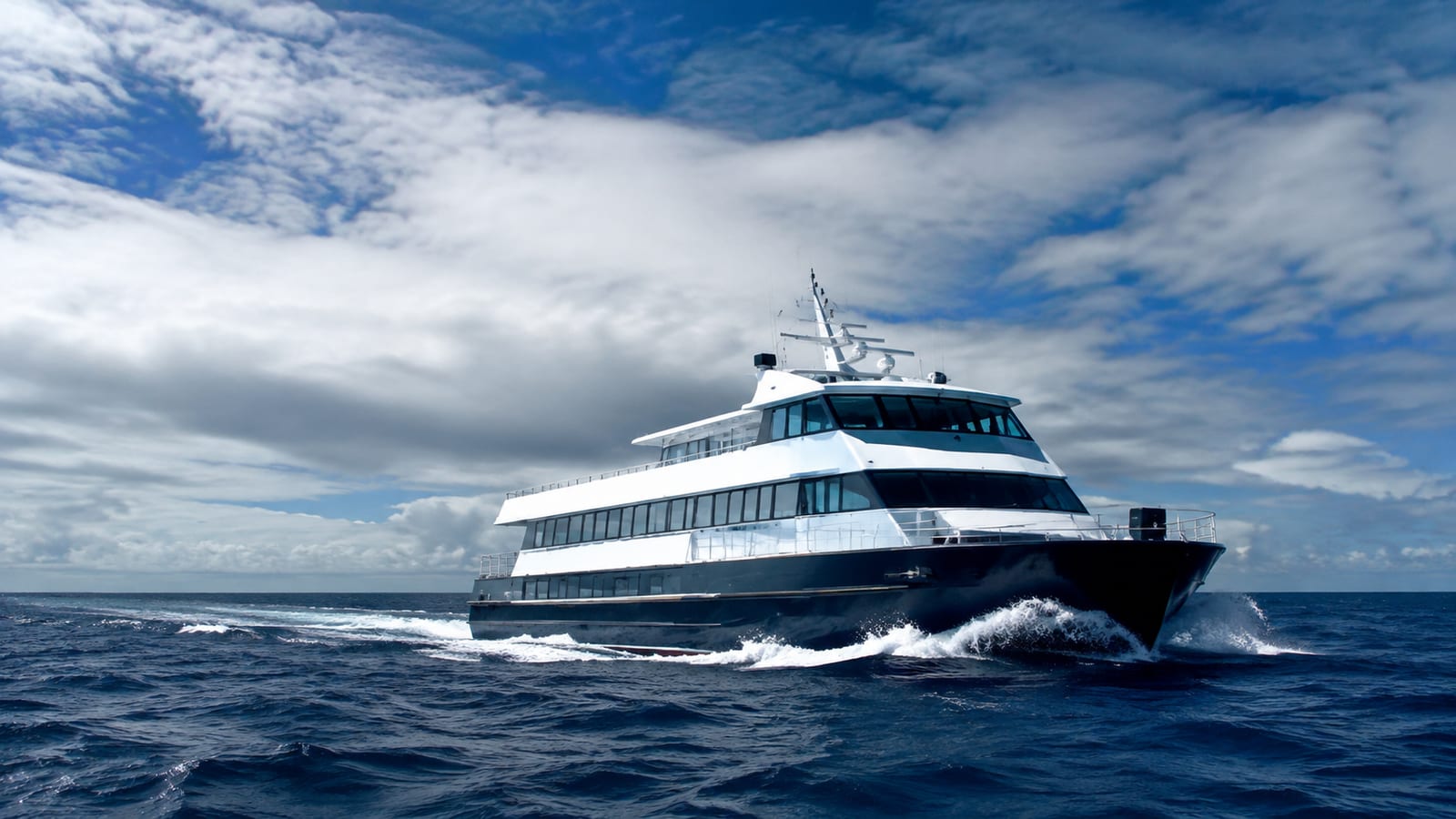
Cook Strait can turn rough even when Wellington looks calm. Wind funnels between the North and South islands, and the open-water section has more movement than the sheltered Marlborough Sounds.
A rough sailing is uncomfortable, but it isn’t automatically dangerous. The sailings run in conditions that would keep a small boat home, and they cancel when it is genuinely too much. If your sailing goes ahead, follow the crew’s instructions and give yourself a quiet place to sit.
If you get seasick, take motion-sickness medication before boarding, not after you feel ill. Sit low and central, keep your eyes on the horizon, and eat something light first. Reading below deck usually makes things worse.
Check the MetService marine forecast before leaving for the terminal. Also check the operator’s live travel alerts on the day, because a forecast cannot tell you whether your specific sailing has been delayed or cancelled.
Weather is the edge case nobody plans for. Keep your onward booking flexible enough to survive it.
Plan the crossing around the sailing
Start with the sailing, then build the rest of the day around it. The ferry is reliable enough for a normal plan, but Cook Strait leaves little room for a connection with no buffer.
Here is what I check:
- Book the sailing early if you’re taking a vehicle.
- Confirm whether you’re travelling as a foot passenger or driving on.
- Arrive at the terminal at least an hour before departure.
- Check traffic and the weather before setting out.
- Leave a buffer before any bus, train, flight, or long drive after arrival.
- Check live sailing alerts on the day.
- Pack water, snacks, warm layers, and motion-sickness medicine if you need it.
- Arrange pet space and onward transport before you travel.
The Interislander takes about three and a half hours, but the crossing belongs inside a wider travel day. Give it breathing room and you can enjoy the Sounds instead of watching the clock.
FAQ
Is the Interislander suitable for a first trip to New Zealand?
Yes, if your route includes both islands. The booking process is straightforward, and the crossing gives you a practical break from driving. Choose a sailing that leaves you time to reach your next stop without rushing.
Can you stay inside during the Cook Strait crossing?
Yes. The ferry has indoor passenger areas, cafés, and places to sit. Still, step outside when the ship reaches the Marlborough Sounds if the weather is clear. That is the stretch you’ll remember.
What should you pack for the ferry ride?
Keep your ticket details, water, snacks, warm clothing, and any medication in a small day bag. If you’re driving, take that bag with you after parking. Don’t rely on returning to the vehicle during the sailing.
Is flying better than taking the ferry between the islands?
Flying is faster for a tight schedule, especially if you don’t have a car. The ferry makes more sense when you’re carrying a vehicle, travelling with a pet, or want the road trip to continue on the other island.
What happens if your sailing is cancelled?
Check the operator’s alert and follow its rebooking instructions. Then contact any bus, train, accommodation, or car-hire provider affected by the change. Keep your first night after the crossing flexible if the forecast looks poor.