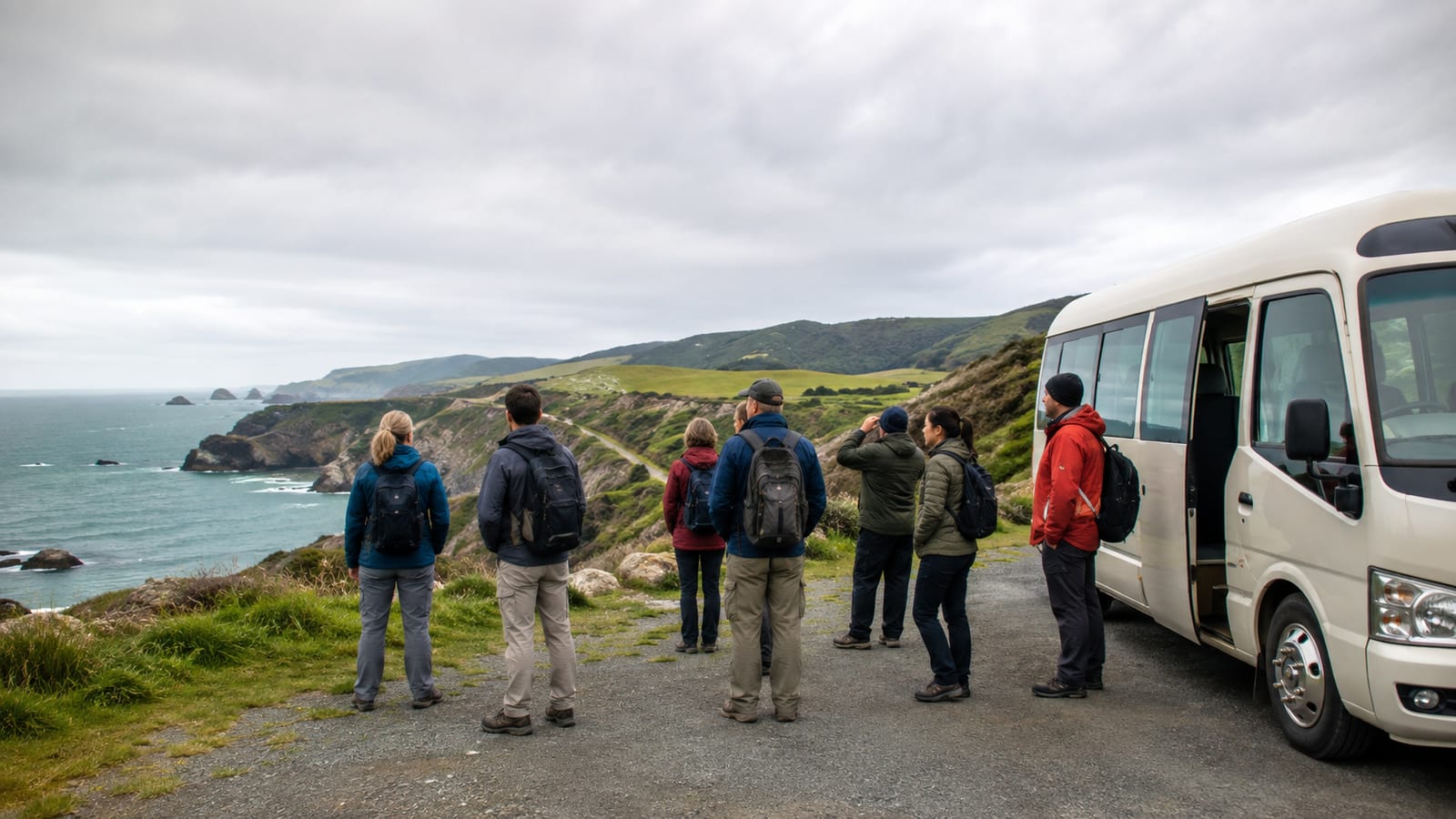
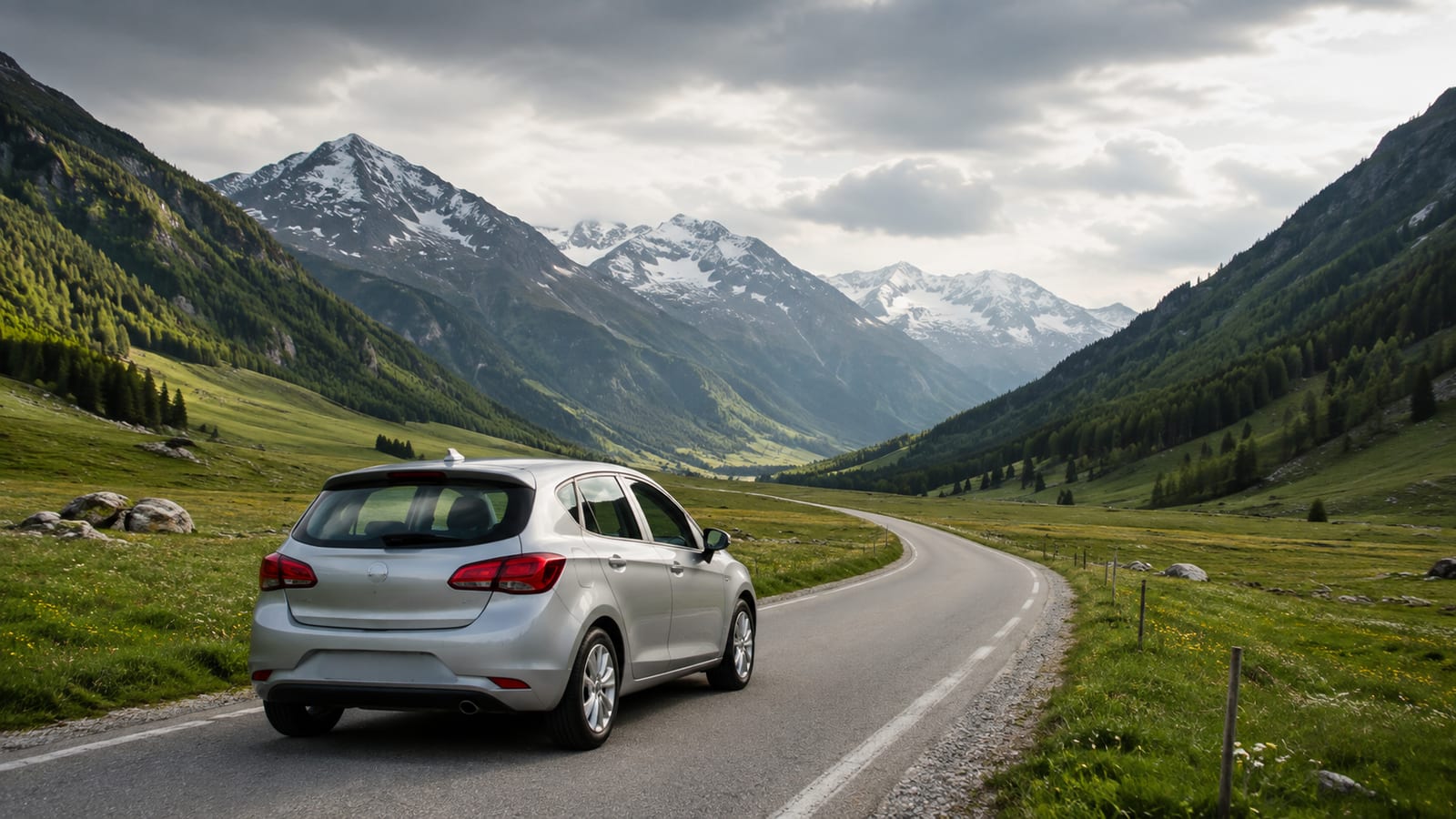
Driving the road to Milford Sound is worth it if you can start early, handle a long mountain road, and accept that rain may change the plan. Stop at Eglinton Valley, Mirror Lakes, the Hollyford Valley viewpoints, Homer Tunnel, and the waterfalls along the way. Take a guided tour instead if driving, parking, and road conditions will keep you tense all day.
Last updated: 2026-08-12
The mistake is treating the road as a transfer between Te Anau and the fiord. The road is the best part of the day for many people. You move from open valley to rainforest, then into steep alpine country where waterfalls appear after rain. Milford Sound arrives at the end, but it doesn't carry the whole experience.
Is driving the road to Milford Sound worth it?
Yes, if you want freedom and can give the journey enough time. I’d self-drive when I can leave Te Anau early, stop without rushing, and still reach the cruise terminal with time to spare.
The road rewards small decisions. Pull into Eglinton Valley when the mountains open up. Walk Mirror Lakes before the tour buses gather. Stop near Homer Tunnel only in a signed parking area, even when the view beside the road looks better. Those details make the drive feel like a day out rather than a long approach to a boat.
Self-driving suits you if:
- You’re comfortable on narrow, winding alpine roads.
- You want to choose your own stops.
- You can check weather and road conditions before leaving.
- You’ve booked a cruise time that leaves room for delays.
- You’re happy to carry food and water because services are limited.
A guided tour is the better call if you’re uneasy driving in rain, snow, or low cloud. It also works well if you want to sleep on the return trip after a cruise. You’ll lose some control over the stops, but you’ll gain a driver who knows the road and someone else to watch the conditions.
The trade-off is simple. Self-driving gives you the better day when you’re prepared. A guided tour gives you the calmer day when you’re not.
How long is the Milford Sound drive, and what route should you take?
The advertised nonstop drive from Te Anau to Milford Sound takes about 2 hours. That only covers driving. It doesn't include Mirror Lakes, valley viewpoints, short walks, traffic, roadworks, weather delays, or the time you’ll spend staring up at a waterfall.
Take State Highway 94 from Te Anau through Fiordland National Park to Milford Sound, also known as Piopiotahi. The road passes Lake Te Anau, the Eglinton Valley, Mirror Lakes, the Hollyford Valley, the Divide, rainforest, and Homer Tunnel before dropping toward the fiord.
Plan the day around the cruise, not around the advertised drive time. A comfortable schedule leaves several hours for stops and keeps a clear buffer before check-in. If you fill every spare moment with walks, you’ll arrive tired and worried about missing the boat.
The return deserves equal attention. You may be driving back after a long cruise, with changing light, rain, and more traffic. A stop that felt easy in the morning can feel less appealing when you’re tired. Keep enough energy for the road home, or book a guided option and let someone else handle it.
Fuel up in Te Anau. There are no fuel stations along the Milford Road, and there’s no useful place to improvise once you’re deep inside the park. Pack food, water, warm layers, and rain gear before leaving town.
What should you know before driving to Milford Sound?
Check the road conditions and weather before you leave. Fiordland can change from clear to wet and cloudy in a short time, and the road may close because of flooding, slips, snow, or avalanche risk.
The New Zealand Department of Conservation has useful information about Fiordland National Park. Check it before the drive, then check again that morning. A forecast from the night before may not tell you what the mountain road is doing now.
Start early. Morning gives you more room for stops and leaves less pressure around your cruise check-in. It also helps you avoid turning the road into a queue of cars and coaches.
Expect limited services after Te Anau. Bring everything you need for the drive, including food, drinking water, medication, and a charged phone. Mobile coverage can be unreliable or absent along parts of the route, so don't depend on a live map to solve every problem.
Wildlife belongs here more than your car does. Kea may approach vehicles near alpine areas, but don’t feed them or leave food where they can reach it. They’re clever, persistent, and capable of damaging cars. Watch from a distance and keep moving if the birds gather around your vehicle.
Use signed pull-offs and parking areas. Don't stop in a traffic lane, around a blind bend, in front of a tunnel, or on a narrow shoulder. A photo isn't worth creating a problem for a bus, a cyclist, or an oncoming car.
Where are the best scenic stops on the Milford Sound drive?
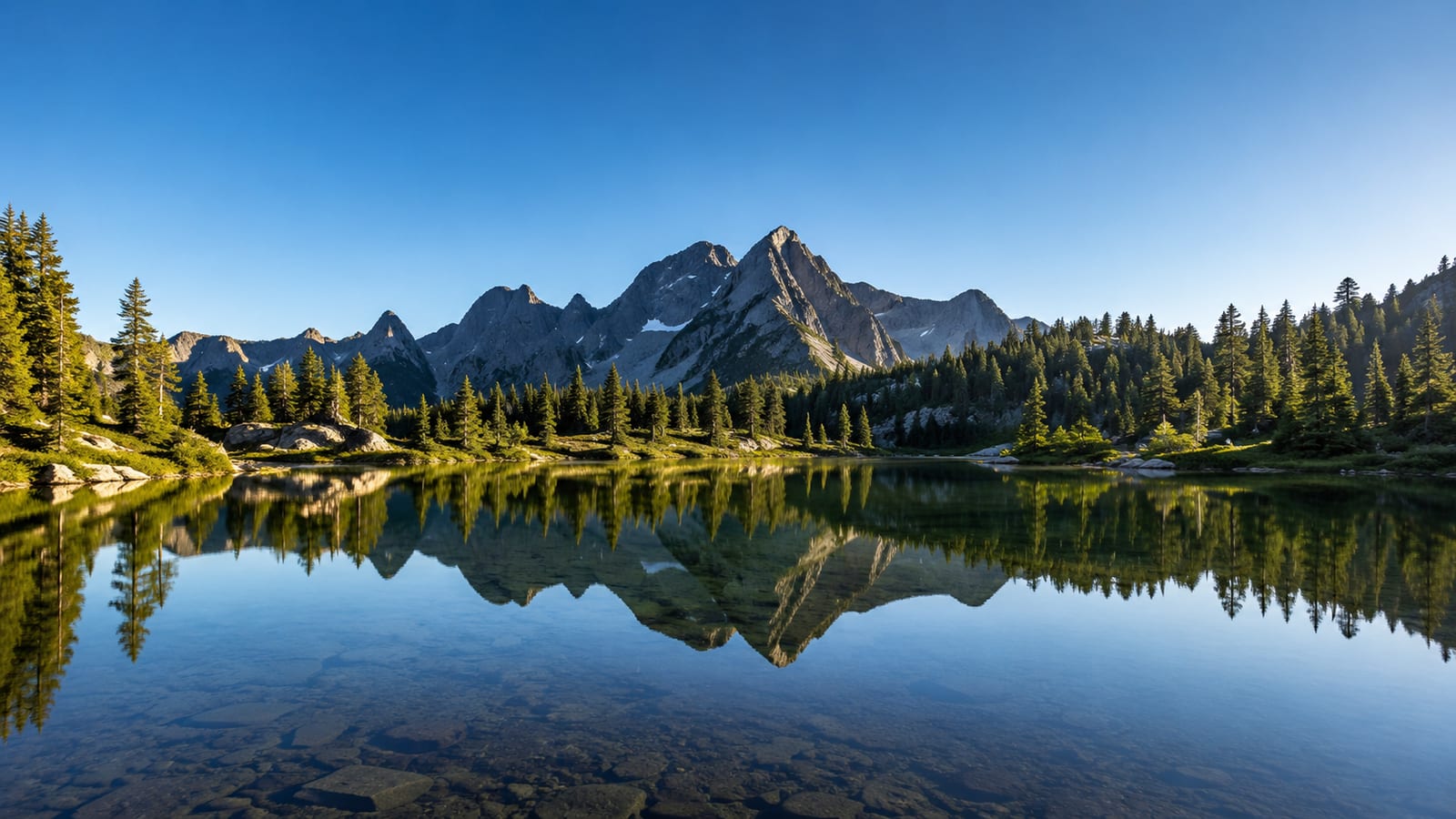
The best stops come in travel order, so you can judge your time as you go. Eglinton Valley and Mirror Lakes deserve priority. The later stops are more dramatic, but they also come with tighter parking and more exposed road conditions.
Eglinton Valley makes the scale clear
Eglinton Valley is the first stop I’d protect on a self-drive day. You barely need to leave the roadside, but the view opens across wide grassland toward dark mountain walls. After the forest and smaller bends, the valley shows how large Fiordland is.
Stop at a safe viewpoint and look back along the road. The mountains can disappear into cloud, which isn't a failure. In this place, mist is part of the view. Give it a moment instead of waiting for a postcard sky.
Mirror Lakes is the essential easy stop
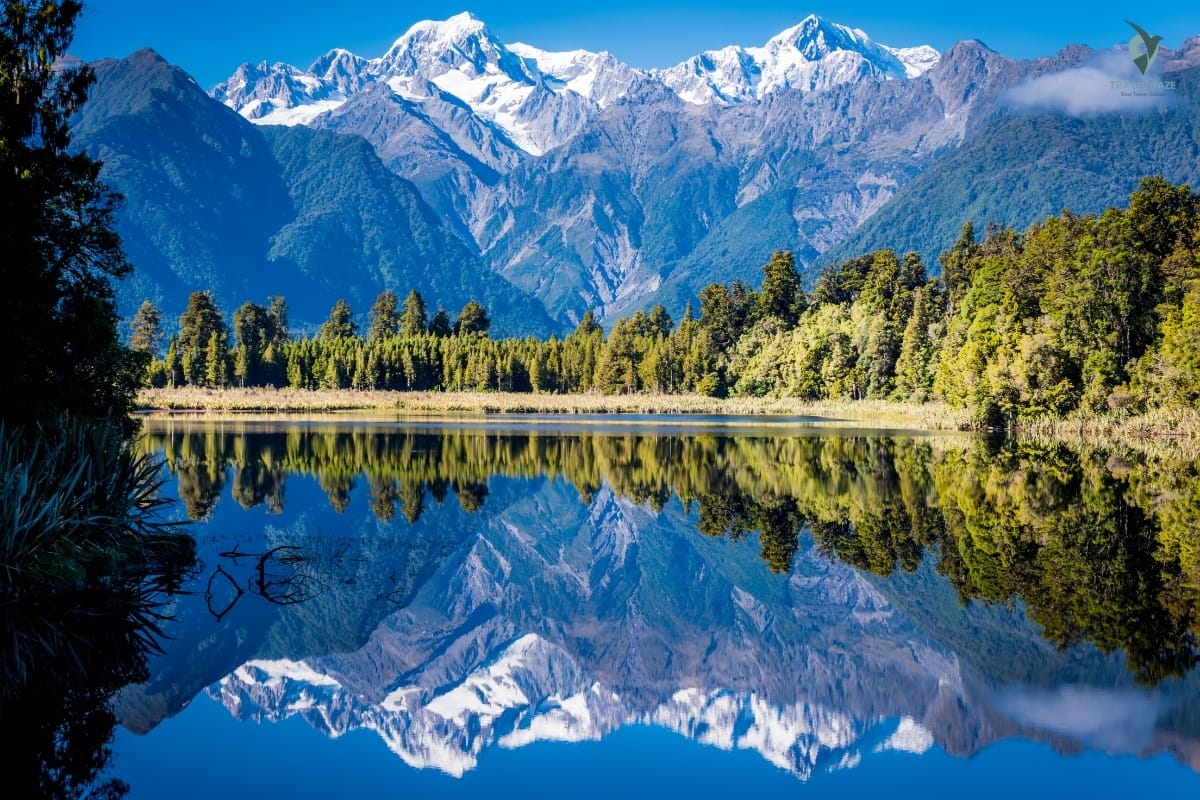
Mirror Lakes is the easy win. The walk is 400 m return and takes about 10 min, so it fits into a busy day without taking over the schedule.
The boardwalk leads through small reflective pools with views toward the Earl Mountains. Calm weather gives you the classic reflections. Wind and rain can flatten the effect, but the stop still breaks up the drive.
I’d skip Mirror Lakes only if the weather is poor or you’re already running late. Otherwise, take the short walk, keep your camera low for the reflections, and get back on the road.
Hollyford Valley viewpoints are worth the pull-over
The Hollyford Valley brings a different kind of view. The road starts to feel enclosed by steep mountains, forest, and river country. Pull over where the road provides a proper viewpoint, then look for the layers: road, trees, river, and cliffs.
Some roadside viewpoints are brief pauses rather than destinations. That’s fine. You don't need a trail sign or a long walk for a stop to count. Get out, take in the valley, and move before the next vehicle arrives.
Gunn’s Camp is another possible detour for travellers interested in the road’s mining and settlement history. I’d choose it only if that history matters to you or the weather has made the outdoor stops unpleasant. It’s not the stop to force into a tight cruise morning.
Waterfalls get better after rain
The waterfalls become one of the strongest parts of the drive in wet weather. Water runs down the cliffs near the road, sometimes in thin silver lines and sometimes in broad sheets.
Don't chase every fall. Stop only where there is a safe, signed place to pull over. Some of the best-looking water is beside a section where stopping would be reckless. Keep driving and let the road show you the next safe view.
The Divide is a useful pause
The Divide marks a change in the road and gives you a chance to stretch before the more dramatic alpine section. It can also be a place to watch for kea, although wildlife is never a scheduled attraction.
Keep your food packed away. Never feed the birds, and don't encourage them toward cars for a photo. The fun ends when a curious kea starts pulling at rubber, wipers, or anything else it can reach.
Which short walks can you do on the drive to Milford Sound?
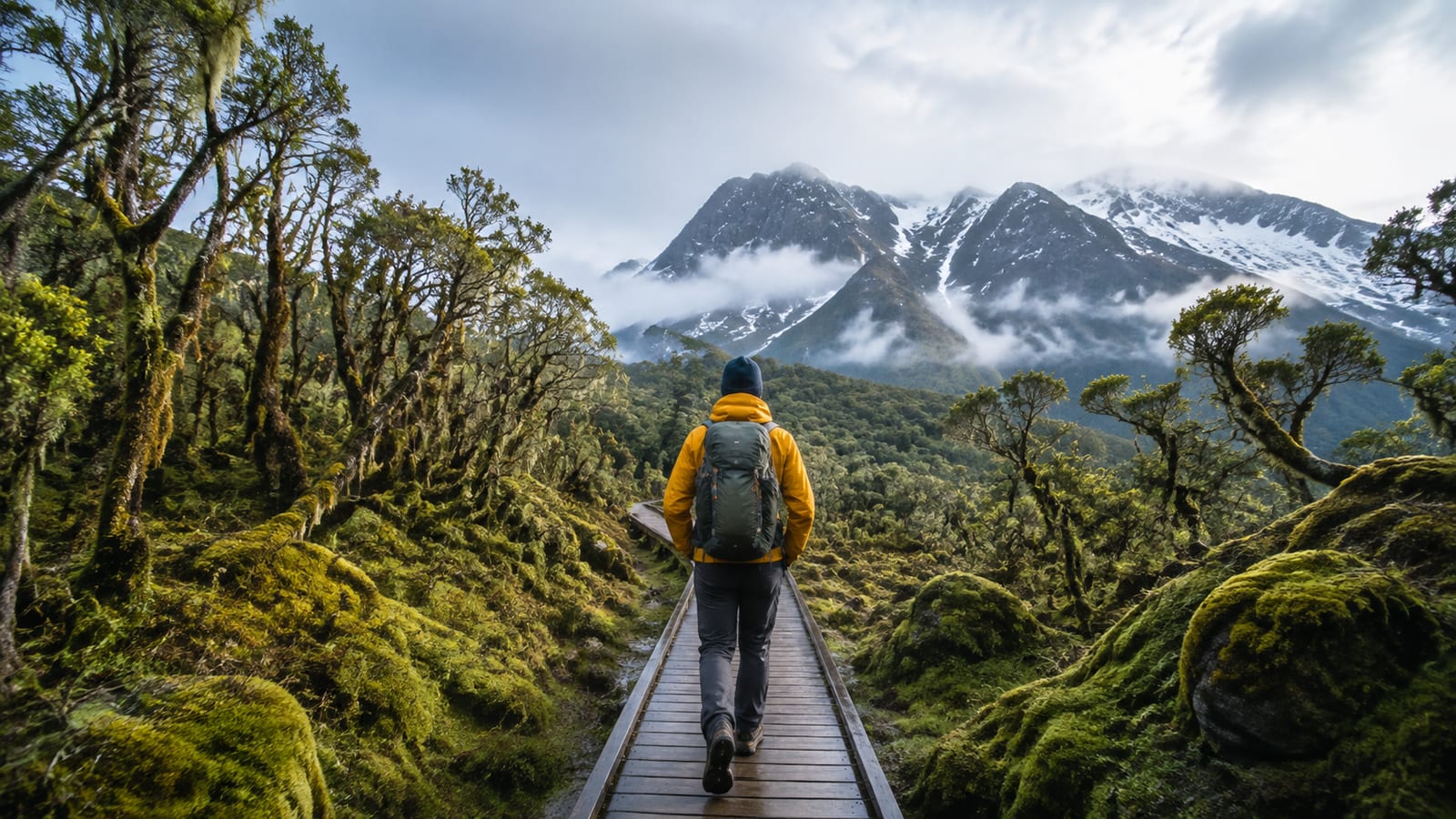
Mirror Lakes and the Chasm are the best short stops for travellers who want a walk without committing to a half-day hike. They’re useful because you can see something distinct, stretch your legs, and return to the car without rebuilding the whole itinerary.
The Chasm Walk has a total walking distance of 400 m return. It leads to views of water-carved rock and rushing falls, with the sound arriving before the full view. Keep to the marked path because wet rock and fast water don't leave much room for a careless step.
Mirror Lakes is gentler and more open. Its 400 m return boardwalk and short walking time make it the better choice when your cruise check-in is close.
Other roadside pauses may involve little more than getting out at a viewpoint. Treat those as viewpoints, not walks. A ten-minute pause beside the car still counts if it gives you a clear valley view and keeps the day on track.
For more ideas, I’ve collected practical options in this guide to short walks in New Zealand. On the Milford Road, though, don't confuse a short stop with a proper hike. The route has both, and your cruise schedule needs you to know the difference.
Should you hike Key Summit or Lake Marian?
Key Summit is the stronger major hike for capable walkers who have enough daylight and a reliable weather window. Lake Marian is rewarding too, but it takes more commitment and suits hikers who can spare several hours without worrying about the boat.
Key Summit is the better choice when you want a serious walk with broad alpine views. The track climbs through changing forest and opens toward mountain scenery. Conditions can be wet, cold, and slippery, even when Te Anau feels mild. Wear proper shoes and carry a waterproof layer.
I’d choose Key Summit only when the rest of the day is loose. It isn't a sensible add-on after a late start, a long lunch, and every roadside viewpoint. Rushing a steep track so you can make a cruise is a poor bargain.
Lake Marian is the rougher side trip. The track passes through forest toward a mountain lake, and the ground can be muddy and uneven. It’s a good pick for hikers who want the walk itself, not a quick scenic checkbox.
Skip Lake Marian if you need a simple, reliable Milford itinerary. The track can consume the time you thought you’d use for lunch, waterfalls, and the return drive. For a first visit with a fixed cruise, I’d pick short walks and scenic stops instead.
| Choose this | If you want | Skip it when |
|---|---|---|
| Mirror Lakes | A short, easy break with reflective water | Rain or a tight arrival time leaves no room |
| The Chasm | A brief walk to powerful water and rock | The path is wet and you lack suitable shoes |
| Key Summit | A major hike with alpine views | You’re rushing toward a cruise |
| Lake Marian | A rougher, longer side trip | You need a simple day with few moving parts |
The first action is to decide whether the walk matters more than extra road stops. Once you choose, build the day around that choice instead of trying to collect everything.
What can you see around Homer Tunnel?
The approach to Homer Tunnel is where the road becomes most dramatic. Cliffs rise close to the pavement, waterfalls drop beside the route, and the mountains feel less like scenery and more like the road’s walls.
The Homer Tunnel is 1.2km long. The tunnel itself is interesting, but the approach deserves more attention. Look for waterfalls, hanging valleys, and changing light across the rock before you enter.
Parking is limited in this exposed section. Use signed areas only, and don't stop on the approach lane or near the tunnel entrance. Traffic can arrive quickly from either direction, and a car pulled onto a narrow shoulder may leave no safe space for others.
Kea often appear around the alpine section. Watch them without feeding them, and keep your doors closed if they gather near the car. They’re entertaining until they start treating your vehicle like a climbing frame.
The weather can turn here faster than you expect. If cloud drops over the cliffs, slow down and follow the road rather than stopping for a view. If you’re nervous, let the vehicle behind you pass when there’s a safe place to do it. There’s no prize for holding up traffic or forcing a risky photo stop.
What should you do when you arrive at Milford Sound?
Arrive with your cruise check-in time, terminal location, and parking plan settled before you leave Te Anau. The last part of the drive is too scenic and exposed for last-minute planning.
Milford Sound has toilets and a cruise terminal, but it isn't a town with a row of shops waiting to solve your forgotten lunch. Bring food and water with you. Check your booking details before the drive so you know where to go when you arrive.
Allow time to park and walk to check-in. Parking spaces can be busy, and rain can slow everyone down. Don't aim to pull in at the exact start of boarding. The road has too many possible delays for that plan.
The weather at the fiord may not match the weather in Te Anau. Rain can obscure the peaks, but it also brings out the waterfalls. Low cloud can make the place feel close and quiet. I’d still take the cruise unless the operator cancels it, because clear weather is not the only version worth seeing.
You can read more about choosing and preparing for a cruise in this guide to cruising Milford Sound. Book the cruise first, then decide how many walks the drive can carry.
What is the best way to see Milford Sound: self-drive or guided tour?
Self-drive is the best way to see Milford Sound for confident drivers who want control over the stops. Guided tours are the smarter choice for anyone uneasy with alpine roads, tight check-in times, or the thought of driving back after a full day on the water.
| Factor | Self-drive | Guided tour |
|---|---|---|
| Flexibility | Stop at Eglinton Valley, Mirror Lakes, and other safe pull-offs when you choose | Follow the operator’s schedule |
| Scenery | More time for small viewpoints and short walks | A driver can point out scenery while you watch |
| Driving workload | You handle weather, traffic, parking, and the return | Someone else handles the road |
| Cost | You cover the vehicle, fuel, and cruise separately | The price usually bundles transport, with details varying by operator |
| Timing | You choose an early start and your cruise | The departure time is fixed |
| Best for | Confident drivers who want a slower, personal day | Travellers who want less stress and fewer decisions |
Self-driving can cost less when you already have a suitable vehicle and are travelling with others. It can also cost more than expected once you add fuel, parking, and the mental load of a long return. Compare the real cost, not just the tour price.
A tour often misses the tiny pauses that make the road special. You may not get to stop whenever the light changes in the valley. Still, you won't be watching the clock while driving through rain, and that matters.
I’d choose self-drive for an early, flexible day with a short list of priority stops. I’d choose a guided tour if the cruise is the main event or the road makes you uncomfortable. Both get you to the fiord. Only one lets you enjoy the drive without gripping the wheel.
Start by checking the road conditions and your cruise check-in time. Then choose the option that leaves you calm enough to notice the mountains.
FAQ
Can you drive to Milford Sound without booking a cruise?
Yes, you can drive to Milford Sound without taking a cruise. However, the fiord is best understood from the water, where you can see the cliffs, waterfalls, and shoreline from a different angle. If you’re making the long drive, I’d book a cruise unless you have a clear reason not to.
Is there food available along the Milford Road?
Food options are limited after you leave Te Anau. Pack your meal, snacks, and water before setting out. Waiting until Milford Sound to find lunch leaves you with fewer choices and less time.
Do you need a special vehicle for the drive?
You don't need a special vehicle in normal conditions, but you do need a reliable one with suitable tyres and working lights. Check the vehicle before leaving Te Anau, especially if rain, snow, or ice is forecast. If the conditions exceed your confidence, take a tour.
Can you see kea on the drive?
You may see kea near the alpine section, especially around the Homer Tunnel area. They’re wild birds, not roadside pets. Watch them from a safe distance, keep food hidden, and never feed them.
Is Milford Sound still worth visiting in rain?
Yes. Rain changes the view but often creates more waterfalls on the cliffs. Bring waterproof clothing, protect your camera, and expect limited visibility. The fiord doesn't need clear skies to be worth the drive.