

Gateway Arch National Park is the heart of St. Louis, Missouri, because the city’s river, skyline, and hardest history meet on the same downtown ground. The stainless-steel Arch is worth the trip. However, timed tram tickets, tight summit cars, river weather, and the Old Courthouse can change how you plan the day. Treat this as a historic district with a famous monument, not a quick photo stop.
Last updated: 2026-08-12
Why is Gateway Arch National Park the heart of St. Louis, Missouri?
The park sits in downtown St. Louis beside the Mississippi River. That location matters. The river shaped the city’s trade, movement, wealth, and role in westward expansion long before the Arch changed the skyline.
The grounds connect four parts of the same story: the Arch, the underground museum, the riverfront, and the Old Courthouse. You can walk from polished civic symbolism to courtrooms tied to slavery and freedom lawsuits without leaving the district.
Gateway Arch National Park is the heart of St. Louis because it holds the city’s best-known view and some of its most difficult history. Skip either side and you leave with half the story.
The park also works as a starting point for downtown. Afterward, you can continue on foot or use this guide to free things to do in St. Louis.
What should you know about the St. Louis Arch before visiting?
The St. Louis Arch is a 630-foot stainless-steel monument inside a national park. It isn’t the whole park, though it gets nearly all the postcards.
The Arch commemorates the United States’ westward expansion. Architect Eero Saarinen designed its clean curved form, and its stainless-steel skin catches every change in the river light. Up close, it feels less like a sculpture and more like part of the city’s weather.
First-time visitors often expect an ordinary elevator. The ride is closer to a small tram made from enclosed pods. The summit is also a narrow observation room inside the curved structure, not an open deck.
Another common mistake is searching for “arches in St. Louis” as though there are several monuments. There is one Gateway Arch monument, plus separate attractions beneath and around it.
How did the St. Louis Missouri Arch become a symbol of westward expansion?
The St. Louis Missouri Arch grew from an older national story about Thomas Jefferson, the Louisiana Purchase, and the nation’s push west. St. Louis became known as a gateway because people, goods, surveyors, soldiers, and settlers passed through the city toward western lands.
That account was long told as a clean march of courage and progress. It wasn’t. Expansion also meant broken treaties, forced removal of Indigenous people, the spread of slavery, and war over land.
The Arch doesn’t explain that tension on its own. Stainless steel is good at catching sunlight and poor at giving context. You need the museum and Old Courthouse to understand what the symbol leaves out.
Saarinen’s design gave the idea of a western gateway a physical shape. Its simplicity is why it worked. You can recognize the Missouri Arch from a road, train, riverboat, or airplane without needing a sign.
What happened in the Dred and Harriet Scott cases at the historic district?
Dred and Harriet Scott filed freedom lawsuits connected to the Old Courthouse. They argued that living in free territories had made them legally free, but their long fight moved through a legal system built to protect slavery.
The cases eventually became part of one of the United States Supreme Court’s most infamous decisions. The ruling denied Black citizenship and held that Congress could not prohibit slavery in federal territories. The country still lives with the legal and political damage behind that decision.
The Old Courthouse matters because this history happened in real rooms, not in a museum’s abstract timeline. Its restored courtrooms give the story scale. You see where judges sat, where lawyers argued, and how little room the Scotts had inside a system stacked against them.
The Library of Congress collection on Dred Scott gives useful background before a visit. Still, don’t reduce the case to Dred alone. Harriet Scott filed for her freedom as well and later secured freedom for herself and her family.
What can you see inside the Arch grounds and Old Courthouse?
Start with the Old Courthouse if it’s open when you arrive. The restored courtrooms and exhibits give you the human story before the Arch turns it into a national symbol.
Then cross the landscaped grounds toward the monument. The paths open onto views of downtown in one direction and the Mississippi River in the other. For the clearest sense of scale, walk far enough away to see the full curve rather than standing directly under it.
Here is how I would rank the main stops:
| Stop | Why it deserves time | What may let you down |
|---|---|---|
| Old Courthouse | The Scotts’ lawsuits give the district its deepest history | Access and exhibit areas can change |
| Museum under the Arch | It explains expansion, settlement, slavery, and construction | It takes longer than visitors expect |
| Tram and summit | You get the experience of being inside the monument | The cars and observation room are tight |
| Riverfront | This is where the Arch’s location makes sense | Wind, heat, cold, or high water can spoil a slow walk |
| Landscaped grounds | Good views and an easy break from downtown streets | There is little shelter during bad weather |
If your time is short, keep the courthouse, museum, and a walk to the river. A rushed summit ride without the history is the weakest version of this visit.
How does the Arch in Missouri tram ride work?
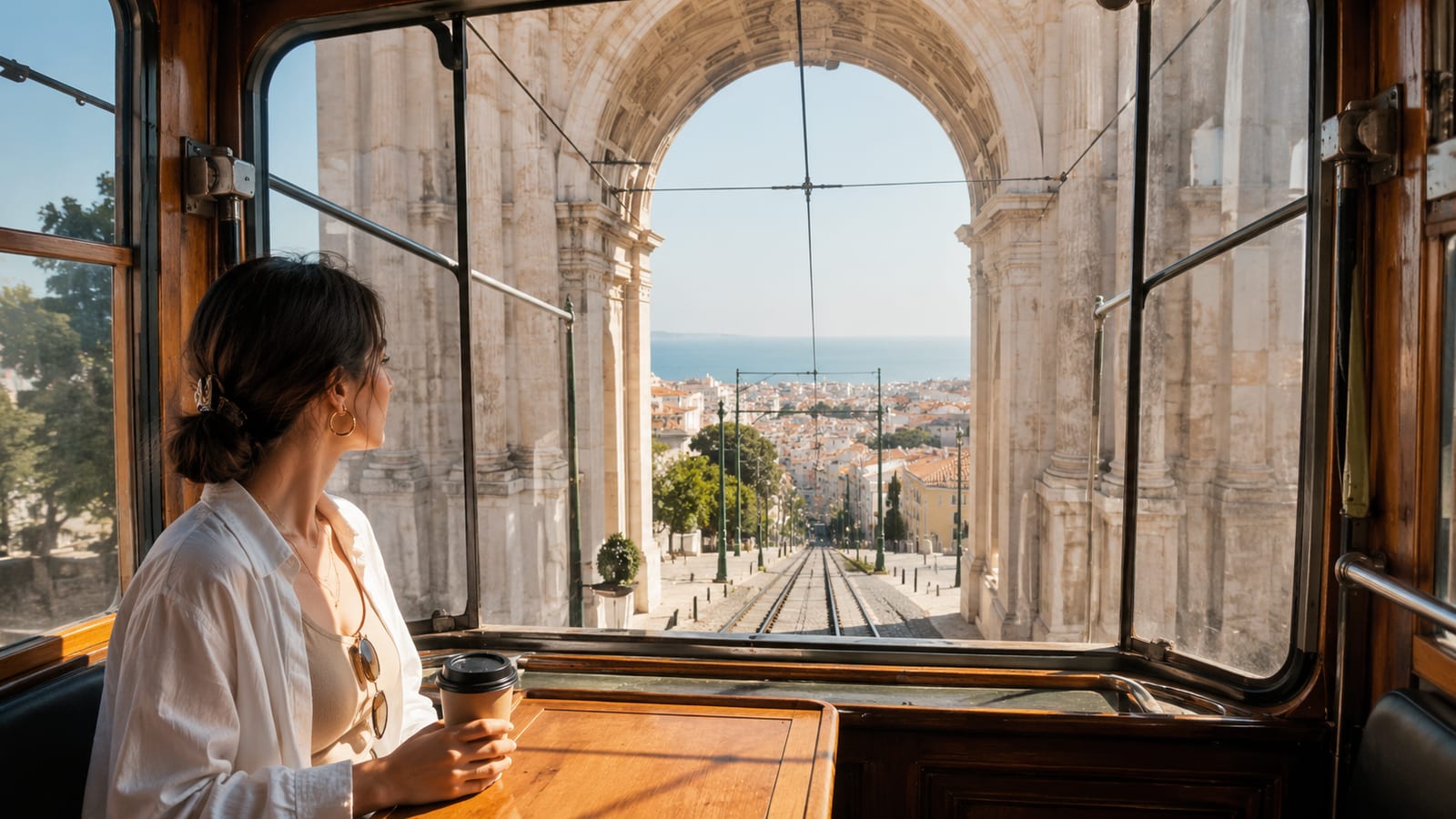
The Tram Ride to the Top uses small enclosed cars that climb inside the Arch. They adjust as the structure curves, so the motion doesn’t feel like a standard lift.
The pods are cramped. If tight spaces bother you, don’t let cheerful ticket language talk you out of your own limits. The summit is narrow too, with small windows set into the sloping walls.
The tram and summit also have access limits. Riders need to manage steps and transfer into the pod, while wheelchairs, mobility scooters, and strollers can’t make the full trip. Check the official accessibility details before booking if anyone in your group has limited mobility.
Timed reservations matter because summit space is limited. The official Tram Ride to the Top reservation has been listed from $15 per adult age 16 and up, with a $3 park entrance fee included in tram or movie tickets for that age group. Check the live ticket page before paying because prices and schedules can change.
The ride is worth it if you want the engineering experience as much as the view. If you only want skyline photographs, stay on the ground and spend the money elsewhere.
What are the St. Louis Arch hours, tickets, and best visiting times?
The Gateway Arch National Park grounds are open daily from 5:00 a.m. to 11:00 p.m. year-round. Those hours apply to the outdoor park grounds, not every building, exhibit, tram departure, or riverboat.
The museum under the Gateway Arch is free and doesn’t require a ticket. There is also no entrance charge to browse the Museum and Visitor Center. However, the tram, films, cruises, and other paid experiences have separate reservations.
Check the official Gateway Arch National Park visitor information before leaving your hotel. Building hours, tram times, security rules, and weather closures can shift by season or day.
I would book the tram first, then build the rest of the visit around that time. Arrive early enough for security screening. A ticket in your email won’t help if you’re still looking for parking when boarding starts.
Morning is the cleaner choice during hot or crowded periods. Late afternoon gives the stainless steel softer light, but it leaves less room to recover from traffic, a delayed security line, or a weather problem.
What is inside the Arch St. Louis museum?
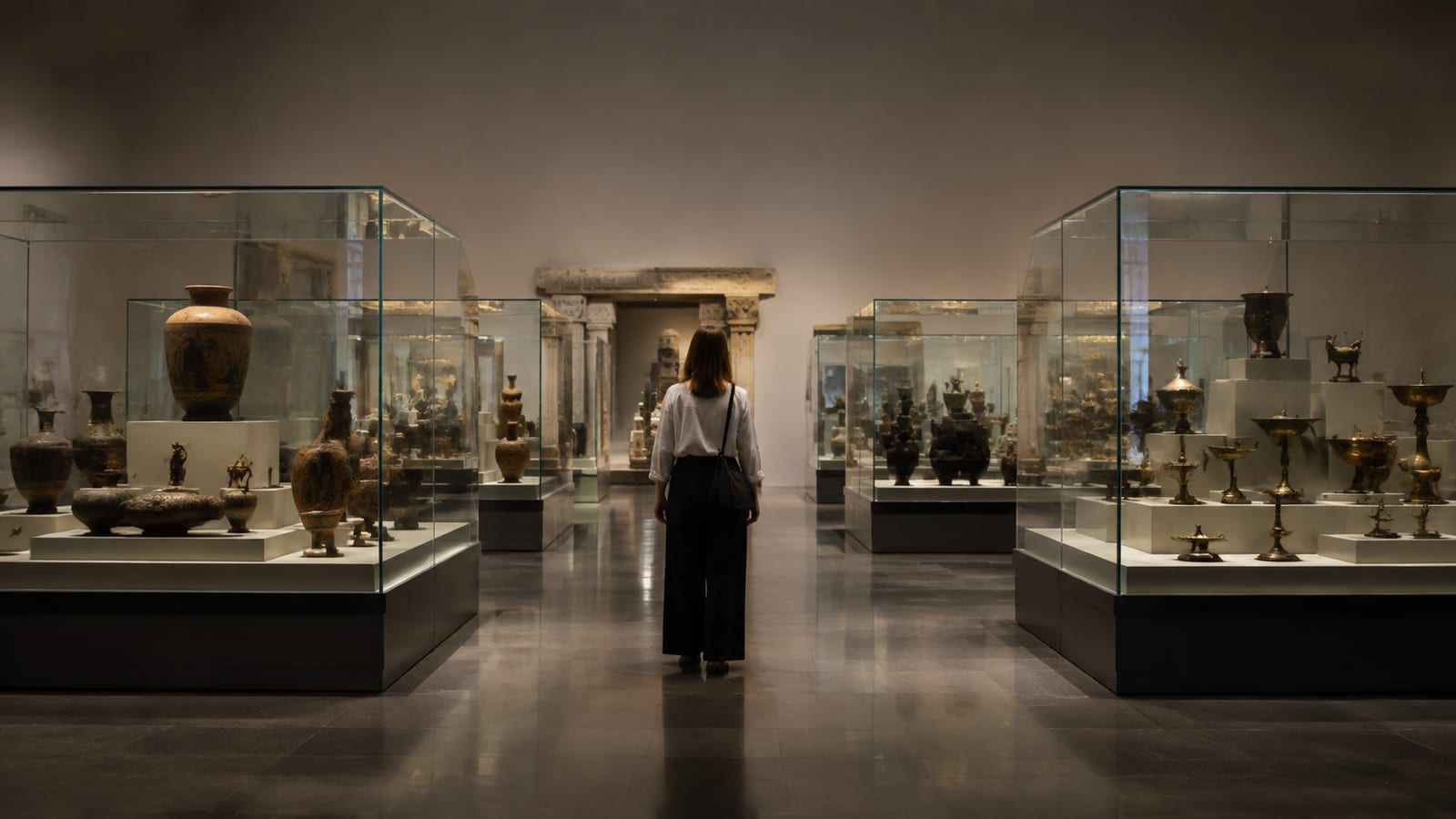
The museum beneath the Arch explains how St. Louis became tied to western expansion. Its galleries cover Indigenous peoples, European and American settlement, river trade, slavery, migration, territorial growth, and construction of the monument.
This is where the park corrects the simple pioneer story. Westward movement created new towns and fortunes, but it also displaced people already living on the land. The exhibits are better when they hold both facts in the same room.
The construction displays deserve time even if history museums aren’t usually your thing. They show how crews assembled a huge curved structure while keeping both sides aligned. After that, the Arch above you feels less inevitable.
Don’t treat the museum as something to fill time before the tram. If your summit ride is cancelled, the museum and courthouse can still carry the visit.
Is a Mississippi River cruise worth adding?
A riverboat cruise adds the view that the grounds can’t give you. From the water, you see why this site became a gateway and how closely downtown sits against the Mississippi.
However, a cruise is an add-on, not a replacement for the park. The boat gives you distance and skyline views. It can’t replace the courthouse history or the museum’s account of expansion and slavery.
| Choose this | Best for | Main trade-off |
|---|---|---|
| Park only | History, architecture, and a flexible visit | Less time on the river itself |
| Park plus cruise | River context and broad skyline views | More cost and a fixed schedule |
| Riverfront walk | A free look at the Mississippi | Weather has a bigger effect |
| Museum and courthouse | Rainy days and deeper history | No summit or river perspective |
River conditions and weather can affect departures. So check the schedule before arranging the rest of your day around a boat. When it rains, keep the museum as your anchor and treat any cruise as a bonus.
Can virtual reality add anything to a Missouri Arch visit?
Historical virtual reality experiences can help you picture an earlier St. Louis riverfront. Instead of looking at a flat image, you get a sense of crowded streets, working boats, trade, and the noise that once defined this part of the city.
They work best for families, visual learners, and anyone who struggles with display cases full of text. Still, the content and availability can change, so check what is running before you promise it to a child or build it into a fixed schedule.
I would keep virtual reality behind the museum, courthouse, and summit in that order. It adds atmosphere, but it shouldn’t take the place of the real courtrooms or the Mississippi outside.
If your visit is already rushed, skip it. The small detail worth keeping is the river itself, not another screen.
What is the best way to visit the Saint Louis Arch?
Book the tram before making the rest of the plan. Then check Old Courthouse access, building hours, weather, and any riverboat schedule on the official site.
Here is the visit order I would use:
- Park in a downtown garage or arrive by public transport.
- Walk to the Old Courthouse while your mind is still fresh.
- Enter the Visitor Center and allow time for security.
- See the museum before your timed tram ride.
- Take the tram if the space and access limits suit you.
- Finish outside on the riverfront and landscaped grounds.
- Add a cruise only if weather and timing still work.
Don’t expect to park beside the monument entrance. Downtown streets, garage entrances, event traffic, and one-way blocks can turn a short distance into a nuisance. Save the garage location on your phone before walking away.
Wear shoes that work on pavement and stairs. Bring water in warm weather, but check current security rules before packing a large bag. The easiest visit is the one where you aren’t carrying half your hotel room through screening.
Bad weather doesn’t ruin the day. Move the museum and courthouse earlier, then wait for a clear spell to walk the grounds. If the summit closes, use the saved time for the Missouri Botanical Garden or another indoor St. Louis stop.
The first action is simple: reserve the tram time you can actually reach without rushing.
FAQ
Can you visit Gateway Arch National Park without riding the tram?
Yes. You can explore the museum, Visitor Center, grounds, riverfront, and available Old Courthouse exhibits without going to the summit. This is the better plan for anyone who dislikes enclosed spaces or can’t use the tram safely.
Is there food inside Gateway Arch National Park?
Food choices inside the visitor complex are limited compared with the surrounding downtown area. I would eat before entering or plan lunch after the museum, rather than letting hunger push you through the exhibits.
Can you bring a dog to the Gateway Arch grounds?
Pets can generally use outdoor areas where signs allow, but buildings and attractions have tighter rules apart from trained service animals. Check the park’s current pet policy before arriving, and remember that the open riverfront can get hot or windy.
Where is the best place to photograph the Arch?
Walk away from the base until the full curve fits comfortably in the frame. The riverfront gives you strong scale, while the landscaped grounds give you cleaner foregrounds. Cloudy weather often works better than hard midday light on stainless steel.
Is the Arch easy to visit during a train trip through Missouri?
Yes, its downtown location makes it a practical stop without a car, though you still need to allow for local transport and timed entry. If you’re building a wider rail trip, the Amtrak Missouri River Runner route can connect St. Louis with other Missouri stops.