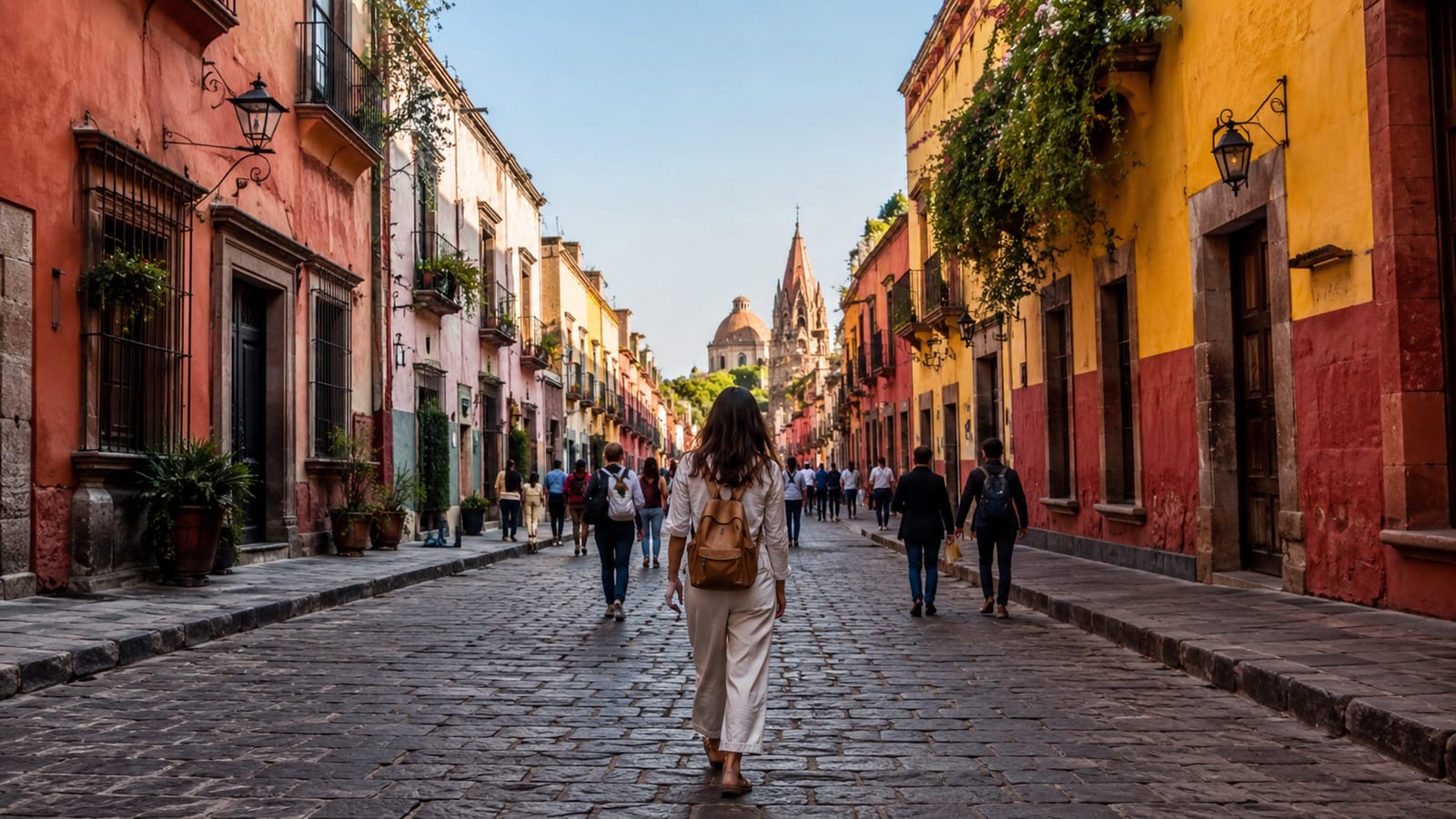
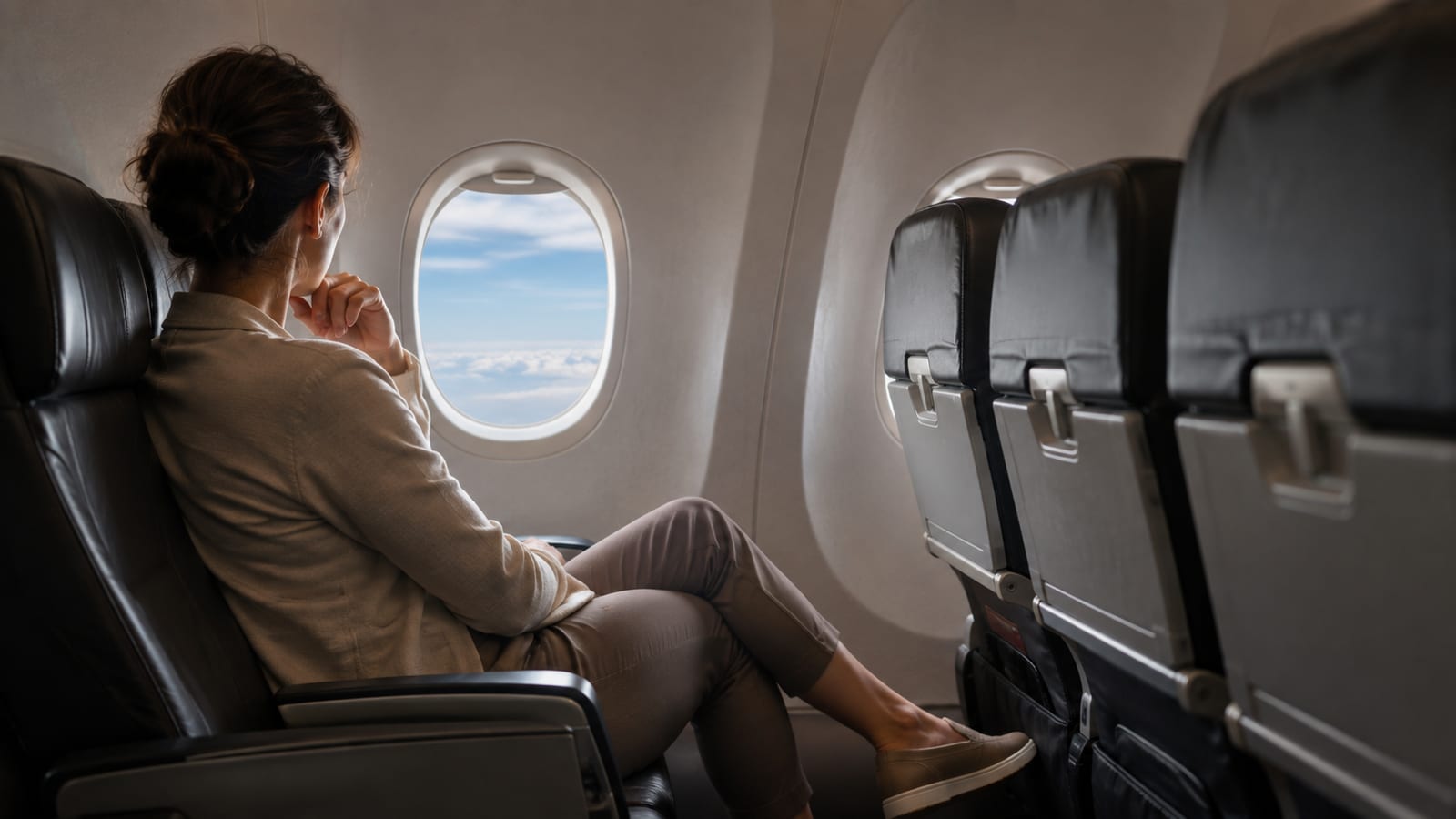
Wear breathable layers, relaxed elastic-waist pants, graduated compression socks, and cushioned slip-on sneakers. If you’re deciding what to wear for maximum comfort on an overnight flight, add a soft sweater and light bomber jacket. You’ll sleep without fighting your clothes, then walk through arrivals without looking like you wore pajamas to the airport.
Last updated: 2026-08-11
What should you wear for maximum comfort on an overnight flight?
The best overnight-flight outfit is a breathable shirt, stretchy travel pants, compression socks, supportive sneakers, a soft sweater, and a light jacket. Every piece should be easy to remove, adjust, or wear after landing.
Here is the full outfit I use:
| Piece | What to choose | Why it works |
|---|---|---|
| Base layer | Soft cotton, merino, or another breathable shirt | Keeps sweat away from your skin and works alone after landing |
| Pants | Tapered or straight travel pants with stretch and an elastic waist | Don’t dig into your stomach while you sit |
| Socks | Graduated compression socks in the correct size | Support circulation and help with swollen, tired legs |
| Shoes | Cushioned slip-on sneakers with a roomy toe box | Handle terminal walks and come off without a fight |
| Mid layer | Soft sweater or cardigan | Adds warmth without taking over your seat |
| Outer layer | Lightweight bomber jacket | Gives you pockets, light warmth, and a cleaner shape |
Cabins usually sit around 22°C to 24°C, roughly 71°F to 75°F. However, pilots and flight attendants can control the cabin temperature, and each airline has its own standards. That explains why one flight feels mild while the next feels like someone left a window open.
The air is another problem. Aircraft cabin humidity can fall from 35-50% at the start to around 10-25% during flight. So pick soft fabrics that don’t itch when your skin gets dry.
How can you look polished without wearing sweatpants?
You don’t need sweatpants, a matching lounge set, or anything sold as an “airport outfit.” Tapered elastic-waist trousers do the same job with less pajama energy.
I look for a flat front, a soft waistband, and enough stretch to curl one leg under the other. Black, navy, olive, or charcoal hides small marks and works with clean sneakers. Meanwhile, a simple sweater gives the outfit a finished top half.
Wrinkle-resistant fabric helps, but don’t trust the label. Sit in the pants at home, stand up, and check the knees and lap. If the fabric looks crushed or the waistband has left a mark, skip it.
Keep the layers plain and clean. A dark trouser, light shirt, soft knit, and bomber jacket look put together because the shapes make sense together, not because any piece is formal.
Which travel pants are best for sitting overnight?
The right travel pants have an elastic or partly elastic waist, breathable fabric, and stretch through the hips and knees. They should stay in place without gripping you.
Rigid jeans are one of the most common wrong turns. They look sensible at check-in, then the waistband digs in after dinner and the seams press against your legs while you try to sleep. I save denim for shorter travel days.
Wide-leg pants can work, but check the hem before you leave. Fabric that drags through an airport restroom is a small detail until it happens. A tapered or straight leg is easier on a travel day.
Also, avoid pants with large buttons, thick belts, or hard zip pockets near your hips. The seat already gives you enough pressure points. Your clothes shouldn’t add more.
Should you wear compression socks on an overnight flight?
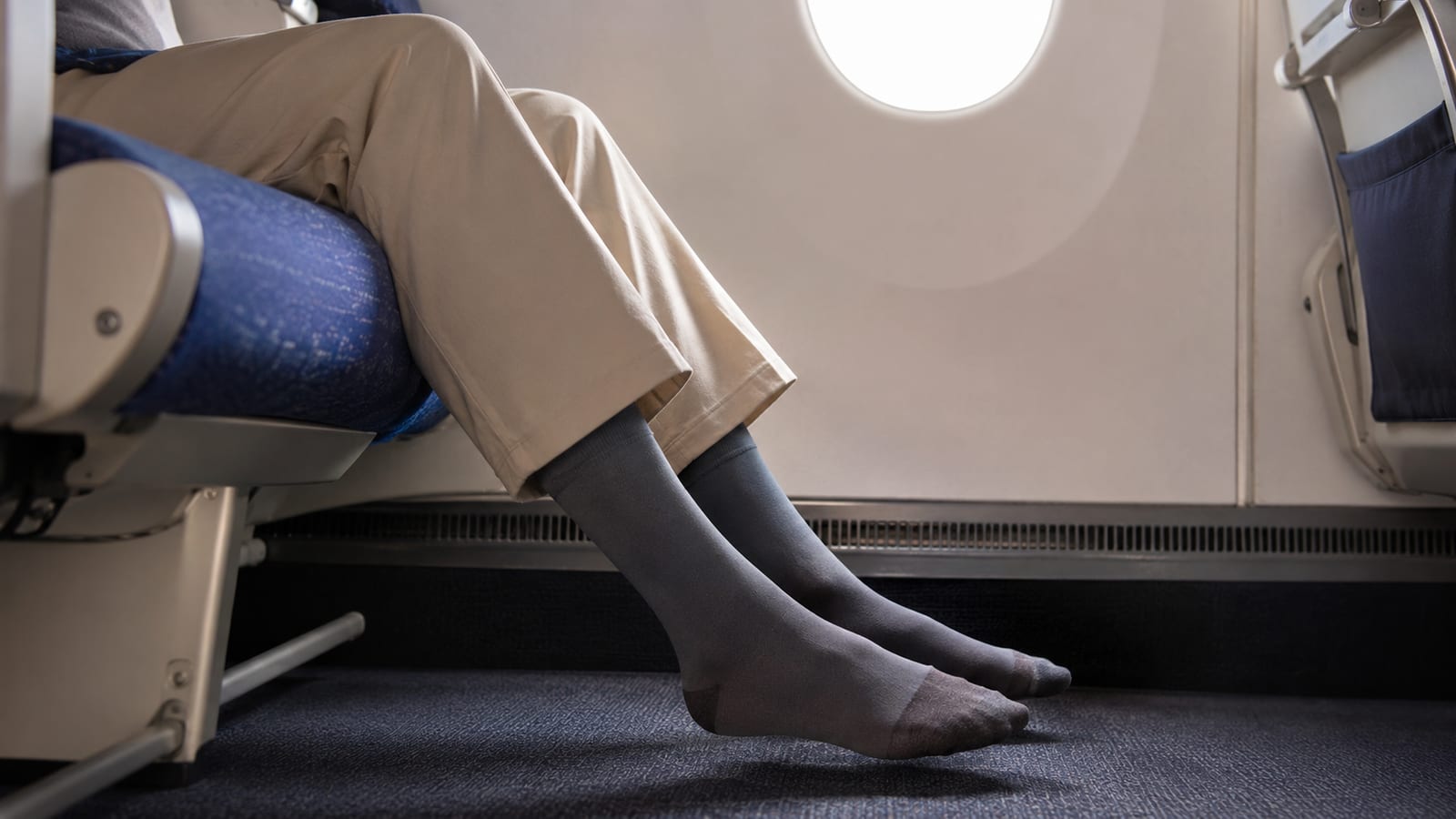
Compression socks are worth wearing on a long overnight flight, especially if your legs tend to feel heavy or swollen. Put them on before boarding, while you still have room to move.
Graduated compression socks apply firmer pressure near the ankle and ease higher up the leg. Travel pairs commonly come in 15-20 mmHg and 20-30 mmHg compression levels. The stronger option isn’t automatically better, so use the maker’s sizing chart and ask a doctor if you’re unsure.
For flights lasting at least four hours, graduated compression stockings appear to reduce asymptomatic deep vein thrombosis, or DVT. That means a blood clot may form without obvious symptoms. The Centers for Disease Control and Prevention travel guidance explains the risk and the steps you can take.
A proper pair should feel snug, not painful. They shouldn’t bunch behind your knees, cut into your skin, or make your toes numb. If you have added risk factors for blood clots, talk to your doctor before the trip instead of guessing at the right pressure.
Smooth the socks out before pulling on your pants. Wrestling them into place in a cramped seat is nobody’s best work.
What shoes are best for airport walking and the flight?
Wear supportive, cushioned sneakers with enough room for your feet to swell. Slip-on designs are the easiest choice because they handle security, a tight connection, and a trip to the aircraft restroom without complicated laces or buckles.
However, “slip-on” shouldn’t mean loose. Your heel should stay in place, and the sole should have enough grip for polished terminal floors. Walk around your home in the full outfit before you trust a new pair on a travel day.
I loosen my shoes once I’m seated, but I don’t leave them in the aisle. I also keep my socks on. Bare feet on a plane floor aren’t comfortable, polished, or kind to the person beside you.
Skip flip-flops and thin ballet flats. They offer little support for long airport walks, and they’re poor choices if your gate changes. Stiff boots are no better because they’re hard to remove and less forgiving when feet swell.
How should you layer for a cold cabin?
Start with a breathable shirt, add a soft sweater, then finish with a removable bomber jacket. That gives you three light layers instead of one bulky piece you can’t manage.
I keep the sweater within reach rather than in the overhead bin. Cabins can change after takeoff, and the window seat often feels colder than the aisle. You don’t want to wake the row because your knitwear is buried above someone else’s head.
Choose a sweater with a soft neck and cuffs. Tight turtlenecks, rough wool, and stiff collars become annoying once you lean against a headrest. A cardigan is useful if you tend to run warm because you can open it without removing it.
For more practical ways to stay settled, these travel comfort habits cover the rest of the seat setup.
Why is a bomber jacket a useful travel layer?
A bomber jacket gives you light warmth, useful pockets, and a clean shape without the bulk of a coat. It also comes off easily when the cabin warms up.
Pick one with a soft lining and a quiet fabric. A stiff, noisy shell sounds harmless in the shop, then crackles beside your ears every time you move. That gets old before the cabin lights go down.
Pockets matter, but don’t fill them with hard objects. A phone, passport, and charging case can press into your ribs while you sleep. Use the pockets while moving through the airport, then empty them into your personal bag at the seat.
A long coat may look sharper, but it has nowhere good to go. It drags on the floor, bunches behind your back, or steals space from your legs. The bomber earns its place because it stays manageable.
What should you avoid wearing on an overnight flight?
Avoid anything that feels tolerable only while you’re standing. Overnight comfort is decided after you’ve been seated long enough for every tight seam to announce itself.
Skip these common mistakes:
- Rigid jeans and tight waistbands
- Belts with heavy buckles
- Scratchy wool against bare skin
- Cheap synthetic tops that trap sweat
- Flimsy shoes with little support
- Boots with complicated laces or buckles
- Thick hoodies that bunch behind your neck
- Large metal jewelry that catches on blankets and bags
- Jumpsuits that turn a small restroom into a clothing puzzle
Also, don’t wear every warm item you packed. A huge scarf, heavy coat, and thick sweater leave you with a pile of fabric and nowhere to put it. Light layers work because each one has a job.
Test the outfit by sitting in it for an evening. If you keep adjusting the waist, pulling down the shirt, or moving a hard pocket, you’ve found the problem before the airport.
How do you keep the outfit comfortable after landing?
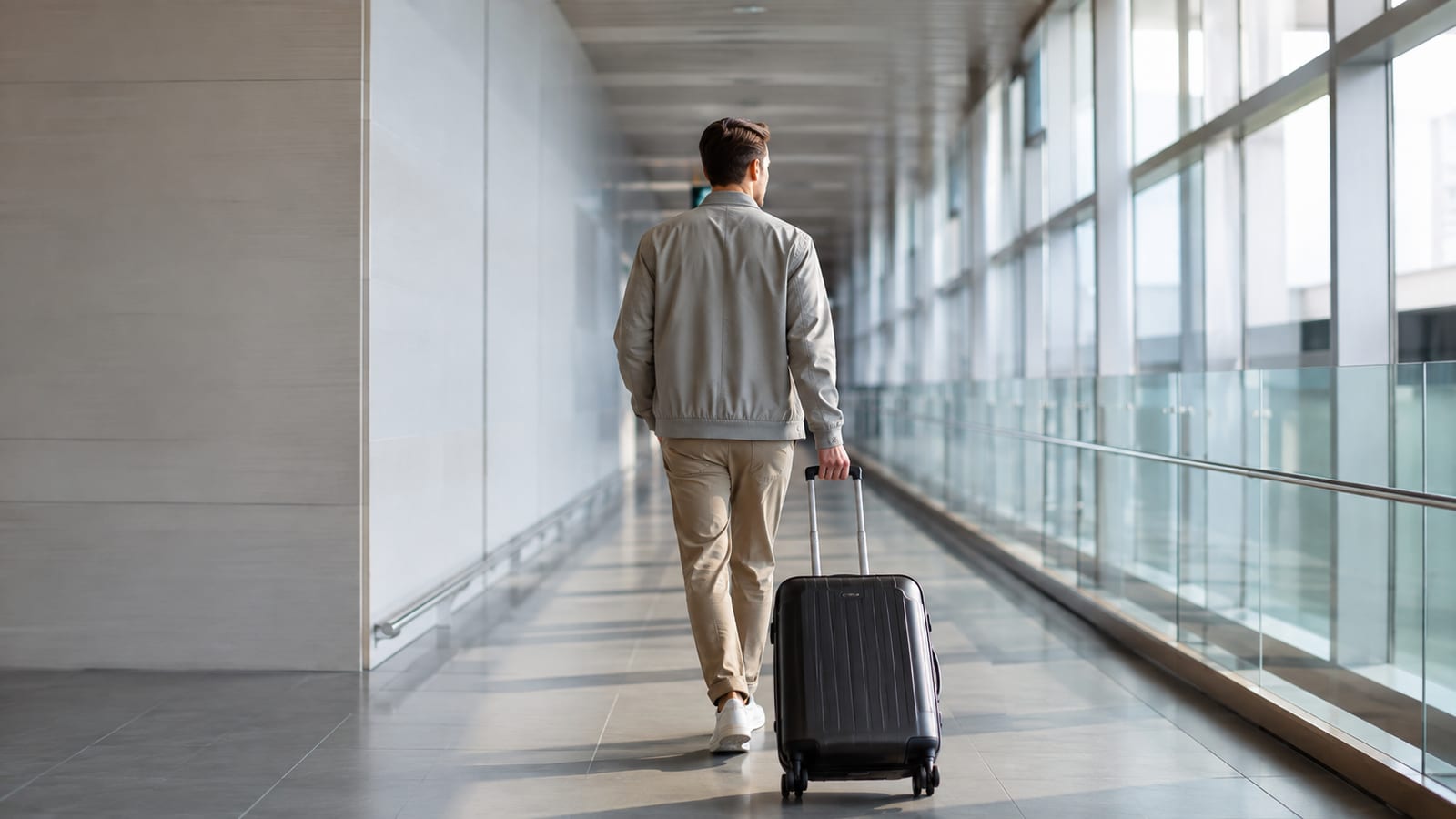
Choose clothes that still work for baggage claim, ground transport, and the hours before hotel check-in. If you’re still working out what to wear for maximum comfort after landing, start with dark travel pants, clean sneakers, and a jacket you’d happily wear to grab a coffee.
Your base shirt should work without the sweater if the destination is warm. Meanwhile, the bomber should handle a quiet street, a train platform, or light rain without looking like cabin bedding.
I keep a fresh shirt and spare socks in my personal bag. Changing either can make the whole outfit feel less stale, even if the rest stays the same.
Don’t build separate “plane clothes” that have no use during the trip. Every piece should earn space after arrival. If the pants can’t handle breakfast or the shoes can’t handle a walk, leave them at home.
What small details make the outfit more comfortable?
Breathable underwear matters more than a fashionable top. Choose soft seams, no scratchy trim, and enough support to sleep without pressure. An underwire is fine if it remains comfortable while sitting, but this isn’t the day to break in a rigid new bra.
Keep a small comfort pouch under the seat with:
- A soft sleep mask
- Earplugs or noise-canceling headphones
- Spare socks
- Lip balm
- A compact scarf or travel blanket
- A fresh shirt
- Any medicine you may need during the flight
The useful layer is the one you can reach. Don’t bury your sweater, sleep mask, or socks beneath a laptop and half your packing list.
A compact scarf helps if the air vent hits your neck, but avoid oversized wraps that spill into the next seat. Meanwhile, a sleep mask with a soft, adjustable band is less likely to leave you with a headache.
Dry cabin air can make an otherwise good outfit feel uncomfortable. Keep water and lip balm close, and use these tips for staying hydrated while flying before you board.
For maximum comfort, wear clothes that let you forget about them. Your first action is simple: put on the full outfit at home and sit in it long enough to find what pinches.
FAQ
Should I change into plane clothes at the airport?
Change only if you’re coming from work or wearing something stiff. Otherwise, arrive in the outfit you plan to sleep in. Airport restrooms are cramped, and carrying an extra full outfit adds more fuss than comfort.
Is a dress comfortable for an overnight flight?
A soft midi dress can work on a warm route, especially with compression socks and a light sweater. However, it may ride up under a blanket and leave your legs cold. I’d choose relaxed trousers unless you already know you sleep comfortably in the dress.
Can I take my shoes off during the flight?
Yes, but keep your socks on and place your shoes under the seat without blocking your foot space. Put them back on before walking around the cabin. Aircraft restroom floors are not the place to trust your compression socks alone.
What should I wear if I land somewhere hot?
Use a breathable short-sleeve shirt as your base and keep the sweater and bomber easy to remove. Choose light travel pants rather than thick joggers. Once you land, pack the warm layers into your personal bag before leaving the terminal.
Are travel bras worth buying for an overnight flight?
Only if your usual bra becomes uncomfortable while sitting or sleeping. A soft, wire-free style can help, but the “travel” label doesn’t make it better. Wear the bra at home for a long evening first, then trust your body’s answer.