
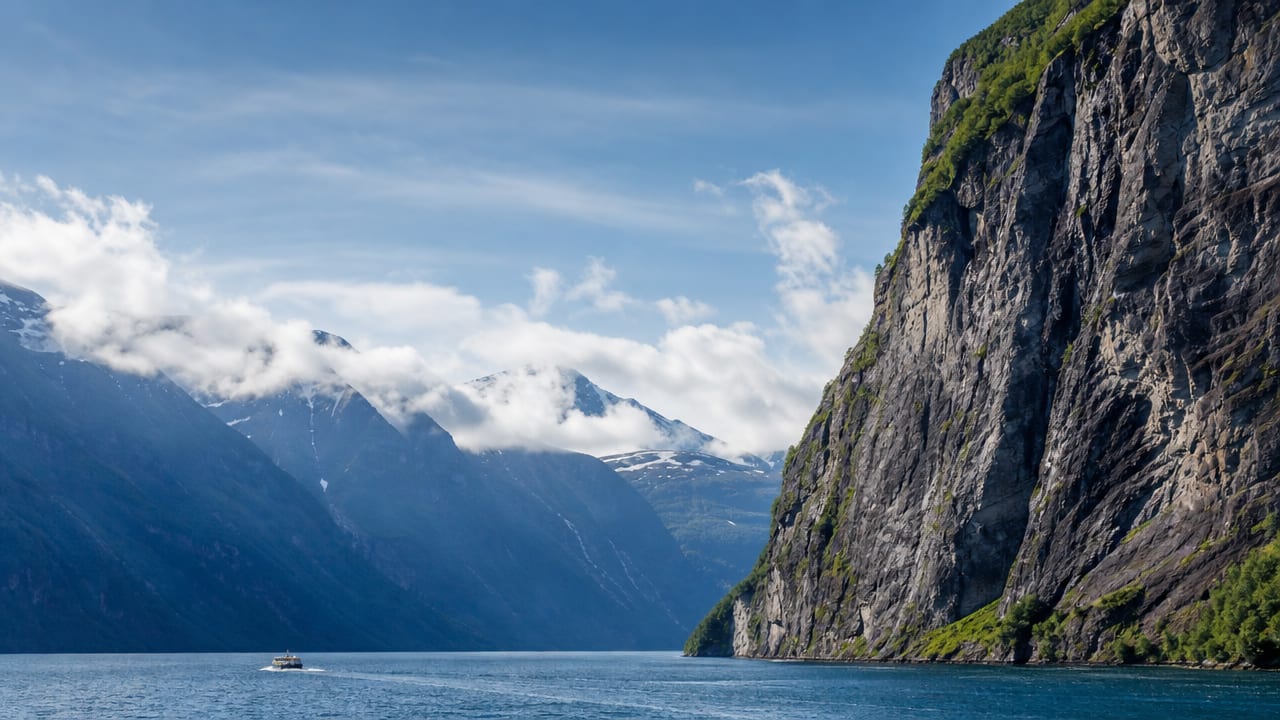
The most spectacular fjord in Norway is Geirangerfjord if you want the classic postcard, but Nærøyfjord beats it for quiet and Sognefjord beats both for sheer scale. There is no single winner, and anyone who tells you there is has not sat on more than one. What you want depends on whether you value the view, the silence, or the road that gets you there. So let me sort the famous from the overrated, and tell you where I would go for each.
Last updated: 2026-07-13
What actually makes a fjord worth the trip?
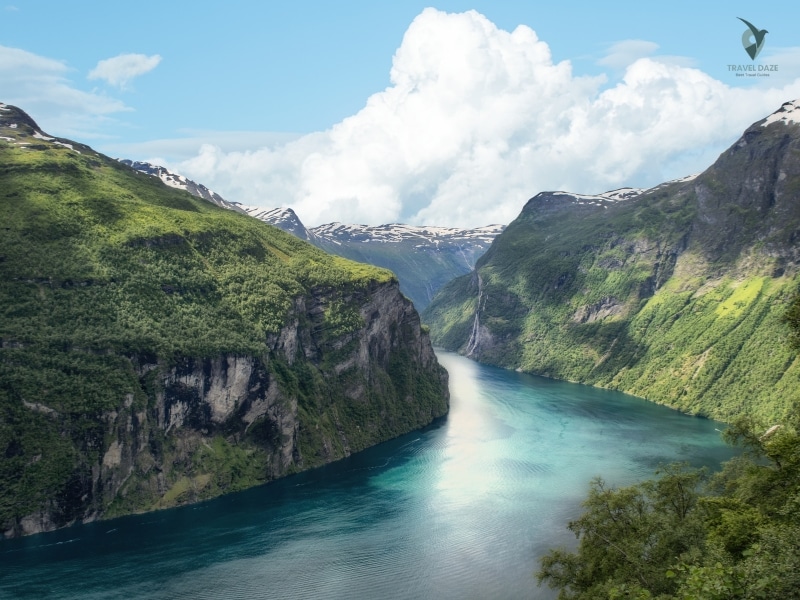
A fjord is a deep sea inlet carved by a glacier, then flooded when the ice melted. Glaciers carved these valleys through up to 50 ice ages over the last 2.6 million years. That slow grinding is why the walls drop straight into the water. The geology matters, because it separates the real ones from the marketing.
Not every "fjord" in Norway is a true fjord. The Oslo Fjord, for example, is not one in the geological sense. Norwegians use the word loosely, so a name tells you nothing about whether the cliffs go vertical. What you want is depth, steep walls, and narrow water. Where those three line up, the view earns its reputation. Where they do not, you have a nice lake with a fancier label.
So when a tour sells you the "most beautiful fjord in Norway," ask which one and why. Beautiful is doing a lot of work in that sentence.
Which fjord is the most spectacular overall?
Geirangerfjord takes this one, and it deserves the crowds it gets. The walls are close, the waterfalls come straight off the top, and it is a UNESCO World Heritage Site. Here that means something rather than a sticker on a brochure. It looks like a painting because the scale is genuinely hard to process from the water.
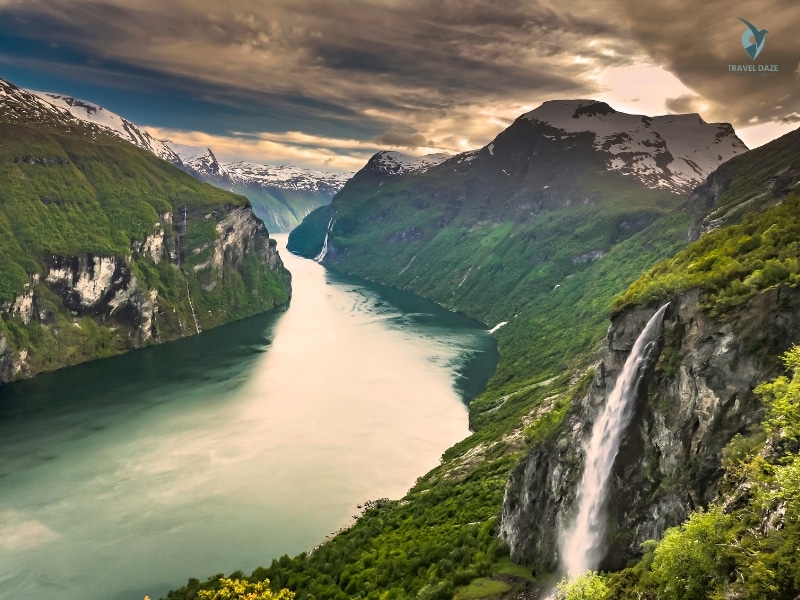
Here is the honest downside. In July, the cruise ships stack up and the small village at the end fills by mid-morning. The view does not care about the crowd, but you might. So go early, or take a kayak out and put distance between yourself and the ferry deck. On the water at 8 a.m., before the day boats arrive, it is as quiet as its reputation promises. By noon it is a car park with a view.
If you can only see one and you want the classic image, this is it. Just do not expect solitude with it.
The best fjord if you want it quiet
Nærøyfjord. This is the narrow one, and narrow is the whole point. It is also a UNESCO World Heritage Site, and here the status tracks the experience. The channel is so tight the cliffs feel like they are leaning in.
I would skip the ferry and take a kayak from Voss. A half-day trip is the right length for a first-timer, long enough to feel it and short enough that your shoulders forgive you. From the water you get red-rock farms, waterfalls, and long stretches where the only sound is your own paddle. Bring a waterproof jacket, because you will get splashed, and that is fine.
The trade-off is access. You cannot drive up and photograph it in ten minutes. You have to commit a morning. But that barrier is exactly why it stays calm while Geiranger fills up.
The biggest fjord, and why size is not everything
Sognefjord is the headline act on paper. It is the second-longest fjord in the world. It runs so far inland that "seeing it" really means picking a section. That scale is real, but it is also the catch. You cannot take in Sognefjord the way you take in Geiranger. It is too big to frame.
So drive it. Self-driving lets you stop at small villages like Undredal and shoot the viewpoints with nobody breathing down your neck. Aurlandsfjord, one of its arms, is the stretch I would prioritize; it looks staged in the best way. The branch called Nærøyfjord splits off from here too, so you can pair the two in a day. If you are planning the route, my guide to the best road trips in Norway covers the driving side.
Skip the big group tours through here. The point of Sognefjord is the freedom to pull over, and a bus takes that away.
The fjords worth going out of your way for
Three that the big lists tend to undersell, with a plain read on who each one suits.
- Hjørundfjord is the quiet one for people who want a break from crowds entirely. I would stay at Hotel Union Øye, a hotel dating to 1891 on the Norangsfjord arm, and take a boat from Ålesund rather than a kayak if you would rather slow down than paddle. It suits travelers who want calm and good food over adrenaline.
- Lysefjord is the hikers' fjord. The Flørli 4444 Stairs climb 750 meters of elevation gain, a genuine leg-burner, not a scenic stroll. Come here if you measure a fjord by what you earned to see it.
- Lyngenfjord, far north, is the one for light rather than cliffs. Winter brings the northern lights over the water; summer brings the midnight sun. It is quieter than the southern fjords because it is harder to reach. Worth it if you are chasing the sky, not the walls.
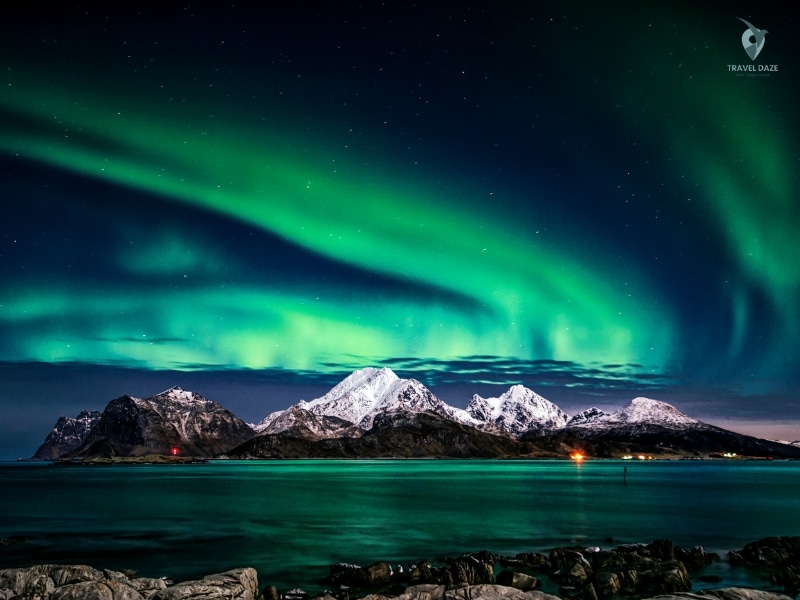
For Lyngenfjord, the light is the whole reason to go, so time it right. My northern lights guide breaks down when the aurora actually shows.
How the main fjords compare
| Fjord | Best for | Watch out for |
|---|---|---|
| Geirangerfjord | The classic view, first-timers | Cruise crowds in summer |
| Nærøyfjord | Quiet, kayaking | No quick drive-up access |
| Sognefjord | A driving trip, scale | Too big to see in one stop |
| Hjørundfjord | Calm, staying put | Fewer facilities |
| Lysefjord | Hikers | The stairs are no joke |
| Lyngenfjord | Northern lights, midnight sun | Long way north |
The Geirangerfjord and Nærøyfjord UNESCO World Heritage listing is the one official credential here that genuinely reflects what you see, rather than a tourism board's own ranking.
Who should skip the famous ones
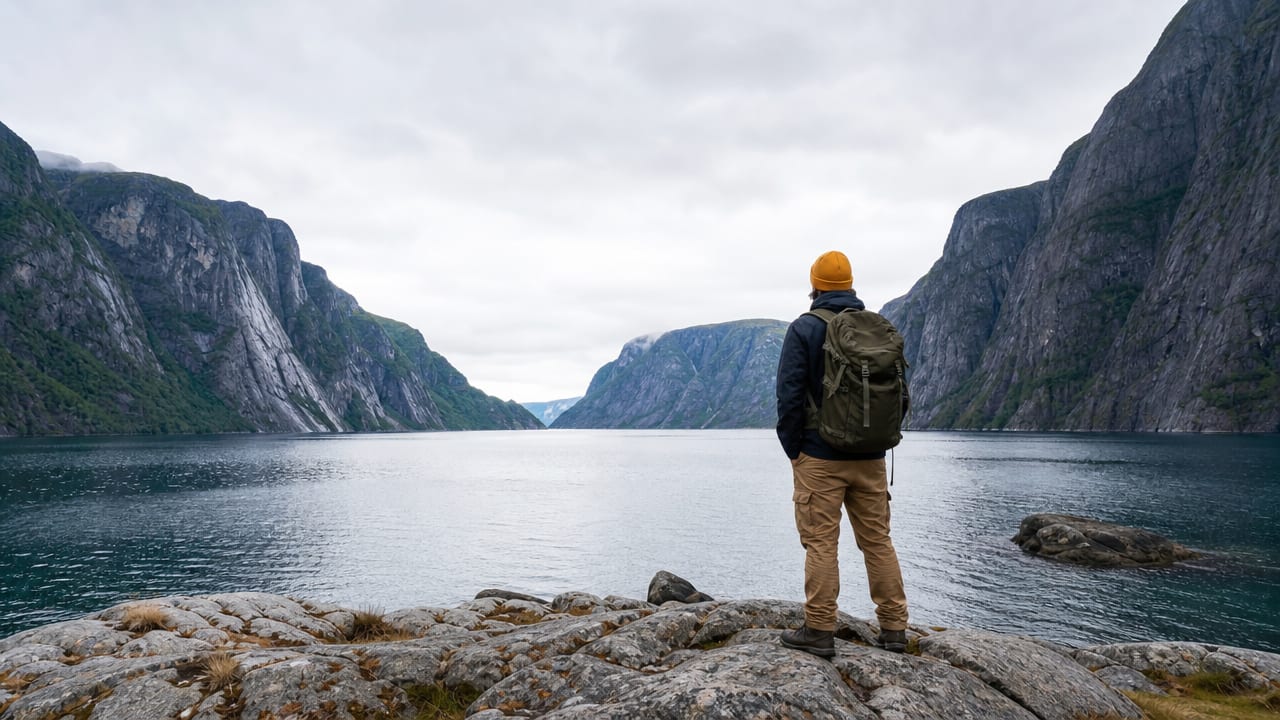
If you hate crowds more than you love a marquee view, skip Geiranger in high summer. Go to Nærøyfjord or Hjørundfjord instead. You lose the single most photographed profile and gain a morning to yourself. That is a fair trade for a lot of people.
If you only have a driving holiday and no interest in boats, Sognefjord is your fjord and Nærøyfjord is not, because the best of the narrow one is on the water. And if you are coming for the sky rather than the rock, none of the southern fjords will beat the far north. Match the fjord to what you came for, and you will not feel shortchanged.
FAQ
When is the best time to visit the Norwegian fjords?
Late May through September gives you open roads, running ferries, and long daylight. July is peak, so expect company at Geiranger. For the northern lights at Lyngenfjord you want winter instead, roughly October to March, when the nights are dark enough.
Can I visit the fjords without a car?
Yes, but it shapes where you go. Bergen and Voss connect to the western fjords by train and ferry, and Nærøyfjord is reachable this way. Sognefjord is the one that really rewards a car, because its value is in stopping where you like.
Are the fjords good for families with kids?
The boat trips and shorter kayak tours work well for families, and half-day paddles suit beginners of most ages. The serious hikes, like the Flørli stairs, are not for small children. Pick the water over the climbs and it is an easy trip.
How many days do I need for the fjords?
Two full days lets you see one fjord properly without rushing. To pair the western fjords with the far north, give yourself closer to a week, because the drive between them is long and you do not want to spend the trip on the road.
Is the water warm enough to swim?
Cold, most of the year. Some people do a quick summer dip in the southern fjords, but the water stays chilly even in July. Treat it as a plunge, not a swim, and bring something dry to change into.