Italy is at its best right after summer breaks. September is the best time to visit Italy for most trips. The sea is still warm enough to swim, museums and beach towns are fully open, and the crowds thin out fast once mid-August is behind you. If you care more about green hills than beach days, pick late May or early June instead.
Every other month asks you to give something up. July costs you comfort and money, August costs you open doors, and winter costs you the coast. Here is how each season plays out, and where I would send you.
When is the best time to visit Italy?
Go in September, ideally the middle two weeks. By then Italy's own summer holidays are over, and families are back at work and school. The beach towns breathe again. You still get long, warm days and a swimmable sea, but the Uffizi line in Florence is shorter and the trains have seats.
September wins because it balances four things at once. The weather is warm without the July punishment. Nearly everything is still open, from ferries to seaside restaurants. Prices start to ease from their August peak, and the crowds drop with them.
There is a catch. The first week can still feel like full summer, in heat and in crowds, especially in the south. Late September can also bring the first heavy storms. So I aim for the middle of the month and pack one light rain layer.
How Italy's seasons compare
Spring and autumn are Italy's shoulder seasons. These are the in-between months, when the weather is good and the peak crowds have gone. For a first or second trip, I rank autumn first, spring second, winter third, and summer last.
| Season | Weather | Crowds | Costs | Best for | My verdict |
|---|---|---|---|---|---|
| Autumn (September to October) | Warm in September, cooler and wetter in October | Moderate, then light | Easing from the summer peak | Beaches in September, cities and food in October | Best overall |
| Spring (April to June) | Mild, more rain early on | Moderate, busy around Easter | Mid-range | Cities, wine country, lakes | Worth it |
| Winter (November to March) | Cold in the north, mild in the south | Light, except holidays and Carnival | Lowest | Museums, skiing, city breaks | Worth it for cities |
| Summer (July to August) | Hot, hottest in the south | Heavy | Highest | Beaches, mountains | Skip it for a first trip |
Winter beats summer for one reason: the cities. Rome, Florence, and Venice are calmer and cheaper, and museums do not care what the weather is doing. Summer only wins if your trip is built around the beach or the mountains.
Late May and June bring Italy's best spring weather
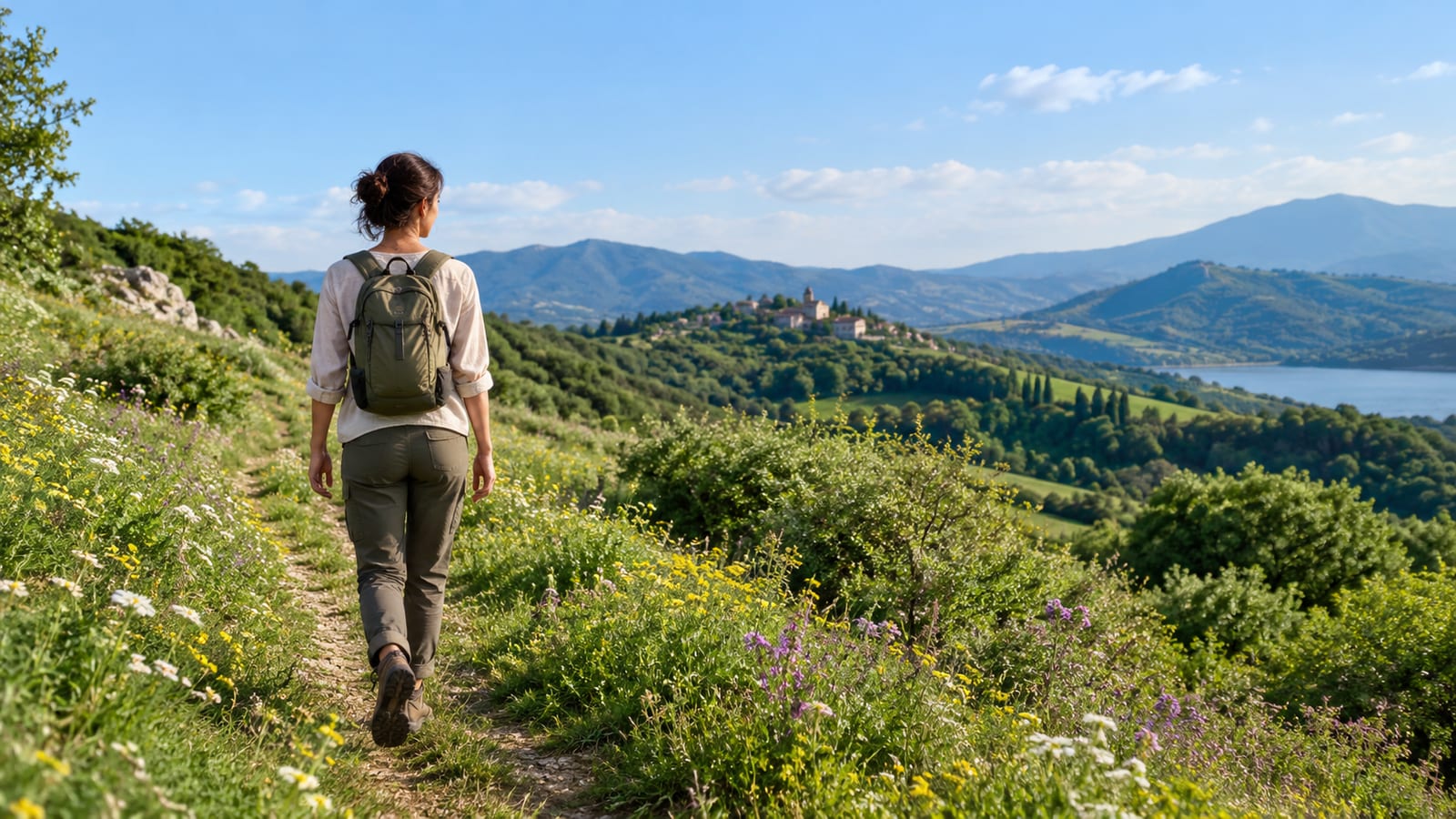
Late May is when Italy turns green and stays comfortable. Rome, Florence, and Venice are easy to cover on foot, and you can eat outside at night without a heat headache. Early May is pleasant too. However, rain is more likely, and grey days flatten the hills.
Wine country is the quiet winner of spring. Piedmont, Tuscany, and Umbria come alive as the vines start growing again, and farm stays are not yet full of summer guests. Try this: base yourself in a small town instead of Florence, and take day trips from there.
For walking, spring suits the northern lakes and the lower trails. High mountain passes can hold snow into June. So check whether the huts are open before you plan a hut-to-hut route.
June has a downside to know before you book. It gets busier and hotter every week, and the coast fills fast. Sorrento in June is lovely to wander, but do not expect the town to yourself.
September and October are the strongest autumn choices
September is the dependable month. The sea holds its summer warmth, so a few beach days fit easily on the end of a city trip. Meanwhile the light softens, and dinner outside feels right again.
October is a different trip, built around cities and food. The days are cooler, quieter, and wetter, and the beach season winds down as the month goes on. In exchange, you get the grape harvest, white truffle season in Piedmont, and lower prices before winter.
So pick by what matters most. If swimming, islands, or the coast are the point, choose September. If you mostly want museums, long lunches, and wine, choose October and accept a few grey days.
When it rains in October, head for a covered market or the museum you were saving. Let the afternoon slow down. Some of the best meals happen on days the plan fell apart.
Peak season means July crowds, heat, and higher prices
July is Italy at full volume. The big sights in Rome and Florence have long queues, and trains between major cities sell out. Rooms near the main squares cost far more than in spring. Accommodation is the real cost in July, and it is the line that breaks most budgets.
Heat is the other problem. City afternoons are hard work on foot, and stone streets hold the warmth well into the night. If you go anyway, book timed entry for the Vatican Museums, the Colosseum, and the Uffizi before you leave home.
Still, July is worth it in two places: the beach, if you book early, and the mountains. The Dolomites are at their best for hiking, with mountain huts open and trails clear of snow. The classic walk circles the Tre Cime di Lavaredo, three rock towers whose tallest, the Cima Grande, reaches 2,999 metres. Expect company on that trail.
For more on summer up high, see my guide to the best time to visit the Alps.
Southern Italy is hottest in midsummer
The farther south you go, the harder July and August hit. Sicily, Puglia, Campania, Calabria, and Sardinia all get long stretches of fierce afternoon heat. Open ruins like Pompeii offer almost no shade.
Here is the rhythm that works in the south in summer. Start sightseeing early, take a long lunch and rest through the hottest hours, and head back out around 6 when the streets fill again. Locals keep this rhythm for a reason, and copying it costs you nothing.
Carry water, wear a hat, and save ruins and long walks for the morning light. If you plan to pair Rome with the coast, my itinerary for Rome and the Amalfi Coast works best in late spring or September.
Why August and Ferragosto complicate an Italy trip
August is the month I would skip for a first trip. The reason has a name: Ferragosto, a public holiday on 15 August. It coincides with the Catholic feast of the Assumption of Mary, and San Marino and Switzerland's Ticino area mark it too.
The holiday is ancient. Its name comes from the Latin "feriae Augusti," the rest of Augustus, after Emperor Augustus set up an August celebration in 18 BC. Two thousand years later, the country still treats August as the month to stop. As a result, everyone goes on holiday at the same time.
For you, that means packed beaches, full resorts, and higher prices on the coast. In the cities, the opposite happens. Family-run bakeries and trattorias close for a week or two, often with a handwritten sign on the door. You can walk a quiet street in Milan and find many places shuttered.
Other countries join in, too. The day is also a holiday in France, Spain, and Portugal, so much of southern Europe hits the beach in the same week. If you are weighing a coast trip elsewhere, my guide to Portugal's travel seasons covers how that country handles the same crunch.
Winter and beach-town closures
Winter is cheap and calm in the cities, but the coast mostly shuts. In midwinter, temperatures often drop to the 40s Fahrenheit in Milan and the 50s in Rome. Beach towns are nearly closed and battered by waves. Skip the Cinque Terre and the Amalfi Coast until spring.
The closures go beyond the beach. Ferry schedules shrink, seasonal restaurants and hotels close for months, and small towns can feel empty. Many sights also keep shorter winter hours, so check closing times the day before. For regional events and seasonal openings, Italy's official tourism site is a good starting point.
Winter in the cities is worth it
The cities tell a different story. Florence sees January highs around 52°F and lows around 37°F, cold but fine for museums and long lunches. Palermo in Sicily is milder, with January highs around 59°F and lows around 49°F.
Venice is quieter in winter than at almost any other time. The morning fog over the canals is a small detail worth getting up for.
The one winter crowd to plan around is Carnival. The 2027 edition of Carnevale di Venezia runs from 23 January to 9 February, and the city fills up for it. Check the official Carnevale di Venezia site and book early if you want to go, or avoid those weeks if you want Venice calm.
Do Italian hotels have air conditioning?
Many do, but never assume it. Historic buildings, small family guesthouses, and mountain hotels often have none. Some places only cool the common areas. In the south in July and August, a hot room can wreck your sleep for the whole trip.
Before you book, look for "aria condizionata" (air conditioning) in the details for your specific room. A hotel can list it in its general description even when some rooms lack it. Then send a short message asking three things: is it in my room, does it cost extra, and does it run all day.
Some older hotels limit the hours it runs, and you want to know that before you arrive. If you love a place without it, ask for a room on the shady side and a fan. Thick stone walls also help more than you would expect.
What to wear in Italy by season and destination
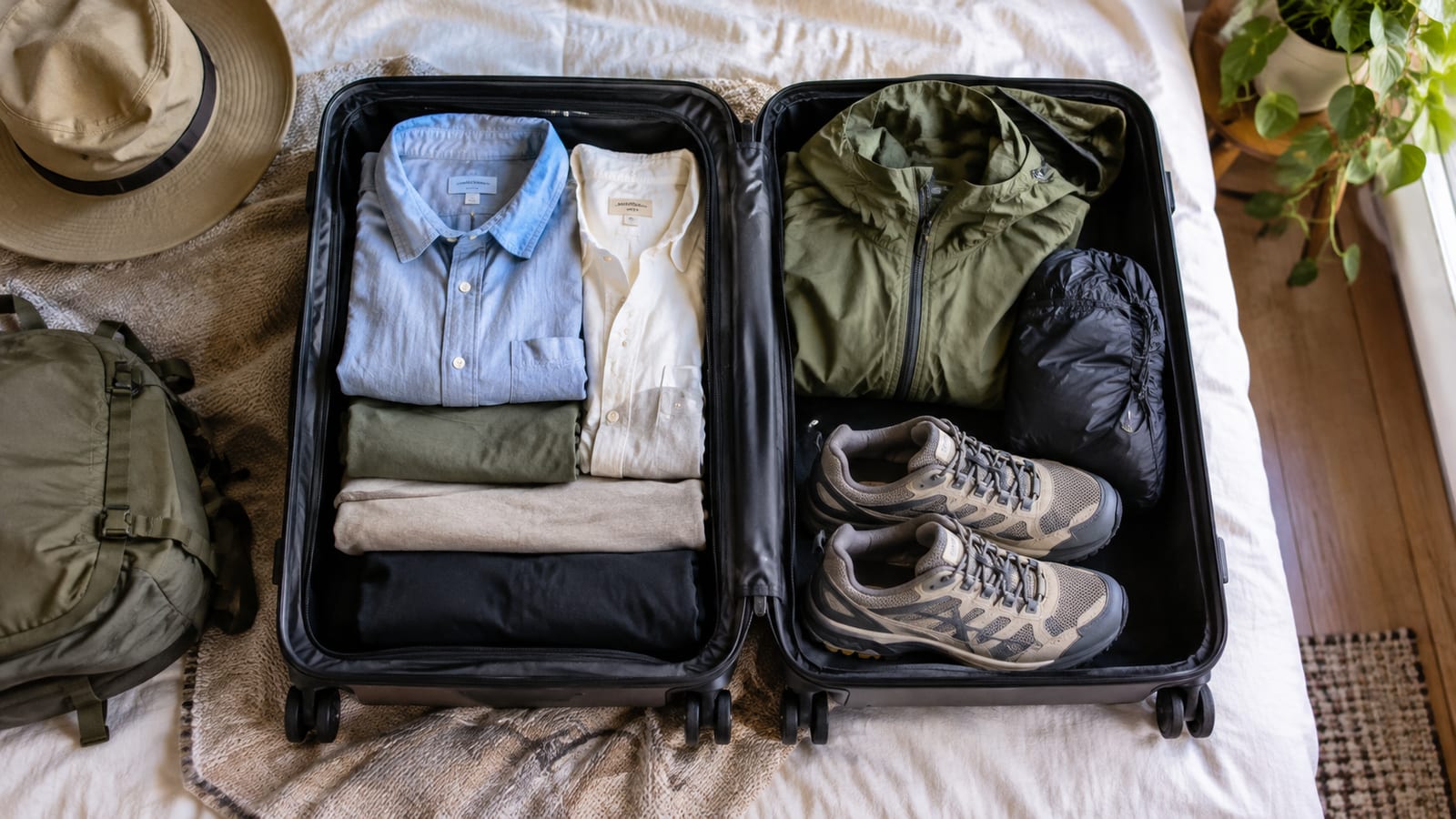
Pack layers for spring and autumn. Mornings can be cool and afternoons warm, and October adds rain. A light jacket and a small umbrella earn their space. Summer calls for loose, breathable clothes and a hat, while winter in the north needs a proper coat.
Churches have dress rules, and they enforce them. Cover your shoulders and knees at St. Peter's Basilica and most other churches, or staff may turn you away at the door. A light scarf in your day bag solves this without any fuss.
Two more small details matter. Wear comfortable shoes with grip, because cobblestones get slick when it rains. Also keep swimwear for the beach, since some coastal towns have rules against walking the streets in it.
Match your itinerary to the right month
Here are my picks by type of trip:
- City breaks in Rome, Florence, and Venice: late September or October, then late May. Choose winter if price matters most.
- Beaches and islands: September, then June. Skip August.
- Mountain hiking: July through mid-September, with September the calmer pick. Crowds stay lower in the Dolomites and around Mont Blanc outside the peak weeks.
- Northern lakes: May and June, or September.
- Food and wine: October for the harvest, or spring for green vineyards in Piedmont, Tuscany, and Umbria.
- Winter sports: January to March in the Dolomites and around Mont Blanc. Even Sicily has skiing, on Mount Etna, which rises to more than 3,300 metres.
If you are still torn, the best time to visit Italy for a first trip is the one I opened with. Your first step today: open a calendar, find the middle of September, and book your first two nights. Leave the rest open and trust yourself to fill it in.
FAQ
Is Easter a good time to visit Italy?
Easter brings some of the heaviest spring crowds, especially in Rome. Holy Week draws pilgrims to the Vatican and pushes up hotel rates across the city. Book well ahead, or aim for the week after, when the weather is the same and the streets are calmer.
What is November like in Italy?
November ranks among the quietest months and often the wettest. Room rates are low, and you can see museums with almost no lines. It suits a slow trip of cafés and long dinners, though coastal and island plans should wait.
Should I book trains in advance?
For high-speed trains between big cities, yes. Those fares tend to climb as the travel date gets closer, and summer departures fill up. Regional trains usually have fixed fares, so you can buy those at the station on the day.
How far ahead should I book a September trip?
Book the coast first, a few months out if you can. Plenty of travelers already know September is the sweet spot, and seaside rooms go early. City hotels have more room to spare, though central places near the big sights still fill sooner than you would think.