The best time to visit Portugal is late May through June or September. You’ll get warm, mostly reliable weather, fewer crowds than July and August, and better value on places to stay. Choose September for the Algarve and beach time; choose June for festivals, long sightseeing days, and cities that still feel lively without peak-summer pressure.
Portugal is easy to enjoy badly. Go in August without booking ahead and you may spend more time waiting in heat than looking at the thing you came to see. Pick the shoulder season instead, then leave room for a long lunch, a slow train ride, or a rainy afternoon that changes the plan.
The overall pick
Late May through June is the best all-round choice for most travelers. The days are long, the weather is warm without the full force of midsummer, and Portugal’s cities and coastal towns have plenty going on before prices and crowds reach their summer peak.
September is the stronger choice if the Algarve matters most. The sea stays warm, beach towns are less pressured than in July and August, and inland sightseeing is usually easier once the sharpest summer heat has passed.
| Travel period | Best for | What you’ll get | The catch |
|---|---|---|---|
| Late May to June | First trips, city breaks, festivals | Mild weather, long days, lively streets, manageable crowds | Event dates can push up demand |
| September | Algarve beaches, relaxed travel | Warm water, easier beach days, thinner crowds | Popular coastal areas still need planning |
| July to August | Guaranteed heat and swimming | Peak summer energy and hot beach weather | Higher costs, long waits, intense inland heat, wildfire risk |
| October to April | Low-cost cultural trips | Quieter cities, lower prices, milder weather in the south | Rain, shorter hours, and fewer seasonal services |
For a first visit, I’d choose late May through June unless your trip is mainly about swimming. If your plan includes Lisbon, Porto, and a few days by the water, this period gives you the best balance.
Lisbon also makes a strong base for a first trip. You can add coastal time with these day trips from Lisbon without changing hotels every night.
Mild weather across Portugal
Late spring and early autumn offer the most comfortable mix of warmth, sunshine, and manageable rain across the country. Spring can bring a few unsettled days, while autumn often feels steadier at the start, especially in the south.
May and June work well for walking through Lisbon, Porto, and smaller towns. You can spend a morning outside, stop for lunch, and keep sightseeing without planning your day around the hottest part of the afternoon.
September and October are also good for slow travel. The heat eases, the light becomes softer, and the country feels less crowded after the main summer rush. However, rain becomes more likely as autumn moves on, especially in northern Portugal.
You won’t get one weather pattern across Portugal. Porto and the north are cooler and wetter, Lisbon and central Portugal are more moderate, and the Algarve is warmer and drier. That difference matters if you’re combining a city trip with beaches or a road trip inland.
For current forecasts and regional conditions, check the Portuguese Institute for Sea and Atmosphere before you pack. A forecast for Porto won’t tell you much about a beach day in the Algarve.
Crowds and prices by season
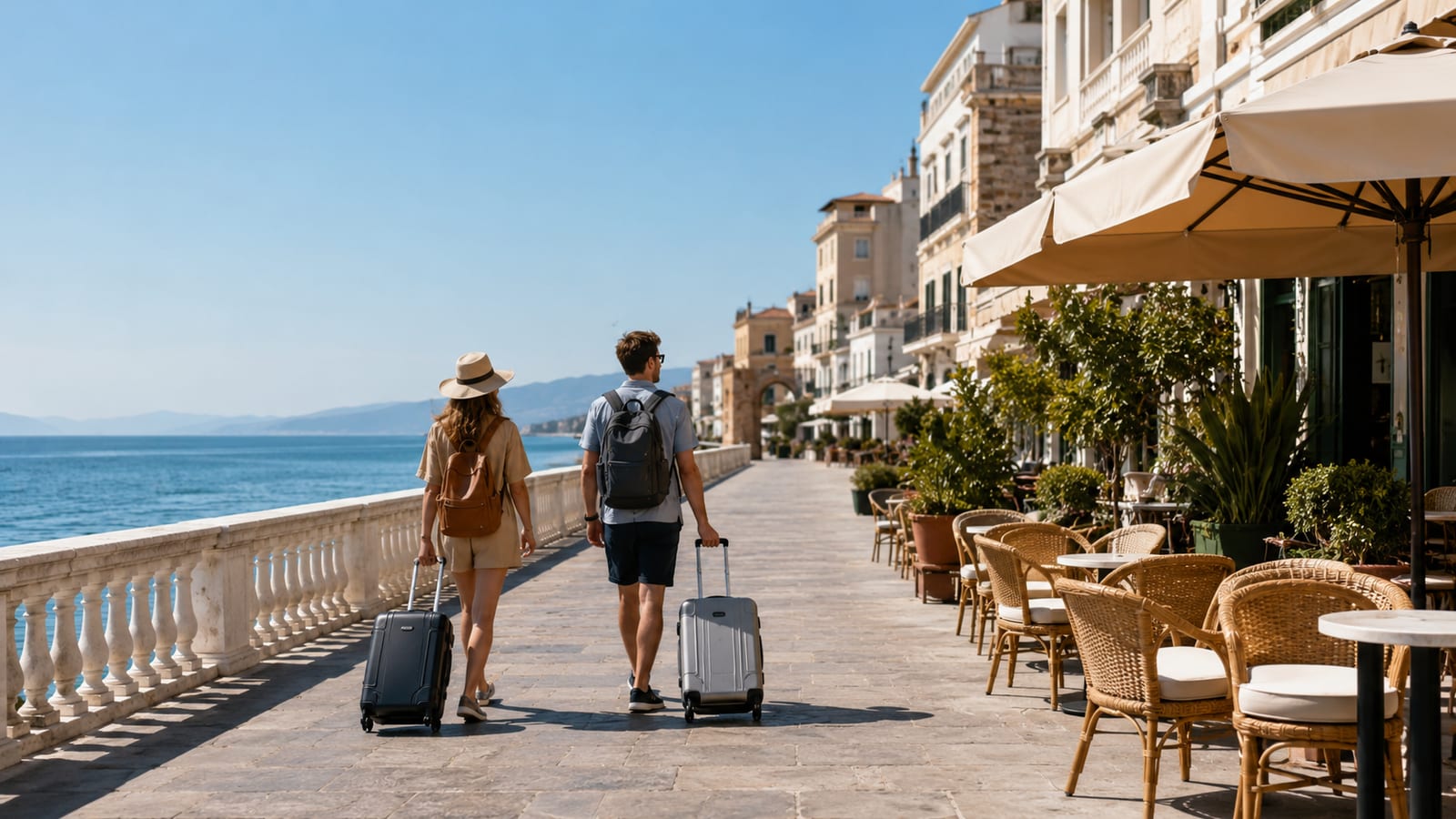
Travel in late May, early June, September, or October if you want more space and better value. These months sit outside the main rush, although major festivals and school holidays can still fill popular areas.
July and August are the busiest months for flights, hotels, beaches, and major attractions. Algarve beach towns are packed with vacationers in July and especially August. Rates go sky-high, and it can be tough to find a room, so book early if you’re traveling then.
The shoulder season gives you more control. You can choose a room near the center, get a table without planning every meal, and visit a major sight without joining the longest line of the day.
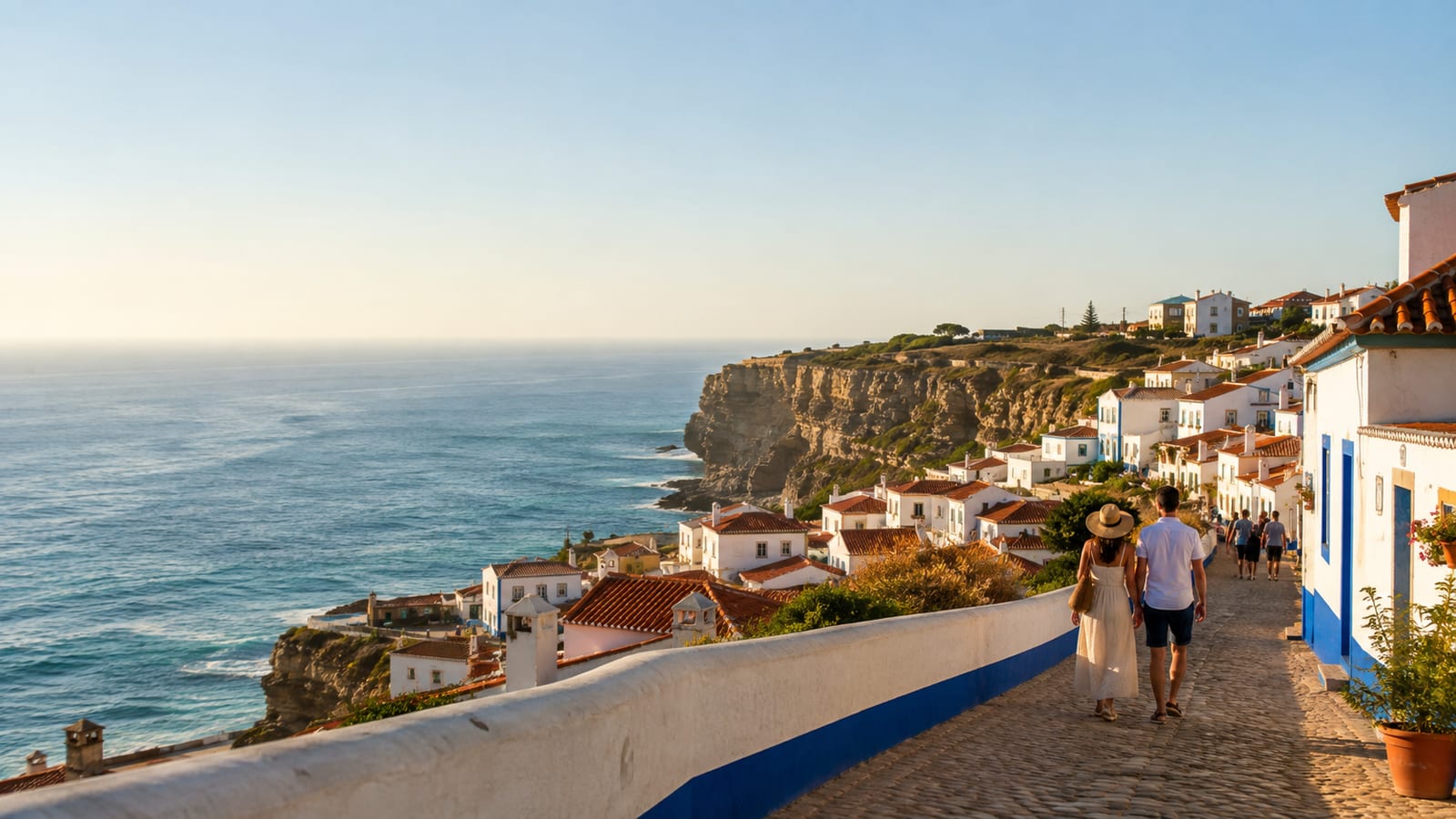
Nazaré is a good example of why timing matters. It attracts visitors beyond the main summer period, so don’t assume a coastal town becomes quiet the moment September begins. If you want a particular hotel or a weekend by the water, book the first part of the trip early and leave the rest flexible.
Summer’s tradeoffs
July and August are right for you only if heat, swimming, and major summer energy matter more than comfort and cost. Otherwise, they’re harder to defend.
The Algarve is especially busy in July and especially August. Beaches fill early, accommodation costs more, and roads can feel slow when you’re trying to move between coastal towns. Inland areas, including Alentejo, can feel punishing during the hottest part of the day.
Wildfire risk is another summer concern. It doesn’t mean you should cancel a trip, but it does mean you should watch local advice and avoid building a rigid plan around remote trails or long drives through dry areas.
Popular sights also take more patience. Start early, reserve what needs reserving, and keep the middle of the day for lunch, shade, or a museum. If you want to see Lisbon on foot, late May through June will usually treat you better than August.
Still, summer has a clear appeal. The days are long, outdoor dining is easy, and the Algarve region has its main beach season from July to October. Choose it with open eyes, not because a booking site makes August look like the only possible month.
The best month for Algarve beaches?
September is the best month for Algarve beaches. The water remains warm, the worst crowds have thinned, and the heat is usually easier to handle than in midsummer.
The Algarve’s average sea temperature in August is 22°C. That makes August a strong swimming month, but warm water doesn’t solve the other problems: full beaches, higher accommodation costs, and crowded roads.
Late spring can be lovely for coastal walks and sitting in the sun. However, the sea may feel cool if swimming is the main reason you came. June improves the odds, while July and August bring the most dependable summer beach conditions.
September gives you the better compromise. You can swim, stay outside for longer, and still find a quieter stretch of sand if you walk away from the busiest access point.
October can work for a relaxed coastal trip, especially if you care more about light, food, and walking than daily swimming. Some seasonal businesses reduce their hours after summer, so check what is open before you base the whole trip in a small beach town.
If you’re considering a short coast break, my guide to a weekend in Cascais covers a different part of Portugal’s coast and works well as a planning model.
Regional weather differences
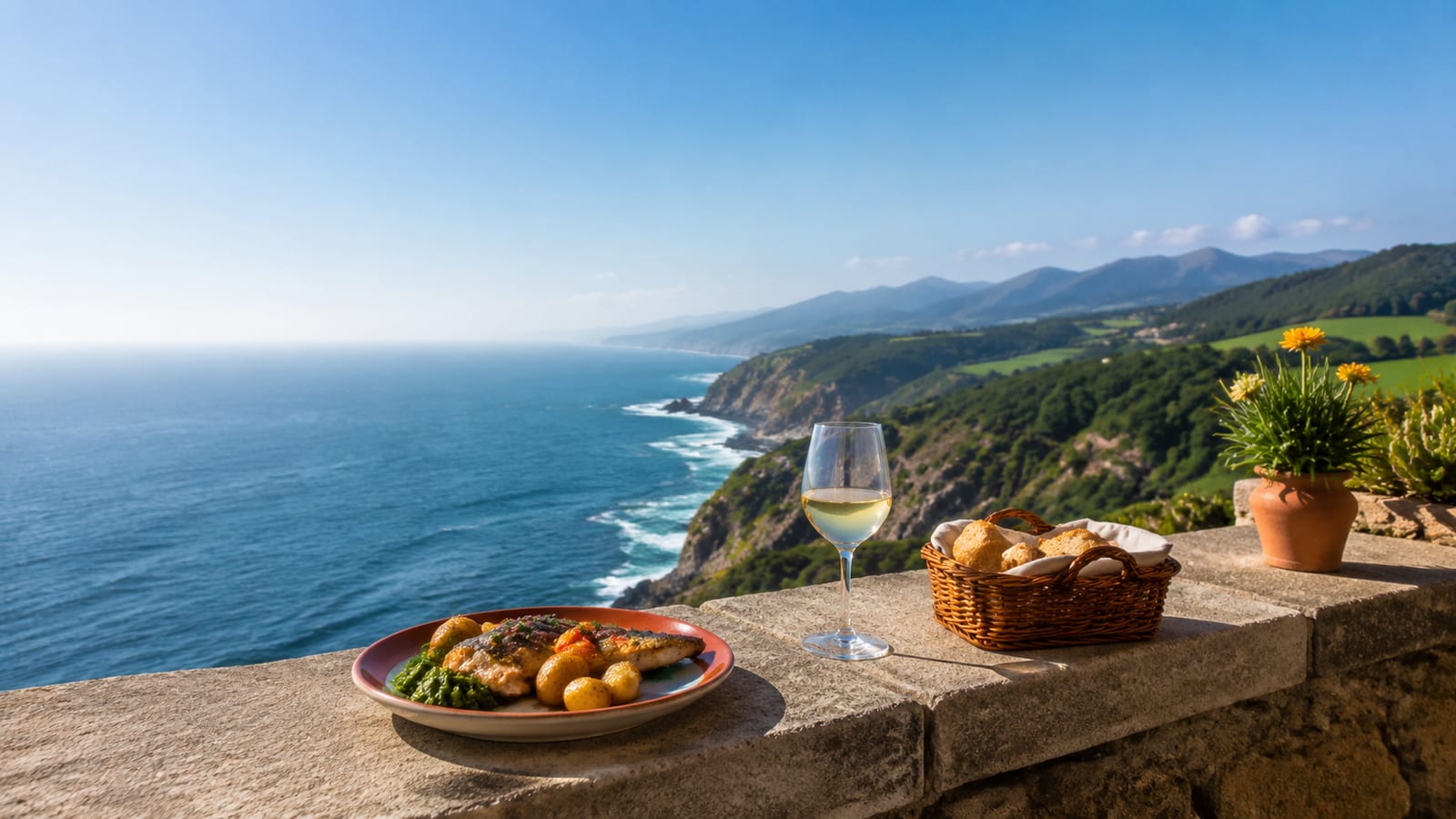
Portugal’s regions are close on the map but not interchangeable in practice.
- Northern Portugal: Porto and the north are cooler and wetter. Pack a light rain layer even in months that look dry on a general Portugal forecast.
- Central Portugal: Lisbon and the central region have more moderate conditions. They suit sightseeing, food trips, and mixed city-and-coast itineraries.
- Southern Portugal: The Algarve is warmer and drier. It’s the safest choice for a beach-focused trip, especially from late spring into early autumn.
- Alentejo: Summer heat can be intense inland. Plan outdoor walks for morning or evening and don’t treat a beach forecast as an inland forecast.
Porto also deserves enough time to be useful. Give it about two to three nights if you want to see the city without turning every hill into a scheduling problem. The north is a poor fit for a trip planned around guaranteed sun, but it’s a good fit for food, river views, and slower city days.
A countrywide packing list is not enough here. Bring layers for the north, sun protection for the south, and shoes you can walk in everywhere. Portugal’s streets are often uneven, steep, or both.
Festivals and pilgrimages that affect dates
Festivals can make June the most rewarding month to visit, but they also change the cost and mood of a city. Book early if one of these events is the reason you’re going.
In Lisbon, St. Anthony’s Day falls on June 13. The celebrations fill streets with music, food, and late-night crowds. It’s a good time to be in Lisbon if you want a city-wide event, but it’s not the week to expect quiet evenings or last-minute rooms.
Porto celebrates St. John’s Day from June 23–24. The city gets loud and festive, and demand rises around the event. Choose Porto for those dates if you want to join the celebration. Skip them if you’re looking for calm mornings and an early night.
You can check the official information for St. Anthony’s Day before setting your dates. Event details can change, and the best plan depends on the exact program.
Holy Week also affects demand and opening times. Fátima draws pilgrims on May 13 or October 13, so those dates can change transport, accommodation, and the feel of nearby towns. The Sanctuary of Fátima publishes its official information, which is the place to check before you plan around a pilgrimage.
Entrudo takes place roughly November–March in Lisbon and a few towns in the Algarve. It’s a useful choice if you want a cultural event outside the main summer season, but don’t expect every coastal service to run as it does in August.
Portugal outside summer
Outside the main summer season, Portugal becomes quieter and less expensive. Major cities still have restaurants, museums, shops, and public transport, while southern Portugal often stays milder than northern Europe.
The tradeoff is less predictable weather. Northern Portugal is rainier, outdoor plans can fall apart, and some coastal towns feel half-closed. A road trip can still work, but you’ll need backup plans that don’t depend on sunshine.
Winter suits cultural travel better than a beach holiday. Spend the morning in a museum, take a long lunch, and keep a bookshop or café in reserve for the afternoon. That plan feels deliberate in Lisbon; it can feel thin in a small resort town with most seasonal businesses closed.
Entrudo gives parts of Lisbon and the Algarve a reason to visit outside summer. However, an event does not guarantee full services everywhere. Check transport, accommodation, and local schedules before you commit to a small-town base.
Off-season opening hours
Year-round city attractions usually stay available, but opening hours can shorten. Museums, historic sites, restaurants, and tours may run fewer sessions outside the main season.
Seasonal beach businesses are less reliable. Some places close completely, while others open only on selected days. Boat trips, beach bars, small tour operators, and coastal restaurants are the areas most likely to change their schedules.
The practical move is simple: check the official site for every attraction you care about, then keep two indoor alternatives nearby. Don’t build a winter day around one outdoor activity and hope the weather cooperates.
Major destinations are easier than small resort towns in winter. Lisbon and Porto can carry a rainy day without much effort. A quiet Algarve village may not, especially if you’re traveling without a car.
Best seasons for different travelers
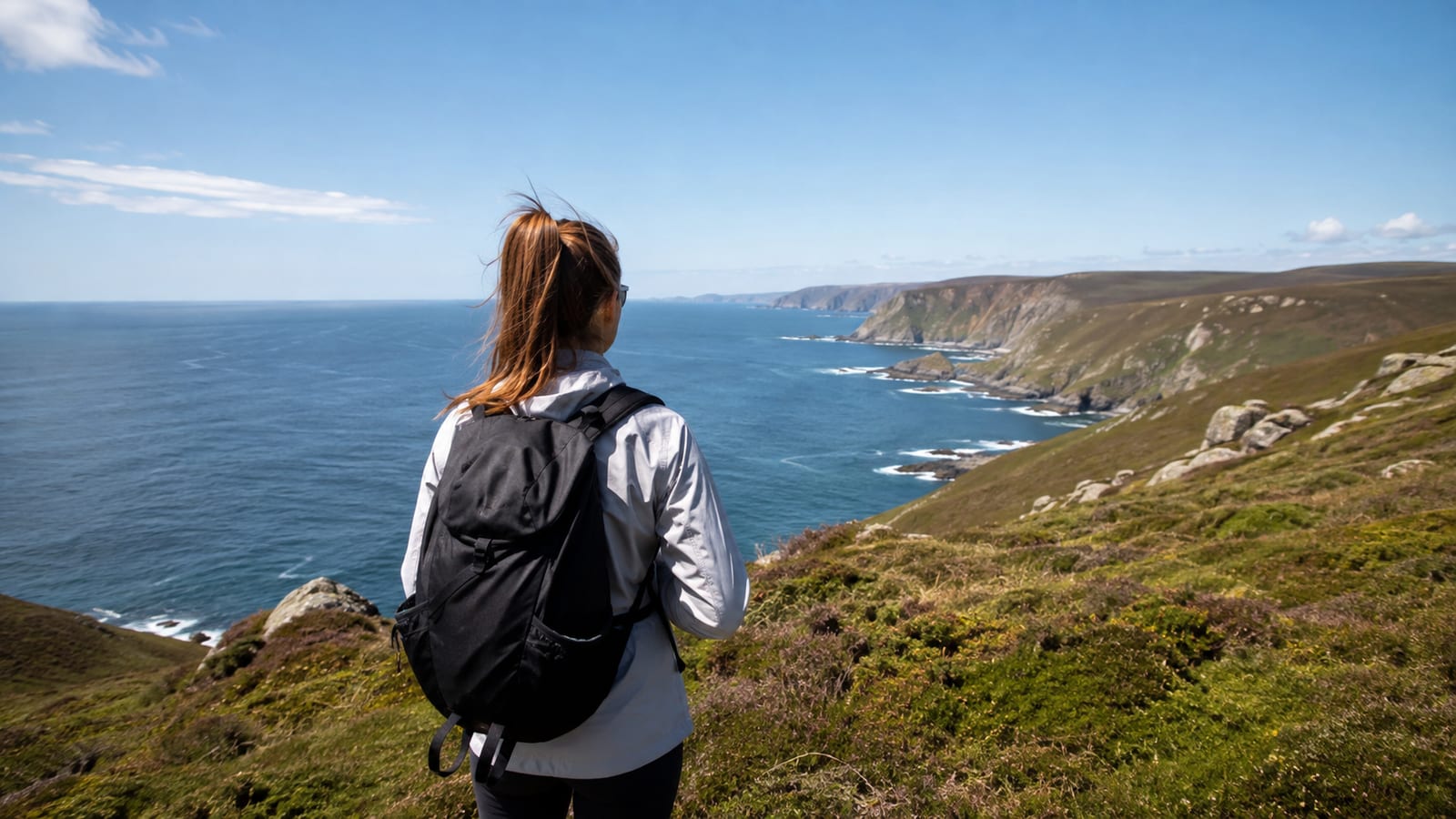
Your best month depends on what you want the trip to do.
- Beach trips: Choose September for warm water and less pressure. Choose July or August only if peak summer conditions matter more than crowds.
- City breaks: Choose late May through June or September. You’ll have comfortable conditions for walking and plenty of places open.
- Hiking: Choose spring or early autumn, when the heat is easier to manage. Check local weather before setting out, especially in the north.
- Food and wine travel: Choose September and October for a slower pace and strong seasonal interest, especially around the Douro Valley.
- Festivals: Choose June for Lisbon’s St. Anthony’s Day and Porto’s St. John’s Day. Book before you start comparing neighborhoods.
- Budget travel: Choose the quieter months outside summer. You’ll pay less and deal with fewer visitors, but accept shorter hours and more rain.
- A first solo trip: Choose late May through June or September. You’ll have enough activity around you without the full summer crush.
The Douro Valley suits September and October if you want food, wine, and changing autumn scenery. Keep the itinerary loose because rural transport and opening schedules can be less forgiving than in Lisbon or Porto.
For a solo trip, I’d book the first two nights and avoid changing bases every day. Portugal is easy to explore, but every extra hotel move takes time away from the cafés, markets, and quiet streets that make the trip feel like yours.
The simple choice
Choose late May through June for the best all-round trip. You’ll get mild weather, long days, manageable crowds, and lively festivals before peak-season prices take over.
Choose September for the Algarve, swimming, and a calmer coastal trip. The water stays warm, while the worst of the summer pressure begins to fade.
Choose July to August only if guaranteed heat, swimming, and summer energy are your main goals. Accept the higher costs, long waits, intense inland temperatures, and greater wildfire risk.
Choose the quieter months outside summer for low prices, quiet cities, and cultural travel. Expect cooler or wetter days, shorter opening hours, and reduced services outside the main destinations.
Start by deciding whether the trip is about beaches or cities. That one choice usually points you to September or late May through June before you spend an hour comparing flights.
FAQ
Is Portugal warm all year?
No. Southern Portugal is milder outside summer, but winter still brings cooler and wetter days. Northern Portugal is generally cooler and wetter than Lisbon and the Algarve.
How far ahead should you book Portugal for summer?
Book as early as you can if you’re traveling in July or August, especially for the Algarve or around major festival dates. Waiting usually leaves you with fewer locations and less control over the real cost.
Can you swim in Portugal in September?
Yes, September is one of the strongest months for swimming in the Algarve. The sea remains warm after summer, and beach conditions are usually more comfortable than during the busiest weeks.
Is Portugal worth visiting in winter?
Yes, if you want quieter cities, lower prices, and cultural travel. Winter is less suitable for a beach-centered plan or a rural itinerary that depends on dry weather and full seasonal services.
Which month is best for a Portugal road trip?
Late May, June, September, and early October give you the best balance for a road trip. You’ll avoid the worst summer heat while keeping more outdoor stops and seasonal businesses available.