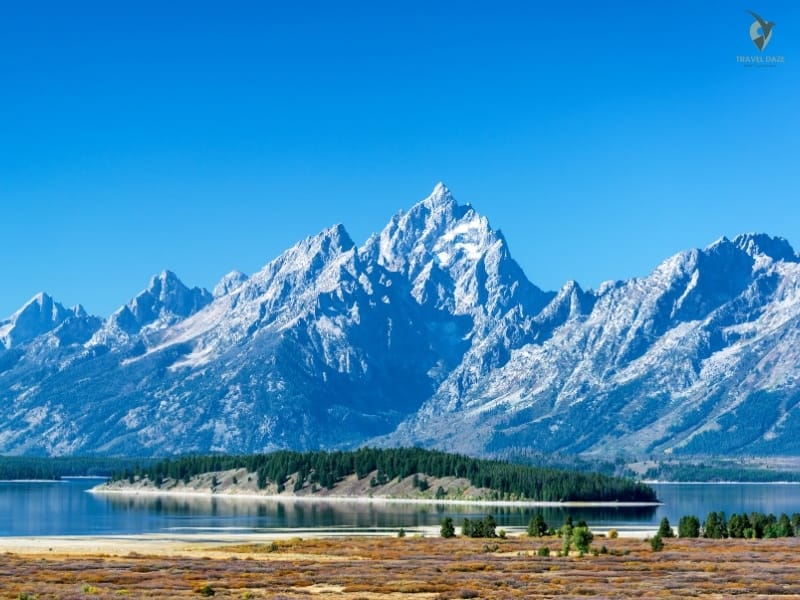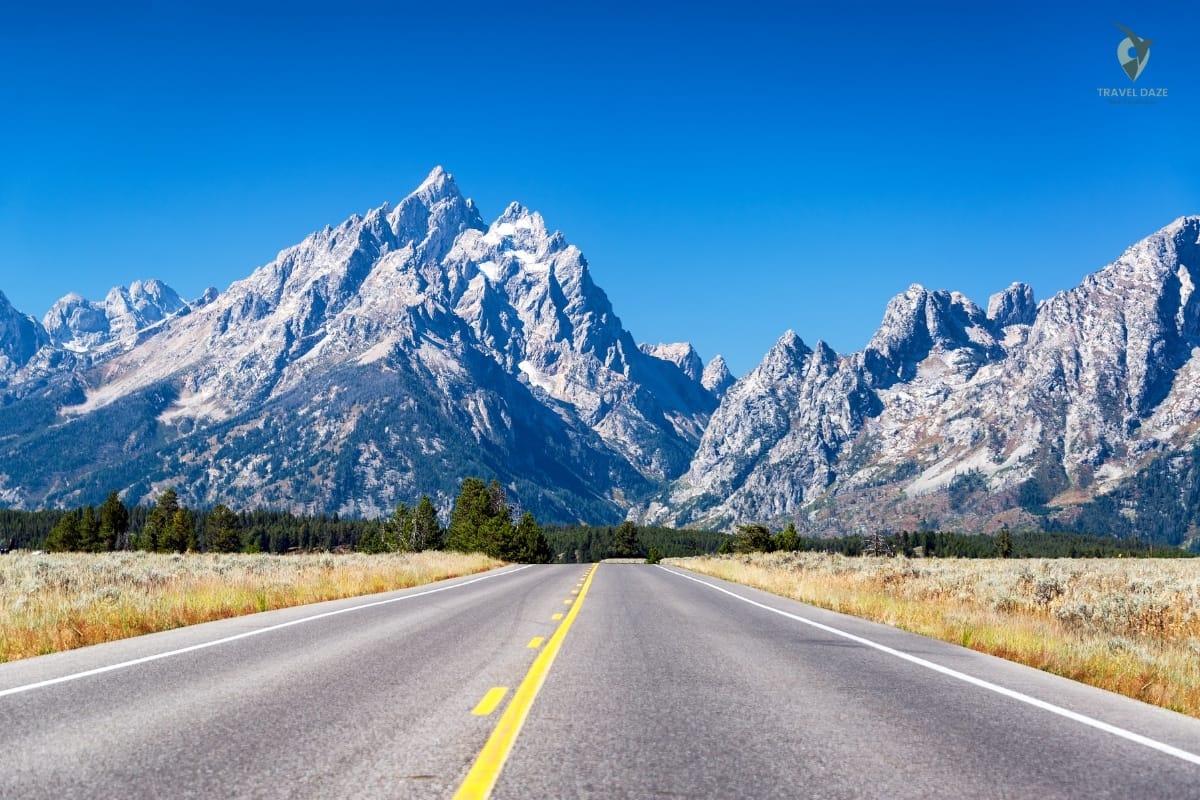
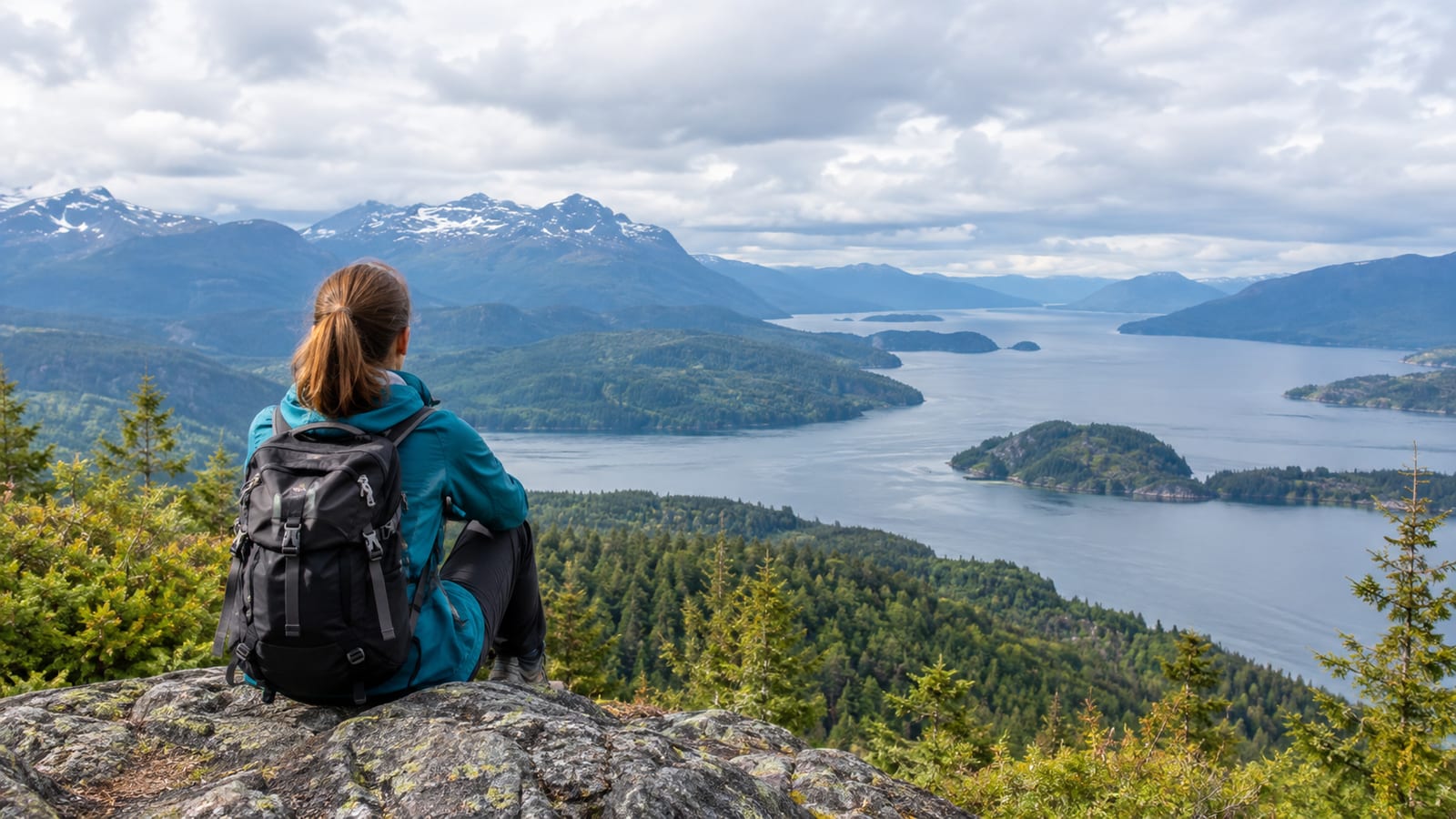
Western Washington is best explored in pieces: Seattle for coffee and markets, one national park for mountains or rainforest, then an island or coastal town. The Western Washington region includes Seattle, Puget Sound, the Olympic Peninsula, the San Juan Islands, and the western side of the Cascades.
Last updated: 2026-09-23
Start in Seattle, then leave the city before you settle into traffic. On one trip, I spent the first morning at Pike Place Market, drove toward the Olympic Peninsula, and saved the next day for the coast. That gave me city streets, big trees, saltwater, and a slower afternoon when the weather changed.
The region is the wetter, greener, more crowded half of Washington. Seattle, Olympic National Park, Mount Rainier, North Cascades, and coastal towns all deserve time, but you’ll enjoy them more if you stop trying to fit everything into one route.
Start with the mountains, water, and weather
The Cascades split Washington, but the useful difference is what you feel on the ground. Western Washington has wet forests, moss, low clouds, saltwater, and busy towns. Eastern Washington has farmland, high desert, and wine country.
Approximately 60% of Washington State’s residents live in Western Washington. Seattle, Tacoma, Olympia, and the Puget Sound suburbs sit around the water, so this side feels busy even when you leave the city.
Western Washington covers 24,742 square miles of land area. Its broad geographic reference is around 48°N 122°W, but the useful detail is simpler: the region runs from the Pacific coast and Olympic Peninsula to the western slopes of the Cascades.
Puget Sound is the center of it. It is a large saltwater inlet filled with islands, ferries, port towns, and long views. You can walk a downtown sidewalk in the morning and watch for orcas from a boat by afternoon.
The weather is relatively mild. Summer days rarely exceed 79° (26° C), and winter daytime temperatures are seldom below 45° (8° C). The trade-off is the long wet season, when clouds can hide the mountains for days.
When I plan this region, I check the mountain forecast before I choose the park. Clear skies make Mount Rainier or the North Cascades the obvious choice. Low clouds make the rainforest, coast, or a covered market a better day.
How do you explore the Western Washington region?
Start with Seattle, then get out of it. The city is worth two days, especially if you like markets, museums, coffee, and waterfront walks. The parks, islands, and mountain roads are where the Western Washington attractions become more than a city break.
Here are the places I’d stand behind:
| Place | Best for | Cost or detail to know |
|---|---|---|
| Seattle CityPASS | First-timers visiting several city sights | Child tickets can save around a hundred dollars, or 44% |
| Space Needle | The view, once | Admission runs about $35 to $55 |
| Pike Place Market | Morning wandering and cheap food | Most activity runs from 10 a.m. to 5 p.m. |
| Olympic National Park | Rainforest, mountains, and coast | $30 for a private, non-commercial vehicle |
| Mount Rainier National Park | The mountain and summer wildflowers | $30 entrance fee |
| North Cascades National Park | Alpine lakes and fewer crowds | No entrance fee |
| San Juan Islands | Whale watching and slow days | Ferry fare applies |
Use this simple plan if you’re building a first trip:
- Spend your first morning in Seattle. Walk Pike Place Market, get coffee, and stay near the water.
- Choose one major park. Olympic National Park works for rainforest and coast. Mount Rainier works for the mountain. North Cascades works for quiet alpine views.
- Add one island or town. Pick the San Juan Islands, Bainbridge Island, Whidbey Island, or Port Townsend.
- Keep a weather day open. Rain and mountain clouds will change your plan. Leave room for that instead of pretending the forecast is a promise.
If you want a gentler start outside Seattle, my guide to a slower route through Kitsap Peninsula fits this region well.
The CityPASS math
If you plan to visit three or more paid Seattle attractions, compare the pass before buying separate tickets.
It makes sense for families who want several major sights in a short visit. Skip it if you only want the Space Needle and Pike Place Market. In that case, you’re paying for attractions you won’t use.
The decision is easy. Count the places you genuinely want to visit, then compare the total with the pass. Don’t buy it because a hotel desk tells you it’s convenient.
The Space Needle is worth it once
The view is good, and admission runs about $35 to $55 depending on the day. That’s a lot for an elevator ride, so I’d go once and choose the weather carefully.
Late afternoon gives you changing light over the water and skyline. However, if low clouds sit over the city, save your money. You’re paying to see a mountain you won’t be able to see.
The Space Needle is a strong first-day choice when the sky is clear. It’s a weak one when the view is just gray glass.
Pike Place Market rewards early risers
Most of Pike Place Market is active from 10 a.m. to 5 p.m. The smart move is to arrive at opening, before the aisles turn into a slow-moving crowd.
Grab a coffee, buy a pastry and fruit, and watch the stalls settle into the day. By noon, the fish-throwing crowd blocks half the aisles. The original Starbucks line isn’t worth your morning. The bakeries one row back are.
Market prices vary, so don’t treat it as a bargain attraction. Walk through first, then buy what looks good. You’ll make better choices once you’ve seen the whole place.
The parks are the real reason to come
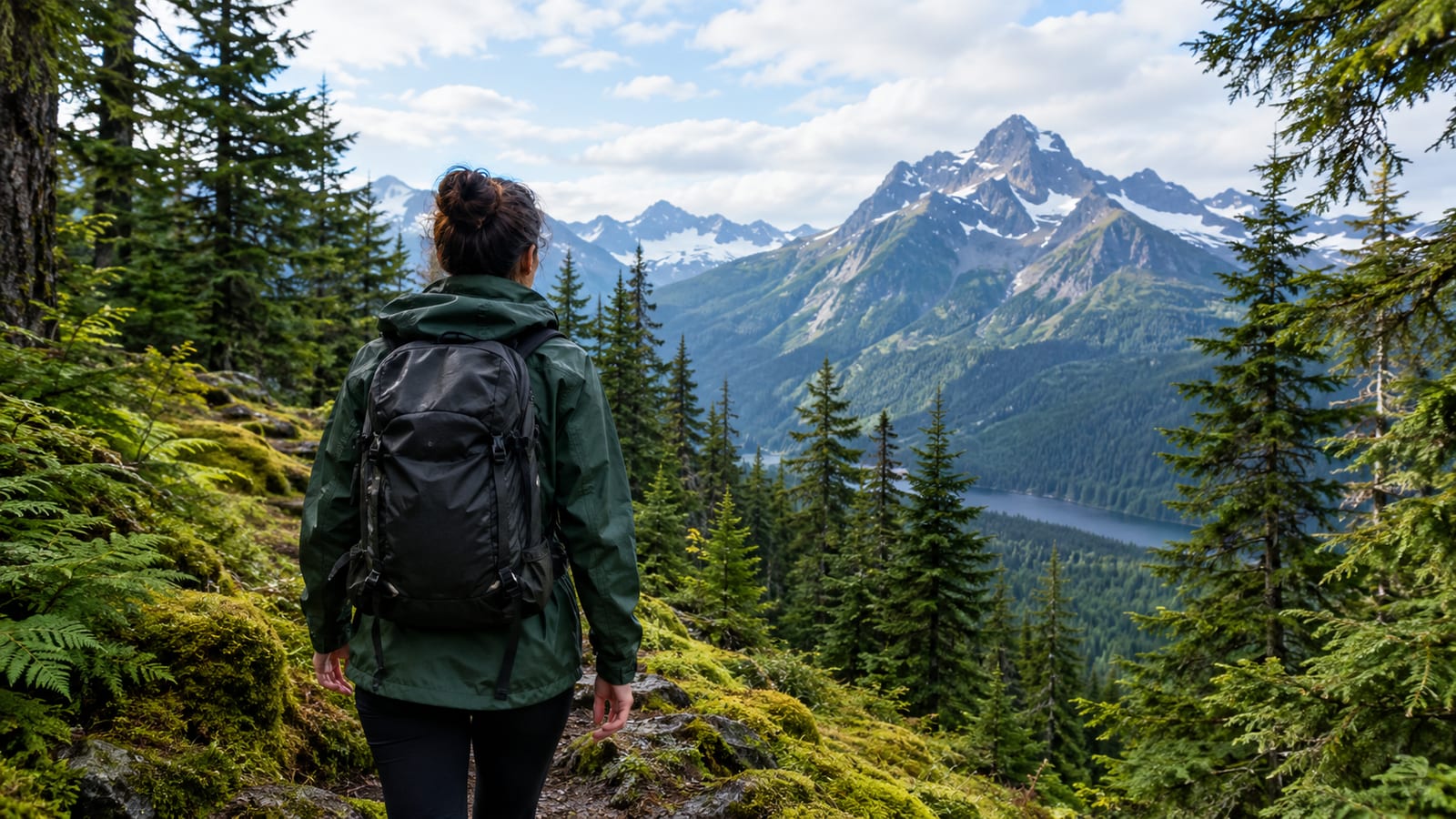
They’re the strongest argument for the whole region. Each one offers a different version of Western Washington.
Olympic National Park
Olympic National Park gives you rainforest, mountains, and wild coast in one large park. The entrance fee is $30 for a private, non-commercial vehicle.
The Hoh Rainforest is dripping, green, and unlike the city parks around Seattle. Ruby Beach gives you sea stacks, crashing waves, and massive driftwood logs. Cape Flattery is on Makah land just outside the park, so it needs its own Makah Recreation Pass. It rewards the drive with open water and rugged shoreline.
The catch is distance. Driving between the park’s corners eats hours, and the roads don’t care about your ambitious itinerary. Pick one or two areas and stay with them. Trying to cover the whole park turns a good visit into windshield time.
Mount Rainier National Park
Mount Rainier National Park charges a $30 entrance fee. The mountain is a hulking active volcano, visible from Seattle on a clear day.
Summer brings wildflower meadows around Paradise, which is the reason to go and also the reason the area fills up. Go early or choose a weekday.
Mount Rainier works best when the mountain is visible. If clouds cover it, you can still walk through forest and meadows, but the main view has gone missing. Check conditions before leaving Seattle.
North Cascades National Park
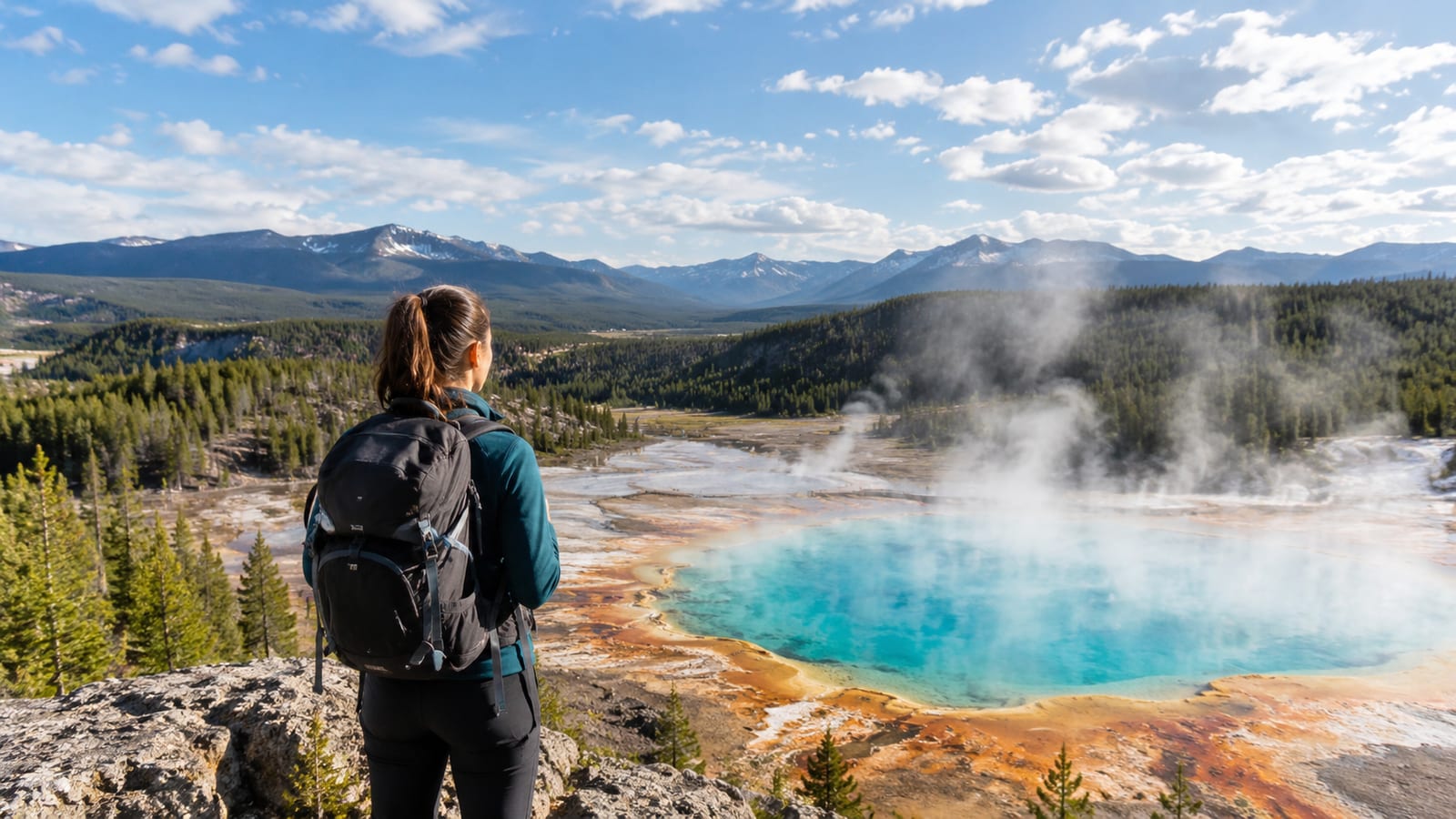
North Cascades National Park has no entrance fee, and it usually feels quieter than the other two parks. Diablo Lake is turquoise from glacier silt, with steep peaks rising around it.
Fewer people make the drive, which is exactly why I’d send you here for alpine scenery without the same crowds. The trade-off is distance and limited services. Fill your tank, download maps, and don’t assume your phone will work once you leave the main road.
Mountain roads and alpine views
Mount Baker is a destination for spectacular mountain and alpine views. Summer and early-fall hiking open up the high country, while winter brings skiing, snowboarding, and snowshoeing.
The Artist Point area is one of the best places to explore near Mount Baker. Artist Ridge to Huntoon Point is a short trail with views of Mount Baker, Mount Shuksan, and the surrounding alpine peaks.
For longer walks, Ptarmigan Ridge, Lake Ann, and the Chain Lakes Loop are favorite trails near Mount Baker. Conditions change quickly at elevation, so check the trail and road situation before driving up.
The Mountain Loop Highway is a 55-mile scenic drive through the western section of the Cascade Range. It follows the Sauk and Stillaguamish River corridors and makes a strong day for anyone who prefers a road with views over a packed attraction list.
The drive is rugged in places and seasonal conditions matter. Don’t build a tight schedule around it. Leave early, carry food and water, and treat the road as the day’s main activity.
Which islands and towns are worth the ferry?
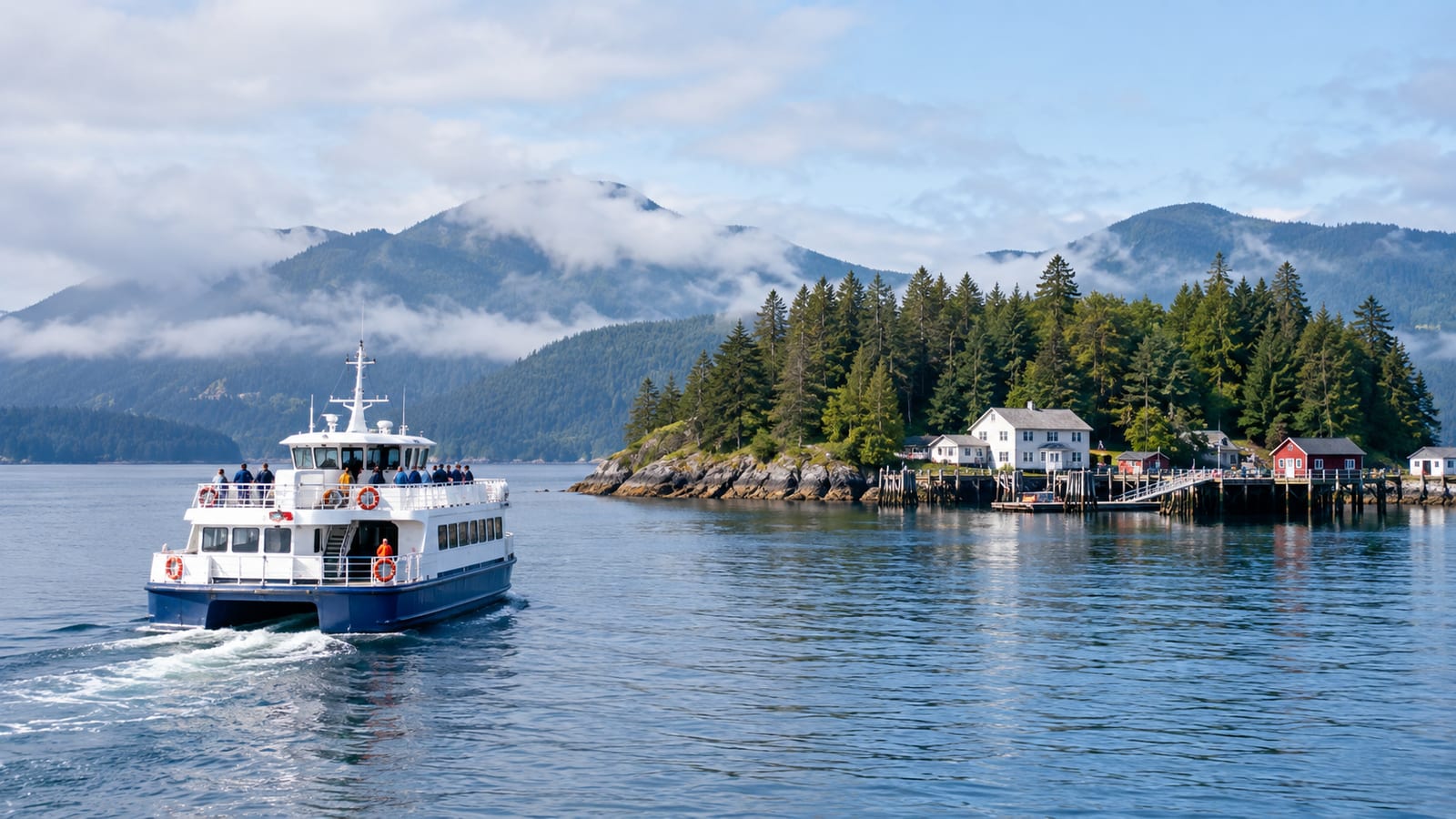
The San Juan Islands are the standout for whale watching, forested shores, and slow days. Summer is the best time to try for wildlife, but the islands are busier then. Bring a book and don’t overschedule.
Whidbey Island is the easy choice. It’s reachable by a short ferry or by the bridge at Deception Pass. The pass itself, with tidal currents below steep cliffs, is worth stopping for even if you do nothing else.
Bainbridge Island works as a half-day from downtown Seattle. You get a short ferry ride, a walkable main street, small galleries, and a skyline view on the way back. It’s the low-effort island escape.
Port Townsend sits on the Olympic Peninsula and suits history readers and slow wanderers. Fort Worden gives you old military buildings, while the nearby shoreline offers tide pools and space to walk.
Cape Flattery belongs on a separate day from the park. It sits on Makah land just outside Olympic National Park, and you’ll need a Makah Recreation Pass before you go. Check that detail before leaving, because the view is no help if you have to turn around.
If you want a trip built around ferries and quiet towns, give Kitsap Peninsula more than a quick afternoon. The Kitsap Peninsula route keeps the pace manageable.
Olympia adds a useful city break
Visit Olympia when you want a city day between Seattle and the parks. It’s south of Seattle and gives you an easier stop than trying to force another major attraction into the schedule.
Walk downtown, find lunch, and use it as a reset before heading toward the Olympic Peninsula. Olympia isn’t a substitute for the rainforest or coast. That’s why it works. You get a real town day without pretending every stop needs to be a grand landmark.
Where the region lets you down
The weather comes first. It rains a lot outside summer, and low clouds can hide the mountains for days. Come in summer if you want the clearest views.
Summer weekends bring the opposite problem. Parks and ferries get busy, roads slow down, and rooms cost more. Distances are longer than the map suggests. Ferries have schedules and lines, while mountain roads take their time.
Cell service drops in parks and on peninsula backroads. Download your maps before leaving the city, and tell someone where you’re going if you’re heading into a remote area.
Some marketing also oversells the region. Leavenworth bills itself as a Bavarian village, and it is a pleasant themed town. However, it sits east over the mountains, so it isn’t truly a Western Washington stop. Go if you like the setting and the gimmick. Skip it if you came for coast, rainforest, and alpine roads.
If you keep driving after Western Washington, the region makes a natural start for a longer West Coast road trip. Just don’t pretend you’re still taking a short regional trip once the miles start stacking up.
The best time to visit is summer, with a catch
Summer, particularly on weekends, is peak season. It’s the driest stretch, mountain roads are more likely to be open, and wildflowers appear around Mount Rainier.
It’s also the most crowded and expensive time to come. Travel midweek if you can. You’ll get better access to the parks and fewer ferry lines without giving up the best weather.
Spring and fall bring smaller crowds, but rain and low clouds can cover the views. Winter belongs to locals, skiers, and people who came prepared for short days. Before driving, check the Olympic National Park service page for current road, weather, and closure conditions.
Pack a rain jacket in every season. The forecast can change faster than your plan.
Who should skip this side of the state
Skip Western Washington if you want reliable sun and dry heat. Go east of the Cascades instead.
You’ll also get frustrated if you hate driving, ferries, or changing plans. The best parks and islands are spread out, and there’s no clever shortcut that fixes that.
However, if big trees, saltwater, real mountains, and good coffee sound like your kind of trip, few places offer this much variety within a manageable region. Start with Seattle and one park. See how the ground feels before filling the calendar.
FAQ
Is Western Washington a good choice for a first Washington trip?
Yes, if you want several landscapes without changing states. Base yourself in Seattle first, then choose the park that matches the forecast. That keeps your first trip flexible instead of tying it to one long drive.
Do I need a car for Western Washington?
You can visit Seattle and take some ferry trips without one, but the major parks are much easier by car. Rent one before heading toward the Olympic Peninsula, Mount Rainier, or the North Cascades. Then download your route while you still have a strong connection.
How should I plan Cape Flattery?
Treat it as a separate coastal stop on Makah land outside Olympic National Park. Get the Makah Recreation Pass before driving there, and check the route before you leave. Don’t add it to a rushed park loop.
Is Western Washington suitable in winter?
Yes, if you choose lower-elevation plans or winter sports. Seattle, Olympia, ferry towns, and covered markets still work when mountain roads are poor. For snow activities, check conditions before heading to Mount Baker.
Which park should I choose if I only have one day?
Choose Mount Rainier for the classic mountain view, Olympic National Park for rainforest or coast, and North Cascades for alpine scenery with fewer crowds. Pick one area and stay there. A focused day beats spending it in the car.