A Yellowstone National Park itinerary: 3 days gives you the park’s biggest sights, but it leaves little room for wrong turns, weather, or a slow morning beside a geyser. Five days is the better plan for most people. You can see Old Faithful, Grand Prismatic Spring, the Grand Canyon of the Yellowstone, Yellowstone Lake, Mammoth Hot Springs, and the northern wildlife areas without spending the whole trip in the car.
Three days works if you choose one region each day and accept a few skips. Five days suits you if this is your only Yellowstone trip, you want wildlife, or you’d rather stop when the light changes instead of treating the park like a driving test.
Yellowstone itinerary: 3 days vs 5 days
| Trip length | Best for | Main areas to include | What you’ll skip | My verdict |
|---|---|---|---|---|
| 3 days | A first look at the park’s headline sights | Upper Geyser Basin, Midway Geyser Basin, Grand Canyon of the Yellowstone, Yellowstone Lake | Mammoth Hot Springs, Roosevelt, Lamar Valley, slower walks | Worth it if you keep the route tight |
| 5 days | A fuller first trip with wildlife and breathing room | Old Faithful, Grand Prismatic Spring, the canyon, Yellowstone Lake, Mammoth Hot Springs, Roosevelt and Lamar Valley | Few major areas, depending on road and weather conditions | The clear pick for most travelers |
The park has five entrances, and each gives you access to different attractions and landscapes. That sounds useful until you plan a day that crosses the park for one viewpoint and crosses back for dinner. Pick your base and group nearby sights together.
The National Park Service guide to Yellowstone is the place to check current road conditions, closures, and alerts before you leave. Yellowstone changes the plan for you sometimes. Leave room for that.
Why five days is the better choice
Five days gives each major part of Yellowstone enough space to feel like a place instead of a checkbox. You can stand near Old Faithful, wait for the steam to clear over Grand Prismatic Spring, and still reach the Grand Canyon of the Yellowstone without turning the day into a race.
It also gives you a better chance at wildlife in the northern areas. Roosevelt and Lamar Valley deserve a patient morning, especially if you want to watch the landscape instead of driving through it with one hand on the wheel.
The extra time matters most when weather shifts. A rainy afternoon can become a museum visit, a long lunch, or a short walk near your lodging. With three days, rain takes a large bite out of the plan. With five, you can move one area to another day.
Five days still won’t let you see every trail and overlook. Yellowstone is too spread out for that. It does let you stop chasing completeness and pay attention to where you are.
What fits into three days?
A three-day trip should focus on the central sights. Keep each day in one broad area, and skip the urge to add Mammoth Hot Springs or Lamar Valley unless you’re staying nearby.
Day one: Old Faithful and Grand Prismatic Spring
Start in the Upper Geyser Basin, the area that includes Old Faithful. The basin is home to Old Faithful, the most famous geyser in the world, but the surrounding thermal features are the better reason to stay awhile.
Old Faithful is worth seeing once. It’s famous for a reason, and the waiting area gives you a clear introduction to Yellowstone’s scale. Still, don’t arrive, take one photo, and leave. Walk through the basin and look at the smaller geysers and pools nearby.
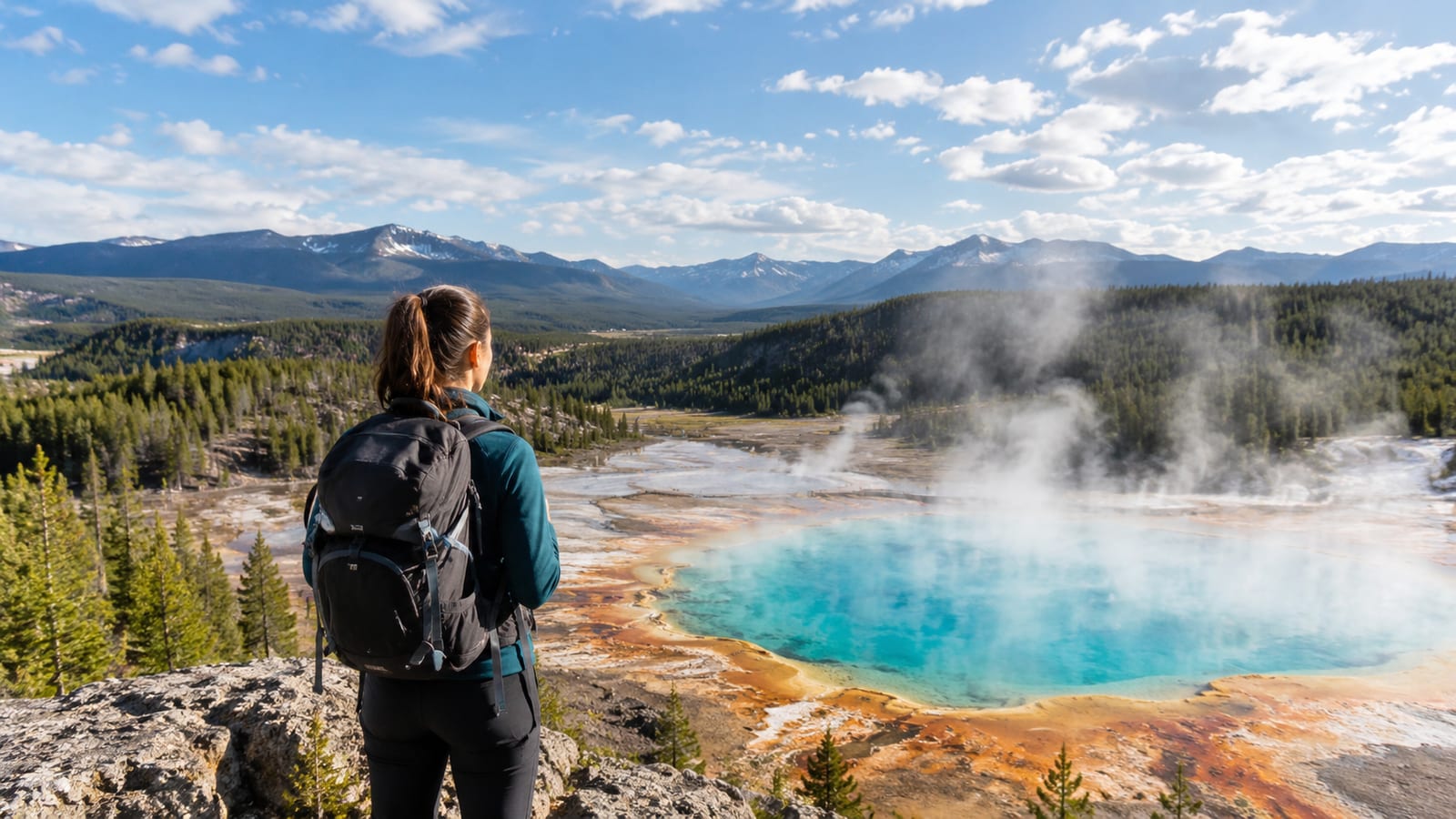
Then visit Grand Prismatic Spring at Midway Geyser Basin. Its colors come from thermophilic microbial life, meaning heat-loving organisms that live around the hot water. That detail matters because the spring isn’t just a bright blue pool. It’s a living hydrothermal system.
This is one of the strongest days in a three-day plan. You get Yellowstone’s most recognizable geyser and its most memorable spring without scattering yourself across the park.
Day two: Grand Canyon of the Yellowstone
Give the second day to the Grand Canyon of the Yellowstone. The canyon is 800 to 1,200 feet deep and 1,500 to 4,000 feet wide, so the first viewpoint can make the rest of your plan feel slightly less ambitious.
Move slowly between the main viewpoints and let the canyon change with the light. The yellow walls, waterfalls, and river far below don’t look the same from every angle. This is where rushing hurts the most. You’ll spend more time driving between stops and less time actually seeing the canyon.
The canyon is worth a full day because it has a different character from the geyser basins. The geyser areas are close, hot, colorful, and active. The canyon is broad and quiet until the river appears far below.
If you want to add a hike, choose one that fits your energy and the conditions. The guide to short hikes in Yellowstone National Park can help you choose without turning this day into a second itinerary.
Day three: Yellowstone Lake and one flexible stop
Use the third day for Yellowstone Lake and a nearby area that you missed. At an elevation of 7,733 feet above sea level, Yellowstone Lake is the largest high-altitude lake in North America.
The lake changes the pace of the trip. After the geyser basins and canyon viewpoints, its open shoreline gives you room to sit and look without waiting for an attraction to perform. Bring a layer, even if the lower areas feel warm.
Keep this day flexible. If the weather ruins your lake plan, return to a place you rushed on day one or two. If the weather is clear, stay near the water longer. A three-day itinerary works best when the final day has space for a decision.
What does a Yellowstone National Park itinerary: 3 days leave out?
The three-day version leaves out the northern side of the park, or gives it only a rushed visit. That means Mammoth Hot Springs, Roosevelt, and Lamar Valley usually need to wait.
Mammoth Hot Springs has a different look from the colorful pools near Old Faithful. The terraces spread across the hillside, and the area feels more exposed and architectural. It’s worth adding if you’re already staying near the northern entrance. It’s a poor add-on if it forces you to spend most of the day crossing the park.
Roosevelt and Lamar Valley suit travelers who care about wildlife and open views. They’re also the easiest parts of a five-day plan to lose from a short trip. You need patience here. Drive through, and you may see nothing. Slow down, scan the slopes, and you give the place a fair chance.
Three days also leaves less room for a missed geyser viewing, a road delay, or a morning when you simply don’t want to leave your coffee. That is the real cost of the shorter plan.
A practical five-day itinerary
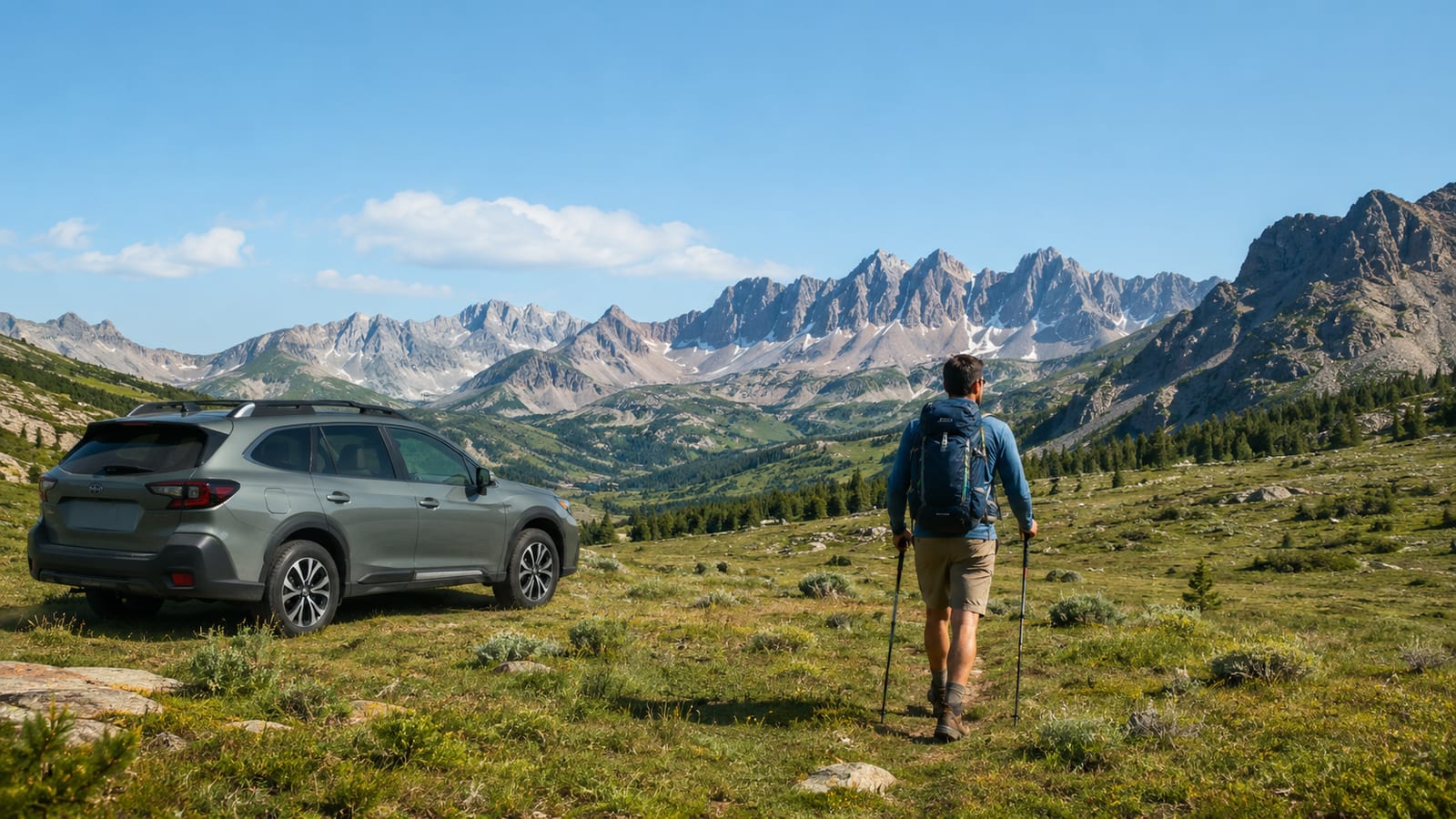
A five-day itinerary should move through Yellowstone by region. The order can change with your entrance, lodging, and road conditions, but the structure holds.
Day one: Upper Geyser Basin
Begin with Old Faithful and the Upper Geyser Basin. Stay long enough to see more than the famous eruption. The basin has several thermal features packed into one area, so it rewards walking and waiting.
This is also a good first day because it gives you a clear sense of Yellowstone’s thermal landscape. You’ll know what the steam, mineral colors, and boardwalks look like before moving to the larger viewpoints.
Day two: Midway Geyser Basin and Grand Prismatic Spring
Spend the second day around Midway Geyser Basin and Grand Prismatic Spring. Go slowly near the spring and pay attention to how the colors change from the edge.
Grand Prismatic Spring is worth the stop even if crowds make the main viewing area feel busy. The spring’s thermophilic microbial life creates the bands of color, and the scale is hard to understand from a single photograph.
Keep the rest of the day nearby. Don’t attach a distant northern drive just because you still have daylight. Yellowstone rewards grouped plans.
Day three: Grand Canyon of the Yellowstone
Set aside the third day for the Grand Canyon of the Yellowstone. Visit several viewpoints, then take a break before deciding if you want a walk.
The canyon is one of the places where a longer trip pays off immediately. You can return to a viewpoint when the sun shifts, or sit through a quiet spell without thinking about the next major sight.
The canyon’s depth is part of the shock, but the empty space matters more. You can look across it for a long time and still notice another ledge, shadow, or waterfall.
Day four: Yellowstone Lake
Give Yellowstone Lake its own day. The lake sits high above sea level, and its scale makes the surrounding landscape feel open and spare.
Use this day to slow down. Walk near the shore, eat your packed food, and leave time for weather to pass. If you’re coming from lower elevations, trust your body and don’t turn a relaxed lake day into a hard hike.
Yellowstone Lake is worth including because it breaks up the thermal and canyon sections. Without it, a five-day itinerary can start to feel like one long sequence of viewpoints.
Day five: Mammoth Hot Springs, Roosevelt, or Lamar Valley
Use the last day for the northern areas. Mammoth Hot Springs suits you if you want geology and terraces. Roosevelt and Lamar Valley suit you if wildlife and wide views matter more.
I’d choose one focus instead of forcing all three into one day. Mammoth can carry a day with nearby stops. Lamar Valley needs time and attention. Wildlife doesn’t follow your itinerary, which is one of the few good reasons to have one.
If you’ve already seen the animals you hoped for, spend the day returning to your favorite area. Five days gives you permission to repeat a place. That’s often when Yellowstone starts to feel less like a list of famous names.
Which trip length suits you?
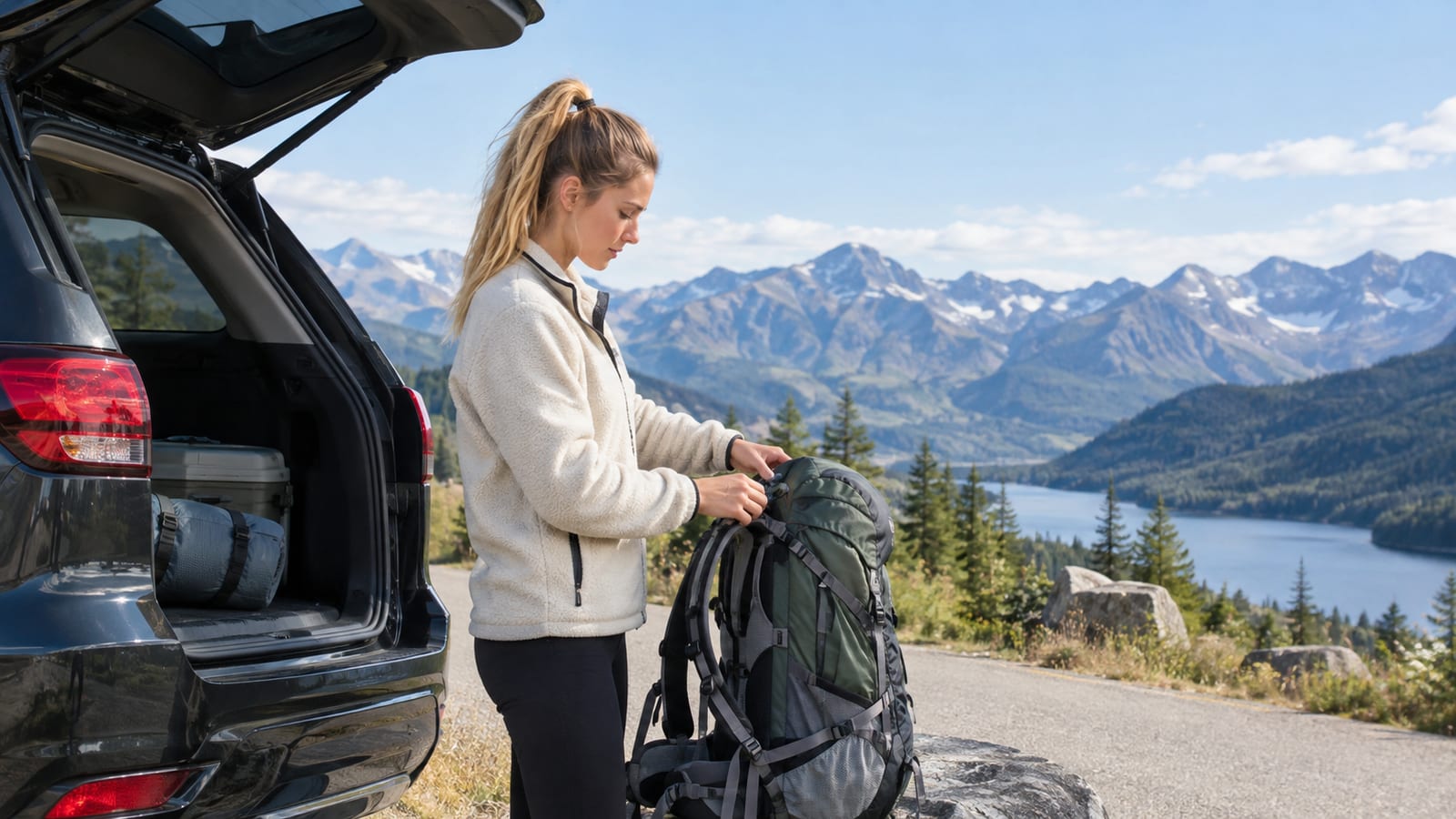
Choose three days if you’re combining Yellowstone with Grand Teton, have limited leave, or care most about geysers and the canyon. Keep the plan central and accept that the north will probably wait.
Choose five days if Yellowstone is the main reason you’re traveling. You’ll have time for the lake, the northern areas, wildlife watching, and weather changes. You’ll also spend less of the trip arguing with the map.
A five-day trip works especially well for solo travel. You can stop for a quiet morning, change direction after lunch, or sit beside a viewpoint without negotiating with anyone. If you’re continuing south, use this Grand Teton National Park guide to plan the next section without cramming both parks into one rushed schedule.
Where should you stay?
Choose lodging based on the days you want to repeat, not just the lowest nightly rate. A northern base makes Mammoth, Roosevelt, and Lamar Valley easier. A central or southern base makes the geyser basins and lake more practical.
Staying outside the park can cost less, but the drive becomes part of every morning and evening. That trade can work if you’re comfortable starting early and returning late. It gets old when you’ve planned a full day and still have a long drive before breakfast.
Don’t build your itinerary around crossing the park for dinner. Pick a base that supports the areas you care about most. Then check the official Yellowstone entrance information before committing to a route, because access can change with the season and current conditions.
What should you skip?
Skip the plan that visits every named area in one day. You’ll collect parking lots and overlook photos while missing the small details that make Yellowstone memorable.
Skip adding Lamar Valley to a three-day plan unless wildlife is your main goal. It can be a good choice, but it pulls attention from the central sights.
Skip treating Old Faithful as the whole Upper Geyser Basin. Watch the geyser, then walk farther. The famous part is only the beginning.
Finally, skip a rigid five-day schedule. Keep one flexible day or half-day for weather, road changes, and the place you unexpectedly want to see again.
FAQ
Is three days enough for a first visit to Yellowstone?
Yes, if you want the main thermal areas, the Grand Canyon of the Yellowstone, and Yellowstone Lake. Three days won’t cover the park evenly, so choose the central sights and leave the northern areas for another trip.
Can you visit Yellowstone in two days?
You can, but choose either the geyser basins or the canyon and lake area as your main focus. Trying to cover both will leave you with more driving than time outside the car.
Is five days too long for Yellowstone?
No. Five days gives you room for wildlife watching, weather changes, repeated viewpoints, and slower mornings. It only feels long if you expect every day to have a packed list of attractions.
Should you add Grand Teton National Park?
Add Grand Teton if you have enough time to give it its own days. The landscapes are close enough to combine on a longer trip, but squeezing both parks into a few days makes each one feel unfinished.
What should you plan first?
Plan your lodging and first sightseeing region first. Then check current park conditions and build the route around the areas that are accessible from that base.