
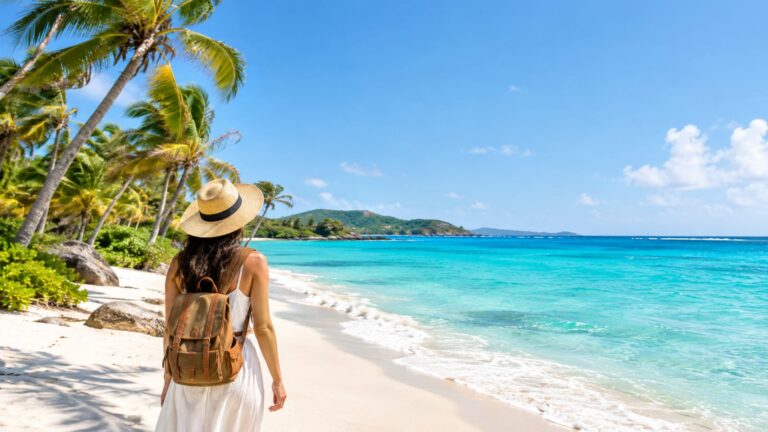
The best time to visit Aruba for sunny, dry weather is the peak season, December through April, which also brings Carnival and the highest demand. For the best balance of dry weather, lighter crowds, and better value, go from late April through May, as the peak season winds down. Choose September through November for quieter beaches and lower rates, and be ready for more heat and occasional showers.
When is the best time to visit Aruba?
For the most reliable sunny, dry weather, go in peak season, December through April. For the best value, aim for the weeks after Easter through the end of May. Aruba’s dry season runs from January through April. Late April catches the tail end of both: settled, dry weather, with the winter rush winding down.
May starts the windy season, which runs through October. So you get a steadier breeze on the beach, which takes the edge off the sun. Meanwhile, the full heat of summer hasn’t arrived, and an afternoon walk is still pleasant.
Why not winter? You pay top rates for weather that’s only a little better. Fall gets you lower prices, but they come with more heat, more humidity, and the island’s best chance of showers. Late spring gives up the least.
Here is what I’d do: check flights for early May, midweek if you can. Prices and crowds ease once Easter and the spring school holidays are over.
How does the weather change through the year?
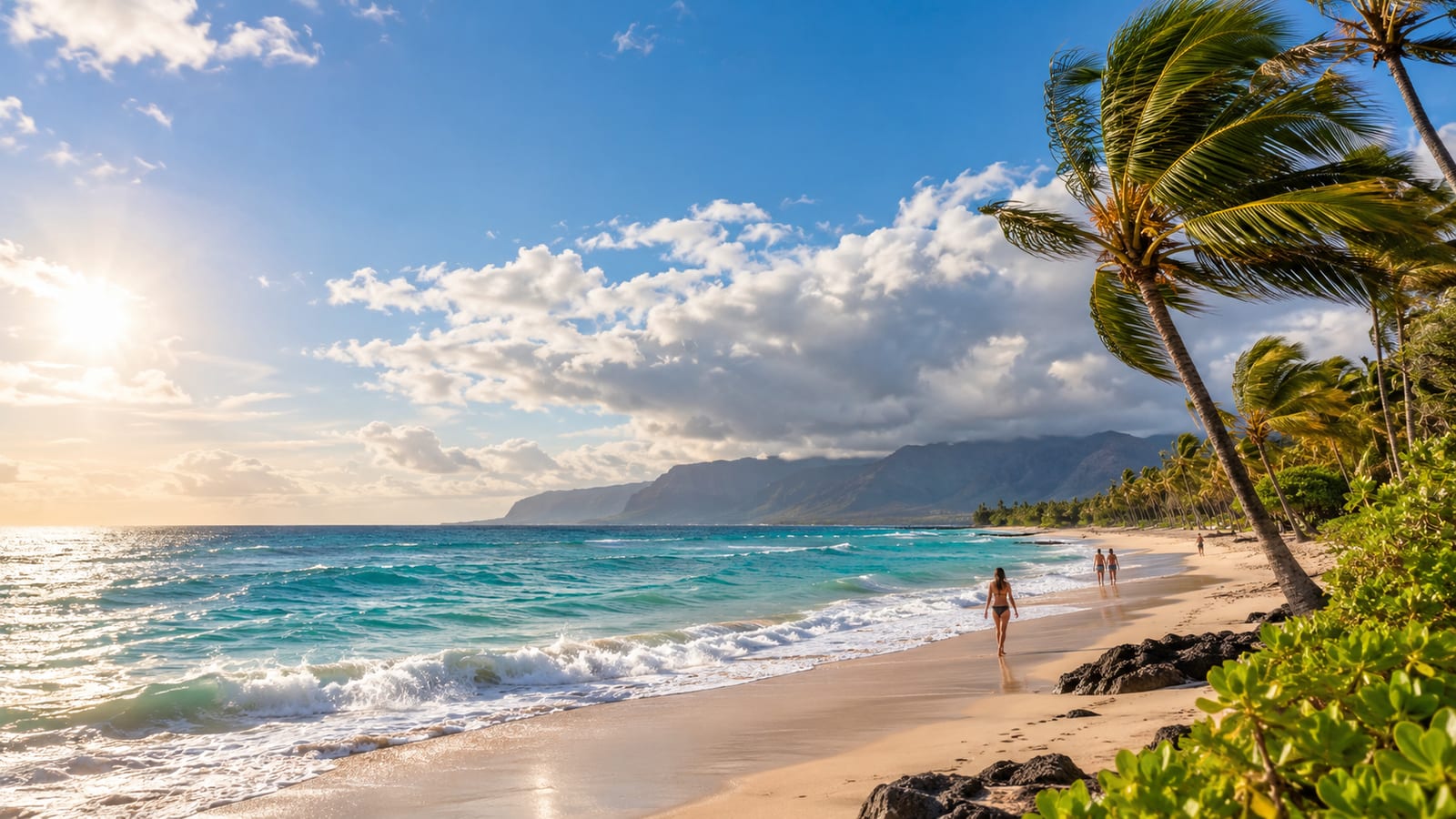
Aruba is warm every month, and the sea stays swimmable all year. What changes is the rain, the wind, and how sticky the air feels. The island’s three weather seasons overlap: rainy season runs from October through December, dry season from January through April, and windy season from May through October.
October sits in two seasons at once. The wind starts dropping just as the showers start building, so it often feels like the muggiest month.
| Months | Rain | Wind | Heat and humidity | Who it suits |
|---|---|---|---|---|
| January to March | Dry season | Steady, pleasant breeze | Most comfortable of the year | Weather-first beach trips |
| April to May | Dry season through April | Windy season starts in May | Warming up | Best overall balance |
| June to August | Before the rainy season | Windy season | Hot in the sun, cooled by wind | Windsurfers, kitesurfers |
| September | Last month before the rainy season | Windy season | Heavy, humid heat | Quiet, cheap trips |
| October to December | Rainy season | Windy season ends in October | Warm and humid | Budget trips in October and November, festival trips |
For daily forecasts and climate records, the Departamento Meteorologico Aruba is worth bookmarking. It’s the island’s own weather service, so it catches local squalls and wind warnings that a general phone app can miss.
January through March is the safest weather bet
If one rained-out afternoon would ruin your trip, go in winter. This is the heart of the dry season, the breeze is steady, and the heat feels gentle. Lounging on Eagle Beach or snorkeling off the calm side of the island, conditions rarely let you down.
The catch is that everyone else knows it too. Hotels charge their highest rates, flights fill early, and beaches get busy. On Palm Beach, the two-mile strip of high-rise hotels on Aruba’s northwest coast, the loungers nearest the water get claimed early.
Here is what I do in any busy beach town: go out early. The morning light on the sand is softer anyway, and by the time the resort crowd comes down, you’ve had your swim and gone to grab a coffee.
Winter is worth it if school or work fixes your dates and weather certainty is the whole point. Otherwise, you’re paying a real cost for a small upgrade over late spring.
April through August trades a little calm for better value
Spring and summer are Aruba’s value months. The rainy season has not started, and hotel rates drop once the winter calendar ends. The trade-off is wind, which builds through May and peaks in midsummer.
Aruba’s windy season runs from March through August, with winds above 18 miles per hour. For beach time, that breeze is mostly a gift. It keeps the heat bearable, though it also hides how hard the sun is working on your skin.
On the water, it depends on what you’re doing. Swimming and snorkeling on the sheltered west side hold up all year. Boat trips can get bumpy on gusty afternoons, so book morning departures when the sea tends to be calmer. Divers mostly use protected sites, and those stay usable through the windy months.
If you plan to hike in Arikok National Park, go at opening time. Shade is scarce, and by late morning in summer the heat on the trails is serious. Carry more water than you think you need.
June to August suits wind lovers and anyone who handles heat well. In exchange, you get easier room availability and resorts that feel less packed.
September through November is the budget season
Fall is when Aruba gets cheapest and quietest. Rates drop, restaurants have free tables, and you can often walk a beach end to end without weaving around towels. For a slow, low-key trip on a tighter budget, it’s worth it.
Set your expectations, though. The wind eases off, so heat and humidity feel heavier, especially after lunch. October also opens the rainy season, which runs through December.
In practice, plan beach time for the morning and keep the afternoon loose. A long lunch in the shade and a nap are perfectly good uses of a hot day. Skip fall if you overheat easily or travel with small kids who need afternoon beach time to stay happy.
A rainy season here still means mostly dry days
Aruba is a dry island. Cactus covers the hillsides and the inland country feels like desert, so even its wettest months are mild by Caribbean standards. Don’t picture a week of grey drizzle.
Most showers arrive fast and leave fast. Some hit overnight, and you wake to a clear sky. As a result, a raincloud icon in your weather app is no reason to cancel a boat trip.
When it rains, here is what I do: swap the beach for the indoor plan I was saving. In Oranjestad, the capital, that means a museum, a café, and a slow wander down a quiet street of shops. Then check the sky as the day goes on, because the sun often comes back before lunch is over.
The real risk in the wet months is a grey run of several days in a row. It’s uncommon, and a longer trip absorbs it without much damage.
Crowds and hotel prices follow the northern winter
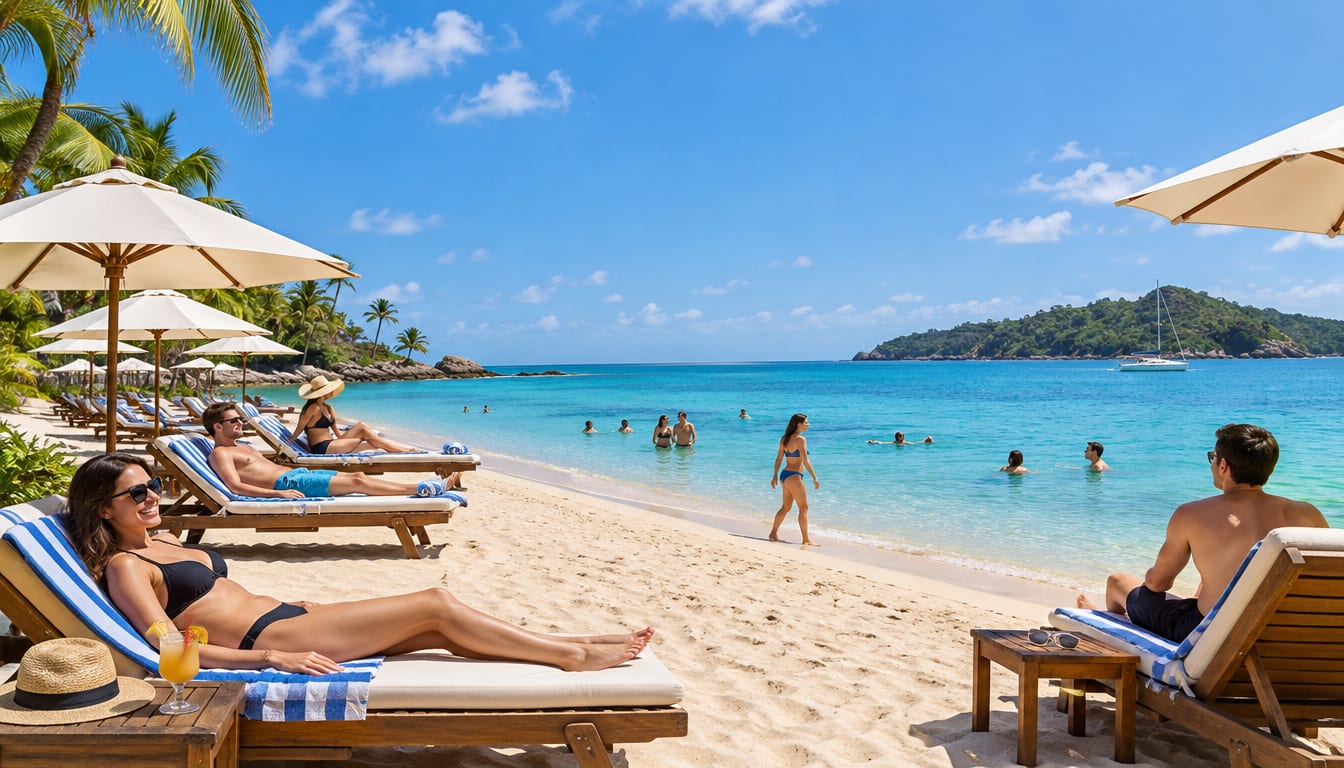
Aruba’s busy season tracks winter in North America and Europe. When it’s cold up north, flights fill and resorts raise rates. Once it warms up back home, demand falls away.
| Season | Months | Crowds | Hotel rates | Best for |
|---|---|---|---|---|
| Peak | December to April | Busiest, especially holidays and Carnival | Highest of the year | Dry-weather certainty |
| Shoulder | Late April to May | Noticeably lighter | Dropping | Best balance of weather and value |
| Summer | June to August | Moderate, with summer family travel | Lower than winter | Wind sports, heat lovers |
| Low | September to November | Quietest | Lowest | Budget and quiet trips |
Christmas, New Year, and Easter week sit at the top of the price curve. If your dates can move, shifting away from those holidays is the easiest saving you’ll make.
The same calendar runs across most of the region. I break down how it works on the Mexican coast in when to visit Cancun for better weather and value. Cancun has a much rougher storm season, which makes Aruba the easier place to book blind.
Does hurricane season matter in Aruba?
Much less than almost anywhere else in the Caribbean. Aruba sits far south, just off the coast of Venezuela, below the track most hurricanes take. Direct hits are rare.
Still, rare isn’t never. The Atlantic hurricane season covers summer and much of the fall, and a storm passing to the north can push big swells onto the beaches. It can also bring heavy rain or scramble connecting flights through storm-hit hubs.
For a trip in late summer or fall, buy travel insurance that covers weather delays and book refundable rooms where you can. Then watch the forecast before you fly, and trust yourself to adjust if something turns.
If you’re choosing between islands partly on storm risk, I compare them in the best Caribbean islands for every type of trip.
Carnival can make or break your dates
Aruba’s Carnival lands in peak season, in the weeks before Lent. It’s the island at its loudest: parades, live music, costumes, and late nights that roll into early mornings. If that sounds like your holiday, plan the trip around it.
If you came for quiet, check the Carnival dates before you book. Rooms fill early, prices climb, and roads close for parades. A beach week that collides with Carnival feels more like a festival than a rest.
Fall and early winter have smaller events that add life without the crush. One recent calendar listed the Aruba Culinary Festival from October 7 to 13 and the Interpaso horse showdown from October 25 to 27. The Aruba International Beach Tennis Tournament ran from November 10 to 17, and the Dande Musical Festival followed on December 27.
Dates shift every year, so confirm them on each event’s official page before you book flights. A food festival in the cheap season is one of the better reasons to pick October.
The trade winds shape every beach day
First-time visitors underestimate the wind. It blows almost all year, and in the windy season it can flip a beach umbrella. That breeze is why Aruba never feels as heavy as other hot islands.
It also fools you. The air feels cool, so you stay out longer, and the sun does more damage than you notice. So reapply sunscreen after every swim and wear a hat with a chin strap. That small detail saves you chasing your hat down the sand.
Wind changes the water too. The north coast takes its full force, with rough surf that isn’t safe for swimming. Palm Beach sits on the sheltered side, which is why the calm, glassy water there holds up even on gusty days.
For windsurfing and kitesurfing, June through August brings the strongest, steadiest breeze. Beginners do better in late spring, when the wind is strong enough to learn on but less punishing.
Pick your dates by what the trip is for
Your priority decides the month. Here’s how I’d book each kind of trip:
- First beach trip: late April to May. Dry, breezy, fewer people, fairer rates.
- Couples: late April to May, or the January-to-April dry season, if the budget stretches.
- Families: June to August. School’s out and rooms are easier to find, but keep beach time to mornings.
- Budget travelers: September to November. Pack a light rain jacket and plan around the afternoon heat.
- Water sports: June to August for strong wind, late spring if you’re still learning.
One action to take today: open a flight search for early May and compare it with the same trip in February. That gap tells you whether winter is worth it for you.
FAQ
Is Aruba a good choice for a solo trip?
Yes. It’s one of the calmer, easier islands in the region, and English is widely spoken alongside Papiamento, the local language. Learn “bon dia” (good morning) and use it. Shoulder months suit solo travel best, because bar seats and small tables are easy to get and nobody hurries you along.
How many days do you need in Aruba?
A week lets you settle into beach mornings, see the national park, and absorb a rainy afternoon without stress. A long weekend works for pure beach time. Just remember that travel days eat a real share of a short trip.
Do you need a car in Aruba?
Not if you’re staying on the resort strip. Public buses and taxis cover the main beaches and the capital. Rent a car for a day if you want the rugged country away from the hotels, and choose a high-clearance vehicle for the park’s rough dirt roads.
Is Christmas a good time to go?
Only if the holiday itself is the point. December mixes top-of-the-year prices with the rainy season, so you pay the most for slightly less certain skies. If you just want sun, wait for the dry season, which starts in January.