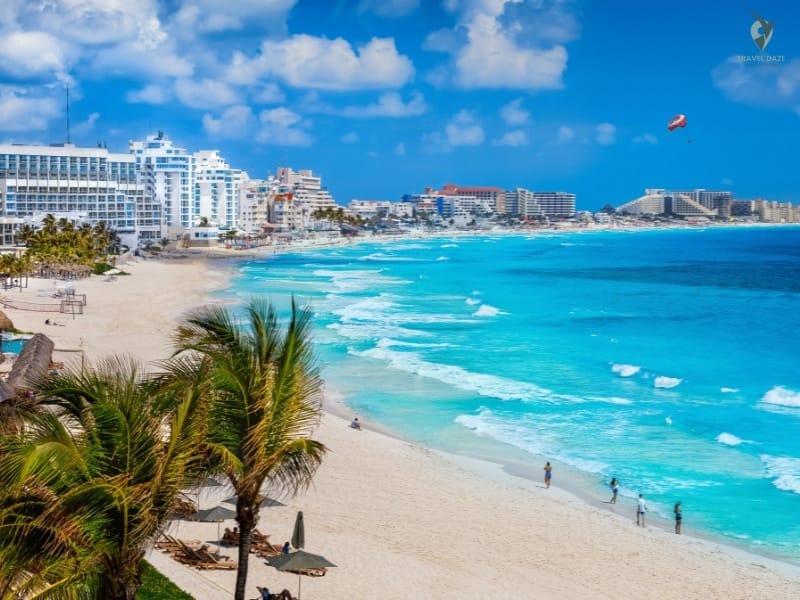

The best time to visit Cancun is late November through early December. That short gap gives you warm beach weather, lower humidity, thinner crowds, and better hotel value before Christmas arrives. The North Atlantic hurricane season runs from June 1 through November 30, so early December also removes the last official storm-season concern.
The overall pick
Late November through early December suits most travelers. The dry season is settling in, summer humidity has eased, and winter room rates have not yet reached their highest point.
Late November still has one catch. It falls inside hurricane season, so the risk is lower than earlier in fall but not gone. Flexible bookings matter if you travel before December.
Early December is the cleaner choice if you want fewer weather worries. However, don’t drift too close to Christmas. Flights fill, resorts get louder, and the quiet gap disappears.
I’d pick this window for a first Cancun trip, a solo beach break, or a couple’s resort stay. You get enough good weather to plan around the beach without paying the full winter premium.
How the seasons compare
Cancun makes you choose which annoyance you can live with. You’re weighing heat, rain, crowds, storm risk, and the real cost of the room.
| Travel window | Weather and beach conditions | Crowds and costs | Who it suits |
|---|---|---|---|
| Late November to early December | Warm, less humid, and increasingly dry | Moderate demand before the holidays | Most travelers |
| January to February | Best odds of dry, comfortable beach weather | Higher rates and fuller resorts | Weather-first travelers |
| Spring break through Easter | Mostly dry, with hotter days as spring moves on | Busy resorts, expensive flights, and loud nightlife | Travelers coming for the party |
| Late April to May | Hotter, with a growing chance of rain and seaweed | Better value after spring break | Couples and flexible bargain seekers |
| June to October | Hot, humid, rainy, and exposed to storm disruption | Often cheaper outside holiday periods | Bargain hunters who can change plans |
January and February are the easiest weather months. They’re also when everyone else has reached the same conclusion, so you’ll pay for that comfort.
Late April and May are the better compromise if you’re watching costs. You accept more heat and less reliable water conditions, but the resort scene usually calms down after spring break.
June through October can be cheap for a reason. If a beach chair, clear water, and predictable sunshine are central to your trip, skip this stretch.
The best beach-weather window
January and February give you the strongest chance of dry beach days with manageable humidity. Mornings can feel breezy, and evenings may need a light layer, but afternoons are usually made for the sand.
Late November and early December come close. The air feels lighter, and crowds haven’t yet packed the Zona Hotelera, Cancun’s main hotel district.
Still, “perfect” beach weather comes with a higher bill in midwinter. Resort rates climb, popular pools fill earlier, and the quiet stretch of sand in the brochure may look different by lunchtime.
Wind matters too. Cancun faces the open Caribbean, so rough water can appear on a bright day. Watch the beach flags and follow lifeguard instructions instead of treating blue sky as a swimming permit.
If weather matters more than price, choose January or February. If you want the better balance, stay with late November or early December.
The cheapest periods
The strongest value often appears from late April into May, after spring-break demand drops. Rooms are easier to find, flights are less tied to holiday pressure, and you won’t spend the whole trip sharing the pool with loud groups.
The trade-off shows up outside the booking screen. Days feel hotter, showers become more likely, and sargassum seaweed can begin affecting some beaches. A good pool matters more during this period than the resort photos suggest.
Deeper bargains may appear from June through October. Those savings come with heavier humidity, more rain, possible seaweed, and hurricane-season uncertainty.
There’s no universal cheapest month because airfares depend on your departure city and school holidays. Here’s what I do: compare the full trip cost across several date pairs, including bags, airport transport, and cancellation terms. A cheap room can disappear under an expensive flight.
For most value-focused travelers, late April to May is the sensible choice. Summer and early fall suit people who can change plans without resenting a washed-out beach day.
The busiest periods
Christmas and New Year bring some of Cancun’s heaviest demand. Families, couples, and large groups arrive together, so resorts feel busy from breakfast onward.
Spring break brings a different crowd. The Zona Hotelera gets louder, nightlife takes over, and quiet pools become harder to find. That can be exactly what you want, but it’s a poor fit for a slow couple’s trip.
Easter week gets busy too. Beach areas, flights, and family resorts can fill even after the spring-break party crowd has started to ease.
If you hate crowds, avoid these periods:
- Christmas through New Year
- The main spring-break weeks
- Easter week
- Long holiday weekends
Late November, early December, and late April into May are calmer choices. Check the calendar before booking because spring break and Easter shift from year to year.
Hurricane-season reality
The North Atlantic hurricane season officially runs from June 1 through November 30. That covers a large part of Cancun’s lower-priced travel period.
Being inside hurricane season doesn’t mean a hurricane will hit during your stay. It means disruption is more possible, and forecasts deserve more attention.
Rain can arrive as a hard shower followed by usable weather. However, an organized tropical system can affect flights, ferries, tours, and resort operations for much longer.
Flexible terms are worth paying for here. Before booking, check:
- Whether the hotel rate can be changed or cancelled
- What happens if your airline changes the flight
- Whether travel insurance covers storms already named
- Which expenses the policy excludes
- How you’d pay for an extra night if travel stops
Read the policy document before you buy. “Weather coverage” can sound generous until you reach the exclusions.
I’d book summer or fall only if the saving is meaningful and the trip can move. If your dates are fixed around a wedding, school break, or cruise, the risk is harder to manage.
Seaweed and beach conditions

Sargassum is floating brown seaweed that can wash onto Cancun’s beaches. It often becomes more noticeable in the warmer months, especially from spring through summer, though currents and wind can change conditions quickly.
One beach can be messy while another looks much better. Resort cleanup varies too. Last year’s photos tell you almost nothing about the shoreline on the morning you arrive.
Playa Delfines sits at Km 20 in the Cancun Zona Hotelera. It’s a useful public beach to check, but its open setting doesn’t make it immune to sargassum or rough water.
Isla Mujeres lies 13 km, or 8 miles, off the mainland, directly across the water from Cancun. It gives you another beach option, although crossing to the island doesn’t guarantee clear water. Sargassum can affect different shores on different days.
If clear shoreline water is central to your trip, late November through February is the safer window. No month offers a guarantee. Check recent local beach reports shortly before travel, then keep a pool or inland day ready.
For more shoreline ideas, see this guide to the best beaches in Mexico. Conditions still need checking close to your dates.
The right dates for each kind of trip
Families usually do best in early December or from January into February. The weather is easier, rain is less disruptive, and beach days need fewer backup plans.
Christmas and Easter week bring higher demand. Families with flexible school schedules should travel outside those peaks.
Couples looking for quiet resort time should choose late November, early December, or late April into May. The later window costs less, but heat, rain, and sargassum become part of the deal.
Party trips belong in the spring-break period. Cancun can handle the nightlife, but you’ll pay more and share the resort with groups who didn’t fly down for early nights.
Solo travelers should lean toward late November or early December. The area remains lively, tours run normally, and you can still find space to slow down. For a quieter base with a different feel, compare Tulum and Cancun before booking.
The best time depends on what would annoy you most. Winter costs more, spring break gets loud, and summer asks you to accept weather risk.
What to book after choosing dates
Start with the part that has the least flexibility. That’s usually the flight if you’re tied to school holidays or a fixed event.
Next, book a room with terms you understand. A lower non-refundable rate can become a real cost during hurricane season or when a flight schedule changes.
Look beyond the beach photo. Check whether the resort has a usable pool, covered places to sit when it rains, and easy access to food without a long outdoor walk. Those small details matter in May and even more in September.
Then compare airport transport before arrival. Cancun is an easy place to overpay when you land tired and accept the first offer in front of you.
Finally, buy travel insurance only after reading the cancellation and storm wording. Save copies of your confirmations somewhere you can reach without your main phone.
If you’re still choosing between several dates, book the refundable room first. Then set a fare alert and compare the full cost of the trip instead of chasing the cheapest nightly rate.
FAQ
Can you swim at Cancun beaches all year?
Swimming is possible throughout the year, but daily conditions decide whether it’s safe. Wind, waves, currents, and storm runoff can close a beach even when the weather looks pleasant.
Check the flag posted on the sand before entering. If swimming matters every day, choose a resort with a good pool as backup.
Should you stay downtown or in the Zona Hotelera during low season?
Stay in the Zona Hotelera if easy beach access is the main reason for your trip. Choose downtown Cancun if you care more about local restaurants, city life, and spending less time inside a resort.
Low season doesn’t make the two areas interchangeable. Decide how often you want to reach the beach, then choose the base that removes the most daily travel.
What should you pack for Cancun’s dry season?
Bring light clothes, strong sun protection, comfortable sandals, and a thin layer for breezy evenings. An easy rain shell still earns its place because a dry season isn’t a promise of clear skies every day.
Also pack one pair of proper walking shoes if you plan to visit ruins or cenotes. Wet stone and loose paths are miserable in smooth beach sandals.
Are cenotes a good rainy-day alternative?
Light rain rarely ruins a cenote visit, especially at caves and partly covered pools. However, thunderstorms can affect transport and may lead operators to pause activities.
Keep one flexible inland day in your plan instead of fixing every beach day in advance. This guide to cenotes in Mexico gives you several places to start.