
June and September are the best time to visit Bali. You get dry, sunny weather for beaches, hiking, surfing, and diving without July and August’s worst crowds and prices. May is the best-value compromise. November through February can work if lower costs matter more than reliable weather, but tropical downpours will change your plans.
The best time to visit Bali at a glance
Bali’s dry season runs from April to October. The island is warm all year, but the difference between a clear morning and a soaked afternoon matters when you’ve planned a volcano hike or a beach day.
| Month or period | Best for | Main catch | Verdict |
|---|---|---|---|
| June | Beaches, hiking, cycling, diving, first-time trips | Some rain remains possible | Best overall |
| September | Quieter beaches, diving, outdoor trips | A little more rain than July | Best for a quieter dry-season trip |
| May | Good weather and better value | The dry season is still settling in | Best value among the strongest-weather months |
| July to August | Driest weather of the year and a lively atmosphere | Highest crowds and prices | Worth it if weather comes first |
| November to February | Lower prices, green landscapes, flexible travel | Heavy rain, humidity, and disrupted plans | Only for budget-first travelers |
June gives you the cleanest balance. Bali is usually dry enough for outdoor plans, and it hasn’t reached the full July and August rush.
September suits you if you want the same dry-season advantages with fewer holiday crowds. It’s also a strong choice for diving, beach time, and slow days around Ubud.
May is the sensible compromise if you want to spend less without taking a large weather gamble. You’ll still need a backup plan for rain, but the month has a better balance than the wetter season.
July and August make sense for a fixed school-holiday trip or anyone who hates weather uncertainty. Book early, accept the higher cost, and expect popular areas to feel busy.
For another island comparison, my guide to Hong Kong or Bali for a first trip covers the broader choice. Bali wins when you want slower days, beaches, and room to change plans.
Dry season versus wet season
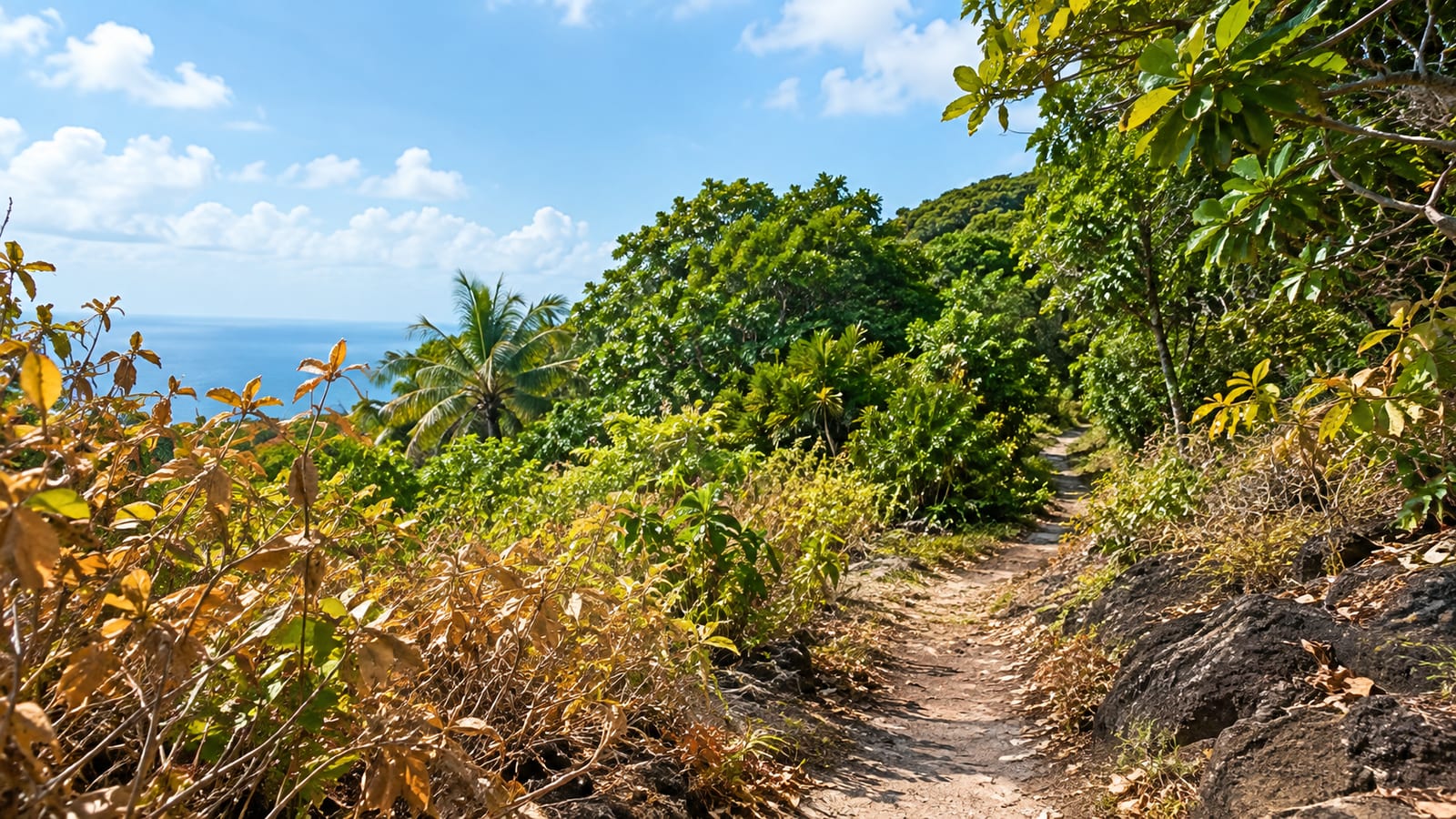
April to October is Bali’s dry season. You can expect reliably dry and sunny weather between April and October, with average daytime highs in the high 80s Fahrenheit.
That makes dry-season Bali easier to plan. Volcano hikes start earlier, beach days are less likely to collapse, and long drives are more manageable when rain isn’t filling the roads. You’ll still get warm weather, so shade and water matter.
November to March is hotter, more humid, and wetter. Heavy rain usually arrives in the morning and afternoon, although the sky can clear for a few hours after a large downpour.
That pattern can still give you a good day. The problem is that you won’t know which part of the day will be lost. A waterfall trail can become slippery, a boat trip can shift, and a long road journey can turn into a slow crawl.
Denpasar receives 1,642 mm of rain in a year. Bali’s tropical climate is generous, but it isn’t polite about changing your schedule.
The wet season also makes the island greener. Rice fields around Ubud look richer, waterfalls have more force, and the air feels less dusty. If you can move activities around, the trade-off may suit you.
Why June and September beat peak summer
June is the clear pick for most travelers. It gives you dry-season weather, warm days, and good conditions for nearly every classic Bali plan.
June has six days of rain listed for Bali, which is a useful reminder that “dry season” doesn’t mean cloudless every day. Still, the month gives you a strong chance of keeping beaches, hikes, and day trips intact.
September is quieter after the main European summer holiday rush. You still get dry-season conditions, but you’re less likely to compete for every table, driver, room, and patch of sand.
September has eight days of rain listed for Bali. That’s a little more than June, but the month remains a strong choice for outdoor travel. The lower pressure matters if you’d rather sit with a coffee in Ubud than queue through a packed resort district.
May is close behind. It has the start-of-season feel, with manageable crowds and the first dependable stretch of dry weather. April has nine days of rain listed for Bali, so May is the better early-season bet if your trip is flexible.
The practical difference is simple. June gives you the strongest all-round conditions, September gives you more breathing room, and May gives you the best balance of weather and cost.
Bali weather month by month
Use this guide to match the month to the trip you actually want. Bali’s weather is tropical, so no month promises perfect skies from breakfast to sunset.
January
January sits inside the wet season. Expect heat, humidity, and heavy showers that can interrupt outdoor plans.
It suits you if you’re travelling on a tight budget and can leave room between activities. Keep long drives and hikes flexible, and choose accommodation with somewhere comfortable to wait out rain.
February
February is still hot, humid, and wet. Rain may clear later, but a downpour can wreck a tightly packed day.
This is a reasonable month for a slow Ubud stay, food, temples, and flexible beach time. It’s a poor fit for a trip built around several fixed boat or hiking days.
March
March remains part of the rainy season. Green landscapes and lower visitor numbers are the draw, while heavy showers are the price.
This month can work for travelers who care more about atmosphere and value than a perfect forecast. Leave your outdoor plans loose and avoid stacking activities on consecutive days.
April
April begins the dry season, but rain still hangs around. Bali records nine days of rain in April.
The month suits travelers who want fewer crowds and improving weather. It’s a reasonable time for Ubud, beach areas, and cultural trips, provided you keep one indoor option ready.
May
May is one of the strongest value months. The weather is settling into the dry season, and crowds are easier to handle than in July and August.
Choose May for a first trip if your dates are flexible and you want beaches, cycling, temples, and short hikes without paying peak-season costs. It’s the better pick when June flights are noticeably higher.
June
June is the best overall month. Bali lists six days of rain for June, while the month still offers warm, dry-season conditions for beaches, hiking, surfing, and diving.
The Bali Arts Festival runs annually from mid-June to mid-July in Denpasar. It’s one of Indonesia’s most significant cultural festivals, so June can give you more than good weather if you plan time in the city.
July
July is hot, dry, and busy. Bali lists four days of rain for July, making it one of the safer months for fixed outdoor plans.
It also brings peak-season pressure. Accommodation costs more, popular areas fill faster, and roads can feel tiring when traffic builds. Choose July if reliable dry weather matters more than quiet streets.
August
August continues the peak summer rush. Expect dry conditions, high demand, and a lively atmosphere in the main beach and resort areas.
This suits school-holiday travel and social trips. It’s less appealing if you want a quiet morning at a café or easy last-minute changes.
September
September is the best month for a quieter dry-season trip. Bali lists eight days of rain for September, but the month remains a strong choice for beaches, diving, hiking, and road trips.
The main holiday rush has eased. You’ll still get warm weather and good outdoor conditions, with less pressure on rooms and popular sights.
October
October is the end of the dry season. Rain starts returning, and Bali lists twelve days of rain for the month.
It can still be a good time for a flexible trip, especially early in the month. Plan outdoor activities in the morning and keep afternoons open for cafés, markets, or a long lunch.
November
November starts the wetter stretch. Humidity rises, heavy showers become more common, and beach or hiking plans can move without much warning.
Go in November if lower prices and greener scenery matter most. You’ll need patience on the roads and a willingness to swap a planned waterfall for an indoor afternoon.
December
December is wet, humid, and crowded around the holiday period. You may get clear spells, but demand rises and weather remains unreliable.
It makes sense for a fixed holiday break when you can book ahead and accept changes. Otherwise, May, June, or September will treat you better.
Crowds, prices, and peak-season timing
July and August are Bali’s busiest months because they combine dry weather with the European summer holidays. The island feels lively, but the pressure shows in room availability, traffic, and prices.
Holiday periods bring a second problem. Even a good weather month becomes harder when everyone is travelling at once. Book accommodation and flights early if you’re tied to July, August, or a major holiday week.
May, June, September, and October usually offer a better balance. June and September are the strongest picks because they sit close to peak dry-season conditions without carrying all of the peak-season demand.
The wet season is usually the cheapest period, especially outside holiday spikes. November through February can give you better room rates and fewer people at popular places, but the saving comes with less predictable days.
Also allow patience for arrival day. Long immigration queues at Denpasar airport can take around two hours, and heavy traffic can make any road journey feel longer than the map suggests. Don’t schedule a distant temple, beach, and dinner reservation on the day you land.
Best months for surfing and diving

Surfing depends on which coast you choose. Bali’s west coast generally suits the dry season, when the trade winds support the main surf season there.
Balian, on Bali’s west coast, is an understated village known for beautiful black volcanic sandy beaches and a local surf crowd. It’s a better fit for a relaxed surf stop than a packed resort base.
The east coast tends to work better during the wet season, when wind and swell patterns shift. That makes Bali a year-round surf destination, but you should match the coast to the month instead of assuming every beach works equally well.
For diving, June through September is the safer choice if clear conditions matter most. September is especially appealing when you want good visibility and fewer people after the main summer rush.
May can also work well for diving while keeping costs and crowds more manageable. November through February may offer some good underwater days, but surface conditions and boat plans are more likely to change.
If diving is the main reason for your trip, give yourself spare days. Weather can disrupt a boat departure even when the sky above your hotel looks fine.
Best timing for hiking and outdoor activities

June and September are the easiest months for volcano hikes, cycling, waterfalls, and long beach days. Start early, keep your route realistic, and leave some space for traffic.
Mount Batur sits in the Kintamani District in northeastern Bali. The mountain rises to 1,717 metres above sea level, and its caldera and Lake Batur views make it a popular outing.
Dry weather helps on Mount Batur, but it doesn’t remove the need for proper shoes. Volcanic paths can still be uneven, and an early start means cooler air before the heat builds.
Waterfalls are more complicated. Wet-season rain can make them fuller and greener, but paths may become slick and access can change. If a waterfall is central to your trip, June through September gives you a better chance of keeping the plan.
Ubud sits among rice paddies and steep ravines in the central foothills of Gianyar regency. It works well in every season, but the wet months reward a slower plan. Walk when the ground is dry, then use the rain for lunch, galleries, or a quiet café.
For beach planning, my guide to the best beaches in Bali for relaxation will help you choose an area before you book a room. The right beach matters more than squeezing one extra stop into your itinerary.
Festivals and cultural events worth planning around
The Bali Arts Festival takes place annually from mid-June to mid-July in Denpasar. It lasts one month and is one of Indonesia’s most significant cultural festivals.
June is therefore a strong choice if you want dry-season travel with a cultural event built into the trip. Check the current program before booking, because performances and schedules can change.
Nyepi, the Balinese Day of Silence, is a different experience. On Nyepi the island falls silent and normal travel stops. Airports close, roads empty, lights are restricted, and you’ll need to remain where you’re staying.
That can be meaningful if you’re prepared for it. It’s frustrating if you arrive expecting beach transfers and restaurant hopping. Check the dates through the official Indonesia travel information on Nyepi before you book flights.
Galungan and Kuningan are important Balinese Hindu celebrations. Temples become more active, families travel, and ceremonies shape the rhythm of daily life.
Temple ceremonies also happen outside major festivals. Dress modestly, follow local instructions, and ask before photographing people. You’re a guest in a working religious place, not walking through a stage set.
Festival travel is worth it if you want culture and can accept closures or slower transport. Skip it if your priority is a tightly timed list of beaches and day trips.
When the wet season is still worth it
The wet season works when you stop treating rain as a scheduling failure. Plan one major outdoor activity each day, then keep a flexible afternoon for food, markets, temples, or a café.
Rain often arrives hard, then clears. That gives you useful gaps, but you shouldn’t build a whole trip around the forecast being kind. A flexible route matters more than a clever weather app.
The reward is a greener Bali with fewer visitors and lower costs. Ubud can feel especially suited to this pace, with rice paddies, ravines, food, and cultural sites close enough to fill a cloudy day.
November through February is worth considering if you’re travelling on a budget, working remotely, or staying in one area. It’s less suitable for a short trip where every day needs to deliver a beach, hike, or boat excursion.
Pack quick-drying clothes, protect your phone, and keep your first activity easy. Don’t make a long scooter journey your plan for the afternoon after a morning downpour.
How to choose your Bali travel dates
Use your main priority as the deciding factor:
- For the best overall trip: choose June.
- For a quieter dry-season visit: choose September.
- For strong weather and better value: choose May.
- For the driest conditions: choose July or August, and accept higher prices and crowds.
- For surfing: match the coast to the season. The west coast generally suits the dry season, while the east coast is often stronger during the wetter months.
- For diving: choose May through September, with September the quieter pick.
- For volcano hikes and cycling: choose June or September.
- For green scenery and lower costs: consider November through February.
- For cultural events: choose June for the Bali Arts Festival, or plan carefully around Nyepi, Galungan, and Kuningan.
- For a short first trip: avoid the wettest months unless your dates or budget leave no choice.
The simplest rule: book June if you want the safest all-round answer, September if you dislike crowds, and May if you’re watching the cost. Then leave one day open for rain, traffic, or the small detour that turns out better than the plan.
FAQ
Is Bali hot all year?
Yes. Bali has a tropical climate, with warm conditions throughout the year. The main change is rainfall, humidity, and how often outdoor plans need to move.
Is Bali worth visiting in the rainy season?
Yes, if you can travel slowly and accept interruptions. You’ll get greener scenery, fewer crowds, and better chances of lower accommodation costs, but fixed outdoor plans carry more risk.
How many days should you allow for bad weather?
Keep at least one flexible day in your itinerary. If you’re visiting during the wet season, avoid booking every day around a single boat trip, hike, or waterfall visit.
Should you stay in Bali during Nyepi?
Stay if you want to experience a rare cultural occasion and can remain quietly at your accommodation. Don’t choose those dates if you need airport transfers, sightseeing, or normal restaurant and transport services.
Is September better than June for Bali?
September is better for a quieter dry-season trip. June is the stronger all-round pick because it combines reliable dry weather with a little less peak-season pressure than July and August.