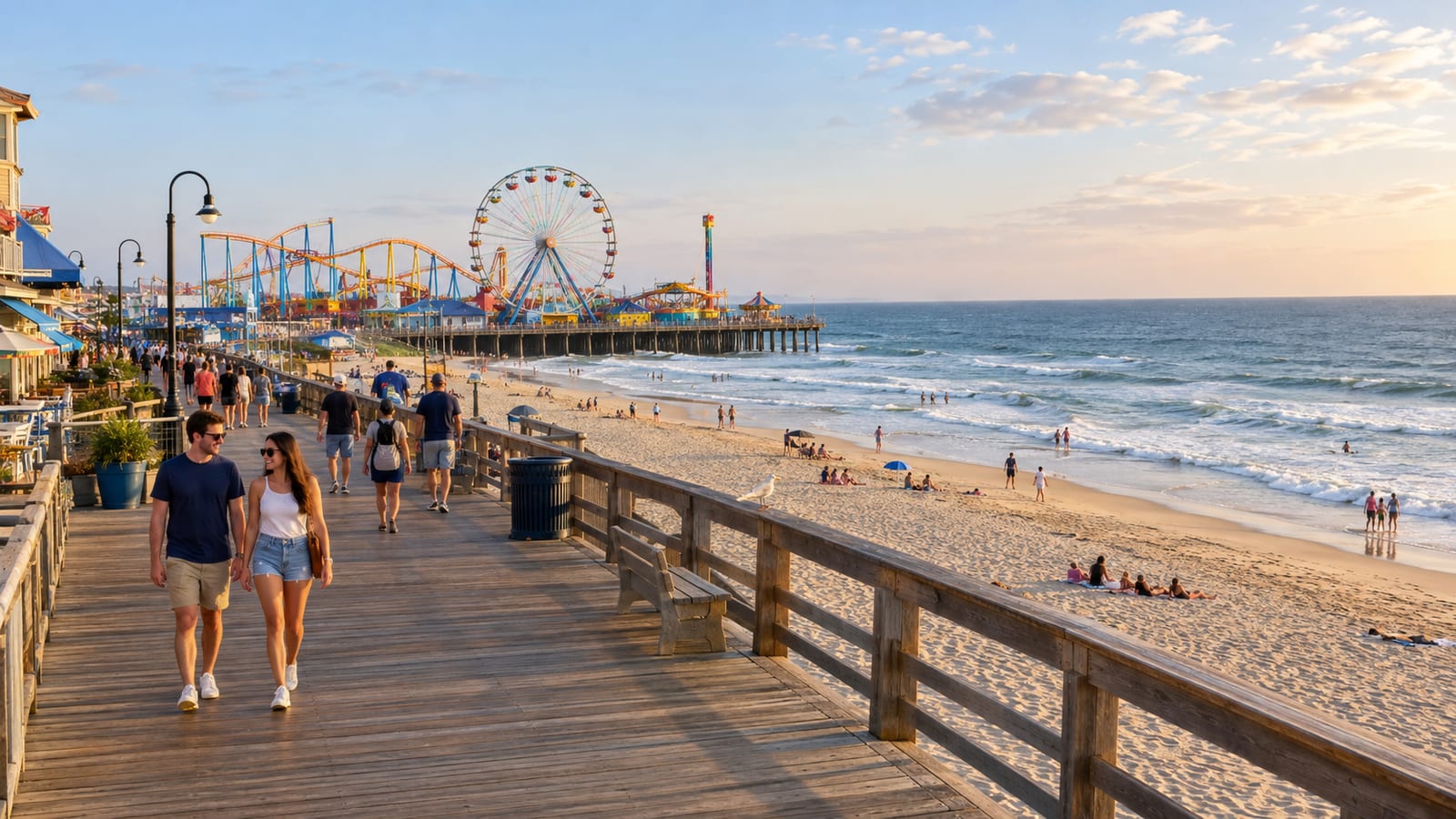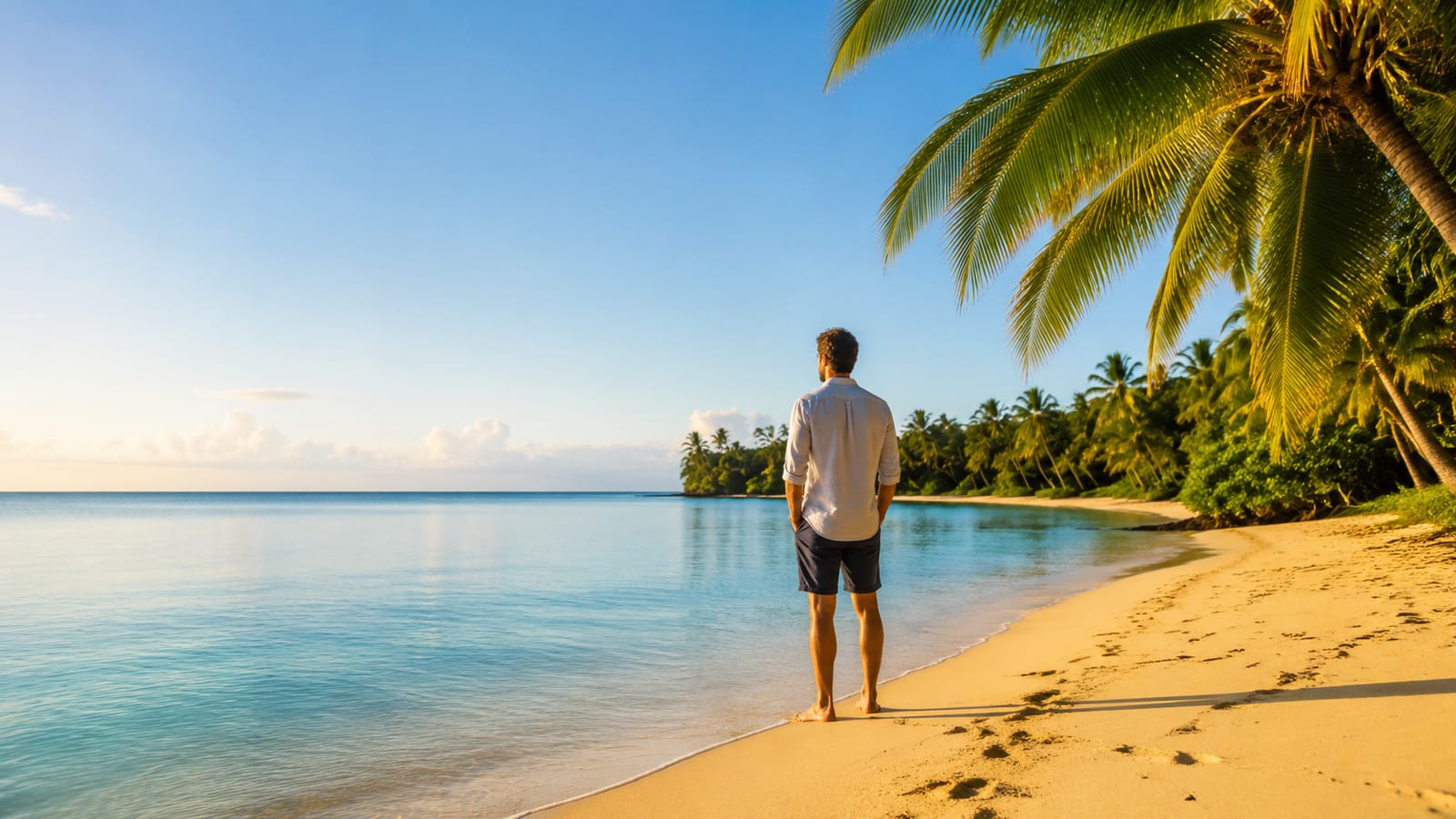
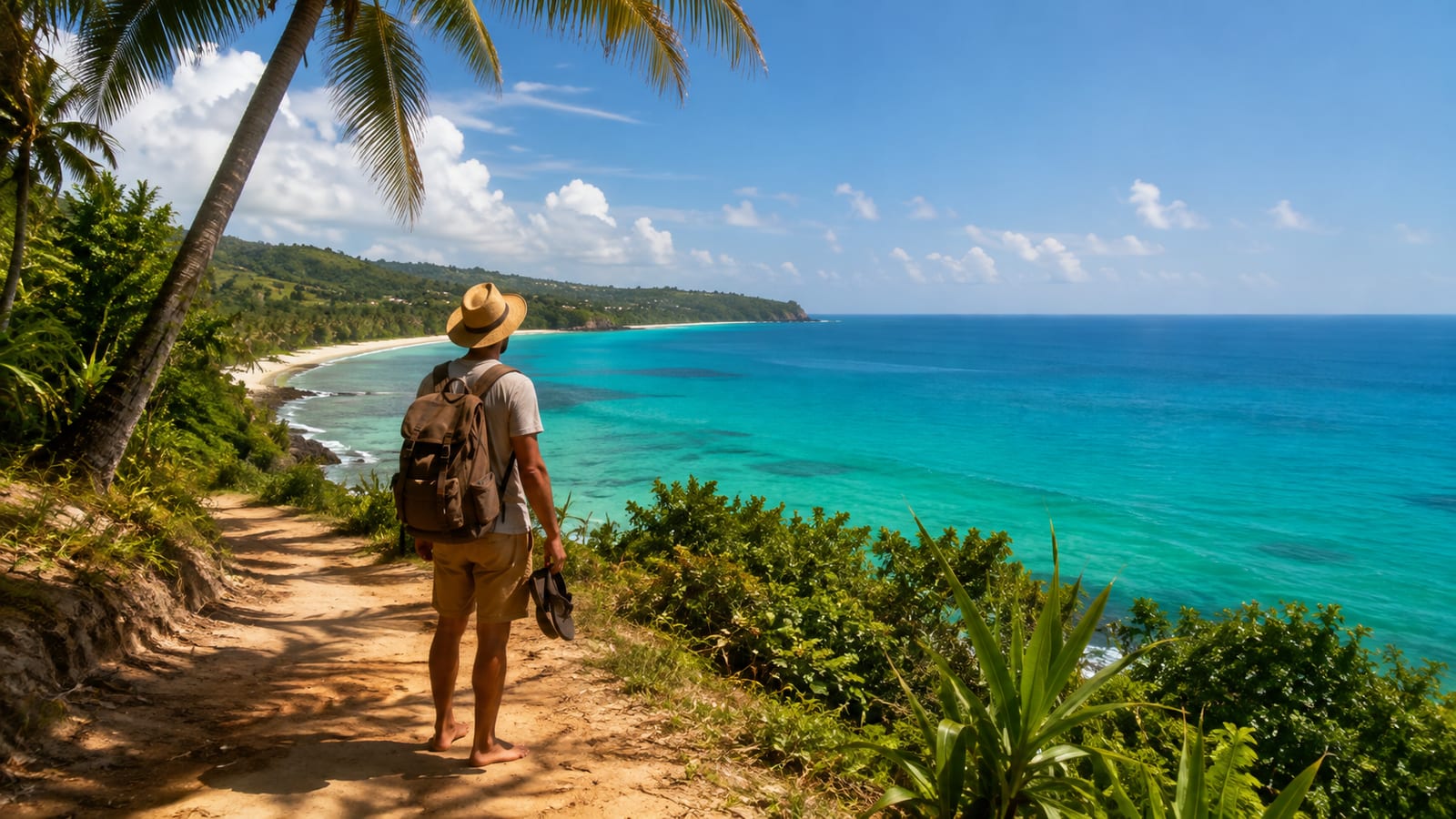
For most travelers, Curaçao is the best Caribbean island to visit. You get reliably sunny beach weather, a capital you can explore on foot, and enough local life to avoid the resort bubble. Still, the best Caribbean islands to visit depend on what you want. Choose St. Lucia for scenery, Aruba for an easy beach break, Puerto Rico for culture without passport friction for Americans, and Barbados for the strongest all-round mix.
Which are the best Caribbean islands to visit?
Curaçao is the best overall choice for travelers who want beaches and a place with a pulse. Base yourself in Willemstad, walk through Punda and Otrobanda, then use taxis, tours, or a short car rental for the quieter western coves.
That distinction matters. Curaçao works without a car for several days, but its best beaches aren't all beside the capital. You can grab a coffee in Pietermaai in the morning, cross the Queen Emma Bridge on foot, and save the beach road for another day.
Willemstad also gives you somewhere to wander after the sun drops. Aruba has easier resort beaches, while Anguilla has quieter ones. However, neither gives you the same mix of city streets, independent restaurants, and easy evenings outside a hotel.
Choose Curaçao over a more famous island if you get restless after two days beside a pool. Skip it if you want every beach, restaurant, and sun lounger within a short walk of your room. Aruba handles that trip better.
| Island | Best for | Strongest point | The catch | Best home base | Ideal stay |
|---|---|---|---|---|---|
| Curaçao | Independent first-timers | Beaches plus walkable city life | A car helps for western beaches | Willemstad | Most of a week |
| St. Lucia | Couples and active trips | Pitons, rainforest, boutique hotels | Roads are slow and winding | Soufrière | Most of a week |
| Aruba | Easy beach holidays | Dependable sun and calm water | Built-up resort areas | Eagle Beach | Long weekend or longer |
| Puerto Rico | Culture and flexible itineraries | Old city, rainforest, surf, food | You need to choose your base carefully | San Juan | A week or longer |
| Barbados | Food, beaches, first trips | Strong balance with good transport | Popular coasts feel busy | South Coast | Most of a week |
| Dominica | Hiking and nature | Waterfalls, hot springs, rainforest | Beaches aren't the main event | Roseau | Most of a week |
| Anguilla | Quiet upscale beach stays | Excellent sand and low-key days | High costs and little nightlife | Meads Bay | Long weekend |
| Jamaica | Music, food, and personality | Distinct culture and varied scenery | Transport needs planning | Negril or Montego Bay | A week or longer |
| St. Martin | Dining and beach variety | French and Dutch sides in one trip | Traffic and busy nightlife zones | Grand Case or Simpson Bay | Most of a week |
| Turks and Caicos | Luxury beach breaks | Grace Bay | Costs rise quickly beyond the room | Grace Bay | Long weekend or longer |
| Grand Cayman | Polished beach holidays | Clear water and easy resort logistics | Less character outside the main beach areas | Seven Mile Beach | Long weekend or longer |
The right island for each kind of trip
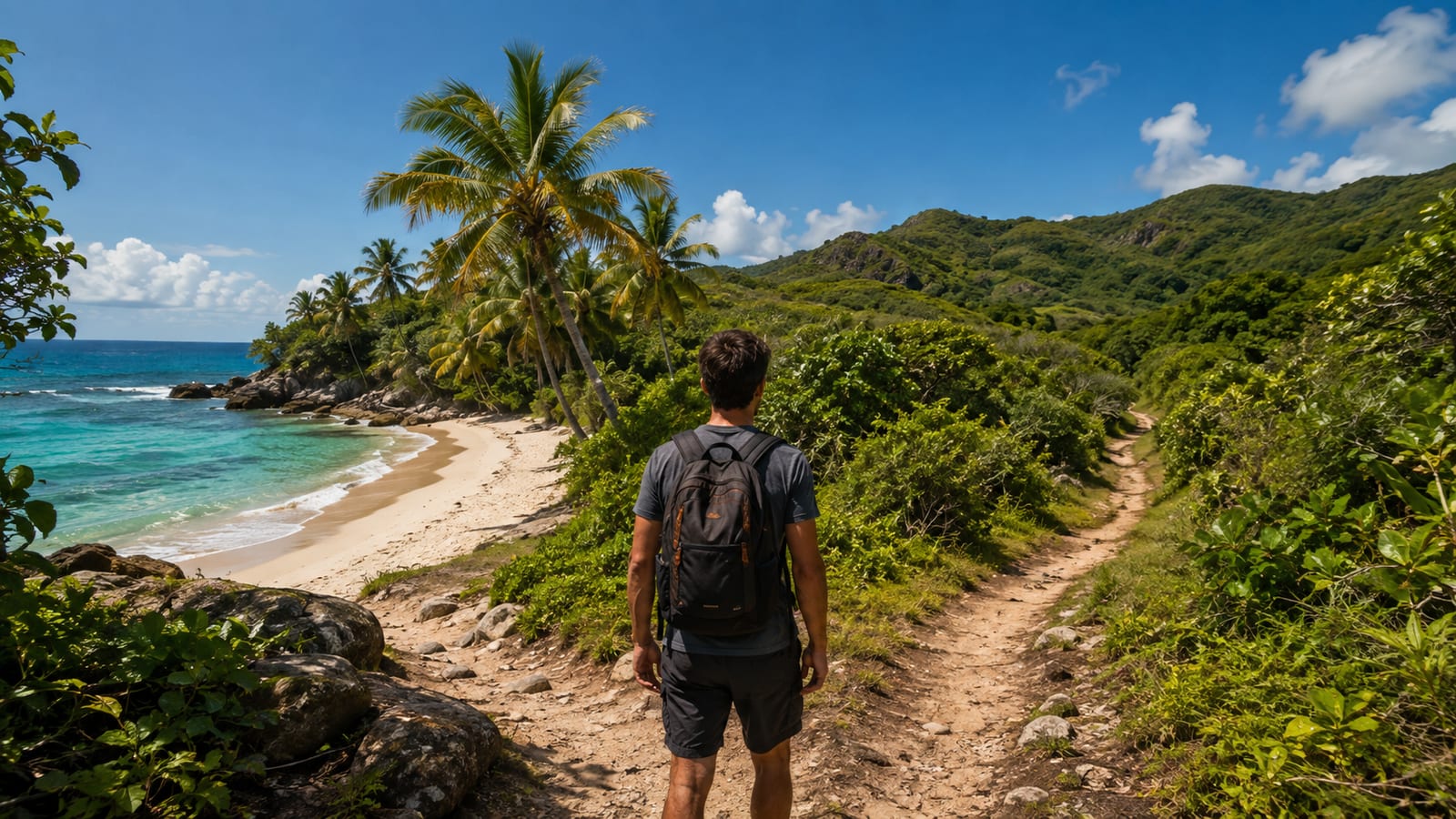
Couples should start with St. Lucia. The Pitons and rainforest give the trip shape beyond the hotel, while smaller stays around Soufrière suit slow mornings and unhurried dinners. The catch is transport, so don't book opposite ends of the island and expect easy evenings.
Families will have an easier time in Aruba or Barbados. Aruba wins for calm swimming and simple resort logistics. Barbados is the better pick if the adults also want local food, towns, and a day away from the pool.
Solo travelers should look hardest at Curaçao and Puerto Rico. Willemstad gives you compact streets and independent cafés. San Juan gives you more city life, plus straightforward day trips when you want rainforest or another beach. This guide to day trips from San Juan helps with that part.
For hikers, pick Dominica. St. Lucia comes second if you want good walking without giving up polished hotels and classic beach time.
Food lovers should choose Barbados, Jamaica, Puerto Rico, or the French side of St. Martin. Barbados is the safest all-round choice. Jamaica has more bite and personality, but the right base makes or breaks the trip.
Divers should compare Bonaire and Curaçao. Bonaire is the more focused dive trip, while Curaçao is better for a mixed group where not everyone wants to spend the week underwater.
Surfers should look at Barbados or Puerto Rico. Nightlife fans will get more from Jamaica, San Juan, and the Dutch side of St. Martin. For a quiet luxury beach, Anguilla and Turks and Caicos are worth the money if you won't resent the bill.
Which islands are easiest without renting a car?
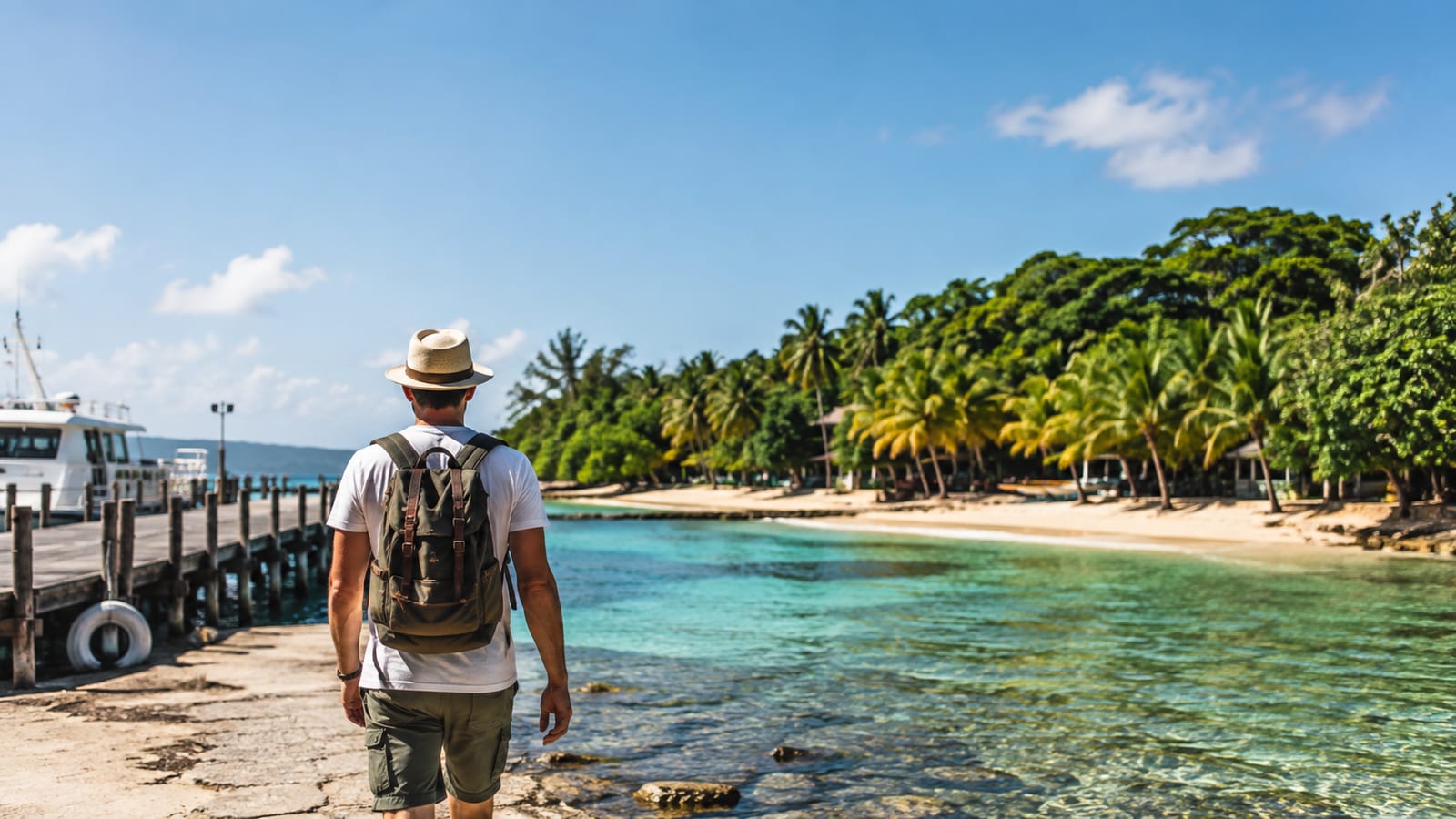
Puerto Rico is easiest if you stay in San Juan and plan day tours beyond the city. Old San Juan is made for walking, though the wider metropolitan area is spread out. A car becomes useful once beaches, surf towns, and the rainforest start filling your plan.
Curaçao works well for a split approach. Stay in Willemstad and spend your city days on foot. Then rent a car briefly or book transport for the coves farther west. Paying for a parked car all week makes little sense.
Barbados has one of the better bus setups for visitors. The south and west coasts also have enough restaurants and beaches to keep daily transport manageable. Still, don't choose an isolated hotel just because the room looks cheap.
Aruba is easy around Eagle Beach and Palm Beach. Buses and taxis cover the main hotel areas, though a car helps if you want the rougher coast and smaller beaches.
Meanwhile, St. Lucia, Dominica, Jamaica, and Turks and Caicos need more planning. Taxis can replace a rental, but repeated rides become a real cost. On St. Lucia and Dominica, steep roads and winding routes also make travel slower than the map suggests.
St. Martin is small enough to look simple. Traffic is the small detail nobody puts in the hotel photos. Stay near the beach and restaurants you expect to use most.
Culture without losing the beach
Puerto Rico gives you the deepest city-and-beach combination on this list. San Juan has old streets, neighborhood restaurants, bars, and live music. Then you can add rainforest, surf, and quieter coastal stops without changing countries.
Jamaica has the strongest musical identity and one of the clearest food cultures. However, a resort in Montego Bay won't deliver all of that to your sun lounger. Plan meals and outings beyond the gate, or choose Negril and give yourself room to wander.
Barbados is easier to read from the street. Local restaurants, rum shops, cricket grounds, and busy beaches sit closer together than they do on many resort-heavy islands. As a result, first-timers can get beyond the hotel without turning every day into an expedition.
Curaçao also gets this balance right. Willemstad isn't just a row of souvenir shops beside a cruise pier. Its neighborhoods, markets, cafés, and Dutch Caribbean buildings give you a reason to stay in town after the beach.
St. Martin works differently. Grand Case on the French side is the dining base, while the Dutch side is busier and louder. Choose one side for your room, then cross the border for specific meals and beaches.
Aruba, Turks and Caicos, and Grand Cayman lean more heavily toward polished beach holidays. That isn't a failure. It is only a poor match if local street life matters as much to you as the water.
The islands that give you more for your money
Puerto Rico gives many travelers the strongest overall value because one trip can cover a city, beach, rainforest, and surf coast. For Americans, avoiding international passport logistics also removes one more job before departure. Check live entry rules through the U.S. State Department's destination guidance before booking.
Curaçao is also worth it because you don't need to pay resort prices for every meal or evening. Stay near central Willemstad, eat independently, and rent a car only when the plan needs one.
Barbados can be good value if you use buses and local restaurants. However, beachfront hotels on the most popular coasts aren't bargains. A room set back from the sand can save money without costing you the beach.
Jamaica and the Dominican Republic often advertise cheap packages. Read the total, not the banner price. Transfers, resort fees, excursions, and meals outside an all-inclusive hotel can change the calculation.
Punta Cana suits travelers who want a contained resort break. It is less convincing if you want to explore independently every day. If you choose it, these day trips from Punta Cana are a better use of money than stacking similar resort excursions.
Anguilla covers only 91 square kilometers, but small doesn't mean cheap or easy. Rooms, taxis, and restaurant meals tend to reflect its upscale market. Spend the money for quiet beaches, not because you expect a packed sightseeing plan.
Turks and Caicos is another deliberate splurge. Grace Bay does most of the heavy lifting, and it does it well. Still, if paying premium prices for a pure beach holiday bothers you, book Barbados or Curaçao instead.
Grand Cayman is worth the money for travelers who want clear water, polished hotels, and an easy beach routine. Skip it if you want a rougher, more local-feeling island with cheap wandering built into the day.
Beaches for swimming, snorkeling, and space
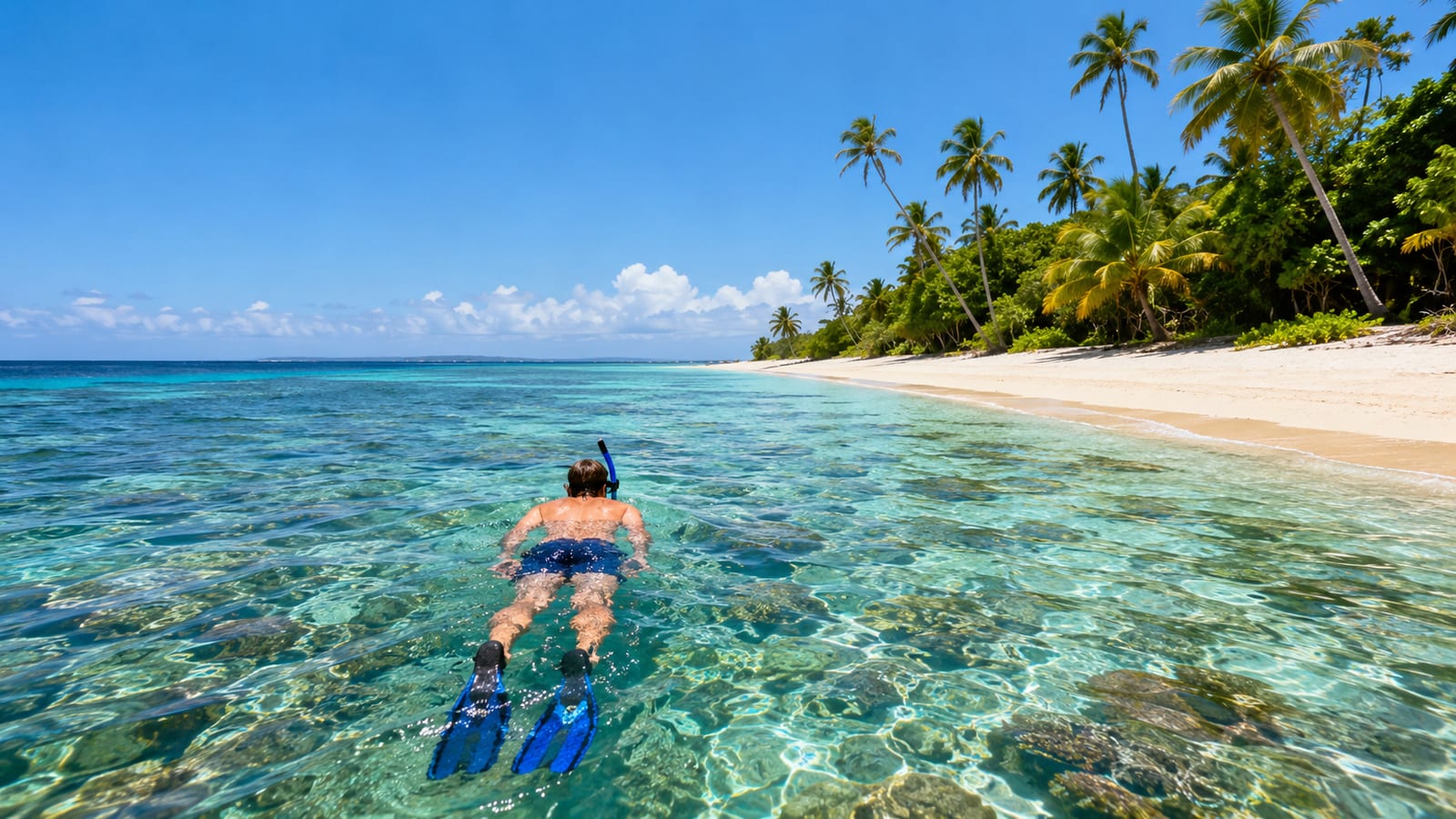
Aruba is the easy choice for calm swimming. Eagle Beach has broad sand and a less compressed feel than the busiest hotel zone. Palm Beach is more convenient for restaurants and activities, but it is built-up and rarely quiet.
Anguilla is the stronger pick for serious beach seekers. Meads Bay, Shoal Bay, and Rendezvous Bay suit long, slow beach days. The island has little pressure to fill your schedule, which is either the point or the problem.
Grace Bay in Turks and Caicos gives luxury travelers the polished version: pale sand, clear water, and hotels close behind it. However, the beach's reputation also drives the island's prices. Don't pay for it if you plan to spend most days on tours.
Curaçao is better for small coves and snorkeling than endless sweeps of sand. Some beaches are developed, while others have fewer services. Bring water and check what is available before driving west.
Grand Cayman suits swimmers who want calm, clear water with services close by. The trade-off is a more polished setting, so beach travelers looking for empty stretches should choose Anguilla instead.
For surf, pick Barbados or Puerto Rico rather than forcing a calm-water island to be something it isn't. Barbados lets you pair the gentler west coast with rougher Atlantic-facing water elsewhere. Puerto Rico offers the better choice if surf is part of a wider road trip.
St. Martin has variety, but some beaches sit close to busy roads, bars, or flight paths. That can be fun for an afternoon. It isn't a hushed escape.
Cruise stop, or a proper stay?
Curaçao works well for a cruise day because Willemstad begins close to the port. You can cross the floating bridge, walk both sides of the harbor, eat away from the terminal, and return without spending the day in a taxi. Still, a short stop misses the western beaches and quieter evenings.
St. Martin is satisfying for a day if you choose one beach or one food stop. Trying to cover both sides between breakfast and departure turns the island into a traffic report. A longer stay gives Grand Case, Marigot, and the Dutch side room to feel distinct.
Barbados deserves more than a port call. The island's appeal comes from the mix of food, coast, neighborhoods, and daily local energy. You won't get that from a bus window and a beach chair near the ship.
St. Lucia also needs time. The Pitons and Soufrière are the draw, but the road there can eat into a cruise day. Stay longer if scenery is the main reason you came.
Freeport in the Bahamas can work as an easy beach stop. However, it doesn't make the strongest case for a full Caribbean trip unless your plan is deliberately simple.
Puerto Rico works both ways. Old San Juan is satisfying on a short visit, while a full week opens the rainforest, surf coast, and smaller towns. That range is why it remains one of the best Caribbean islands to visit for travelers who hate being pinned to one style of holiday.
Trade-offs behind the top picks
Curaçao: Pick it for beaches, Willemstad, and independent meals. Skip it if you want every good beach on foot. Base yourself in Pietermaai or central Willemstad and allow most of a week.
St. Lucia: Pick it for couples, hiking, and the Pitons. Skip it if winding transfers make you miserable. Soufrière is the useful base for scenery, while the north suits a more conventional resort stay.
Aruba: Pick it for sun, calm water, and low-effort days. Skip it if you want a deep town-based cultural trip. Eagle Beach offers the better balance between quiet and convenience.
Puerto Rico: Pick it for the widest mix of city, food, rainforest, surf, and beaches. Skip it only if you want a tiny island where everything sits close together. San Juan is the easiest first base.
Barbados: Pick it for food, transport, local energy, and varied coasts. Skip it if you expect an empty beach beside every hotel. The south coast works well for first visits.
Dominica: Pick it for trails, hot springs, rainforest, and waterfalls. Skip it for a classic lie-on-the-sand week. Roseau makes a practical base, though the best nature days require transport.
Anguilla: Pick it for quiet beaches and upscale meals. Skip it if you need nightlife or constant sightseeing. Meads Bay is a strong base for a slow stay.
Jamaica: Pick it for music, food, and a trip with personality. Skip it if you plan to improvise every transfer. Negril suits beach time, while Montego Bay is easier for flights and packaged stays.
St. Martin: Pick it for dining, beach choice, and its French-Dutch split. Skip it for silence. Grand Case suits food-led trips, while Simpson Bay is better for nightlife and convenience.
Turks and Caicos: Pick it for a polished luxury beach break. Skip it if value matters more than ease. Grace Bay is the obvious base and the main reason to go.
Grand Cayman: Pick it for calm water, good services, and a smooth resort stay. Skip it if you want strong street life or a cheaper island base. Stay near Seven Mile Beach if convenience matters most.
How should weather, flights, and trip length decide it?
Start with your available flights, not a map of every island. A direct route to your second-choice island often beats a connecting journey to your first. Lost travel time feels worse on a long weekend than it does on a longer trip.
Next, check the weather pattern for your dates. Aruba and Curaçao are usually the safer choices for dependable sun. Islands farther north and east can face more disruption during hurricane season, so watch the National Hurricane Center before departure.
Then match the island to your actual time. Aruba, Anguilla, Turks and Caicos, and Grand Cayman work for a short beach stay. Puerto Rico, Jamaica, St. Lucia, Dominica, and Barbados reward a longer trip because transport and inland sights take time.
For U.S. travelers, Puerto Rico removes passport friction. Other islands have their own entry rules, and those can change. Check the official requirements before paying for a non-refundable room.
Finally, be honest about transport. If you don't want to drive, choose San Juan, Willemstad, the south coast of Barbados, or an Aruba beach base. If you want rainforest trails, remote coves, and small towns, budget for a rental car, a driver, or organized trips.
The best Caribbean islands to visit aren't the ones with the loudest beach marketing. They're the ones that fit how you will spend an ordinary afternoon after the first swim.
FAQ
Which Caribbean island is safest for a first solo trip?
Curaçao, Barbados, Aruba, and Puerto Rico are sensible starting points because they have established visitor areas and straightforward activities. However, no island removes the need for normal care. Choose a central base, arrange late transfers in advance, and ask your accommodation which streets are comfortable after dark.
Is an all-inclusive resort worth booking in the Caribbean?
It is worth it when your main goal is rest and you expect to eat, drink, and swim at the hotel. Skip it in Willemstad, San Juan, or food-focused parts of Barbados and St. Martin. There, paying upfront for every meal can trap you inside when the better evening is outside.
Which island is best if one traveler wants beaches and the other wants activities?
Curaçao and Puerto Rico handle that split best. Curaçao pairs coves with city days, while Puerto Rico adds rainforest, history, food, and surf. St. Lucia is another good match if both travelers are comfortable with slower road travel.
Should I visit more than one island in the same trip?
Only if the connection is simple and you have enough time to lose part of a day in transit. St. Martin and Anguilla make a logical pairing. Otherwise, one island explored properly usually beats two islands seen through airport windows.
Is the Caribbean a good destination outside peak winter travel?
Yes, but the trade-offs change. Quieter periods may bring lower demand and more unsettled weather, while some restaurants or small hotels may reduce operations. Check flight schedules, storm forecasts, and cancellation terms before booking.