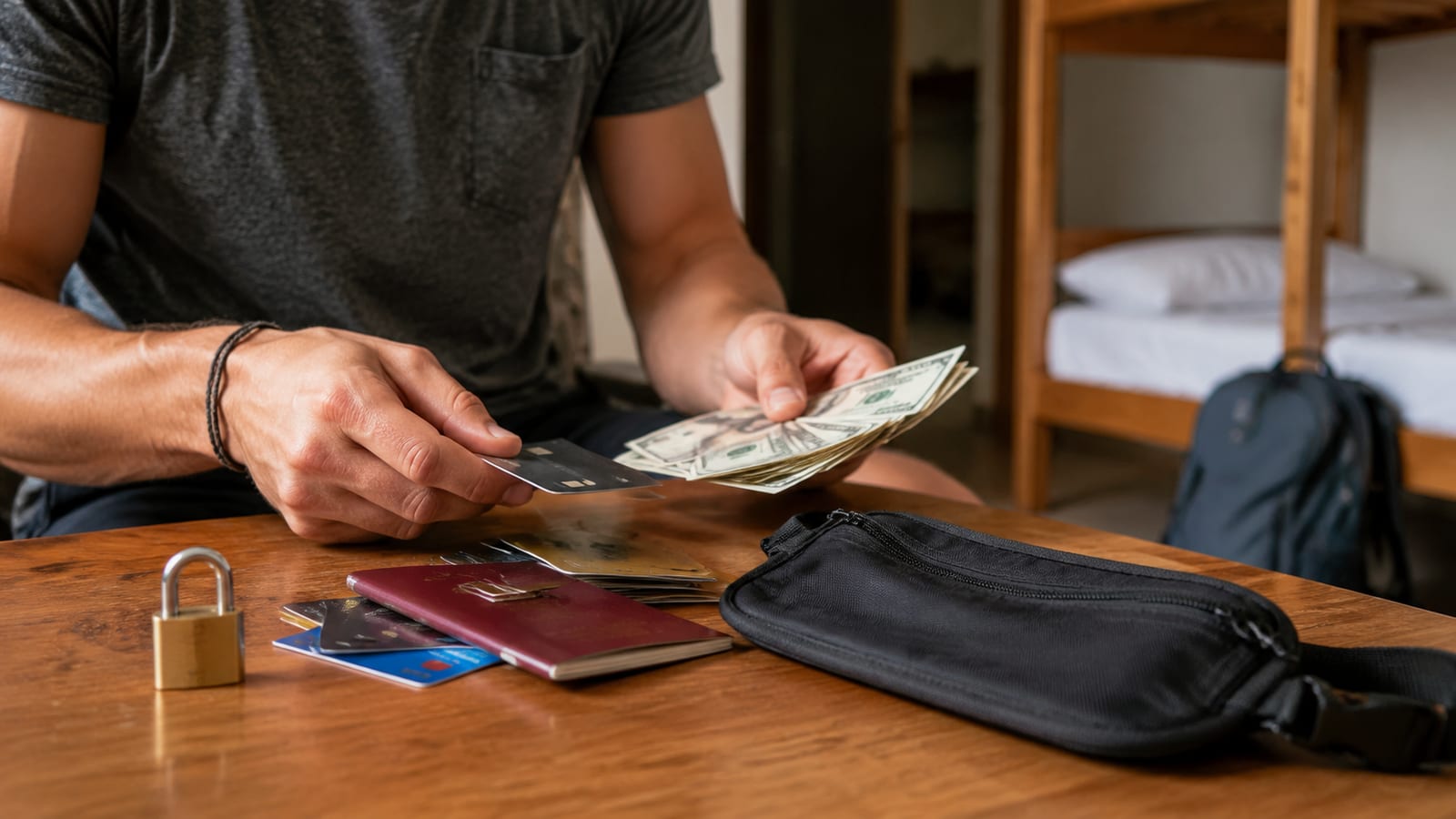
Carry two cards and two cash stashes in separate bags, screenshot every document before you hand it over, and treat any stranger who approaches you first as someone running an angle. Do that and you have already dodged most of what goes wrong in Southeast Asia. Handling money, safety, and scams here is less about fear and more about a few boring habits you set up before you land. Most trouble is petty, avoidable, and aimed at people who look unsure.
I have wandered enough night markets and haggled enough tuk tuk fares to know the region is safe for careful travelers. The scams are old, the tells are consistent, and the fixes are cheap. Here is what I actually do.
How much cash should you actually carry in Southeast Asia?
Enough for two or three days, split between two spots, and no more. Most of the region runs on cash for the things you actually enjoy: street food, local buses, temple entry, the woman selling mango at the corner. Cards work at hotels and malls, but the small joys want small bills.
I keep one day's spending in my pocket wallet and the rest in a separate bag. In Thailand or Vietnam, that pocket amount is maybe twenty to thirty dollars in local currency. Vendors rarely break a big note, so ask the ATM for a mix and hoard your small bills like they matter, because they do.
Do not walk around with your whole trip budget on you. If a bag gets lifted, you want the loss to sting for an afternoon, not end the trip. For the deeper version of stretching what you carry, my guide on how to travel Southeast Asia on a budget covers daily numbers by country.
Cutting ATM and exchange fees
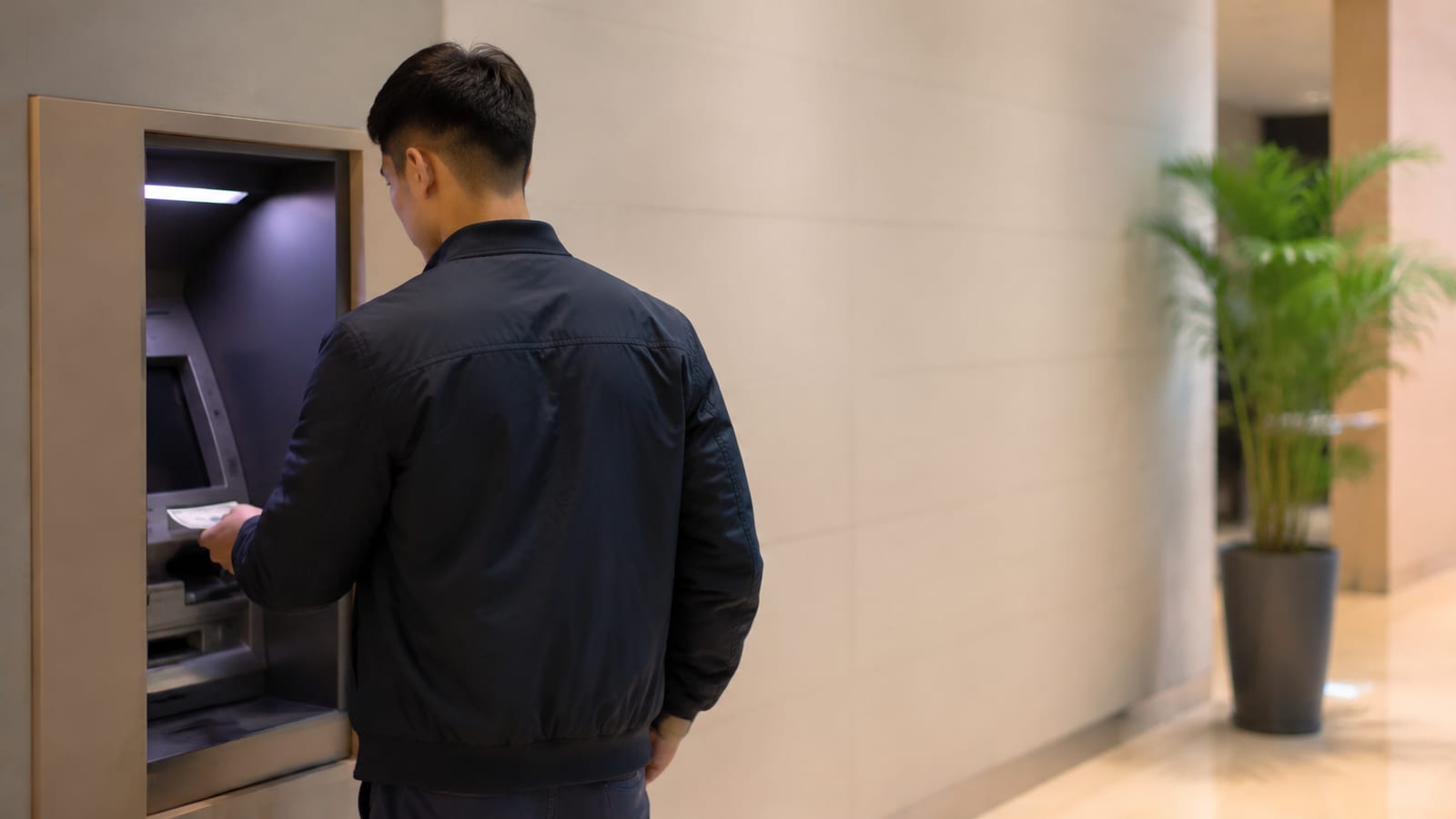
Withdraw large, withdraw rarely, and use a card that refunds the fees. Thai ATMs in particular hit foreign cards with a flat charge of around 220 to 350 baht per withdrawal, roughly eight to fourteen Singapore dollars, no matter how much you take out. Pull a small amount five times and you have paid that fee five times for nothing.
So I take out the daily maximum in one go and stash it properly. A travel card that reimburses ATM fees, or a home bank with no foreign transaction fees, pays for itself in a week here. Set that up before you fly, not from a hostel bunk.
When the machine asks whether to charge you in your home currency or the local one, always pick local. That "convenient" home-currency option bakes in a worse rate. It is called dynamic currency conversion, and it exists to skim you.
For cash exchange, skip the airport counters and the guys with a calculator near the temple. In Bangkok, dedicated shops like the Super Rich chain give near-market rates and run from about 11am until 8pm. A real exchange posts its rates on a board and hands you a receipt. If someone is doing math on a phone and won't show the number first, walk.
Where to keep your money and documents
Split everything, and make your visible wallet the cheap one. I carry a decoy wallet with a small amount of cash and one low-limit card. The real cards, backup cash, and passport live somewhere else, ideally a thin pouch worn under my clothes or locked in the room.
Here is the split I use on the ground:
- Pocket decoy wallet: one day of cash, one card you can afford to lose.
- Under-clothes pouch: passport, main card, backup card, folded emergency cash in US dollars.
- Locked in the room: the second cash stash and a photocopy of the passport.
A money belt only works if you never open it in public. Fish around in it at a market stall and you have shown everyone where your real money lives. I move small bills to my pocket in the morning so the pouch stays shut all day.
Screenshot your passport, visa, cards, and insurance policy before anything else. Keep copies in your email and on your phone. When something goes missing, that folder turns a crisis into a phone call.
What are the most common scams and how do you spot them early?
The classics are so consistent you can name them before they finish the pitch. Almost every one starts the same way: a friendly stranger approaches you, not the other way around. That single tell catches most of them.
- The broken meter taxi. The driver claims the meter is broken or "traffic price only." A metered 10 km ride in Bangkok should run about 80 to 120 baht, two to three US dollars. If he won't run the meter, wave him off and take the next one. There is always a next one.
- The "closed today" temple. A stranger near the entrance tells you the temple is shut for a holiday or a ceremony. Then he offers a tuk tuk tour of "better" temples that ends at a gem or tailor shop paying him commission. The temple is open. Walk to the gate and check yourself.
- The gem deal. Someone well dressed befriends you, mentions a once-only export sale, and promises you'll resell the stones for a fortune back home. You cannot. The gems are near worthless and the sale is the whole scam.
- The friendship bracelet or bird seed. Someone ties something on your wrist or fills your hand, then demands payment. Keep your hands to yourself and keep walking.
None of these need special knowledge. They need you to be polite past the point of sense. It is fine to ignore someone. Practise a flat "no thank you" and mean it.
Is it safe to hand over your passport as a deposit?
No. Never leave your passport as a deposit for a rented motorbike, kayak, or anything else. It is your single most valuable document, and a shop that holds it gains real power if a "scratch" appears on the bike when you return it.
I have seen this go wrong more than once: a traveler brings back the scooter, the owner points at damage that was already there, and suddenly the passport is ransom for a few hundred dollars. Do not put yourself in that room.
Offer a cash deposit instead, or a photocopy, or a spare ID like a driver's license you can afford to lose. Plenty of reputable rentals accept these. If a shop insists on the real passport and nothing else, rent somewhere else. That rigidity is itself a warning.
Money and safety on overnight buses and trains
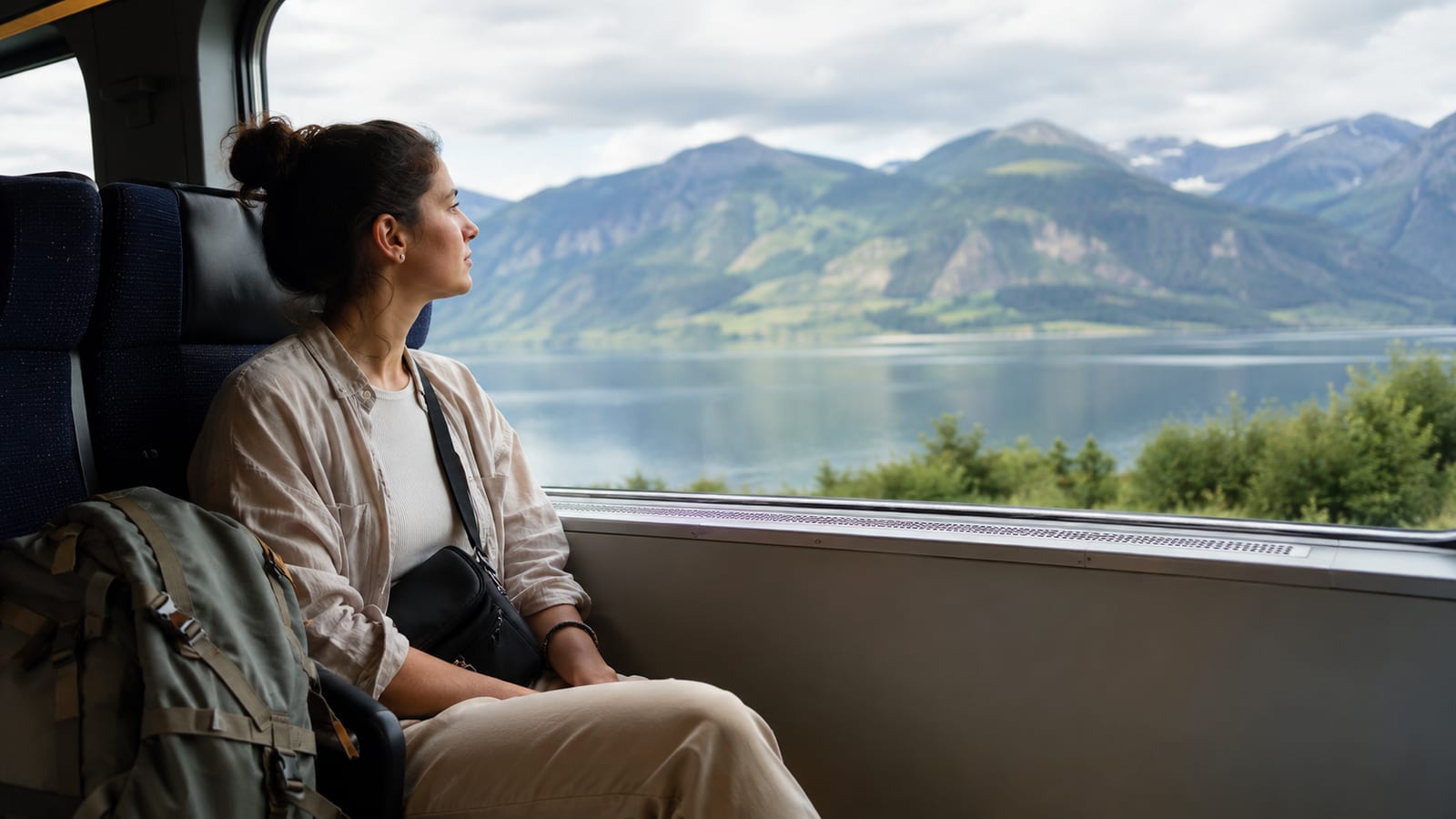
Sleep with your valuables on your body, not in the overhead rack or the hold. Overnight buses are where phones and wallets quietly disappear while everyone dozes. It comes down to one habit: nothing you can't lose ever leaves your reach.
I loop a bag strap around my leg or arm and keep the pouch with passport and cards under my shirt while I sleep. Bags stowed under the bus can be opened at stops, so anything precious rides in the cabin with me. I never put a phone in a seat-back pocket overnight.
Book with a company the guesthouse actually recommends, and keep small bills handy for the rest-stop meal so you are not flashing a fat wallet at 2am. Keep a headlamp and a photocopy of your ticket where you can grab them. If you tend to spiral over the money side of long travel days, my notes on avoiding money stress on the road help keep it calm.
The first moves after a theft or scam
Freeze the cards first, then report, then claim. Move in that order and you limit the damage before it grows. Panic wastes the window where fast action matters most.
Here is the sequence I would follow:
- Freeze or cancel the cards. Use the bank app or the emergency number saved offline in your phone. This is why you carry a second card in a separate bag.
- Get a police report. Insurance almost always requires one, and tourist police in cities like Bangkok handle these routinely. Get it in writing, with a stamp.
- Contact your embassy if the passport is gone. They issue emergency travel documents, but it takes time, so start early.
- File the insurance claim with your report, receipts, and those screenshots you took at the start.
The order matters because a stolen card bleeds money by the minute, while a police report can wait an hour. Do the bleeding thing first.
Staying safe as a solo traveler or solo woman
Pick accommodation on a busy, lit street and arrive in daylight on your first night. The region is genuinely welcoming to solo travelers, and Vietnam ranked 39th of 163 countries on the Global Peace Index for 2025, ahead of Thailand at 76th and the Philippines at 115th. Those rankings are broad, not a promise about your street, so read the room.
Most risk here is opportunistic, not violent. I keep my phone in my pocket, not my hand, when I walk at night. I use booked rides or the guesthouse's known driver after dark rather than flagging an unmarked car. And I tell someone at the hostel roughly where I am going.
As a solo woman, the extra layer is mostly about controlling who knows you are alone. Book a female dorm if the mixed one feels off. Trust the instinct that says leave a bar or step off a quiet lane; it is right more often than not. Keeping a rough handle on daily spending keeps you sharp too, and tracking your daily spend stops the money side from clouding your judgment.
The insurance and backup payment setup you need
Buy insurance that covers medical evacuation and theft, and set up two separate ways to pay before you leave home. One card fails, one bank freezes for "suspicious" foreign activity, one pocket gets picked. Redundancy is the whole game.
My baseline kit looks like this:
- Two debit or travel cards from different banks, carried in different bags.
- Some US dollars folded away as emergency cash that works almost anywhere.
- A travel insurance policy with medical evacuation, since a serious scooter injury can cost a fortune to move.
- The bank's emergency numbers and my policy details saved offline on my phone.
Tell your banks your travel dates so they don't lock a card mid-trip. Test a small ATM withdrawal on day one, while you still have a backup, rather than finding a dead card at midnight. Set the whole thing up while you are home and bored. That hour is the cheapest insurance you will buy.
FAQ
Should I use US dollars or local currency in Southeast Asia?
Local currency for almost everything, with a small stash of clean US dollars as backup. Vendors, buses, and street food want the local notes. Dollars are worth carrying only for emergencies, visa fees at some borders, and as a fallback if every card fails. Keep the bills crisp, since torn or marked dollars get refused.
Are Grab and ride-hailing apps safer than street taxis?
Usually, yes, because the price is fixed and the driver is tracked. Booking through an app removes the meter argument entirely and gives you a record of the trip. It is my default in cities where it works. I still check the license plate matches before getting in.
Is tap water safe, and does that affect my money planning?
Tap water is not reliable for drinking in most of the region, so budget for a refill filter or bottled water. A reusable bottle with a filter pays for itself fast and cuts plastic. Getting sick is the fastest way to blow through cash on clinics and lost days. Factor a small daily amount for safe water into your plan.
How do I know if a hotel safe is trustworthy?
Assume it is convenient, not secure, and treat it that way. Many hostel and budget-hotel safes share a master code among staff. I use them for a spare card and copies, never my only cash or passport. If the room has no safe, a locked bag tethered to something fixed beats a bag left open on the bed.