Colorado is too big for one trip, and people who try to see all of it mostly see their windshield. The places to visit in Colorado that earn the drive are Rocky Mountain National Park, Great Sand Dunes, Mesa Verde, Garden of the Gods, Red Rocks, and one or two mountain towns like Breckenridge or Telluride. Pick the north or the south, sleep your first night in Denver, and give each stop more time than feels efficient.
Below is how I'd split the state, what each place is like when you pull in, and where trips usually go wrong. Most of the trouble comes from three things: reservations, altitude, and distances that look small on a map.
What are the best places to visit in Colorado?
For one week, go north: Rocky Mountain National Park, Denver, Boulder, and the mountain towns along Interstate 70. For a second week or a return trip, go south to the sand dunes, the cliff dwellings at Mesa Verde, and Telluride. That one split decides whether your trip feels slow and full or rushed and thin.
Here are the picks I'd build any plan around, roughly in order of how much they're worth:
- Rocky Mountain National Park for alpine lakes and a paved road over the top of the range.
- Great Sand Dunes National Park & Preserve for a field of sand piled against snowy peaks.
- Mesa Verde National Park for cliff dwellings built by Ancestral Puebloan people.
- Garden of the Gods for free red rock walks in Colorado Springs.
- Red Rocks Amphitheatre for a concert venue set into the rocks outside Denver.
- Hanging Lake for a turquoise pool in Glenwood Canyon, if you can get a permit.
- Breckenridge or Telluride for a mountain town with a real main street.
Everything else people search for, from ghost towns to rafting to dude ranches, fits around these. You don't need all seven. Four done well will feel like more.
Rocky Mountain National Park is the one to plan around
This is the park most people picture when they say they want to see the Rockies. It also needs the most planning. In the busy months you need a timed entry reservation on top of your park pass, booked on Recreation.gov. Book as soon as the window opens for your dates, because the popular morning slots go first.
The headline drive is Trail Ridge Road, the highest continuous paved road in the U.S. It tops out at just over 12,000 feet. Up there the trees give way to tundra: low grass, tiny flowers, and wind that cuts through a fleece in July. So bring a warm layer, even if Estes Park was hot when you left.
For your first afternoon, try the Lily Lake Loop near Estes Park. It's only a mile long and mostly flat, which makes it a gentle test of how your lungs handle the height.
The next morning, head to Emerald Lake from the Bear Lake trailhead. Get there early, while the morning light is still on the peaks and the lot still has space. By mid-morning that lot is full, and you'll be riding the park shuttle in.
Strong hikers eye the Longs Peak Trail, which is 16 miles round-trip to the summit. It's a serious mountain day that starts in the dark. Skip it unless you've done long, high hikes before and you're watching the weather closely.
Denver and the Front Range make an easy base
Denver is where most flights land, and rooms there cost less than in the mountains. So sleep there first. It also gives your body a night to adjust before you climb higher.
Red Rocks Amphitheatre sits just outside Denver, and you don't need a concert ticket to see it. On a morning with no show, you can walk the rows and climb the steps alongside locals doing their workouts. Check the venue calendar first, though, because the amphitheatre closes to casual visitors ahead of evening shows.
Boulder is a short drive northwest and worth a full day on foot. Walk Pearl Street, then head up to Chautauqua Park for the trails under the Flatirons, the slanted rock slabs above town. For a long, hard day, the trail to Lone Eagle Peak in the Indian Peaks Wilderness is 14 miles out-and-back.
South of Denver, Garden of the Gods in Colorado Springs is a registered national natural landmark. Red rock fins rise straight out of the grass, and the park costs nothing to enter. The free Visitor and Nature Center covers the geology, plants, and animals, and it's a good stop when it rains. Go early, because the rocks glow in morning light and the main lots fill by late morning on summer weekends.
Mountain towns trade money for character
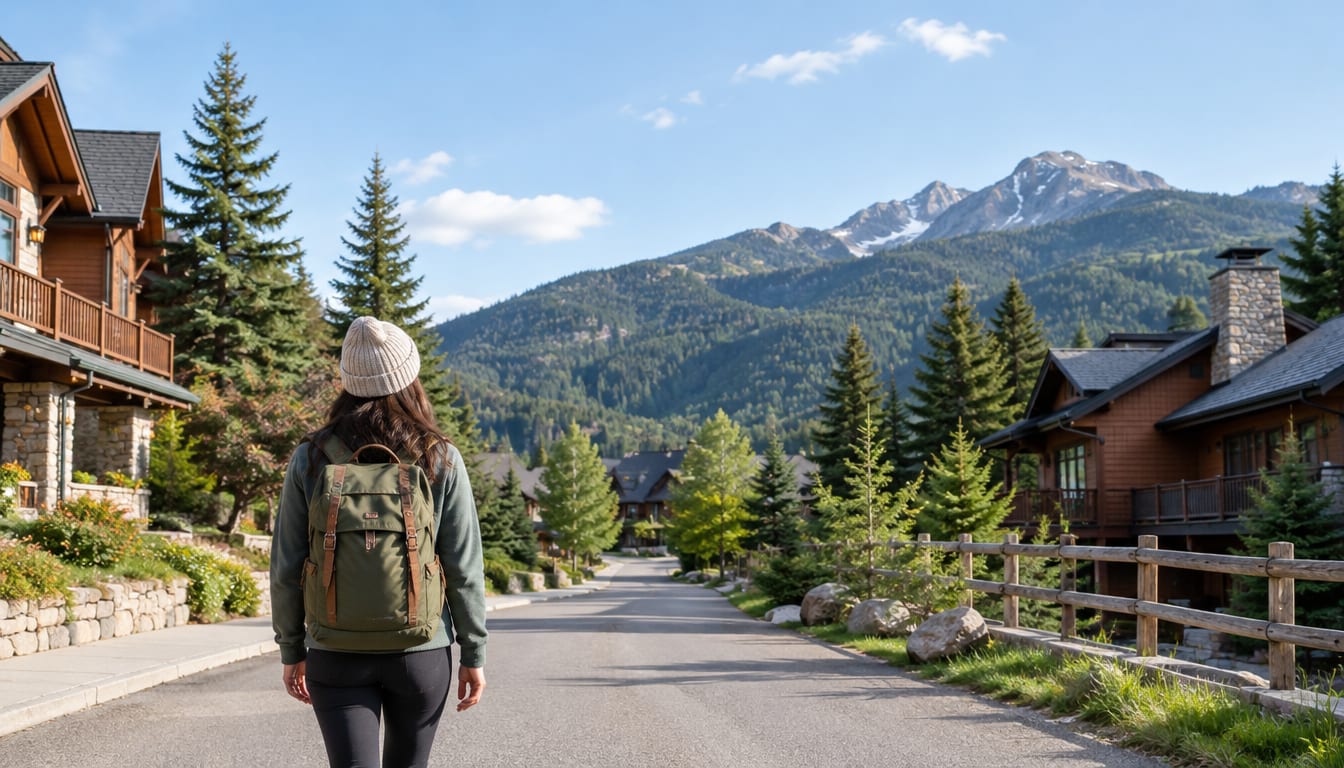
Mountain towns are where Colorado gets expensive. Rooms, meals, and even parking cost noticeably more than in Denver. So pick the one you actually want and stay put.
Breckenridge is the easiest pick from Denver. It's an old mining town with a walkable Main Street, a big ski resort in winter, and approximately 300 days of sunshine a year. However, weekends get crowded. You'll also sleep higher here than almost anywhere else on this list, so go easy the first night.
Telluride is the prettier, harder choice. It sits in a narrow box canyon in the San Juan Mountains, and a free gondola links the old town to Mountain Village above it. Still, it's a long drive from anywhere, and the prices match its reputation. I'd only go if you're already heading south to Mesa Verde.
Glenwood Springs and Hanging Lake
Glenwood Springs, at the western end of Glenwood Canyon on I-70, is the best-value stop. It has hot springs and a real working town. Nearby, Hanging Lake is tucked away in the canyon, with clear turquoise water and small waterfalls spilling over the rock.
The short, steep 1.2-mile hike up is a workout. You also need a reservation for a set date and time. Don't show up hoping to walk in.
Rafting fits well here. Trips run on the Colorado River near Glenwood and on the Arkansas River near Buena Vista. A dude ranch is a real cost, usually booked as a multi-night stay with meals and riding included. As a result, it works best as the trip itself rather than a side outing.
The south is worth the long drive
The southern half has fewer people, longer drives, and the two places I'd least want to miss. Plan it as its own trip. Garden of the Gods also works as a first stop, since Colorado Springs is on the way from Denver.
Great Sand Dunes National Park & Preserve sits at the base of the Sangre de Cristo Mountains and holds the tallest sand dunes in North America. The highest rise to about 750 feet. You can hike to the top of some of them, though soft sand makes it slow going. The visitor center is 37 miles from Alamosa, the nearest real town for food and beds.
Timing matters more here than anywhere else in the state. On summer afternoons the sand gets hot enough to burn bare feet, so climb at sunrise or in the evening. Meanwhile, in late spring, snowmelt can fill Medano Creek at the foot of the dunes, and families wade in it. Check the park's current conditions, because some years the creek barely runs.
Mesa Verde National Park is in the far southwest corner, near Cortez. Ancestral Puebloan people built homes into the cliff alcoves here, and walking past them is the best history lesson in Colorado. The ranger-led tours into the larger dwellings need tickets, often booked well ahead. Some involve ladders and narrow ledges. If heights bother you, the overlooks along the mesa-top drives still give you plenty.
How bad is the altitude, really?
For most people it's a nuisance: a dull headache, shortness of breath on stairs, and a poor first night's sleep. Denver's nickname is the Mile High City, and most of the places above sit far higher. So the symptoms, when they show up, tend to hit in the mountain towns and on high trails.
Here is what I do. Sleep low the first night, drink more water than feels normal, and go easy on alcohol, which hits harder up high. Keep the first hike short and flat. Trust yourself: if a headache turns into dizziness, confusion, or vomiting, go down, because getting lower is the fix that works.
Summer storms are the other high-country risk. Afternoon thunderstorms build fast over the peaks, and above the tree line you're the tallest thing around. Start big hikes early and be heading down once the clouds start stacking up. This calm, standard mountain habit keeps you out of most trouble.
Seasons change which places you can reach
Summer opens everything. Trail Ridge Road is open, high trails are clear of snow, and every famous trailhead is crowded. Reservations matter most from late spring through early fall.
Fall is my favorite window. The aspens turn gold, crowds thin after the summer holidays, and days stay mild in Denver and the south. On the other hand, nights get cold up high, and early snow can close high roads.
Winter means skiing in Breckenridge and Telluride, and it also means Trail Ridge Road closes for the season. Mountain passes can require chains or snow tires. Before any winter drive, check road conditions on COtrip, the state transportation department's traveler site. If you're weighing other cold-month trips, these places to visit in February across the US are worth a look.
Spring is mud season in the mountain towns. Some shops and restaurants close for a few weeks between ski season and summer. Still, the dunes can be pleasant then, and you'll have more room everywhere. Some Mesa Verde tours start later in the year, so check before you go.
A one-week loop from Denver
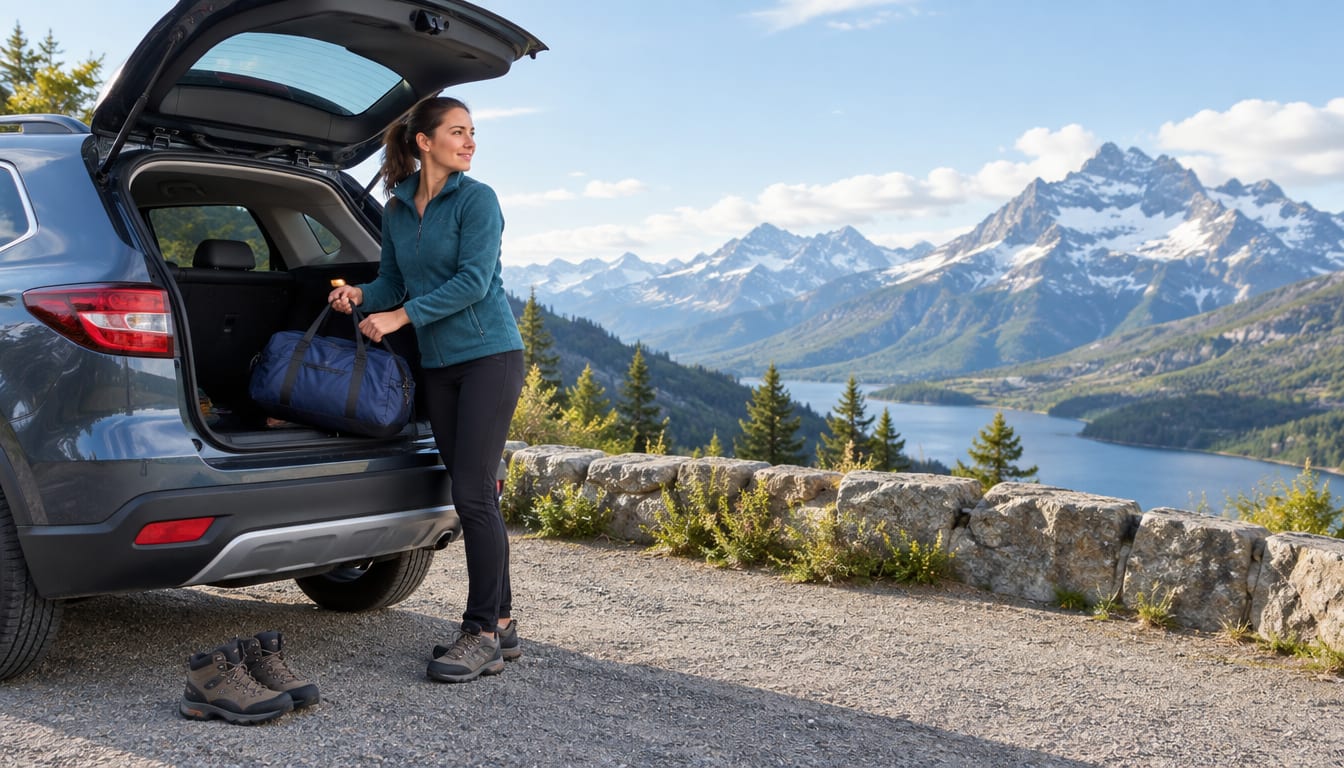
This is the northern route I'd hand a friend on a first trip. It keeps drives short and puts the highest sleeping spot later in the week, once you've adjusted.
- Day 1: Land in Denver, sleep there, and catch evening light at Red Rocks if no show is on.
- Day 2: Spend the morning in Boulder on foot, drive to Estes Park, then walk the Lily Lake Loop.
- Day 3: Emerald Lake at dawn, then the rest of the day in the park with no rush.
- Day 4: Drive Trail Ridge Road west to Grand Lake, then continue to Breckenridge.
- Day 5: Slow down in Breckenridge. Grab a coffee on Main Street and keep the hiking light.
- Day 6: Head to Glenwood Springs for Hanging Lake, if you got a permit, and the hot springs.
- Day 7: Drive back to Denver along I-70 for your flight.
You'll need timed entry for each day you enter Rocky Mountain National Park, so book days 3 and 4 together. With extra time, the Denver to Jackson Hole drive carries you north into Wyoming's big parks.
Where Colorado lets people down
The biggest letdown is trying to cover the whole state. Mesa Verde and Rocky Mountain National Park sit at opposite corners, and a week spent between them is mostly highway. Most lists of places to visit in Colorado skip this part. Pick a half and stay in it.
The famous spots are also crowded. Emerald Lake at noon, Garden of the Gods on a Saturday, Hanging Lake without a booking: those are the visits people come home grumbling about. Go early or midweek, and the same place feels calm. When a trailhead lot is full, I take the next one down the road and see where it goes. For quieter corners in parks generally, these hidden gems in US national parks are a good start.
Cost is the third trade-off. Telluride, Breckenridge, and the ranches are expensive. By contrast, Denver, Colorado Springs, and Alamosa keep the budget sane.
If you hate driving and don't want to hike, much of the state will frustrate you. In that case, base yourself in Denver, add Boulder and Red Rocks, and you'll still have a good trip. Whichever half you choose, your first step today is the same: look up when the timed entry window opens for Rocky Mountain National Park and put that date in your calendar.
FAQ
Can you see Colorado without a car?
Partly. The A Line train runs from Denver's airport to Union Station downtown, and regional buses reach Boulder. Bustang, the state-run bus service, follows I-70 out to several mountain towns. The dunes and Mesa Verde, though, are realistically car-only.
Is Colorado a good place for a first solo trip?
Yes, especially the northern half. Denver and Boulder are simple to get around, and popular trails always have other hikers on them. When you hike alone, leave your route with someone and download offline maps first. Cell signal drops out fast in canyons and high valleys.
Are Colorado's ghost towns worth a detour?
A well-kept one is. St. Elmo, near Buena Vista, has weathered wooden buildings lining a dirt main street, and it pairs neatly with a rafting day on the Arkansas. Walk gently around the old structures and respect any private property signs.
Is the annual national parks pass worth buying?
If your route includes Rocky Mountain, Great Sand Dunes, and Mesa Verde, the America the Beautiful annual pass usually covers itself. Keep in mind it only handles entrance fees. You'll still need Rocky Mountain's separate timed entry booking during the busy season.