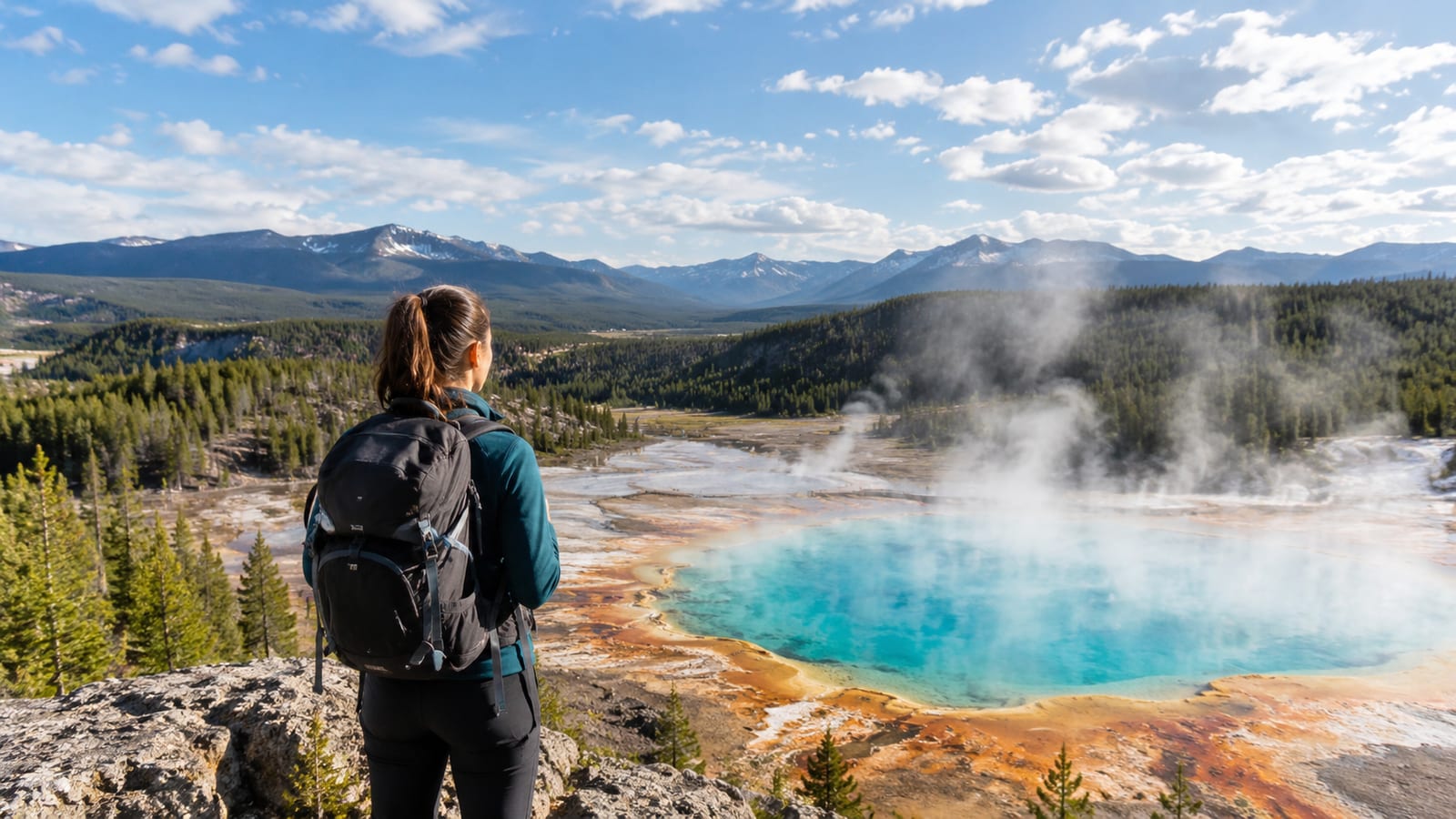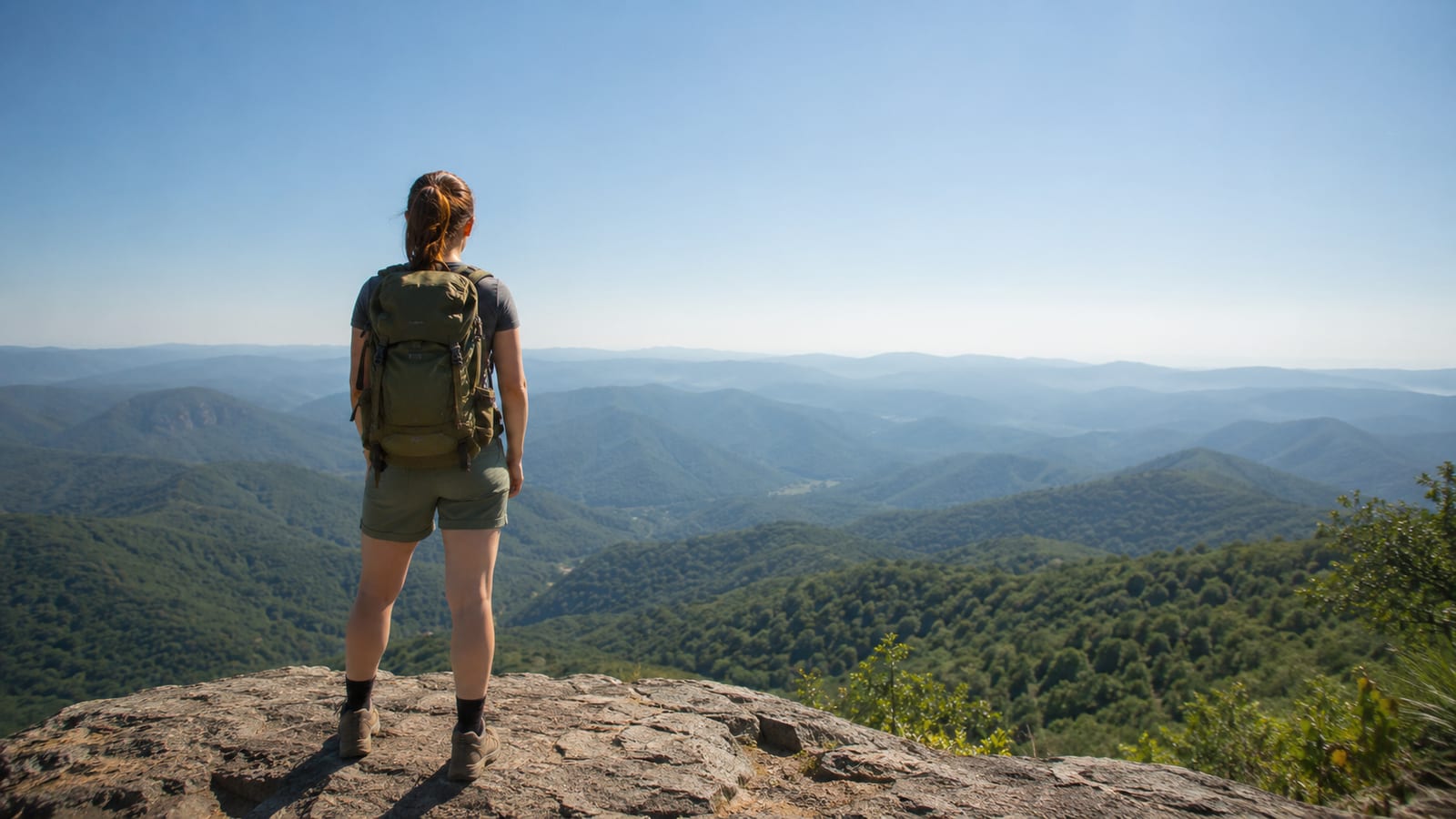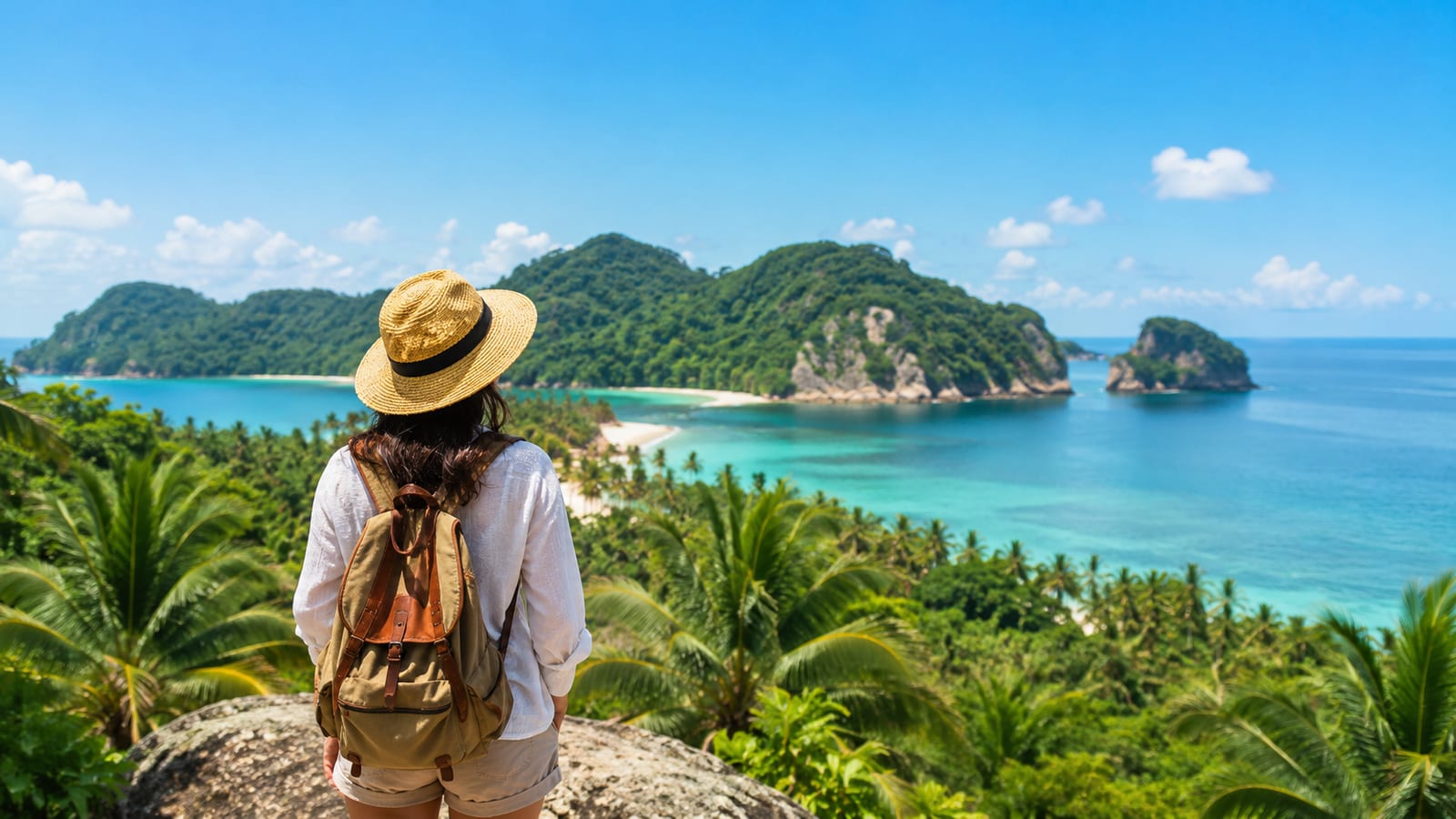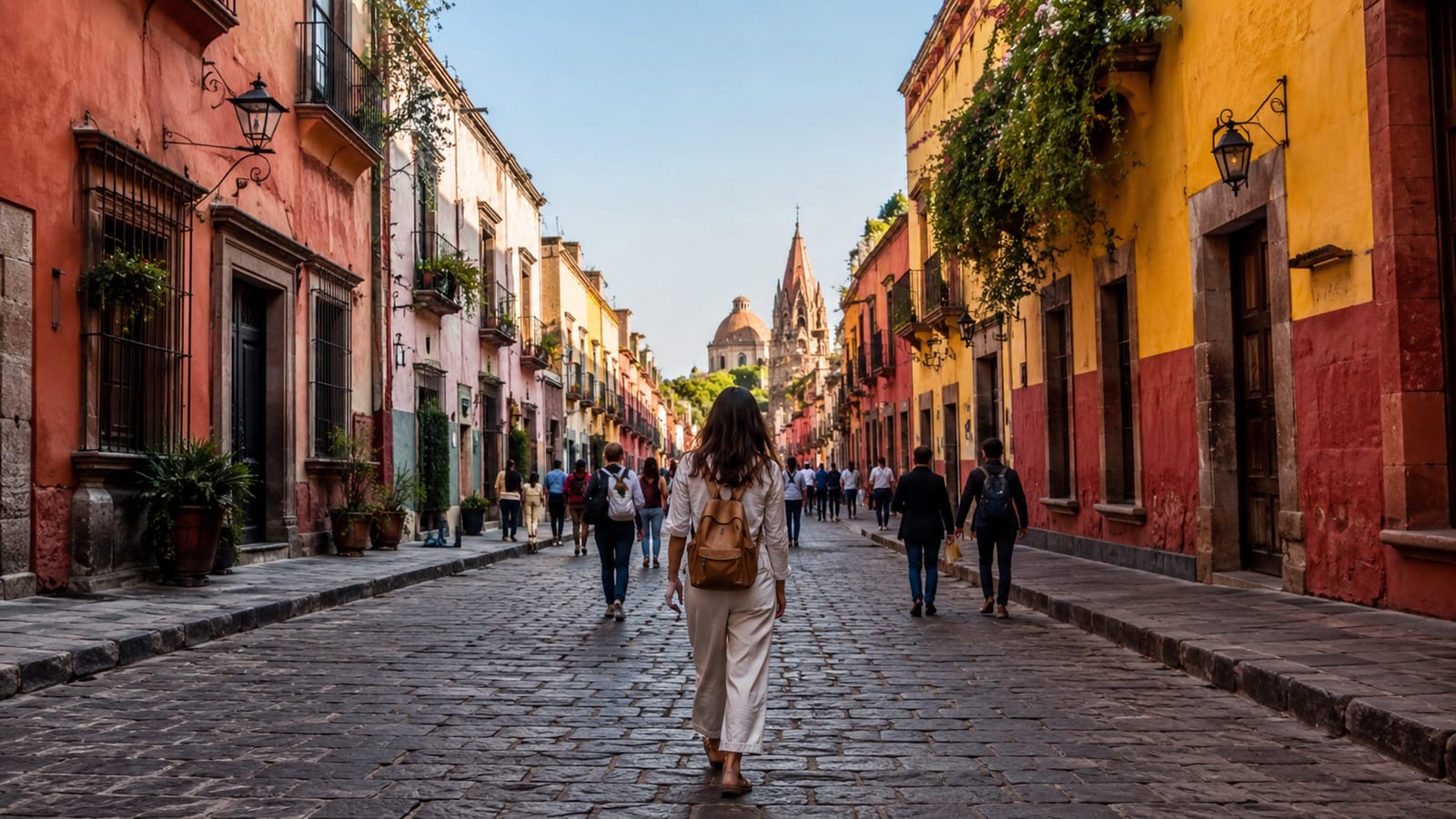
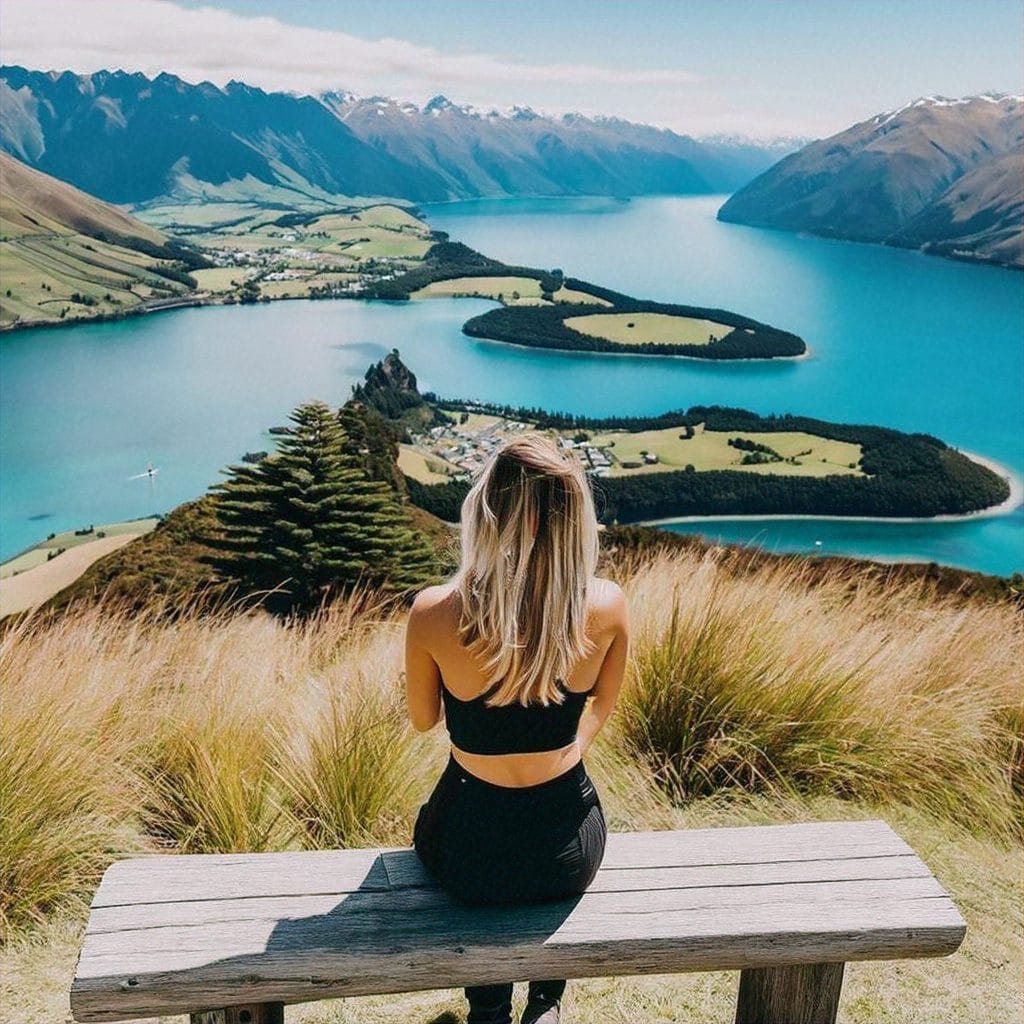
I thought about the lessons I had learned as I watched the sun go down below the horizon and paint a watercolor picture of the sky.
Solo travel isn’t just about seeing beautiful scenery and trying new foods. It’s an intensive course in life skills that no school could ever hope to offer.
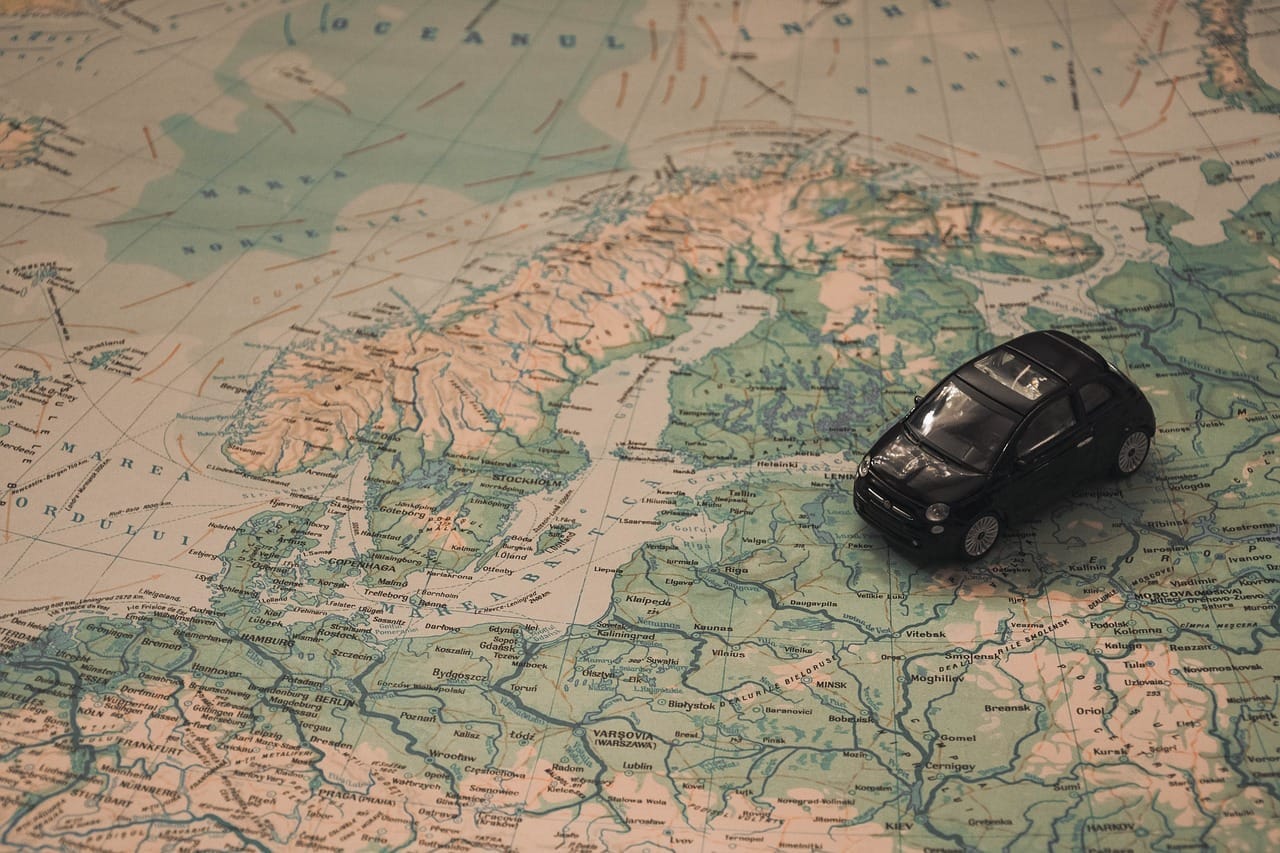
With just a map and my gut, I was able to get around foreign towns and learn how to talk to people when I couldn’t speak their language. These adventures taught me more than I could have ever imagined.
As an example, imagine that you are in a European town at a crossroads with a lot of options.
Therefore, which way do I go? Should you go left toward the busy market or right down that small alley lined with old oaks? Each choice you make while traveling the world by yourself helps you get better at making choices and solving problems.
Trust me, after fumbling around with rail schedules and currency exchanges in a way that would make Einstein scratch his head, I have become the MacGyver of travel hacks.
So buckle up, reader, because we’re about to dive into the life skills that going on an adventure by yourself gives you without having to carry extra stuff.
Something you should know.
1. When I traveled by myself, I learned how to make a budget. Because I didn’t have anyone to split the costs with, I had to make a budget and choose how to spend my money. That meant putting experiences ahead of things and learning how to bargain in the markets.
2. Visiting new cities helped me learn how to solve problems. People I trusted could not help me when I got lost or into strange situations. I learned how to use maps, ask locals for directions, and change my plans at the last minute.
3. I learned how to talk to people in other languages when I traveled by myself. There were times when I had to be patient and think outside the box to talk to people and get what I needed.
4. When I was on the road by myself, it became clear how important it is to trust my instincts. I often stayed safe by going with my gut when I wasn’t sure if an alleyway was safe or if the street vendor I was buying from was honest.
5. Traveling by myself taught me how to rely on myself. Whether it’s being alone or getting through tough times without help, I learned that I can handle a lot more than I thought I could.
Building up self-reliance
I’ve always learned to be independent by traveling by myself. When you go on the road by yourself, you can’t call anyone for help if you need it.
It taught me to go with my gut, use public transportation in new cities, and deal with everything from lost luggage to speaking a different language.
The best thing about traveling by myself is that it has taught me how to deal with problems in real life.
Smart Money Management
When I’m exploring new places by myself, it’s important for me to keep a close eye on my spending. Budgeting is an art form and a skill that you need to have for life. It’s a skill you need if you’re traveling by yourself.
I’ve learned to keep track of my money, quickly change currencies in my head, and get more for my money by staying in hostels or cheap hotels and taking the bus or train instead of a taxi.
Cultural awareness and the ability to adapt
When traveling alone, I’ve learned how important it is to respect and understand other cultures. Every place has its own set of social rules and traditions.
It has taught me how to look, listen, and follow local customs, like how to dress or even how to say a few words in the local language.
This ability to adapt helps me be more caring and aware of the world around me in my daily life.
Getting better at talking to people
Someone once said, “A solo traveler hardly ever travels alone,” and I agree with them. I talk to people from all walks of life, and that’s been very important for me.
Whether I’m making small talk with a local vendor or asking for directions, I’ve learned how to use creativity and nonverbal cues to get my point across and get around language barriers.
Getting over your fears and gaining confidence.
You can’t go on a trip by yourself without being afraid of failure or the unknown. Every trip I’ve taken by myself has taken me out of my comfort zone and given me the chance to face problems head on.
This has given me more confidence, which has spread to all parts of my life and made me braver in both my personal and professional lives.
Managing time and working quickly
I’ve learned that time is valuable while I’m on the go. Itineraries need to be carefully and efficiently managed.
It’s become easy for me to plan my days in a way that allows for spontaneous adventures while also making the most of my time at each stop.
Setting priorities for my time is a skill that helps me be more productive in everything I do.
What Life Skills Have You Found Most Useful as a Solo Traveler?
- Quick Decision-Making: Solo travel requires you to make choices rapidly and rely on your judgment.
- Cultural Intelligence: Interaction with other cultures broadens your perspective and intercultural understanding.
- Strategic Planning: The organization of trips and dealing with unforeseen changes sharpens strategic thought.
- Resilience: The ability to adjust to new environments and rebound from setbacks gives tenacity.
- Networking: Meeting other travelers and locals boosts your networking abilities.
- Mindfulness: Solo traveling teaches you to be present in the moment.
Final Thoughts
As a solo traveler, I’ve come to recognize that the world is the classroom. Each step by itself is a step towards personal mastery, not simply a move around the world. These life skills, learned in various settings and cultures, are more than traveling souvenirs. They are assets that become part of my everyday life.
The freedom and challenges of solo travel have made me a more full and capable person.
Independence, adaptability, and resilience are now part of my character, ready for whatever life throws at me.
Anyone hesitant about setting off alone ought to know the lessons learned are worth the miles traveled.
FAQ
How does traveling alone improve decision-making skills?
Solo travel sharpens your decision-making capability. If you’re the only navigator on your adventure, you make the primary decisions regarding where you can go, how you can remain, or even how you can obtain transportation. This constant making of choices, usually in unfamiliar circumstances, builds your confidence and your ability to make good decisions.
What can solo travel teach me about budget management?
Traveling alone teaches you how to manage your money. You learn how to allocate resources, prioritize, and stretch your budget to maximize your travel. This real world experience with money can result in better financial discipline in your everyday life.
Is it true that solo travel enhances problem-solving skills?
Absolutely! If something unanticipated occurs or you experience a traveling mishap, you, as the solo traveler, are the ones finding the solutions. This can help you think creatively and solve problems quicker—a skill helpful in all areas of life.
How will I benefit from the increased independence of solo travel?
Solo trips allow you to be reliant on yourself and give you a sense of independence. You’ll become more confident as you navigate foreign places, communicate despite language barriers, and handle everyday issues on your own. This self-reliance can empower you well beyond your travels. Additionally, solo travel fosters personal growth by pushing you out of your comfort zone and helping you discover aspects of yourself you might not have explored otherwise. From journaling in a quiet café to joining a local cooking class, there are countless solo travel activity ideas to make your adventure enriching and memorable. These experiences not only enhance your trip but also teach you skills and perspectives that stay with you long after you return home.
Can solo travel really boost my communication and social skills?
Communication with locals and other solo travelers is part of the solo experience. It pushes you outside your social comfort zone; it helps you with shyness and with interpersonal skills. These better communication skills are helpful in both professional and personal lives.
Will I learn to adapt quickly to new environments?
Definitely, one of the most important life skills you acquire is adaptability. Whether it is a new culture, social norms, or the weather, you will adjust quickly. This flexibility is an excellent asset in dealing with change in many areas of your life.
Are there ways solo travel can improve my planning and organizational skills?
Planning a solo trip entails planning itineraries and booking accommodation and transport. This necessity teaches you excellent organization skills—you figure out how to anticipate problems and keep the trip running smoothly.
How does solo travel help develop patience?
Patience must be learned whenever you run into delays, changes of plans, or cultural differences when traveling alone. These experiences teach you to breathe and deal with situations calmly, a virtue that can never be purchased in daily life.
Can I build resilience while traveling solo?
Certainly, solo travel can really build your resilience. You will learn to bounce back from tough situations—that is character development. This particular resilience is able to help you confront challenges head on.
Does solo travel lead to increased self-awareness?
Solo travel provides numerous opportunities for self-reflection. Out of your typical social circle, you will discover even more about yourself—who you are, what you appreciate, and what you would like in life. This improved awareness of oneself is useful for personal development.
Related: Solo Travel Mental Preparation Tips I Use Every Time
Related: Travel Clarity Over Chaos: How I Stay Grounded on the Road
Related: How to Prepare for Unexpected Travel Costs
Related: How to Handle Language Barriers While Traveling
Related: How to Set Spending Priorities While Traveling
Related: How Solo Travel Changes Decision Making My Honest Take
Related: Solo Travel Self Trust: How I Learned to Rely on Myself
Related: My Top Solo Travel Planning Habits That Really Work
Related: Solo Travel Comfort Tips I Use for Stress-Free Trips