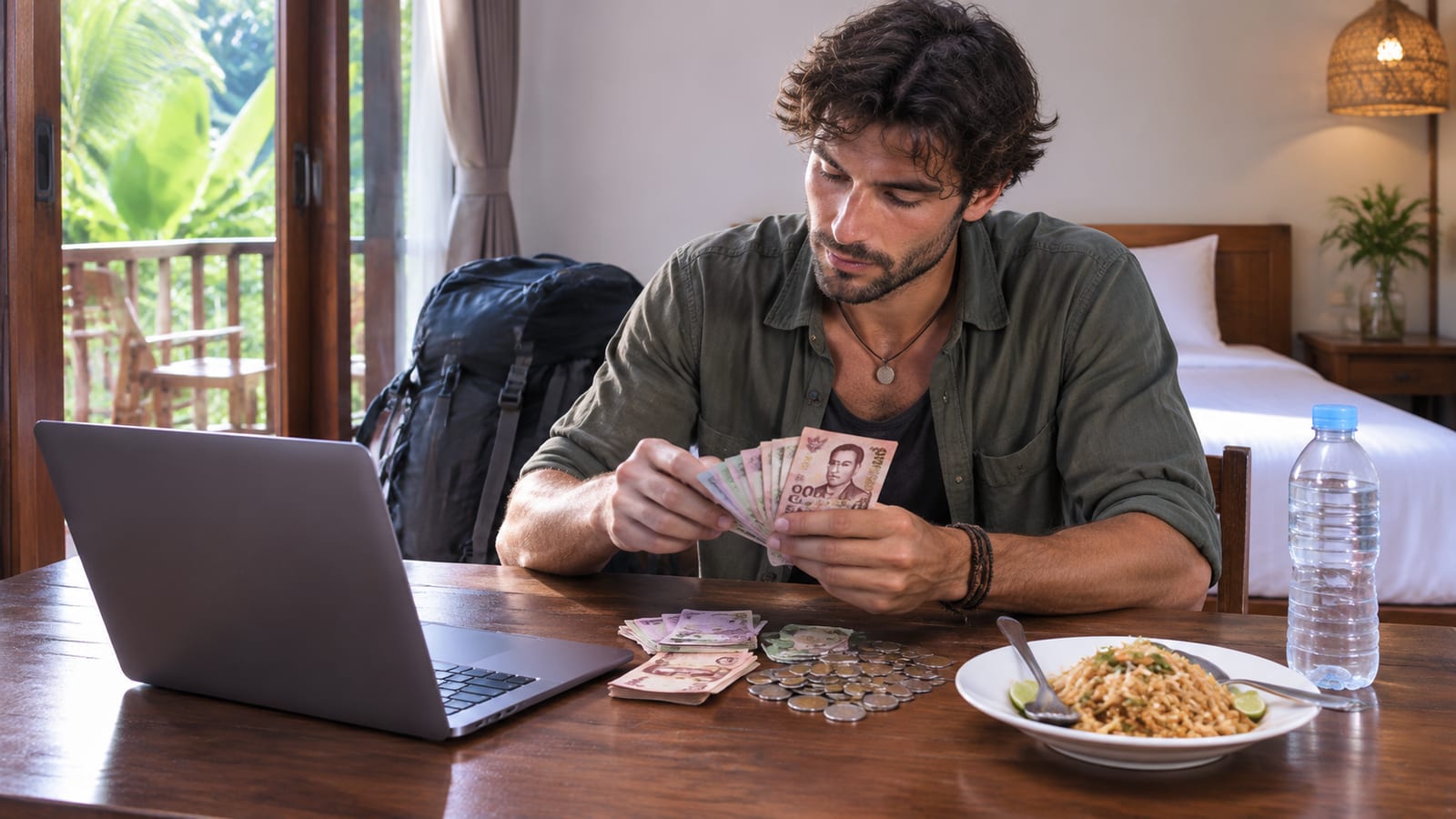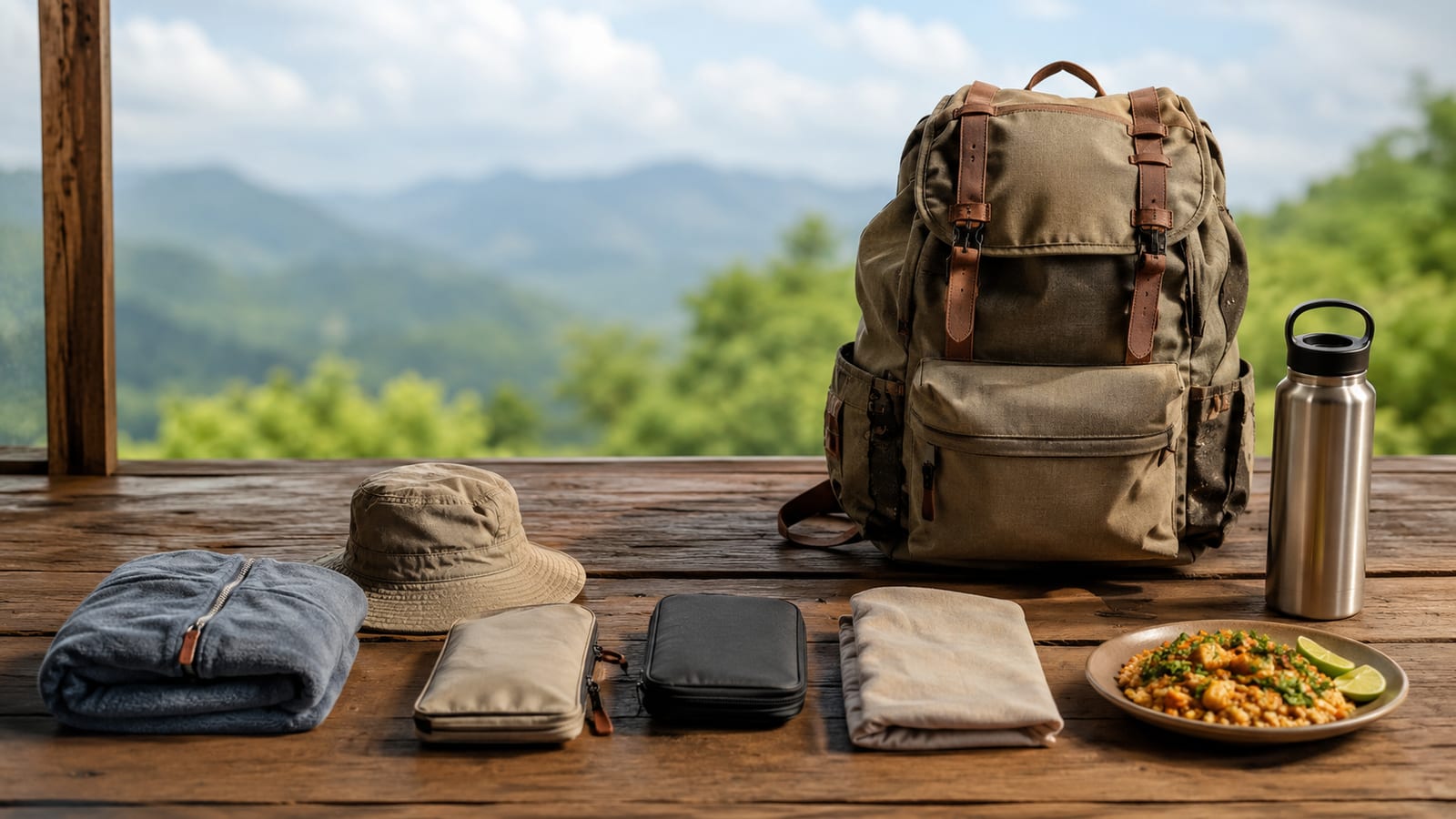
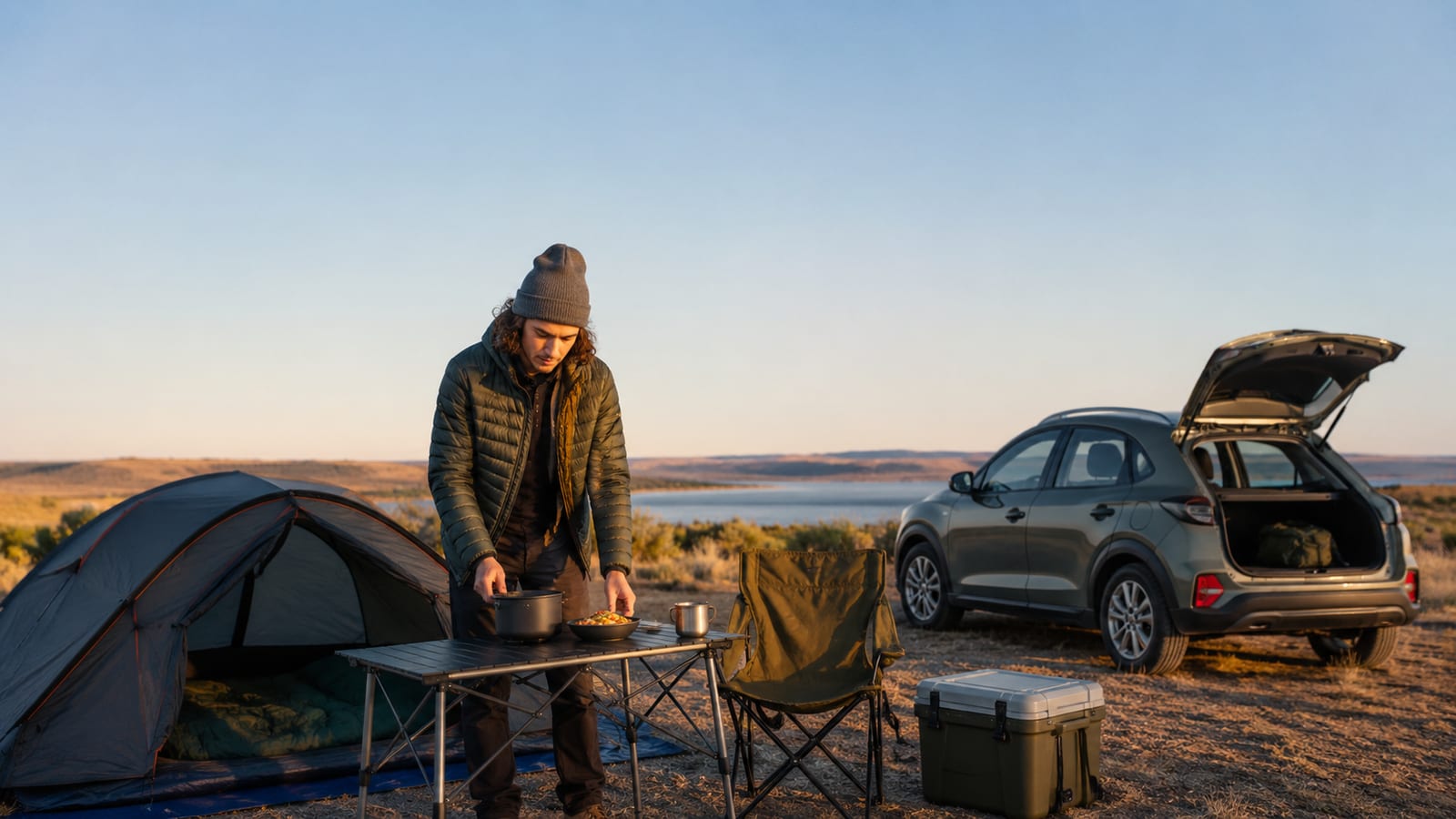
New Zealand is expensive by most standards, but it doesn't have to wreck your budget. Stay in dorms, cook your own dinners, and hike free trails, and you can keep the cost manageable. Rent a campervan, eat out regularly, and add helicopter tours, and the cost climbs fast. I spent time across the country and learned where the money actually goes.
Last updated: 2026-07-29
The three things that drive the cost
Three things move your budget: when you go, where you go, and how you like to travel. Everything else is detail.
The southern summer is the busiest and most expensive stretch, with prices climbing around the Christmas holidays. That's also when the beaches are warm and the cities feel alive. Travel in spring or autumn instead and the crowds thin out, with softer prices in many places. The shoulder months are the sweet spot, and I'd book those first.
Location matters just as much. Queenstown and Auckland charge city rates for almost everything. Remote spots on the South Island can be pricey too, not because they're fancy, but because fewer shops mean less competition. Groceries cost more when the nearest supermarket is far away.
Your own style is the last lever, and the one you control. A backpacker cooking pasta in a hostel kitchen and a couple ordering wine on a winery terrace can visit the same town on the same day and spend wildly different amounts.
Is New Zealand expensive if you're traveling on a budget?
You can keep it modest, and plenty of solo travelers do. The country is built for backpackers, so the cheap end is well stocked.
Hostels sit in most towns worth stopping in, and dorm beds are usually the cheapest place to sleep. Many throw in free breakfast or a walking tour, and the good ones have proper kitchens. In smaller towns off the tourist track, beds can be cheaper still. I cooked most of my dinners in hostel kitchens, and that habit did more for my budget than any discount card.
If you want your own room without the splurge, mid-range hotels and Airbnbs step you up a notch. Airbnb is everywhere here, from city flats to cabins on a quiet gravel road down south. Queenstown is the sharp exception, where private rooms in peak season can cost far more than comparable rooms elsewhere.
For a full walkthrough of the cheap end, my budget guide to New Zealand breaks it down further. And if you care where you actually sleep, I ranked the best and worst hostels I stayed in.
Food and drink costs
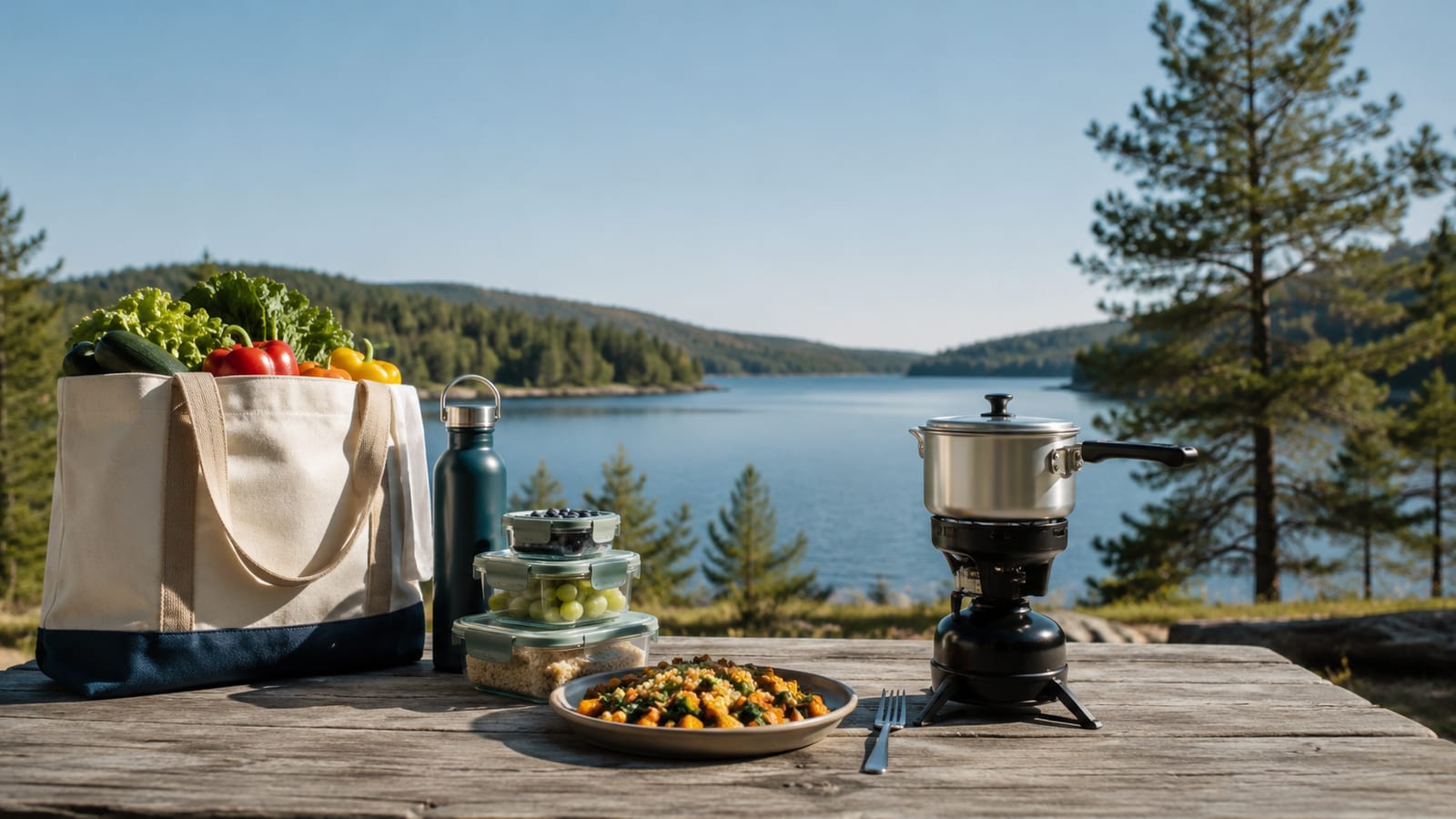
Groceries are your quiet win. Pak'nSave is usually the budget choice among the big supermarkets, while Countdown and New World sit higher. I'd stock up on bread, pasta, vegetables, and snacks for the trail, and cook wherever there was a kitchen.
Eating out has range. A fish-and-chips shop or a bakery feeds you cheaply and well, and the flat white here deserves a try. Sit-down restaurants add up quickly, especially in cities. The relief is that New Zealand has almost no tipping culture, so the price on the menu is close to the price you pay.
I did splurge on a winery lunch in Marlborough, and the food and the view earned it. I just made it the exception, not the routine.
Getting around a long, skinny country
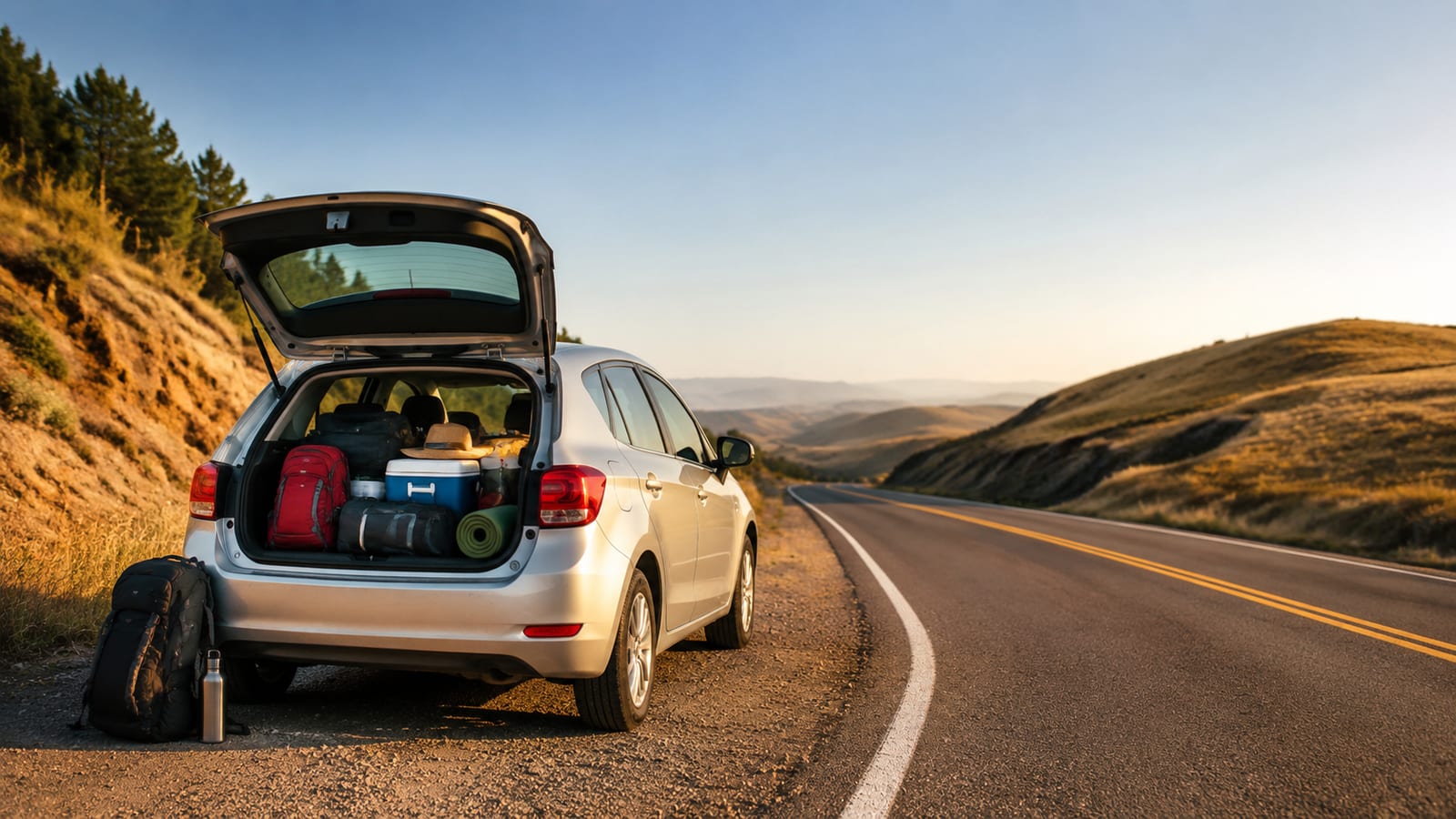
Distances here are bigger than the map suggests, so transport is where budgets often blow up. Pick your method to match your trip.
- InterCity buses are usually the cheapest way to cover the country. They're slow, but the scenery does the entertaining.
- Domestic flights, mostly on Air New Zealand, can save a lot of time when you book early. They close the gap between islands, but fares vary.
- The Cook Strait ferry links the North and South Islands, and a foot passenger fare is easy on the wallet.
- Rental cars and campervans give you total freedom. A campervan doubles as your bed, which saves on rooms, but fuel is dear and campsites cost extra.
- City transit in Auckland and Wellington is cheap and reliable. I got around both without a car and never missed it.
If you'd rather skip driving entirely, I wrote a whole guide on seeing New Zealand without a car. It's more doable than people assume.
Free days and expensive thrills
A lot of the best stuff is free. Trails in Fiordland, beaches up north, and small-town streets are all there to explore, and much of it comes at no charge. The Department of Conservation looks after the parks and Great Walks, and its site lists trails, huts, and campsites in plain detail. Start there and build your days around the places that don't charge an entry fee.
Mid-range experiences, like a wildlife sanctuary or a wine tour, cost a modest amount and are usually worth it for something you can't do at home. I'd budget for a couple of these rather than skipping them.
Then there's the adrenaline menu: skydiving, bungee, glacier helicopter flights. These are the big-ticket items, and they can take a large bite out of your budget. I took a glacier helicopter tour on the South Island and don't regret the money, but I kept it to the experience that mattered most. Pick that experience carefully, pay for it properly, then let the free trails carry the rest.
For no-cost ideas, my roundup of free things to do in New Zealand has plenty.
The small costs that sneak up
Travel insurance is not optional here, especially if you're going near any adventure sport. Buy it before you fly, and read what's actually covered.
A local SIM card with data is cheap and easy. Vodafone and Spark have counters at Auckland Airport, so you can be online before you leave the terminal. Grab one on arrival and skip the roaming charges.
An official cost catches people out: New Zealand charges many visitors a conservation and tourism levy, usually paid when you apply for your entry authority. Check the current amount and rules on the official New Zealand immigration page before you travel, because it changes. Beyond that, laundry, snacks, and souvenirs stay affordable if you're not shopping in the most touristy corners.
Keeping the daily spend down
Here is what I do to keep New Zealand from getting expensive. None of it costs you the good parts of the trip.
- Cook most meals. A hostel or Airbnb kitchen and a Pak'nSave run is usually the biggest saving.
- Buy a bus pass for long distances. A flexible InterCity pass can be cheaper than booking each leg separately.
- Book early. Rooms, flights, and popular tours often cost less when you book ahead.
- Lean on the free stuff. You can enjoy much of the landscape without paying an entry fee.
- Hunt for deals. Sites like Bookme list discounted tours and activities. I picked up discounted activities and did more for less.
If you want the wider habit, not just the New Zealand version, I keep a running list of basic budget travel tips.
The cost is worth it when you choose well
I'd go back tomorrow. The landscapes deliver on every promise, and many of the best days cost little beyond effort and good boots.
The trick is matching your spending to what you actually care about. Save hard on beds and food so you can pay for the glacier flight or wine tour you'll remember. Rush nothing, cook often, and let the free country do the heavy lifting. Do that, and New Zealand feels expensive only in the ways that were worth it.
FAQ
When is the cheapest time to visit New Zealand?
Aim for spring or autumn. You avoid the summer holiday surge, and accommodation and flights are often easier on the budget. Outside ski towns, winter can be the cheapest period, though the days are short.
Is a campervan cheaper than hostels and buses?
Not automatically. A campervan combines your bed and transport, but fuel is expensive here and campsites add up. For a solo traveler moving slowly, hostels and InterCity buses are often the lower-cost pairing. For a couple covering long distances, sharing a van can make the cost more manageable.
Do I need to rent a car to see New Zealand?
No. Buses reach most towns worth visiting, domestic flights close the big gaps, and the ferry links the North and South Islands. You'll trade some flexibility for a lot of saved fuel and stress, and the cities run fine on public transit.
How much cash should I carry?
Very little day to day. Cards work almost everywhere, even at small-town cafes and trailhead huts with signal. I kept a small amount of cash for the odd rural market or honesty box and paid for the rest by card.
Is tipping expected in New Zealand?
No, and that helps your budget. There's no tipping culture, so the menu price is close to your final price. Leave something extra only if the service genuinely floored you, and nobody will expect it.