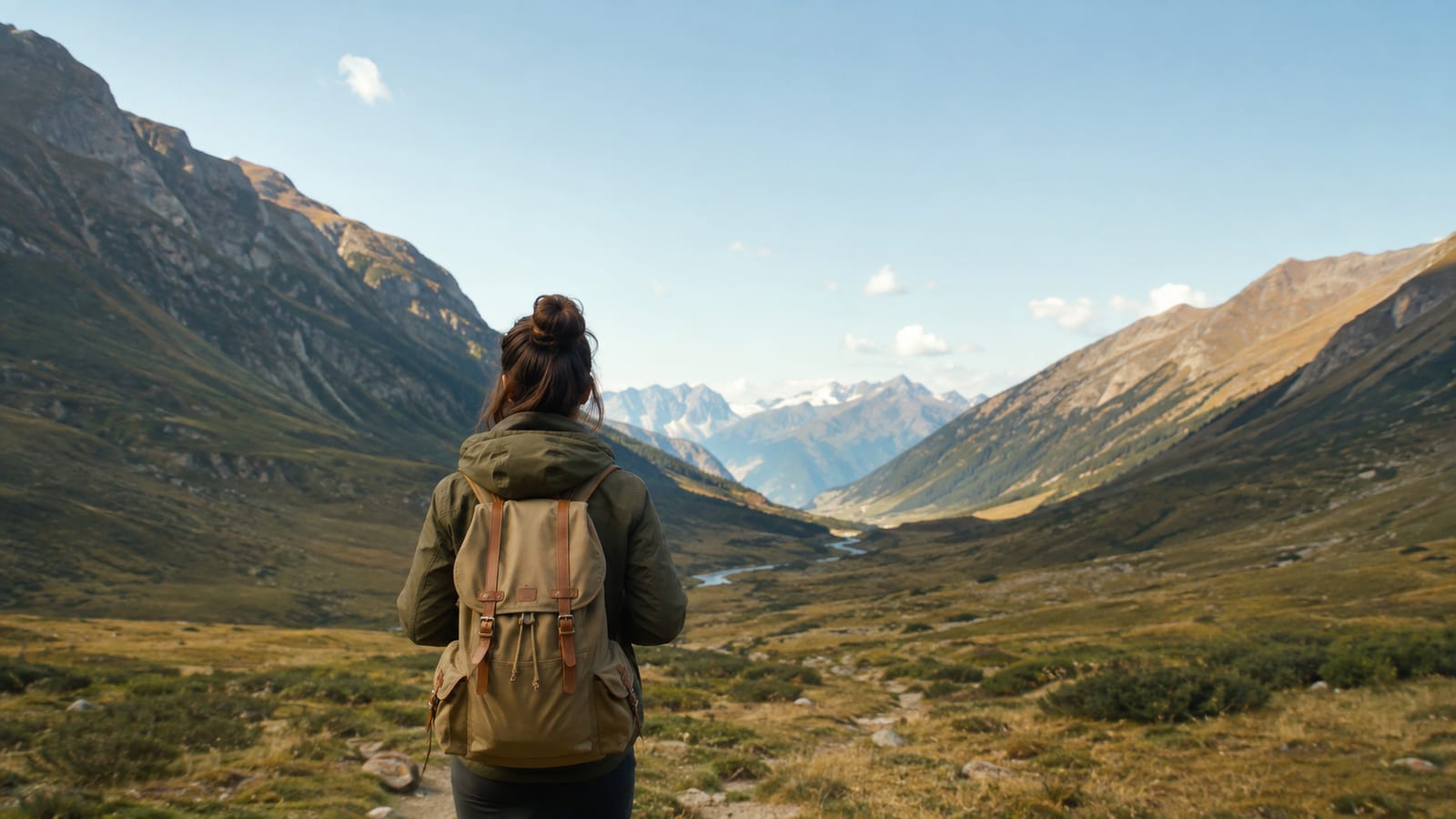

Have you ever felt the magnetic pull of a new horizon, only to be held back by the intricate web of your own plans? The first, most profound lesson in solo adventure often begins with letting go of control while traveling. It’s a quiet revolution against the need to map every street and meal before you even leave home.
That meticulous planning can feel like a safety net. Yet, for many, the anxiety of the unknown starts to dim the brilliant excitement of exploring a fresh city or trail. The worry about what might go wrong on your trip can become a louder voice than the one whispering, “Imagine what you might find.”
But here’s the secret your adventurous spirit already knows. When you finally take a deep breath and choose to embrace the unexpected, everything shifts. You open yourself to the true essence of a journey—the spontaneous conversation, the hidden courtyard, the sunset you didn’t schedule.
This shift isn’t about throwing your map away. It’s about transforming your perspective. You begin to find a deep, resonant beauty in the moments you never could have plotted on an itinerary. The freedom you gain is immense.
We’ll explore how to gently manage that familiar travel anxiety. Our goal is to help you focus on the pure joy of discovery, leaving rigid schedules behind where they belong.
Key Takeaways
- Solo travel often begins with challenging the need to over-plan every detail.
- Anxiety about the unknown can overshadow the excitement of exploration.
- Choosing to embrace spontaneity opens you to a journey’s authentic experiences.
- Releasing tight control transforms your perspective, revealing beauty in the unplanned.
- Managing worry is key to focusing on the joy and freedom of discovery.
- A flexible approach leads to more meaningful and memorable adventures.
- True travel essence is found in moments that defy a strict itinerary.
Dismantling the Illusion of Total Control
There’s a comforting myth we tell ourselves before departure: that with enough research, we can eliminate surprise. We craft schedules to manage the unknown, seeking security in checklists. This desire for command feels protective, yet it’s often built on shaky ground.
Realizing Travel’s Unpredictable Nature
Psychologist Ellen Langer documented our tendency to overestimate command in chaotic situations. We believe we steer external events more than we truly do. When reality diverges from our blueprint, frustration blooms. You might interpret a missed train or sudden rain as personal failure. In truth, these are simply the world’s natural rhythms.
Embracing Life’s Happy Accidents
I learned this firsthand during a 2018 trip to Japan with my friend Greg. We aimed to witness the Sakura cherry blossoms at their peak. Despite meticulous planning, catching that perfect blush of pink was pure serendipity. The reason we crave control is to soothe our anxiety. Yet, this very grip can amplify stress when things unfold unexpectedly.
Releasing the need to manage every outcome is liberating. It opens you to the freedom of traveling without fixed. You stop blaming yourself for minor detours. Instead, you begin to see spontaneous moments as the journey’s hidden gems. This shift transforms potential stress into soulful adventure.
Practical Tips for letting go of control while traveling
Stepping into a new city alone can feel overwhelming, but a few strategic preparations can transform that nervous energy into confident exploration. The goal is to build a foundation that comforts your mind, freeing your spirit for adventure.
Start by planning the first few days of your trip in detail. This creates a secure landing pad, dramatically reducing initial travel anxiety. Research your hotel’s neighborhood and local transit options before you leave home. Knowing how to get from the airport to your bed is a powerful first win.
When you feel uncertainty rising, pause. Focus on the specific moments you can influence right now, like choosing a café or deciding which museum to visit next. Share the load by delegating tasks if you’re not solo. Let a companion handle dinner reservations or navigation for a day.
These tips are about smart preparation, not rigid scripting. By anticipating a few potential hiccups, you gain a manageable sense of control. This proactive approach is key for a smoother travel experience. For more on building a flexible itinerary, explore this guide on how to plan travel without rushing.
- Detail your arrival and first 48 hours to ease into the journey.
- Learn basic local transport routes to navigate with confidence.
- When stressed, focus on your next single, enjoyable choice.
- Share planning duties with fellow travelers to distribute mental load.
- Pack a small “just in case” kit for common issues like delays.
Allowing Unexpected Moments to Enhance Your Journey
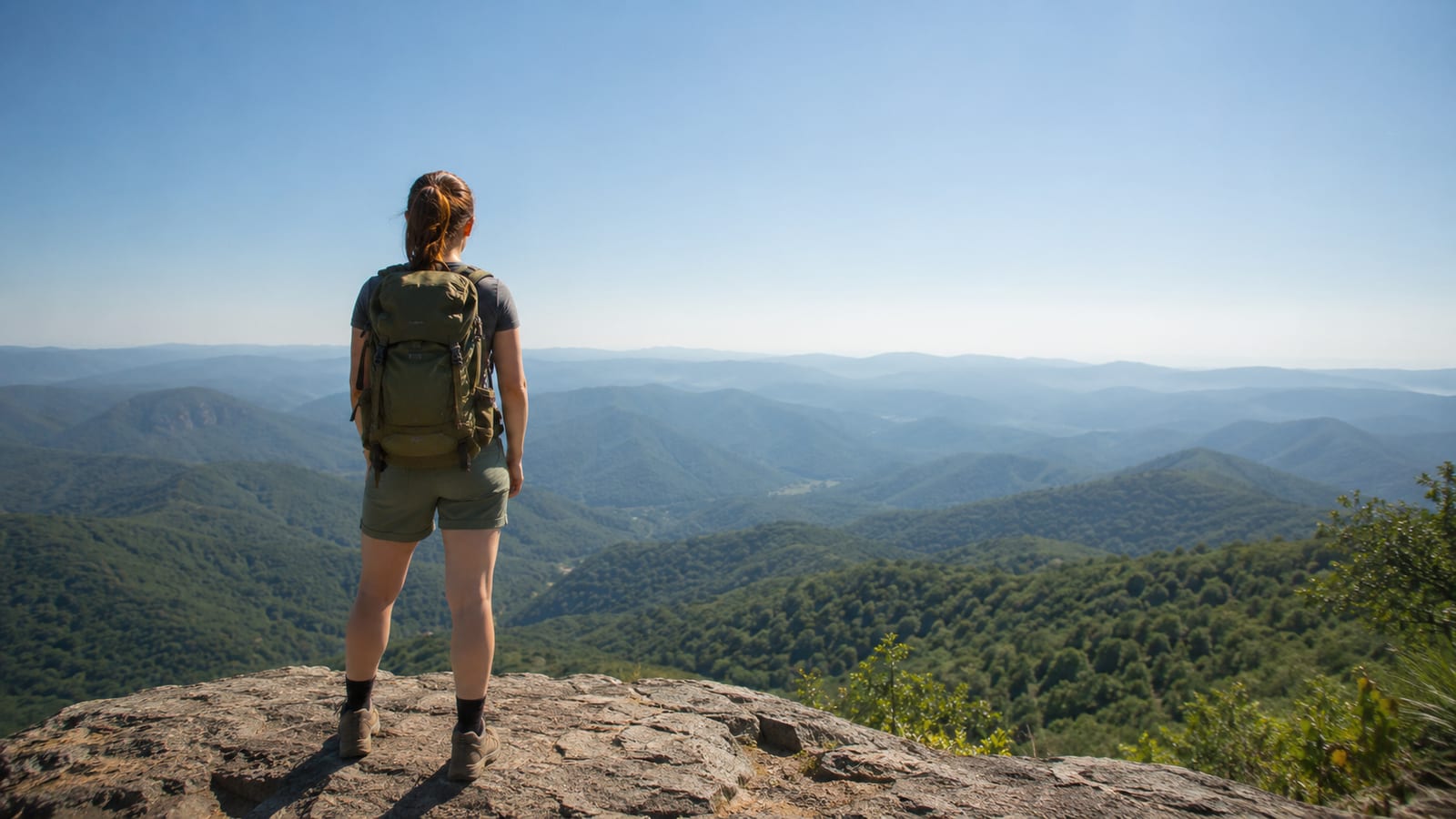
Imagine standing at a trailhead, only to have the sky open up and wash away your plans—this is where magic often hides. The most rewarding travel experiences aren’t found on a rigid itinerary. They emerge when you welcome the surprise.

Finding Joy in Spontaneous Detours
My planned hike in Greece vanished with the rain. I ducked into a warm taverna, where the owner greeted me like family. The rich aroma of simmering lamb and fresh bread filled the space.
We shared thick Greek coffee as he pointed to family photos on the wall. Hours passed in easy conversation. This spontaneous detour became the highlight of my entire trip.
Transforming Bumps into Memories
This experience is a perfect example of travel’s best lesson. It teaches you to release the anxiety that comes with forcing things. Instead, you focus on the beauty of the present moment.
A missed train or a changed route isn’t a failure. It’s an invitation to a memory you’ll treasure forever. Embrace these bumps. They often lead to the people and places that define your journey.
Transforming Stress into Soulful Adventures
What if the stress you feel on the road could be the very fuel for your most meaningful adventures? The most effective way to manage travel anxiety is to focus on your own thoughts and behaviors. This is your internal compass.
When you feel your body tighten with worry, pause. Remind yourself that you hold the power to change your reaction. Consciously choose to focus inward, not on chaotic external circumstances.
This requires a pivotal shift in perspective. View each missed connection or sudden downpour not as a failure, but as a potential soulful adventure. Managing anxiety means seeing challenge as the raw material for a great story.
By releasing the need for total control, you free your mind. You start to appreciate the unique, unfolding rhythm of your journey. This practice of reframing stress allows you to remain present.
You become open to the magic that travel naturally provides. This mindful approach is key to when slowing down makes travel better. It turns tension into wonder, crafting a deeper, more resonant experience.
Harnessing Mindfulness and Deep Breathing for Travel Calm
In the pressurized cabin of an airplane, your mind can become your greatest ally or your fiercest foe. The cycle of travel anxiety is often self-reinforcing, as noted by former monk and Headspace co-founder Andy Puddicombe. Your thoughts directly affect your body.
Box Breathing Techniques in the Air
Combat this cycle with a simple, powerful tool. The box breathing method involves inhaling for four counts, holding for four, exhaling for four, and waiting for four. This rhythmic pattern calms your nervous system.
When you take deep breaths, you stimulate the vagus nerve. This sends a signal of safety throughout your entire body. It’s a direct scientific path to tranquility.
Guided Imagery for Relaxation
Your imagination is another potent resource. Guided imagery lets you transport your mind to serene places. Picture a quiet beach or a peaceful forest.
This mental escape reduces overall anxiety by giving your system a break from stress. Pair this practice with calming music to support your mental health. These techniques are key for how to avoid overstimulation while traveling.
Overcoming Travel Anxiety with Real-World Techniques
Conquering travel anxiety requires more than willpower—it demands practical, real-world strategies you can use today. These methods address both your mind and your environment, turning fear into focused excitement.
Preparing a Calm Pre-Trip Routine
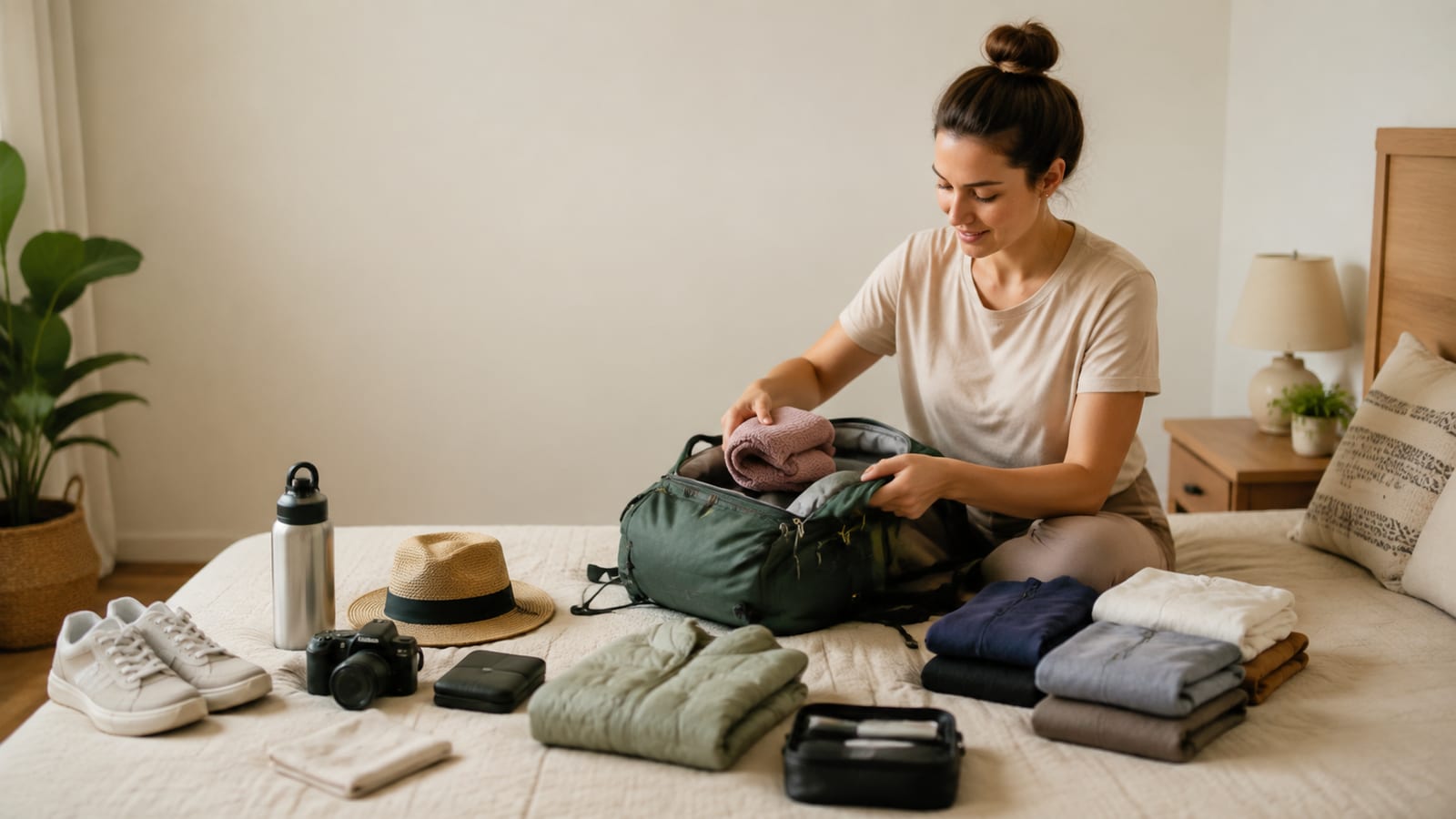
Your journey to peace begins days before departure. Establish a simple pre-trip routine. This might include packing early and reviewing your itinerary once.
For flight-specific fears, technology offers a hand. Captain Tom Bunn, a former pilot, developed the SOAR app. It provides real-time data on turbulence and demystifies flight procedures.

Understanding the mechanics of a plane can significantly ease your anxiety. This knowledge empowers you, replacing uncertainty with clarity.
Leveraging Support and Companion Insights
You don’t have to face your fears alone. Traveling with calm friends or family members provides a steadying presence. Their experience can guide you through moments of high anxiety.
If your travel anxiety feels overwhelming, professional support is available. The Center for Treatment of Anxiety and Mood Disorders in Delray Beach specializes in these challenges. You can call 561-496-1094 to speak with experts.
They help people overcome specific phobias and disorders. Combining personal support with professional guidance creates a powerful toolkit for your health and happiness.
Savoring Sensory Travel Experiences
The bustling market, the aroma of street food, the rhythm of a local dialect—these are the threads that weave a place into your soul. Engaging all five senses is the secret to feeling truly present and relaxed in a new environment. This full-bodied awareness transforms a simple vacation into a rich, resonant experience.
Immersing in Local Flavors and Sounds
Move beyond sight. Let your journey be a feast for your entire body. Taste the sizzling skewers from a street cart. Inhale the fragrance of exotic herbs in an open-air market. Listen to the melodic chatter of local people as they go about their day.
This practice does more than check sites off a list. When you consciously engage your senses, you forge a deep connection to the places you visit. It’s a powerful technique for staying anchored in the present moment, which naturally quiets the mind.
Whether you share these discoveries with friends or savor them solo, you are building vivid memories. These sensory impressions become the most lasting part of your journey, long after your travel days end.
Learning from Spontaneous Travel Stories
Travel’s greatest gift is often the story you never planned to tell. These spontaneous narratives become the vibrant heart of your journey, offering profound lessons in flexibility and joy.
Unplanned Adventures That Enrich the Journey
On a recent trip, I embraced this practice with intention. I allocated three days in Thessaloniki and three in Vienna, arriving at each hotel without a single reservation or fixed plan. This open-ended approach freed my thoughts and schedule.
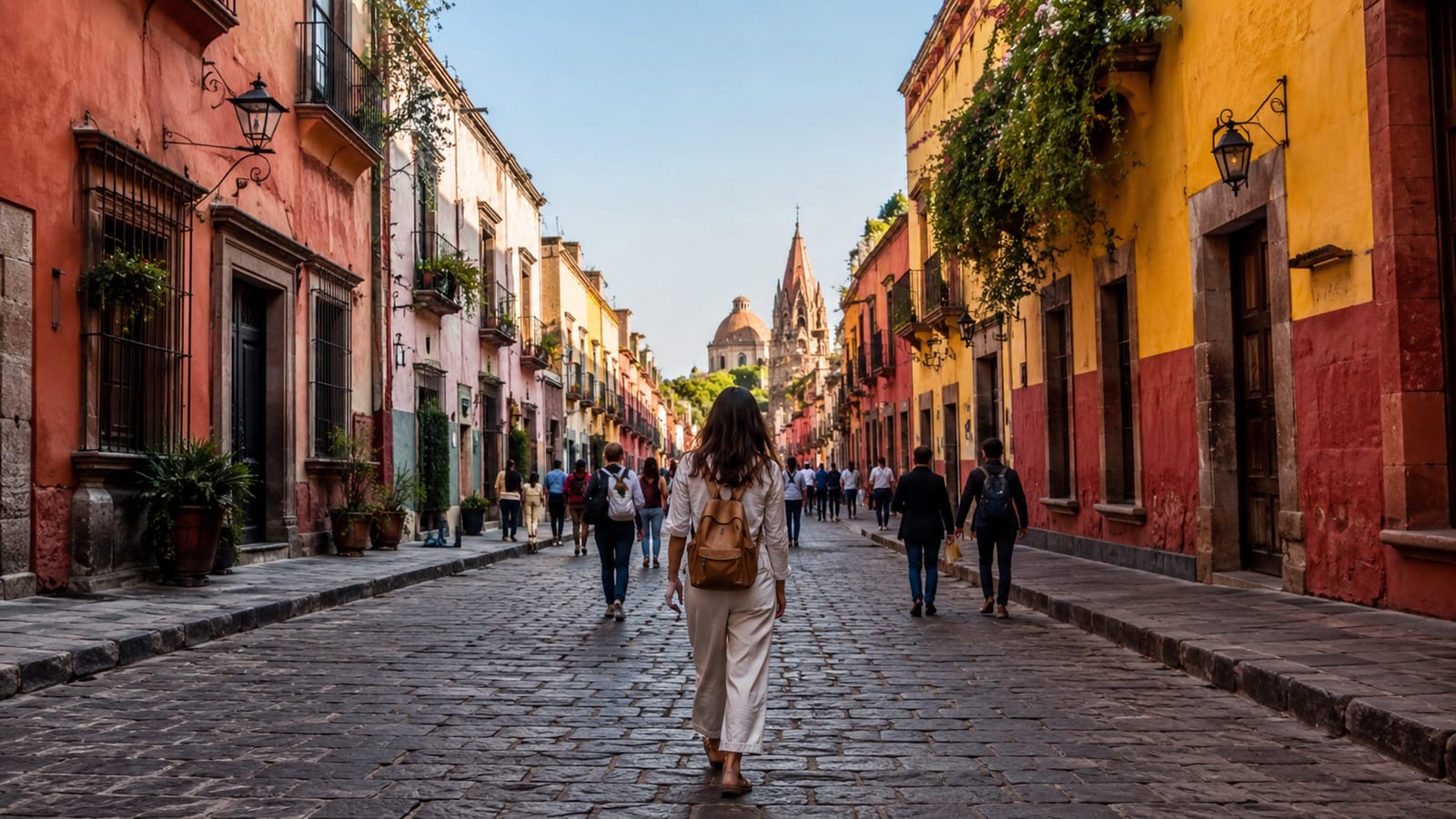
In Vienna, a warm conversation with local people led to a private tour of a family-run printing press. It was a captivating example of discovery born from chance. Such moments become the most cherished part of any vacation.
You might find your best travel stories emerge from the time you left things to serendipity. You feel it in your body—a lightness that comes from releasing plans. These adventures enrich your sense of connection.
They help you feel at home in the world, regardless of destination. This practice gifts you with the luxury of time. Share these spontaneous finds with friends to multiply the joy. It turns unfamiliar streets into a temporary home.
By creating space for the unexpected, you invite the magic that defines a truly memorable travel experience. These techniques transform simple days into a soulful exploration.
Conclusion
The true souvenir of any trip is the newfound confidence that whispers, ‘You can handle anything.’ You hold the power to transform your entire travel experience. It begins by releasing the exhausting illusion of total control.
Managing anxiety is a practice that deepens with time. Apply the techniques you’ve learned. Whether exploring with family or friends, focus on the joy found in shared days.
By welcoming the unexpected, you open your life to spontaneous adventures. This is the most rewarding part of any vacation. You connect more deeply with new people and things.
Start your next journey with an open heart. Carry the quiet certainty that you can navigate whatever comes your way.
FAQ
Why is it so hard for me to let go of control on a trip?
The desire for control often stems from a fear of the unknown, a natural instinct to protect yourself from stress or discomfort. When you’re traveling, you’re outside your familiar system and routine, which can amplify these feelings. Recognizing that some unpredictability is part of the journey is the first step toward a more liberating experience.
What’s a quick, practical method to start letting go during my travels?
Begin with a simple practice: each day, plan to leave one block of time completely unscheduled. Use this window to wander without a map, sit in a local plaza, or follow a recommendation from a new friend. This small act builds your comfort with spontaneity and opens the door to life’s happy accidents.
How can mindfulness techniques specifically help during a stressful travel moment?
Techniques like box breathing directly calm your nervous system. By focusing on your breath—inhaling, holding, exhaling for equal counts—you anchor yourself in the present moment. This interrupts anxious thoughts about what’s next and reduces the physical symptoms of stress, allowing you to respond to situations with more clarity.
What should I do if my travel anxiety feels overwhelming?
First, practice grounding techniques: take deep breaths and name five things you can see. Then, leverage your support network. A quick call to family or sharing your fears with a trusted travel companion can provide immense relief. Remember, even seasoned explorers face anxiety; the courage is in moving forward with it.
How do unexpected moments actually improve my overall travel experience?
Unplanned detours often lead to the most authentic memories and profound personal growth. They strip away the tourist facade, connecting you more deeply with a place and its people. These are the moments that transform a simple vacation into a meaningful journey, often becoming the stories you cherish most.
Can sharing stories with other travelers really help me release control?
Absolutely. Hearing about the spontaneous adventures and minor mishaps of others normalizes unpredictability. It reminds you that a missed train or a changed plan isn’t a failure, but a potential plot twist in your own unique story. This shared wisdom builds confidence to embrace your journey’s natural flow.