Short trips become a long-term travel lifestyle through a slow series of system changes, not one dramatic quit-your-job leap. Learning how to turn short trips into a long-term travel lifestyle is mostly about how you earn, spend, own, and think – and the logistics are far easier than dismantling the life you built around staying put. The plane ticket is never the hard part. The lease, the storage unit, and the voice in your head that says this is irresponsible are the hard parts.
What actually has to change first
The money question is the one everyone asks and the least interesting one. The real blockers are quieter. A lease that renews on its own. Eleven subscriptions you forgot you had. A garage of stuff you'd feel guilty selling. A job that assumes your body is in one chair.
List them on one page before you plan a single flight. Split the list into three columns: things you can cancel, things you can pause, and things you have to actually decide about. Most people find the "decide" column is short and emotional, not practical.
The psychological anchors are heavier than the physical ones. You've spent years telling people who you are through a postcode and a routine. Pulling that up feels like losing yourself, even when it's the plan working. Name that feeling early so it doesn't ambush you at the wrong moment.
If you want the mindset piece in full, I've written separately about building systems instead of a savings pile. This piece is the unglamorous logistics that sit under it.
How do you turn short trips into a long-term travel lifestyle without torching everything?
Test it in stages, so you validate the life before you dismantle the old one. Nobody should go from two-week holidays to selling the couch in a single weekend. You pilot it, the way you'd pilot anything you can't easily undo.
Here's the progression I'd follow:
- Extend one trip. Take a normal week away and add a second week, working the way you'd work on the road. This alone breaks the "vacation brain" habit and shows you whether you can focus from a strange desk.
- Chain two trips. Go from one place to another without going home in between. Packing, moving, and setting up twice in a row is where the romance wears off and the real skill starts.
- Go location-independent for 90 days. Keep your home if you can afford to, but live on the road for a full three months. This is the honest test, because month three is where most people quietly fold.
Only after that ninety-day run should you touch the lease or the storage decisions. If you hated week two, you just saved yourself a very expensive mistake.
What a month on the road actually costs
Your real number is higher than the blogs promise and lower than your fear says. The fantasy budgets you see online usually leave out health cover, admin, and the days you're tired and just want a proper hotel. Build your own number from five buckets and you'll stop trusting other people's.
| Cost bucket | What people forget |
|---|---|
| Accommodation | Cleaning fees and the premium for staying under a week |
| Food | Eating out more at first because you have no kitchen rhythm |
| Transport | Airport transfers and local trips, not just the flight |
| Health | Travel medical insurance and the odd pharmacy run |
| Admin | Visas, SIM cards, coworking day passes, bank fees |
The good news sits in the numbers, though. Traveling long-term can cut your cost per day by around 70% compared with stacking short vacations, because you stop paying holiday prices for everything. Slower stays mean weekly and monthly discounts, home cooking, and local transport instead of taxis.
Track every expense for your first full month, even the coffees. My honest spending habits for long-term travel go deeper, but the first action is simple: one spreadsheet, one month, no lying to yourself.
The stuff you can't cancel or sell
Deal with your possessions before you leave, not from a hostel bunk three time zones away. This is the part that turns into a crisis when people skip it. A friend paying your storage bill and forwarding your mail is not a plan; it's a favor you'll burn out.
Work through it in order:
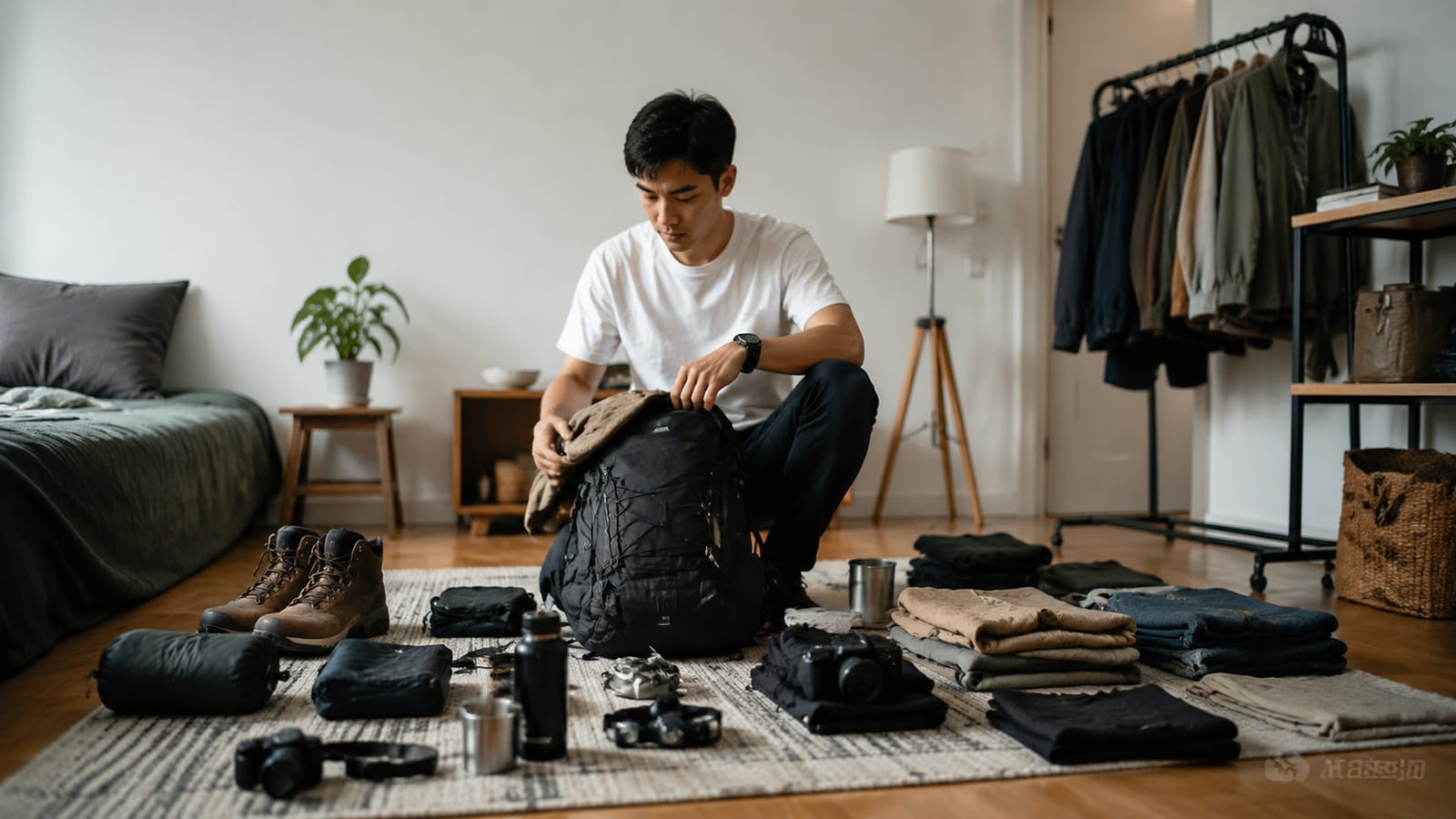
- Sell or give away the big stuff. Furniture, the car you rarely use, the gym-sized appliances. If you'd pay to store it for a year and still not miss it, sell it.
- Storage, if you must. A small unit for genuine keepsakes beats a big one for guilt. Price a year of storage against the resale value; storage often loses.
- Your lease. End it, sublet it legally, or hand it to someone who wants it. Breaking a lease badly follows you into your next rental reference.
- A car. Sell it, or park it with family and cancel the insurance you don't need while it sits.
- Mail. Use a mail-forwarding or scanning service with a real street address. A PO box you can't check from abroad is useless.
Do this while you still have a base to sort things in. Packing up remotely, over video call, with a partner shouting about the toaster, is a special kind of misery.
How do you stay legal and solvent across borders?

Get the paperwork boring and predictable, because that's what keeps a long trip from turning into an emergency. Three things sink people: overstaying a visa, becoming a tax resident somewhere by accident, and getting sick with no cover. None of them are dramatic until they are.
On visas, stop relying on tourist stamps once you're gone for months. Many countries now offer a proper digital nomad visa, which lets you stay legally and work for clients back home. Croatia's digital nomad visa runs up to a year, for example, with income requirements you meet in advance rather than talking your way past a border guard.
Tax residency is the quiet trap. Leaving your home country doesn't automatically end your tax obligations there, and spending too long in one new place can start a fresh one. Talk to an accountant who handles expats before you go, not after a letter arrives.
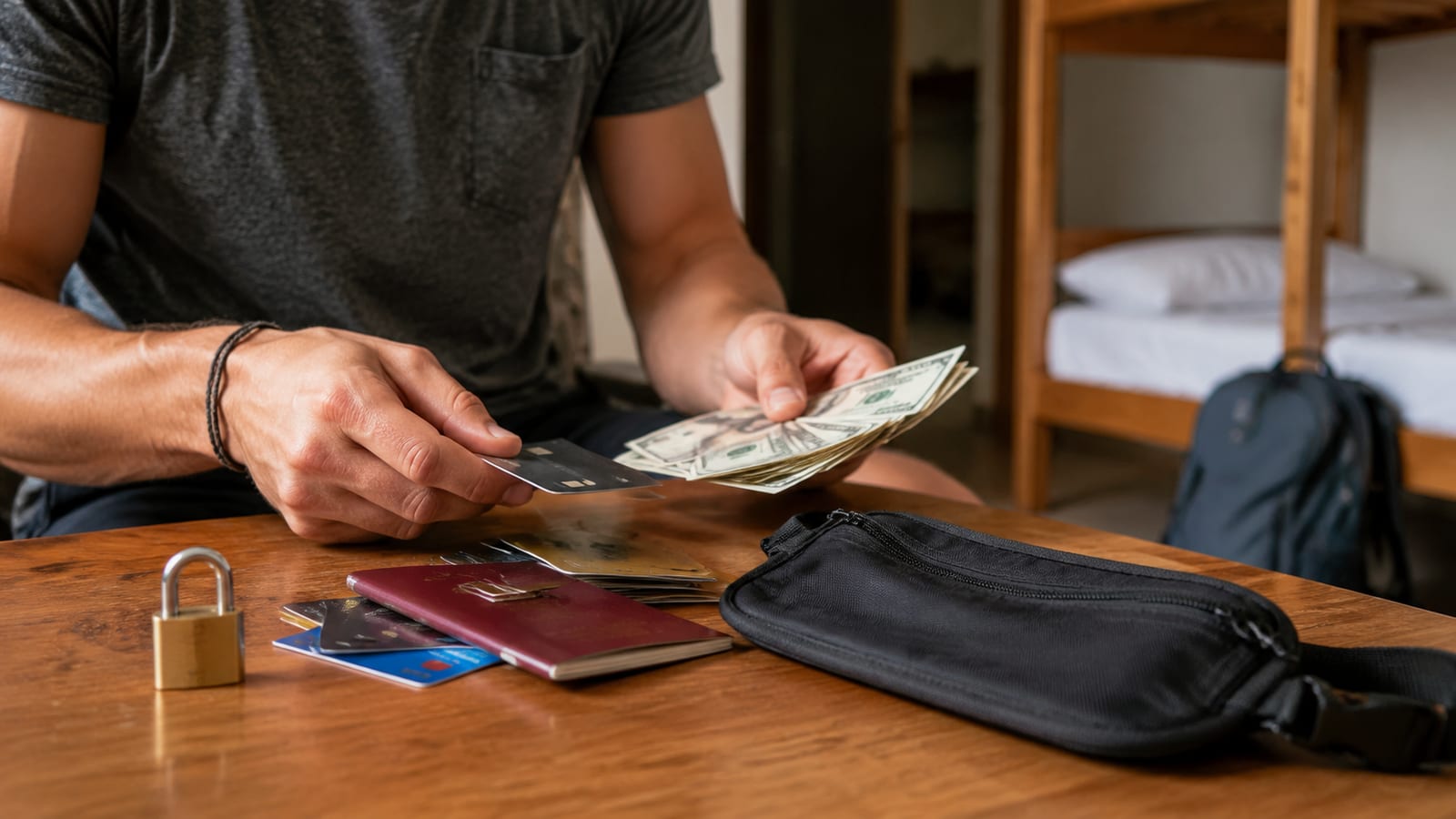
For money, open a multi-currency account and a card that doesn't gouge you on foreign spending. Keep two cards from two banks in two different pockets. And buy real travel medical insurance, the kind that covers treatment abroad, not the flimsy add-on stapled to a flight.
What keeps this going after month three
The honeymoon ends around the twelve-week mark, and that's when the lifestyle either sticks or collapses. It rarely fails at the start. It fails when the novelty wears off and you're standing in another supermarket unable to decide what bread to buy.
Decision fatigue is real and constant on the road. Every day you re-choose where to sleep, eat, work, and go. Cut the choices: keep a fixed morning routine, reuse the same packing list, and default to longer stays so you decide less often.
Loneliness arrives on a Tuesday, not a Saturday. Weekends are easy to fill; it's the ordinary weekday evening in a place where you know nobody that gets you. Build anchors that don't move, like a weekly call home and a workout you do anywhere.
There's an identity shift underneath all of it, and it's worth taking seriously. My notes on adjusting to life on the road cover this in more depth. The short version: you're not on holiday anymore, you're living, and living needs boring structure to survive.
Building a social life while you keep moving

Depth beats volume, so stop collecting hostel hellos and start staying long enough to see the same faces twice. Swapping names with someone at breakfast who leaves the next morning is not connection. It feels social and leaves you empty, which is a bad combination.
Slow travel does most of the work here. Stay two or three weeks in a place and you start recognizing the barista, the shopkeeper, the other regular at the coworking space. That repetition is where real conversation grows, the same way it does at home.
A few things that actually build a social life on the move:
- Repeat destinations. Return to a city you liked and you arrive with a network already.
- Co-living and coworking spaces. Built for exactly this, with people who also plan to stay a while.
- A hobby you'd do anyway. Climbing gyms, run clubs, and language classes come with built-in regulars.
- Online communities that meet offline. The good ones organize dinners in whatever city you land in.
The move nobody teaches is showing up at the same café two mornings running. It does more for a real friendship than any organized meetup.
When to slow down or pick a base
Slow down the moment you notice you're collecting places instead of experiencing them. Constant motion feels productive and quietly costs you more, in money and in energy. Fast travel is the expensive way to see less.
A home base makes sense sooner than most people admit. Renting somewhere by the month, even for a season, unlocks discounts, a kitchen, a routine, and a bed that doesn't change. You can still take short trips out from it, which is a gentler version of the whole idea and often the sustainable one.
Watch for the signals. You're tired in a way sleep doesn't fix. You can't remember which city the good coffee was in. You're booking the next flight to avoid deciding what you actually want. Any of those means it's time to stop for a while.
Picking a base isn't quitting the lifestyle. It's the version of it you can keep doing next year, and the year after that.
FAQ
How much should I save before I start?
Enough for a three-month pilot plus a flight home, not a mythical year's runway. If you wait until you feel fully ready, you never leave. Run the ninety-day test on real savings, learn your true monthly number, then decide how much more cushion you actually need.
Can I do this if I'm not a remote worker or blogger?
Yes, though your route is different. Look at working-holiday visas, seasonal work, teaching, and skills you can deliver online part-time. You don't need a passive-income empire; you need a way to cover a lower monthly cost than you had at home.
What happens to my pension, insurance, and voting while I'm gone?
Keep a legal home address, usually through family or a residency service, so official mail and voting still reach you. Sort tax and health cover before you leave. These systems mostly need one fixed anchor point, which you set up once and then forget.
Is it lonelier than normal life?
It can be, especially on quiet weekdays after the first excitement fades. The fix is slower travel and repeat visits, not more hostels. Build one or two fixed routines that follow you anywhere, and the loneliness gets manageable.
Should I keep my apartment as a fallback?
Only if you can afford to pay for a home you're not sleeping in. For most people that rent is better spent on the trip itself. Keep the option open by leaving on good terms with a landlord you could go back to, rather than by paying to hold an empty room.