

Virginia is best visited as a collection of distinct trips. Choose Shenandoah and the Blue Ridge for mountain scenery, the coast for relaxed beach time, and Richmond, Williamsburg, or the presidential sites for history. The best places to visit in Virginia are spread far apart, so trying to cover the whole state in one trip means too much driving and not enough time outside the car.
What are the best places to visit in Virginia?
Virginia gives you several different trips under one state line. Mountains, beaches, battlefields, historic towns, museums, caves, and amusement parks all deserve their own pace.
| If you want… | Start with… | The trade-off |
|---|---|---|
| Mountain views and easy outdoor days | Shenandoah National Park | Popular overlooks can feel crowded |
| A slow scenic drive | Blue Ridge Parkway | You need time to stop, not just pass through |
| Beach time with plenty of activities | Virginia Beach | The resort area feels busy in summer |
| Wild shorelines and birds | Chincoteague and Assateague Islands | Swimming matters less than wildlife and weather |
| Presidential history | Monticello or Mount Vernon | Each works best as a focused visit |
| Civil War history | Richmond, Fredericksburg, Manassas, or Appomattox | The sites make more sense if you know the broad story |
| Living history | Colonial Williamsburg and Jamestown | A rushed afternoon barely scratches the surface |
| Family attractions | Busch Gardens Williamsburg, Luray Caverns, or the Virginia Aquarium | These stops can take over the whole day |
Start with the region that matches your reason for going. If you want a trip that works for almost anyone, choose Shenandoah National Park, Richmond, or the Williamsburg area.
Virginia also rewards small plans. A few days around Charlottesville can combine Monticello, wineries, food, and mountain views. A coastal trip can pair Norfolk with Virginia Beach. A Shenandoah Valley trip can mix caverns, farms, quiet towns, and long drives without the pressure of a packed park schedule.
The state is not one neat vacation loop. Treating it like one is the first planning mistake.
Which Virginia destinations are best for first-time visitors?
For a first visit, I’d choose one of these combinations:
- Shenandoah National Park and the Shenandoah Valley for scenery, hikes, caverns, and small towns.
- Richmond and Williamsburg for museums, Civil War history, colonial history, and good food.
- Charlottesville and Monticello for presidential history, architecture, and countryside.
- Norfolk and Virginia Beach for museums, maritime attractions, restaurants, and beach time.
- Alexandria and Mount Vernon for an easy history trip connected to Washington, D.C.
Shenandoah National Park is the strongest all-around choice. You get mountain views, waterfalls, wildlife, and manageable hikes without needing to build the whole trip around serious backcountry walking. The downside is simple: the best overlooks can fill up, especially on clear autumn days.
Richmond is the best city base for a first trip. It combines Civil War history, museums, food, and a lively riverfront, and you can add nearby heritage sites without changing hotels every night. Pairing Richmond with Williamsburg works well because the interests overlap, but you should still allow time for both.
Charlottesville is a better choice if you want a slower trip. Monticello gives you architecture, landscape, and difficult American history in one visit. Add the University of Virginia area, local restaurants, and the countryside around Central Virginia, where Charlottesville is located.
The coast works when you want a softer schedule. Norfolk and the Virginia Beach coast are the best pairing because you can spend one day with museums and maritime attractions, then slow down by the water. Don’t expect the same quiet shoreline as Chincoteague.
Presidential sites tell different stories
Virginia’s presidential sites aren’t interchangeable. The setting, the historical focus, and the amount of time you need all change from one estate to the next.
Mount Vernon
Mount Vernon is the most polished presidential estate experience. The house, grounds, demonstrations, and museum displays make it an easy visit for families and first-time history travelers.
It’s also the most convenient choice if you’re already spending time around Washington, D.C. Mount Vernon works well for an 8th grade history trip because the site gives young visitors plenty to look at beyond a room-by-room house tour.
The trade-off is that the polished presentation can make the visit feel tidy. George Washington’s life and the plantation’s enslaved community were not tidy subjects. Give the harder parts of the site the same attention as the gardens.
Monticello
Monticello is the essential presidential home visit in Virginia. Its strongest combination is the architecture, the landscape, and the historical context surrounding Thomas Jefferson and the people who lived and worked there.
The house is the draw, but the grounds keep the visit from becoming a static portrait tour. Monticello also gives you a clearer sense of how an 18th century plantation operated and how much labor sat behind the famous home.
Plan Monticello as a dedicated stop rather than a quick add-on. The setting rewards a slower visit, and rushing through the house leaves you with the least useful version of the story.
Ash Lawn-Highland and other sites
Ash Lawn-Highland offers a quieter presidential visit connected to James Monroe. It doesn’t have the same scale as Mount Vernon or Monticello, which is exactly why some travelers prefer it.
In Fredericksburg, George Washington’s boyhood home at Ferry Farm gives you a more personal angle. You’re looking at the place where Washington grew up, rather than only the grand estate associated with his adult life.
Jamestown belongs in this same history conversation, though it isn’t a presidential home. It helps explain the colonial world that shaped Virginia before the United States existed. Add it to a Williamsburg trip if you want the story to stretch beyond one famous house.
Which Virginia battlefields and heritage sites are worth visiting?
Civil War battlefields are easiest to understand when you stop treating them as empty fields. Roads, ridges, farms, rivers, and town streets shaped what soldiers could see and where they could move.
The Richmond area is the best base for several layers of Civil War history. Richmond was the Confederate capital, so the city connects political history, military planning, hospitals, prisons, and the war’s effect on civilians. The nearby battlefields show how the fighting pressed toward the capital.
Manassas is useful for understanding the early war. The battlefield helps you see how quickly the conflict became larger and more serious than many people expected. It’s an easy choice if you’re coming from the Washington area.
How do Virginia’s battlefields differ?
Fredericksburg gives you a different lesson. The town and surrounding battlefield show how geography, fortified positions, and repeated attacks could turn a short distance into a disaster. Add George Washington’s boyhood home at Ferry Farm if you want the visit to connect colonial and early national history with the Civil War landscape.
Appomattox is the place to go for the war’s closing chapter. The site matters because surrender became a physical event there, not just a date in a textbook. It sits farther from the major cities, so it makes more sense as part of a dedicated history trip than as a casual detour.
Lexington adds a different kind of heritage. The town is tied to two Civil War generals, and its stone buildings, schools, and nearby landscapes make it easy to explore on foot. It’s also a good stop when you’re already traveling through the Shenandoah Valley.
For background before you go, the National Park Service Civil War sites are more useful than a generic battlefield list. Read the basic campaign summary first. Otherwise, every field starts to look like the same field.
Virginia’s mountain scenery needs time, not ambition

Shenandoah National Park is Virginia’s best mountain choice for most travelers. Skyline Drive runs through the Blue Ridge Mountains in Virginia, with overlooks, trailheads, and access to waterfalls and forests.
The mistake is driving the whole route without stopping. The road itself is pleasant, but the point is the small pullout where the ridge opens up, the short trail you nearly skip, and the quiet stretch after the tour buses leave. The official Shenandoah National Park site is the place to check trail and road conditions before setting out.
The Blue Ridge Parkway is Virginia’s finest scenic drive. Take it slowly and stop at overlooks and trails instead of treating it as a fast connection between destinations. The road can be a poor choice if you need to arrive somewhere at a fixed time, since weather and stops are part of the route.
Where should you stay for mountain scenery?
The Shenandoah Valley is the right base if you want scenery without national-park crowds. You can move between small towns, farms, caverns, and mountain views, then return to a comfortable town instead of spending every day inside the park.
Southwest Virginia deserves more attention. Abingdon, in Southwest Virginia, makes a good base for a slower trip through mountain landscapes, local food, music, and older roads. The scenery feels less packaged, but the distances between stops can be longer and services thinner.
You don’t need to hike all day to enjoy these places. Choose a few manageable walks, leave space for overlooks, and keep one indoor plan ready when rain moves in.
The best forests, trails, and outdoor stops
Shenandoah National Park gets most of the attention, but Virginia’s public lands extend well beyond it. George Washington and Jefferson National Forests cover broad mountain areas with trails, overlooks, rivers, and quieter roads.
The Appalachian Trail crosses Virginia and offers everything from short viewpoint walks to long-distance sections. You don’t need to commit to a major trek. Pick a trailhead that fits your day, carry water and a layer, and turn around before the walk becomes a slog.
Waterfalls are a popular reason to visit Shenandoah, but they’re often busiest when the weather is pleasant. Go early, visit in less favorable weather only if conditions are safe, and don’t confuse a crowded trail with a bad trail.
Luray Caverns is the state’s most impressive accessible cave attraction and a reliable family stop near Shenandoah. The cave gives you a strong indoor option when the forecast ruins a hike, although the tour setting feels more organized than wild.
Which outdoor stop works when the weather turns?
Virginia Animal Safari offers another family-friendly outdoor stop. It’s a different kind of day from a forest hike, with animal encounters and a drive-through format. Check the current rules before you go because animal attractions can change what you’re allowed to feed or bring.
The practical move is to pair one major outdoor stop with one easy town or indoor attraction. A full day of trailhead parking, steep climbs, and delayed lunches sounds good on paper. It’s less charming when everyone is hungry and the rain starts.
Which Virginia beaches and islands fit your trip?
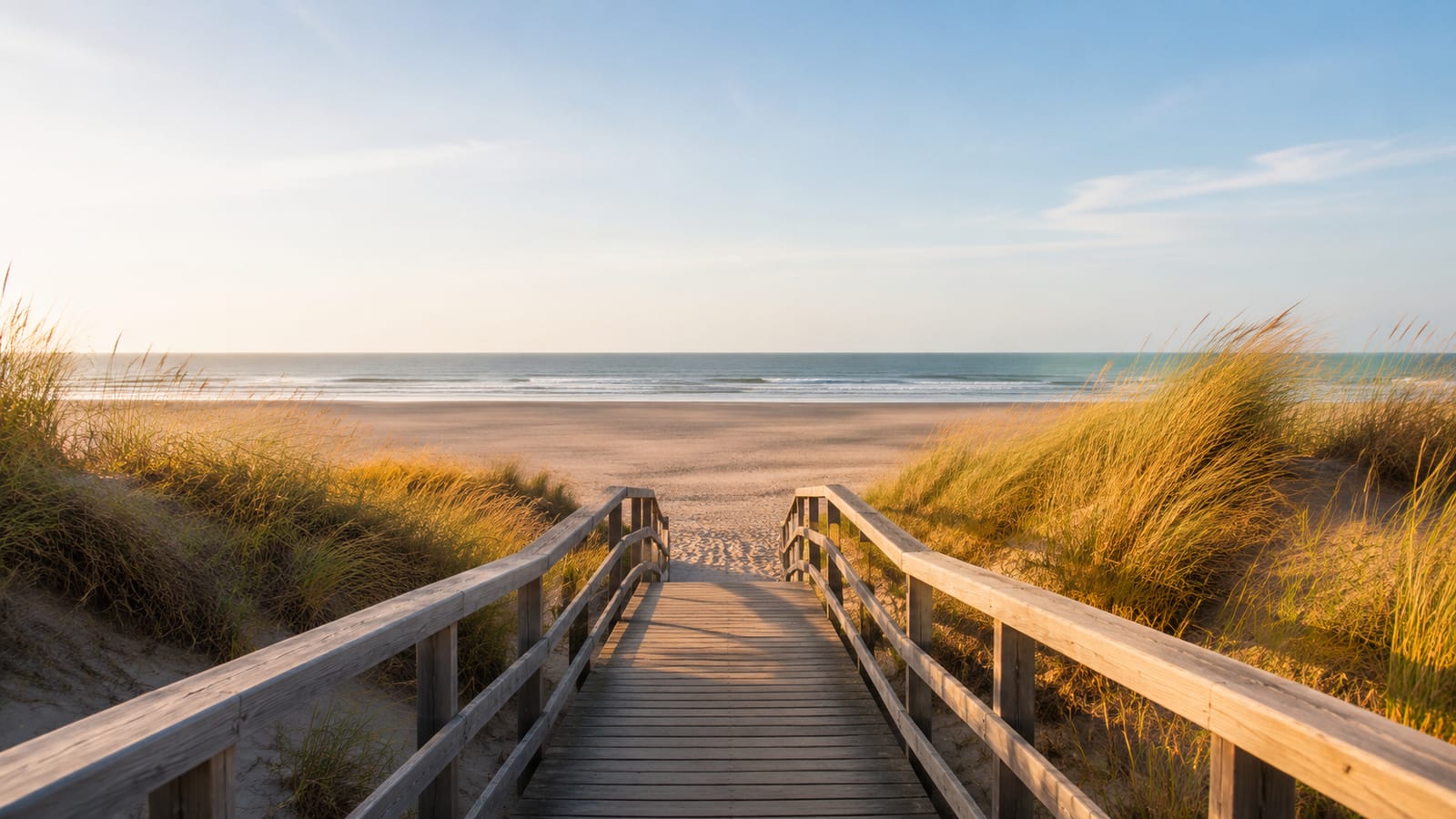
Virginia Beach is the most practical beach destination for families. It has a long waterfront promenade, plenty of activities, and enough restaurants and services to make a beach day easy.
The downside is the resort energy. In summer, you’ll find crowds, traffic, and a busier shoreline than the photographs suggest. Choose Virginia Beach for convenience and activity, not silence.
Sandbridge is a better fit if you want a quieter beach setting while staying close to the Virginia Beach area. It feels more residential and less like a main resort strip. However, you’ll give up some of the easy walkability and constant activity that make the main waterfront useful for families.
Cape Charles suits a slower coastal trip. The town has a compact feel, local character, and a gentler rhythm than Virginia Beach. It’s a good place to wander, grab a coffee, and let the afternoon take its time.
Chincoteague and Assateague Islands are the clear choice for wild beaches, birding, and famous roaming ponies. Go there for wildlife and open shore, not resort entertainment. Swimming can be less predictable, and weather matters more than it does on a built-up beach.
These islands are best when you accept that nature sets the schedule. Bring food, water, sun protection, and patience. The ponies aren’t a photo prop, and approaching wildlife ruins the experience for everyone.
Scenic drives worth building a trip around
Virginia’s best road trips are not about covering the most ground. They work because the road gives you reasons to stop.
- Shenandoah Skyline Drive: Choose it for mountain overlooks, short hikes, and access to Shenandoah National Park.
- Blue Ridge Parkway: Take it when the drive is the point and you can stop without rushing.
- Colonial Parkway: Use it to connect the historic areas around Williamsburg, Jamestown, and Yorktown.
- Eastern Shore: Follow the coast for small towns, working waterfronts, seafood, and a quieter beach atmosphere.
- Shenandoah Valley roads: Build a loose route through farms, caverns, mountain towns, and local food.
The Colonial Parkway is one of the easiest history drives to pair with a family trip. It connects major colonial sites without forcing you onto a busy commercial road every few minutes. Still, don’t try to attach it to a mountain day and a beach day unless you enjoy watching the landscape through a windshield.
The Eastern Shore is better as a dedicated coastal route. Cape Charles gives you a town base, while the northern islands shift the focus toward birds, dunes, and open beaches. Travel slowly and keep your plans flexible when weather changes.
If you’re connecting Virginia with a larger East Coast trip, use the East Coast USA road trip guide to shape the wider route. Virginia alone can fill a trip. You don’t need to force it into a grand circuit.
Which Virginia cities are best for a weekend?

Richmond is Virginia’s best city for combining history, museums, food, and a lively riverfront. It has enough variety for a weekend without requiring a car for every stop. Make time for the river, then choose a museum or historic site instead of collecting attractions.
Norfolk is the strongest city choice for maritime interests, restaurants, and museums. Pair it with Virginia Beach when you want culture and coastal downtime in one itinerary.
Virginia Beach is less useful as a city weekend if you don’t care about the beach. It makes sense for families, waterfront walks, and activities. Otherwise, Richmond or Charlottesville gives you more variety in a compact visit.
Charlottesville, in Central Virginia, works for food, history, architecture, and countryside. Monticello is the main draw, but the city is better when you leave room for a long meal and an unplanned walk.
Roanoke is a practical base for Southwest Virginia mountain scenery. It’s a good choice if you want a city with access to outdoor routes without staying in a resort town.
Alexandria is the easiest urban history add-on near Washington, D.C. Its old streets, waterfront, and connection to Mount Vernon make it useful for a short visit. It’s also a better choice than trying to squeeze a distant mountain destination into a D.C. weekend.
Small towns with enough to fill a day
Williamsburg is the strongest living-history town in Virginia. Colonial Williamsburg works best when you give it more than a rushed afternoon, because the streets, buildings, trades, and stories need time to settle. Add Jamestown and Yorktown if you want a broader colonial history trip.
Staunton is made for easy wandering. Its historic buildings, local restaurants, and arts scene give you a full day without a long checklist. It also works well as a base for the Shenandoah Valley.
Lexington has a polished historic center and a strong connection to Virginia’s military and educational history. The town is compact enough to explore on foot, with mountain scenery nearby.
Abingdon brings a slower Southwest Virginia pace. It’s a good stop for architecture, local food, music, and a few quiet hours on foot. Don’t expect a packed attraction schedule, and don’t need one.
Middleburg suits travelers who want historic streets, countryside, and a more refined small-town feel. It’s an easy choice for a day from the Washington area, though it isn’t the place for a low-cost, high-energy itinerary.
Cape Charles is the best small town for a coastal pause. Walk the streets, sit near the water, and let the day stay simple. The town’s appeal drops if you arrive expecting a full resort program.
Family trips need a clear main event
Busch Gardens Williamsburg is Virginia’s strongest amusement-park choice for families who want major rides alongside a historic-town trip. It can fill a full day, so don’t pretend you’ll visit the park, Colonial Williamsburg, and Jamestown at the same relaxed pace.
The Virginia Aquarium gives Virginia Beach a useful indoor option when the weather turns. Pair it with the coast rather than treating it as a quick stop between unrelated attractions.
The National Air and Space Museum’s Udvar-Hazy Center is a strong choice for families interested in aircraft and space. It works especially well near a Washington-area trip, when you want a large indoor attraction without adding a long drive across the state.
The Virginia Zoo in Norfolk fits naturally into a coastal itinerary. Add it to a Norfolk and Virginia Beach plan, but give the zoo enough time to feel like a visit rather than a box to check.
Luray Caverns is the dependable rain-day choice near Shenandoah. Children get a clear sense of discovery, while adults avoid spending a wet afternoon pretending a closed trail is still fun.
Hands-on museums also deserve room in the plan. The Quantico Marine museum is absolutely free, making it a sensible stop when you’re already traveling through Quantico. Check current access details before going, especially if your route depends on a military installation or nearby facility.
Families do better with one major attraction per day. Add a park, a short walk, and a meal nearby. Anything more usually becomes a negotiation in a parking lot.
How should you plan a Virginia itinerary without wasting time?

Divide Virginia into regions before you book anything. The easiest planning mistake is choosing attractions from a map and assuming nearby-looking places belong to one day.
Use these regional combinations:
- Shenandoah and the valley: Shenandoah National Park, Skyline Drive, Luray Caverns, Staunton, Lexington, farms, and mountain roads.
- Richmond and Central Virginia: Richmond museums, Civil War sites, Charlottesville, Monticello, and nearby countryside.
- Williamsburg and the Historic Triangle: Colonial Williamsburg, Jamestown, Yorktown, and Busch Gardens.
- Norfolk and the coast: Norfolk museums, Virginia Beach, Sandbridge, and coastal restaurants.
- Eastern Shore: Cape Charles, Chincoteague, Assateague, birding, beaches, and small waterfront towns.
- Southwest Virginia: Roanoke, Abingdon, national forests, mountain roads, and local music.
The drive-time trap is the coast-to-mountains plan. Virginia Beach and Shenandoah can both look like obvious choices on a state map, but combining them creates a tiring trip. You’ll spend less time at the beach and fewer hours on trails.
The same problem appears with Williamsburg and the Blue Ridge. They’re both excellent, but they belong to different trips unless you have plenty of time. Pick one main region, then add a nearby city or town.
Reserve the main attraction before you leave home when timed entry, tours, or seasonal crowds are involved. This matters most for presidential homes, major amusement parks, popular cave tours, and busy autumn weekends in the mountains.
Spring and fall are the easiest seasons for a broad Virginia trip. Summer works best for the coast and family attractions, but heat and crowds change the pace. Winter can be quiet and affordable, though mountain roads, park access, and outdoor plans become less reliable.
For a first trip, stay in one region and give it several days. If you have more time, add one neighboring area. Your first action today is to choose mountains, coast, or history, then delete every destination that doesn’t support that choice.
FAQ
Is Virginia good for a solo trip?
Yes, especially if you choose Richmond, Charlottesville, Alexandria, or the Shenandoah Valley. These places give you museums, cafés, historic streets, and outdoor stops without requiring a packed group itinerary. For remote mountain or island areas, plan your route and lodging more carefully because services are less frequent.
What is the best month to visit Virginia?
There isn’t one best month for the whole state. Spring and fall suit mountains, historic towns, and city weekends, while summer is strongest for beaches and family attractions. Check road, trail, and attraction conditions before booking a mountain-focused trip.
How many days do you need in Virginia?
A focused regional trip works with a few days. Give yourself more time if you want to combine cities with mountains or the coast with historic sites. A longer trip should add a neighboring region, not scatter stops across the entire state.
Is Virginia expensive to visit?
Costs vary by region and season. Resort beaches, major amusement parks, and popular historic attractions usually require more planning and spending than small towns, public lands, and free museums. You can keep the trip manageable by mixing one paid attraction with walks, overlooks, markets, and local neighborhoods.
Which Virginia destination is best without a car?
Alexandria, Richmond, and parts of Virginia Beach are the easiest choices for a short stay without a car. Shenandoah, the Eastern Shore, and most presidential sites are easier with your own vehicle or a carefully planned transfer. Choose the city first if you don’t want the trip to depend on driving.