Most people pick their Yellowstone dates around the school calendar, and then spend the trip circling full parking lots. The best time to visit Yellowstone is early September, right after Labor Day. Nearly every road and lodge is still open, the summer rush has thinned, and the elk are starting to bugle. Pick June for newborn bison and full waterfalls, July or August if you need every service open, and winter only if snow and solitude matter more to you than access.
Every season here trades something away. Below is what each one costs you, month by month, so you can choose with your eyes open.
Early September is the window I'd pick
The week after Labor Day is the one I'd circle. School has started, the family road trips are over, and the park gets noticeably quieter. Yet almost every road, lodge, and visitor center is still running on its summer schedule.
The weather helps too. At Mammoth Hot Springs, September averages a high of 70°F and a low of 40°F. That gives you warm afternoons for hiking and frosty mornings that make the geyser steam look twice as big.
Wildlife picks up as well. Bull elk start bugling, bears feed hard before winter, and bison still crowd the open valleys. So you get summer access with some of fall's best animal activity.
The catch is timing within the month. Labor Day weekend itself is still packed, so skip it. By late September some services start shutting down, and a snow squall can close a high road for a day. Pack a warm hat and gloves even if the forecast looks mild.
How the four seasons compare
Choosing the best time to visit Yellowstone comes down to which trade you'll accept. Summer buys you access and charges you in crowds. Winter buys you solitude and charges you in closures.
| Season | Roads | Crowds | Wildlife | Worth it for | The catch |
|---|---|---|---|---|---|
| Spring (April to early June) | Opening in stages | Light, building late May | Bison calves, bears out of dens | Waterfalls, baby animals | Snow on trails, some lodges shut |
| Summer (late June to August) | Fully open | Heaviest of the year | Bison rut, bears harder to find | First-timers who want everything open | Traffic, full lots, top prices |
| Fall (September to October) | Open, then closing | Thin after Labor Day | Elk rut, bears feeding hard | Quiet trails, wildlife | Early storms, services closing |
| Winter (December to March) | One road for cars | Very light | Wolves, bison in snow | Snow, silence, skiing | Guided tours only to the interior |
If you only remember one row, make it fall's. Early fall keeps most of summer's access and sheds most of summer's crowds.
Peak summer: easy logistics, heavy crowds
July and August are the simplest months to plan. Every road is open, every lodge and campground is running, and the high trails have finally melted out. If this is your first trip and summer is your only window, go anyway. It's worth it.
Summer is also warm by Yellowstone standards. Mammoth Hot Springs averages 83°F by day and 49°F at night in July, then 80°F and 47°F in August. When it rains, it's usually an afternoon thunderstorm, and wildfire smoke can haze the views late in the season.
The real cost is crowds. Bison jams can stop traffic in Hayden Valley for a long stretch. Grand Prismatic Spring sits in Midway Geyser Basin, between the Upper and Lower basins, and its small lot is often the first to fill. Meanwhile, rooms inside the park sell out early and gateway towns charge their highest rates.
Here is what I'd do in summer. Start at first light, see the geyser basins before mid-morning, and save the wildlife valleys for evening. Take your long lunch in the middle of the day, because that's when the roads are at their worst.
Late spring: waterfalls and newborn wildlife, with gaps in access
Late May and June are the months for animals and water. Snowmelt pushes the Lower Falls in the Grand Canyon of the Yellowstone to full roar. Meanwhile, the valleys fill with orange-red bison calves, nicknamed "red dogs," and bears come down to feed in the open.
The weather is the trade-off. June at Mammoth Hot Springs averages a high of 71°F and a low of 43°F, and snow can still fall. Higher in the park, trails stay buried or muddy into early summer. Some areas also close for bear activity in spring.
Access fills in slowly. Roads open in stages, and some lodges, campgrounds, and stores don't open until late May or June. Memorial Day weekend gets busy, so aim for the days just before it or the first half of June.
Stick to lower ground for walks this time of year. My guide to the best hikes in Yellowstone is a good place to start: pick the valley and canyon walks and save the high peaks for later in summer. Late spring is worth it if you care more about wildlife than about driving every road.
Fall: quieter trails and the elk rut
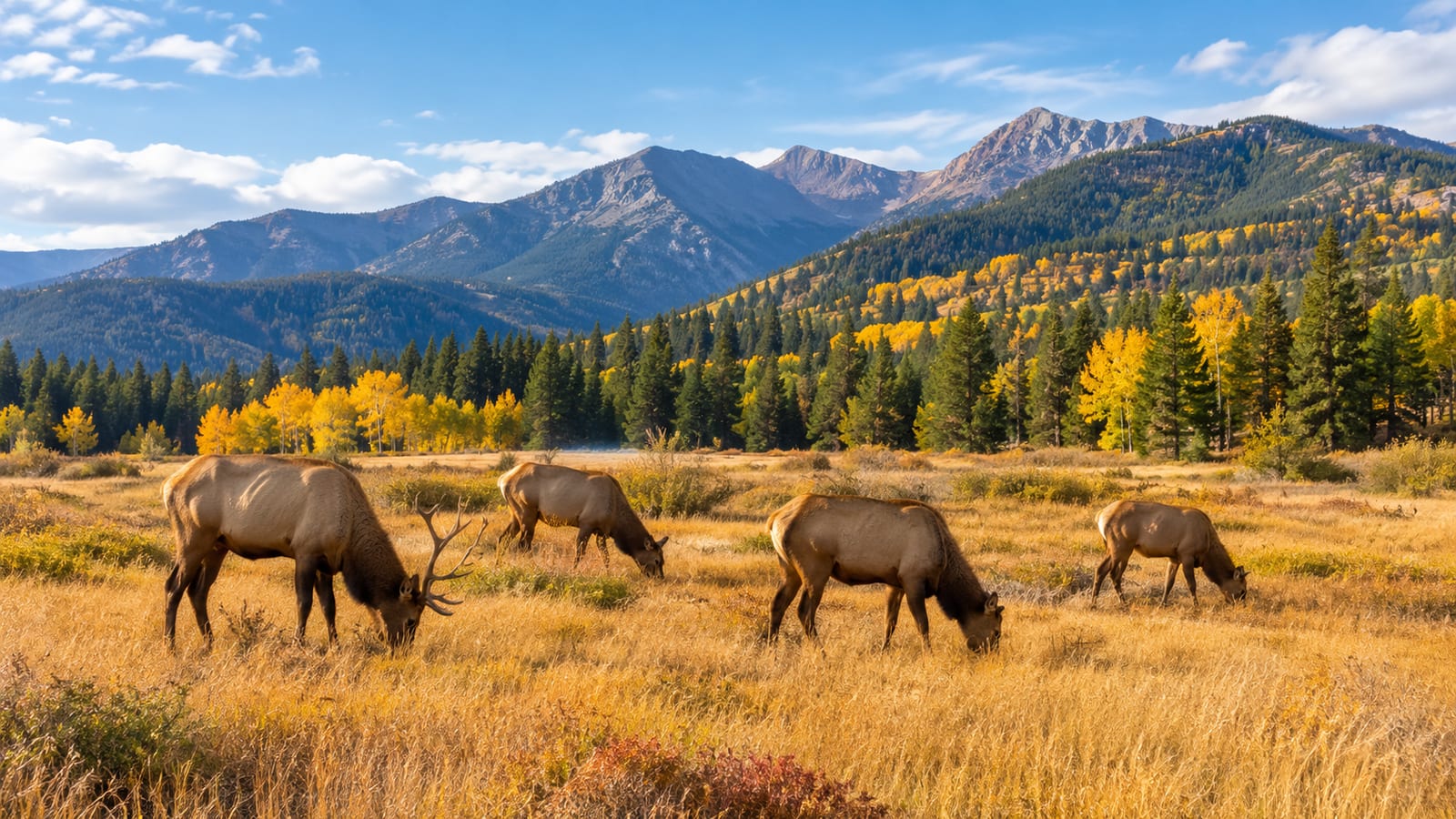
Late September and early October suit people who want the park quiet and don't mind gambling on weather. The elk rut is in full swing by then. At Mammoth Hot Springs, bulls bugle on the lawns between buildings and herd cows across the road.
They're loud and impressive, and they will charge a person who wanders too close. Use your car as a blind and watch from there.
Fall color needs honest framing. Most of Yellowstone is lodgepole pine, so the gold comes in patches: aspens on the northern range, cottonwoods along the rivers. For whole hillsides of yellow aspen, the drive south to Grand Teton National Park is worth it.
Cold mornings change the thermal areas too. Steam hides the colors of Grand Prismatic until the air warms, so visit late morning on a sunny day. At Old Faithful, the same cold makes each eruption look bigger and whiter.
The downside is the calendar. Lodges, stores, and campgrounds close one by one through October, and an early storm can shut a road for a day or two. Book refundable rooms and keep each day's plan loose.
Winter: snow, wolves, and a mostly closed park
Winter here is a different trip. Most roads close to cars, and the only one left open connects Gardiner at the North Entrance to Cooke City at the Northeast Entrance. That stretch runs through Lamar Valley, the best wolf watching in the park. Against the snow, wolves are far easier to pick out.
Everything else needs a guided snowcoach or snowmobile tour, called oversnow travel. The Old Faithful Snow Lodge, directly across the parking lot from the Old Faithful Inn, stays open for the winter season from mid-December to mid-March. The Inn itself doesn't open in winter. From the Snow Lodge, you can cross-country ski or snowshoe without driving anywhere.
Plan for real cold. The average high in January is 28°F (-2°C), and even March only averages a high of 39°F (3.8°C). Bring insulated boots, a warm parka, and hand warmers. Solo travelers do well here, because guided tours handle the hardest logistics for you.
The catch nobody mentions is the gap weeks. Before the winter season opens in mid-December and after it ends in mid-March, the park is between seasons, so check what is actually open before you plan anything. Lodging is limited, and oversnow tours are a real cost. Winter is worth it for wolves and silence, but skip it on a first visit if you want to see the whole park.
Yellowstone month by month
Use this as a starting point, then check current conditions before you book anything.
| Month | Weather | Roads | Crowds | Good for |
|---|---|---|---|---|
| January | Deep cold, heavy snow | Northern road only; oversnow to the interior | Very light | Wolves, skiing, snowcoach trips |
| February | Cold and snowy | Same as January | Very light | Wolves in breeding season, snowshoeing |
| March | Still wintry | Oversnow season ends mid-month | Very light | Last winter tours |
| April | Snow and mud | Roads start reopening in stages | Light | Bears out of dens; mostly skip it |
| May | Cool, snow possible | Most main roads open by late month | Light, busy at Memorial Day | Bison calves, bears, rising waterfalls |
| June | Mild days, cold nights | Nearly everything open | Building | Waterfalls at peak, calves, long days |
| July | Warmest, afternoon storms | Fully open | Heaviest | Full access, high trails |
| August | Warm, possible smoke | Fully open | Heavy | Bison rut, hiking |
| September | Mild days, frosty nights | Fully open | Drops after Labor Day | Elk rut, my top pick |
| October | Cold, early storms | Open, with services closing | Light | Elk rut, quiet trails |
| November | Snowy and cold | Roads close to cars for the season | Very light | Skip it |
| December | Deep snow | Oversnow travel starts mid-month | Light, busier at holidays | Snow scenery, wolves |
Which roads are open, and when?
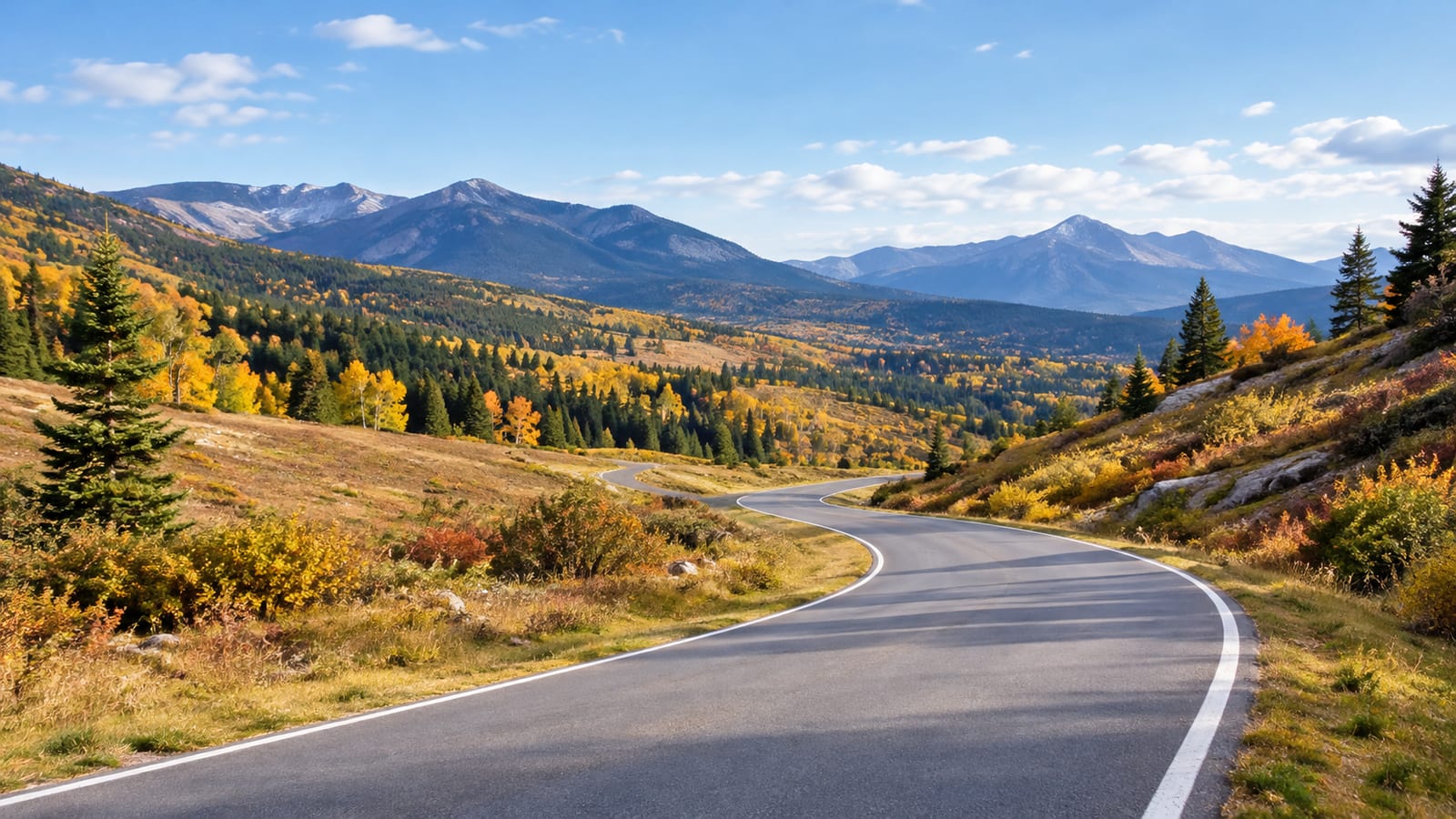
The road calendar sets your real travel window. All 251 miles of park road can typically be driven from June through September. Outside those months, you're planning around closures.
In spring, plowed roads reopen to cars in stages, and high passes like Dunraven Pass are often among the last. In fall, roads start closing to regular traffic as the storms arrive. After that, only the northern road stays open to cars.
Dates shift every year with snow, and summer road work can close sections too. So check the Yellowstone park roads page before you book and again the week you go. For the forecast, I'd lean on the National Weather Service over a phone app's guess.
Where to see wildlife in each season
Bison are the easy ones. Hayden Valley and Lamar Valley hold big herds most of the year, with calves in late spring and the rut in late summer, when bulls roll in the dust and bellow. Bison are wild and unpredictable, so give them plenty of room.
Bears are easiest to spot in spring, when they feed in open valleys after leaving their dens. By midsummer many move higher and get harder to find. In fall they feed almost nonstop before winter.
Wolves belong to winter. Packs show up dark against the snow in Lamar Valley, and dawn is the time to be there. One small detail: look for the line of spotting scopes at a pullout, because the people behind them usually know what's moving.
Elk gather around Mammoth Hot Springs for much of the year. Cows calve in late spring and get protective, and bulls rut in fall. Either way, keep well back.
The park sets minimum viewing distances, and bears and wolves need extra room. Check the current rules before you go. Bring binoculars, pull fully off the road, and stay close to your car.
How do you avoid the crowds?
Pick the right week first. The quietest windows with decent access are the week after Labor Day, the days before Memorial Day, early June, and late September. Each gives up something, whether that's snow on high trails in spring or closing services in late fall.
Then fix your daily clock. Old Faithful, in the Upper Geyser Basin, erupts about every 90 minutes on average, anywhere from 50 to 127 minutes apart. The park posts predicted times, so grab a coffee and catch the first eruption after sunrise. In that morning light, you'll share the boardwalk with only a few people.
Midday is when the main sights are at their worst. Use it for a long lunch, a drive to a quieter corner, or a short walk on foot away from the boardwalks. Come back to the valleys in the evening, when animals start moving again.
Where you sleep matters too. The northeast corner near Cooke City is the quietest base, though it's a long drive from the geysers. Staying inside the park saves the most time each morning.
When is the best time to visit Yellowstone for your trip?
Your priorities pick the month for you. Match them here:
- First visit, want everything open: early September. If summer is your only option, July or August still works.
- Baby animals and big waterfalls: late May to June.
- Wolves, snow, and silence: January or February.
- Elk rut and empty trails: late September to early October, with flexible plans.
- Low tolerance for closures: mid-June to mid-September.
- Tighter budget: the shoulder weeks, since lodging tends to cost less outside peak summer.
If you're torn between two options, pick the one with more road access. A closed road can wipe out a whole day, while a crowd just slows you down. Your first step today: choose your week, then check the park roads page for that window before you pay for anything.
FAQ
How far ahead should I book a room inside the park?
As early as you can for June through September. Rooms near the geyser basins go first, often many months out. If you're late, hold a refundable room in a gateway town and keep checking for cancellations as your dates get closer.
Is the weather at Mammoth Hot Springs typical of the whole park?
Mammoth runs on the mild side. It sits at about 6,200 feet, lower than most of the interior. Old Faithful, Canyon, and Yellowstone Lake run colder, so pack one layer warmer than the Mammoth averages suggest.
How many days do I need?
A short trip can cover the geyser basins, the canyon, and one wildlife valley. A few extra days give you slower mornings and a second dawn in Lamar. My guide to planning a short or longer Yellowstone trip lays out both versions.
Can I combine Yellowstone with Grand Teton?
Yes, and it's an easy pairing. The two parks sit end to end, so a short drive from Yellowstone's South Entrance puts you in Teton country. Their seasons line up closely, which means the same dates work for both.