Sri Lanka looks small on the map, and that's exactly what catches people out. The travel tips for Sri Lanka that matter most are simple. Apply for your ETA on the government site, pick the coast that's dry during your dates, and give every journey far more time than the map suggests. Get those three right and you can handle the rest of the island on your own, solo or not.
Most rushed Sri Lanka trips follow the same shape. Someone squeezes beaches, tea country, and ancient cities into eight days, then spends half of it in the back of a van. Slow down instead, because the island rewards people who stay long enough to learn where the good rice and curry is.
What travel tips for Sri Lanka actually matter most?
Timing, pace, and paperwork matter more than any single sight. Sri Lanka has two monsoons hitting different coasts at different times, roads that move slowly, and an online entry permit you need before you board. Sort those out and the day-to-day stuff gets easy.
Here is what I do before a trip like this, in order:
- Apply for the ETA on the official site and check my passport dates.
- Check which coast is dry for my dates, then build the route around it.
- Book reserved train seats for the hill country as soon as I know my dates.
- Pull out cash in small notes for tuk-tuks, buses, and roadside lunches.
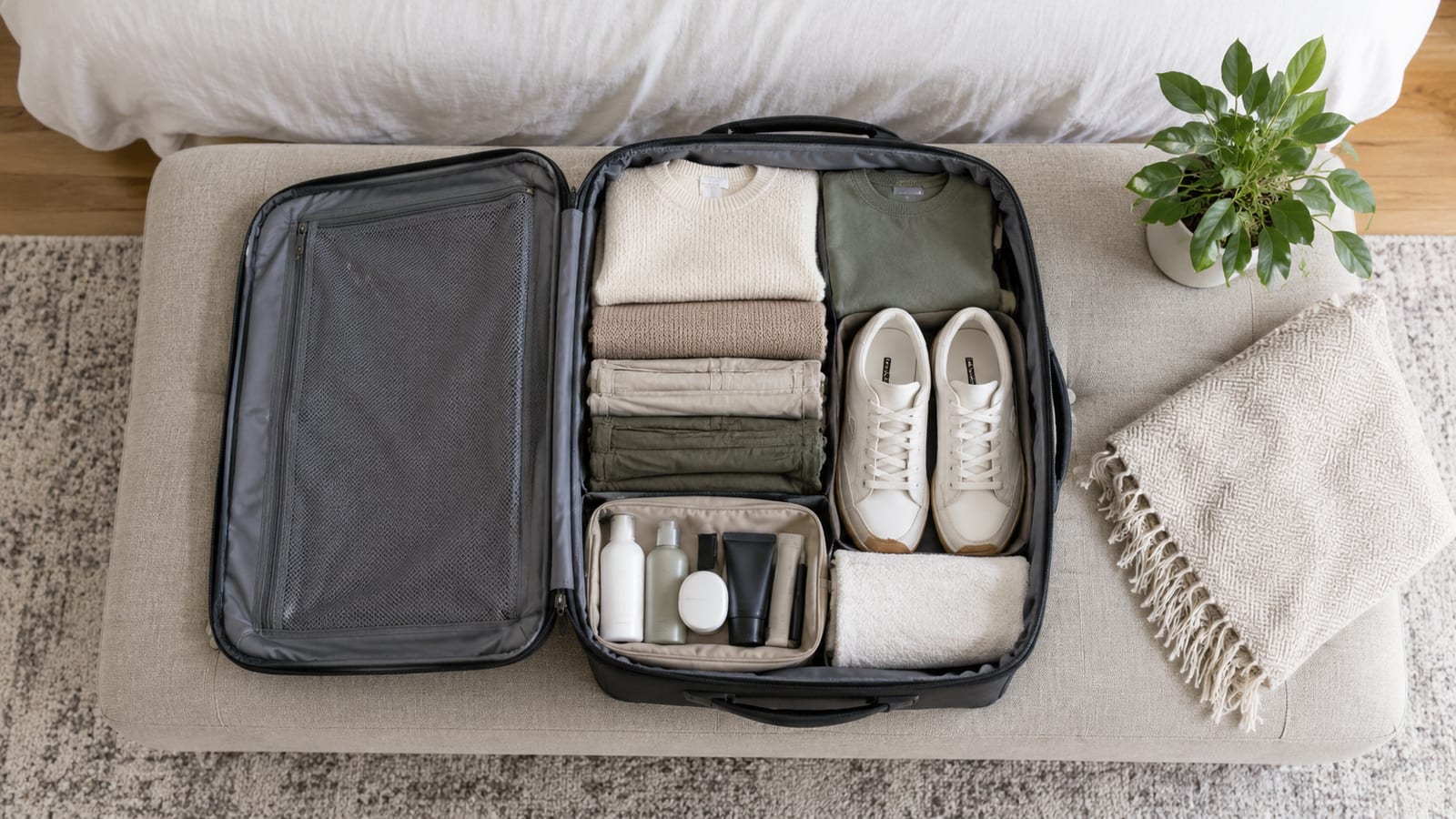
- Pack one outfit that covers shoulders and knees for temples.
- Save the police and ambulance numbers in my phone.
Who Sri Lanka suits, and who should skip it
Sri Lanka suits travelers who like a lot of variety in a small space and don't mind heat. In two weeks you can climb a rock fortress, ride a train through tea estates, and end on a beach where fishing boats come in at dawn. English is widely spoken around guesthouses, stations, and tourist towns, so it makes a gentle first trip to South Asia.
The trade-offs are real, though. Buses are hot and packed, trains run late, and you'll negotiate a tuk-tuk fare most days. The famous spots, especially Ella and Sigiriya, get crowded in peak season, and touts work the entrances.
Skip it, or at least rethink it, if you want fast hops between lots of sights in one week. It also isn't the island for big nightlife. Bars are low-key in most towns, and full moon holidays stop alcohol sales entirely.
Get your ETA from the official site
Apply for your entry permit online before you fly, and only on the official Sri Lanka ETA website. The ETA, short for Electronic Travel Authorization, is the e-visa for tourist stays of up to 30 days. It's issued by the Department of Immigration and Emigration, and you'll need a passport with at least six months of validity left.
The gotcha is the lookalike sites. Search for the visa and you'll find agents with official-looking pages that add their own fee on top. Check that the web address ends in .gov.lk before you type a card number.
Fees and rules have changed several times in recent years, so check the live site before you pay. That goes for anything you read here too. Once you're approved, save a screenshot and print one copy, because airline staff sometimes ask to see it at check-in.
One more border detail most people never hit. If you arrive with more than USD 15,000 in foreign currency, or the equivalent in another currency, you must declare it to Sri Lanka Customs. Most travelers carry nowhere near that, but it matters if you're bringing cash for a long stay.
Which coast should you pick for your dates?
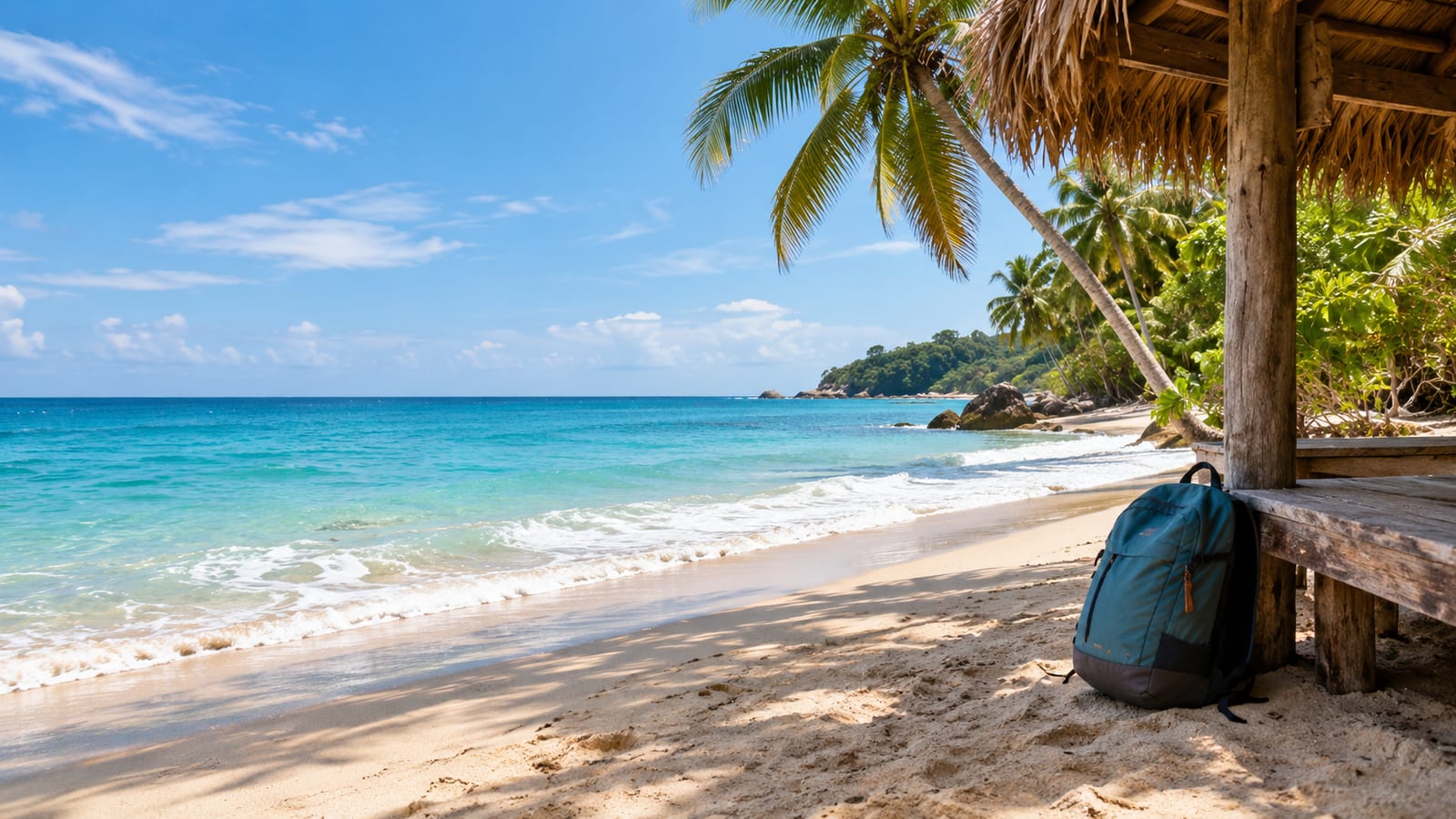
Pick the coast that's in its dry season and stop trying to beat the weather everywhere at once. Sri Lanka gets two monsoons. The southwest one soaks the west and south coasts through the middle of the year, while the northeast one hits the east and north toward the end of the year.
| Region | Drier months (roughly) | Wetter months (roughly) | Best for |
|---|---|---|---|
| West and south coast (Colombo, Galle, Mirissa) | December to March | May to September | Beaches, Galle Fort, whale watching |
| East coast (Trincomalee, Arugam Bay) | May to September | November to January | Calm seas, surfing at Arugam Bay |
| North (Jaffna) | February to September | October to December | Tamil food and culture, few crowds |
| Cultural triangle (Sigiriya, Dambulla, Polonnaruwa) | February to September | October to January | Ruins, cave temples, rock climbs |
| Hill country (Kandy, Ella, Nuwara Eliya) | January to April | Rain possible year-round | Tea estates, hikes, cool nights |
These months are rough guides, and the edges blur. The gaps between monsoons, around April and October, often bring heavy afternoon storms across the whole island.
When it rains in the hill country, it usually comes after lunch. So I'd do hikes like Little Adam's Peak in the morning light and save the tea factory visit or a long lunch for the afternoon.
A wet season doesn't mean every day is lost. The bigger problem is the sea. Off-season coasts get rough water and strong currents, and some beach guesthouses close for months.
How do you get around Sri Lanka?
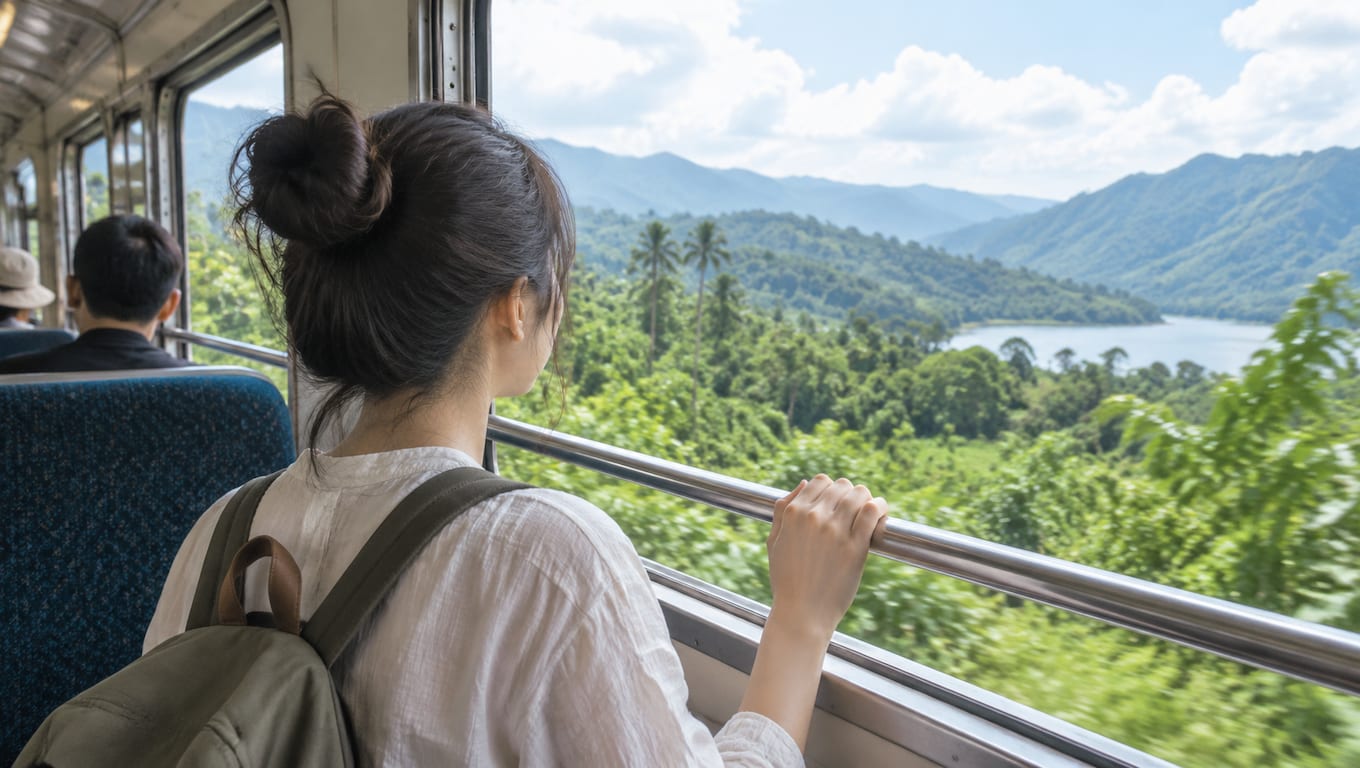
Use trains for the scenery, buses for the budget, and tuk-tuks for short hops. Most routes mix all three, and none of them are fast.
The hill country train
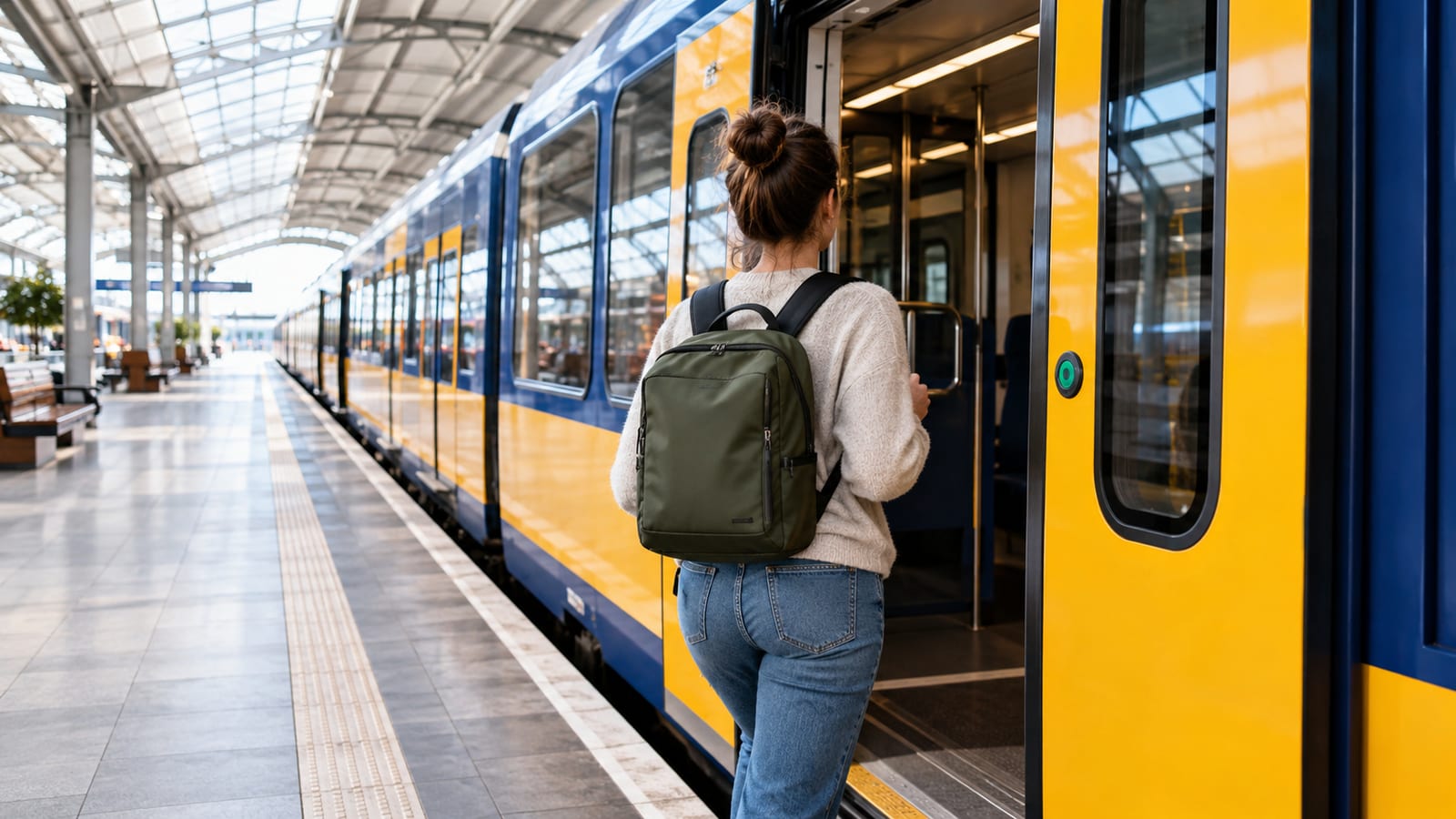
The ride between Kandy and Ella climbs through tea estates and misty valleys, and it's worth it. Reserved seats sell out early in peak season, so book as soon as your dates are fixed. If they're gone, unreserved tickets are sold at the station on the day.
Unreserved carriages get packed. Arrive early, keep your bag small, and expect to stand for part of the ride.
The photos of people hanging out of open doors look fun. However, trains lurch on curves and people do get hurt, so hold on and pull your head in near tunnels and bridges.
Buses
Buses go almost everywhere and cost very little. They're also driven hard, with loud music and constant horns. The front seats are kept for monks and pregnant women, so leave them free.
A big backpack is a real problem on a full bus. That's one more reason to travel light.
Tuk-tuks and drivers
Agree on the fare before you get in. In Colombo and Kandy, ride-hailing apps show the price up front, which takes the haggling out of it. Elsewhere, ask your guesthouse what a fair fare is before you walk out to the road.
Many visitors hire a car with a driver for part of the trip. It's comfortable and saves time on awkward routes, but expect commission stops at spice gardens and gem shops. Tell your driver on day one that you'd like to skip them.
Self-driving needs extra paperwork to be legal. Besides, Sri Lankan roads are not the place to learn local driving habits.
A first route that leaves room to breathe
For a trip in the drier months on the west and south, here's the route I'd take in two weeks:
- Negombo, 1 night. It's close to the airport, so you land without a long transfer.
- Sigiriya, 3 nights. Use it as a base for the Dambulla cave temples and the Polonnaruwa ruins.
- Kandy, 2 nights. See the Temple of the Tooth, then catch the train.
- Ella, 3 nights. Hike in the mornings and do very little in the afternoons.
- South coast, 4 nights. Split it between Galle Fort and a quieter beach.
Climb Sigiriya right at opening, before the heat and the tour buses arrive. The foreigner entry fee is steep, though. Pidurangala rock next door costs far less, gives you a view of Sigiriya itself, and ends in a short scramble over boulders.
Ella has turned into a busy backpacker strip. It's still worth it for the hikes, but I'd sleep on a quiet street a little out of the center.
Galle Fort is small enough to explore on foot, with everything in walking distance. Grab a coffee early, when the ramparts catch the first light and the day-trippers haven't arrived. Mirissa is lively and crowded, while Tangalle, further east, suits you better if you want to slow down.
You won't see everything, and trying to will cost you the good parts. It helps to set trip expectations around what you control before you start cutting stops.
Money, cash, and the tourist price
Carry cash. Cards work at most hotels and bigger restaurants, but tuk-tuks, buses, small guesthouses, and lunch counters run on Sri Lankan rupees. ATMs are easy to find in towns and scarcer in villages and near some national parks.
Break big notes whenever you can, at supermarkets or when you settle a hotel bill. Drivers often say they have no change for large notes, and as a result you end up overpaying.
Foreigners pay much more than locals at major sites like Sigiriya, the Temple of the Tooth, and the national parks. That's a real cost to plan for, because a few big entry fees eat a surprising share of a daily budget. My basic budget travel tips cover the habits that save the most on everything else.
Many restaurants add a service charge to the bill. Small tips for drivers, guides, and guesthouse staff are still welcome on top.
Temple manners and what to wear
Cover your shoulders and knees at any temple, and carry a light sarong or scarf so you're never caught out. Shoes and hats come off at the entrance. Stone and sand get scorching by midday, so visit in the morning or wear socks where they're allowed.
Never pose with your back to a Buddha statue, and don't touch or climb on statues. Visible Buddha tattoos are taken seriously here, and tourists have been refused entry or deported over them. Keep them covered for the whole trip.
A few small details smooth daily life. Eat, pay, and hand things over with your right hand. The head wobble usually means yes or okay.
Full moon days, called Poya, are public holidays. Alcohol sales stop, so buy ahead if a sunset beer matters to you.
Staying safe without the drama
Sri Lanka is a calm country to travel, and the real risks are ordinary ones: traffic, the sea, and small scams. Save two numbers before you land. The Police Emergency Service is 112, and for an ambulance you call 1990 Suwa Seriya, the free island-wide service, which averages a little over 15 minutes to reach people.
Most scams follow one script. A friendly tuk-tuk driver says your guesthouse has closed, or there's a special elephant festival today only. The ride ends at a gem shop or a hotel that pays him a cut, so smile, say no thanks, and keep walking.
The same tricks turn up across Asia. My guide to money, safety, and scams in Southeast Asia covers how to spot them early.
Solo women do report staring and occasional groping on crowded buses. Loose clothes that cover your shoulders help, and so does sitting next to another woman when you can. If someone crowds you, a firm, loud no tends to work.
At the beach, swim where locals swim and respect red flags, because rip currents are strong. Monkeys at cave temples will grab food straight from your hands, so keep snacks zipped away. Finally, get travel insurance that covers medical evacuation.
Eating well and drinking safely
Lunch is the big meal, and rice and curry is the thing to order. You get a mound of rice with several small curries, usually the cheapest good meal in town. Go before mid-afternoon, since the best counters sell out.
At night, follow the clatter of kottu, chopped flatbread fried on a hot plate with metal blades. Hoppers, crispy bowl-shaped pancakes often with an egg cracked in, are worth making room for at breakfast. Ask for less spicy if you need it, because "medium" here runs hot.
Here's a small detail that confuses first-timers. In many cafés, a plate of rolls and patties lands on your table unasked. You only pay for what you eat.
Skip the tap water. Drink bottled or filtered water instead, and refill your own bottle wherever a guesthouse offers it.
Where to start today
Open the official ETA site, check your passport's expiry date, and apply. Then hold your dates up against the monsoon table and pick your coast. Everything else, from train seats to temple sarongs, follows from those two choices, so trust yourself with the rest.
FAQ
Can I extend my stay past the ETA?
Usually, yes. Extensions go through the Department of Immigration and Emigration in Colombo, and you should apply well before your permit runs out. Requirements change, so confirm on the official site before you go in.
Should I buy a local SIM card?
Yes. Kiosks in the airport arrivals hall sell tourist SIMs with plenty of data, and coverage is good in towns and along main routes. Bring an unlocked phone, because data makes maps, ride-hailing, and train bookings much easier.
When can you climb Adam's Peak?
The pilgrimage season runs roughly from December to May. During those months the path is lit, tea stalls stay open overnight, and most people start in the early hours to reach the summit for sunrise. Avoid weekends and full moon days if you can, since the queue near the top can stall for a long time.
Is whale watching from Mirissa worth it?
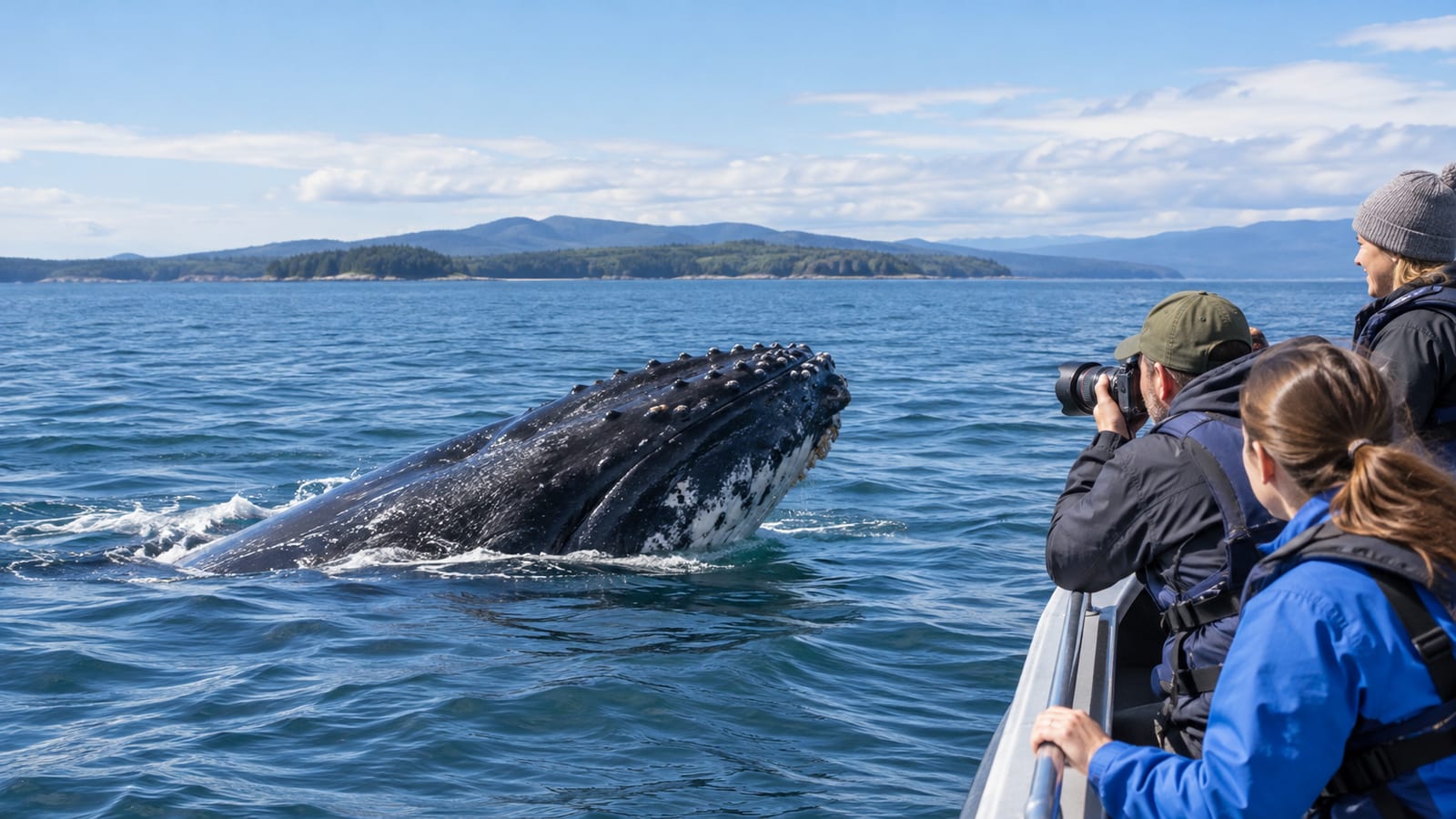
It can be, but go in with clear eyes. Boats tend to bunch around a whale once someone spots it, and the swell can be rough. Take seasickness tablets before you board, and pick an operator who talks about keeping a distance from the animals.