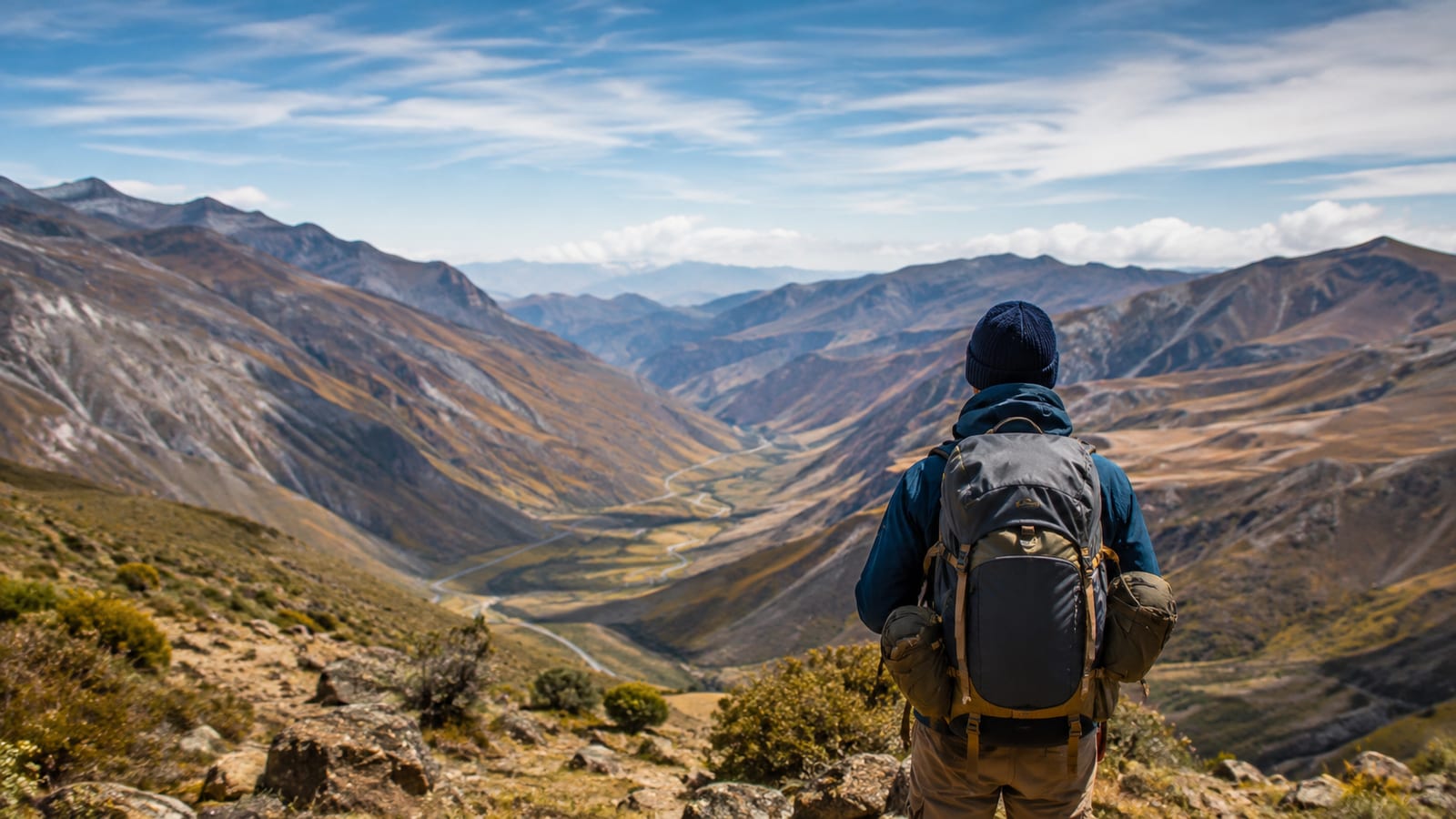
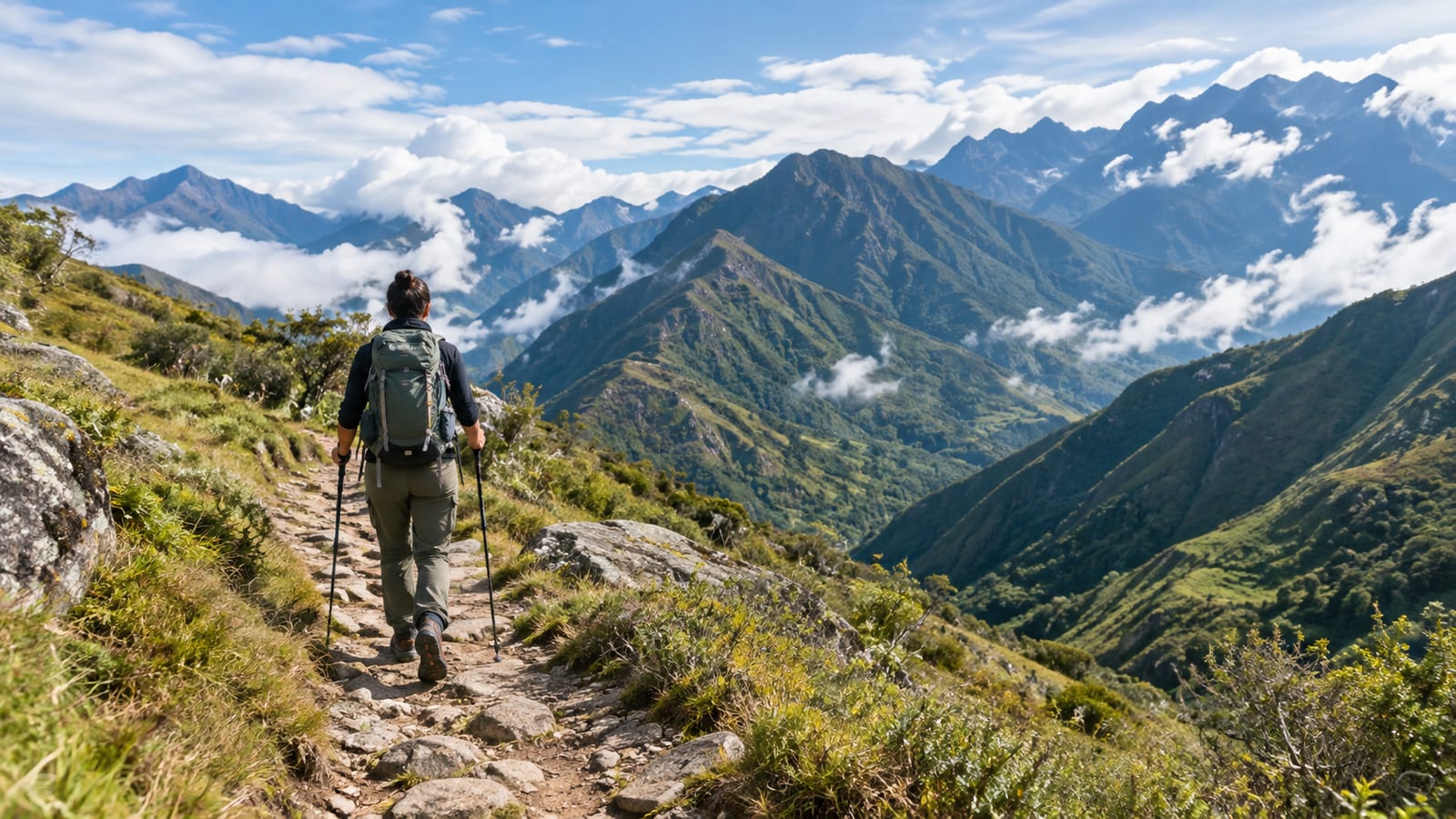
Late April through May is the best time to hike Machu Picchu, and I'd pick it over the famous dry months every time. The rains are fading, the Inca Trail's stone steps are drying out, and the hills are still green. You also slip in before the June-to-August crowds. If you can only choose one month, choose May, and secure your trail permit before you book a single flight.
When is the best time to hike Machu Picchu?
May is my pick, with the second half of April a close runner-up. That stretch sits right where the wet season hands over to the dry one. Machu Picchu's dry season runs roughly May to October, and some count April in it too. So late April is the turning point, and the turning point is where the good weeks are.
Here is why that matters on foot. Most of the mud on the old stone steps has dried, but the valleys haven't yet faded to the dusty brown of late dry season. Morning cloud still drifts through the passes, which makes your first view from the Sun Gate feel earned. The Sun Gate is the stone gateway where the trail first looks down on the ruins.
April and May also count as shoulder season, the in-between months when crowds ease. As a result, the camps and the citadel feel looser than they will a month later.
Compare that with the other options. June through August are drier still, but they bring peak crowds, the coldest camps, and the hardest permits to get. Meanwhile, January and February carry the heaviest rains, and the Classic Inca Trail closes entirely in February. Late April to May avoids the worst of both.
Dry season versus rainy season on the trail
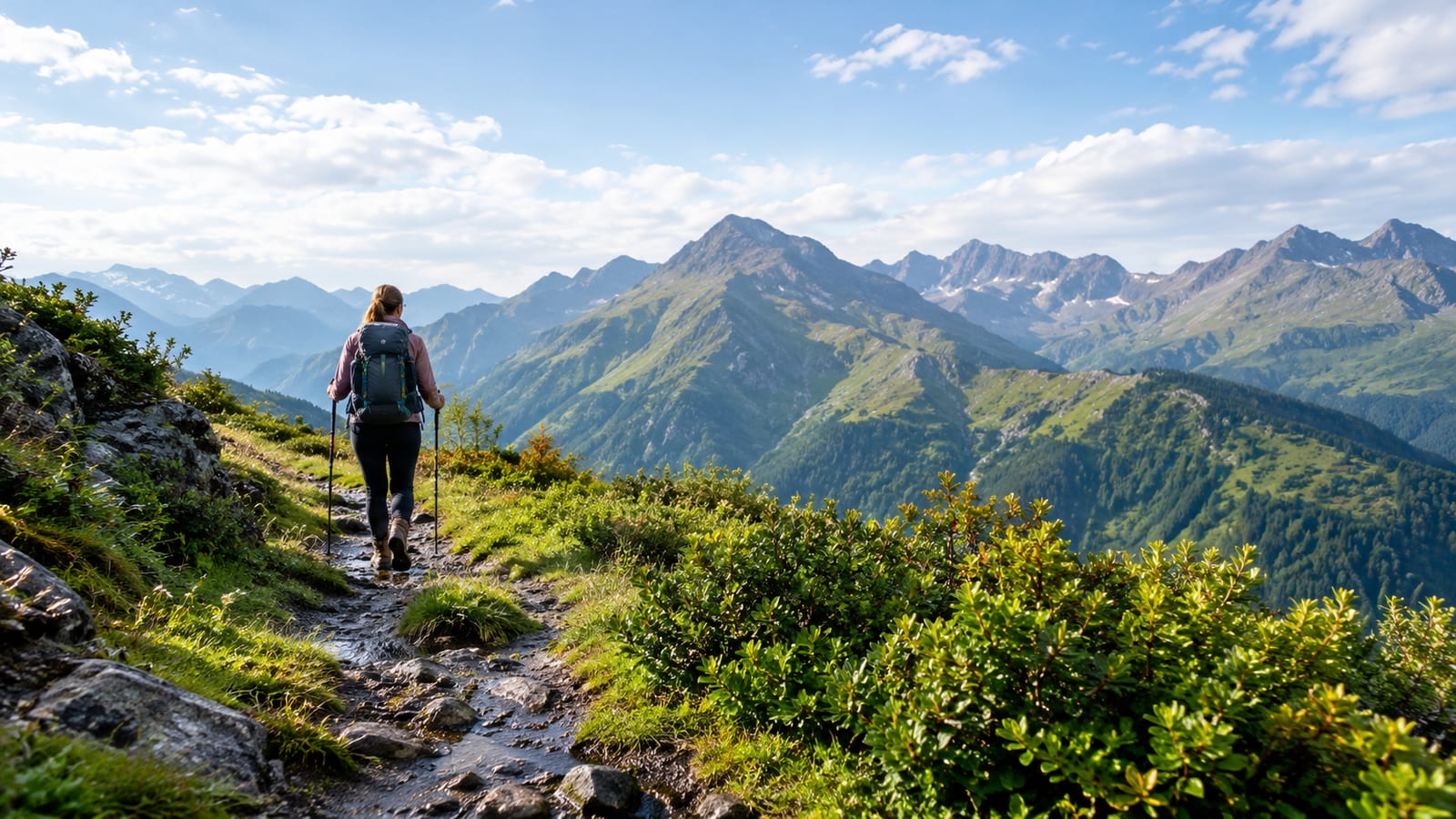
Most routes are open in both seasons. What changes is your footing, your views, and how cold you get at night.
In Machu Picchu's dry season, roughly May to October, days are steadier and skies are clearer. Footing on the Inca stonework is reliable, and you can actually see the ridges you're climbing toward. The trade is cold. Clear skies at altitude let the day's heat escape, so mid-year nights at the high camps can drop to near freezing.
Daytime flips that around. The sun is strong at this height, so you'll often start in a fleece and be down to a T-shirt by mid-morning.
The rainy season covers the southern summer, with the heaviest rain in January and February. Steps turn slick, small streams cross the path, and cloud can sit on the ruins for hours. Still, nights are milder and the forest is at its greenest. December and January stand out for intensely green landscapes, if you can live with being damp for days.
If you've ever weighed a green season somewhere else, like the rainy months covered in the best time to visit Costa Rica guide, the trade is similar. You get fewer people and more color, and you pay for it with wetter boots.
Match the month to the kind of hiker you are
No single month suits everyone, so here is how I'd sort it:
- You want the surest dry weather: June to August. These are the most dependable weeks of the year. Expect cold nights, busy trails, and permits that sell out first.
- You want space and mostly dry days: late April, May, or September. You get good footing with fewer people around you at camp.
- You want quiet and can take some rain: October to November. The chance of an afternoon shower grows week by week. However, the trail thins out and the hills turn green again.
- You want the greenest scenery and don't mind rain: December or January. Pack for wet days, and remember the classic route shuts in February.
If money is the tight part, the quieter months help. Tour departures and rooms in Cusco and Aguas Calientes, the small town at the foot of the ruins, tend to be easier to find once peak season ends. Sometimes they're cheaper too. Just weigh that against extra rain gear and a little more patience.
Month-by-month conditions
Here is how each month stacks up for hiking Machu Picchu, with my call on each.
| Month | Rain risk | Crowds | Trail feel | My call |
|---|---|---|---|---|
| January | Heavy | Quieter | Slick steps, thick green, lots of cloud | Only for rain-tolerant green lovers |
| February | Heaviest | Quieter | Classic Inca Trail closed | Skip it for the classic route |
| March | High, easing late | Quieter | Muddy, very green | Skip it unless your dates are fixed |
| April | Easing | Shoulder | Drying out, still green | Worth it, especially late April |
| May | Low | Shoulder | Dry footing, green hills | My top pick |
| June | Very low | Peak | Dry days, cold nights | Worth it if you book early |
| July | Very low | Peak | Driest days, coldest camps | Worth it for the surest weather |
| August | Low | Peak | Dry and dusty | Worth it, but expect company |
| September | Low | Shoulder | Dry, crowds thinning | A strong second choice |
| October | Rising | Shoulder | Afternoon showers creep in | Good bet for quieter trails |
| November | Moderate to high | Quieter | Wetter week by week | Worth it with a good rain shell |
| December | High | Quieter | Lush, often cloudy | For green lovers who pack well |
Read the table as odds. Andean weather shifts from year to year, and a dry May can still throw a wet afternoon at you. The citadel also sits lower and warmer than the trail's high passes, so one forecast won't cover the whole hike.
June to August bring the best weather and the biggest crowds
Peak season is peak for a reason, and the reason is weather. June, July and August are the driest, most dependable weeks of the year. Long runs of clear mornings mean wide views from the passes.
The cost is people. Inca Trail permits for these months go first, and trains from Ollantaytambo in the Sacred Valley fill up. Aguas Calientes gets busy every evening. Machu Picchu itself takes in between 4,500 and 5,600 daily visitors, and in July the terraces can feel like every one of them rode up on your bus.
Then there's the cold. These are winter months in the Southern Hemisphere, so the higher camps can frost over before dawn. A thin sleeping bag will keep you awake all night, while a good one changes the whole trip.
Peak season is still worth it if those are your only free weeks. Book far ahead, bring or rent a warm bag, and accept that you'll share the Sun Gate at sunrise.
Shoulder season is the smart compromise
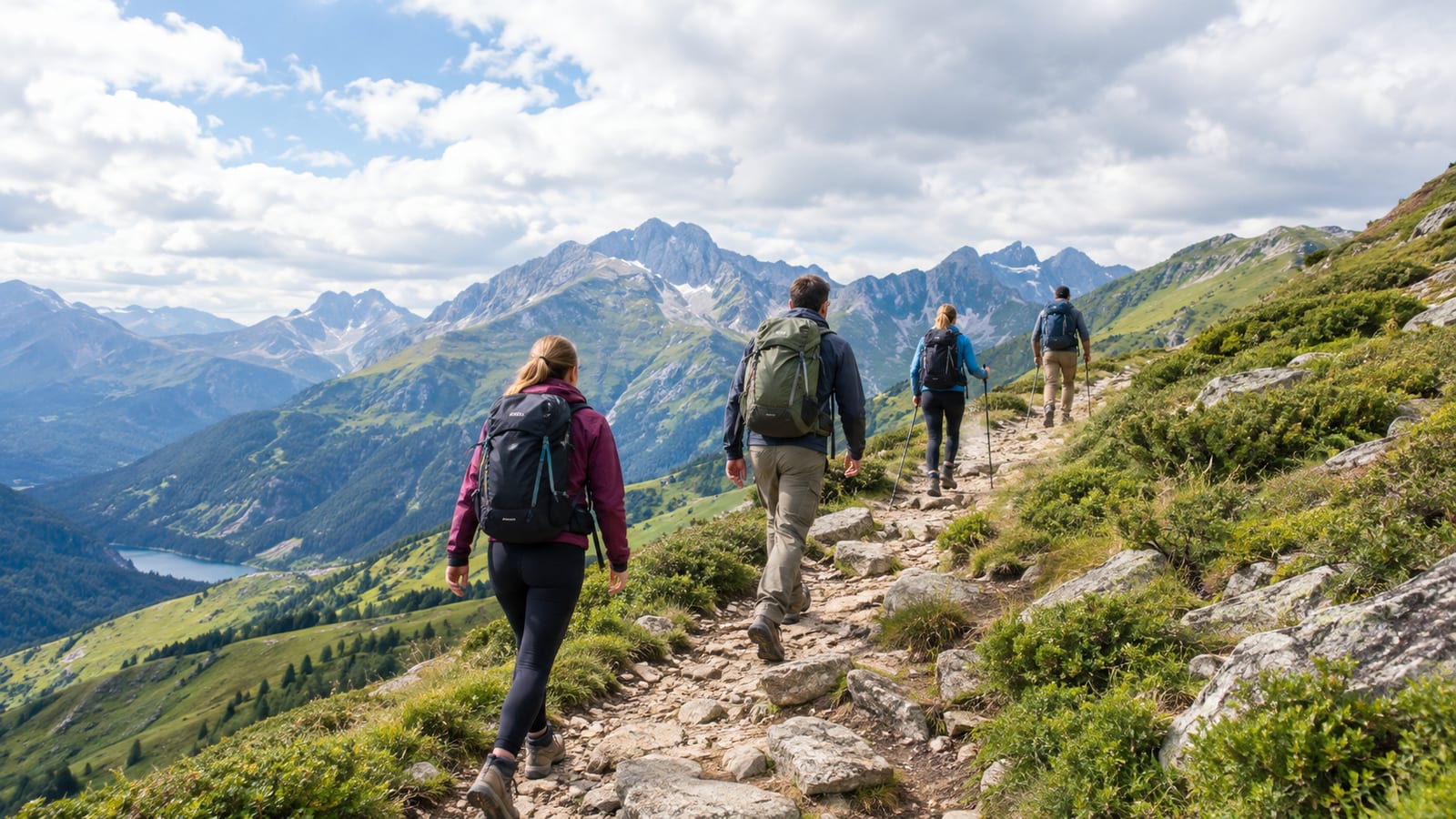
April, May, September and October make up shoulder season. Each one trades a little differently, so here's how they compare.
April is the month the rains leave, though not always on schedule. Early April can still be soggy, while the second half is usually kinder. May is the sweet spot: a drying trail, green slopes, and room to breathe at camp.
September mirrors May from the other side of the dry season. The trail is dry, nights start to soften as spring comes on, and the August crowds thin out. October is the last shoulder month and still officially dry season, but afternoon showers begin to creep in.
November sits just outside the usual shoulder label. Rain comes more often, yet the camps get quieter and the hillsides start greening again. If you're fine hiking the last stretch of the day in a rain shell, it's a good month.
The same logic holds in other mountain ranges, as the guide to the best time to visit the Alps shows: the edges of a season usually give you the best mix. Here is what I do when I pick a shoulder month. I decide how many wet afternoons I'll trade for an emptier trail, then book the month that matches.
What the Inca Trail asks of you
The classic route is a multi-day trek through cloud forest and over high passes, ending at the Sun Gate above the citadel. It's hard, but people of ordinary fitness finish it all the time. The trick is pacing.
Altitude is the real test. Cusco, where most trips start, sits well above Machu Picchu itself, so spend a few days there or in the Sacred Valley before you set off. The big climb comes on day two at Dead Woman's Pass, the highest point on the trail. Go slowly, drink plenty of water, and turn back if headaches or dizziness get worse.
The stone stairs are the other story. They're tall, uneven, and polished smooth by centuries of feet. In the wet months they turn slick, and the long descent on day three is where knees and ankles complain.
Cloud is part of the deal in every season. You may reach the Sun Gate and see nothing but white. Give it an hour, because morning cloud often lifts as the sun climbs.
February is closed on the Classic Inca Trail
The Classic Inca Trail closes every February for annual maintenance. Crews repair steps, clear slides, and let the path rest during the heaviest rains of the year. The shorter routes on the same trail network usually close with it, so don't plan any Inca Trail hike for February.
Machu Picchu itself stays open. You can still take the train to Aguas Calientes and ride the bus up to the citadel. February only rules out walking in on the classic route.
If you're set on hiking in February, look at the Salkantay or Lares treks. Both sit outside the Inca Trail permit system and often run year-round, but they depend on conditions. Expect rain, deep mud, and the odd landslide. Choose an operator who will change plans when the trail isn't safe.
Book the permit before you build the rest of the trip
Getting the order wrong is the most common way this trip falls apart. Here is the order I'd follow:
- Pick your window, plus a backup week in case your first choice is gone.
- Choose a licensed tour operator. Inca Trail permits are only sold through them, and you can't hike the classic route on your own.
- Send your passport details exactly as they appear. Permits are tied to your name and passport number, and changes after booking are hard. If you renew your passport later, carry both.
- Book flights to Cusco once the permit is confirmed.
- Add hotels, train seats and spare days last.
Before you pay anyone, check dates and entry rules on Peru's official Machu Picchu ticket site. That way you know what's actually available rather than what a sales page claims.
How far ahead should you book a Machu Picchu hike?
Book the classic Inca Trail as soon as your dates are firm. Permit availability, not hotel availability, sets your itinerary, and the trail runs out long before Cusco's rooms do.
For June to August, treat the permit as the first thing you buy, months ahead. Shoulder months give you a little more slack, but late bookers still lose the dates they wanted. In the rainy months you'll usually have more choice, apart from the February closure.
Huayna Picchu, the peak in the classic postcard shot of the ruins, follows the same pattern. Plan on booking it about three months ahead in shoulder months and six months ahead in peak season.
Salkantay and Lares are more forgiving because they skip the Inca Trail permit system. Shorter notice often works there, though popular weeks still fill.
Pack for the season you'll actually get
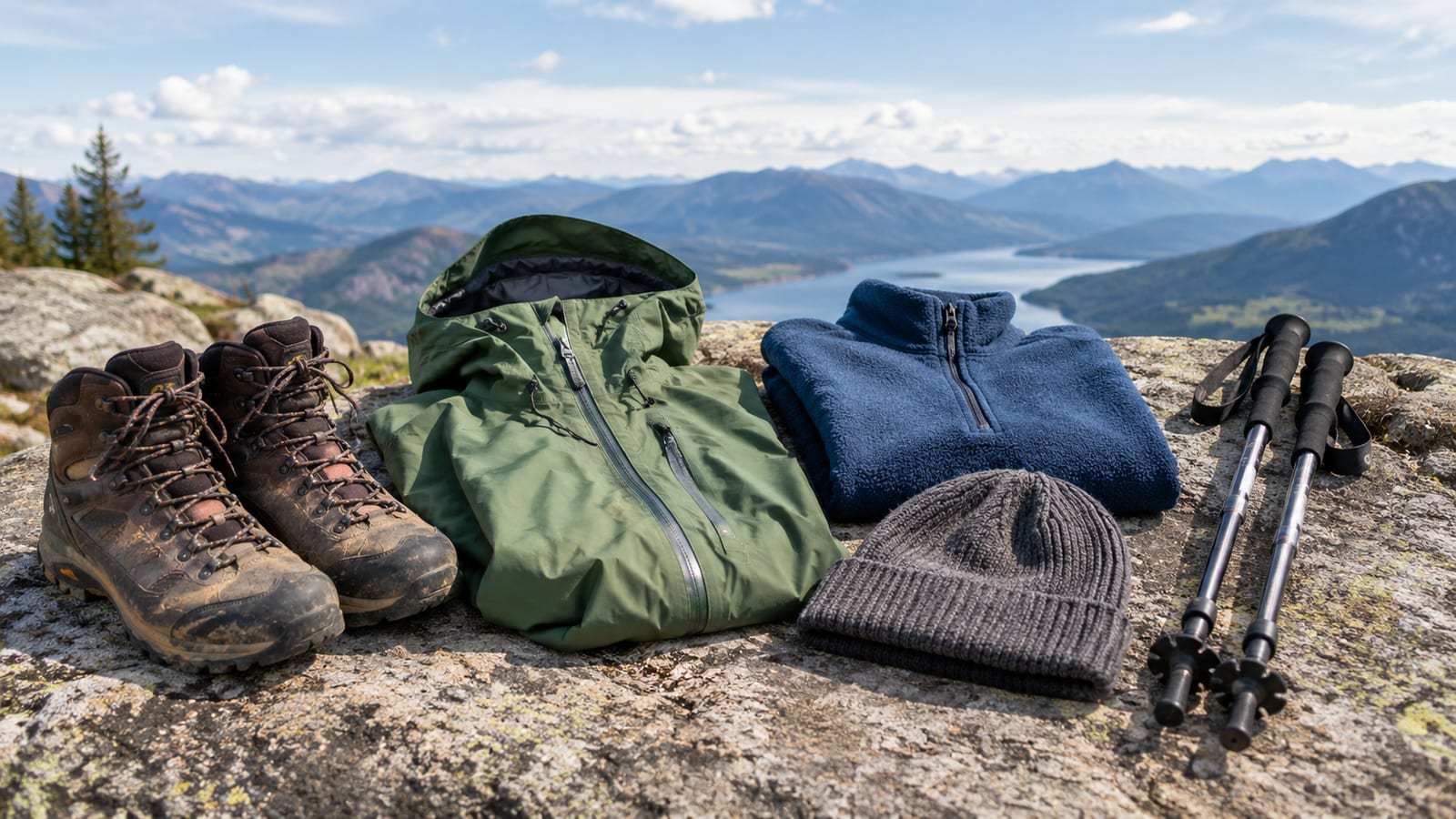
Your month shapes your bag more than anything else. Here is the core list, with seasonal notes:
- A warm sleeping bag, rated for freezing nights if you're going June to August
- A real rain shell and pack cover in every month, plus a dry bag for your sleeping bag
- Broken-in boots with good grip on wet stone
- Trekking poles with rubber tips, since bare metal tips aren't allowed on the trail
- Layers: a base layer, a fleece, and a light puffy jacket
- Sun hat, sunglasses and high-SPF sunscreen for the strong mountain sun
- Insect repellent for the cloud forest and the citadel
- A refillable water bottle, and a few slow days in Cusco to adjust to the height
In the wet months, add extra dry socks and line your pack with bags. In the dry months, the cold catches people out more than the sun does, so don't skimp on the sleeping bag.
Choose your date, then leave room for the mountains
My decision rule is simple. May is the best time to hike Machu Picchu if you can get it. Take late April or September if May is full, June to August if those are your only weeks, and October or November if quiet matters more than dry. Leave February off the list for the classic route.
Then build in slack. Arrive in Cusco a few days before your trek, so the altitude settles and a delayed flight can't eat your permit date. Keep a spare day after the hike too, because trains and mountain weather don't always run on time.
Here is your first step today: pick your two best weeks, then email a licensed operator and ask whether permits are still open for them. Everything else in the trip can wait for that answer.
FAQ
Is Huayna Picchu worth adding to the hike?
Yes, if you're steady with heights and you get a clear morning. The mountain rises north of the citadel on the left bank of the Urubamba Canyon and tops out at 2,720 meters. The steps near the summit are narrow and exposed, so skip it if big drops make you freeze.
What time of day is best at the citadel?
Early, and then stay a while. Trail hikers usually walk in through the Sun Gate around sunrise. If you're coming up from Aguas Calientes instead, the first buses leave at 5:30 a.m. and run every five minutes until late afternoon. The ruins often look completely different by late morning, so don't rush off after your first photo.
Can I do the Inca Trail as a solo traveler?
Yes, and plenty of people do. You'll join a group departure with a guide, porters and shared meals, which takes care of the lonely-evening problem. Ask before booking whether you'll share a tent with another solo hiker or pay extra for your own.
Is the weather the same in Cusco and at Machu Picchu?
No. Cusco is higher, drier and colder, especially after dark. The citadel sits on the edge of the cloud forest, so it feels warmer and more humid, and showers there can roll in on a day when Cusco stays clear.