
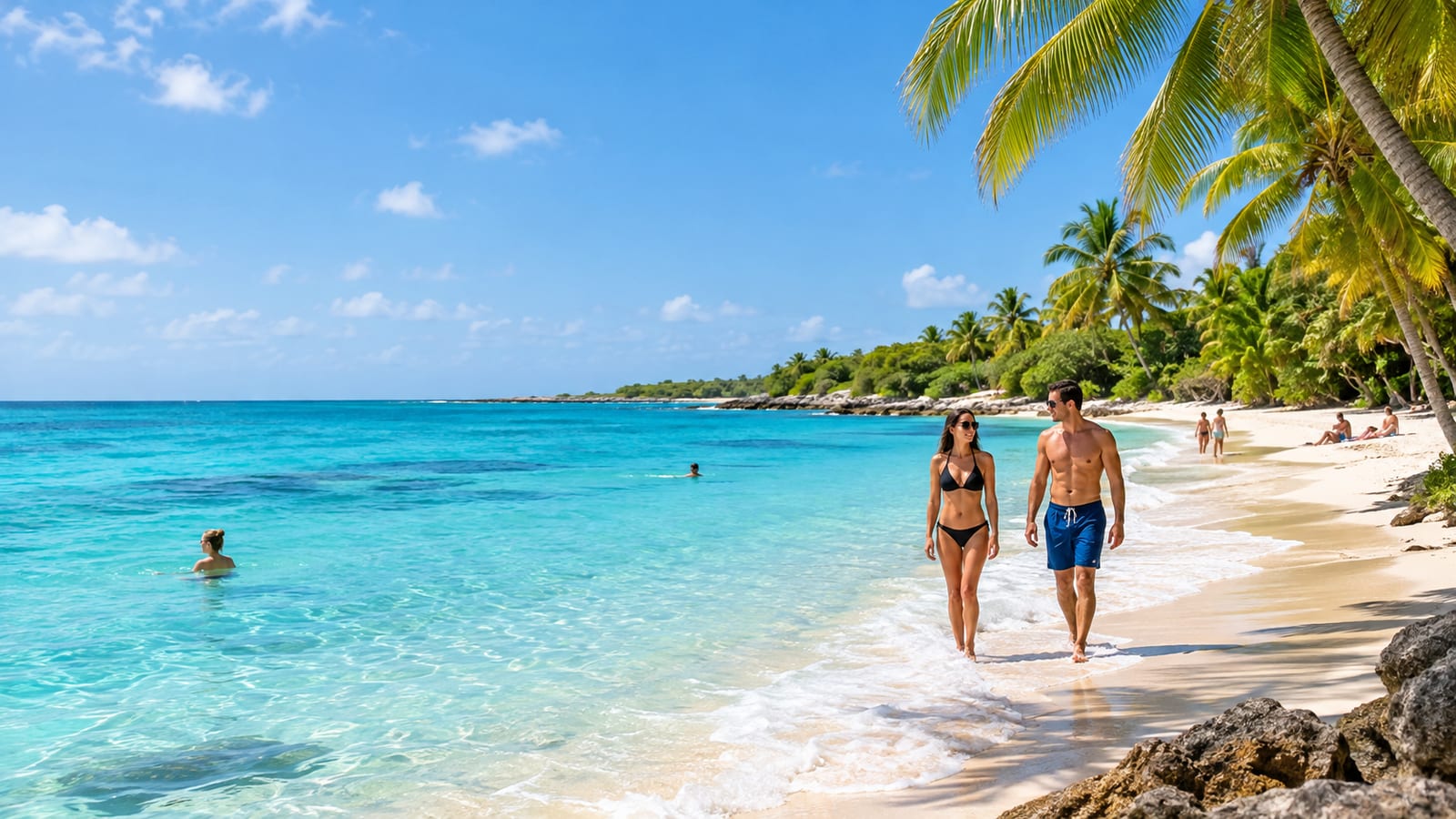
The best time to visit Puerto Rico is winter, right after the holiday rush, and it’s the window I’d pick for most trips. The weather is drier, the sea stays warm, and hurricane season is still months away. You’ll still pay high-season rates, but you’re buying a better chance of beach days and fewer weather problems. If cost matters more, go in late spring, before the summer heat sets in.
When is the best time to visit Puerto Rico?
The rest of winter, once the holiday season wraps up in January, gives you the strongest mix of sunshine, warm water, and reliable travel days. January is still around 75 degrees most days, which feels especially good if you’re arriving from somewhere cold.
However, this isn’t a quiet bargain period. Hotels and flights remain busy because the weather is good. Book early, then leave room for a beach day or a slow afternoon on foot.
The trade-offs are plain:
| Travel window | Best for | Main trade-off | My verdict |
|---|---|---|---|
| Winter, after the holidays | Beaches, sightseeing, dependable weather | High-season rates and steady demand | Book this first |
| Late spring, before June | Lower prices and fewer crowds | Warmer days and a growing chance of rain | Worth it for savings |
| Holiday season, Christmas through Three Kings Day | Holiday celebrations and festival energy | Higher prices and crowded streets | Worth it for culture |
| June through November | Travelers who can change plans easily | Heat, humidity, showers, and storm risk | Book only with flexibility |
If you want the easiest trip, go once the holidays are over and before winter ends. If you’d rather save money and can handle a shower, late spring is the smarter window.
Puerto Rico weather by season
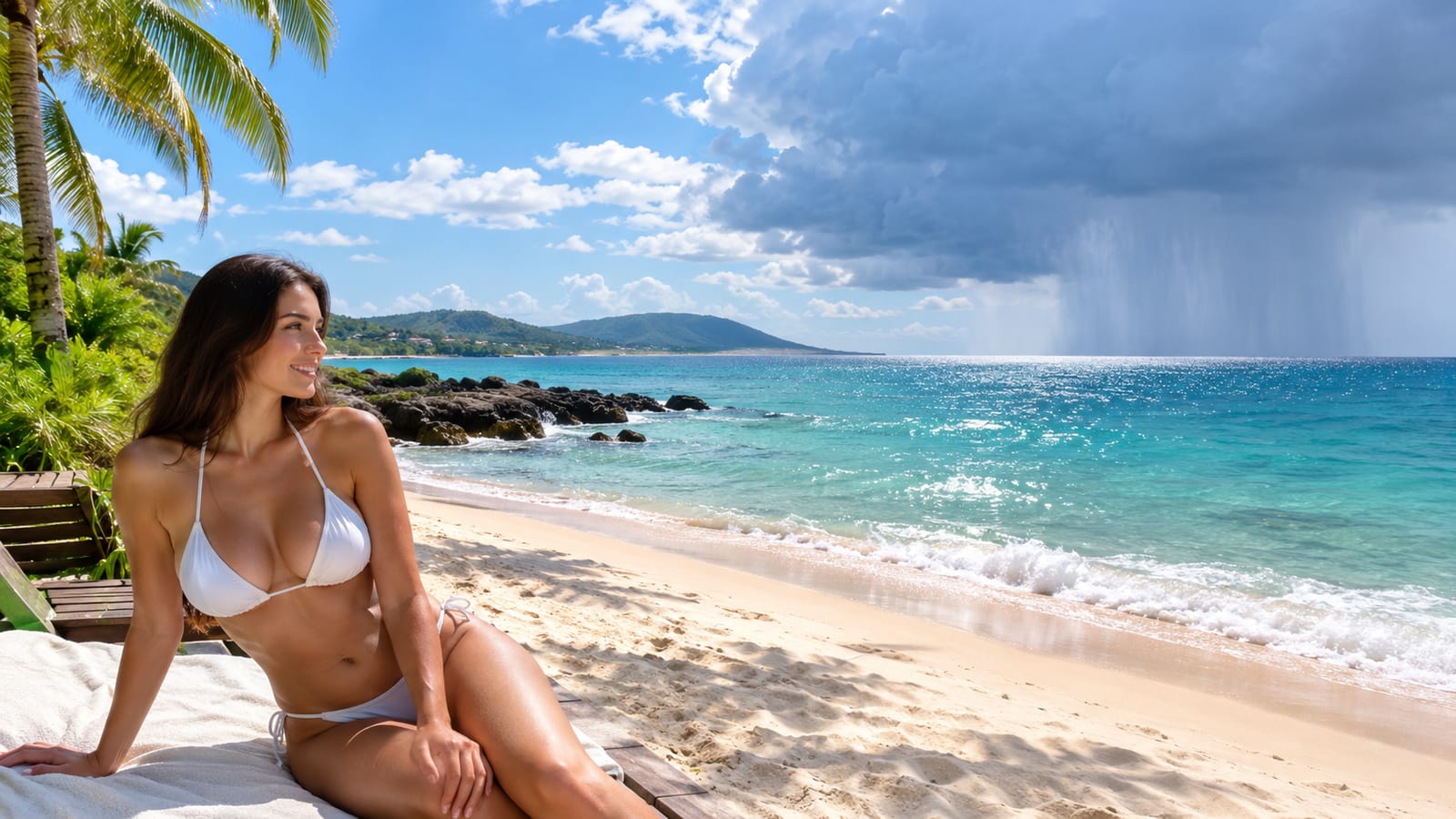
Puerto Rico stays warm all year, so cold weather isn’t the problem. Temperatures generally range from 70 to 90 degrees Fahrenheit. Rain, humidity, and storm risk will shape your trip far more than the number on the thermometer.
Through the rest of winter after the holidays, you can spend longer on the beach or wander San Juan without planning every afternoon around heat and showers. That’s the main thing your high-season rate buys.
By late spring, the days feel warmer. However, the weeks before June still give you a useful gap before wetter weather becomes harder to plan around. I’d choose this period for a mixed trip with San Juan, beaches, and a few day trips.
June and July are the hottest months. Short showers become more common, and an all-day outdoor plan starts to feel optimistic. Put the beach first, then keep the afternoon loose.
Late summer and early fall carry the most uncertainty. Rain is more frequent, and tropical systems can disrupt flights, ferries, roads, and hotel plans. A cheap room loses its appeal if your whole itinerary depends on fixed dates.
Beaches, swimming, and snorkeling
For beaches and snorkeling, dry-season travel is worth the extra cost. Winter after the holidays gives you a better chance of clear mornings, comfortable sand, and fewer washed-out boat plans.
Still, the coast matters. North-coast surf can be rougher during winter, even when the sky looks perfect. Check local beach warnings each morning and don’t treat calm-looking water as a promise.
Flamenco Beach on Culebra is one of Puerto Rico’s best-known beaches. Reaching Culebra takes more planning than walking out of a San Juan hotel, so leave room for transport changes.
Luquillo Beach lies east of San Juan and suits an east-coast stay. Boquerón Beach in Cabo Rojo makes more sense if you’re based in the west or southwest. Trying to force both into one short trip means too much time in a car.
Vieques also rewards dry-season timing. Visibility is best during the dry season, including for evenings built around a bioluminescent bay kayak. For more ideas beyond the capital, map out the day trips from San Juan you care about before choosing your base.
Lower prices come with a weather trade
For lower prices, late spring is the window I’d book. Winter demand has eased, summer humidity hasn’t fully taken over, and hotel rates often soften.
You accept warmer afternoons and a higher chance of rain. That’s manageable if you keep an indoor plan ready and don’t prepay every hour of the trip.
Summer and fall can also bring cheaper airfare and rooms. However, the lowest rate may come with strict cancellation terms. Read those terms before paying, especially if your plans include ferries, small-island stays, or prepaid tours.
A flexible booking is often worth more than a small discount. During stormier weather, one system can change several parts of a trip at once.
When are Puerto Rico’s crowds lighter?
Late spring is the cleanest answer. The main winter rush has faded, while summer family travel hasn’t fully built up.
You may also find quieter stretches later in the year. However, the weather trade gets harder to ignore as summer moves toward fall.
Don’t judge the whole island by San Juan. A festival weekend can fill Old San Juan while a beach town elsewhere feels calm. Meanwhile, Culebra and Vieques can feel busy with far fewer visitors because rooms and transport are limited.
School breaks and major holidays also matter. If you want space, skip Christmas through New Year and check local event dates before booking central San Juan.
Hurricane season requires flexible bookings
Atlantic hurricane season runs roughly from June through November, and storm risk is highest in late summer and early fall. Even without a direct hit, rough weather can affect flights, ferries, roads, power, and tours.
Conditions like Hurricane Maria are rare, but the consequences are serious. This is the point where a flexible ticket matters more than a cheap one.
Before booking, check the National Hurricane Center and buy travel insurance that actually covers weather disruption. Some policies exclude named storms once they’ve formed, so buying insurance after a warning appears may be too late.
Here is what I do with any storm-season trip: book changeable flights, avoid tightly connected reservations, and leave spare time before an important flight home. Also save your airline, hotel, and insurance details offline.
You don’t need to spend the whole trip watching forecasts. Check once in the morning, follow official guidance, and adjust early if conditions change.
Festivals can change the whole feel of a trip
The holiday season brings Puerto Rico’s strongest festival energy. Three Kings Day falls in January, and celebrations continue beyond the point when many visitors expect Christmas to be finished.
San Juan also hosts the San Sebastián Street Festival in January. It closes out the holiday season with packed streets and a much louder city than you’ll find on an ordinary winter week.
This period is worth it if culture matters more than quiet. Rooms cost more, restaurants fill, and central San Juan can feel crowded. Check the festival calendar before choosing a hotel room facing the street.
Spring has its own events. Carnaval Ponceño takes place in the period leading up to Ash Wednesday. In May, San Juan hosts a theater festival, while La Parguera holds a festival celebrating local pineapples.
Festival dates can shift, so confirm them before buying flights. If the event is your reason for going, arrive with enough room that a delayed flight won’t cost you the whole celebration.
Choose dates around your base
San Juan works well through winter and spring because you can switch plans without losing the day. If rain appears, trade the beach for a museum or a long lunch. Then try one of these peaceful nature walks in San Juan when the weather clears.
The north coast needs more attention to surf conditions during winter. A bright day can still bring rough water, so choose your beach using daily warnings rather than the picture you saw online.
Culebra and Vieques are better with spare time. Transport changes matter more on a small island, and a missed connection can eat much of the day. Dry-season trips reduce some weather risk, though they also bring more visitors.
El Yunque National Forest sits in Puerto Rico’s northeast region. It’s the only tropical rainforest within the national forest system, so rain is part of the place rather than a planning failure. Check the official El Yunque visitor information before leaving because access conditions can change.
The west coast suits travelers who want beaches, sunsets, and a slower base away from San Juan. It works best when you have a rental car and enough time to stay put instead of crossing the island every day.
Which months make Puerto Rico harder?
Christmas through New Year is the first period I’d skip if you want a simple, affordable trip. Flights and rooms are in demand, holiday crowds are heavier, and you pay a holiday premium on almost everything.
Late summer through early fall is the other difficult stretch. Heat and humidity are stronger, showers are frequent, and storm uncertainty can affect a trip that never sees a direct hit.
June and July can work if summer holidays set your dates. Put outdoor plans early in the day and leave the afternoon loose. Grab a coffee, wait out a shower, then go back outside.
For a first solo visit, I wouldn’t choose the riskiest weather window to save a little money. Winter after the holidays costs more, but the trip is easier to manage.
A practical packing and booking checklist
Puerto Rico doesn’t require complicated packing. However, sun, rain, and mosquitoes can all show up during the same trip.
Pack these basics:
- A light rain jacket that folds small enough for your day bag
- A hat, sunglasses, and strong sun protection for exposed beach days
- Mosquito repellent for evenings and forest visits
- Shoes that won’t become useless on wet pavement
- A dry pouch for your phone and travel documents
- A light layer for cold air conditioning
Then sort the bookings that can cause trouble if left late:
- Reserve a rental car early if you plan to explore beyond San Juan
- Confirm transport before paying for accommodation on Culebra or Vieques
- Choose flexible flights and hotels during stormier months
- Keep one solid indoor option for each full day
- Download booking details and maps before you need them offline
If you’re still deciding between islands, this guide to the best Caribbean islands for different trips can help narrow the choice. Your first action is simple: pick the travel window, then check rooms before building the itinerary.
FAQ
Do US citizens need a passport for Puerto Rico?
Usually, no. US citizens traveling from another part of the United States generally don’t need a passport for Puerto Rico. You still need identification accepted by your airline and airport security, while travelers from other countries should check the rules tied to their citizenship.
Can you visit Puerto Rico without renting a car?
Yes, if you stay in San Juan and keep most plans nearby. A car earns its cost when you add El Yunque, the west coast, or beach towns beyond the capital. For a solo city break, I’d rent only on the days when public transport won’t do the job.
Should you book a Vieques bioluminescent bay tour early?
Yes, especially during the dry winter season. Space on small-island tours is limited, and darker nights usually give you a better view of the glow. Check the moon and weather before paying for a specific evening.
Is Puerto Rico a good first solo Caribbean trip?
Yes. San Juan gives you places where eating alone feels ordinary, plus organized day trips when you don’t want to sort out transport yourself. Choose a central base for the first nights, keep the schedule loose, and expand the trip once you know the ground.