New Zealand coffee is better judged by the cup than the café’s marketing. It’s espresso-led and milk-focused, with flat whites, long blacks, lattes, cappuccinos, short blacks, and some filter coffee on café menus. Start with a flat white for the local style, or choose a long black for black coffee. Good cafés steam milk carefully and take the cup seriously.
Last updated: 2026-07-30
I wouldn’t call New Zealand coffee the world’s best. That label doesn’t help you order breakfast. The useful difference is simpler: espresso is treated as an everyday skill, and cafés are places to meet, work, talk, or slow down.
What is coffee like in New Zealand?
New Zealand coffee is built around espresso drinks rather than large cups of drip coffee. Flat whites, long blacks, lattes, and cappuccinos are common orders, while filter coffee depends on the café.
People use “NZ coffee” to mean several things. It can mean beans roasted in New Zealand, the café culture, or the drinks served in local coffee shops. Coffee beans sold in New Zealand are generally grown overseas, so check the bag before assuming “New Zealand coffee” means locally grown beans.
The country’s café culture isn’t perfect. A polished brunch room can still serve a dull cup, while a plain bakery café can make a careful, balanced one. I pay more attention to the regulars, the barista, and the menu than to claims about awards.
Coffee can also mean the crop, the global market, or price movements. This guide sticks to the useful traveler question: what to order, where to look, and what tends to go wrong.
The flat white is the right first order
Start with a flat white if you want to understand the local style. It combines espresso with steamed milk and a thin layer of fine foam, so the coffee still tastes present.
A latte usually gives you more milk. A cappuccino has more foam. The flat white sits between them, with a smoother texture and a stronger coffee taste.
The exact origin of the drink is disputed between New Zealand and Australia. You don’t need to settle that argument before breakfast. Read the background on the flat white, then order one and judge the cup in front of you.
I use a flat white as a café test because milk shows mistakes quickly. If the foam is stiff, the milk tastes scorched, or the coffee disappears completely, the drink is out of balance. Recipes vary, so don’t treat the name as a strict measurement.
The downside is clear. If you don’t like milk in coffee, a flat white tells you very little about the beans. Order a long black instead.
How do you order a café drink in New Zealand?
Order the drink first, then add milk, temperature, and takeaway details only if you need them. You don’t need special slang, and you don’t need to copy the person ahead of you.
-
Choose a café with some regular trade. Look for people ordering without studying the menu. A short menu and a barista who can answer basic questions are good signs.
-
Name the drink clearly. Say “flat white,” “long black,” “latte,” or “short black.” Avoid asking for a “regular coffee,” because that can mean different things from one café to another.
-
Add your milk choice. Order “a flat white with oat milk” or “a latte with soy milk.” Standard dairy is usually the default, but alternative milk options vary.
-
Say whether you’re staying or taking it away. “Dine in” means you’ll drink it there. “Takeaway” means it will come in a cup to carry.
-
Ask one useful question if you’re unsure. Try, “What do you recommend for black coffee?” or “Do you have batch brew today?” A good barista will give you a direct answer.
-
Check the total and pay. Tipping isn’t required just because a payment screen asks. Choose the option you’re comfortable with and move on.
Your first move is simple: walk into a café, order a flat white, and pay attention to the milk texture. You’ll understand the local preference faster than you will from a long coffee menu.
The menu is easier once you know these names
Espresso is concentrated coffee made by forcing hot water through finely ground beans. Many New Zealand café drinks start with it.
| Order | What you’ll get | My call |
|---|---|---|
| Flat white | Espresso with steamed milk and fine foam | Start here |
| Long black | Espresso added to hot water | Best black order for most visitors |
| Short black | Straight espresso | Choose it only if you like concentrated coffee |
| Latte | Espresso with more steamed milk | Gentler and milkier |
| Cappuccino | Espresso with steamed milk and thicker foam | Good if texture matters to you |
| Americano | Espresso mixed with hot water | A familiar option, though cafés prepare it differently |
| Batch brew or filter | Coffee brewed without the espresso machine | Ask for it when you want a cleaner, lighter cup |
A long black and an Americano can look similar, but the café may prepare them differently. A long black often keeps more of the espresso’s surface crema, while an Americano is usually mixed more freely with hot water.
Filter coffee isn’t impossible to find. It simply isn’t the default at every café. Ask before ordering if you don’t want an espresso-based drink.
Find a café by its regulars, not its ranking
The strongest sign is a café with returning customers, not a wall of awards. Watch what people order and whether the barista remembers them.
I look for a menu that explains the beans without turning coffee into a lecture. If the staff can tell you whether the roast suits milk or black coffee, that’s more useful than a dramatic tasting note.
Skip cafés that treat the machine as decoration. A large food menu, bright signs, and a busy entrance don’t guarantee a good cup. If the coffee tastes burnt or watery, the view won’t fix it.
A bakery café can be an excellent choice, especially in a smaller town. You may get a better morning from a busy local counter than from an expensive room designed for photographs.
Roaster names can help, but don’t turn them into a ranking contest. Established New Zealand roasters have different styles, and the right choice depends on whether you like darker blends, lighter roasts, milk drinks, or black coffee.
Wellington and Auckland need different plans
Wellington is easy to explore on foot because the central café areas sit close together. Cuba Street and Te Aro are useful starting points, with plenty of side streets to check when the main strip feels crowded.
The city’s downside is weather. A windy morning can make café hopping less pleasant, so choose one good indoor stop instead of forcing a long route. When it rains, a quiet table and a hot drink are a better plan than pretending the weather isn’t happening.
Auckland is more spread out. Pick one neighborhood, such as Ponsonby or the central city, and stay there for the morning. Trying to compare cafés across the whole city wastes time in traffic.
Smaller towns deserve a slower approach. Look near bakeries, markets, and local shopping streets rather than searching only for specialty cafés. The best cup may come from the place serving breakfast to people who live nearby.
For broader route planning, use New Zealand’s official tourism site and check each café’s current hours separately. Café schedules change, especially on weekends and public holidays.
The best cup depends on more than the roast
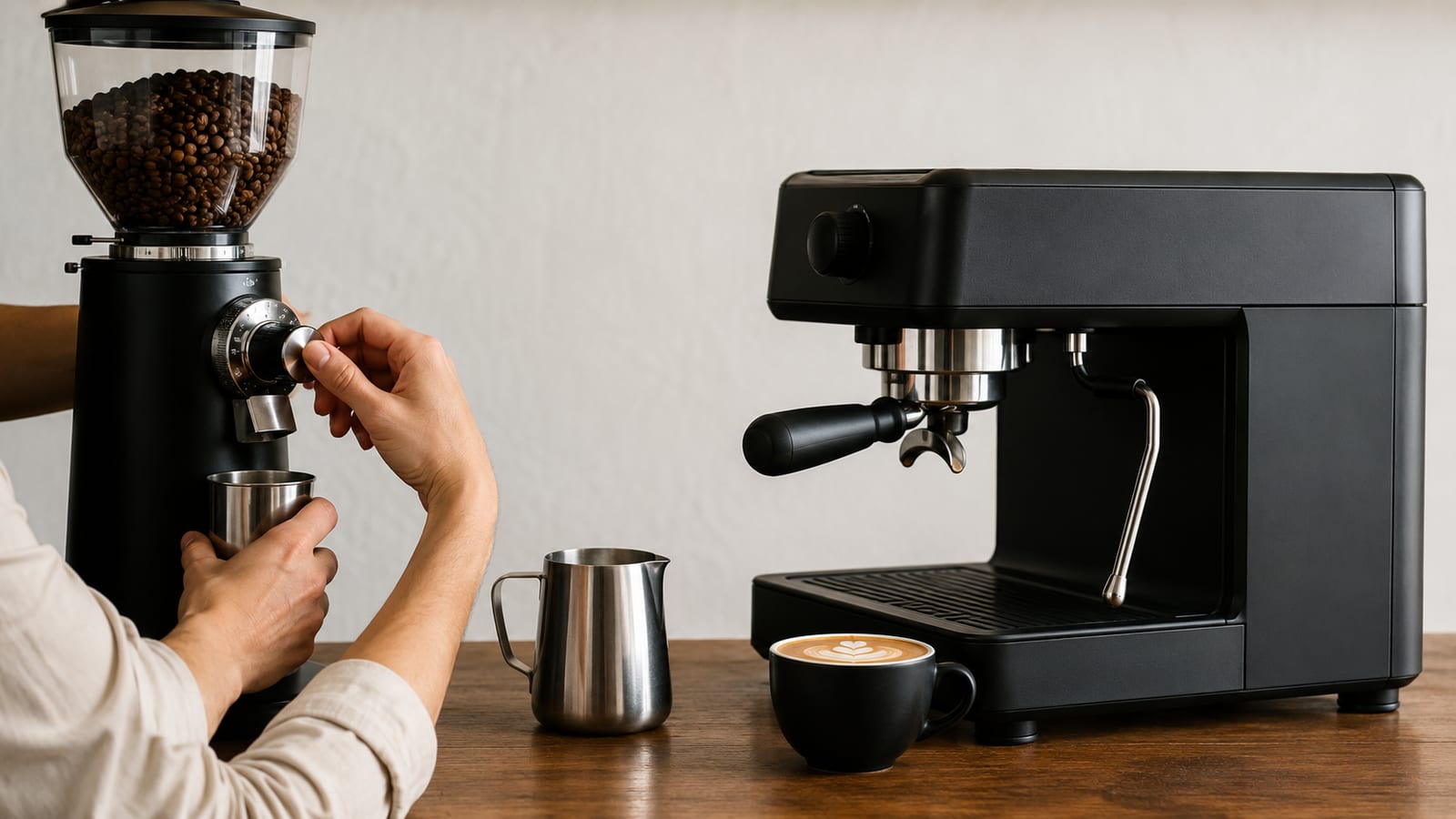
Beans matter, but the roast label isn’t the whole story. Water, grinding, extraction, and milk temperature can change the cup just as much.
A lighter roast can show more fruit or acidity. A darker roast can taste heavier and more roasted. Neither is automatically better. If you drink milk coffee, ask which beans the café uses for that purpose.
Water affects the final taste too. If the water tastes strongly of chlorine or minerals, the coffee may taste flat or harsh. Good cafés pay attention to their water because small details show up in a simple drink.
Milk needs care. The goal is smooth, glossy foam that blends into the espresso. Large bubbles and overheated milk make even good beans taste tired.
Don’t let a bag’s origin story make the decision for you. Ask how the café brews it and whether the beans suit your order. That answer is usually worth more than a long description on the wall.
New Zealand coffee doesn’t mean New Zealand-grown beans
Coffee sold in New Zealand often uses beans grown in other countries and roasted locally. The New Zealand part usually refers to the roaster, the café, and the way the drink is prepared.
Check the label if you’re buying beans to take home. Look for the growing region, roast information, and a suggested brewing method. If the label only says “New Zealand coffee,” you still don’t know where the beans came from.
This matters because visitors sometimes pay for a story instead of a useful bag of coffee. Buy the flavor you like, not the phrase that sounds most local.
Take the useful parts home
The easiest way to recreate a New Zealand café drink is to focus on the routine rather than expensive equipment.
Buy beans from a local roaster and ask what works best for milk drinks or black coffee. If you have a grinder, grind the beans shortly before brewing. If you don’t, buy a small amount and use it while it still smells fresh.
Keep the beans sealed away from heat, light, and moisture. Use clean water, rinse the equipment, and don’t let old coffee oils build up in the machine or brewer.
For a flat white, the milk texture matters as much as the espresso. Heat it gently and aim for smooth foam rather than a thick cap of bubbles. For a long black, use water that tastes good on its own.
You don’t need a café-sized machine to make a good cup at home. You need fresh beans, clean equipment, and enough patience to stop rushing the milk.
If you’re comparing café traditions in other places, read my guides to coffee in Lisbon and cafés and coffee in San Juan. The drinks change, but the useful rule stays the same: find where people return and order what the café does well.
FAQ
Can I get decaf coffee in New Zealand?
Many cafés can make a decaf espresso drink, but the choice depends on the shop. Ask before ordering if you need decaf, especially at a small kiosk or bakery counter.
Is iced coffee common in New Zealand?
You’ll find iced lattes, cold brew, and sweet iced coffee drinks, but the name can mean different things. Check the menu or ask what style the café serves before you order.
Can I work from a New Zealand café?
Some cafés welcome laptops, while others keep tables for meals and conversation. Check for power outlets and Wi-Fi, buy something, and leave if the room starts filling up.
Do New Zealand cafés open early?
Many cafés serve the morning crowd, but opening hours vary by city, neighborhood, and day. Check the café’s current listing before walking there, particularly outside the main centers.