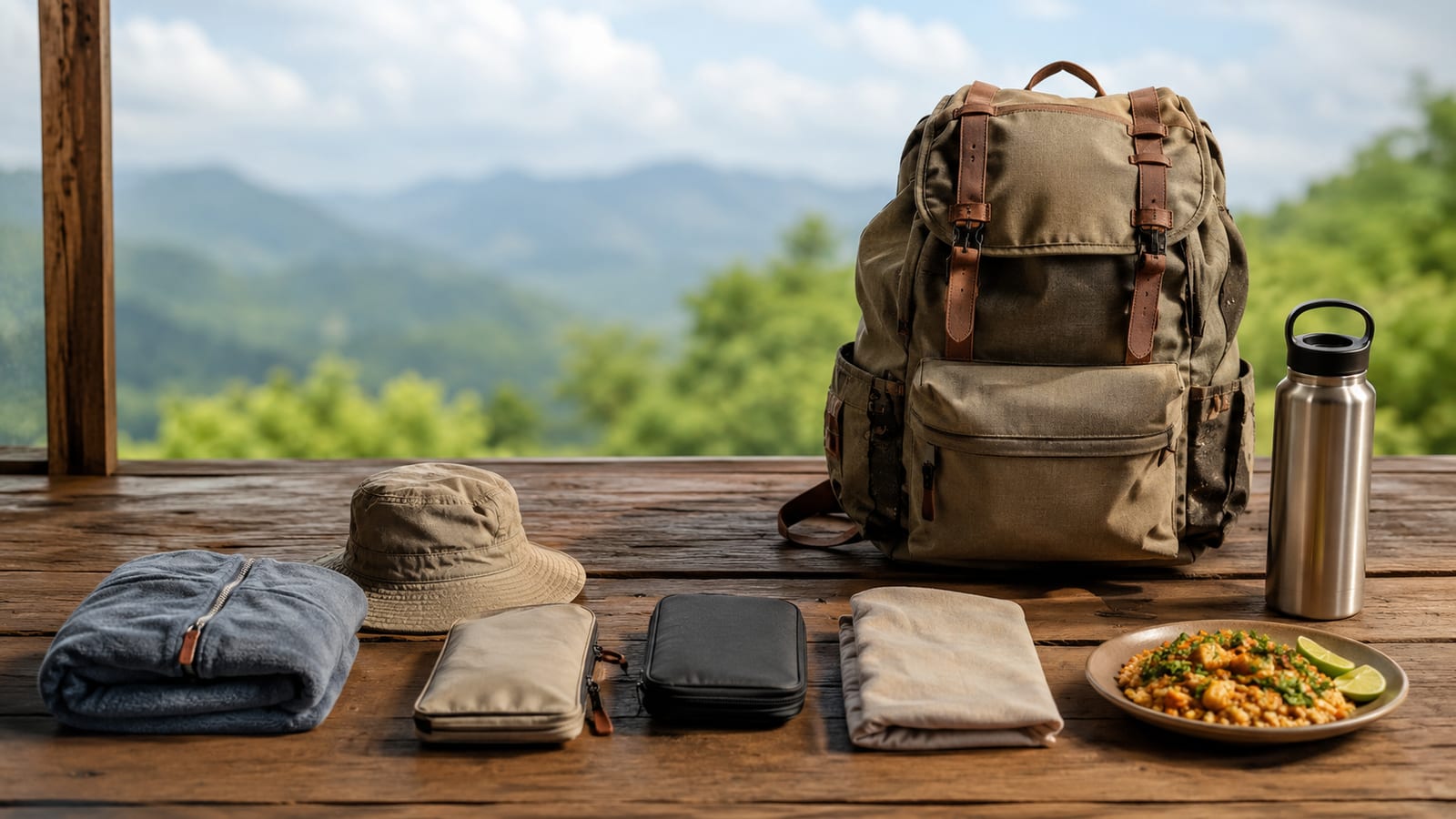
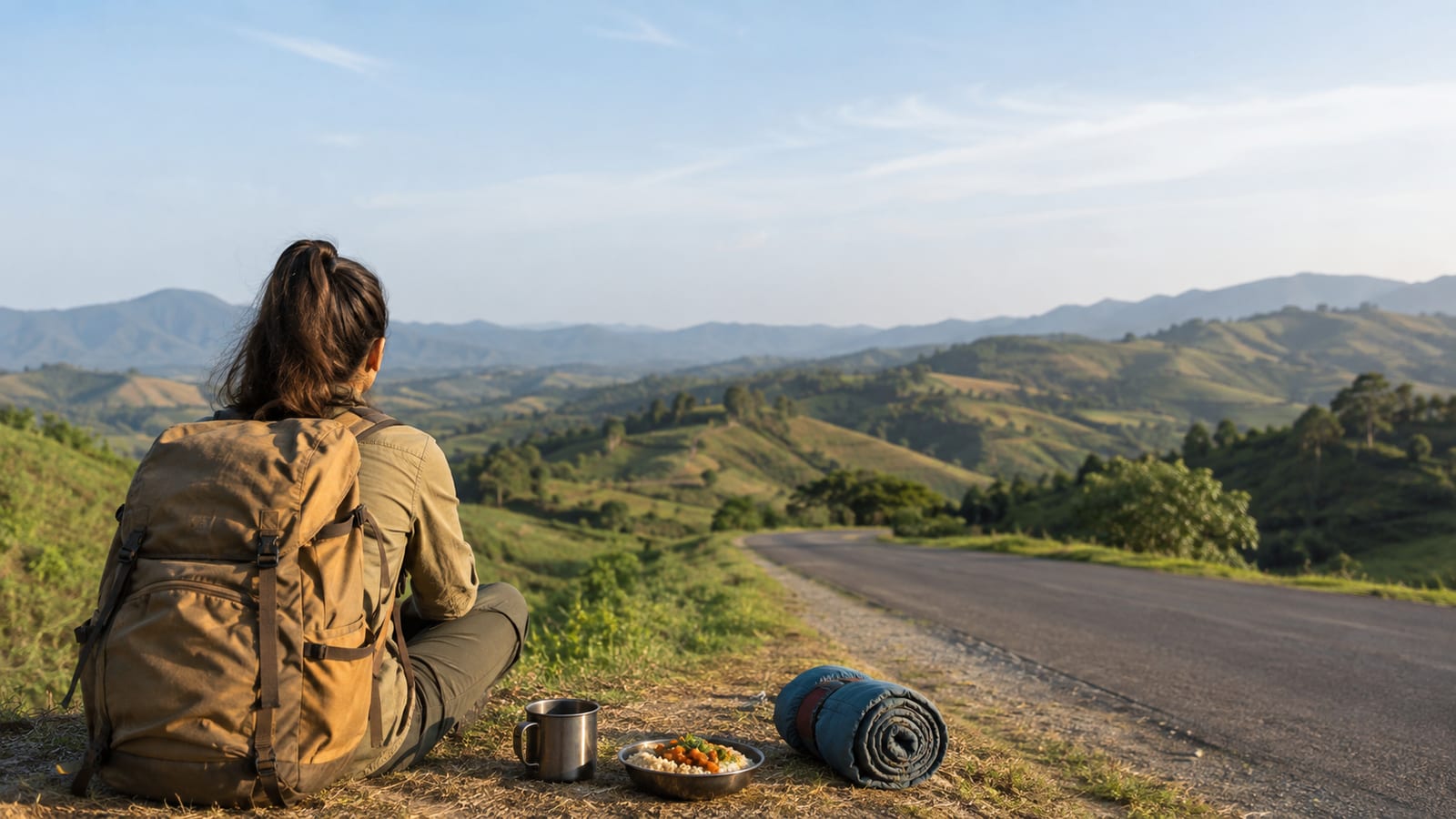
Travel New Zealand on a budget by moving slowly, choosing a compact route, cooking most meals, and using buses or a shared car instead of defaulting to a campervan. Stay in hostels with kitchens or legal campsites, then build your days around walks, beaches, museums, and public spaces. That’s how you see New Zealand without turning every mountain view into another booking fee.
Last updated: 2026-08-12
After backpacking through the country, I found that speed caused most of the expensive days. A rushed route means more fuel, more fares, and more nights booked around transport. Slow down and the numbers become easier to handle.
How to travel New Zealand on a budget?
Follow these steps in order. Transport and accommodation come first because they shape every later cost.
- Choose a compact route. Pick nearby places and skip the isolated sight that takes half a day to reach.
- Travel outside the busiest periods. Flights, vehicles, and beds cost more trouble to find during peak holidays.
- Compare the full transport cost. Add fuel, insurance, parking, ferry travel, and baggage before calling anything cheap.
- Book accommodation with a kitchen. A low bed price means little if every meal comes from a café.
- Plan free days first. Walks, beaches, parks, and city museums can carry most of a trip.
- Check camping rules before parking. Freedom camping is regulated locally, and a guess can become a fine.
- Track the whole trip cost. Coffee, snacks, laundry, and small fares are where the budget quietly goes.
- Book only what can strand you. Secure major transport and busy stops, then leave room to wander.
The cheapest workable plan is usually a slow hostel-and-bus trip or a shared car trip with simple campsites. A campervan can work, but it isn’t automatically the budget choice the rental ads suggest.
A slower route costs less
New Zealand looks compact on a map. However, the roads bend around mountains, lakes, and long stretches of coast. A route that looks tidy can still eat days.
Pick a region and give it room. On the North Island, that might mean linking Auckland, Rotorua, Taupō, and Wellington without adding every coastal detour. On the South Island, choose a clear loop instead of zigzagging between distant towns.
This matters because every extra move has a real cost. You pay another fare, buy food in transit, and often accept the only bed left near your departure point.
If you have limited time, skip the fantasy of “doing” both islands. You’ll remember a quiet morning beside a lake. You won’t remember another afternoon spent repacking beside a bus.
Your transport choice decides the budget
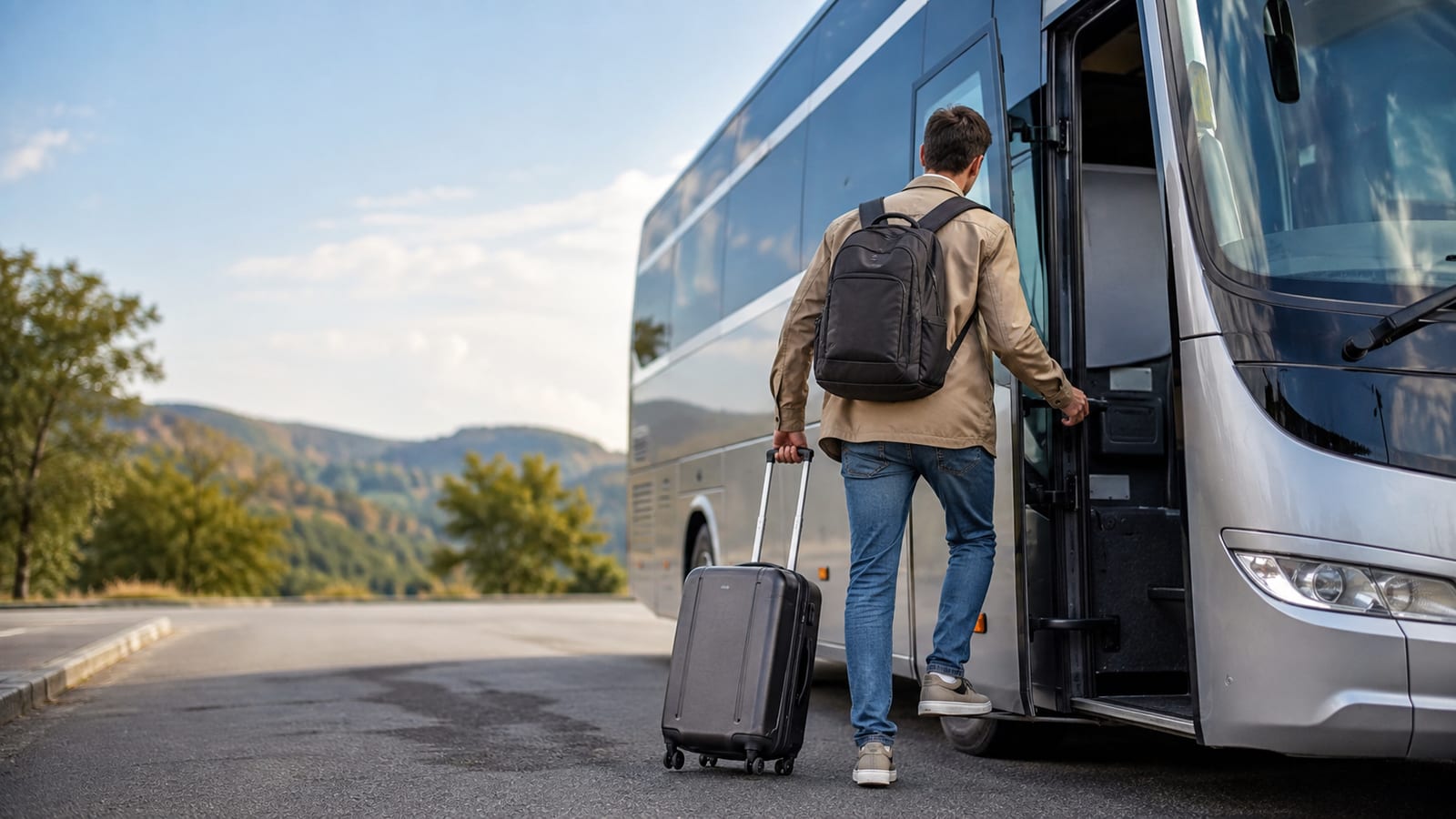
There’s no cheapest option for every route. The right choice depends on how far you’re going, how many people can share the cost, and where you want to stop.
| Transport | Best for | Where it saves money | Where it falls short |
|---|---|---|---|
| Intercity bus | Solo travelers and city routes | No fuel, parking, or rental insurance | Limited service in rural areas |
| Shared car | Flexible regional trips | Fuel and rental costs can be divided | You need compatible travel partners |
| Rental car | Short, focused routes | Often simpler than several rural transfers | Fuel, insurance, parking, and ferry costs add up |
| Campervan | Travelers committed to camping | Combines transport and a place to sleep | Rental fees and legal campsite limits can erase the saving |
| Domestic flight | Long jumps with little time | Can avoid a long overland transfer | Baggage and airport transport raise the final cost |
| Hitchhiking | Flexible travelers with no fixed schedule | No fare | Uncertain, slow, and a poor fit for tight plans |
| Hop-on hop-off bus | Social trips with a set route | Transport planning is handled | Tours and activities usually cost extra |
Intercity buses suit most solo trips
For a solo traveler, buses are the cleanest place to start. You know the fare before leaving, and you don’t need to split fuel with strangers.
An InterCity FlexiPass starts at $140 for 10 hours of travel. It’s valid for 12 months from activation. Check the live fare before buying because prices and route rules can change.
The catch is the timetable. Buses connect the main towns well enough for a planned route, but they won’t stop at every beach or trailhead. Read this guide to traveling New Zealand without a car before deciding that a rental is unavoidable.
A rental car works better when costs are shared
A car earns its keep on rural routes. However, the daily rental price is only the first line on the bill.
Add fuel, insurance, parking, ferry travel, and any fee for returning the car elsewhere. Then compare that total with bus fares for the same route.
If you’re sharing, agree on costs before anyone takes the keys. Put fuel, parking, and cleaning in writing. A cheap road trip turns sour when one person quietly pays for most of it.
Campervans are often oversold
A campervan gives you freedom, but freedom still needs a legal parking place. You also carry the cost of a larger vehicle and campsite fees.
Compare the full van quote with a small car plus hostels. Then check where you can legally stay along your actual route. If most nights require paid campgrounds, the van may be the dearer option.
Rent one because you want the camping trip. Don’t rent one because a glossy photo promised free accommodation beside an empty lake.
Hop-on hop-off passes need a hard look
The fare checked for a Kiwi Experience South Island hop-on hop-off pass was US $499 per person. That was discounted from US $587 by 15%. The route lasted 12 days and started and ended in Christchurch.
Activities were additional to the pass cost. That small detail matters because the social stops often come with rafting, cruises, or other paid add-ons.
The pass can suit a solo traveler who wants company and fixed transport. However, skip it if your main goal is the lowest possible cost. A plain bus route gives you more control over what you spend.
Domestic flights only save money on the right route
Flights can make sense for a long jump between islands. Still, compare the final price rather than the headline fare.
Include checked baggage, airport transport, and any hostel night forced by the schedule. Also compare flying into one city and home from another. Returning to your starting point can add a costly backtrack.
Book earlier for peak periods and stay flexible on departure times. If the flight only saves a small amount of time, take the bus and keep the airport hassle out of your day.
Accommodation with kitchens wins

A hostel kitchen saves money twice. You get a cheaper bed, then avoid buying breakfast and dinner outside.
I look for recent reviews about the kitchen, lockers, noise, and location. “Kitchen available” can mean a proper cooking space. It can also mean one tired hotplate beside a sink full of plates.
A hostel farther from town may look cheaper until you add local transport. Check the route on foot before booking, especially if your bus arrives after reception closes.
Private lodge rooms can work for a pair sharing costs. For a solo trip, dorm beds usually leave more money for transport and the occasional paid activity.
House sitting and home stays need flexibility
House sitting can cut accommodation costs, but it isn’t a bed-booking service. You may need to care for pets, water plants, and stay in a residential area away from public transport.
Couch-based home stays also depend on trust and availability. Build a complete profile, read references, and keep enough money for a hostel if the arrangement changes.
Neither option is truly free. Your time, responsibility, and lack of route flexibility are part of the exchange.
Work exchanges are work
Some farms, hostels, and households offer meals and a bed in exchange for help. The old pitch calls this free accommodation. It isn’t.
You’re trading labor, and the work may fall under immigration and employment rules. Ask for the duties, hours, meals, sleeping setup, and days off before agreeing.
If the host is vague, skip it. A proper exchange can stretch a trip. A poor one leaves you working most of the day in a place you didn’t want to visit.
Freedom camping has rules
Freedom camping doesn’t mean parking wherever the road gets quiet. Local councils set restrictions, and some areas require an approved self-contained vehicle.
Check signs at the site and the council rules for that district. Apps can help you find places, but they don’t overrule a closed gate or a new restriction.
In Auckland, a freedom camping infringement can reach up to $800. That figure applies to Auckland, not every district in New Zealand. The practical move is simple: confirm the exact site before driving there.
For a legal, basic night outdoors, use a Department of Conservation standard campsite. The standard adult overnight fee is $10 to $20 per night. Some campsites use different or seasonal pricing, so check the listing before arrival.
These campsites are often simple. Expect basic facilities rather than a holiday park setup. Bring what you need, pack out your rubbish, and don’t arrive assuming there will be a shop nearby.
Food is where daily spending slips

Cook more than you eat out. That advice isn’t glamorous, but it works.
I buy flexible food that survives several meals. Rice, pasta, eggs, canned beans, frozen vegetables, bread, and oats are easier to use than ingredients bought for one ambitious recipe.
Then I cook before I get hungry. Waiting until evening is how you end up buying an expensive meal beside the bus station because the hostel kitchen is full.
Shop with a meal plan
Supermarket labels don’t tell you whether a basket is cheap. The useful comparison is the final cost of the meals you can make.
Plan a few simple dishes that share ingredients. For example, vegetables used in pasta can go into eggs the next morning. Bread can cover breakfast, packed lunches, and the late snack you would otherwise buy.
Check the hostel’s free-food shelf before shopping. Travelers often leave pasta, oil, spices, and unopened tins behind. Label your own food clearly, because shared kitchens have a talent for making cheese disappear.
Eating out should be deliberate
Pick the meal you care about and cook the others. Lunch specials and food courts often give you more choice than restaurants aimed at evening visitors.
A crowded waterfront isn’t where I look for value. Walk back toward residential streets and check places with short menus and steady local trade.
Also carry food on long transport days. Small-town stops and airport counters leave you with little choice, which is when an ordinary sandwich starts feeling like a financial decision.
Foraging is not a budget plan
The original version of this advice often sounds easy: catch a fish, gather shellfish, or pick wild plants. The reality includes permits, local closures, protected areas, food safety, and species you shouldn’t guess at.
Do it only if you understand the current rules and can identify what you’re taking. Otherwise, buy groceries. A bag of food is cheaper than a fine or a bad night.
Free days are often the best days
New Zealand’s strongest budget activities don’t need a booking desk. Beaches, public gardens, waterfront walks, viewpoints, and many walking tracks cost nothing to enter.
On the North Island, build days around Auckland’s volcanic landscapes, Wellington’s waterfront and hills, and the public edges of lakes around Taupō. However, geothermal parks near Rotorua often charge admission. Decide which one matters instead of buying several similar experiences.
On the South Island, the coast, alpine towns, lakes, and conservation land give you plenty to do without a ticket. The trap is transport. A free trail is not cheap if reaching it requires a costly private transfer.
Start with this list of free things to do across New Zealand. For a city break, these free places in Wellington can fill a rainy or windy day without forcing another booking.
Paid activities need a shortlist
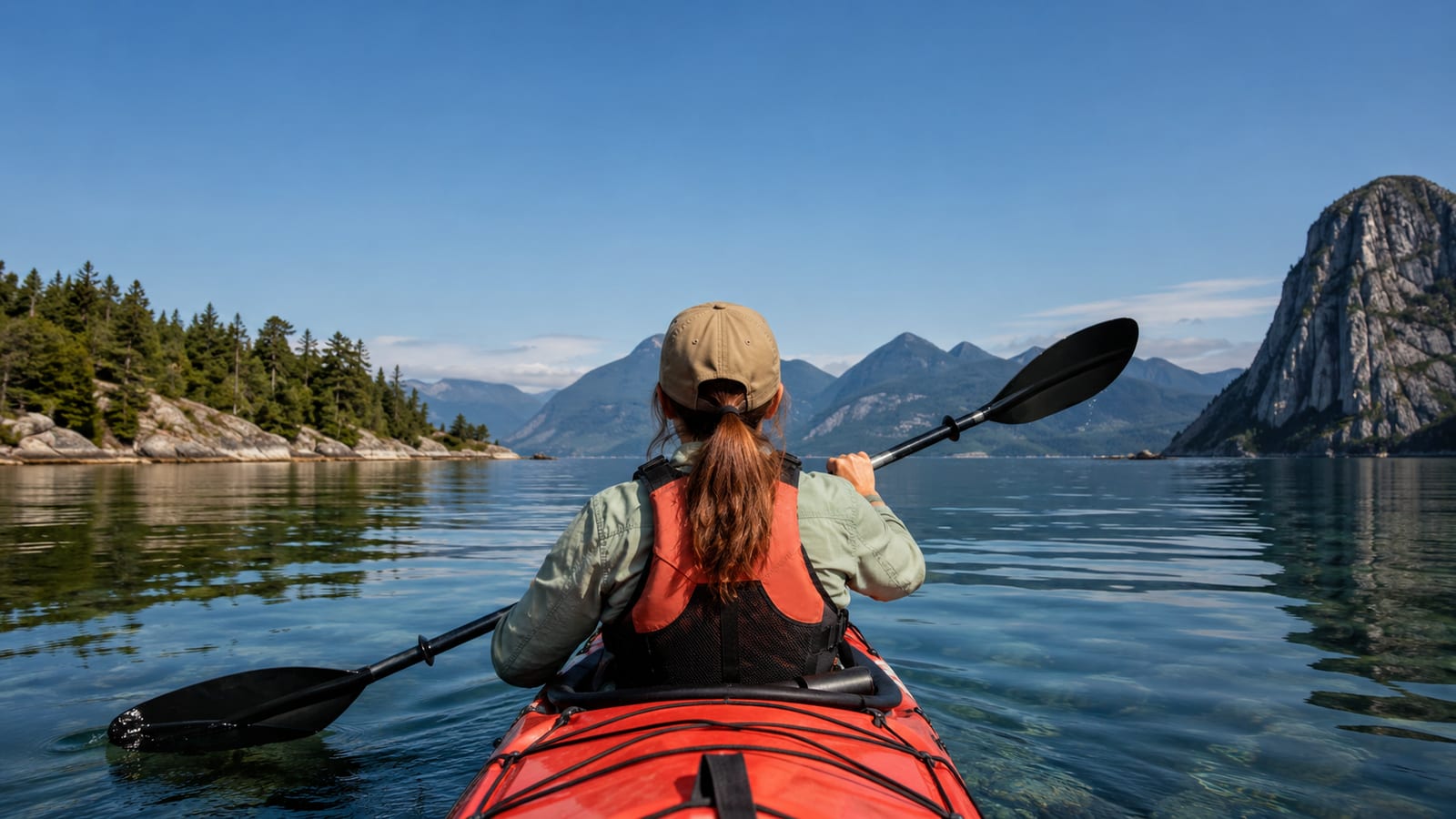
New Zealand sells adventure well. That doesn’t mean every zip line, cruise, cave tour, and jump belongs in your trip.
For example, an Auckland SkyJump adult ticket costs $330 NZD. A child ticket costs $290 NZD. If that’s the reason you came, budget for it and enjoy it.
However, buying several big activities because each town promotes a different one will break a careful plan. Choose the experience you’d still want without the sales video. Skip the rest.
When is the cheaper time to visit?
Travel outside the busiest summer holidays and major ski periods if your dates allow it. Beds, vehicles, and popular campsites face more pressure when domestic and overseas demand meet.
Spring and autumn can be easier on the budget. However, the trade is less settled weather and shorter daylight than high summer.
Winter can work for cities and some North Island routes. In alpine areas, snow and road conditions may limit access. Ski towns also aren’t automatically cheap just because the air is cold.
When it rains, keep an indoor list. Museums, public libraries, covered markets, hostel kitchens, and long café stops can save the day without adding a large activity fee.
Entry paperwork comes before bargains
Check your passport and entry permission before buying a non-refundable flight. Depending on your nationality, you may need a visitor visa or a New Zealand Electronic Travel Authority, known as an NZeTA.
Use the official Immigration New Zealand visa checker for the live requirements. Airlines and social media groups are poor places to settle an immigration question.
You may also need proof of onward travel and enough funds for your stay. New Zealand has strict biosecurity controls, so declare food and outdoor equipment as required. Cleaning mud from hiking boots before you fly is easier than dealing with them at inspection.
Working holidays can stretch the trip
A working holiday can fund a longer stay, but it isn’t a quick fix for an underfunded holiday. You still need money for arrival, housing, transport, and the wait before a first pay packet.
Most New Zealand Working Holiday Visa applicants must be aged 18 to 30. Certain countries allow applicants up to 35. Eligibility, work conditions, and stay length depend on your passport.
The United Kingdom Working Holiday Visa allows a maximum stay of 36 months. The Canada Working Holiday Visa allows 12 months, extendable for up to another 11 months.
A Working Holiday Extension Work Visa can add a 3 months extension after 3 months of seasonal work. Keep records of qualifying work because a casual promise from an employer is not proof.
From 1 April 2026, the New Zealand adult minimum wage is NZD 23.95 per hour, increased from $23.50. For a standard 40-hour workweek, that is NZD 958.00 per week gross. Check the live rate and tax rules before accepting a job.
Seasonal work can suit a flexible route. However, jobs may be outside the main cities, and cheap accommodation near the work isn’t guaranteed. Read these New Zealand working holiday answers before treating wages as your travel fund.
What should your budget include?
There’s no honest single daily figure for every New Zealand trip. A solo campervan route, a hostel-and-bus trip, and a shared car loop have different fixed costs.
Build your budget from booked prices instead. Start with the costs that can strand you, then add the small daily spending that usually slips past unnoticed.
| Budget line | What to include | Common mistake |
|---|---|---|
| International travel | Fare, baggage, airport transport | Buying the cheapest ticket before checking baggage |
| Entry costs | Visa or NZeTA fees if required | Relying on an old fee from a blog |
| Transport | Passes, rentals, fuel, parking, ferry travel | Comparing only the rental headline |
| Accommodation | Beds, campsites, booking fees | Assuming freedom camping covers every night |
| Food | Groceries, meals out, transport-day snacks | Treating coffee and snacks as invisible |
| Activities | Tours, gear hire, transfers | Forgetting that transport to a free place can cost money |
| Laundry and supplies | Washing, toiletries, cooking basics | Buying small items repeatedly |
| Emergency money | Route changes, replacement transport, medical costs | Spending the reserve on the first exciting activity |
Start with the fixed costs you can verify. Then add food, local transport, and a reserve for changes.
For a deeper worksheet, use this guide to budgeting for a New Zealand trip. Use your booked prices, not someone else’s old daily total.
Book in this order
Flights come first once your entry requirements are clear. Next, secure any vehicle, long-distance pass, or ferry crossing that controls the route.
Then book accommodation around fixed arrival and departure points. Leave flexible gaps only where you have several backup places to stay.
Paid activities come last. Most are optional, even when the booking page says availability is disappearing. Give yourself time to see the weather and decide if you still want them.
Your first action is to open a map and circle the places you care about most. Join them into the shortest sensible route, then price that route by bus and shared car before booking anything.
FAQ
Is it cheaper to travel alone or with someone?
Solo travel is usually simpler by bus because you buy only your own seat. A car or campervan becomes more competitive when several people split the rental, fuel, and parking.
However, don’t choose a travel partner only to save money. A slightly dearer solo route is better than being trapped in a vehicle with someone whose plans don’t match yours.
Do I need travel insurance for a budget trip?
Yes, if losing money on a cancelled booking or medical problem would hurt. A low-cost trip gives you less room to absorb either one.
Read the exclusions before paying. Hiking, skiing, paid work, and driving often need specific cover, so check each activity rather than trusting the policy name.
Are New Zealand’s scenic trains a cheap way to get around?
Usually not. Scenic trains are built around the view, cover limited routes, and may cost more than an intercity bus.
Book one for the journey itself if that’s what you want. Don’t use it as the backbone of a low-cost route across the country.
Should I carry cash in New Zealand?
Carry a small backup amount, even though cards are widely useful. Simple campsites, markets, and rural places can have weak connections or no card facility.
Keep the cash apart from your main card. Also tell your bank you’re traveling if required, because fixing a blocked card in a quiet town takes longer than doing it beside an airport cash machine.
Can I find travel companions after arriving?
Yes, hostels, noticeboards, and traveler groups often connect people heading the same way. Still, agree on the route, driving, fuel, and sleeping plans before leaving.
If you join someone else’s car, check that the vehicle is legal and insured. Trust yourself if the arrangement feels rushed or unclear. There’s no rush to accept the first empty seat.