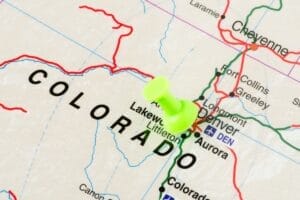
Denver to Jackson Hole is 519 miles and about eight hours of driving, and you have two real ways to do it. The western line climbs through the Colorado mountains past Steamboat Springs, then drops into Wyoming's high desert. The eastern line runs through Laramie and Casper on wide open highway, faster on paper and duller in the seat. I take the western one and give it three days.
Last updated: 2026-07-13
How long does the drive really take?
Eight hours is the map's number, not yours. Add gas, food, a bathroom stop, and one photo pullout you cannot resist. The day stretches well past that. So plan a long day, not a normal one. If you must run it straight through, leave Denver before dawn and eat in the car.
Denver sits at 5,280 feet, which is why people call it the Mile High City. You start high and stay high the whole way. That matters more than the mileage, because altitude makes a nine-hour driving day feel like eleven.
Two routes, and which one is worth it
Here is the honest comparison.
| Route | Character | Best for |
|---|---|---|
| West: Denver to Steamboat Springs, then north into Wyoming | Mountain passes, national forest, real towns | Anyone who cares about the drive itself |
| East: Denver to Laramie, then Casper and northwest | Fast highway, big sky, long empty stretches | Bad weather, a tight schedule, or driving at night |
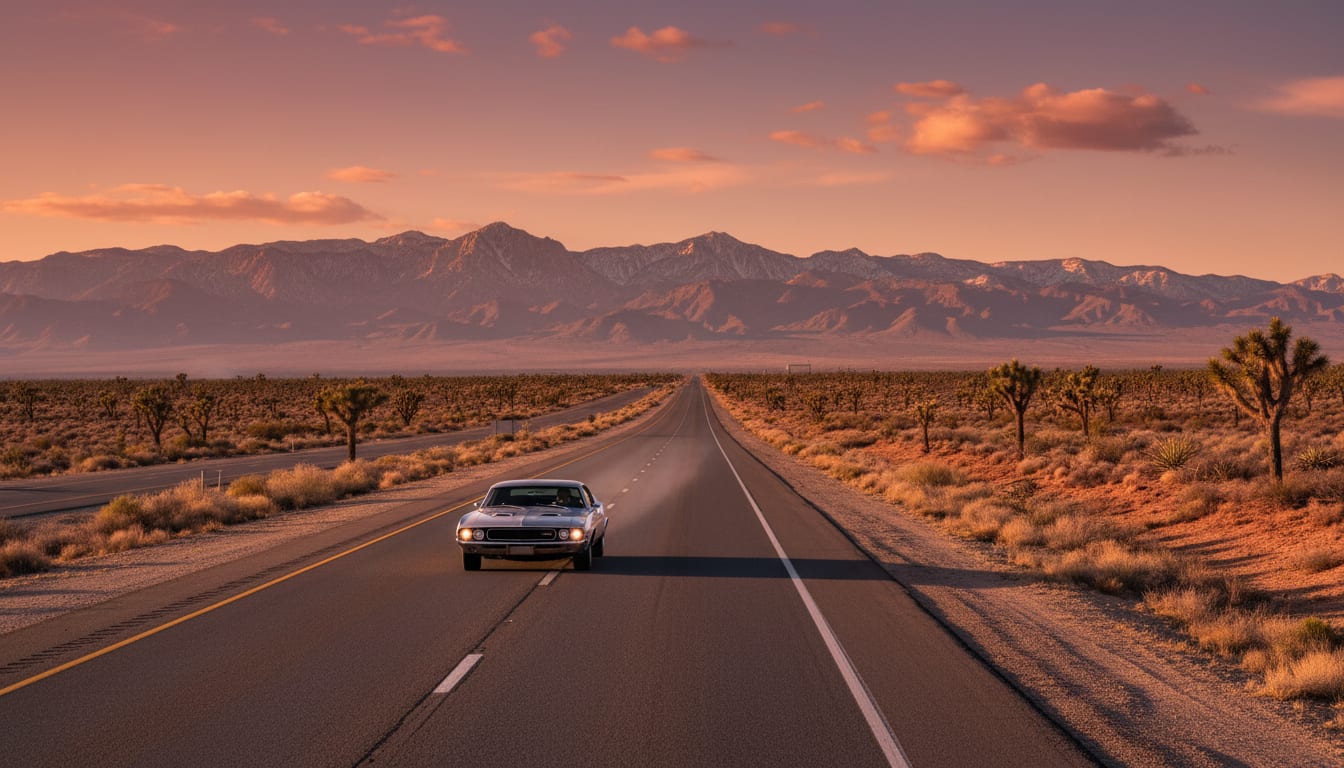
The eastern route gets sold as the historic one, with pioneer trail sites and old forts. Those are good stops if history is your thing. But do not pretend it is scenic. It is hours of straight road with wind shoving your car around, and the pretty part starts only near the Tetons.
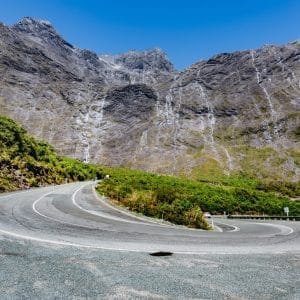
The western route is the one I recommend. You climb, you drop, you climb again, and the landscape keeps changing. Steamboat Springs makes a natural overnight, roughly a third of the way through.
Rocky Mountain National Park is a detour, not a stop
Rocky Mountain National Park sits about 70 miles northwest of Denver. That is not on the way to Jackson Hole. So treat it as a separate day at the front of the trip.
If you give it that day, it earns it. Trail Ridge Road climbs to 12,183 feet, the highest paved stretch on the whole trip. Go slow, stop often, and expect cold and wind at the top even in summer. The road closes in winter, so check the official Rocky Mountain National Park road status before you build a plan around it.
For hiking, the Bear Lake Trail is a 0.6 mile loop. It is flat and crowded and still worth it. Emerald Lake is the better walk: 1.8 miles one way, with 605 feet of climbing. Get to the Bear Lake lot early or you will not park.
Where to break the drive
Steamboat Springs is my pick for night one on the western route. The hot springs are the draw, and yes, they are busy. Go in the evening anyway. Soaking after five hours of mountain driving is one of the few tourist things that fully delivers.
On the eastern route, Laramie is the practical overnight. It is a college town with a walkable old downtown and cheap motels near the highway. Still, it is not a destination. It is a bed and a decent coffee before you get back on the road.
Casper works if you want the pioneer trail museums. Budget half a day, or skip it and keep driving.
What actually fails on this drive
Gas gaps. Once you leave Colorado, the stations thin out fast. So fill up when the tank hits half, not when the light comes on.
Wildlife at dusk. Deer and elk come to the roadside in low light, and a collision out there means a long wait for help. Be off the highway before dark if you can.
Wind. Wyoming crosswinds push high-sided vehicles around. If you rented an SUV or you are towing, slow down and hold the wheel.
Weather. Mountain passes get snow outside summer, and a closure adds hours. Check conditions the morning you drive, not the week before.
The last stretch is the good one
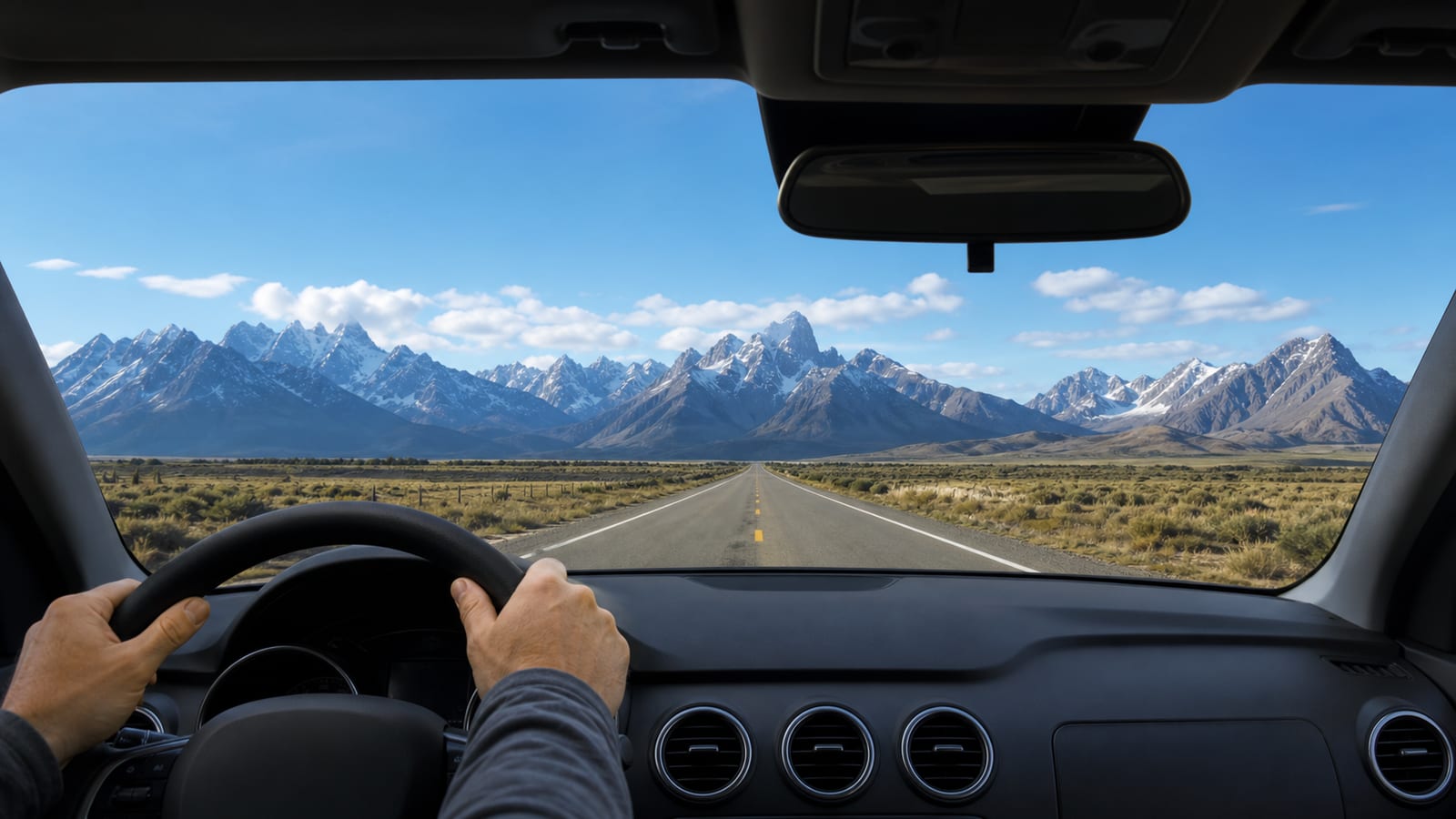
The approach to Jackson pays you back. The Tetons rise out of flat ground with no foothills to warn you, and the first view stops people cold. Pull over. Everyone does.
Once you arrive, Grand Teton National Park is the reason you came. Jenny Lake covers 1,191 acres, and paddling it is the single best half day in the park. The water is cold and clear and the peaks sit right on top of you. If you would rather walk, my short hikes in Grand Teton list covers the ones that fit around a driving day.
Teton Village and the resort side are a mixed bag. The gondola is fun, but the prices are Jackson prices. For the warm months, see summer in Teton Village before you book anything.
Should you add Yellowstone?
Only if you have three extra days. Yellowstone is close in miles and far in time, because you crawl behind traffic and stop for bison. People bolt it onto the end of a Jackson trip and end up seeing a parking lot and a geyser. If you have the days, take them. If not, do Grand Teton properly instead.
FAQ
When is the best time to make this drive?
Summer, if you want every road open. Snow closes the high mountain passes for a good part of the year, and Trail Ridge Road is the first to shut. Spring and fall are quieter but riskier. So check road status the morning you leave.
Can I do it in one day?
Yes, but it is a grind. Eight hours behind the wheel plus stops eats a full day, and you arrive too tired to enjoy anything. Two days is better. Three lets you actually see Colorado on the way.
How do I handle the altitude?
Drink more water than feels necessary and go easy on alcohol the first night. Most people feel it as a headache or short breath on a mild hike. So if you have never been high before, do not plan a hard hike the day you arrive.
Is a rental car enough, or do I need four-wheel drive?
A normal car is fine in summer. In shoulder season or winter, however, get all-wheel drive and check whether chains are required. Wyoming closes highways in bad storms, and no vehicle beats a closed road.
Where should I stop for food?
Steamboat Springs and Laramie both have real downtowns with places locals actually eat. Between them, expect gas station food. So pack snacks and a water bottle before you leave Denver.