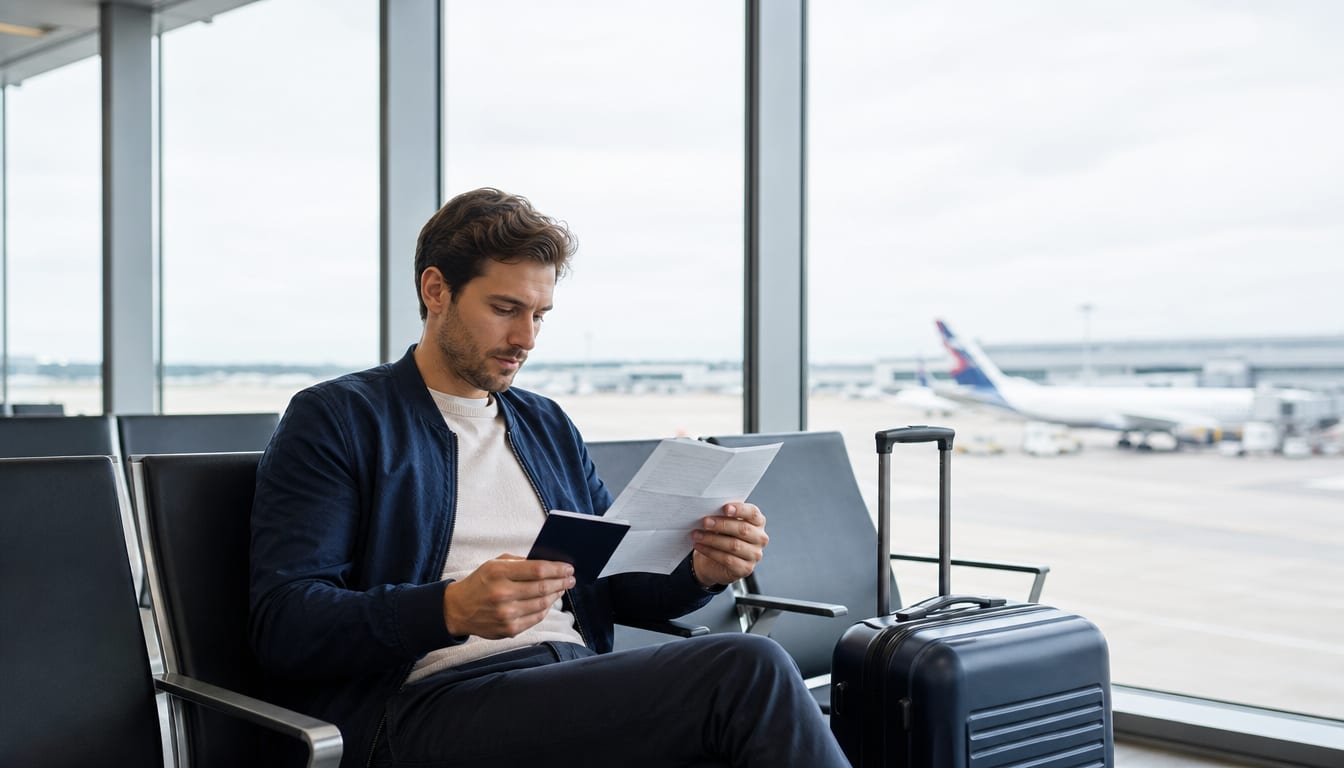
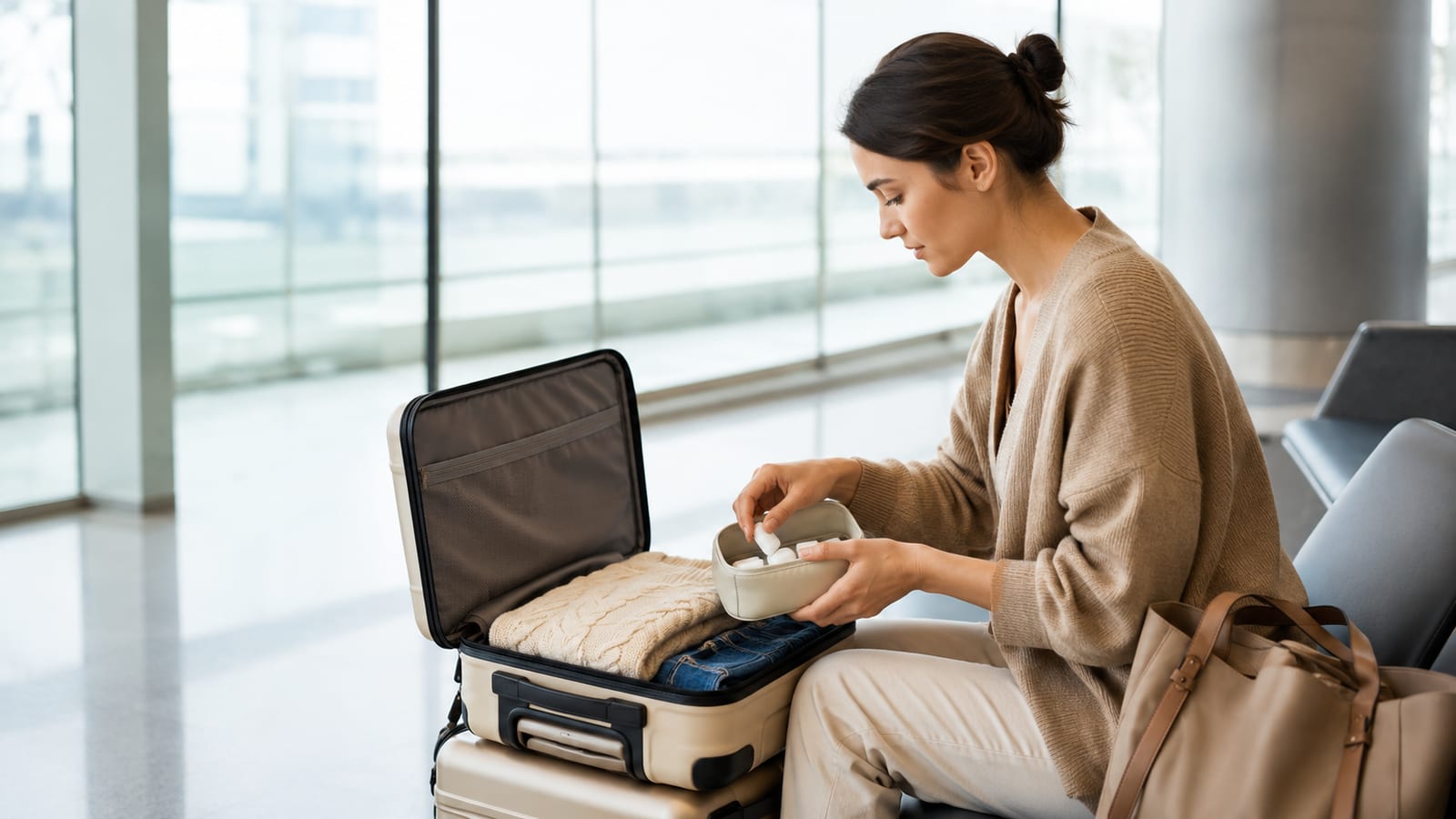
You can travel safely with food or seasonal allergies, but you can’t leave the hard parts to chance. Learning how to travel safely with allergies starts before you book: know your triggers, carry your own medication, and verify every meal, room, and transport plan. A restaurant’s “allergy-friendly” label means little if nobody can explain the fryer.
Last updated: 2026-08-11
Food-related allergic reactions are the leading cause of anaphylactic reactions treated in United States emergency departments. So keep the plan calm, written, and close enough to reach without opening the overhead bin.
How to travel safely with food or seasonal allergies?
Use the same basic process for every trip. The details change, but the order doesn’t.
- Write an allergy plan with your clinician.
- Refill prescriptions and pack backup medication.
- Check local pollen, food, import, and medical risks.
- Prepare translated allergy information.
- Confirm airline and airport arrangements.
- Inspect your hotel room before unpacking.
- Check pollen conditions each day.
- Question restaurant staff before ordering.
- Keep your emergency action plan within reach.
- After an exposure, get medical care and change the remaining plan.
Don’t scatter these details across old emails and screenshots. I keep the useful parts together on my phone and carry a paper copy. That small detail matters when the battery is flat or someone else needs to help.
What should you do before traveling with allergies?
Start with a written plan from the clinician who manages your allergies. It should name your triggers, usual symptoms, emergency symptoms, medications, and the point at which you need urgent help.
Then check every prescription. Confirm the medicine is in date, the label is readable, and you have enough for delays. Ask how heat, cold, and long travel days affect storage because the package instructions vary.
Research the destination with your actual allergy in mind. A famous local dish may contain a hidden ingredient in its sauce, stock, garnish, or cooking oil. Meanwhile, seasonal allergies can shift because a different plant is common there.
For a child, every adult responsible for them needs the same plan. Don’t leave the explanation with one parent. Give the child an age-appropriate script they can repeat, but never make them the only person responsible for checking food.
Finally, share your itinerary with a trusted person. Include your accommodation, transport, insurance details, and nearby medical care. This is one of those travel habits that reduces stress because nobody has to hunt for information during a bad hour.
How should you pack allergy medications and epinephrine?
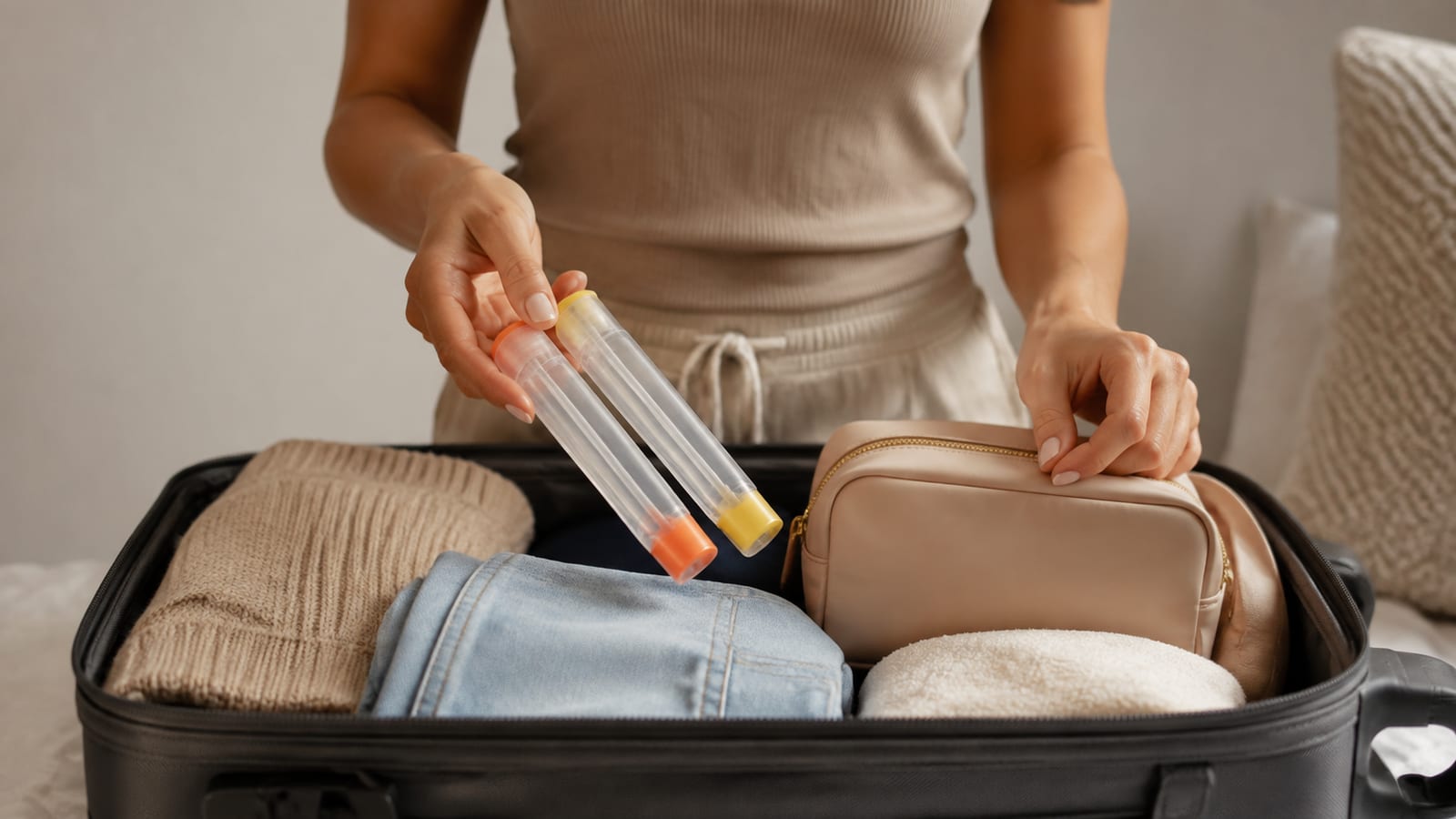
Pack allergy medication in original labeled containers whenever possible. Keep the prescription label, medicine name, dose, and your name easy to read. A copy of the prescription or clinician’s letter can help at security and border checks.
Epinephrine stays in your hand luggage, not the checked suitcase. It should sit in the bag under your seat or another place you can reach quickly. A dose buried under clothes in the overhead bin is badly packed.
Bring backup doses based on your clinician’s advice. However, don’t split all emergency medication away from you. A lost checked bag is annoying. A lost checked bag containing your only epinephrine is a medical problem.
For United States airport security, EpiPen auto-injectors are not subject to the Transportation Security Administration’s 3-1-1 liquids rule and don’t have to sit in a plastic bag. Medically necessary liquids can also be carried in excess of 3.4 ounces or 100 milliliters.
The Transportation Security Administration medication rules allow larger amounts in reasonable quantities for your trip. You must declare them to officers at the checkpoint and remove them from your carry-on bag for separate screening.
Border rules are a different matter. Check the customs or health authority for every country on the route, including connections. A letter that works at your departure airport may not settle an import question elsewhere.
What should an international allergy travel plan include?
International travel adds language, insurance, and distance from familiar care. Treat those as planning jobs, not reasons to stay home.
Check whether your travel insurance covers allergic reactions and existing medical conditions. Read the exclusions yourself. “Emergency medical cover included” is marketing copy until the policy says your condition is covered.
Save the addresses of suitable hospitals and pharmacies near your accommodation. Also save the local emergency number. Don’t assume every country uses the number you call at home.
Your international plan should include:
- A clinician-approved emergency action plan
- Copies of prescriptions and a medical letter
- Translated allergy cards
- Insurance policy and assistance numbers
- Local emergency and medical care details
- Medicine import rules
- Safe food for the journey
- A backup route from remote areas
Remote plans need a harder look. If urgent care is far away, ask your clinician whether the itinerary makes sense with your allergy history. Then tell a guide or travel companion where your medicine sits and how to use it.
This is how to travel safely with severe allergies without turning every day into an inspection drill. Do the dull work once, save it offline, and use the same folder throughout the trip.
How can you communicate allergies in another language?
Use a professionally translated allergy card. A translation app is useful for follow-up questions, but I wouldn’t trust a machine translation with the name of a life-threatening ingredient.
The card should say more than “I’m allergic.” Staff need to know the exact ingredient, the severity, and whether shared equipment is unsafe.
| Your card should state | Why it matters |
|---|---|
| The exact food or substance | Broad terms can hide related ingredients |
| The reaction can be severe | Staff may otherwise treat it as a preference |
| Cross-contact must be avoided | A clean-looking plate can still be unsafe |
| Shared fryers, grills, knives, or oil may be a problem | Preparation matters as much as ingredients |
| Emergency help is needed after a reaction | Someone else may need to call |
| Where you carry epinephrine | A companion may need to find it |
Print the card in the local language and keep the English version beside it. Show it before ordering, not after the food arrives. Then ask the server to take it to the kitchen.
Learn the spoken words for your allergen, emergency, ambulance, and hospital. Say the ingredient clearly rather than using a broad phrase such as “nuts” if your card can be more precise.
A smile helps. A vague answer doesn’t. If staff seem confused, leave before ordering.
How can you eat safely on airplanes and in airports?
Check the airline’s allergy policy before booking. Then contact the airline directly and add the allergy to your reservation. Keep the written confirmation, but don’t treat it as a safety guarantee.
Special meals get swapped, missed, or mislabeled. Bring safe food when airport, airline, and destination customs rules allow it. Choose food that travels cleanly and doesn’t need uncertain storage.
Before boarding, eat food you already trust rather than gambling on a busy airport counter. Staff there often can’t check packaging, cooking oil, or cross-contact during a rush.
Once aboard, tell the cabin crew where your epinephrine is. If the airline offers preboarding, use the time to wipe the tray, screen, armrests, and seat controls. A damp cleaning wipe lifts food residue better than hand sanitizer, which cleans hands but doesn’t remove crumbs.
Don’t ask the crew to promise an allergen-free cabin. They can explain policy and make announcements, but they can’t control every passenger’s bag. Your useful plan is medication within reach, safe food, clean surfaces, and a companion who knows what to do.
Dry cabin air can also make nasal symptoms miserable. Pack prescribed treatments and read these steps for staying hydrated while flying before a long travel day.
How can you reduce allergens in a hotel room?
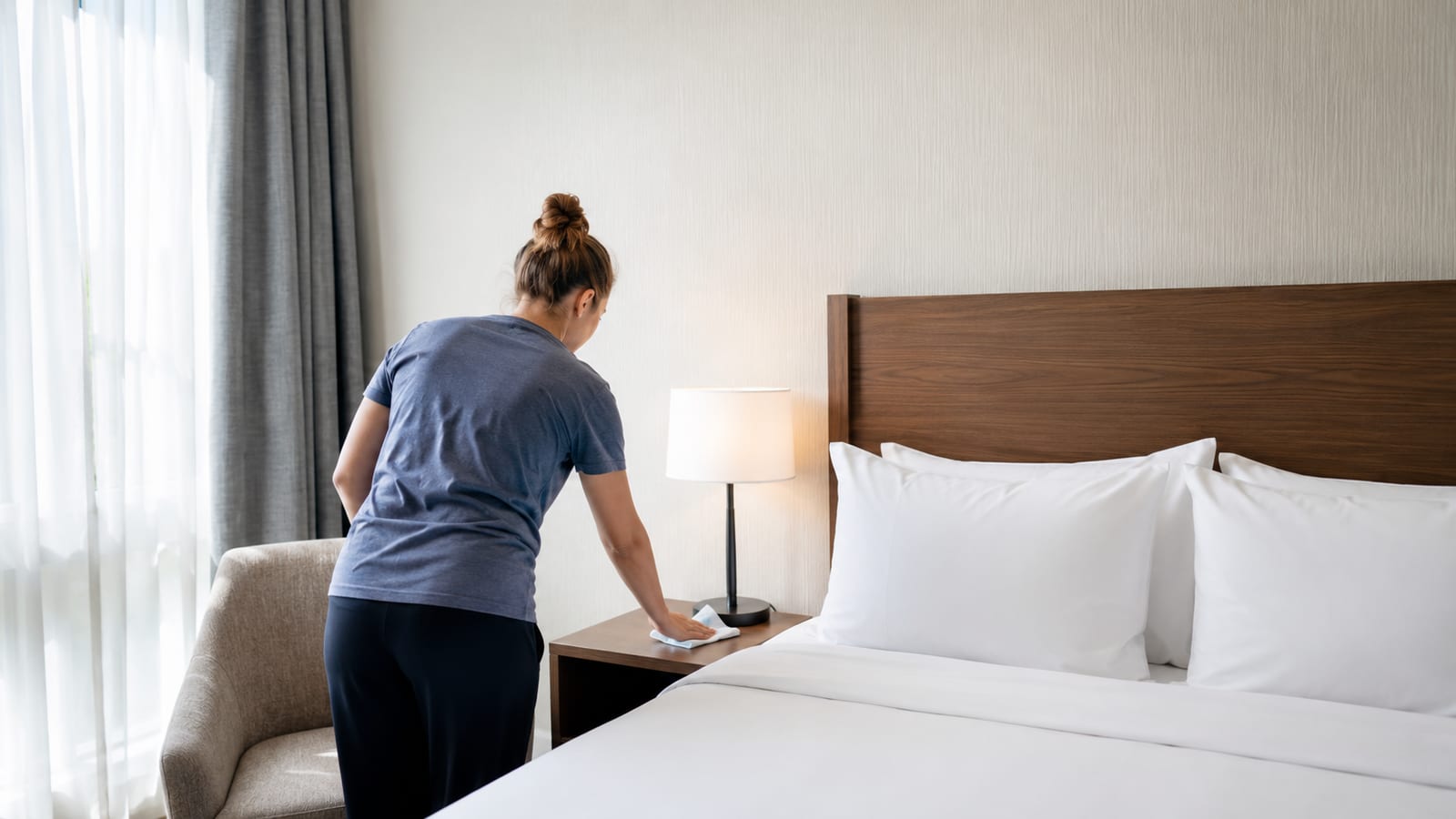
Call the hotel before paying for a nonrefundable room. Ask about smoking, pets, feather bedding, recent renovations, scented products, and whether windows open. “Hypoallergenic room” isn’t a standard, so ask what the hotel actually changes.
A pet-free room in a pet-friendly hotel may still contain dander from an earlier guest. Likewise, a smoke-free sign won’t fix smoke drifting from a nearby room. Ask for a room away from pet floors, smoking areas, laundry rooms, and heavy fragrance if those trigger you.
Before unpacking, check the bedding, bathroom edges, air unit, carpet, and upholstered chairs. If you smell smoke, damp, perfume, or cleaning spray that causes symptoms, request another room at once. Don’t spend the evening trying to make a bad room tolerable.
Bring a few simple supplies:
- A clean pillowcase
- Unscented cleaning wipes
- Sealable bags or food containers
- A small cloth for hard surfaces
- Any bedding cover your clinician recommends
Wipe the desk, bedside table, remote, and food area. Keep safe food sealed and separate from hotel snacks. If you need a refrigerator for medicine, confirm that the unit can store it according to the medication label.
Don’t run a dusty or musty air conditioner and hope it cleans the room. If the unit smells wrong, stop and call reception. Changing rooms is worth it.
How can you avoid seasonal pollen while traveling?
Check local pollen reports each morning and match the result to your trigger. A general “high pollen” warning isn’t enough if you react to one plant and not another. The Centers for Disease Control and Prevention guidance on pollen explains why location, weather, and season all matter.
In the Midwest, ragweed pollen season runs from late August to November. Southern California has a longer grass problem. Grass pollen there is common from April through September, while Bermuda grass can pollinate for much of the year.
So don’t plan by the season at home. Check the plants common at your destination and look at live conditions before a hike, garden visit, or long outdoor lunch.
On high-exposure days, choose a museum, covered market, or long café stop. Rain can change the day without ruining it. Keep one indoor plan ready and move the outdoor part when conditions improve.
Wear sunglasses and any mask recommended for you. Keep car windows closed, use recirculated air when suitable, and follow the cabin air filter interval in the owner’s manual. A random mileage rule copied from a forum isn’t better than the car’s own instructions.
After a high-pollen day, shower and wash your hair. Change clothes before sitting on the bed, and keep worn layers away from clean ones. Meanwhile, use prescribed nasal, eye, asthma, or allergy treatments as directed rather than waiting for symptoms to build.
A simple travel routine helps here. Check the forecast, pack the day bag, and set out fresh clothes before sleep.
How can you dine out safely abroad with food allergies?

Research the local cuisine before you arrive. Look past famous dishes and learn what goes into sauces, breads, stocks, spice mixes, desserts, and cooking oils. The ingredient nobody mentions is often the one folded into the base.
Choose restaurants during quieter hours when staff have time to answer. Contact them before visiting and ask direct questions. “Can you accommodate allergies?” is too broad and invites an easy yes.
Try this process:
- Name the exact allergen and severity.
- Show the translated card.
- Ask what is in the dish.
- Ask how and where it is prepared.
- Check shared fryers, grills, utensils, and oil.
- Confirm the plate again when it arrives.
- Leave if any answer is vague.
Simple food can be easier to check, but it isn’t automatically safe. Plain grilled food may still touch a shared surface. Rice may be cooked in stock, and a garnish can arrive after the kitchen checked the plate.
Buffets deserve extra caution because utensils move between dishes. Bakeries can also carry heavy flour, seed, nut, or egg cross-contact. If the setup makes control unlikely, skip it and eat the safe snack in your bag.
For children, an adult should handle the full conversation. Meanwhile, teach the child not to accept shared snacks or swapped plates. The restaurant doesn’t need to be perfect, but its answers need to be clear.
If staff cannot explain the ingredients and preparation, don’t eat there. Thank them, leave, and use your backup food.
What should your allergy emergency action plan say?
Your action plan should come from your clinician and use plain instructions. Keep a copy with your medication and another on your phone.
It should list:
- Your allergens and relevant medical conditions
- Mild and severe symptoms to watch for
- Which medicine to use for each symptom pattern
- When to use epinephrine
- How to call local emergency services
- Where backup medication is stored
- What a companion should do
- Your emergency contact and clinician details
Severe symptoms can involve breathing, circulation, the throat, or several body systems. However, your own plan should name the signs that require epinephrine in language you and a companion can follow under pressure.
Antihistamines don’t replace epinephrine for anaphylaxis. If your prescribed plan says to use epinephrine, use it and call emergency services. Don’t wait to see whether the reaction settles.
Medical observation is still needed after epinephrine. A commonly recommended observation period for patients is 4 to 8 hours, though the treating medical team decides the right period. Don’t use that range as a countdown to leave.
Before the trip, let your companion handle the trainer device if you have one. Reading the instructions for the first time during a reaction is the wrong time to learn.
How do you handle an allergy exposure during the trip?
Stop eating or move away from the trigger. Then follow the written emergency plan immediately. Don’t bargain with new symptoms because dinner was expensive or tomorrow’s train is booked.
- Stop the exposure.
- Use prescribed emergency medicine when the plan tells you to.
- Call local emergency services.
- Tell someone nearby what happened.
- Note the time and medicine used.
- Go for medical assessment.
- Contact your insurer when the immediate danger has passed.
- Replace used or contaminated supplies.
- Change the remaining itinerary.
Take photos of labels, menus, or packaging only if doing so doesn’t delay care. Write down what you ate, where you were, and when symptoms began. That record can help the medical team and your clinician later.
After discharge, don’t rush into the next booking. Stay near suitable care if advised, refill medication, and cancel remote plans until your clinician says they make sense. A missed tour is a real cost, but it is still cheaper than pretending the reaction changed nothing.
That is how to travel safely with allergies after the plan goes wrong: act early, get assessed, and make the next day easier rather than more ambitious.
FAQ
Should I wear medical identification while traveling?
Medical identification can help if you can’t speak for yourself. Include the allergy or condition, emergency medication, and a contact method without crowding it with your full medical history. Ask your clinician what wording is most useful for you.
Can I travel solo with a severe food allergy?
Yes, if your clinician agrees and your emergency plan doesn’t depend on a companion. Tell accommodation staff or a tour leader where you keep medication when appropriate. Also avoid remote outings where help can’t reach you within a workable time.
What should I do about allergy shots during a long trip?
Discuss the schedule with the clinician who provides your allergen immunotherapy. Don’t change the dose, timing, or clinic arrangement on your own. If treatment must continue abroad, confirm the receiving clinic before leaving and carry the medical records they request.
Can I trust packaged food labels in another country?
Don’t assume labeling words, allergen rules, or factory warnings match those at home. Learn the local ingredient names and regulatory terms before shopping. If a label is incomplete or you can’t read it with confidence, choose food you can verify another way.
Does cooking destroy a food allergen?
Not reliably. Heat changes some proteins, but it doesn’t make an unsafe ingredient safe across all allergies and cooking methods. Follow your clinician’s advice and never test a cooked form while traveling.