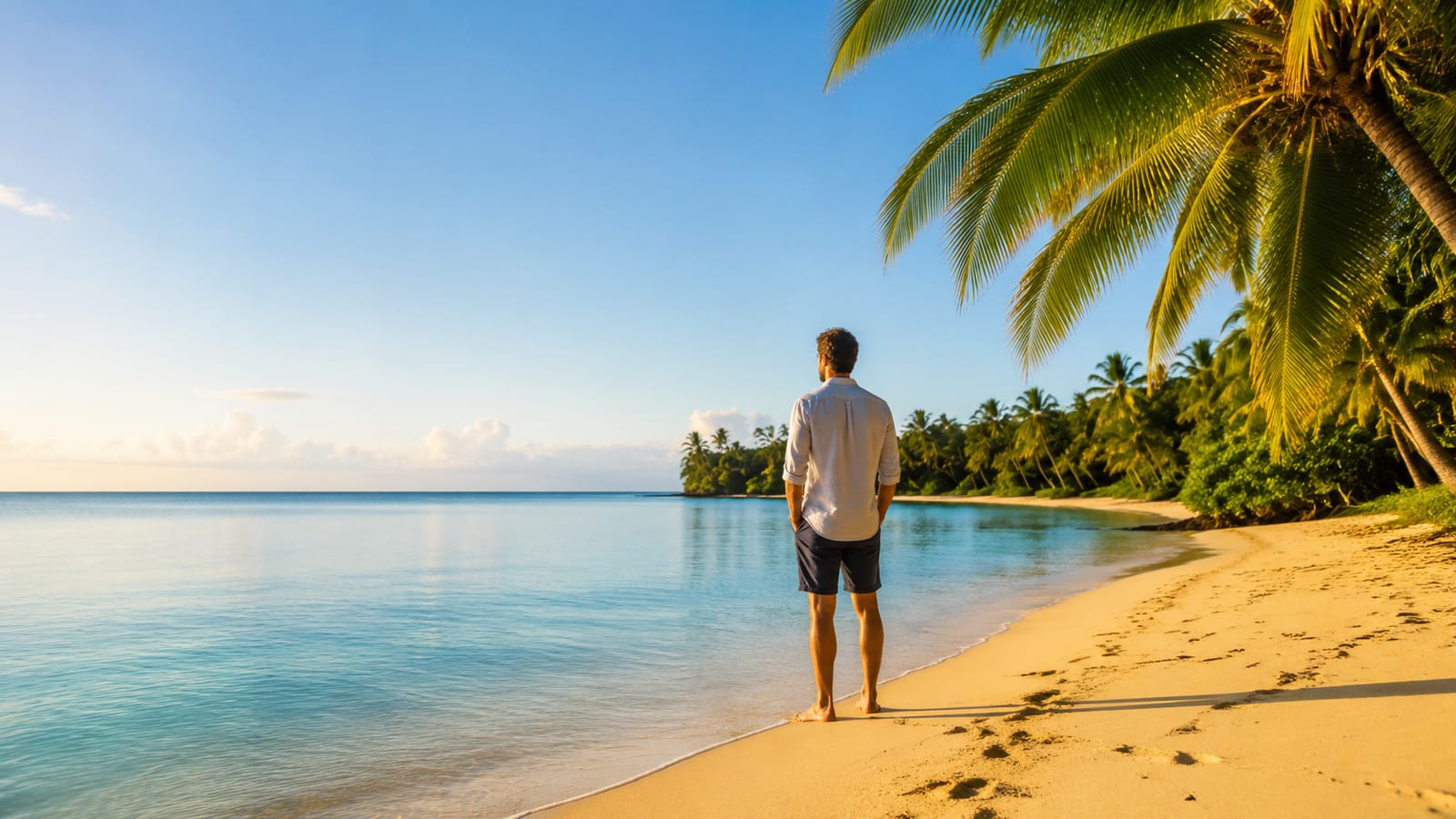
For most first-time visitors, Oʻahu is the best island in this Hawaii Travel Guide: Best Islands for First-Timers. You get beaches, hiking, surf culture, history, food, and simple transport in one place. You won’t have to choose between a resort week and a full trip. Start in Waikīkī, then give yourself time to leave Honolulu.
I’d choose Oʻahu three times before choosing a second island for a short first visit. Maui is better for a polished beach holiday, Kauaʻi wins for green mountains and serious hiking, and Hawaiʻi Island is the right call for volcanoes, manta rays, and long drives.
Which island belongs in a Hawaii Travel Guide: Best Islands for First-Timers?
Choose Oʻahu if you want the widest mix with the least fuss. Honolulu gives you hotels, restaurants, beaches, museums, buses, surf lessons, and trails close together. You can spend one morning at the beach and reach a ridge trail before lunch.
Choose Maui if the trip is mainly about good beaches, scenic drives, Haleakalā, and seasonal whale watching. It feels calmer and more spread out than Oʻahu. You’ll need a car for most of the island, and the famous drives take more time than glossy itineraries suggest.
Choose Kauaʻi if you’d rather look at green cliffs than shop, party, or collect city sights. The island is lush, wet, and built for slow scenic days. Its road network is limited, so you’ll spend more time planning around one main route.
Choose Hawaiʻi Island if volcanoes and snorkeling matter more than easy beach-hopping. The island has Kona, Hilo, black-sand coastlines, lava fields, and Hawaiʻi Volcanoes National Park. Attractions are far apart, so a rental car and a longer stay make a real difference.
Molokaʻi and Lānaʻi suit travelers who want quiet, space, and fewer built-up areas. I wouldn’t make either your first Hawaiian island unless that is exactly the holiday you want. A short first trip usually benefits from more choices, not fewer.
What should you know before choosing a Hawaiian island?
The islands aren’t interchangeable. Ranking lists often treat them like four versions of the same beach holiday, then hide the driving, weather, and empty evenings.
| Island | Best for | Main tradeoff |
|---|---|---|
| Oʻahu | Variety, surf, food, history, and easy logistics | Busier and more urban |
| Maui | Beaches, Haleakalā, scenic drives, and whales | Higher planning pressure and longer drives |
| Kauaʻi | Lush scenery, hiking, and scenic tours | Fewer roads, nightlife, and backup plans |
| Hawaiʻi Island | Volcanoes, snorkeling, and varied landscapes | Attractions sit far apart |
Oʻahu is compact in the places most visitors use. You can stay in Honolulu and build several different days without changing hotels. Still, traffic can eat the afternoon, especially when you try to cross the island at the same time as everyone else.
Maui, Kauaʻi, and Hawaiʻi Island reward a car-based plan. Distances look harmless on a map, but mountain roads, rain, stops, and slow scenic traffic stretch them out. Don’t schedule a beach, a summit, and a far-side dinner as if the roads were empty.
Costs also vary by plan, not just by island. Oʻahu gives you more free or low-cost choices within walking distance. On the other islands, rental cars, fuel, tours, and resort areas can become the real cost of the trip.
Weather is local and changeable. One coast can be sunny while the other is wet, and mountain conditions can differ again. Pack a light rain layer, keep one indoor plan, and don’t treat a cloudy morning as a failed holiday.
Hawaiʻi became the 50th U.S. state on August 21, 1959. That history still sits beside living Hawaiian culture, language, and community life, so approach sacred sites, beaches, and local neighborhoods with care. You’re visiting an inhabited place, not a theme park built for your itinerary.
Why is Oʻahu the best all-around first-timer island?
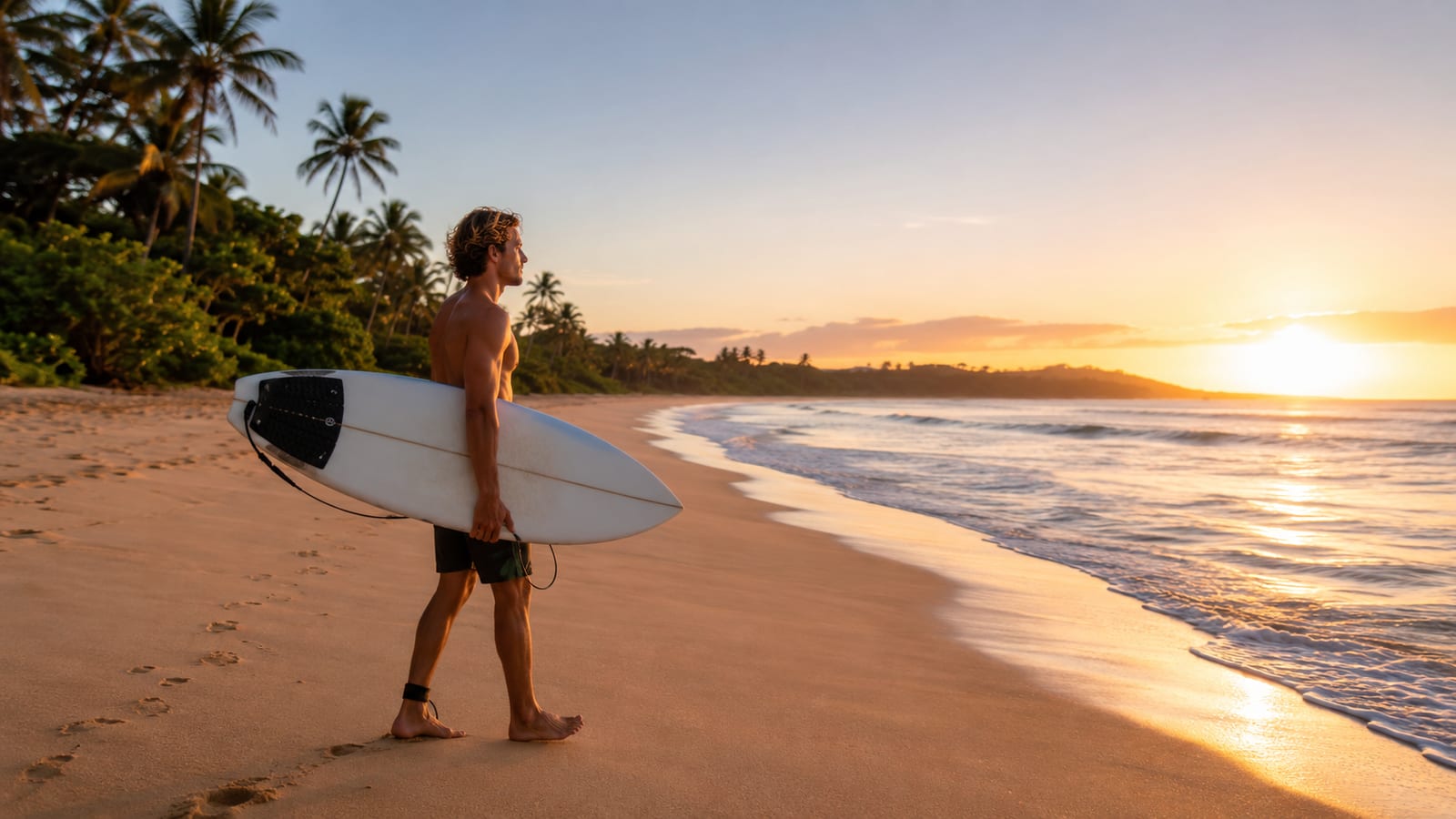
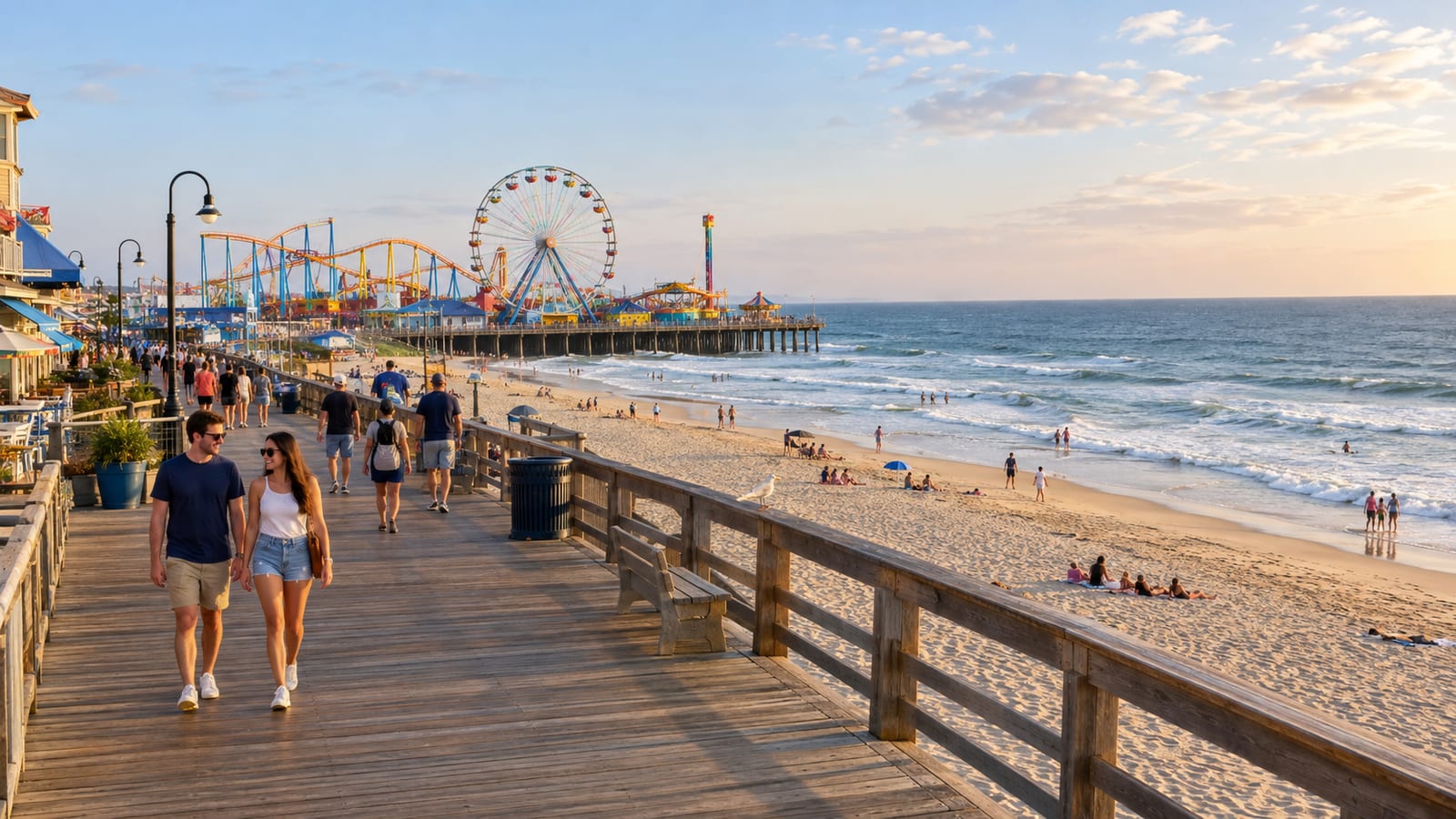
Oʻahu gives you the easiest first read on Hawaiʻi. Waikīkī has a wide swimming beach, surf schools, hotels, food, and a long walk where you can get your bearings without a car.
The downside is obvious. Waikīkī is busy, built up, and not the quietest place to hear the ocean. I still recommend it for a first trip because convenience matters when you’re learning how the islands work.
You can move beyond Honolulu without abandoning that convenience. Spend a beach morning on the east side, drive toward the North Shore, or take a bus to a trail and return before dinner. The island lets you try different parts of Hawaiʻi without turning every day into a logistics problem.
Oʻahu also has the strongest mix of history and modern island life. Visit ʻIolani Palace, walk through Chinatown, learn about Pearl Harbor, then eat somewhere that has nothing to do with a resort menu. Hawaiʻi’s statehood date is part of the story, but it isn’t the whole story.
Surf culture is another reason Oʻahu works so well. Waikīkī is an approachable place to take a first lesson, while the North Shore has a serious surf tradition and powerful winter waves. Watch from a safe distance when the water is rough. A wave that looks impressive from the sand can be dangerous in seconds.
I’d give Oʻahu three separate kinds of day before adding another island: a city and history day, a beach and surf day, and a mountain or coast day. That range is what first-time visitors usually want, even when they say they only want a beach.
For broader trip planning, my guide to choosing the right Caribbean island uses the same rule: pick the place that matches your actual days, not the one with the longest list of attractions.
What are the best Oʻahu hikes, beaches, and surf experiences?
Build Oʻahu around one main activity each day. The island has enough options to keep you busy, but that doesn’t mean you should stack them all together.
- Start with Diamond Head. Go early, take water, and treat the climb as a proper outing. The crater trail gives you a strong coastal view and a useful first look at Honolulu’s shape. Check Diamond Head State Monument before you go because entry planning can change.
- Choose a swimming beach. Waikīkī is the easiest first choice because services and food are close. Hanauma Bay suits snorkeling when conditions and reservations line up, but don’t force it if the water is rough or the booking doesn’t work.
- Take one surf lesson. A beginner lesson in Waikīkī is the sensible starting point. You’ll get instruction, a soft landing, and a beach built around learning. Leave advanced North Shore waves to experienced surfers.
- Add a coastal viewpoint. Pick one east-side or southeast-side stop and give it time. Wind, clouds, and changing light can make a viewpoint better than the schedule promised.
- Spend a day on the North Shore. Go for surf culture, food, and the drive itself. Don’t assume you’ll cover every beach and town in one sweep. Stop when the coast gives you a reason.
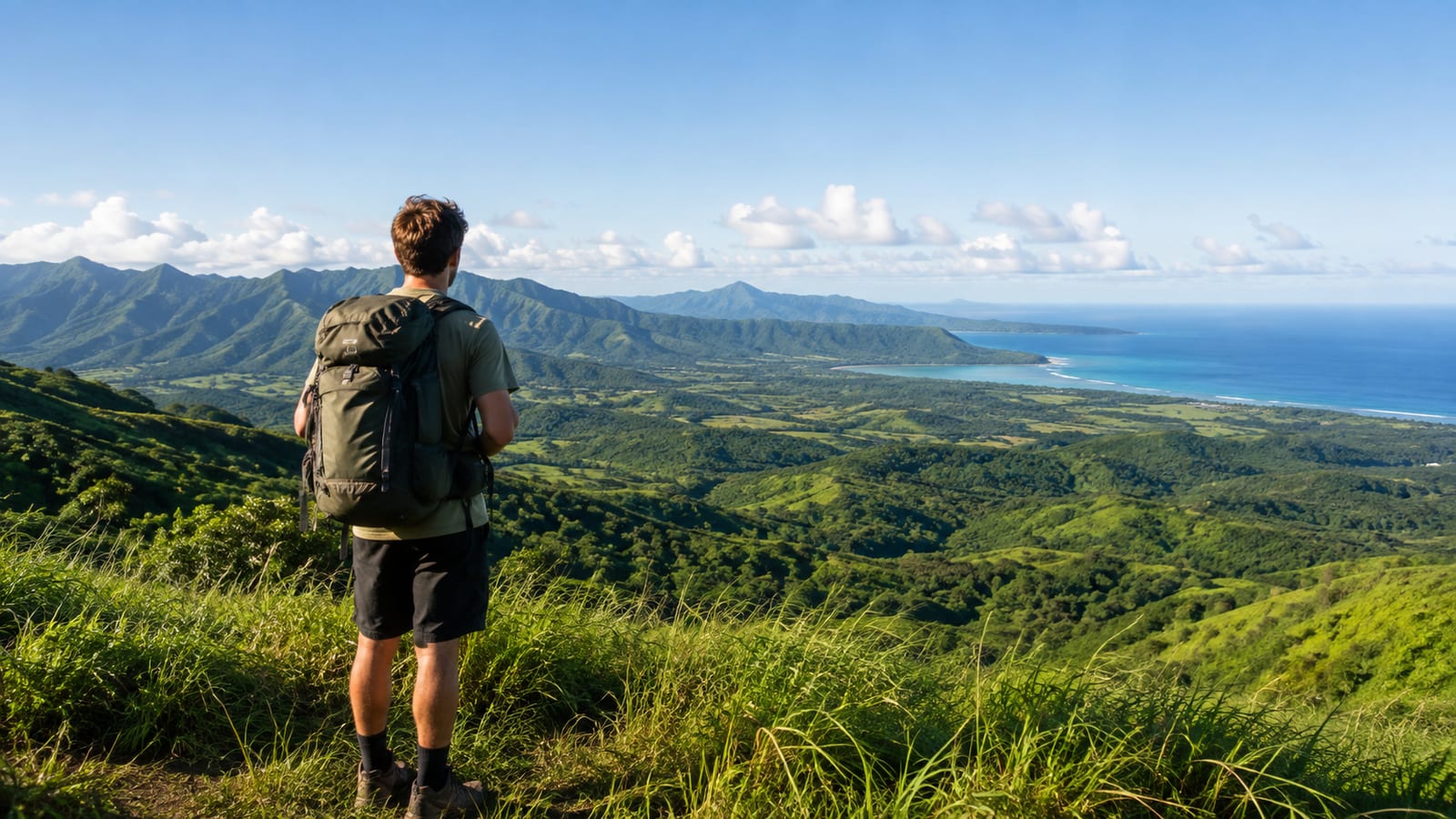
Oʻahu has hikes for beginners and stronger walkers, but conditions matter more than the label. Mud, heat, steep drops, and wet rock can turn a short trail into a bad decision. Check the trail status, wear shoes with grip, and turn around before the view becomes the only thing you’re thinking about.
The best surf experience may be watching first. On the North Shore, local knowledge and ocean judgment matter more than your confidence on land. If the water is rough, stay on the sand and learn something.
Why should you choose Kauaʻi for landscapes and hiking?
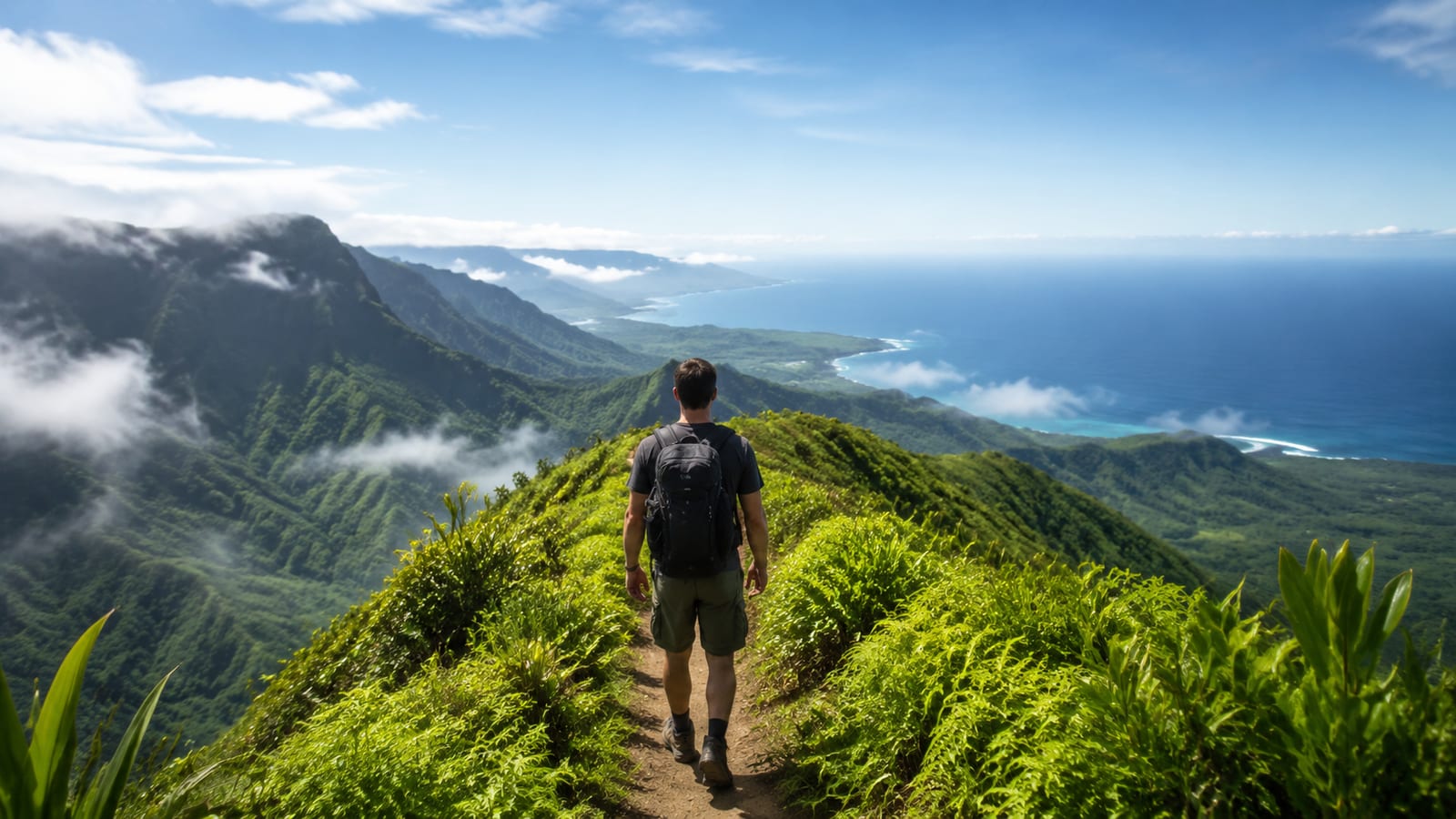
Kauaʻi is the island I’d choose when the landscape is the main event. Green ridges, wet valleys, sea cliffs, and narrow roads make the island feel slower than Oʻahu or Maui.
The Nā Pali Coast is the signature view, but it isn’t one single activity. You can see parts of it from land, take a boat tour when the sea allows, or book an air tour for a wider view. Each option has a catch. Boats depend on ocean conditions, flights depend on weather, and land viewpoints don’t show you everything.
Waimea Canyon gives you a different side of the island. Red cliffs and broad views replace the wet green north. Put canyon viewpoints on a day with flexible stops because clouds can move across the ridges and hide the exact view you drove for.
Hiking ranges from short lookout walks to demanding routes that need planning and honest fitness judgment. Rain can make trails slick, and the wettest areas don’t care how carefully you arranged your morning. Take a small pack, water, rain protection, and a backup plan that doesn’t require another long drive.
Kauaʻi rewards a slower schedule twice over. You need time for the scenery, and you need time for the roads. The island is less ideal if you want nightlife, many restaurant choices, or a different activity every hour.
What are Kauaʻi’s best scenic drives and tours?
Plan Kauaʻi by side of the island, not by a giant checklist. A north-shore day and a west-side day make more sense than trying to loop everything together.
Start the north-shore drive with a few stops you actually care about. Leave room for viewpoints, rain, food, and the small delays that come with a narrow road. If you push all the way to the end of the route, don’t pretend you’ll also fit a long hike and a sunset dinner on the other side.
The west-side drive works well with Waimea Canyon viewpoints and the road toward Kōkeʻe. Go early if you want clearer mountain views, then keep the rest of the day simple. The return drive is part of the plan, not dead time.
Book a Nā Pali boat or air tour before the trip if it matters to you. These outings depend on weather and available seats, so leaving them until the last afternoon is poor planning. Keep a spare half-day in case the first booking is canceled.
A day trip from another island is the wrong way to see Kauaʻi. You’d spend the day getting there and leave before the island’s quiet parts have had a chance to show up. Stay long enough to let weather change the plan.
Why is Maui the best island for beaches, volcanoes, and whales?
Maui is the best choice for a polished beach trip with a few major adventures attached. Its beaches are easy to build a holiday around, while Haleakalā, the Road to Hāna, and seasonal whale watching give you reasons to leave the resort area.
The tradeoff is planning. Maui’s famous experiences fill schedules quickly, and the drives are longer than they look. A beach day after a major road day sounds reasonable until you’re too tired to enjoy either.
Haleakalā needs a weather check and an early decision about sunrise or sunset. Sunrise visits can require reservations, so check the official Haleakalā guidance before building the trip around it. Sunset is often easier to plan and can be just as memorable when clouds cooperate.
The Road to Hāna is not a quick attraction. It’s a full scenic drive with curves, stops, weather changes, and a return journey. Start with a short list of places you care about, then turn around before exhaustion makes the road less fun.
Whale watching is seasonal, not a year-round promise. If seeing whales is central to your trip, check the season before booking Maui. Keep your expectations practical because wildlife doesn’t follow the brochure.
Maui can carry three different trip styles: a beach stay, a mountain trip, or a road-trip holiday. Pick one as the backbone and treat the others as additions. That keeps the island from becoming a long list of early alarms.
Why choose Hawaiʻi Island for volcanoes and snorkeling?
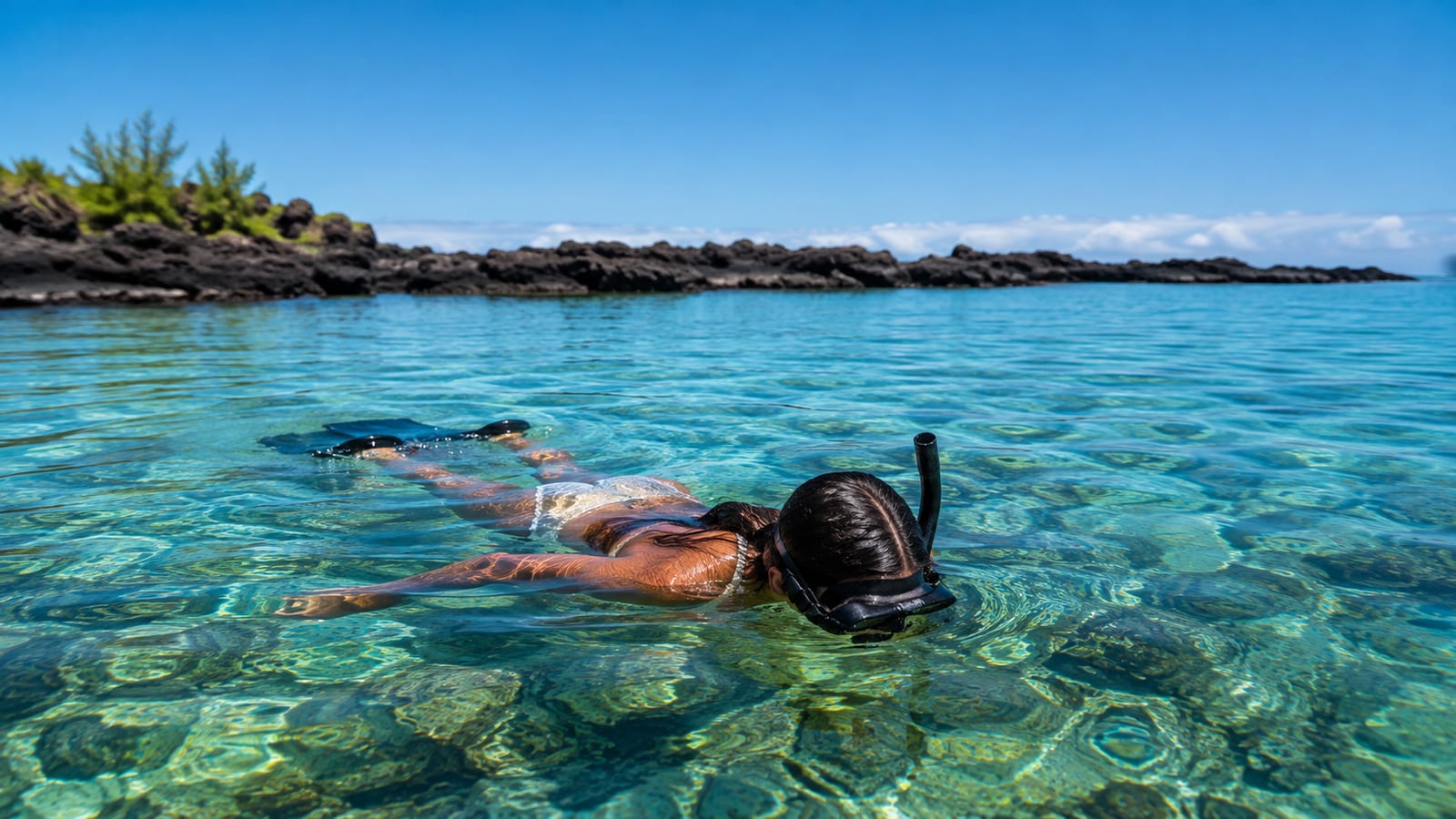
Hawaiʻi Island is the right pick if you want the biggest range of landscapes and don’t mind driving between them. Kona and Hilo feel different, and Hawaiʻi Volcanoes National Park gives the trip a strong reason to exist beyond the beach.
The park is a place to watch land change, not a guarantee of flowing lava. Conditions, closures, and volcanic activity can shift, so check the National Park Service information for Hawaiʻi Volcanoes National Park before you go. The private non-commercial vehicle entrance fee is $30.00.
Kona works well for sunny coast days, reef trips, and manta-ray experiences. Hilo gives you a wetter, greener base with a different pace. Staying on one side can make the other side feel far away, so choose your base around the activities you care about most.
Snorkeling can be excellent, but ocean conditions still decide the day. Manta rays are a different kind of experience from reef snorkeling and usually involve an organized night outing. Don’t book it on the final night if a weather cancellation would ruin the trip.
Hawaiʻi Island is once the right choice for a first trip if volcanoes are your reason for coming. It’s less suitable if you want to walk from your hotel to several beaches, restaurants, and evening plans. Rent a car, allow longer days, and avoid changing bases every night.
Which island has the best signature experiences?
There isn’t one best island for every headline experience. Match the experience to the island, then accept the tradeoff that comes with it.
- First surf lesson: Oʻahu, especially Waikīkī.
- Serious surf watching: Oʻahu’s North Shore, with care during rough conditions.
- Volcano landscapes: Hawaiʻi Island.
- Nā Pali Coast scenery: Kauaʻi.
- Haleakalā: Maui.
- Whale watching: Maui during whale season.
- Manta rays: Hawaiʻi Island near Kona.
- Easy mix of beach, food, hiking, and history: Oʻahu.
- Lush scenery and hiking: Kauaʻi.
- Polished beach holiday with scenic drives: Maui.
The mistake is choosing an island because of one photo, then discovering that every other activity requires a long drive. Pick the experience you’d regret missing. Build the trip around that, not around a ranking someone made for all travelers at once.
How should you plan an island road trip?
Use this five-step plan before you book anything.
- Choose one island first. For a short trip, stay put. Splitting islands adds flights, airport time, car changes, and another round of unpacking. Add a second island only when you have enough days to give both a proper visit.
- Book the car around the real plan. You don’t need one for every Oʻahu day, especially if you’re staying in Honolulu. You’ll want one more often on Maui, Kauaʻi, and Hawaiʻi Island.
- Reserve the fixed experiences. Check park reservations, sunrise access, boat trips, air tours, surf lessons, and manta-ray outings before filling the rest of the schedule. Leave open time around anything controlled by weather.
- Group stops by direction. Put nearby beaches, viewpoints, and food stops together. Crossing an island for one short visit wastes time and leaves you tired before the good part of the day.
- Check weather and road conditions each morning. If rain closes a trail or clouds erase a summit view, switch plans. A covered market, museum, long lunch, or local café is a better day than forcing a bad road trip.
Fuel up before long scenic routes and don’t assume every stretch has a convenient stop. Download maps before leaving service areas. Tell someone where you’re going if you’re heading onto a remote trail.
Your daily distance should feel easy enough that you can stop when something catches your eye. The islands are better when you leave room for a beach you didn’t plan, a rain shower, or a view that needs ten quiet minutes.
For a first solo trip, I’d use the same principle as my advice on booking fewer tours in New Zealand: reserve the experiences that truly need a booking, then let the rest of the day breathe.
Which Hawaiian island should you choose for your travel style?
Choose Oʻahu if you want the least complicated first trip. It has the strongest mix of beaches, hikes, surf culture, history, food, and city energy.
Choose Maui if beaches come first and you also want Haleakalā, scenic drives, and whale watching in season. It’s a good fit for couples and travelers who like a comfortable base with planned outings.
Choose Kauaʻi if hiking and scenery matter more than nightlife or variety. Stay longer, watch the weather, and accept that the road network sets the rhythm.
Choose Hawaiʻi Island if volcanoes, manta rays, and geographic variety are the point. Bring patience for long drives and don’t build the trip around seeing every coast.
Choose Oʻahu for a first family trip when you want easy food, beaches, and backup plans close together. Choose Maui if the family is happier with a resort-centered holiday.
Choose Kauaʻi for a hiking-focused couple’s trip. Choose Maui for a more polished beach break. Choose Hawaiʻi Island for travelers who want the landscape to keep changing.
The final choice is simple. Start with Oʻahu unless you already know the trip is about volcanoes, lush hiking, or a quiet beach base. Then book the first two nights, choose one main activity for each full day, and stop trying to win the whole map.
FAQ
Is Oʻahu too busy for a first trip to Hawaiʻi?
No, unless you expect every beach and neighborhood to feel quiet. Stay in Honolulu for convenience, then plan specific days outside the city so the island doesn’t blur into traffic and hotel time.
How many islands should you visit on a first trip?
Visit one island unless you have enough time to explore both without rushing. A second island makes sense when you have a clear reason for adding it, not because a checklist made you feel guilty.
Do you need a rental car in Hawaiʻi?
You can manage several Oʻahu days without one, especially from Honolulu. A car becomes more useful on Maui, Kauaʻi, and Hawaiʻi Island because major sights and towns sit farther apart.
Is Hawaiʻi Island the same as the Big Island?
Yes. Hawaiʻi Island is commonly called the Big Island. The longer name helps distinguish it from the state of Hawaiʻi.
Which island is best for a quiet holiday?
Kauaʻi is the strongest choice among the main tourist islands. Maui also works outside its busiest resort areas, while Oʻahu gives you quiet pockets but stays more urban overall.