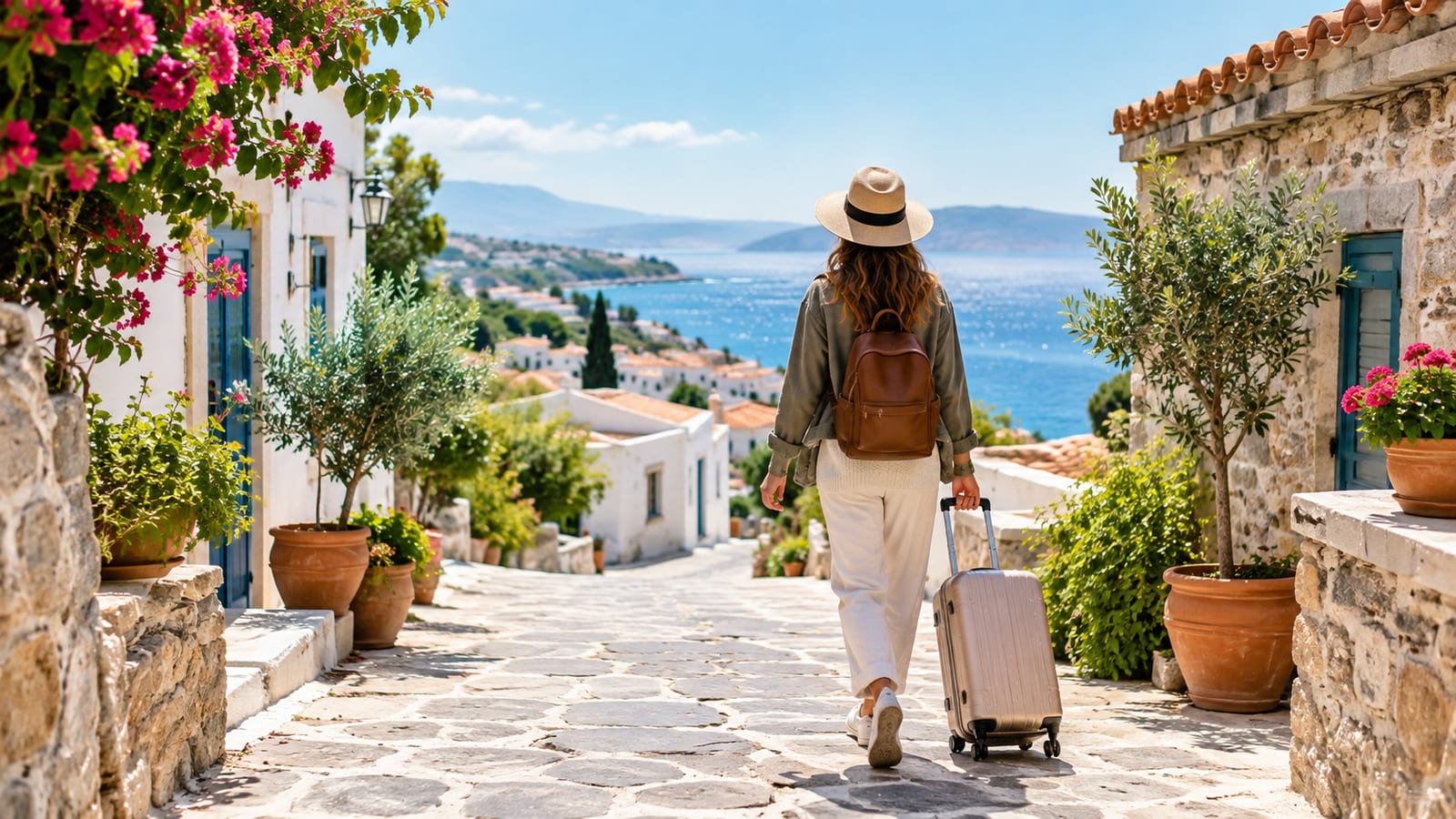
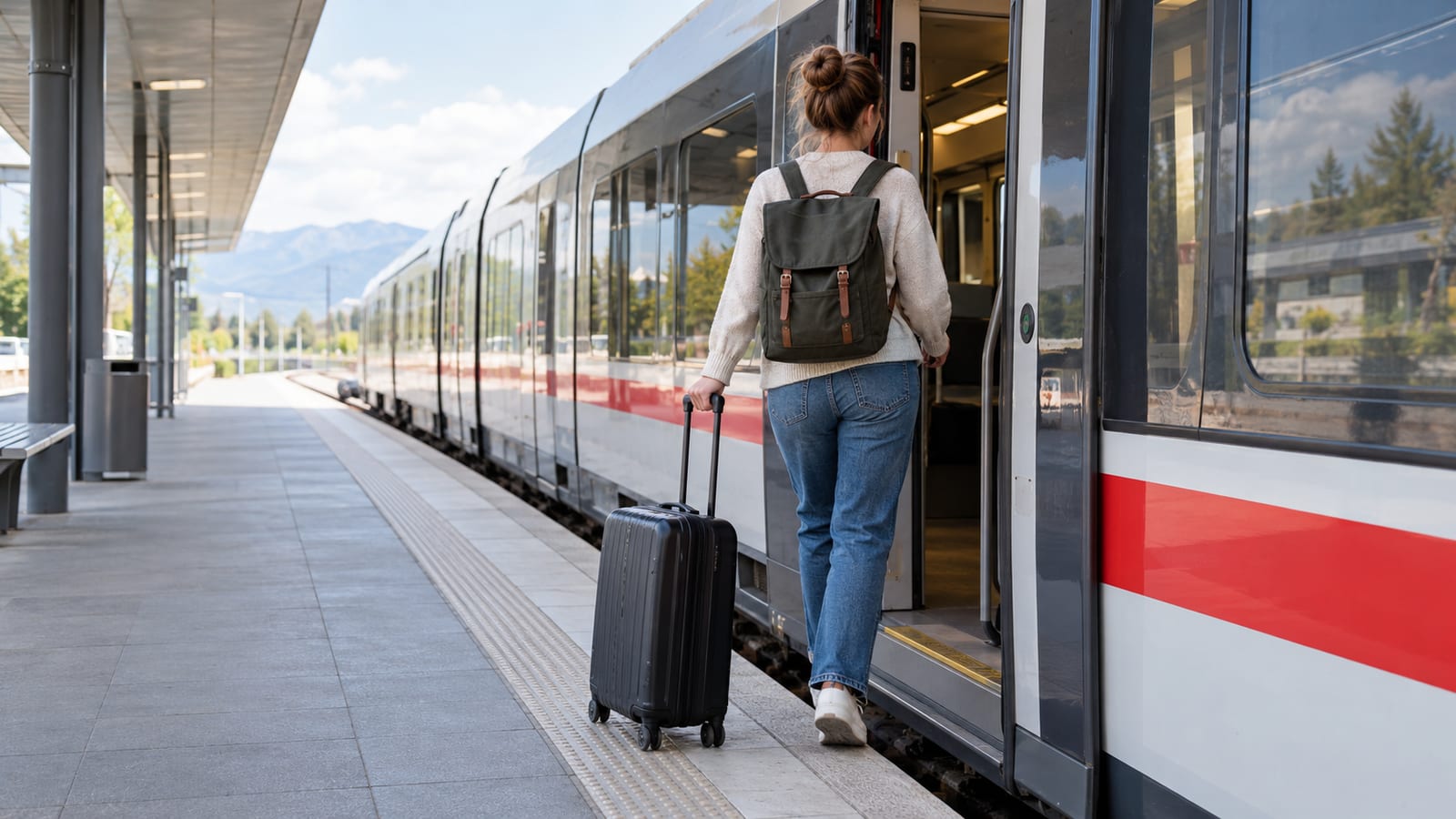
The best way to plan a solo trip to Europe is to plan less than you think and check the boring stuff first. Make sure your passport and entry rules work. Then pick one city that's easy on foot, book your first two nights, and leave the rest open. Trains, money, and dinner alone all get easier once you're standing in the place.
Most first trips go wrong the same way. Someone squeezes five countries into two weeks and spends half of it in train stations. So this guide is built around fewer places, more days, and the short list of things you need to sort before you fly.
How do you plan a solo trip to Europe?
Work through it in this order. The early steps are the ones that can cancel a trip, so don't skip ahead to the fun part.
- Check your passport today. Look at the issue date and the expiry date. Both matter, and the issue date is the one people forget.
- Confirm your entry rules. Find out whether your nationality needs a visa, and count your days against the Schengen limit.
- Pick a season. Spring and autumn are calmer and usually cheaper than high summer. Also, some family-run places in southern Europe close for part of August.
- Choose one base city, then add one or two more at most. My rule is three nights minimum in each, so you unpack once and actually live there.
- Book the flight in and your first two nights. Leave the middle open so you can stay longer where you like it.
- Sketch the route by train. Look up journey times before you commit to a city. A pretty town that's a full day away costs you a full day.
- Sort money, phone, and insurance. Get a card with no foreign fees and an eSIM (a digital SIM you download to your phone) or a local SIM. Then buy a policy that covers medical costs abroad.
- Plan day one on foot. One neighborhood, one café, one long walk, and an early night.
Do steps one, two, and five this week, and your trip can't fall over at the border. Everything else can be fixed on the road.
Start with a city that does the work for you
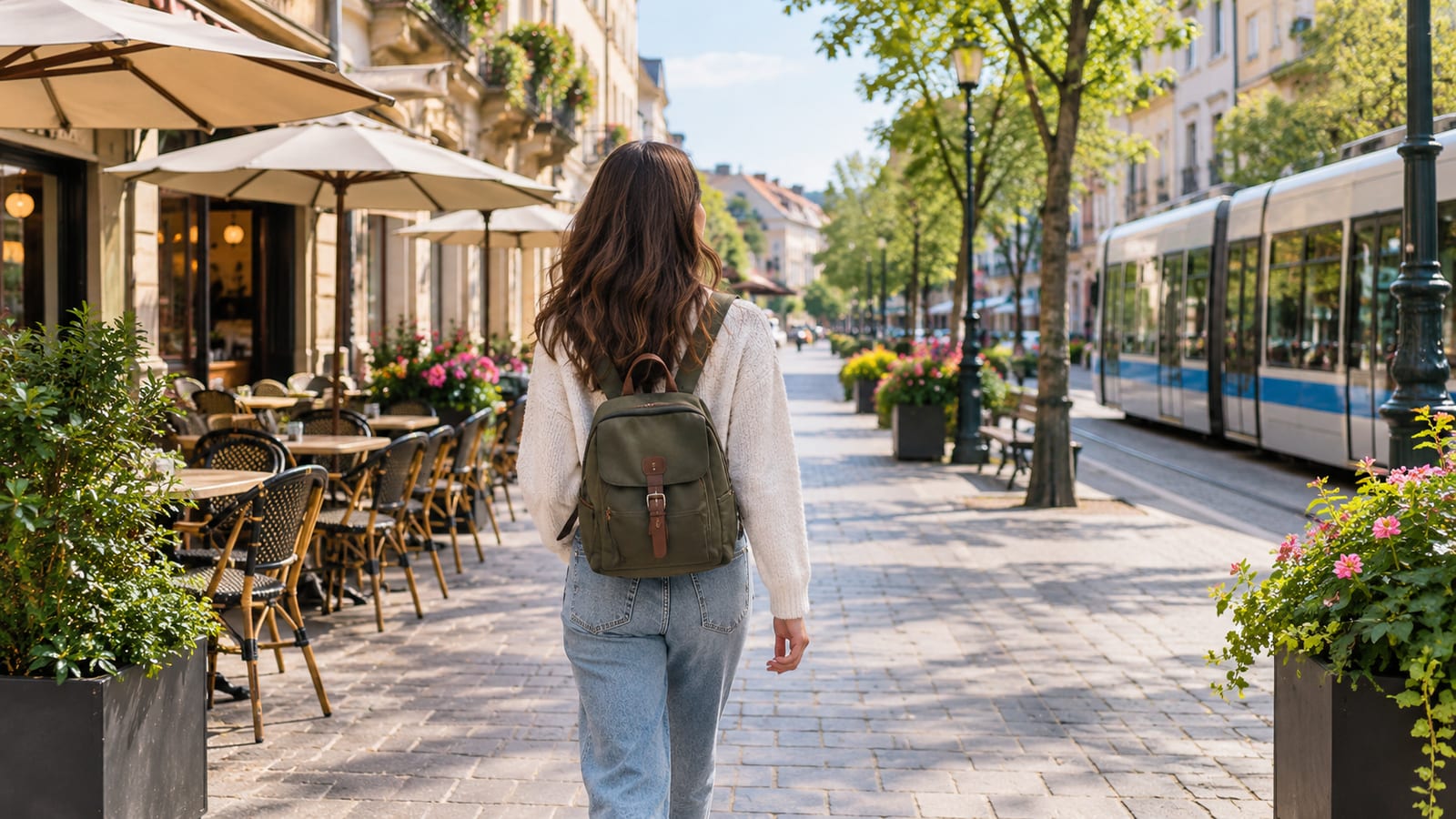
Your first solo city should be walkable, easy to get around by public transport, and full of other travelers. That mix means you're never truly stuck. It also means you're never the only stranger in the room.
Each of these fits. Each also has a catch, and I'd rather you read it here than discover it on a wet hill in your first week.
| City | Why it works alone | The downside |
|---|---|---|
| Lisbon | Compact center, trams, cafés on every corner | Steep hills, slippery stone pavements, pickpockets on busy trams |
| Porto | Small enough to learn in a day | Just as steep, and the riverside Ribeira gets packed in summer |
| Amsterdam | Flat, trams everywhere, English widely spoken | Beds are expensive and book up early |
| Vienna | Coffee houses built for sitting alone for hours | Feels formal, and most shops close on Sundays |
| Ljubljana | Car-free old center you'll know by day two | Quiet at night, and a long stay runs out of things to do |
Here is a good first morning. Pick the area around where you're sleeping and wander it with no plan. In Lisbon, that might mean dropping your bag in Baixa and climbing into Alfama until your legs complain.
By lunch you know where the bakery is, which streets are steep, and how to get back. That small bit of knowledge does more for your nerves than any amount of reading before the trip.
Save the big, sprawling cities with hard-to-read transport for trip two. They're worth it, but they're harder work when you're the only one holding the map.
The paperwork that stops trips at the border
Two rules catch people out, and both are easy to check from home.
The first is passport validity. For non-EU visitors, your passport should be valid for at least three months after the date you plan to leave the EU. It also has to have been issued within the last 10 years.
That second rule is the sneaky one. Some older passports had leftover months added on at renewal. As a result, the expiry date can look fine while the issue date is too old.
The second rule is the time limit. If you're a visa-free visitor, you can spend up to 90 days in the Schengen area within any rolling 180-day period. The Schengen area is the group of European countries that dropped border checks between them. All your days there count together, so a week in France plus a week in Italy is two weeks off the same clock.
"Rolling" is the word people misread. The 180 days don't reset on January 1 or when you fly home. Instead, each day you look back over the past 180 days and count. So a long spring trip eats into your autumn.
The UK and Ireland sit outside Schengen and run their own entry rules. Check them separately if they're on your route. Entry checks for visa-free visitors are also changing. Read the official Your Europe guide to travel documents for non-EU nationals before you book anything you can't cancel.
Trains, rail passes, and when to skip them
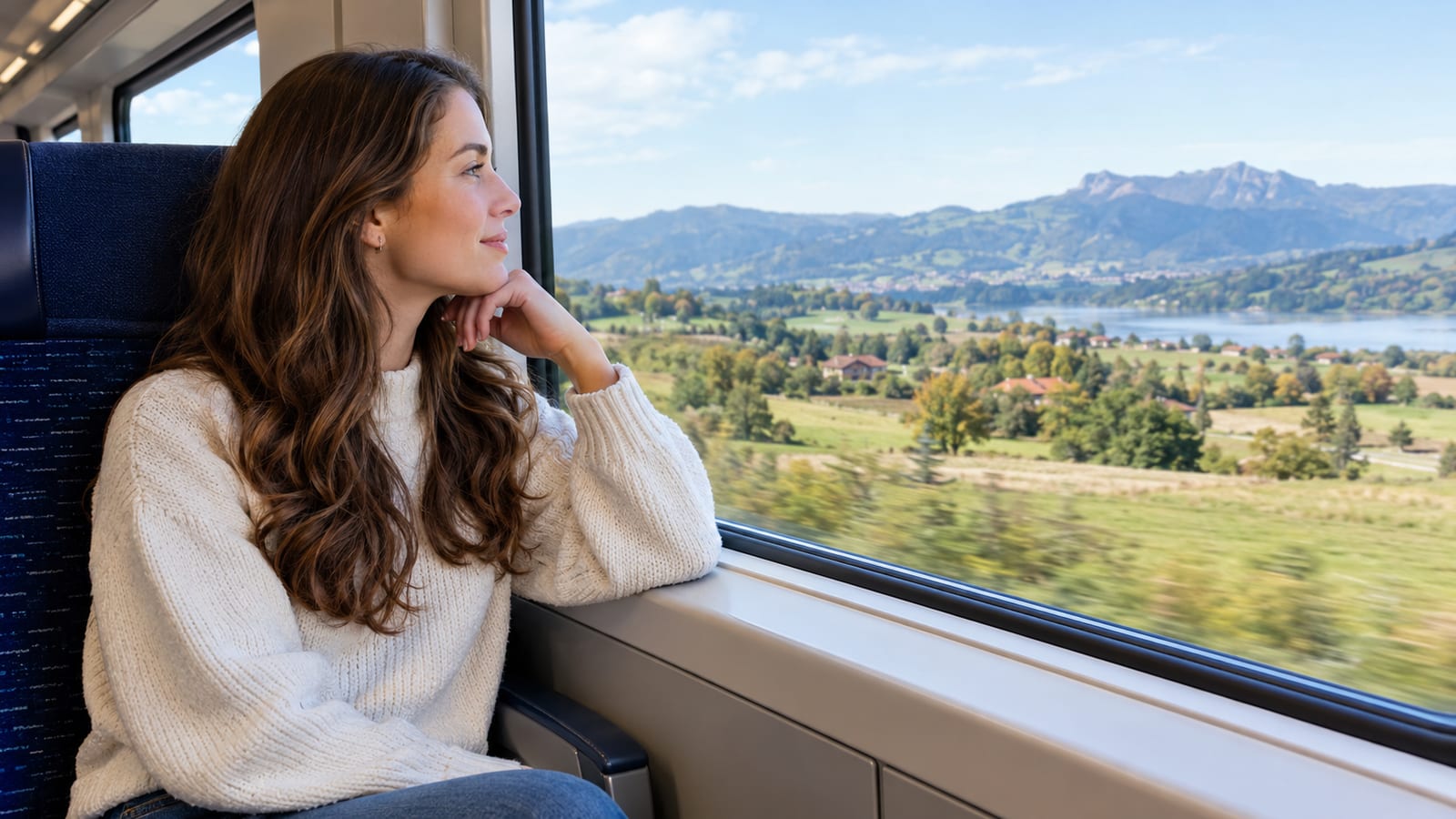
Trains are the best way to move between European cities alone. You get a window and a table, and you arrive in the city center. Nobody cares that you're eating a sandwich by yourself.
Rail passes are the bigger question. For a short trip with two or three long hops, single tickets booked early usually work out cheaper. A pass earns its money when you're making lots of long journeys and want to decide the night before.
Even then, fast trains and night trains often need a paid seat reservation on top of the pass. That catches plenty of people at the platform, so check before you assume you're covered.
If you're young, look at the youth price. Interrail's Youth Pass is for travelers who are 27 or younger on the date they start their Interrail trip. If you buy it at 27, your first travel day just has to fall before your 28th birthday.
Interrail passes are for European residents. If you live outside Europe, the equivalent is Eurail, so check its own age terms.
Before you add a city, look up the train time from the last one. If the journey eats most of a day, either cut the stop or give it an extra night.
Where to sleep when you're on your own
Sleep is the biggest real cost of going solo, because there's no one to split the room with. Hostels solve a lot of that, and most now offer private rooms as well as dorms. A private room in a good hostel gets you a door that locks plus a common room full of people to talk to.
When you read reviews, skip the overall score and look for three small details:
- Is it within walking distance of the center, or a long night bus away? Check the walk on a map, not the "central" in the listing.
- Does the dorm have lockers, and do you need to bring your own padlock? If the answer is yes, pack one from home.
- What do solo guests say about the street outside after dark? Filter for solo reviews if the site lets you.
Book your first two nights somewhere central, even if it costs more. Arriving tired at a cheap place on the edge of town is how first nights go badly. After that, move somewhere cheaper once you know the layout.
What does traveling Europe solo actually cost?
It costs more per person than going with a friend, mostly because of the room. Taxis, rental cars, and apartments are priced for groups, so you pay the whole bill alone. However, food, museums, and train seats cost the same whether you're one person or two.
So spend on the bed and save on the rest. Eat your big meal at lunch, when many restaurants run cheaper set menus. In Spain that's the menú del día, a fixed lunch of a couple of courses with bread and often a drink.
Walk wherever you can, and look up free museum hours. Many big museums open at no cost on certain days, and they list it on their own site.
Two money habits save a real cost over a trip. First, carry a card with no foreign transaction fees and keep a backup card in a different bag. Second, when a card machine asks whether to pay in your home currency or the local one, always choose local.
The home-currency option uses the shop's own exchange rate, and it's almost always worse. Also keep a little cash, because small cafés, markets, and some public toilets still prefer coins.
Eating alone without feeling watched
Lunch is the easiest solo meal in Europe. Restaurants are busy, people eat fast, and nobody notices a table for one. If dinner alone feels awkward, make lunch the main event and keep evenings light.
For dinner, sit at the counter. Tapas bars in Spain, small wine bars in Lisbon, and the standing bars of Italian cafés are all set up for one person. You get a view of the kitchen and an easy chat with whoever's behind the bar.
Bring a book or a paper map. A phone works too, but a book makes you look settled rather than stuck. Vienna's old coffee houses take this furthest. One coffee buys you a seat for as long as you like, plus newspapers to read with it.
Also eat when locals eat. In Spain, dinner starts late, so turn up early and you'll find an empty room and a kitchen that isn't serving yet.
Meeting people, if you want to
You'll meet more people alone than you would with a friend, because you're easier to approach. Still, it helps to put yourself where conversations start:
- Free walking tours on your first full day. They run on tips, you learn the layout, and the group often heads for a drink afterward.
- Hostel common rooms and group dinners. Use them even if you booked a private room. The cheap pasta night is where plenty of travel friendships start.
- Cooking classes and food tours. Strangers share a table by design, so nobody has to think up an opening line.
- The same café two mornings in a row. Staff and regulars start to recognize you, and by the second visit someone usually says hello first.
Temporary travel companions are one of the best parts of going solo. You meet someone in Porto, share the train to Lisbon, then part ways without any fuss. Keep your plans loose enough to say yes and firm enough to say no.
Once you've landed, these solo vacation ideas that work for one traveler pick up where this planning guide stops.
Staying safe without getting jumpy
Europe is one of the easier places to travel alone, and most problems are petty theft. Pickpockets work crowded trams, metro platforms, and the spots where tourists stop for photos. Keep your phone in a front pocket, wear your bag across your body, and stay alert as doors open and close.
Save 112 in your phone before you leave. It's the European emergency number, free everywhere in the EU. The European Commission's page on 112, Europe's emergency number, explains how it works.
A few calm habits cover the rest. Arrive in a new city in daylight when you can, and send your itinerary to one person at home. If a street or a person feels off, trust yourself, walk into a busy café, and give it a few minutes.
Women traveling alone can use the same habits, with a few extra checks on where you stay and how late you're out. This look at whether Croatia is safe for solo female travelers shows what that means in one country.
When the plan falls apart
Something will go wrong. A train gets cancelled, it rains for three days, or a city you were excited about leaves you flat. That's normal, and it's why you left the middle of the trip open.
When a place disappoints, leave early, because nobody is checking your itinerary. When it rains, swap in the museum, the covered market, or the long lunch you were saving. And when you're tired, take a full day off for laundry, a nap, and a slow walk.
It also helps to set expectations around what you can control before you go. Trains, weather, and other people aren't on that list. Your pace, your budget, and your choice to move on are.
So here's your first move when planning a solo trip to Europe. Find your passport, check the issue date and the expiry date, and add three months to the day you plan to fly home. If both dates work, start booking.
FAQ
How long should a first solo trip to Europe be?
Long enough that one bad day doesn't sink it. Around two weeks gives you room for two or three cities, a rest day, and a change of plan. A long weekend works too, as long as it's one city and you resist bolting a second one on.
Can I travel Europe with just a carry-on bag?
Yes, and it makes going alone much easier. You'll haul everything up station stairs and cobbled hills yourself, with nobody to watch your bag while you buy a ticket. Pack for a week and plan one laundry stop. Then check your airline's size limits, because European budget airlines enforce them strictly at the gate.
Do I need to speak the local language?
No. In the cities above, people working in hotels, stations, and cafés usually speak some English. Learn hello, please, and thank you anyway, and say them before you switch to English. It changes how people treat you at the counter, and you can learn them on the train in.
What if I get nervous right before I leave?
Almost everyone does, and it usually fades by the time you're working out which tram to take. Make day one as predictable as possible: a booked room, airport directions saved offline, and one café picked out nearby. The confidence you build carries home with you, as this piece on life skills you'll learn as a solo traveler explains.