Take the San Diego Zoo guided bus soon after you arrive. It’s included with qualifying admission, gives you a quick read on the hills and main paths, and saves your legs for the habitats worth exploring on foot. The right plan is simple: ride first, mark what interests you, then go back on foot. Skip it only if the queue is eating into your best viewing time.
Is the San Diego Zoo Guided Bus Tour worth doing?
Yes. The San Diego Zoo Guided Bus Tour is worth doing for first-time visitors, families, solo travelers, and anyone who wants to avoid unnecessary uphill walking.
The zoo covers a lot of ground, and the map makes more sense after you’ve seen the slopes. From the bus, you can spot which areas deserve more time. You can also cross a few lower-priority stops off your plan.
However, the tour works best near the start of your visit. Leave it too late, and it becomes a pleasant rest instead of useful planning time.
You should still walk the habitats that matter to you. Bus views are brief, and some exhibits sit well away from the road. Treat the ride as an introduction, not the whole visit.
What the Guided Bus Tour is like
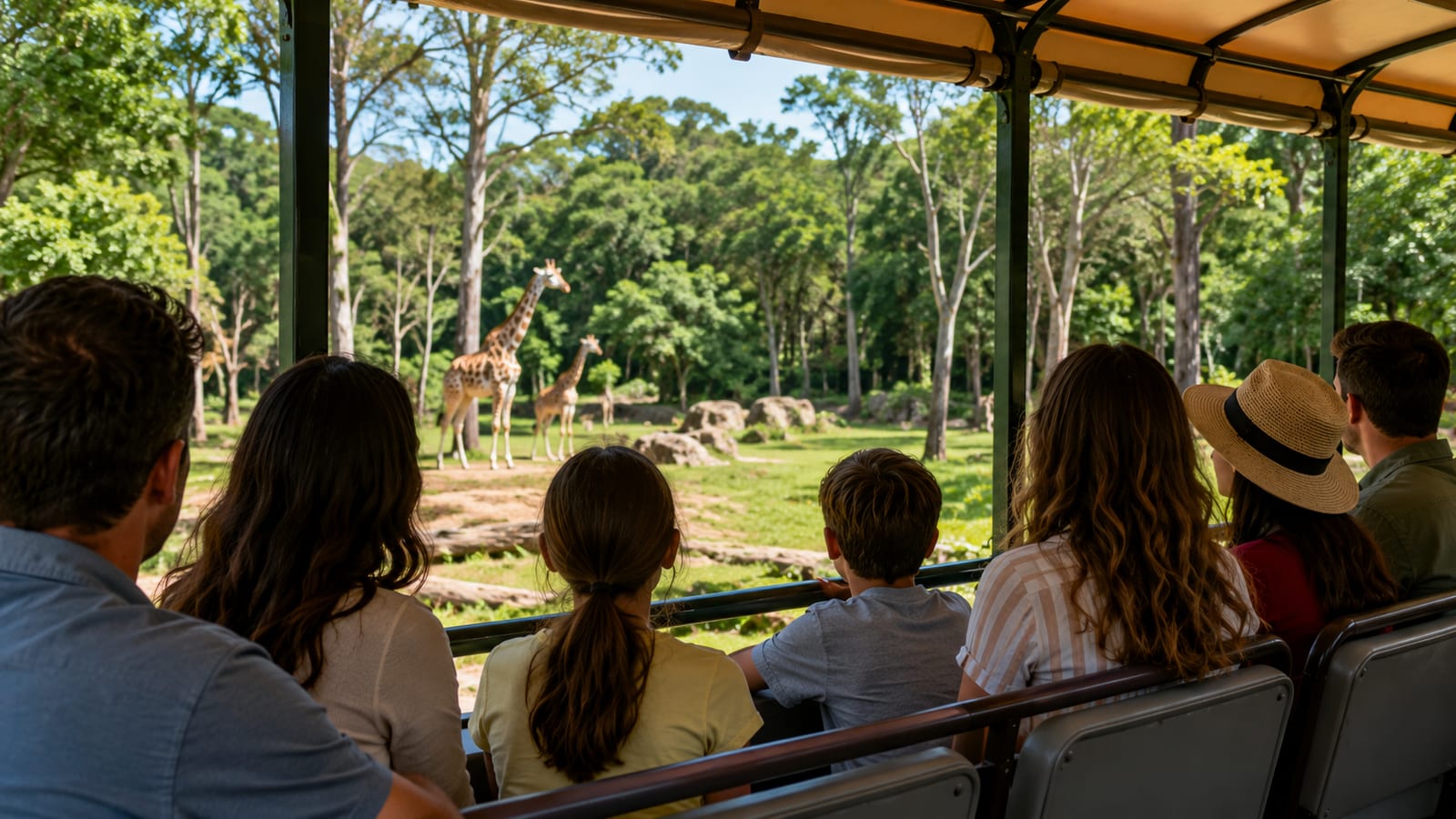
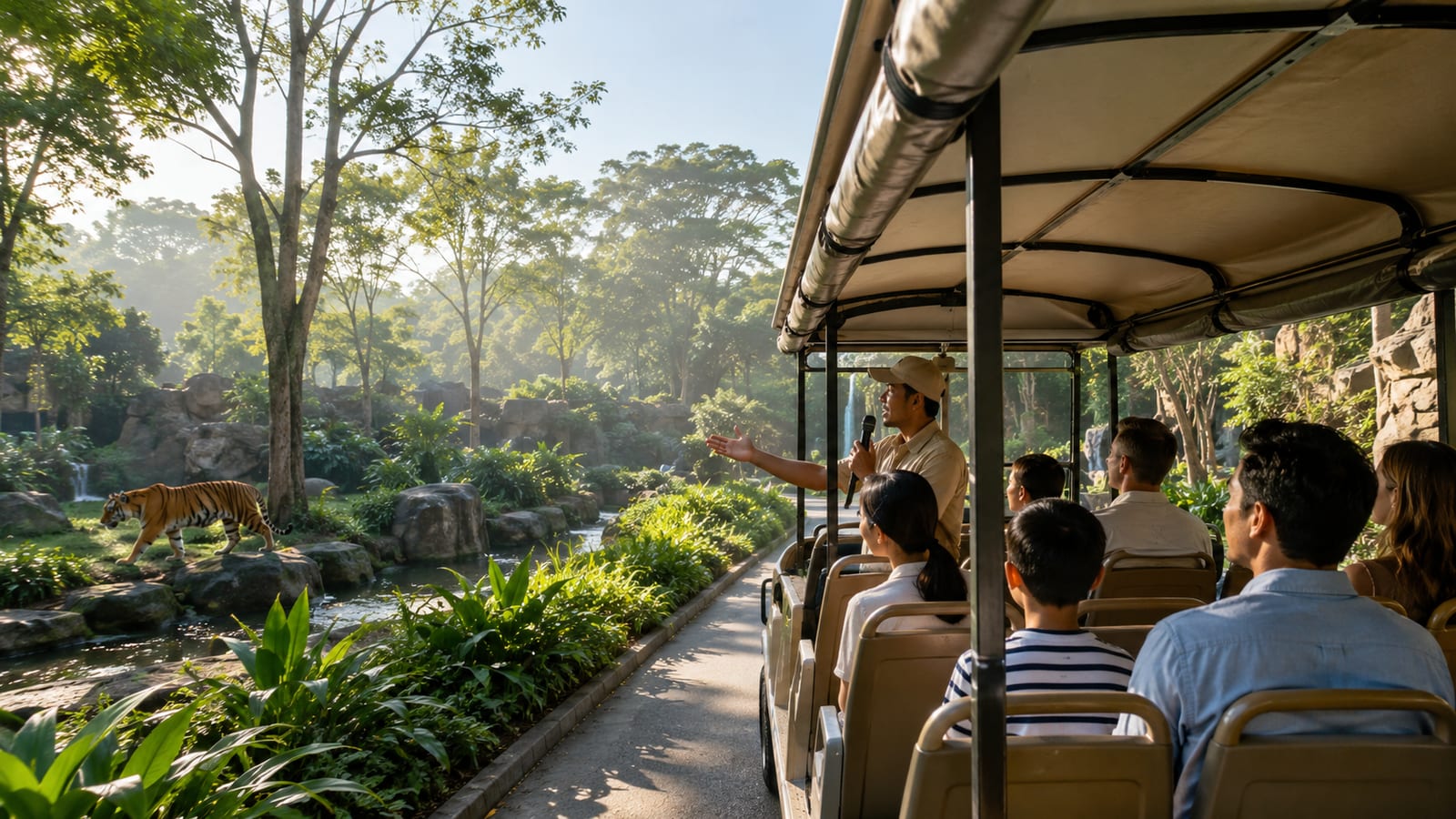
The tour is a narrated round trip on an open-air double-decker bus. You stay aboard while the bus passes through broad parts of the zoo.
The guide points out animals, major exhibit areas, zoo history, and conservation work. More importantly, you get a real look at the terrain. A flat paper map doesn’t show you how a path will feel after lunch.
Your seat changes the experience.
| Seat area | What works | What falls short |
|---|---|---|
| Upper deck | Wider views and fewer window frames | More sun, wind, and weather exposure |
| Lower deck | More shade and easier boarding | Views can be more limited |
| Outside edge | Clearer sightlines toward some habitats | The useful side changes along the route |
| Interior seat | Easier for groups to sit together | Other passengers may block quick views |
Pick the upper deck if broad views matter most. Choose the lower deck if you need shade, easier boarding, or a calmer place to sit. There’s no perfect seat because the useful view keeps changing.
Where does the bus go, and what will you see?
The route passes through large sections of the zoo, but it doesn’t put you beside every habitat. Think of it as a moving preview of the grounds.
Some animals may be active near the road. Others may be behind plants, indoors, resting, or simply out of sight. A guide can point toward a habitat, but the animal doesn’t care that your bus has arrived.
Weather changes the ride too. Heat can push animals into shade, while rain can blur the view or affect service. Meanwhile, crowds and temporary road changes can alter the route.
So don’t build your day around a promised sighting from the bus. Note the habitat and return on foot when you have time to slow down and wait.
Admission and tour access
The Guided Bus Tour is generally included with qualifying zoo admission and memberships. That makes it easy to overlook, which is a mistake. You’ve already paid for a useful orientation.
Still, admission products can differ. Read the benefits listed on your ticket or membership before you arrive. If the wording isn’t clear, ask Guest Services near the entrance rather than joining the line and hoping.
The official San Diego Zoo Guided Bus Tour page is the right place to check current access details. Third-party ticket listings often trim away the conditions that matter.
Do you need to reserve a seat?
Standard boarding is first-come, so advance reservations aren’t the main strategy. Your timing matters more.
Ride early, before the queue grows and your day becomes a string of compromises. If the line is already long, don’t waste good animal-viewing time beside a bus lane. Walk a nearby area and check again later.
The San Diego Zoo guided bus can also work as a midday reset. By then, you’ll appreciate the seat, and the route can help you choose where to spend the afternoon. However, it won’t help much with your morning plan because that morning has already gone.
Spanish-language tours may work differently. Ask the zoo about availability and booking before your visit. Don’t assume the standard boarding setup covers every language option.
The boarding area near the entrance
The boarding area is near the zoo entrance. Follow the signs after admission instead of trusting an old screenshot from somebody’s trip report.
Construction, special events, and crowd control can move a queue. So use the day-of map and ask staff if the route isn’t obvious. A saved map won’t argue with a temporary barrier, but it also won’t get you around one.
If you’re meeting other people, gather before entering the queue. Don’t hold places while someone grabs a coffee or hunts for a restroom. It slows boarding and leaves everyone behind you doing the same awkward calculation.
Same-day operating times matter
Check the official mobile app or posted information inside the zoo for that day’s schedule. Hours can shift with staffing, weather, and conditions on the grounds.
Then check again before walking back to the boarding area. The schedule you saw at home may no longer match the day in front of you.
Here is what I’d do: take a screenshot after you arrive. Phone signal and battery life tend to become least helpful when you need one quick answer.
When is the best time to take the tour?
Take it soon after entering if this is your first visit. The queue is often easier to manage, and the route gives you a useful plan before your legs are tired.
This is the same reason I recommend starting a new city with one clear area instead of racing across the map. It’s a practical approach for your first days in San Francisco, and it works inside a large zoo too. Learn the ground before you start doubling back.
A midday ride is better if someone in your group needs a seated break. Still, accept the trade-off. By then, the tour is more useful for recovery than planning.
Strollers and mobility equipment
Don’t assume a stroller can come aboard. Follow the posted rules, park it where staff directs, and take your belongings with you.
Phones, bags, water bottles, and souvenirs shouldn’t stay in a parked stroller. The zoo may feel controlled, but an unattended bag is still an unattended bag.
If you use a wheelchair or other mobility equipment, speak with the boarding attendant before entering the regular line. Ask whether the bus can take your equipment and where you should wait. The person beside the bus has the answer that matters that day.
Also, don’t fold or lift somebody else’s mobility equipment without asking. Let the user tell you what help they want, then follow the boarding staff’s directions.
Parking affects the whole morning
The main visitor parking area serves the zoo entrance. On a busy day, arrive early enough that parking doesn’t swallow the quieter part of your morning.
Once parked, photograph your section or drop a pin on your phone. After a long zoo day, every parking row starts to look like the right one.
A late start can mean a slower entrance followed by a longer tour queue. So if riding early matters, treat parking as part of the visit. It isn’t the dull task before the visit.
Before leaving home, check the zoo’s current parking and arrival guidance. Nearby special events can change traffic even when the zoo is running normally.
Planning the rest of the zoo
Use the narration as a rough list, not an order you must follow. Write down the habitats that catch your attention, then group nearby stops together.
Here is a simple plan:
- Mark your priority animals during the ride.
- Choose one nearby area to walk after you leave the bus.
- Save time for habitats the road only previews.
- Add a meal stop before hunger starts making decisions.
- Leave room for an animal encounter, keeper activity, or long viewing session.
This see-first, return-later method also works in large gardens. My guide to what to see first at the Missouri Botanical Garden uses the same basic rule: protect your energy for the sections you care about.
The guided bus shouldn’t leave you with a rigid route. It should keep you from crossing the same hill because you missed one turn.
The mistakes that waste the tour
The biggest mistake is treating the ride as a guaranteed animal-sighting tour. Animals move, rest, hide, and ignore the timetable. That’s normal.
Another wrong turn is waiting until the final part of the day. Service may finish earlier than you expect, and a late ride leaves little time to return to anything interesting.
Don’t skip the tour just because the first line looks long. Ask staff when the queue may ease, walk a nearby section, and come back. Standing there resentfully is the worst option.
Finally, ignore old schedules, saved social posts, and thin third-party ticket descriptions. Check the official app and the signs in front of you. Use what the zoo is using that day.
FAQ
Is the Guided Bus Tour the same as the Africa Tram?
No. The Guided Bus Tour runs at the San Diego Zoo. The Africa Tram is the official tram tour at the San Diego Zoo Safari Park.
The Safari Park is at 15500 San Pasqual Valley Road, Escondido, California 92027-7017. These are separate destinations, so read the name on your ticket before you start driving.
Can children ride the bus?
Yes, children can ride. However, the tour works best for kids who can stay seated through a continuous narrated trip. If a child is already restless in the queue, a nearby habitat may be the kinder choice.
Sort out snacks, restrooms, and anything buried in the day bag before boarding. Once the bus moves, you don’t want to be searching under seats.
Can you eat or drink on the bus?
Check the posted signs or ask the boarding attendant because food and drink rules may change. Keep drinks closed while waiting, and skip the full meal in the queue.
If you need a proper break, eat before boarding. Lunch, loose bags, children, and wildlife photos are too much to manage on a moving bus.
Should you bring binoculars?
Small binoculars can help from the upper deck, but they aren’t necessary. The bus keeps moving, so the view may change before you get them focused.
A phone strap or secure camera strap is more useful for most people. Keep loose gear in your bag instead of balancing it on the seat rail.