A meaningful solo trip won’t make you fearless, and it doesn’t need to change your life. Mastering a realistic travel mindset: that means making practical plans, trusting your own judgment, and leaving room for uncertainty. Choose the days you care about, accept that some will fall flat, and stop performing travel for anyone else.
Last updated: 2026-08-11
Plan the parts that can strand you. Leave the rest loose enough to change.
What does mastering a realistic travel mindset actually look like?
A realistic mindset sits between panic and blind confidence. You prepare for the problems that matter, then trust yourself to handle the smaller ones as they appear.
Solo travel marketing gets this wrong. It sells constant freedom, bold decisions, and glowing personal growth. The real trip also includes missed turns, dull meals, early nights, and moments when you’d rather have company.
None of that means the trip has failed. It means you’re away from home without a group smoothing out every awkward edge.
| The travel fantasy | The realistic version |
|---|---|
| You feel brave all the time | You feel nervous and go anyway |
| Every day feels meaningful | Some days are just laundry and lunch |
| Spontaneity solves everything | Basic bookings protect your freedom |
| You connect deeply with everyone | Most conversations stay brief |
| Mistakes become funny stories at once | Some mistakes are irritating before they become useful |
| You return as a new person | You return knowing yourself a little better |
The right goal is competence, not fearlessness. You know where you’re sleeping, how you’ll get there, and what you’ll do if the first plan falls apart.
How can you build confidence before traveling alone?
Confidence grows from small decisions that go well. Waiting to feel naturally confident is a poor plan because your mind can keep moving the starting line.
Start close to home. Eat alone, take public transport somewhere unfamiliar, or spend an afternoon walking a neighborhood without asking anyone else what they want to do. You’re teaching yourself that being alone in public is ordinary.
Here is the order I use when a solo trip feels too large:
- Choose a manageable destination. Pick a place with simple transport and enough to do on foot.
- Practice independent days at home. Make the decisions, solve the small problems, and notice what drains you.
- Book the first arrival carefully. Know how you’ll reach your room and what happens if you arrive late.
- Save essential details offline. Keep your booking address, transport notes, and emergency contacts where a weak signal can’t trap them.
- Plan the opening day lightly. Food, a short walk, and sleep are enough after a tiring journey.
- Learn a few local words. Hello, please, and thank you do more work than a polished itinerary.
- Stop adding plans. More research eventually becomes another form of hiding.
If you need a fuller planning routine, these solo travel planning habits cover the useful work without turning the trip into a spreadsheet.
Your first action is simple: take yourself somewhere unfamiliar for an afternoon and make every decision alone.
How do you learn to trust yourself on a solo trip?
Self-trust isn’t a feeling you pack. It comes from noticing problems, making a choice, and seeing that you can recover if the choice isn’t perfect.
When I’m unsure, I ask three plain questions. Am I safe? Am I comfortable enough to continue? Can I change this decision later? Most travel choices aren’t permanent, even when they feel large in an unfamiliar station.
Your instincts also need facts. A quiet street may feel wrong because it’s empty, or it may simply be a residential street after dinner. Pause, check your map, watch what other people are doing, and move somewhere busier if you still feel uneasy.
Don’t argue with a strong sense that you should leave. You don’t owe a stranger a conversation, a bar another drink, or a tour your remaining energy. Trust yourself enough to walk away without building a courtroom case in your head.
How can you release fear without ignoring real risks?
Turn each vague fear into a specific task. “Something might go wrong” is an anxiety spiral. “I need a backup way to reach my accommodation” is a plan you can finish.
I separate preparation into three parts:
- Prevent: Save addresses, check entry rules, and keep valuables secure.
- Respond: Know whom you’ll call and where you’ll go if a plan fails.
- Recover: Keep access to backup money, copies of key documents, and a safe place to pause.
Check the destination’s official foreign travel advice before departure. Read the entry rules, local laws, health guidance, and regional warnings. Then close the page once you’ve handled the useful parts.
Endless safety videos don’t make you safer. They make rare events feel close and constant. Good preparation has a stopping point.
Meanwhile, share your main travel details with someone you trust. Arrange a check-in rhythm that suits you, then get on with the trip instead of reporting every movement from the pavement.
How should you handle uncertainty and leave room for adventure?
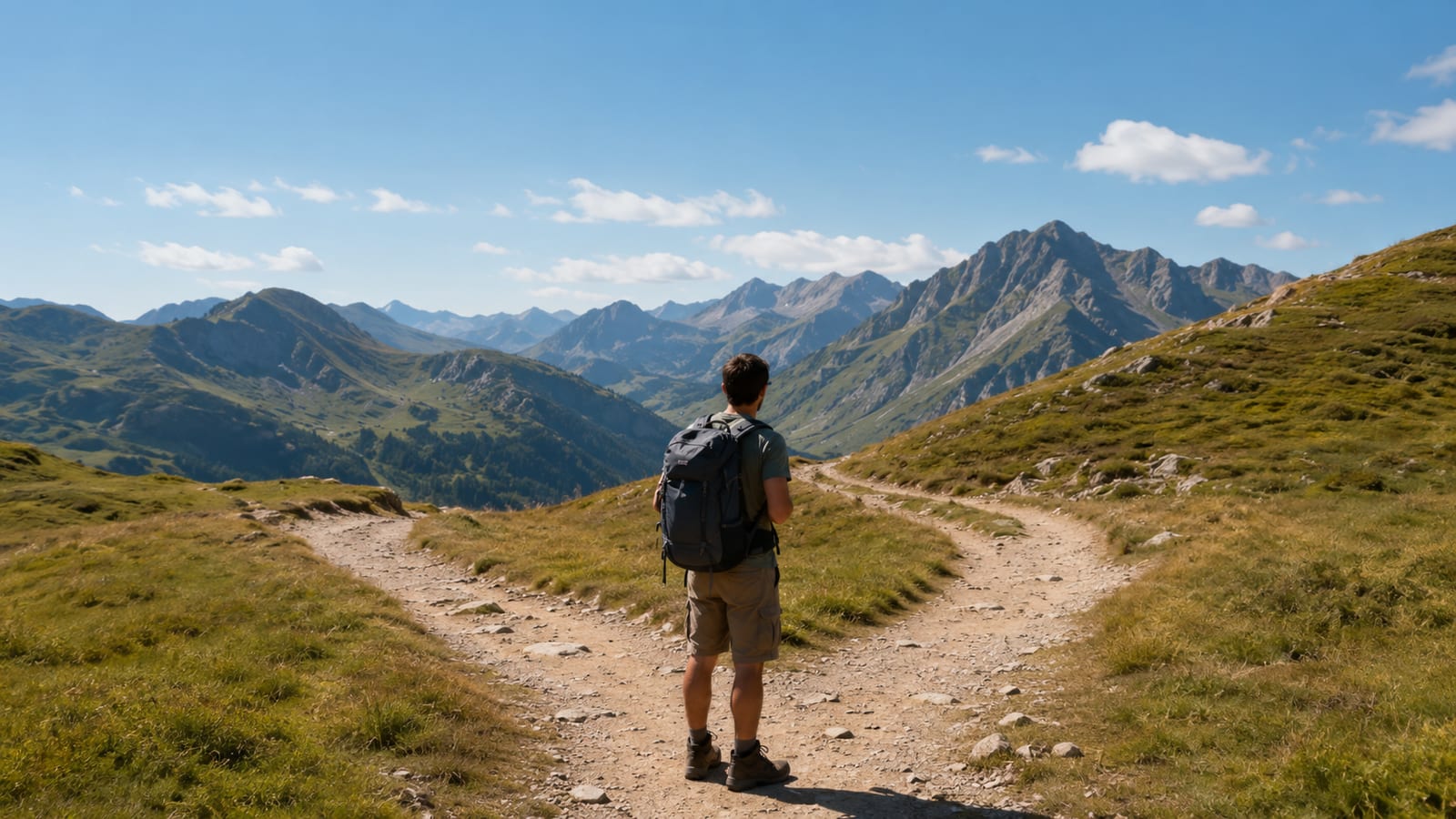
Protect the fixed parts and loosen the rest. Your passport, accommodation, arrival route, and essential transport deserve attention. A café, museum, or afternoon walk usually doesn’t.
I keep one main idea for a day and treat everything else as optional. That gives the day a shape without turning it into a race. If the museum holds your attention, stay. If the neighborhood feels flat, leave.
Spontaneity also needs judgment. An invitation from someone you’ve just met may be worth taking, but check how you’ll get home and keep control of your own transport. Adventure stops being fun when you hand every practical decision to a stranger.
Bad weather belongs here too. When it rains, swap the exposed plan for a covered market, a long lunch, or the bookshop you saved. A flexible trip bends without collapsing.
If rigid itineraries are your usual trap, try traveling without constant planning. Start by leaving one afternoon open.
How do you choose a trip around your own interests?
Plan the trip you’d enjoy if nobody ever saw the photos. That cuts through a surprising amount of nonsense.
If you care about bakeries, build mornings around bakeries. If you love trains, take the slower route with the better view. If churches bore you, stop filling the map with churches because a ranking called them essential.
Solo travel lets you notice your real pace. You can spend a morning in one gallery, eat the same breakfast again, or skip nightlife without negotiating with a group. Use that freedom instead of copying a crowded itinerary from someone with different interests.
Before booking, write down what you want to feel more of. It could be quiet, challenge, good food, time outdoors, or easy conversation. Then check whether the destination and schedule support that feeling.
This is where mastering a realistic travel mindset becomes personal. A meaningful trip isn’t the one with the fullest map. It’s the one that still sounds good after you remove the audience.
How can you find belonging while traveling alone?
Belonging usually comes from repetition, not one dramatic meeting. Go back to the same café, greet the person at the counter, and walk the same quiet street in the morning light.
Shared activities make conversation easier because nobody has to invent a reason to speak. Try a small walking tour, cooking class, language exchange, craft workshop, or group hike. Choose something you’d still enjoy if you didn’t make a friend.
Hostel common rooms can work, but they aren’t automatic friendship machines. Some are loud drinking spaces, while others feel more like shared kitchens. Read recent descriptions carefully and skip a party hostel if you want sleep and actual conversation.
Volunteering needs more care. Short placements can create work for local groups or replace paid jobs. Choose established community organizations, ask what help they need, and be honest about the time and skills you can offer.
Finally, put your phone away when you sit in a shared space. You don’t need to stare hopefully at the room. Just look available enough for someone to say hello.
What should you do when loneliness hits?
Loneliness on a solo trip is normal. It often appears when you’re tired, hungry, or stuck in a room after a long travel day.
Don’t make a grand judgment about the trip from your bunk. Eat something familiar, shower, rest, and step outside. A busy square or café can give you company without demanding conversation.
Then use a simple reset:
- Contact someone who makes you feel steady.
- Change your setting, even if you only move to the lobby.
- Choose a low-pressure shared activity.
- Eat a proper meal instead of snacking through the evening.
- Shorten tomorrow’s plan.
However, don’t force yourself into a noisy social night because you think solo travelers should be outgoing. Sometimes the right answer is a quiet dinner and an early bed.
If loneliness keeps returning, change the shape of the trip. Move from a private rental to a sociable guesthouse, book a group activity, or spend longer in one place. You’re allowed to adjust the plan before you start resenting it.
How can you engage with a new culture respectfully?
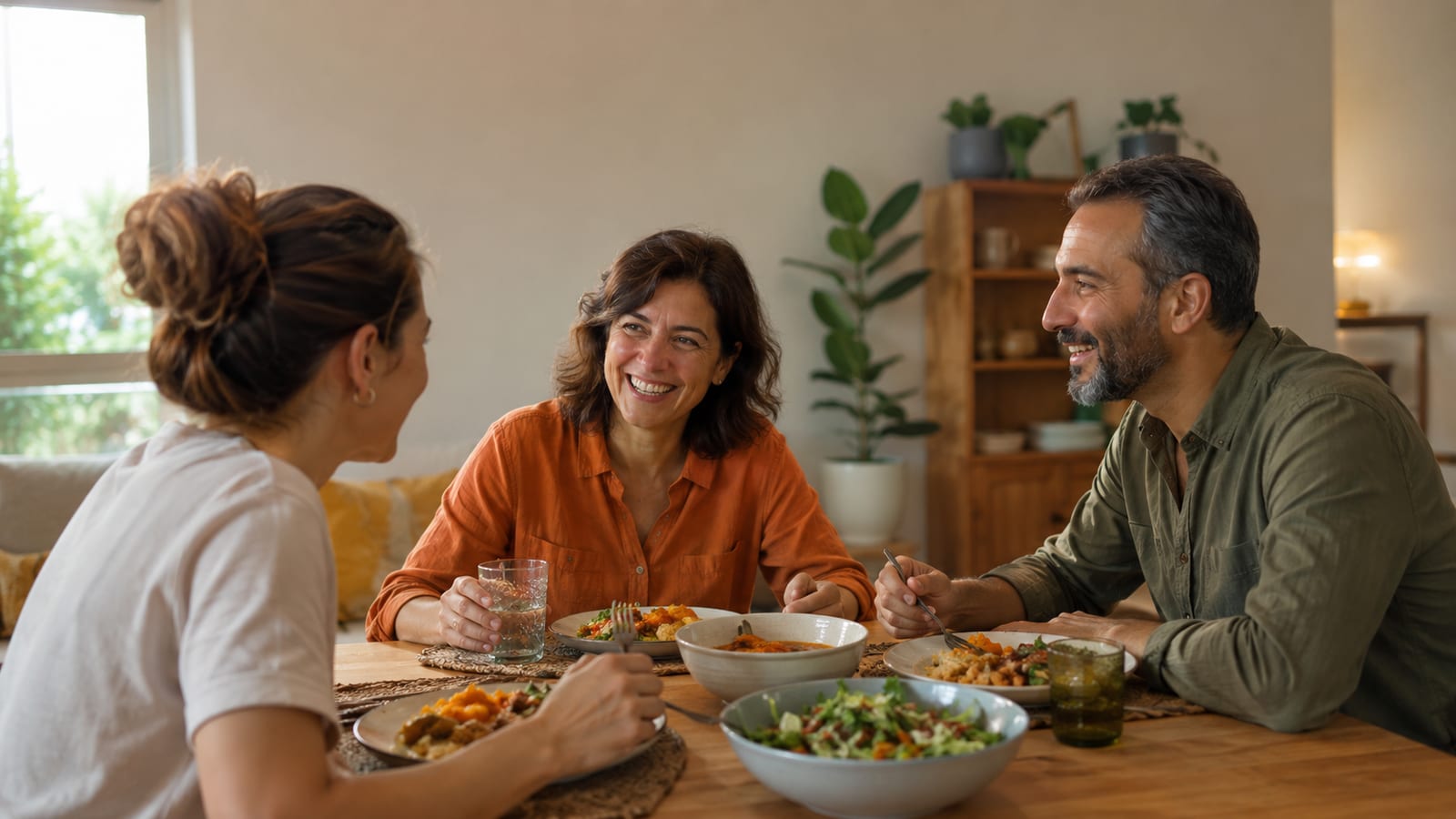
Watch first, then follow the local lead. Notice how people dress in religious places, how loudly they speak on transport, and whether shops expect a greeting when you enter.
Learn a few words and use them, even if your accent is clumsy. Ask before photographing people. If someone says no, take the answer cleanly and put the camera away.
Meanwhile, spend money beyond the main square. Grab a coffee at the neighborhood café, buy food from a local market, and choose an independent guide who knows the place. However, don’t confuse spending money with buying access to someone’s private life.
Slow down enough to see ordinary routines. The morning bread queue and the evening walk often tell you more than a staged cultural show. Return to the same places, and people may begin to recognize you.
Culture isn’t scenery arranged for your trip. You’re a guest moving through someone else’s working day.
How do you turn mistakes into useful travel experience?
Deal with the immediate problem before turning it into a story about your competence. A missed train means finding the next route. It doesn’t mean you’re bad at traveling.
Use this response:
- Stop moving. Sit somewhere safe and get the facts.
- Fix the next practical need. That may be transport, food, sleep, or a charged phone.
- Tell anyone affected. Contact your accommodation or transport provider early.
- Work out what caused it. Look for the useful detail, such as the wrong platform or an unrealistic connection.
- Change the next plan. Save the correct station, allow more breathing room, or ask for help sooner.
Awkward social moments need less analysis. You may misunderstand a custom, pronounce something badly, or miss a joke. Apologize if needed, correct yourself, and move on.
Poor choices deserve honesty, though. If you booked the cheapest room and got no sleep, admit that quiet matters more than saving a little money. That lesson can improve every later trip.
Mastering a realistic travel mindset means letting mistakes sharpen your judgment without using them as proof that you should have stayed home.
How can you return home with a grounded sense of yourself?
Don’t rush to turn the trip into a lesson. Unpack, sleep, and let the ordinary week return before deciding that everything has changed.
Then look at the evidence. Which decisions felt easy? Which boundaries became clearer? When did you feel most curious, calm, lonely, or overloaded?
I’d keep the reflection practical. Write down what you’d repeat, what you’d skip, and what you’d change next time. A preference for slow mornings or private rooms may sound small, but small details build better trips.
Also notice what belongs at home. Perhaps you’re more comfortable eating alone, asking for help, or changing a plan without apologizing. Those are useful gains because they don’t need a passport.
For help holding onto the quieter parts of a trip, read this guide to staying present while traveling. Then choose one habit to keep, rather than trying to preserve the whole travel version of yourself.
A meaningful solo trip won’t solve you. It will show you how you make decisions when nobody else is choosing, and that is enough.
FAQ
Can a short solo trip still feel meaningful?
Yes. Length matters less than attention and pace. Stay in one area, choose a few things you care about, and leave enough room to notice where you are.
A short trip becomes thin when every hour is assigned. Cut the weakest plans first.
Should your first solo trip be domestic or international?
Choose the option with manageable stakes. A domestic trip may feel easier because you already understand the language, payment systems, and transport signs.
However, a nearby international destination can also work if the arrival is simple and the basics are familiar. Pick the place that gives you some challenge without making every task hard at once.
Is solo travel a good choice for introverts?
Usually, yes, because you control your social time. You can join a group walk in the morning and spend the afternoon alone without disappointing anyone.
Still, solitude can become heavy after several quiet days. Book occasional shared activities before you feel cut off.
What if your family thinks solo travel is unsafe?
Show them the practical plan rather than arguing about fear. Share your accommodation, arrival route, insurance details, and check-in arrangement.
Then set a boundary. You can listen to a real concern without accepting a daily stream of alarming stories.
Do you need to enjoy eating alone before taking a solo trip?
No. Start with casual places where solo diners are common, such as cafés, food halls, and counter-service restaurants.
Bring a book if it helps, but look up now and then. Eating alone feels less awkward once you stop assuming everyone else is watching.