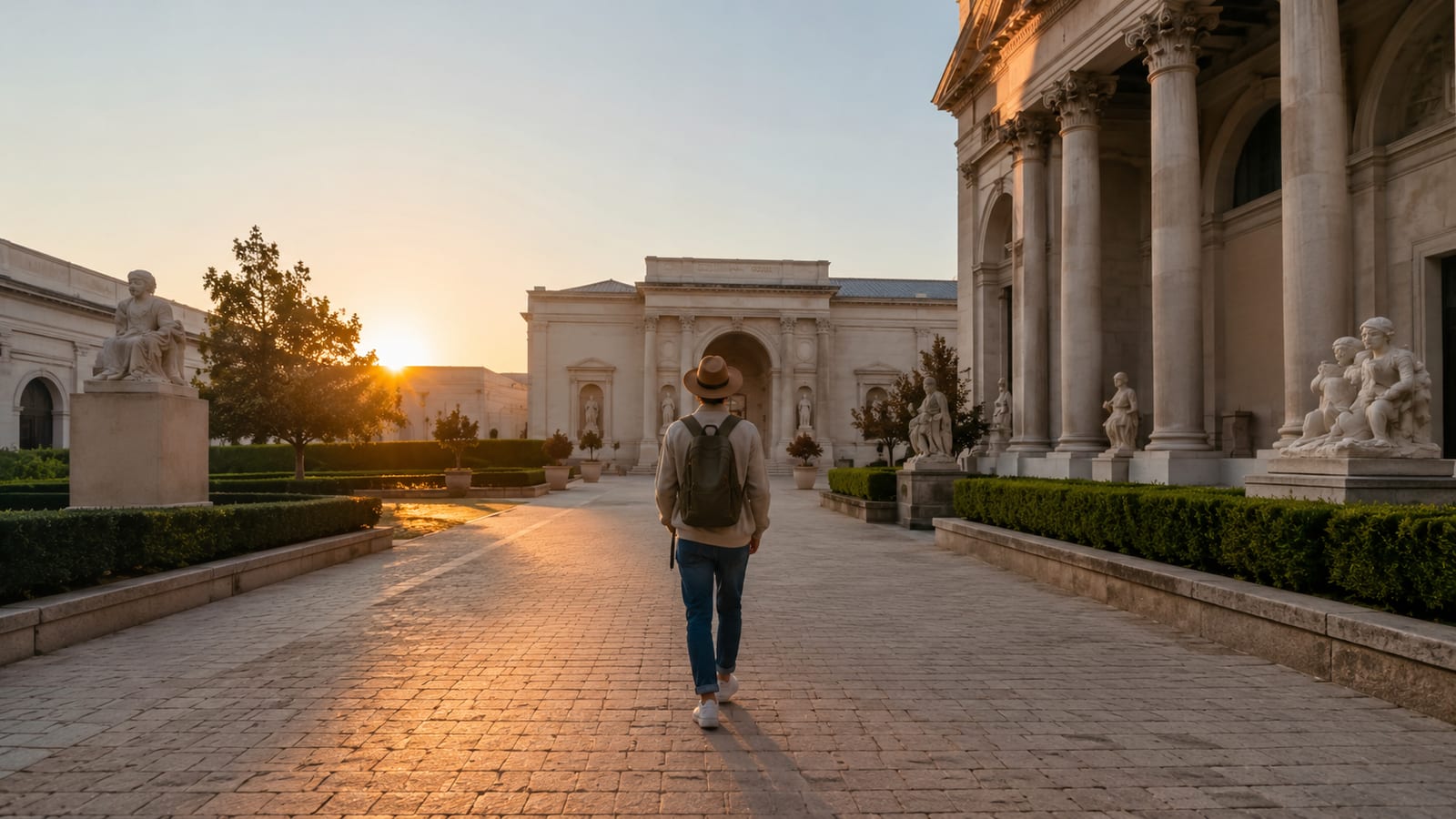
Crowds are usually a scheduling problem, not bad luck. How to avoid crowds at tourist attractions comes down to leaving the default timetable: arrive at opening or near closing, choose the quieter day, sleep within walking distance, reserve a timed ticket, and keep one lower-profile alternative ready. If the headline sight is packed beyond reason, skip it. A famous room you can’t stop to look at isn’t worth half your day.
Last updated: 2026-08-11
Why are tourist attractions crowded when you arrive?
Most visitors follow the same clock. Day-trippers arrive after breakfast. Cruise passengers come ashore in waves. Coach tours roll up in late morning, then move through the same rooms in the same order.
Meanwhile, weekends bring local visitors as well as travelers. School holidays add families, while religious holidays can close one place and push everyone toward another. A rainy forecast often sends the whole city into its museums.
The useful question isn’t whether an attraction gets busy. It’s which group will arrive first, and when. Once you see the pattern, the queue stops feeling random.
How to avoid crowds at tourist attractions?
Go at opening, use the final entry window, and avoid the middle of the day. Check the local calendar, reserve ahead, and leave room to change course if the crowd still wins.
Here is the order I use:
- Check opening days and special events.
- Book the first or final timed entry.
- Look for cruise ships and coach-tour arrivals.
- Sleep close enough to walk there.
- Enter through an official secondary entrance if one exists.
- Reverse the usual route through the site.
- Take lunch while everyone else is touring.
- Return later if the ticket allows it.
- Keep a quieter alternative nearby.
- Follow local access rules without trying to outsmart them.
- Build the rest of the day so one delay doesn’t wreck it.
This is how to avoid crowds at tourist attractions without turning the trip into a military exercise. You still need some flexibility, because a school group or delayed cruise ship can change the day in minutes.
Step 1: Go at opening or near closing
Opening time is the best choice for most famous sights. Book the first slot, arrive before the doors open, and go straight to the room or viewpoint you care about most. Don’t spend the quiet part of the morning browsing the gift shop.
At the Eiffel Tower in Paris, the first slot may be listed as 09:00. Ticket holders are told to arrive 15 to 20 minutes before their time. However, times can change without notice, so check the official Eiffel Tower visitor information before leaving your room.
The final entry window can work just as well. However, check whether staff begin clearing rooms before the building closes. A late ticket is poor value if you’re rushed through the part you came to see.
After-dark visits are worth it when the attraction has real evening hours. Midnight sightseeing sounds clever online, but it’s useless if the gates are locked or the last train has gone.
The British Museum lists special exhibitions until 20.30 on Fridays, with last entry at 20.15. Its standard daily listing is 10.00–17.00, with last entry at 16.45. That Friday opening is useful because it changes the whole shape of the day.
Step 2: Pick the day from the actual calendar
Tuesday isn’t automatically quiet. Neither is Wednesday. The right day depends on closures, local weekends, school terms, religious observance, festivals, and which neighboring attractions are open.
The Louvre is open daily except Tuesdays. It also closes on 1 January, 1 May and 25 December. As a result, turning up on Tuesday because someone called it a quiet museum day gets you a firmly closed door.
Its listed hours are 9:00 AM to 6:00 PM on Monday, Thursday, Saturday and Sunday. On Wednesday and Friday, they run from 9:00 AM to 9:00 PM. Those longer evenings give you a better option than joining the morning queue.
Always check the attraction’s own calendar first. Then check the city calendar for school breaks, public holidays, concerts, races, and religious events. A quiet weekday can become the busiest day of your trip when a major event closes nearby streets.
Step 3: Check the crowd before leaving home
You can spot most bad crowd days with a short research pass. Don’t start with travel forums. Start with the official booking calendar, because sold-out early slots tell you more than a cheerful blog post written months ago.
Use this order:
| Check | What it tells you | What to do |
|---|---|---|
| Timed-ticket calendar | Which hours are filling first | Book the earliest open slot |
| Official event calendar | Closures, festivals and evening openings | Move the visit or use the late hours |
| Cruise-port schedule | When ship passengers reach town | Avoid the main arrival wave |
| Transit notices | Station closures and replacement buses | Change your route before leaving |
| Live map data | Current congestion around the entrance | Delay, walk, or use your backup |
| Recent visitor reports | Closed entrances and queue locations | Confirm them with staff on arrival |
| Weather forecast | Heat, rain and poor visibility | Swap indoor and outdoor plans |
Cruise calendars matter even when you aren’t visiting the port. Passengers often travel inland to the same famous ruins, viewpoints, and old towns.
Recent reports can help, but treat viral crowd advice with suspicion. Once everyone has seen the “secret entrance,” it’s no longer quiet. Official access information wins.
Step 4: Use timed tickets for control, not magic
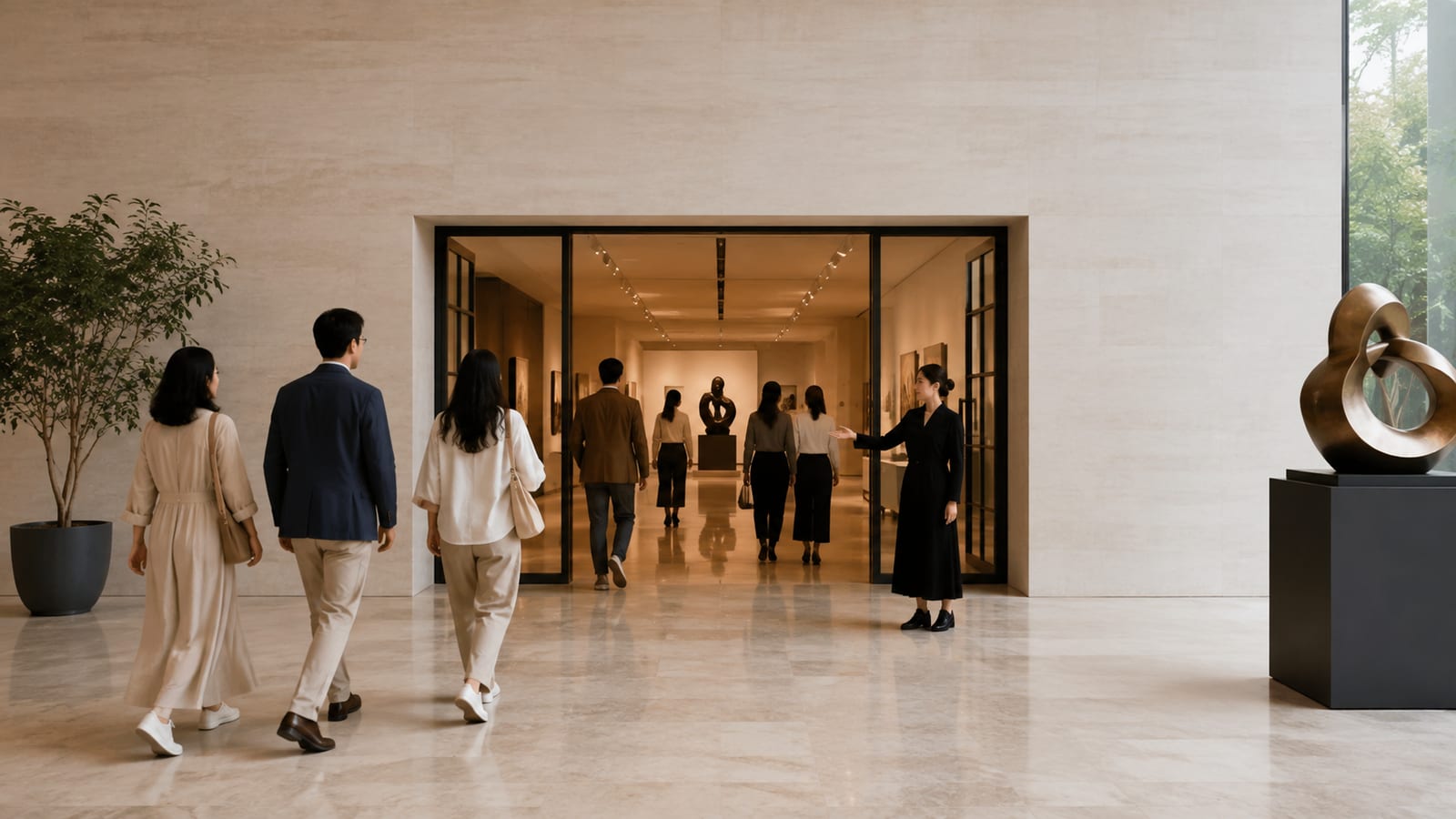
A timed ticket gets you through the reservation problem. It doesn’t promise an empty gallery once you’re inside. People from several entry windows can still collect around one famous painting, tomb, or viewpoint.
First-entry slots are usually the best buy. Guided access can also help when a separate official entrance gets you past the general ticket line. However, skip a tour that spends half its time gathering strangers, handing out headsets, and waiting for late arrivals.
Small-group tours are worth paying for when access is limited or the site is hard to understand alone. They aren’t worth it when the guide simply walks you through rooms you could visit at your own pace.
Rome’s 24-hour Colosseum, Forum and Palatine Hill ticket is free for visitors under 18, but it must still be booked. Free entry doesn’t mean walk-up entry. That small detail catches families every day.
Step 5: Avoid the package-tour clock
You don’t need to reject every organized tour. You do need to know when the large ones arrive.
Cruise excursions and package tours run on fixed transport. Coaches drop people near the entrance, guides gather them, and the group follows the standard route. That creates a clear wave rather than a steady flow.
If several ships are due, visit the main attraction before their excursions reach it. Otherwise, go later after the coaches leave. In a small port town, the quietest hours may be before the first gangway opens and after passengers return to the ship.
Independent travel gives you more control. Still, it only works if you use that freedom. Sleeping late and arriving with the coaches puts you in the same crowd without the guide.
Step 6: Stay close enough to walk
A cheaper room far from the center can cost you the quietest hour. You save on the bed, then lose the advantage while changing trains and waiting for a bus.
For a headline attraction, I’d rather stay within walking distance for one night. You can leave before breakfast, arrive without relying on transit, and return to the room when the streets fill.
This matters most for first-entry tickets. Early public transport may run less often, while taxis can get stuck behind tour coaches near the gate.
You don’t need to sleep beside every sight. Pick the one place that matters most, stay near it, and move neighborhoods later if the price climbs. Choosing a slower travel pace often saves more time than packing the day with distant stops.
Step 7: Change direction once you’re inside
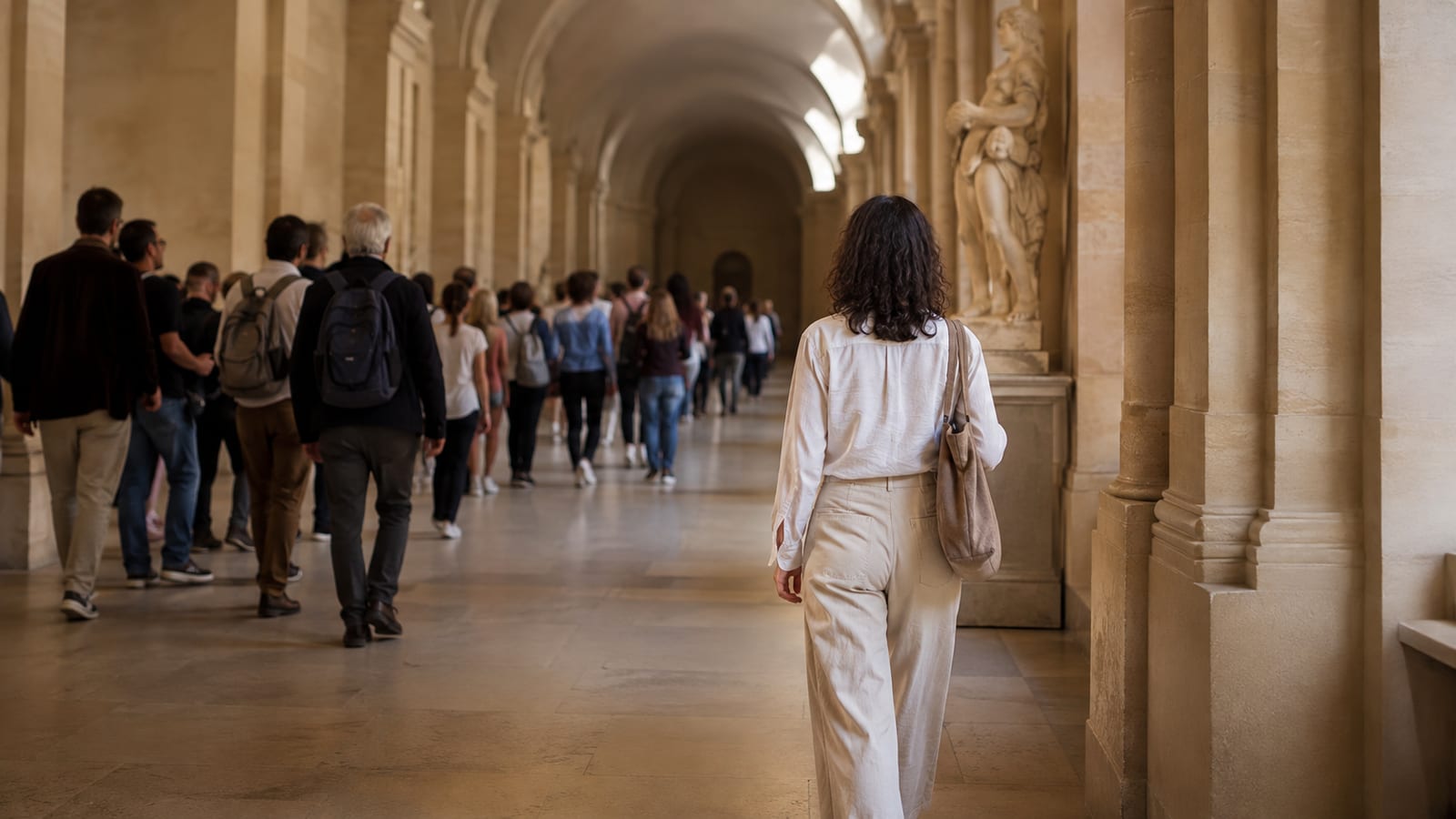
Crowds follow visual clues. They head toward the famous room, the biggest staircase, or the viewpoint shown on the ticket. So go the other way.
Start with the least photogenic wing. Use an official secondary entrance when the attraction lists one. If most people turn right, turn left, provided the route is open and staff allow it.
At museums, save the headline work for later if your ticket permits free movement. At ruins, walk to the far edge before stopping. On trails, let large groups pass at a wide section rather than sitting behind them for the whole route.
Meanwhile, use the main meal period as your reset. Grab a coffee or eat nearby while the crowd is at its thickest. Then return if re-entry is allowed.
A flexible day helps here. Flexible itinerary planning isn’t about refusing to book anything. It means knowing which part of the day can move without taking the rest down with it.
Step 8: Choose the quieter alternative when the main sight isn’t worth it
Some crowds can be managed. Others ruin the reason you came.
Skip the famous viewpoint if you’ll spend the whole visit pressed against a rail. Choose another hill, a quieter riverbank, or a neighborhood street with the same skyline. The postcard angle isn’t always the best place to slow down and look.
The same rule works for museums, trails, beaches, and old towns. Pick a smaller collection with room around the work. Take a nearby trail without the famous summit sign. Visit the next town on the rail line when the headline center is full of day-trippers.
However, don’t swap a major attraction for a random place just because someone called it undiscovered. A useful alternative should offer the thing you wanted in the first place: the art, view, walk, history, or quiet water.
Set realistic expectations before traveling and make a firm keep-it or skip-it call. Not every famous sight earns the hassle.
Step 9: Respect places dealing with overtourism
Crowd avoidance isn’t a game of sneaking past barriers. If a city requires a booking, local fee, trail permit, or approved route, follow it.
Those rules usually exist because residents are tired of blocked doorways, packed buses, litter, and visitors walking through private streets for a photo. Finding an unguarded gap doesn’t make the rule optional.
Spend outside the busiest square when you can. Eat on a quiet street, stay overnight instead of arriving only for the afternoon, and use public toilets rather than treating cafés as free facilities. In small places, those choices carry a real cost or benefit for residents.
Also, don’t promote fragile spots as “secret” finds. A tucked-away beach or narrow residential lane can’t absorb a viral wave. Enjoy it, follow posted rules, and leave the location out of the public caption if access is sensitive.
You are a guest. Saving yourself a queue doesn’t outrank the people who live there.
Step 10: Skip the crowd-avoidance tricks that fail
Arriving before opening only helps if there’s a legal place to wait. Standing outside a locked gate in the dark isn’t a travel skill. It’s a cold morning with no coffee.
Sunrise and midnight visits also fail when access hours, transport, lighting, or local rules don’t support them. Never climb a fence, cross a closure, or walk onto private land for an empty photograph.
Bad weather is unreliable. Rain may clear an outdoor viewpoint, but it can fill every museum and covered market nearby. Check both plans before deciding the storm is helping you.
Viral “secret spots” are usually the next crowded spots. Some also sit in residential courtyards where people are trying to sleep.
Finally, don’t build a rigid day around one attraction. If a closure or protest blocks entry, take the refund or move the booking. A place doesn’t improve because you’ve already lost the morning to it.
Step 11: Use one simple itinerary rule
Plan one essential stop at opening, one flexible lower-profile stop at midday, and one evening plan that can absorb delays. That is the easiest way to avoid crowds at tourist attractions without spending the whole trip watching the clock.
The opening sight gets your best energy and the quietest access. Midday goes to a neighborhood, smaller museum, long lunch, park, or market. The evening stays loose, so a late entry, changing weather, or slow meal doesn’t cause trouble.
If the first attraction runs late, drop the middle stop. If it’s packed, leave and use the backup. No rush. The trip is bigger than one queue.
Your first action is simple: open the official calendar for the busiest attraction on your trip and book its first sensible slot.
FAQ
Should I bring children to an attraction at opening time?
Yes, if the early start won’t leave them tired before you enter. Pack breakfast, water, and one quiet activity for the wait outside. If mornings are already difficult, choose a final entry instead of forcing a dawn start.
Do large bags make crowd problems worse?
Often, yes. Bag checks slow your entry, while lockers may have their own queue. Carry only what the attraction allows and check its bag policy before leaving your room.
How do I take photographs without blocking other visitors?
Set up away from doors, stairs, and narrow paths. Wait for a natural gap, take the photograph, then move. Don’t ask strangers to clear a public space for your frame.
Are audio guides useful in crowded museums?
They can be, especially when wall labels are hard to reach. Download the official guide before you arrive if that option exists, and bring your own headphones. You can then step away from the cluster around each label.
What should I do if crowds cause sensory overload?
Leave the busiest room before you’re exhausted. Find a courtyard, quiet gallery, café, or bench and decide whether to return. This guide to avoiding overstimulation while traveling can help you build calmer breaks into the day.